Artwork
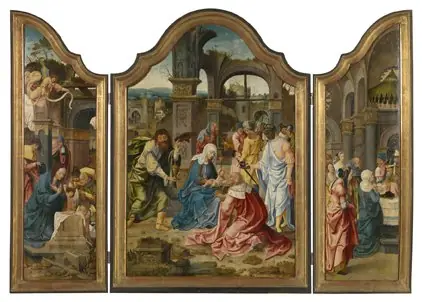
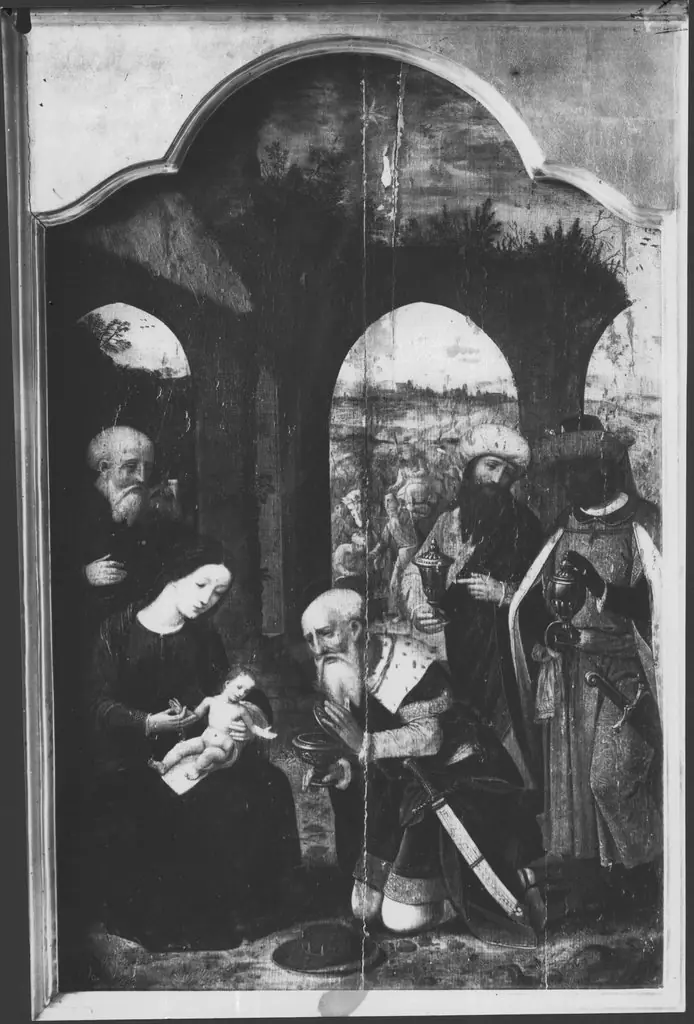
Triptychon, Mitteltafel: Anbetung der Könige
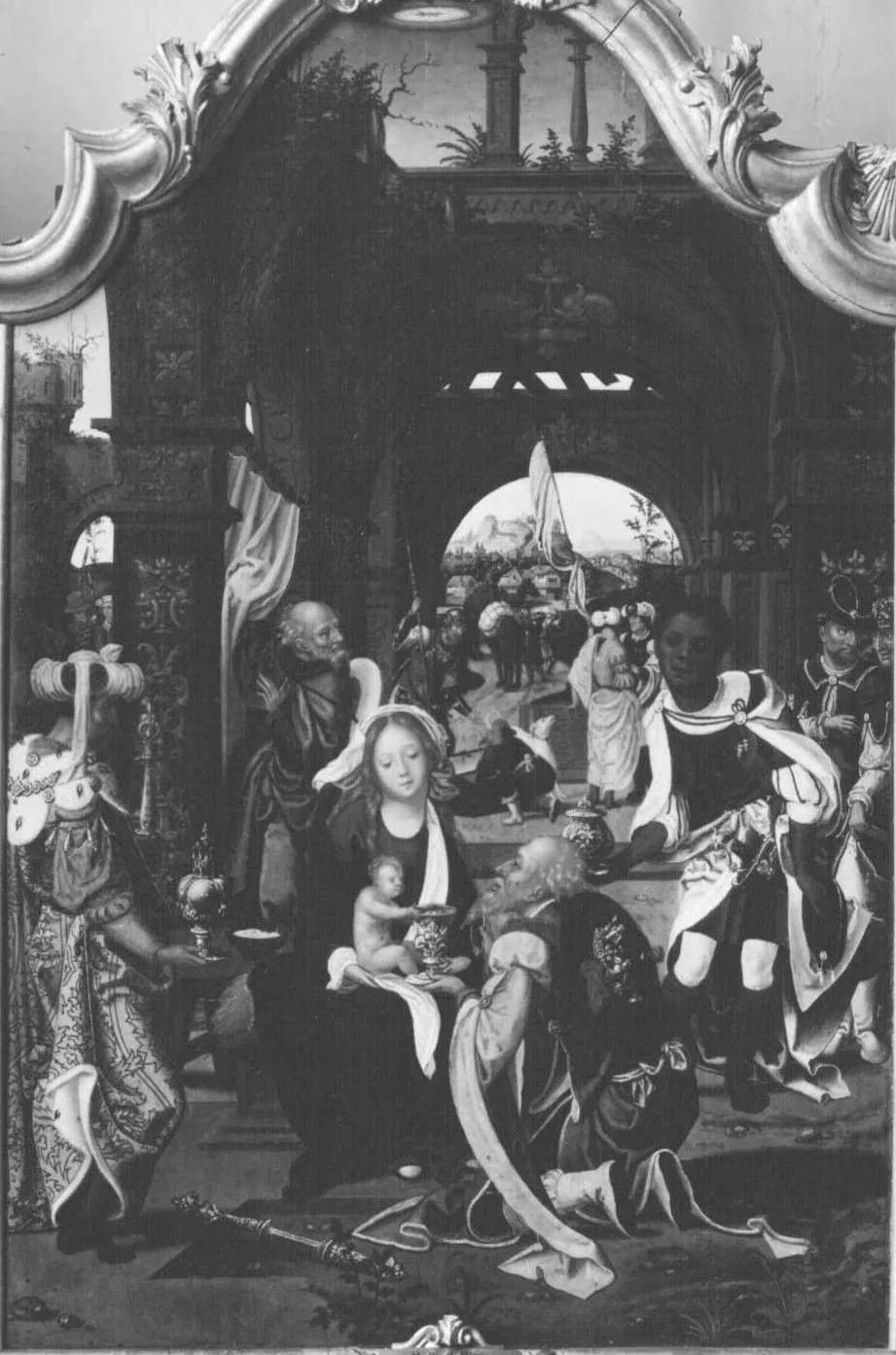
Triptychon, Mitteltafel: Anbetung der Könige is an unspecified painting by Master of 1518. It dates from 1550 and is held in the collection of the Bavarian State Painting Collections.
About this work
Overview
The artist’s identity remains uncertain, though stylistic links have been proposed to Jan Mertens the Younger and Jan van Dornicke.
Created around 1550, this central panel of a triptych portrays the Adoration of the Magi and is attributed to the anonymous Flemish painter known as the Master of 1518. It resides in the Alte Pinakothek in Munich as part of a larger devotional altarpiece. The artist’s identity remains uncertain, though stylistic links have been proposed to Jan Mertens the Younger and Jan van Dornicke. The work exemplifies the elaborate, emotionally charged style of Antwerp Mannerism.
Subject & Meaning
The scene captures the biblical moment when the Three Kings present gifts to the infant Jesus, who sits with the Virgin Mary. Surrounding figures—courtiers, attendants, and onlookers—emphasize the event’s significance as a revelation of Christ’s divine status to the Gentile world. The composition avoids overt celebration, instead conveying solemn reverence through stillness and focused attention, reinforcing the theological weight of the moment.
Technique & Style
The artist employs a restrained chiaroscuro to model forms and direct focus toward the central group. Deep shadows envelop the interior space, while a faint, distant landscape visible through an arched opening introduces a subtle contrast of light. Figures are rendered with intricate detail and elongated proportions, typical of Antwerp Mannerism, creating a sense of crowded intimacy without spatial clarity, enhancing the mystical atmosphere.
History & Provenance
The panel was likely commissioned for private or ecclesiastical devotion in Antwerp during the mid-16th century. It entered the Alte Pinakothek’s collection in the 19th century, having passed through private hands in Germany. The triptych’s side panels are unlocated, leaving the original context incomplete. Its attribution to the Master of 1518 stems from stylistic comparisons with other unsigned works from the same period and region.
Context
Produced during a time of religious upheaval, the painting reflects the enduring appeal of traditional Catholic iconography in southern Netherlandish regions. While Protestant reformers rejected such imagery elsewhere, Antwerp’s artistic community continued producing elaborate devotional works for Catholic patrons. The dense composition and emotional intensity align with broader trends in Mannerist religious art seeking to inspire contemplation amid uncertainty.
Legacy
Though the Master of 1518 remains unidentified, his work contributes to the understanding of post-Hieronymus Bosch Flemish painting. The triptych’s emphasis on psychological depth and atmospheric lighting influenced later generations of regional artists. Its preservation in a major European museum ensures continued study of how religious narratives were visually sustained in the face of changing theological landscapes.
Artist & collection
Artist
The Master of 1518 is a Flemish painter belonging to the stylistic school of Antwerp Mannerism.

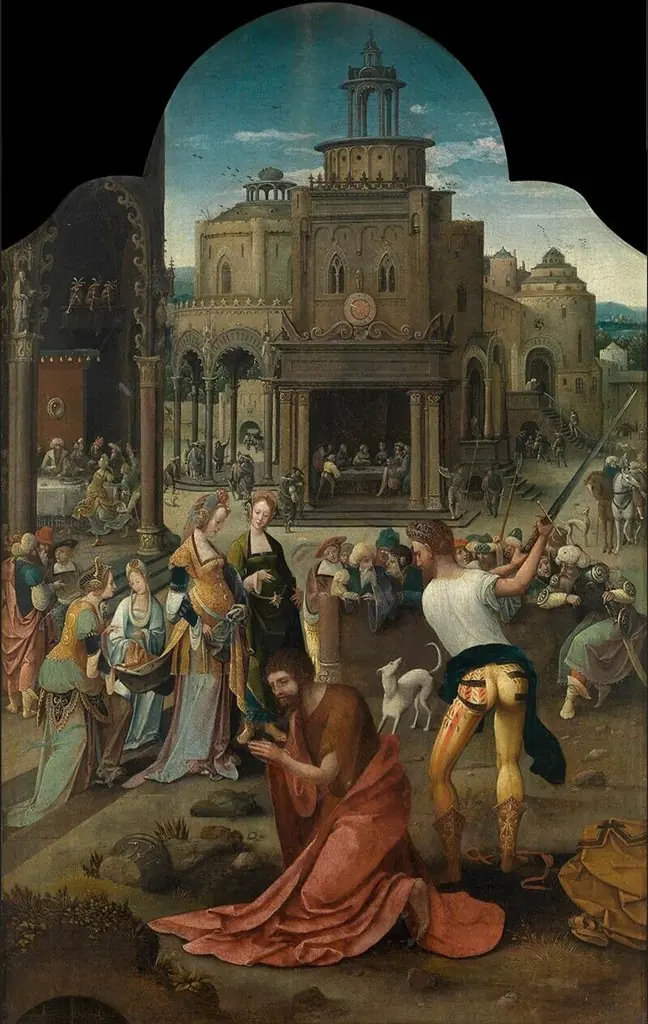
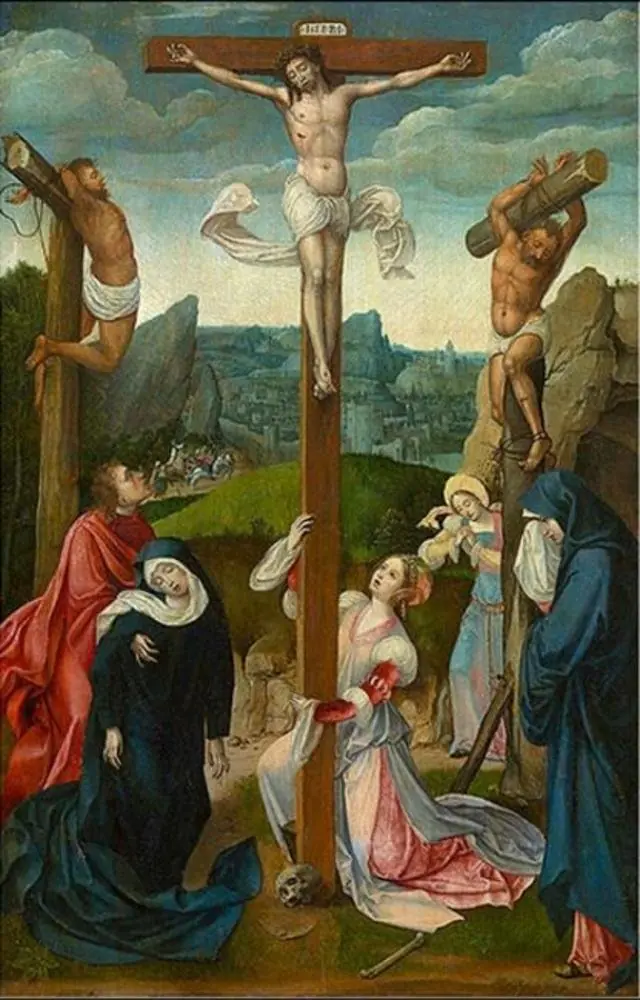
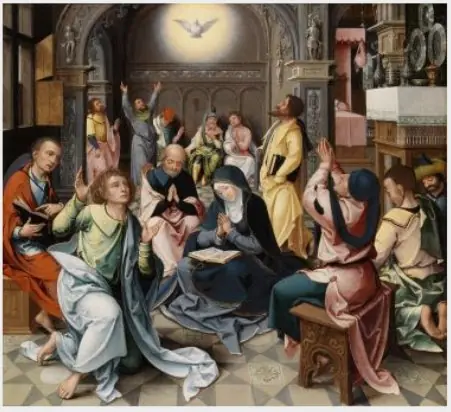
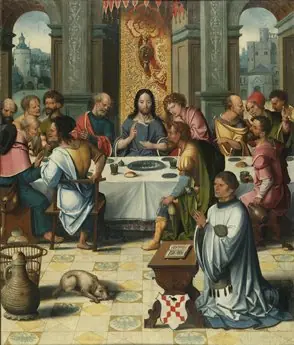
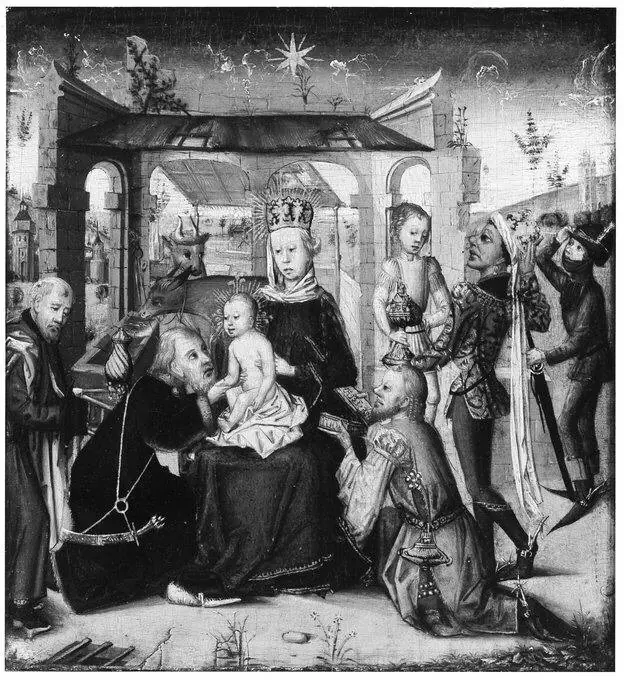 Adoration of the Magi
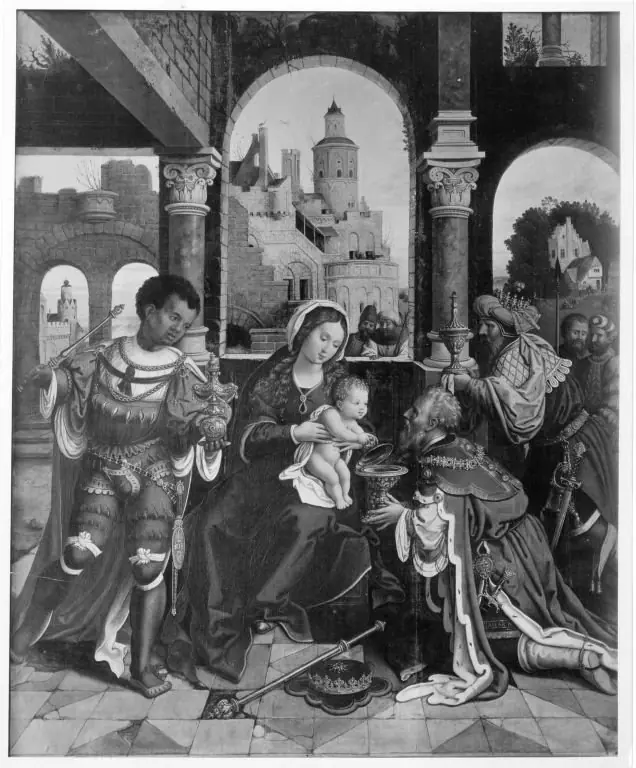 The Adoration of the Magi
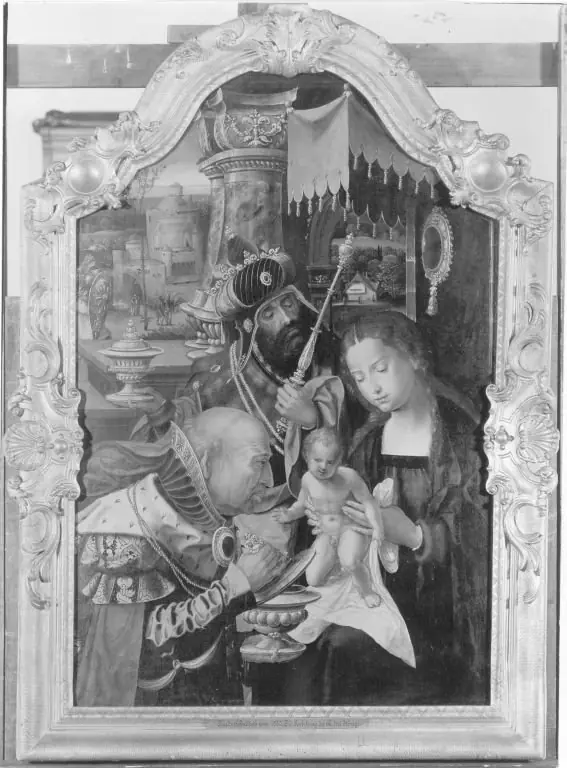 Adoration of the magi (centre)
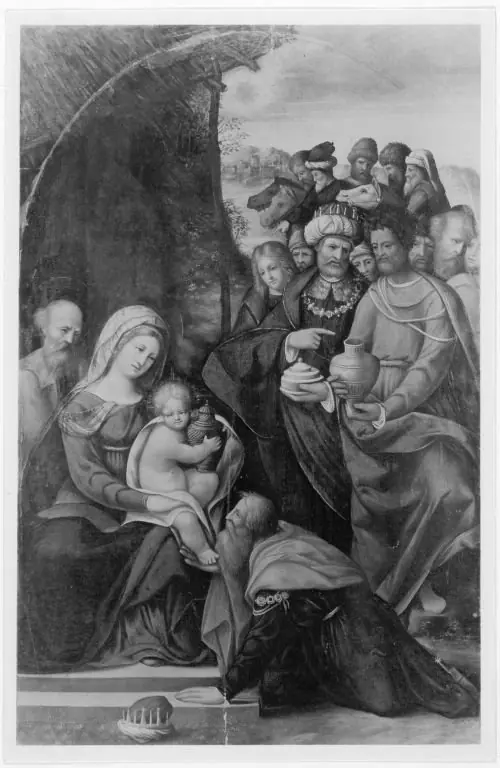 Anbetung der Könige
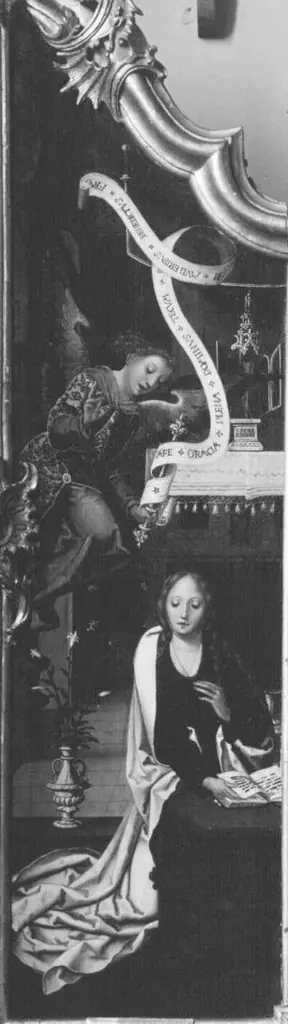
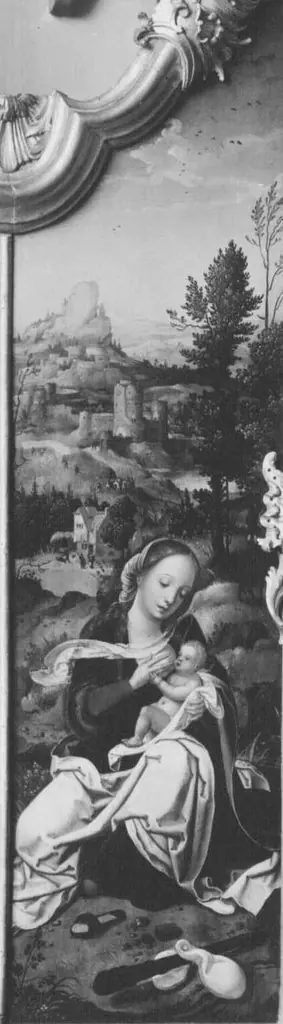
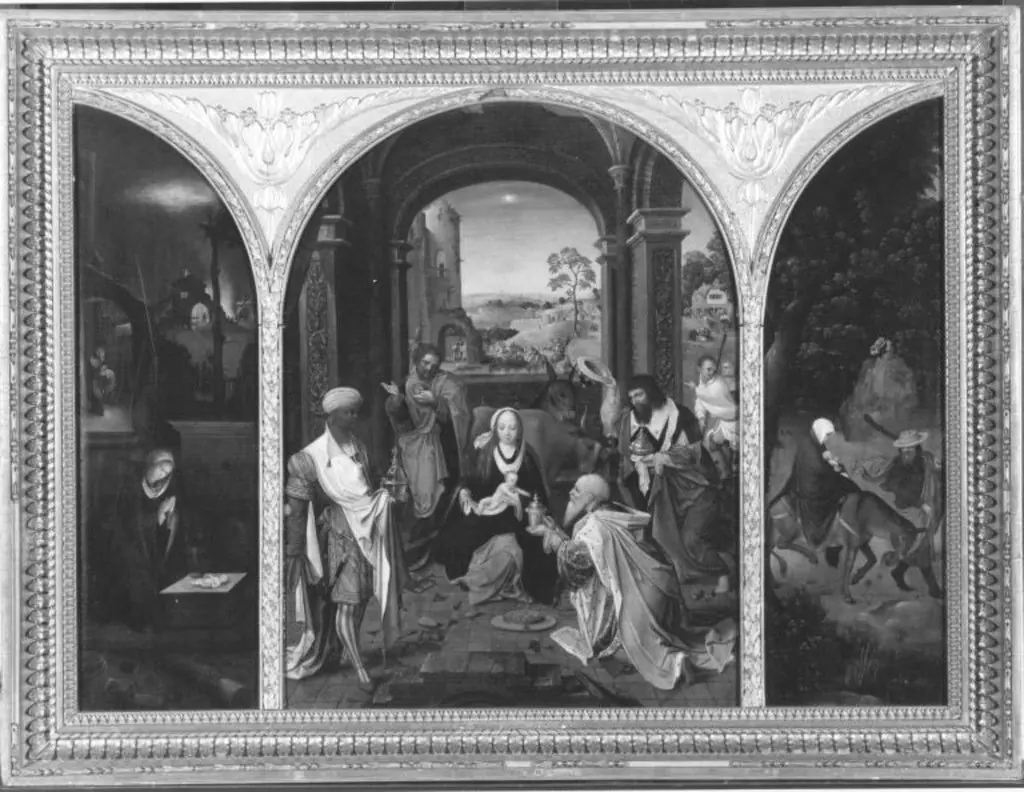 Triptych of the Adoration of the Magi with Nativity and Flight into Egypt on outer wings
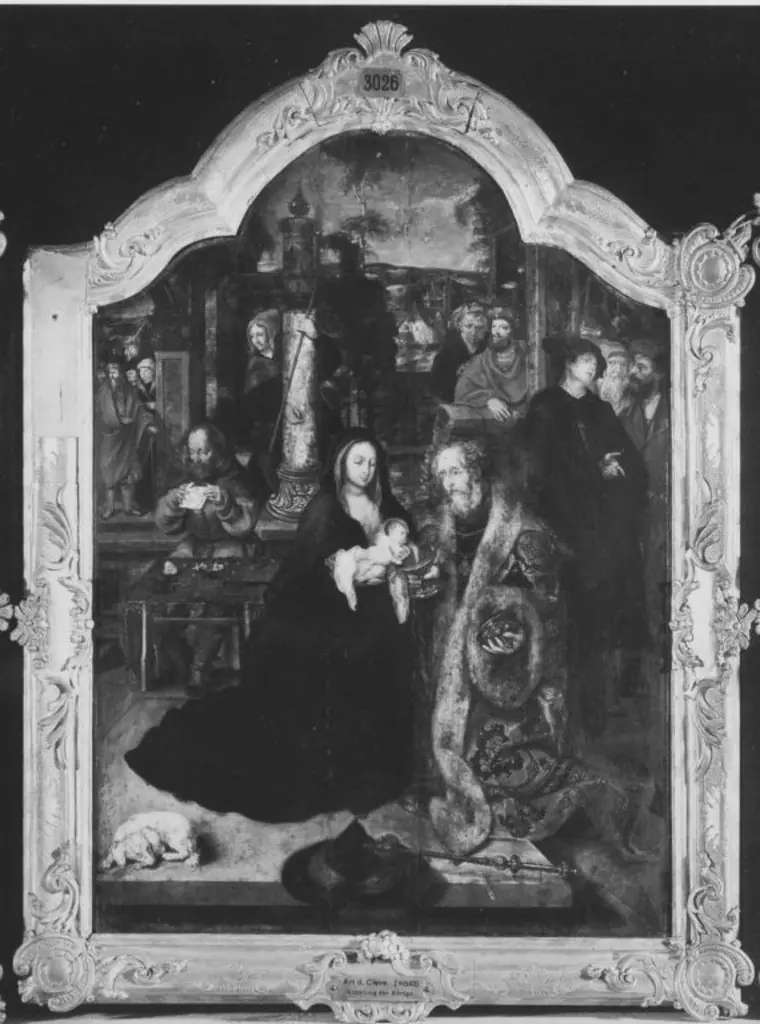 Triptych:Adoration of the Magi
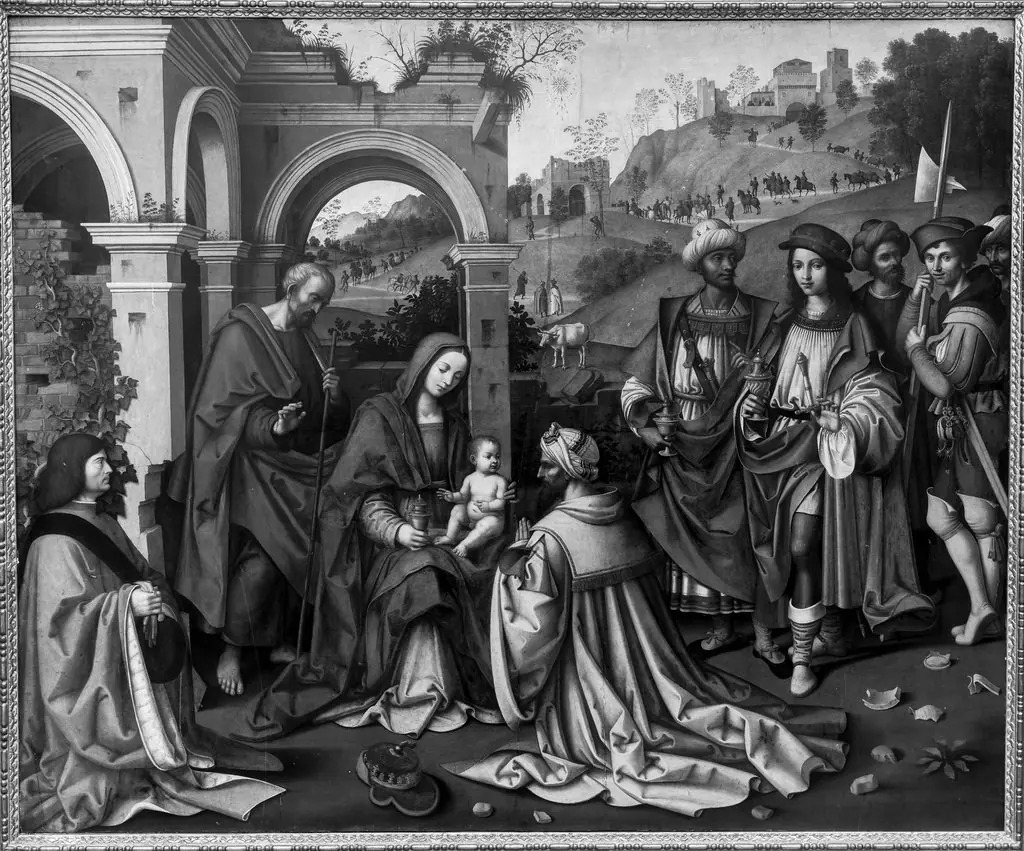 Adoration of the Kings
 Adoration of the Magi
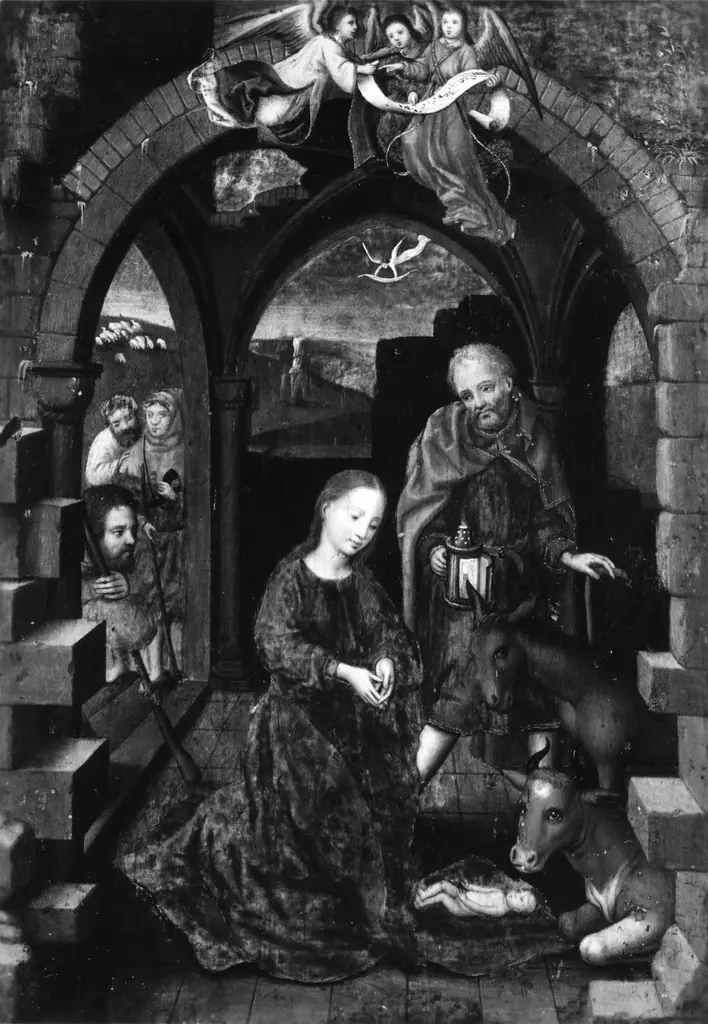 The Nativity with the Adoration of the Shepherds
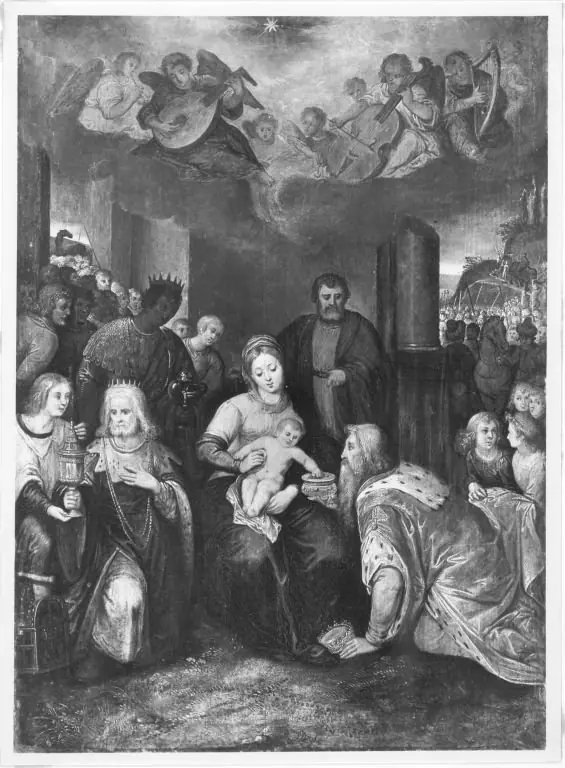 Anbetung der Könige