Artwork
The Descent of the Holy Ghost
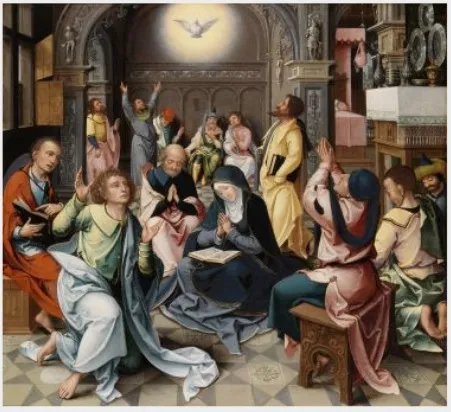
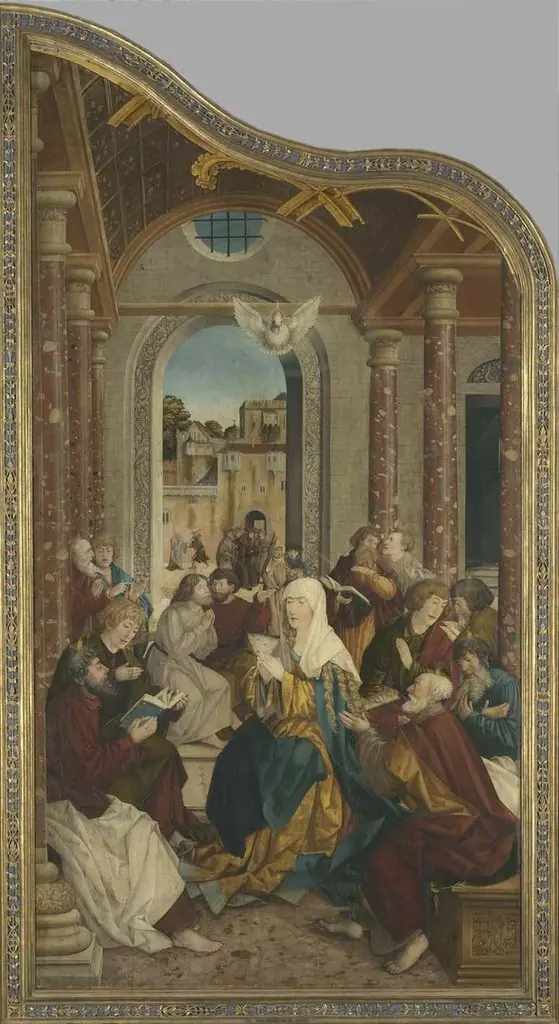
The Descent of the Holy Ghost is an oil painting by the Northern Renaissance artist Master of 1518. It dates from 1518 and is held in the collection of the National Gallery of Ireland.
About this work
The individuals are dressed in robes of various colors, including red, yellow, green, and blue, and are seated or standing in different positions.
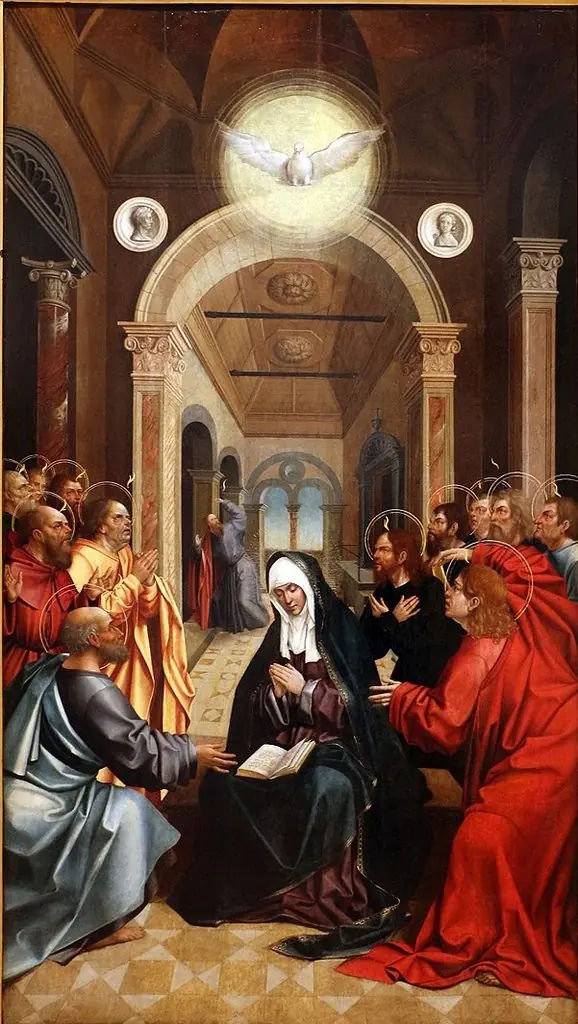
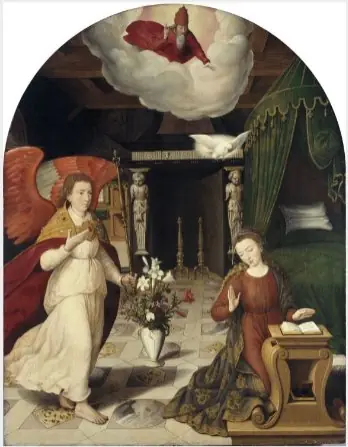
This painting depicts a gathering of people in a room, with a dove descending from above. The individuals are dressed in robes of various colors, including red, yellow, green, and blue, and are seated or standing in different positions.
The scene is set in a room with a high ceiling and arched windows, and the atmosphere appears to be one of reverence and contemplation. The use of oil paint creates a sense of depth and texture, adding to the overall mood of the painting.
If you're interested in learning more about the artist who created this work, you might want to look up Master of 1518.
Overview
Created in 1518, this oil‑on‑panel work portrays a biblical gathering in an interior space, illuminated by a dove descending from the vaulted ceiling. Figures in vivid robes—reds, yellows, greens, blues—are arranged in various poses, some seated, others standing, conveying a solemn atmosphere of reverence. The composition reflects the crowded, dynamic arrangements typical of early sixteenth‑century Flemish painting.
Subject & Meaning
The scene illustrates the descent of the Holy Spirit upon the apostles, a moment traditionally associated with Pentecost. The dove, rendered as a luminous form falling from above, symbolizes the divine presence. The diverse attire of the participants suggests a universal congregation, emphasizing the spread of the Christian message to all peoples.
Technique & Style
Executed in oil on wood, the painting employs layered glazes that generate depth and a tactile quality to fabrics and architecture. The artist’s handling of light creates a subtle chiaroscuro, while the crowded composition and elongated figures reveal the influence of Antwerp Mannerism, a regional style noted for its decorative richness and complex spatial arrangements.
History & Provenance
The work is attributed to the anonymous figure known as the Master of 1518, a name derived from a dated altarpiece in Lübeck. Although the painter’s identity remains uncertain, scholars have proposed connections to Jan Mertens the Younger or Jan van Dornicke. Today the painting forms part of the National Gallery of Ireland’s collection.
Context
Situated within the Northern Renaissance, the piece reflects the period’s heightened interest in detailed narrative and devotional subjects. Antwerp Mannerism, the stylistic current to which it belongs, merged Gothic ornamentalism with emerging Renaissance naturalism, producing works that combined elaborate surface decoration with a growing concern for spatial realism.
Artist & collection
Artist
The Master of 1518 is a Flemish painter belonging to the stylistic school of Antwerp Mannerism.

 Wettenhauser Hochaltar: Ausgießung des Heiligen Geistes Rückseite: ehemals Relief mit Anbetung der Könige
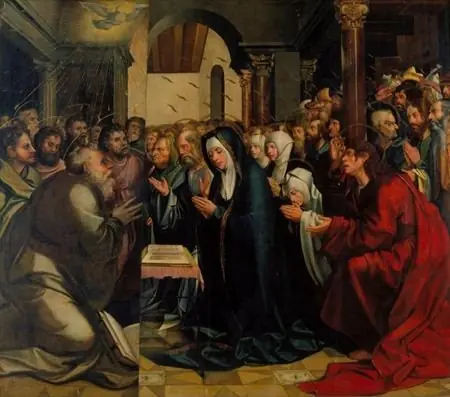 Pentecost
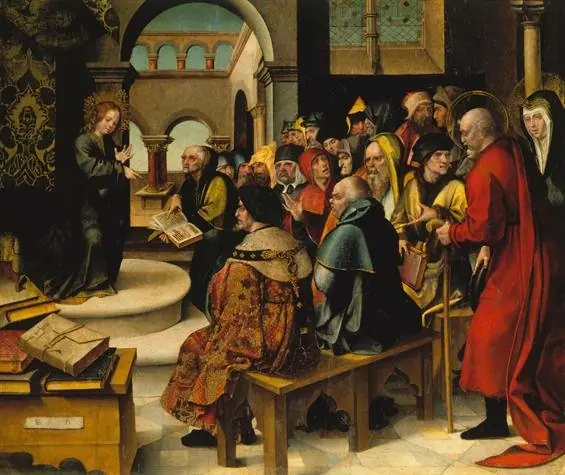 Jesus among the Doctors
 Landscape with Canopy and a Legionary; the Apparition of the Virgin to Saint James the Greater (on verso)
 Pentecostes
 Expulsion of the money changers from the temple
 Portinari Triptych
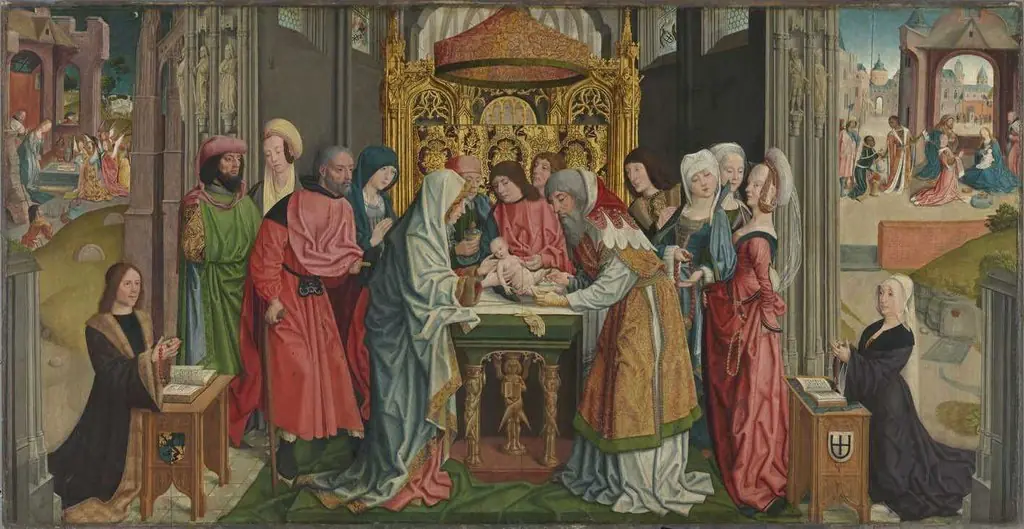 Circumcision of Christ
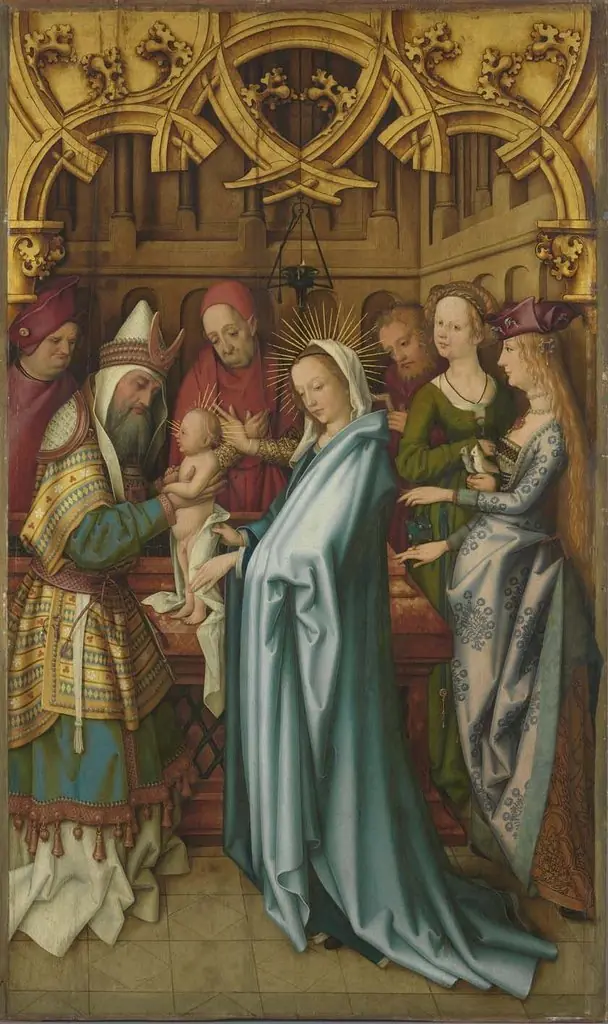 Kaisheimer Altar: Darbringung im Tempel
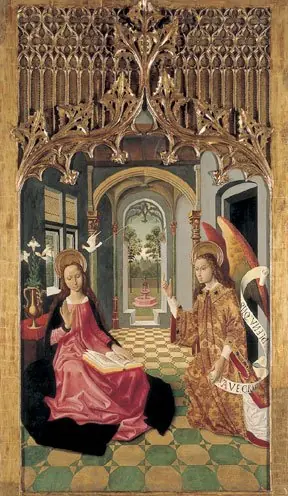 The Annunciation (Meister from Canapost)
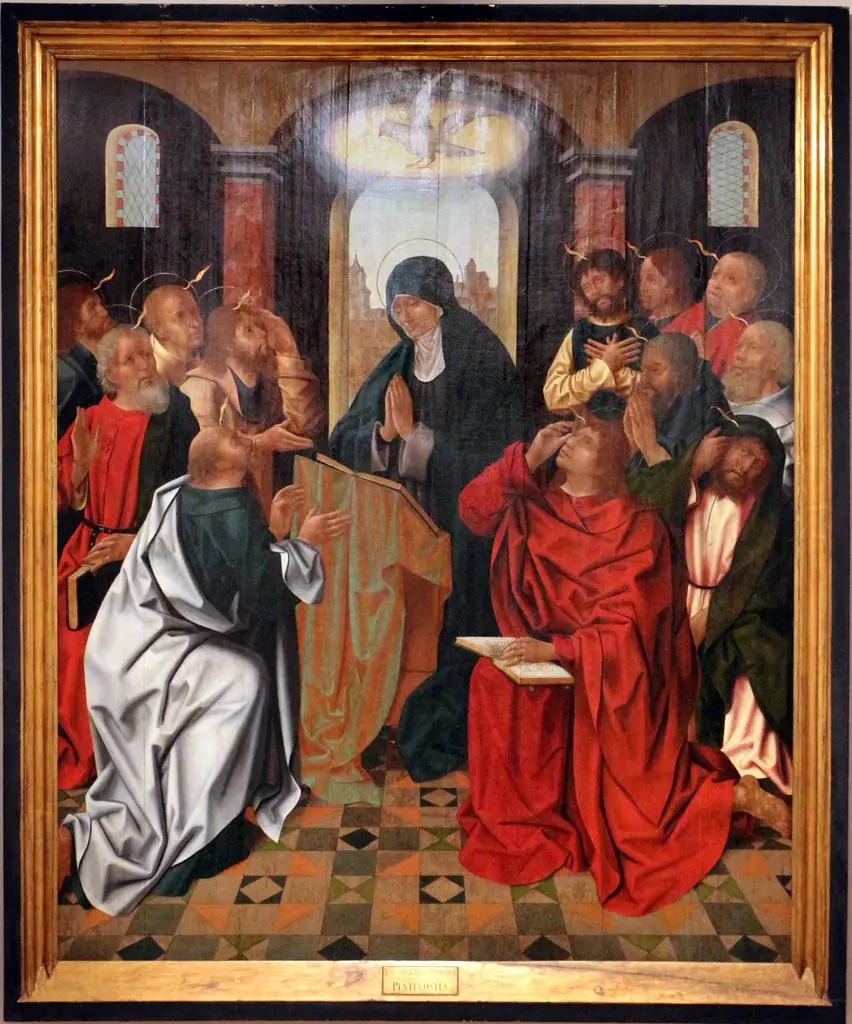 Pentecostes
 The Annunciation