Artwork
Het Laatste Avondmaal met de stichter
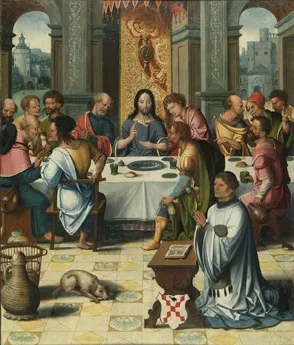
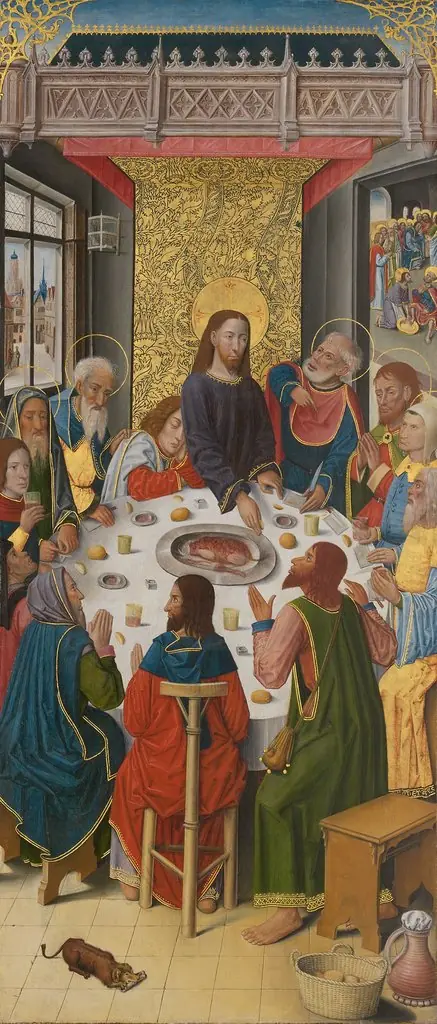
Het Laatste Avondmaal met de stichter is an oil painting by the Northern Renaissance artist Master of 1518. It dates from 1519 and is held in the collection of the Royal Museums of Fine Arts of Belgium.
About this work
The overall atmosphere of the painting is one of warmth and conviviality, with the figures engaged in conversation and enjoying each other's company.
The painting depicts a scene of people gathered around a table, with a central figure at the head. The room is filled with various objects, including a dog lying on the floor and a large vase in the foreground.
In the background, there are several arched windows that offer a glimpse into the outside world. The overall atmosphere of the painting is one of warmth and conviviality, with the figures engaged in conversation and enjoying each other's company.
To learn more about the artist behind this work, explore the art of Master of 1518.
Overview
Created in 1519, this oil painting titled *Het Laatste Avondmaal met de stichter* presents a communal banquet scene that merges a biblical episode with a contemporary donor. The composition centers on a long table where figures gather around a central host, while a dog rests on the floor and a large vase occupies the foreground, lending domestic detail to the setting.
Subject & Meaning
The work portrays the Last Supper, a pivotal moment from the Christian narrative, but incorporates a patron figure—identified as the founder—who is positioned among the disciples. This inclusion underscores the donor’s piety and connection to the sacred event, inviting viewers to contemplate the intertwining of personal devotion and communal worship.
Technique & Style
Executed in oil on panel, the painting displays the ornate, elongated forms and vivid coloration typical of Antwerp Mannerism. Architectural elements such as arched windows open onto an exterior landscape, while the figures are rendered with intricate drapery and exaggerated gestures, reflecting the movement’s penchant for decorative complexity and theatricality.
History & Provenance
The artist remains anonymous, known only by the notname Master of 1518, though scholars have linked the hand to Jan Mertens the Younger or Jan van Dornicke. The painting’s early ownership records are sparse, but it has been associated with Flemish religious commissions of the early sixteenth century and later entered museum collections.
Context
Emerging from Antwerp’s vibrant artistic milieu, the work exemplifies the city’s early sixteenth‑century synthesis of Gothic tradition and emerging Renaissance influences. The inclusion of everyday objects—a dog, a vase, and domestic architecture—reflects a broader trend toward grounding sacred narratives in recognizable, contemporary environments for devotional purposes.
Artist & collection
Artist
The Master of 1518 is a Flemish painter belonging to the stylistic school of Antwerp Mannerism.

Museum
Royal Museums of Fine Arts of Belgium
Continue through works from the same source collection.
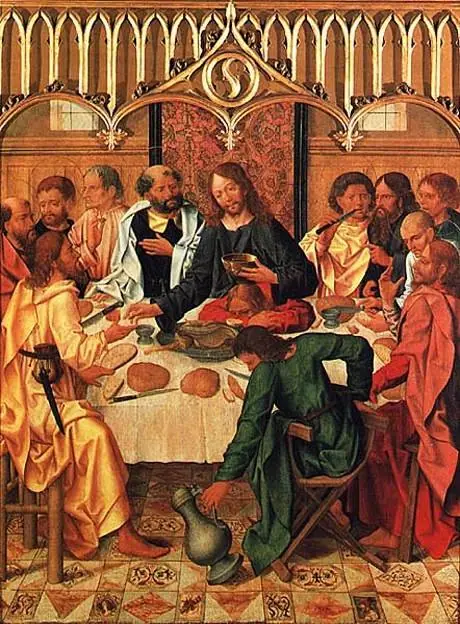 The Last Supper
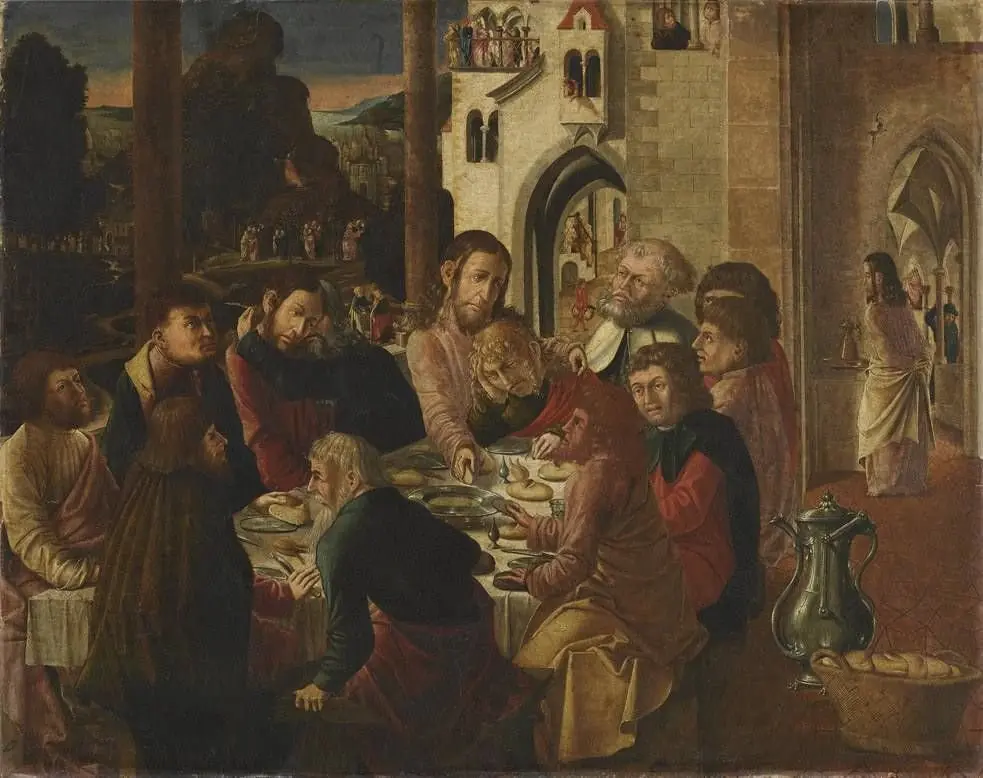 Jacob-Stephen (?): the Last Supper
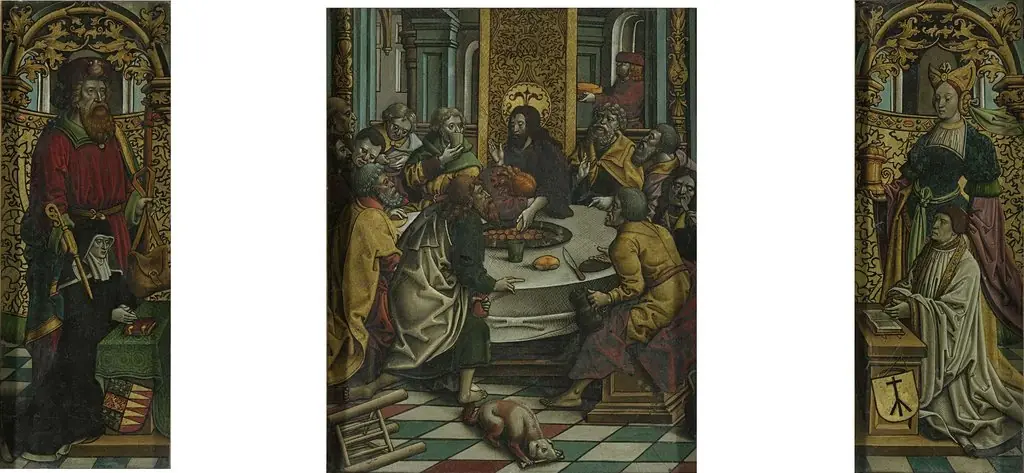 Triptych with the Last Supper and Donors
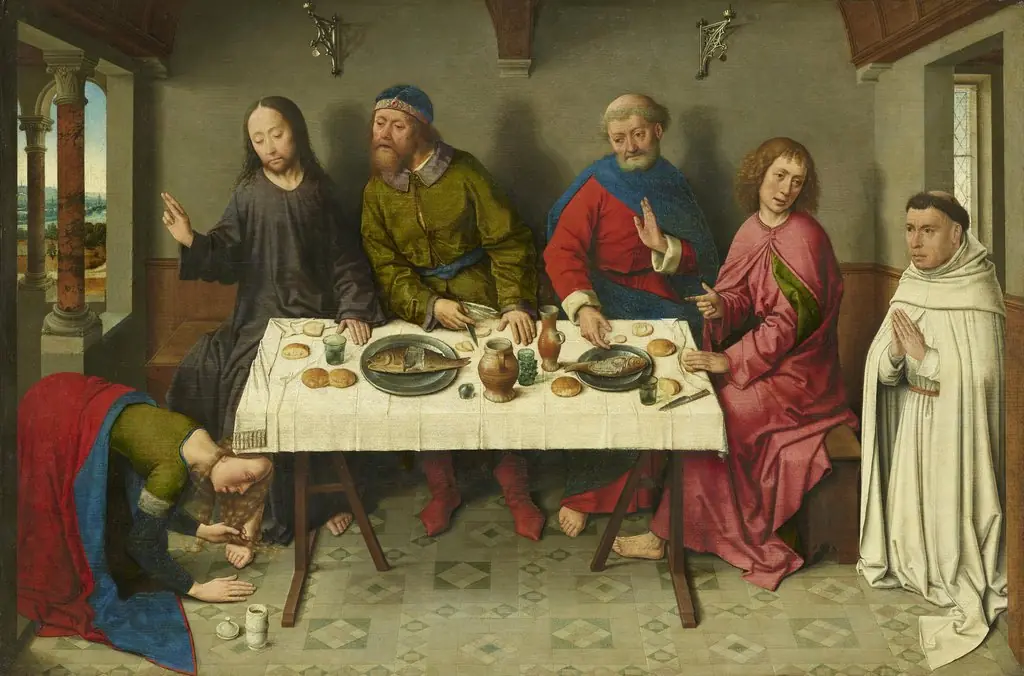 Christ in the house of the Pharisee Simon
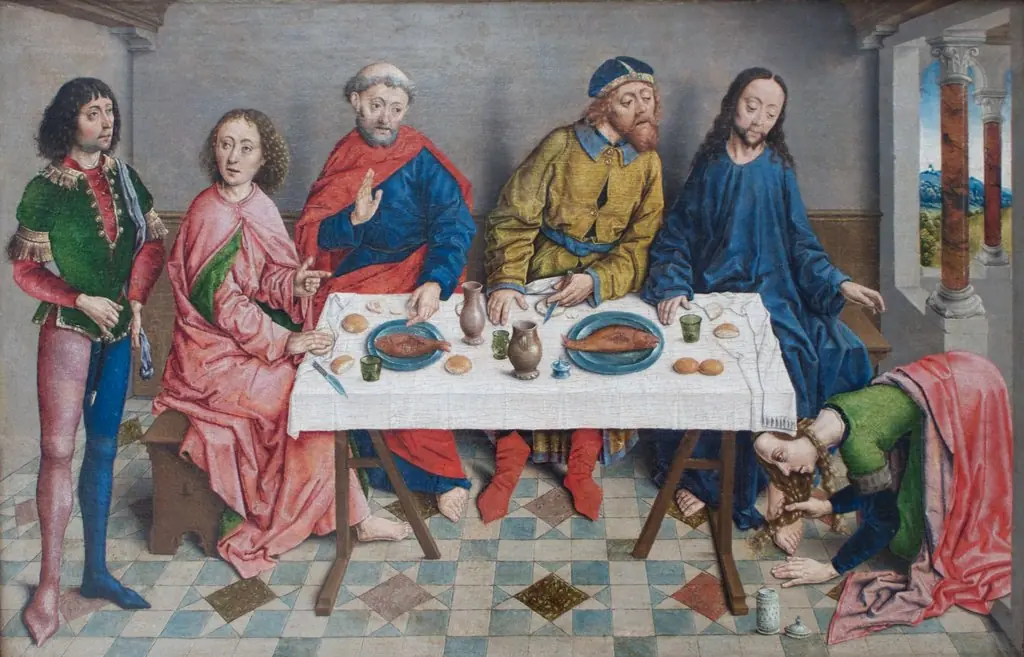 Jesus at Simon's by Aelbrecht Bouts
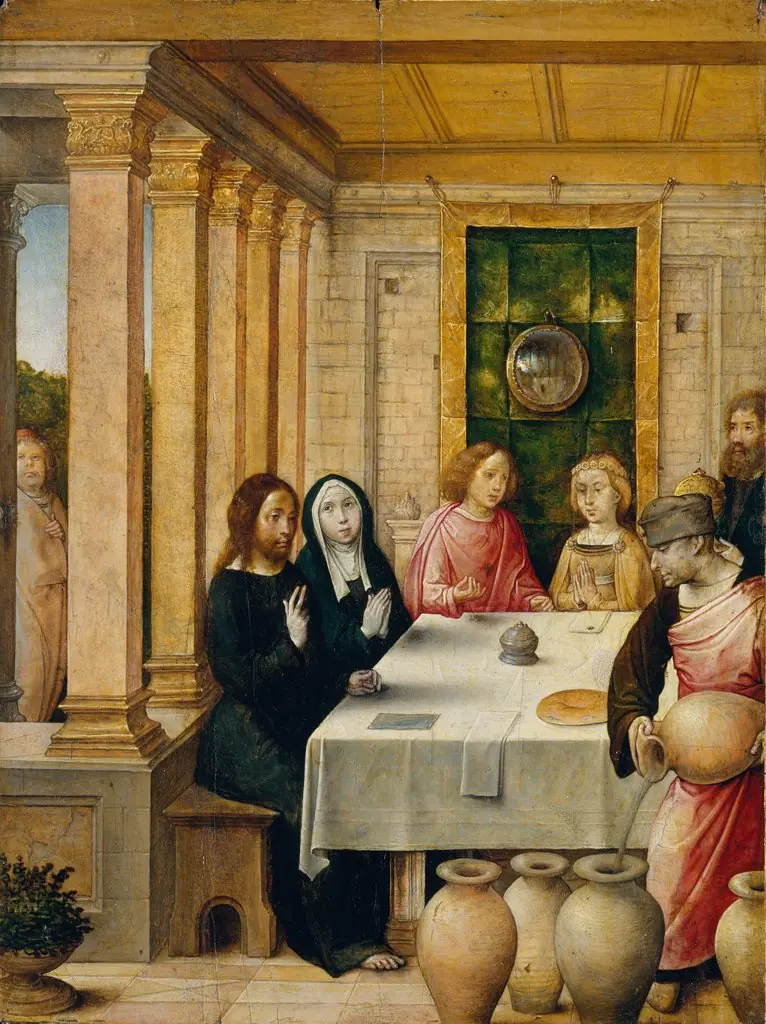 The Marriage Feast at Cana
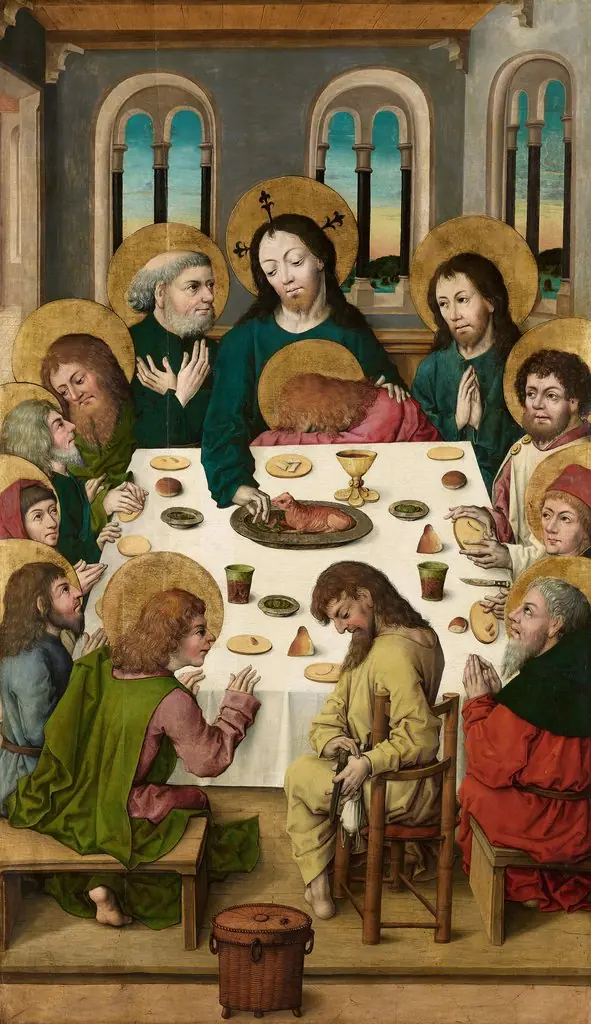 The Last Supper
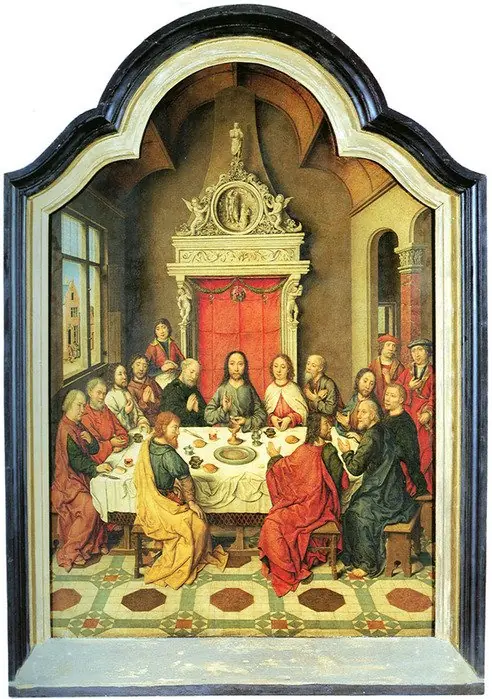 Last Supper
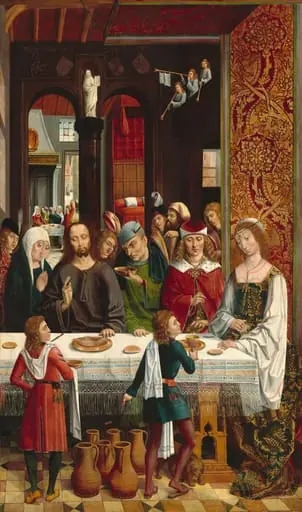 The Marriage at Cana
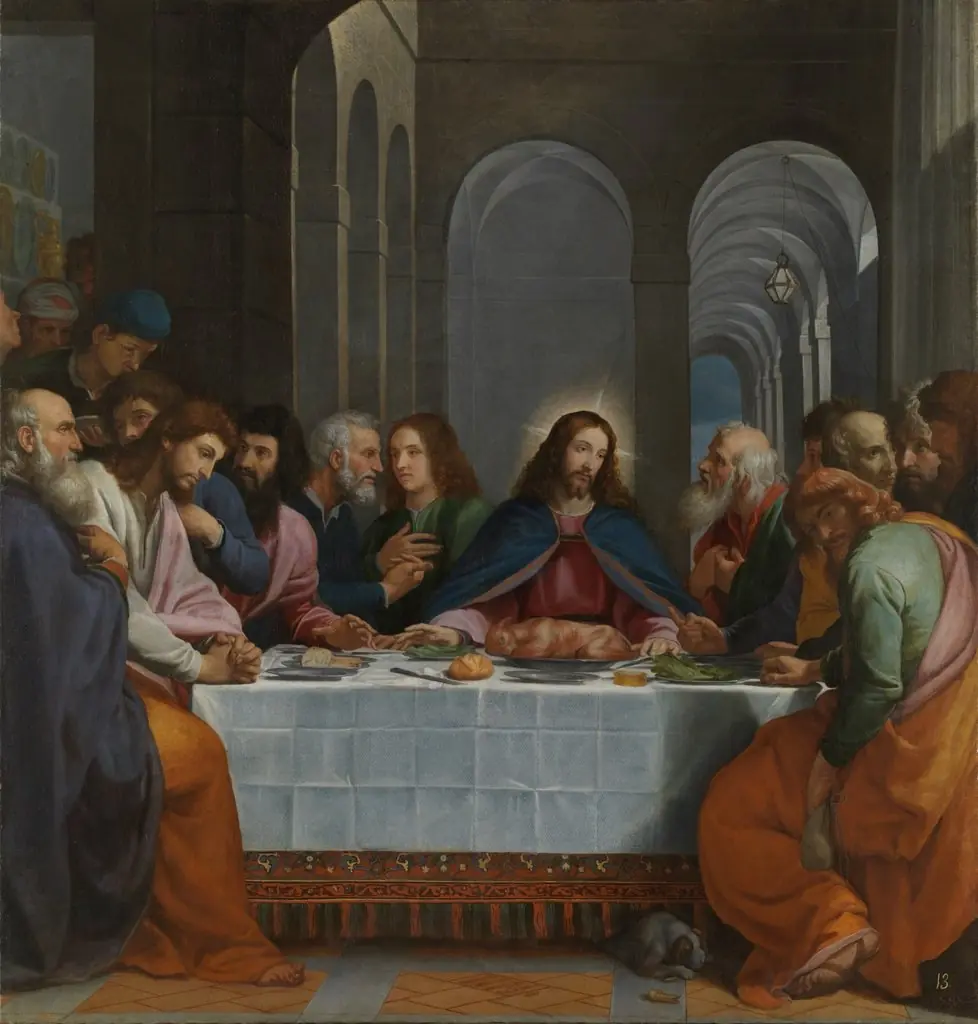 The Last Supper
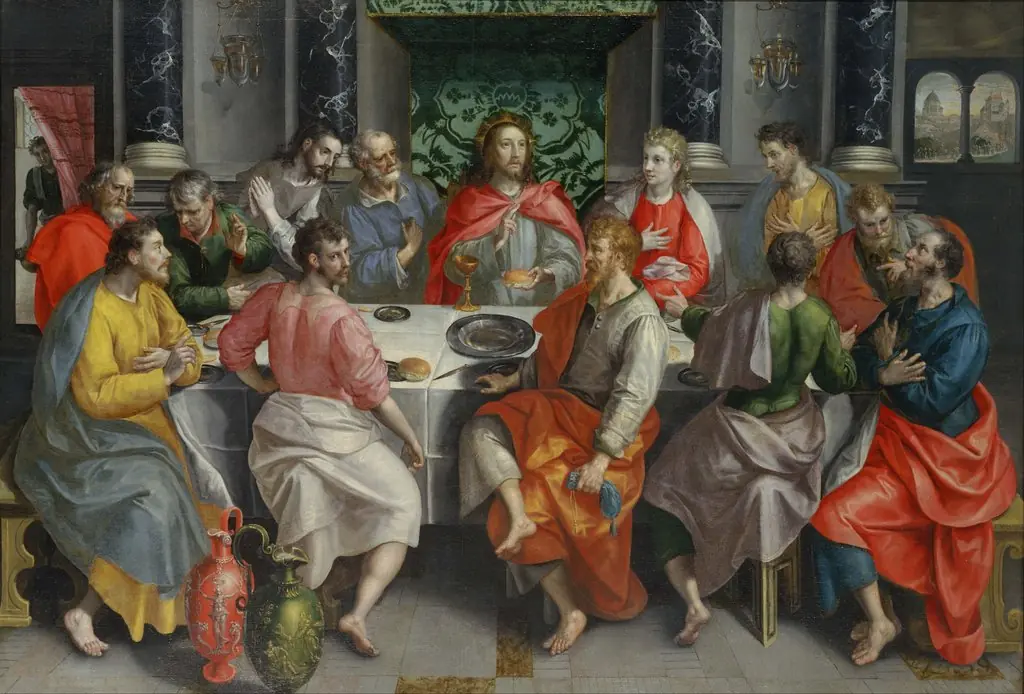 The Last Supper
 Panels from the High Altar of the Charterhouse of Saint-Honoré, Thuison-les-Abbeville: The Last Supper