Artwork
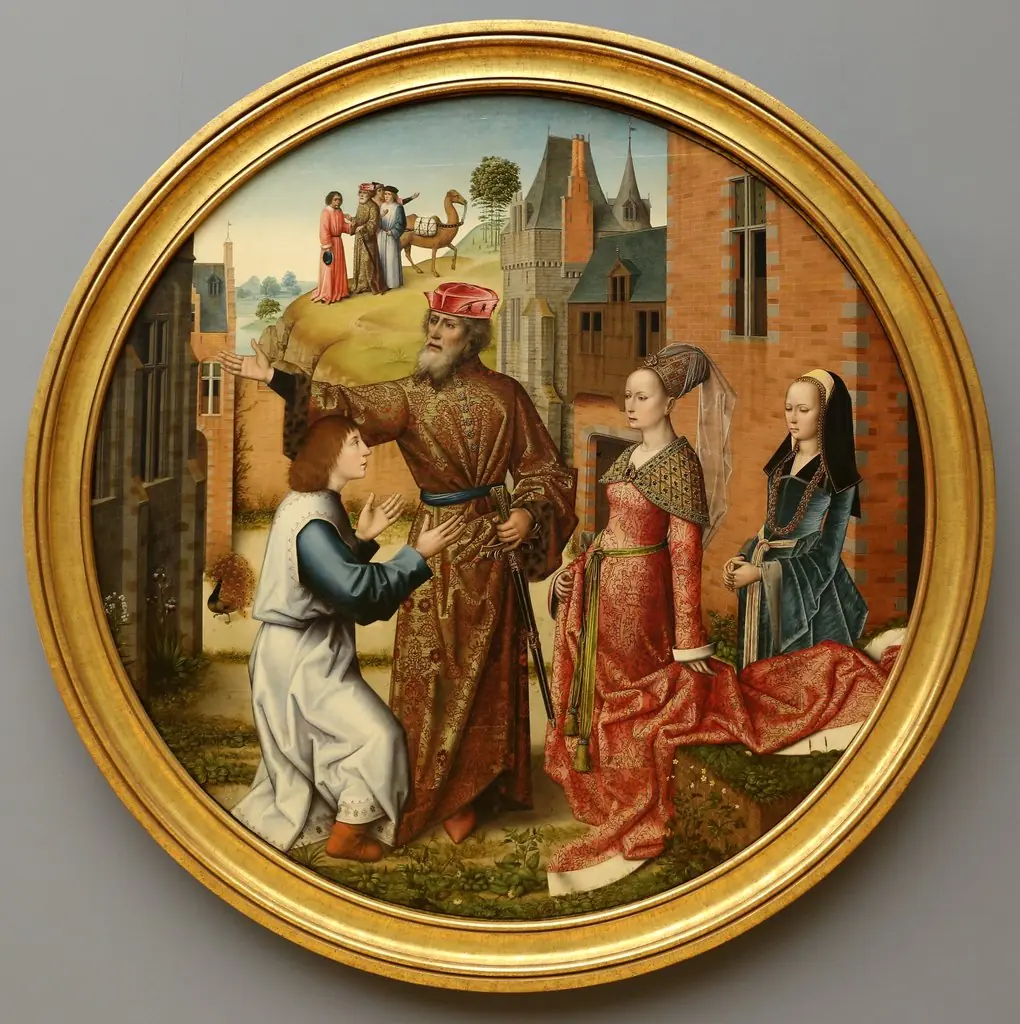
Joseph and Asenath
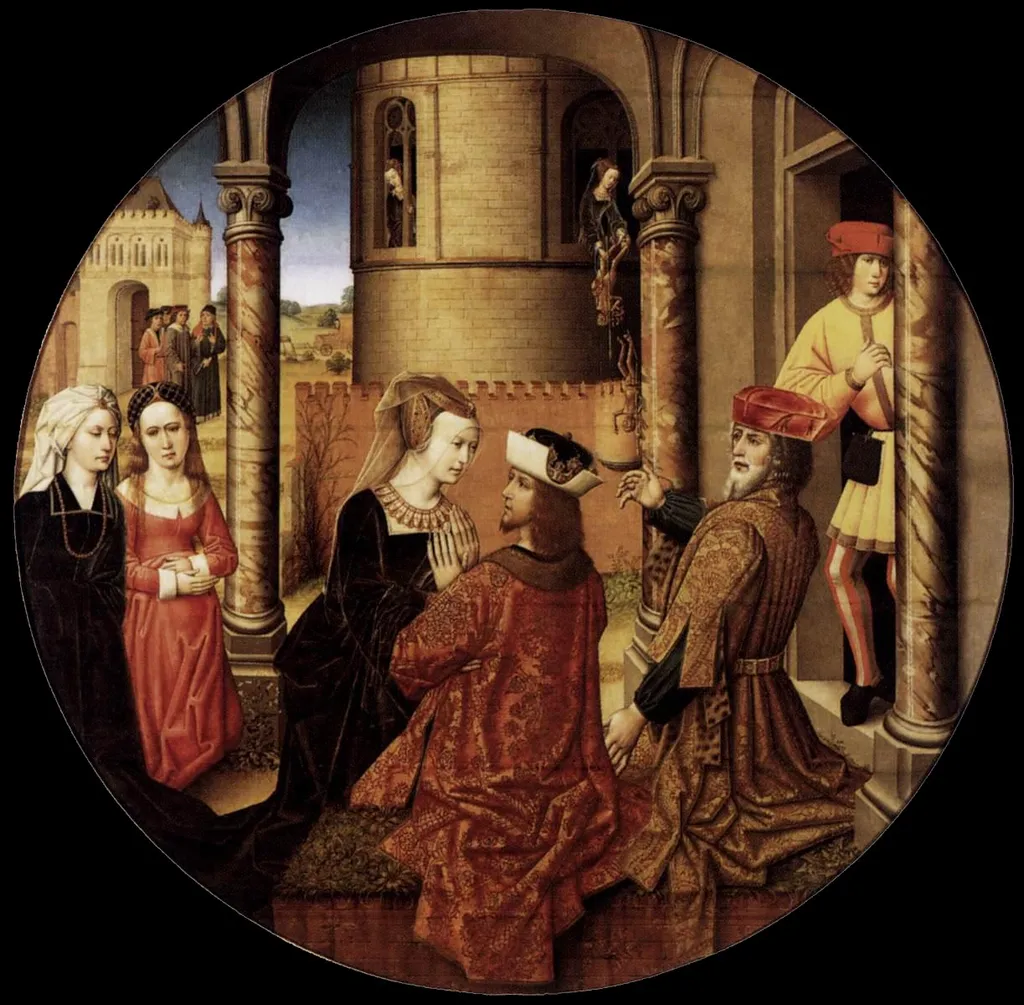
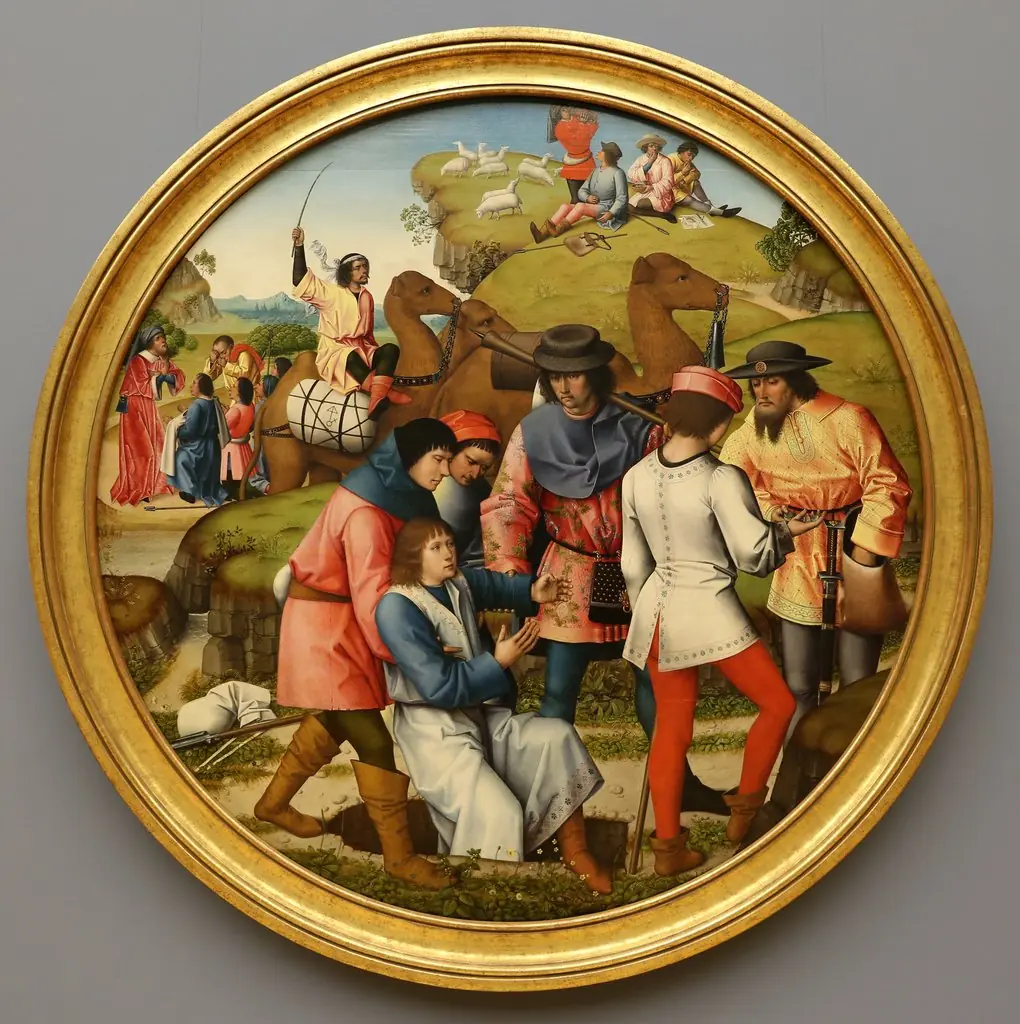
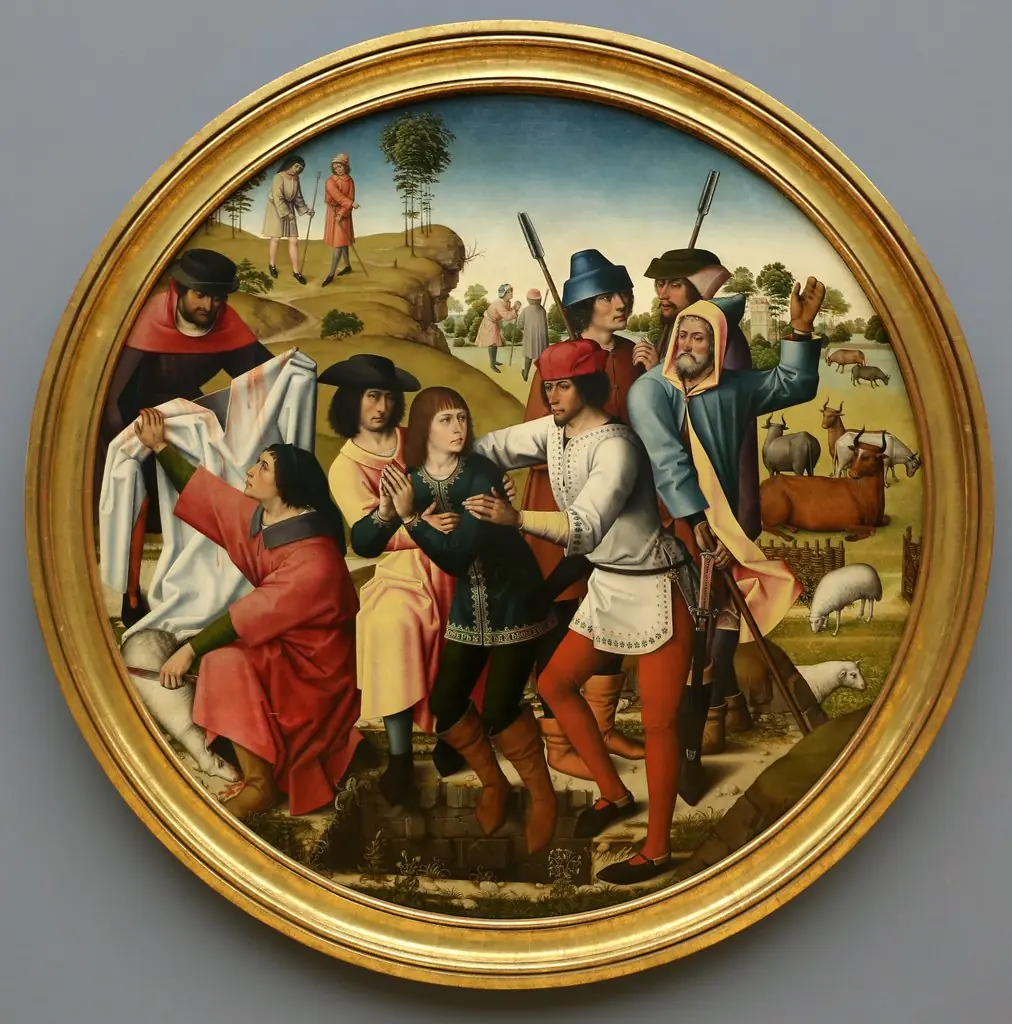
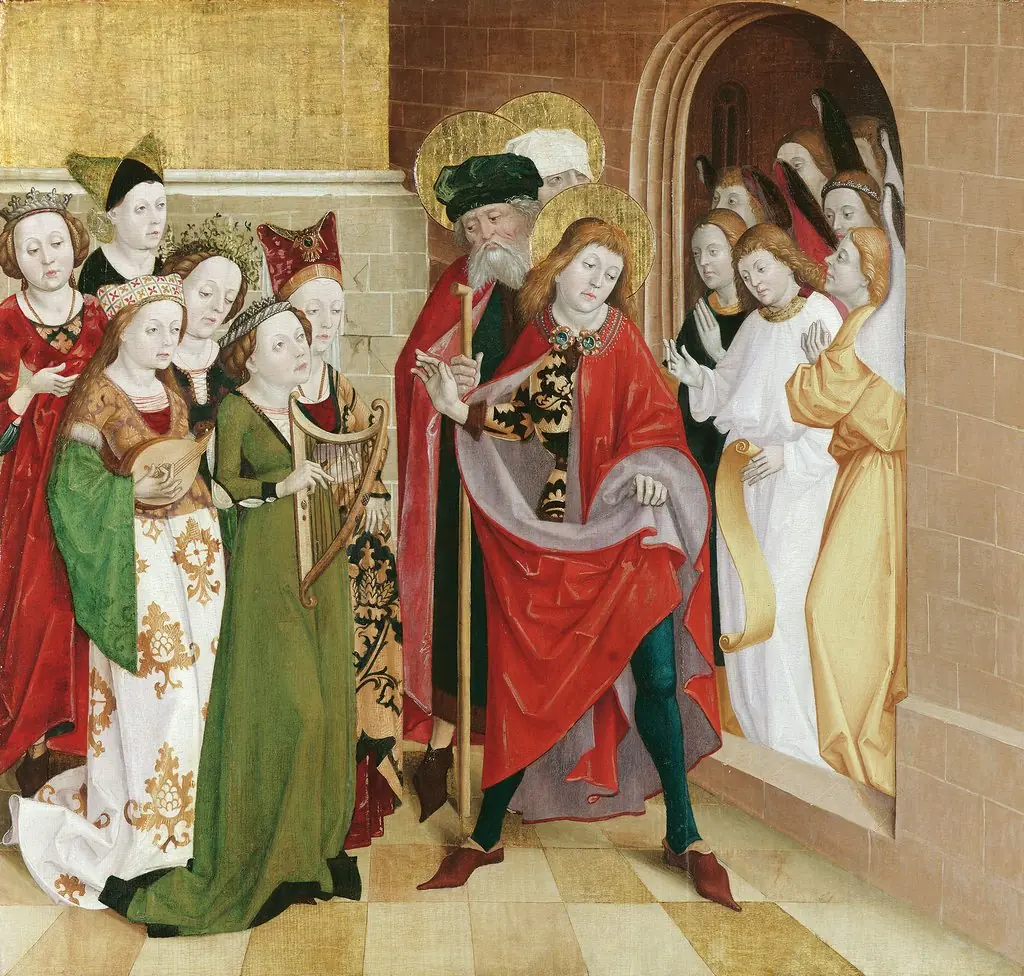
Joseph and Asenath is an oil painting by the Northern Renaissance artist Master of Affligem. It dates from 1500 and is held in the collection of the Gemäldegalerie Berlin.
About this work
Overview
Created circa 1500, this panel painting is attributed to the Master of Affligen, an unidentified Flemish artist active in Brussels from the late 1470s to the turn of the century. It belongs to the Northern Renaissance tradition and is currently part of the collection of the Gemäldegalerie in Berlin.
Subject & Meaning
The composition illustrates a narrative drawn from the apocryphal legend of Joseph and Asenath, focusing on the central couple. The male figure wears a vivid red robe and hat, while the female figure is clothed in a dark dress with a modest head covering, suggesting a moment of intimate or ceremonial significance within the story.
Technique & Style
The work employs a circular arrangement of figures that guides the viewer’s eye toward the central pair. A restrained palette of reds, blacks, browns and muted earth tones creates depth, while fine detailing in the garments and background architecture reflects the meticulous approach typical of the Master of Affligen’s oeuvre.
History & Provenance
The painting’s attribution rests on stylistic analysis linking it to other works by the same anonymous master. After its creation in the Brussels region, the piece entered various private collections before being acquired by the Gemäldegalerie, where it remains on display.
Context
During the late 15th century, Flemish artists frequently explored biblical and apocryphal subjects, integrating intricate interior spaces and naturalistic landscapes. This painting exemplifies that trend, combining devotional narrative with a keen observation of contemporary dress and architecture.
Artist & collection
Artist
The Master of Affligem or Master of the Joseph Sequence (working c. 1470–1500) was an accomplished painter of the South Netherlandish school, apparently working in Brussels, whose name is not known, but whose hand can…

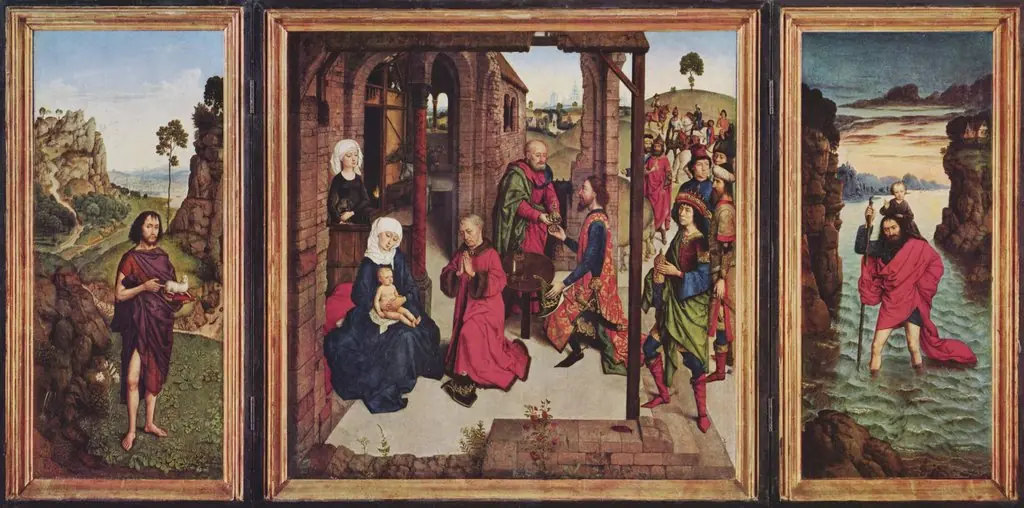 The Pearl of Brabant
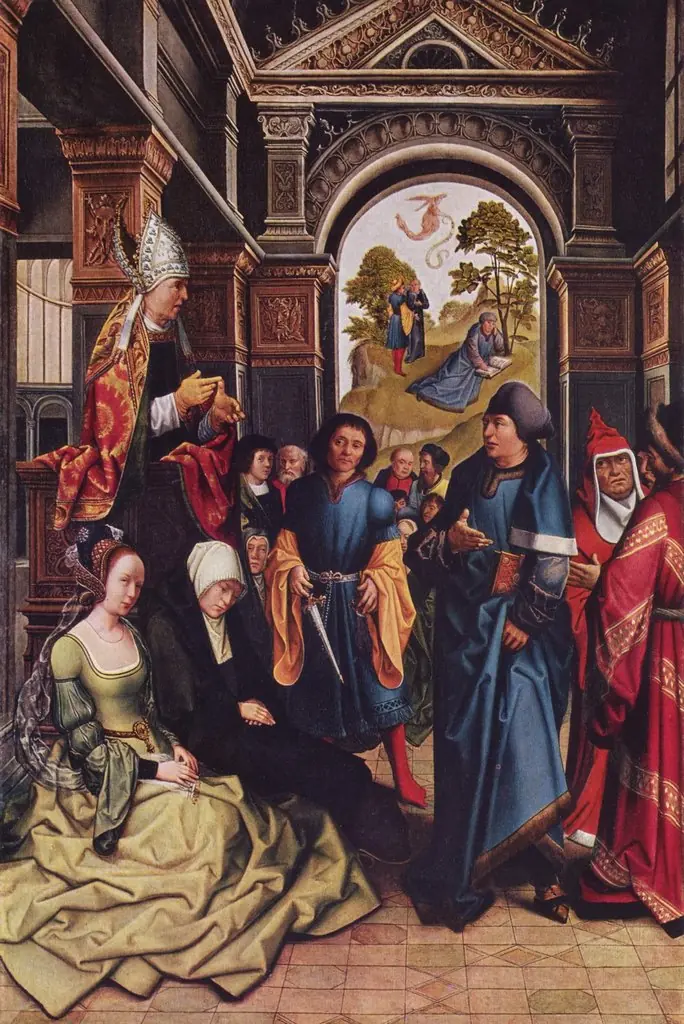 Sermon of St. Ambrose Outside: Two standing holy bishops
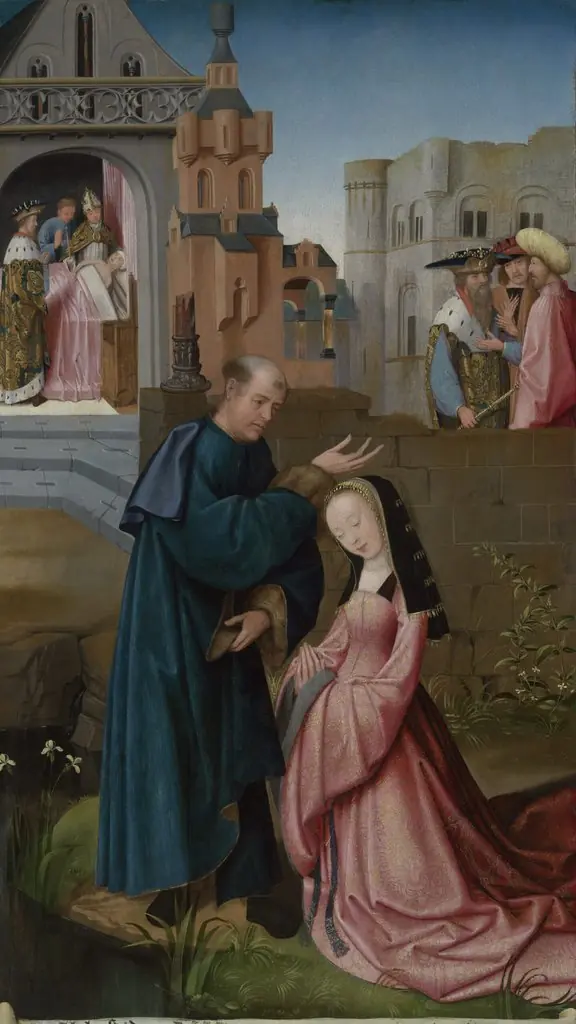 Baptism of Dymphna, with the Death of Dymphna’s Mother Represented in the Background
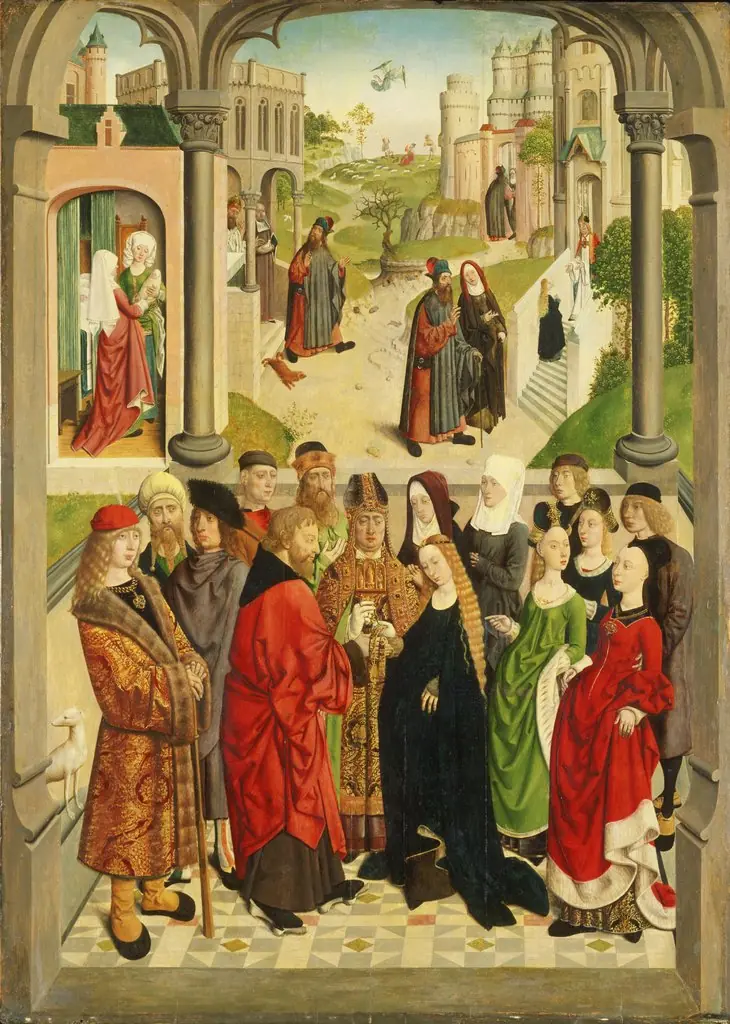 The Marriage of the Virgin, with the Expulsion of Saint Joachim from the Temple, the Angel Appearing to Saint Joachim, the Meeting at the Golden Gate, the Birth of the Virgin, and the Presentation of the Virgin
 King Solomon Receiving the Queen of Sheba
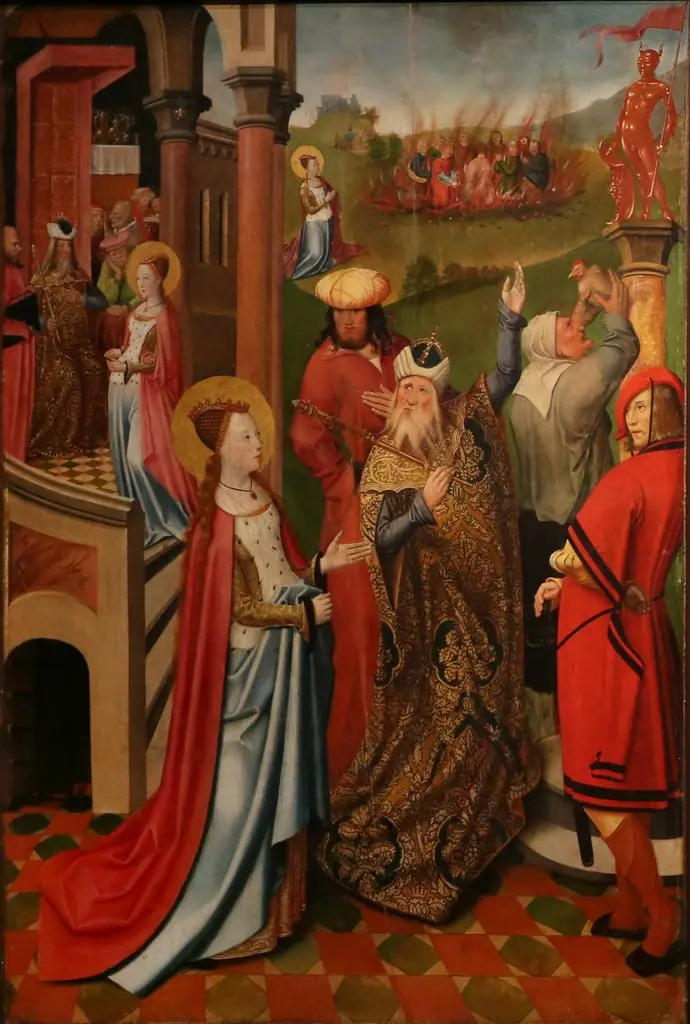 Saint Catherine refuses idolatry
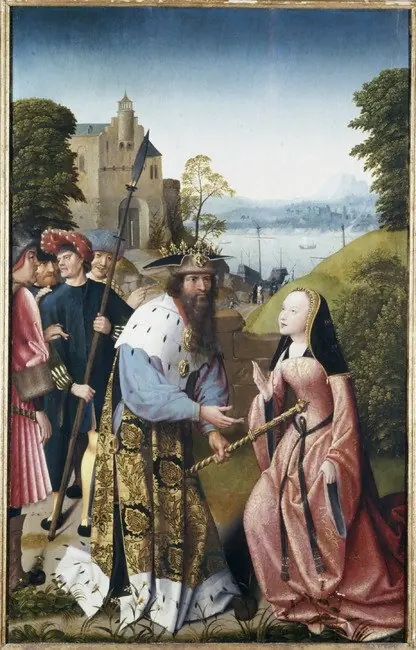 Dymphna’s Father Proposes to her
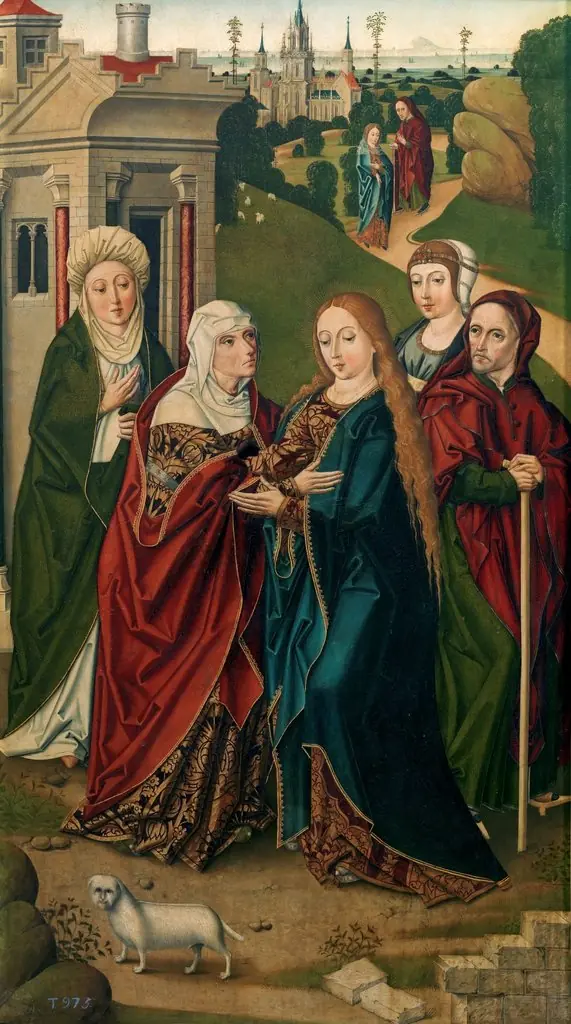 The Visitation
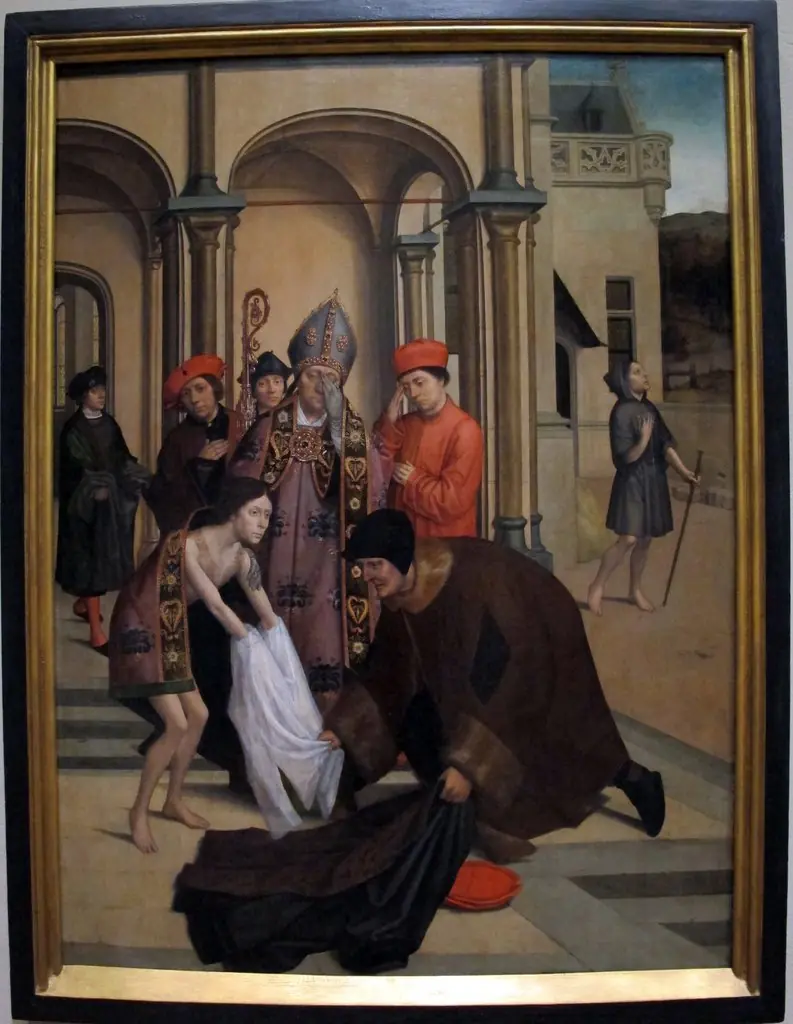 Saint Francis Renouncing the World for the Cloister
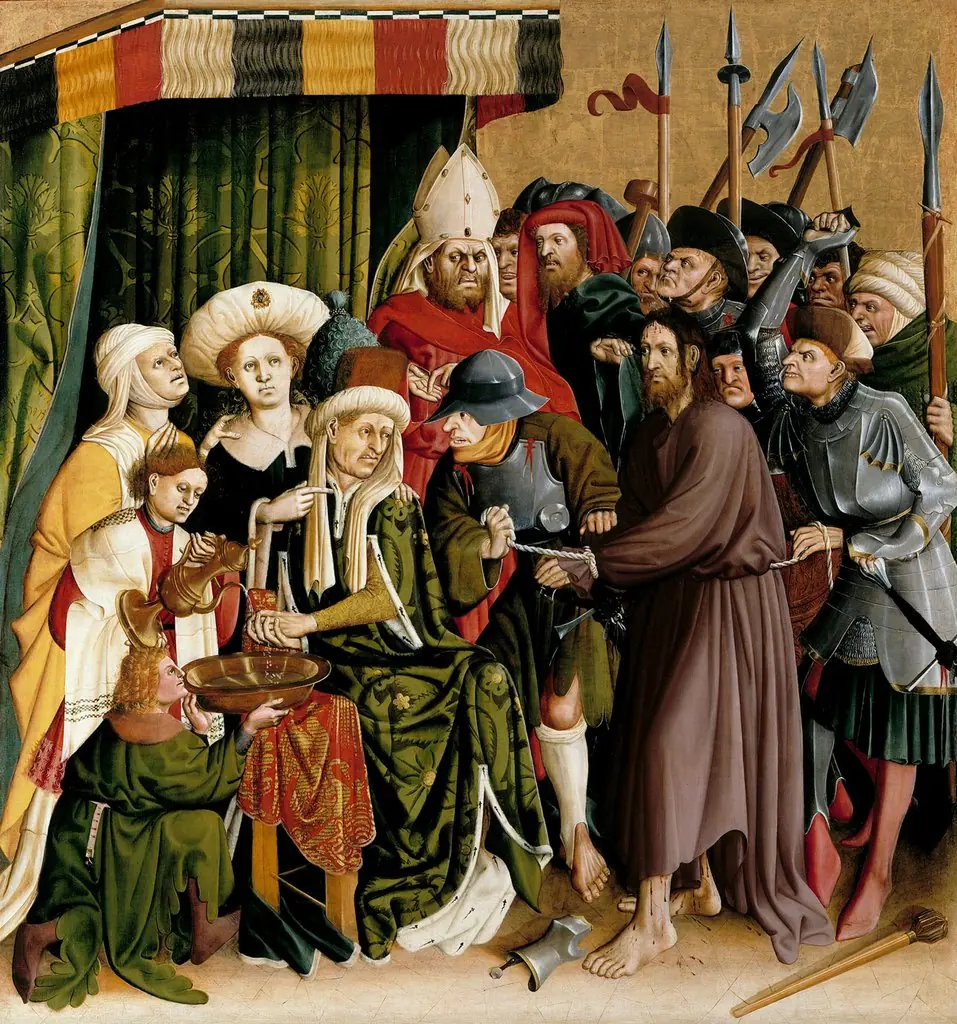 Christ before Pilate
 Der hl. Veit entsagt den Freuden der Welt