Artwork
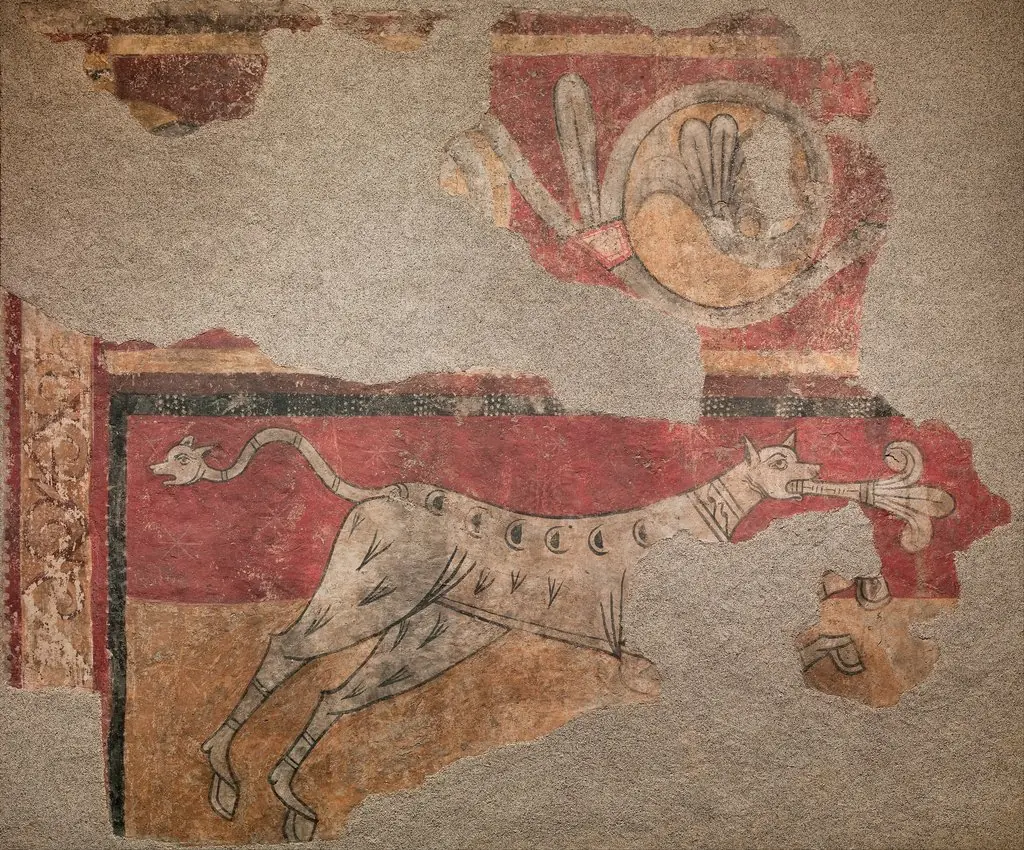
CARCOLITI, elephant and lion from Boí
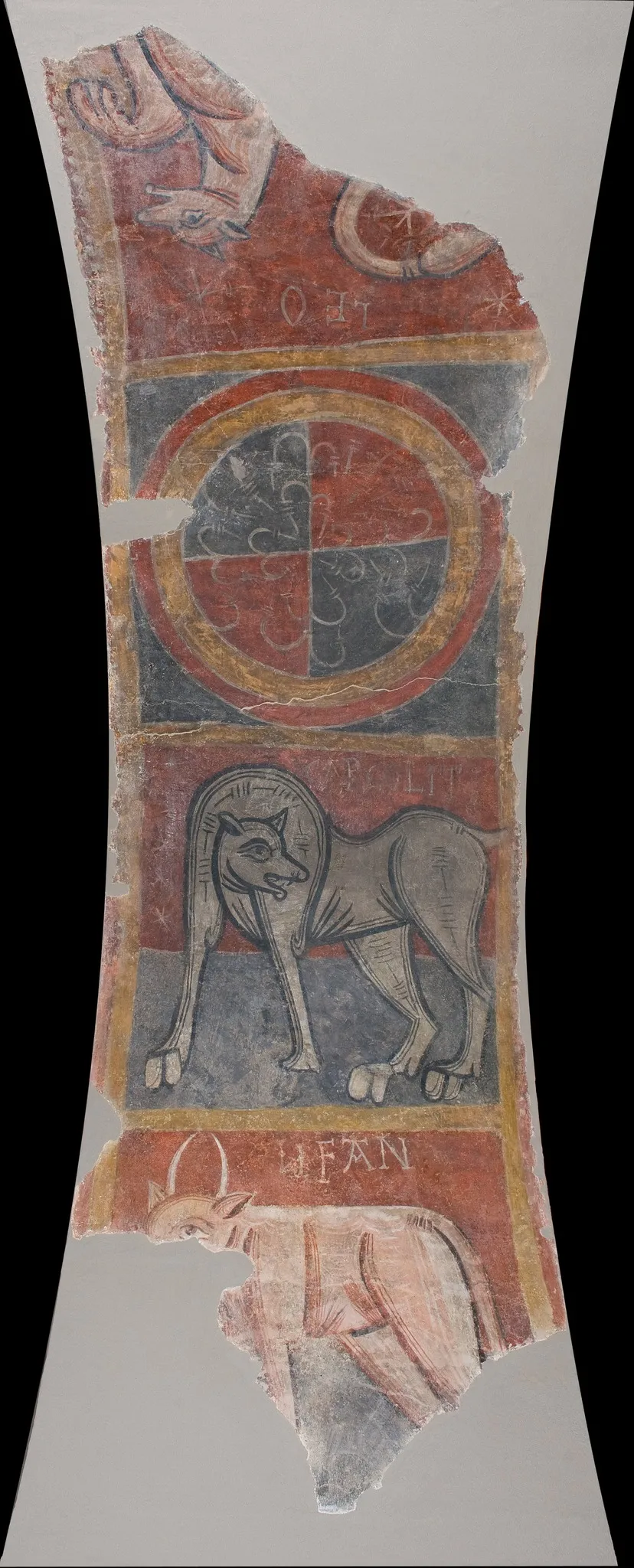
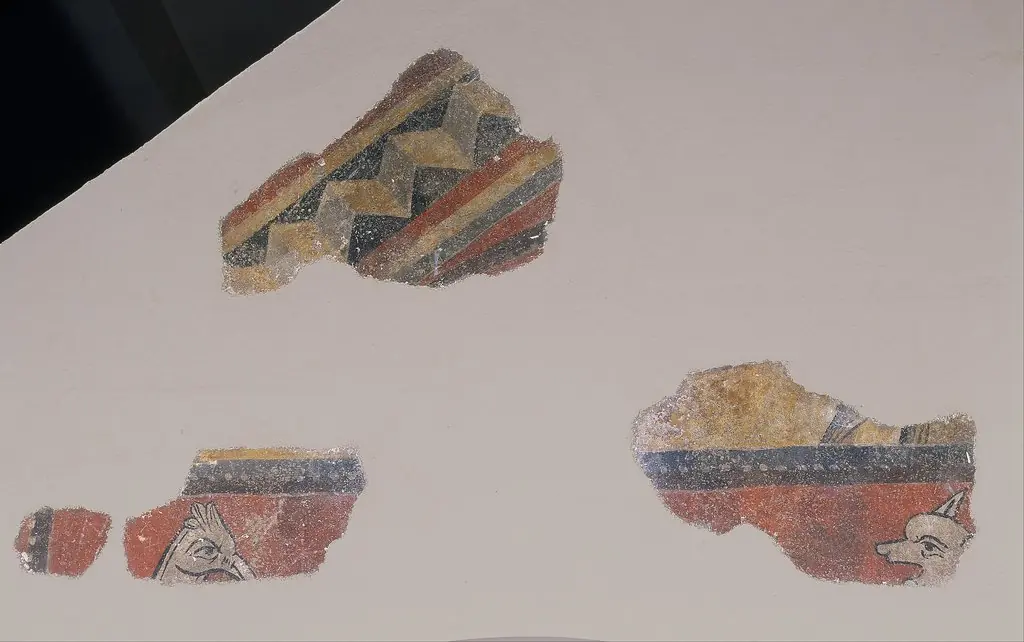
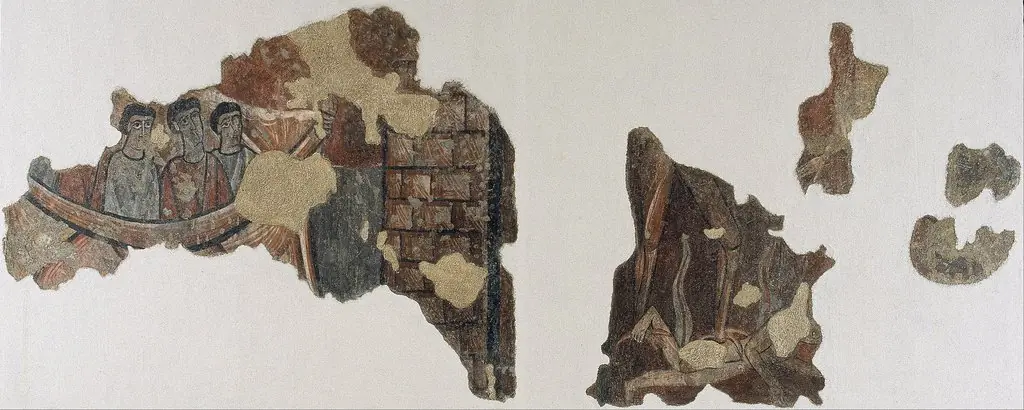
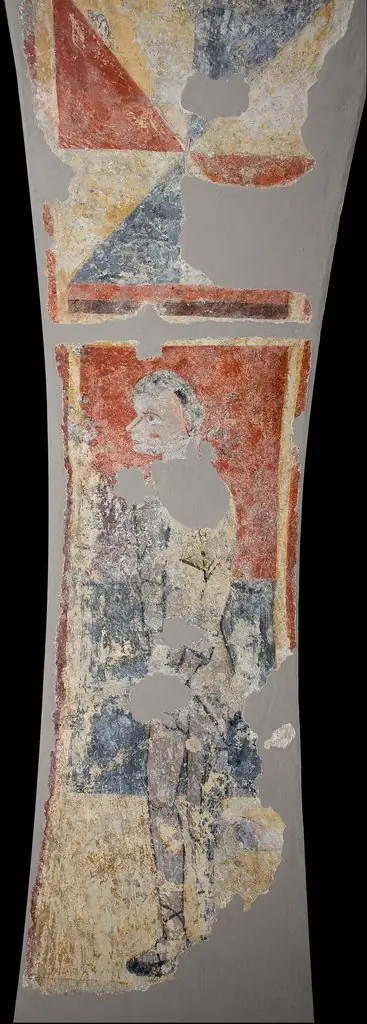
CARCOLITI, elephant and lion from Boí is an unspecified painting by the Byzantine icon painting artist Master of Boí. It dates from 1100 and is held in the collection of the Museu Nacional d'Art de Catalunya.
About this work
Overview
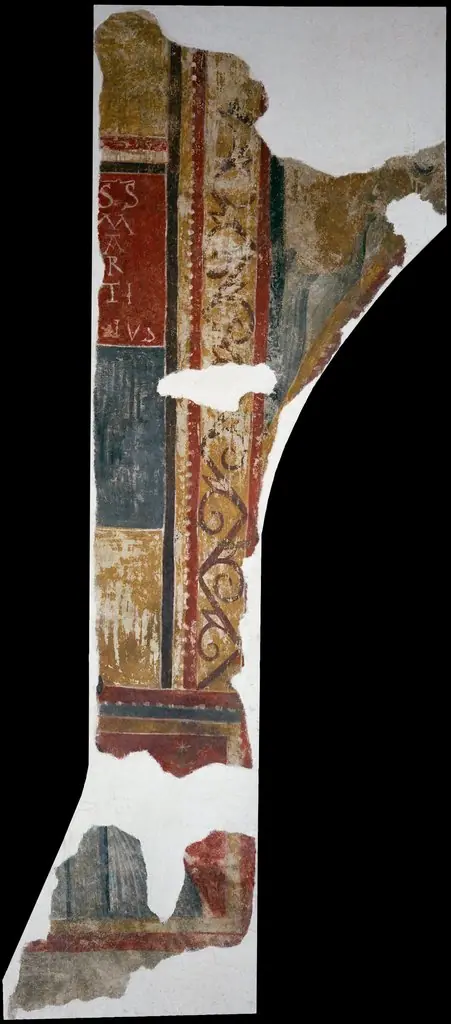
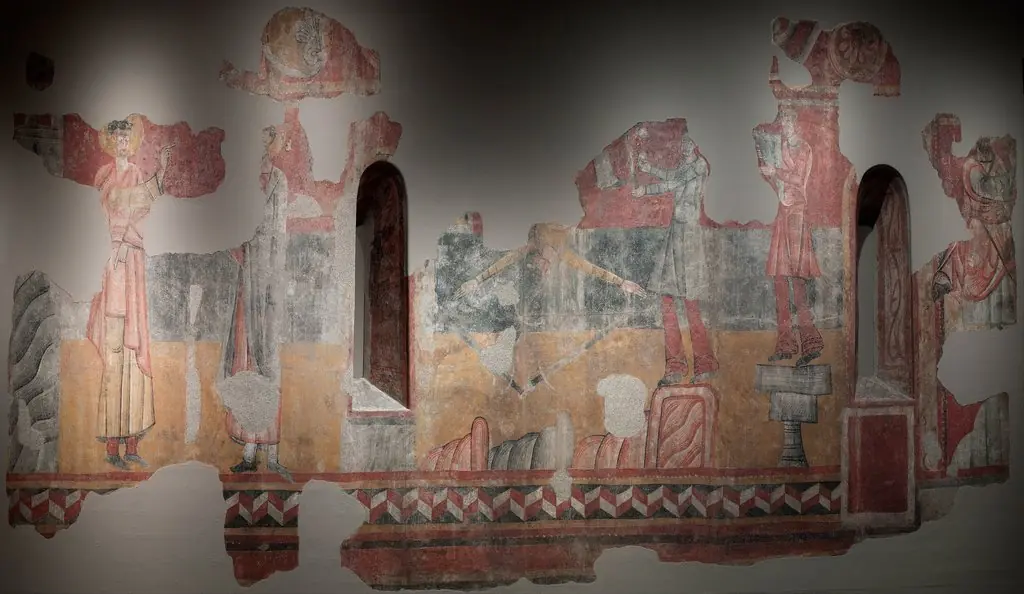
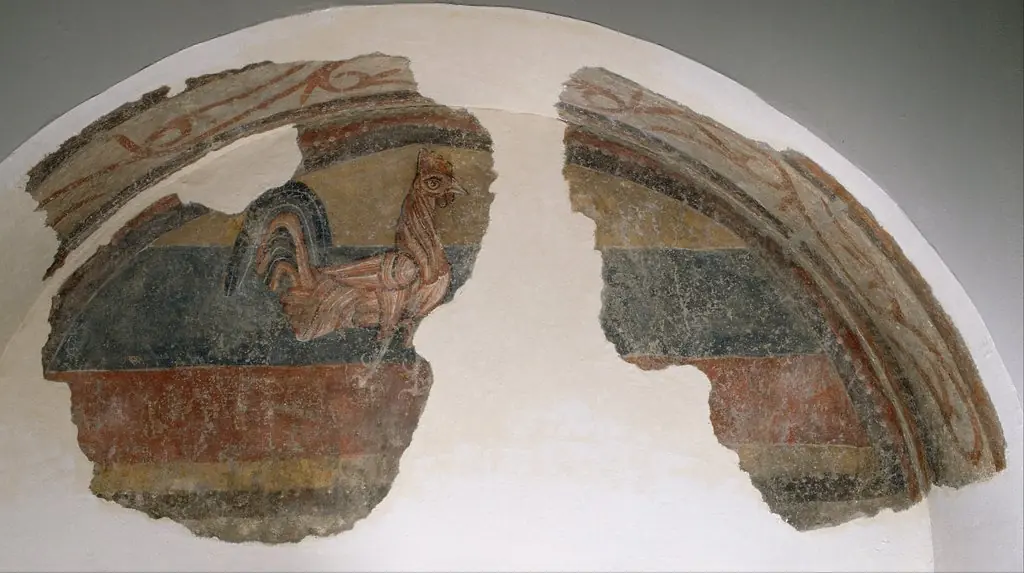
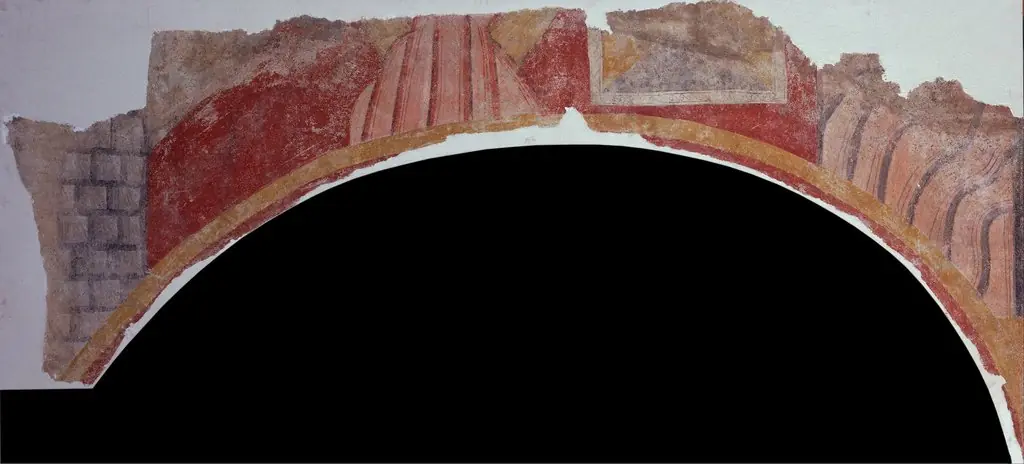
Created around the beginning of the 12th century, this fragment originates from a larger religious composition attributed to the anonymous Master of Boí. The work is preserved in the Museu Nacional d'Art de Catalunya and presents a compact visual program built around a central circular motif, a stylised lion, and an ornate border.
Subject & Meaning
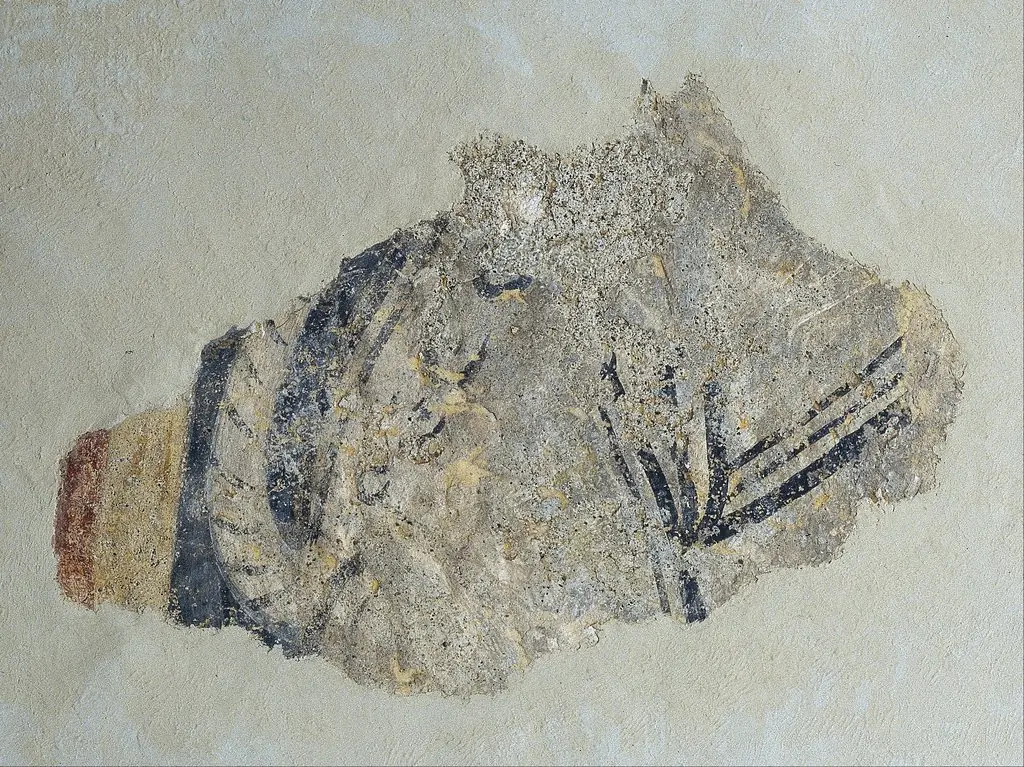
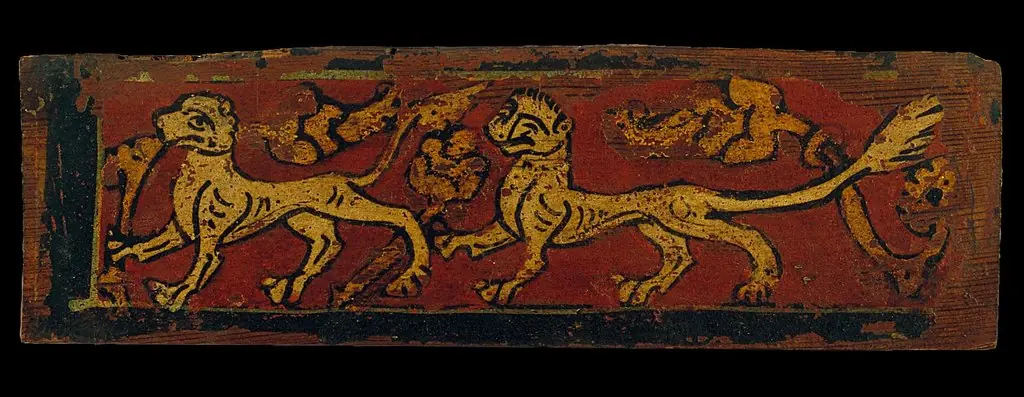
The surviving portion focuses on a lion rendered in muted gray tones, positioned to face left. In medieval iconography, the lion often symbolises strength, vigilance, or Christ as the Lion of Judah, suggesting a theological dimension that would have been integrated into the original, now‑lost, narrative scene.
Technique & Style
The painter employs a limited palette of red, black and gold, with the central circle featuring a red‑black core edged by a luminous gold band. The lion is depicted with bold, simplified lines that verge on abstraction, while the surrounding border is filled with intricate, interlaced patterns that enhance the decorative richness of the fragment.
History & Provenance
The piece is linked to the artistic activity in the Pyrenean region of Boí, a centre of Romanesque art in the early medieval period. It entered the collection of the Museu Nacional d'Art de Catalunya in the 20th century, where it remains part of the museum’s Romanesque holdings, representing the oeuvre of the Master of Boí.
Artist & collection
Artist
This unknown artist decorated a 12th-century church in Boí, Spain, with carved stone scenes and animals.