Artwork
Lamentation of Christ
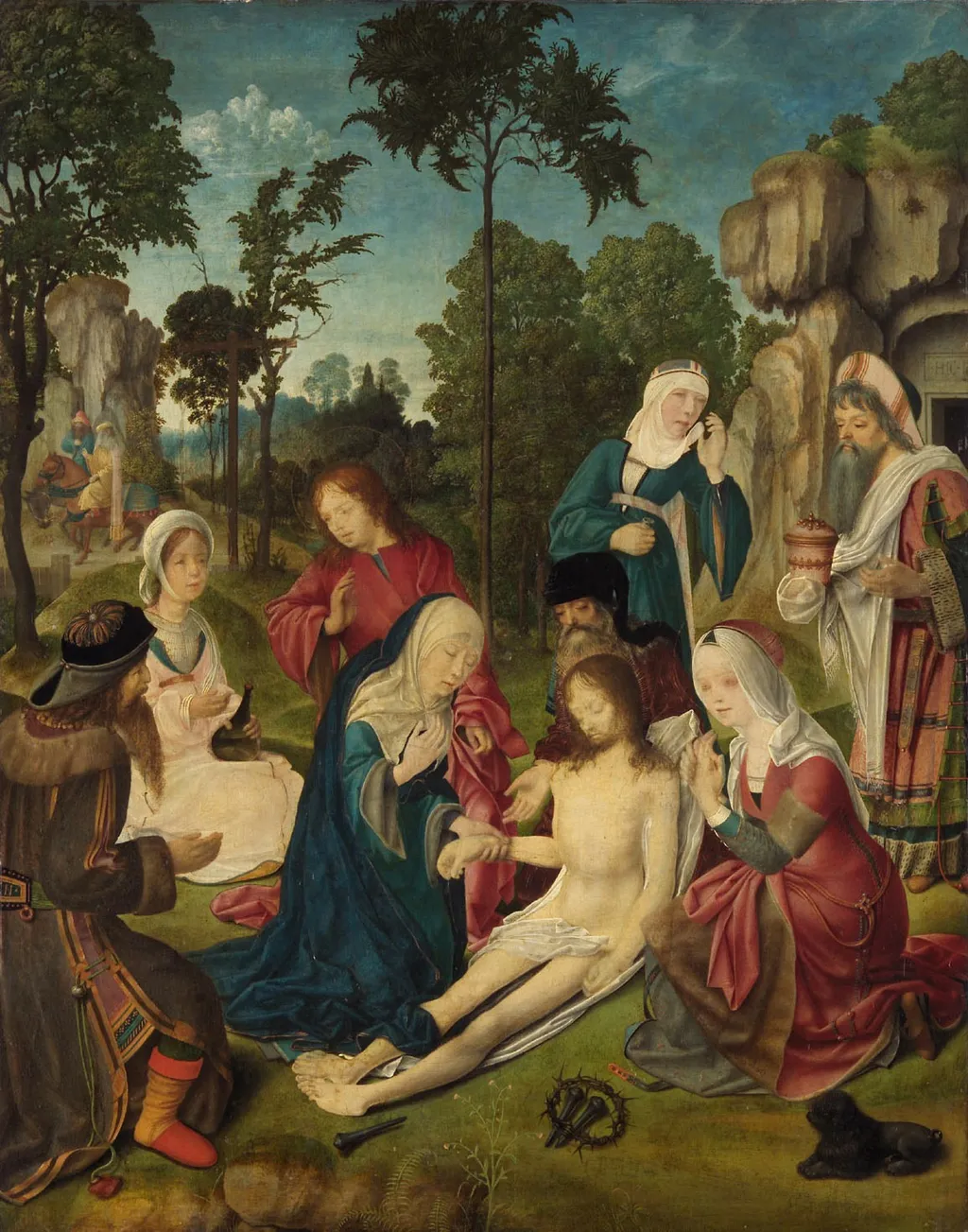
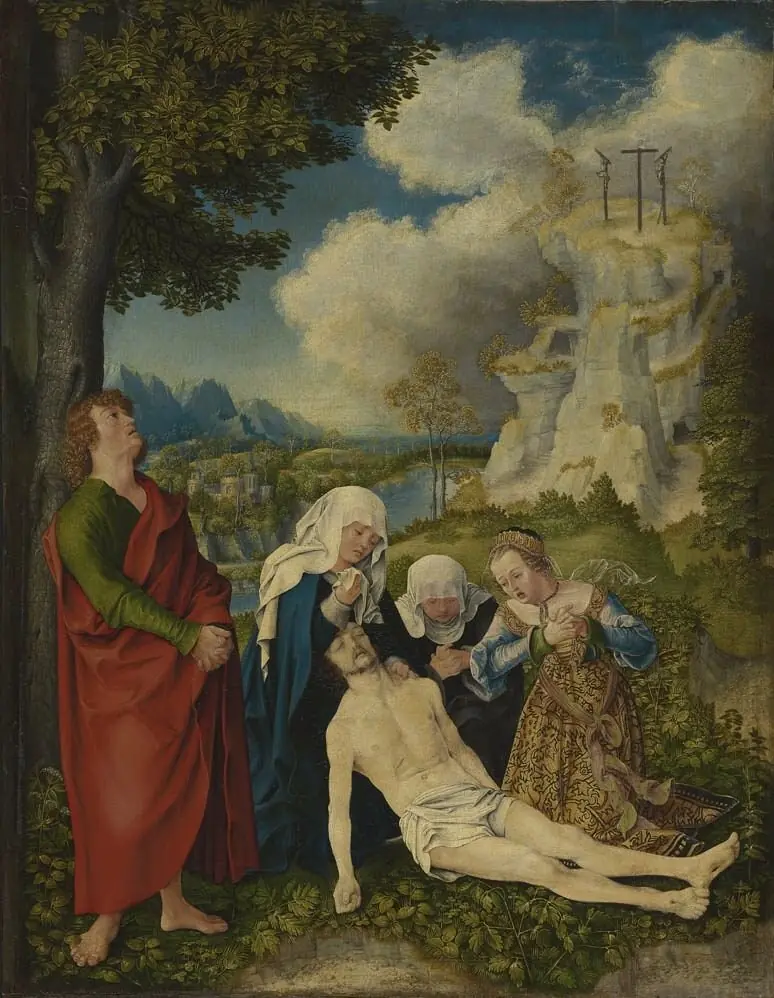
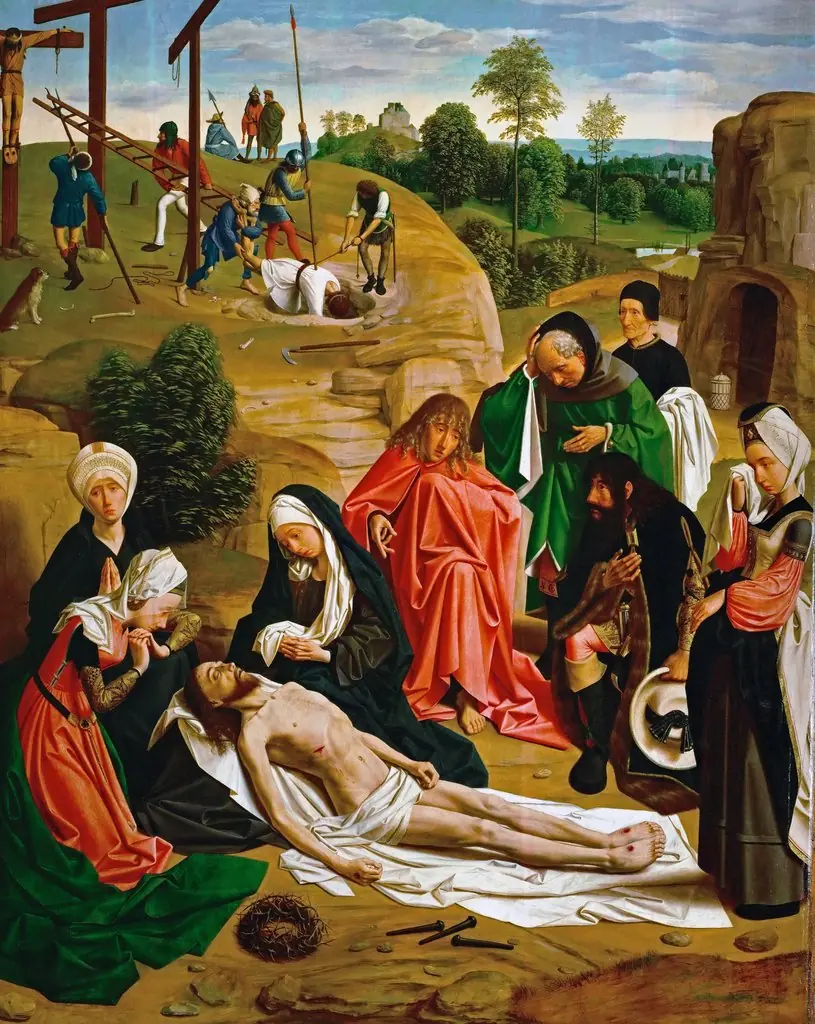
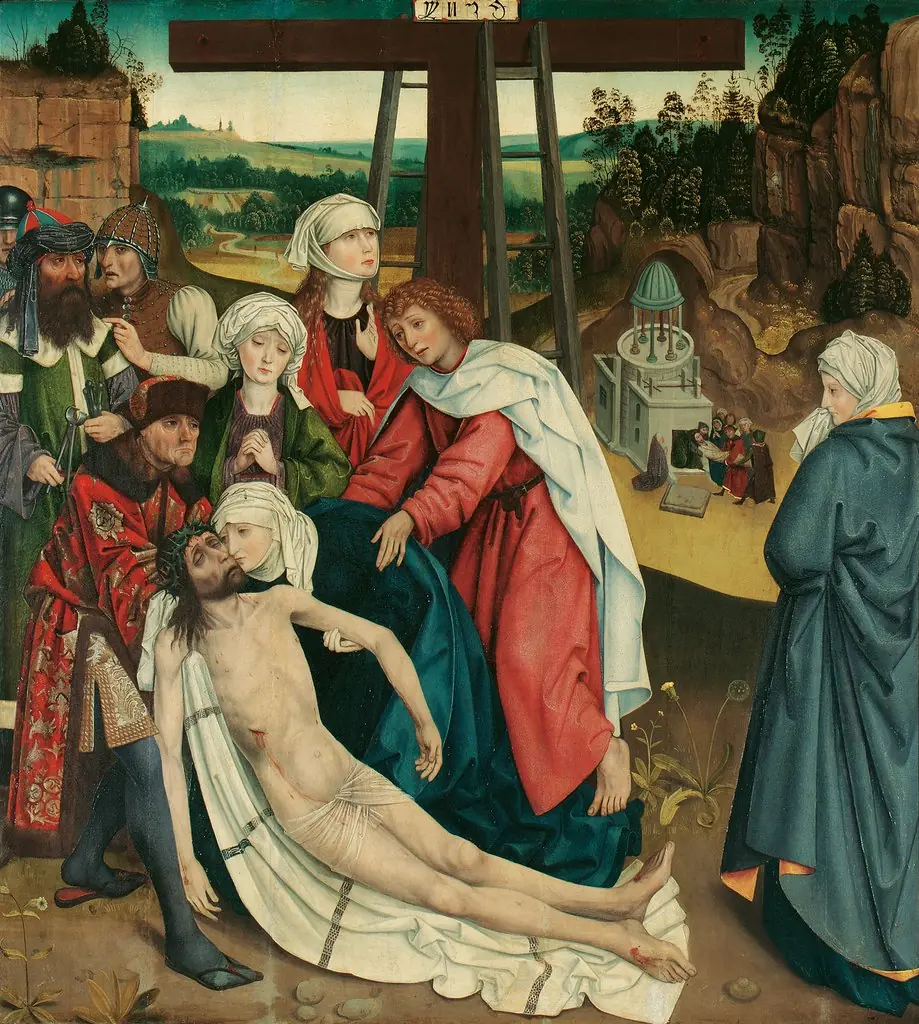
Lamentation of Christ is an unspecified painting by the Northern Renaissance artist Master of the Aachen Altar. It dates from 1500 and is held in the collection of the Kunsthistorisches Museum.
About this work
Overview
Created around the year 1500, this panel portrays the biblical Lamentation, a moment when Christ’s body lies on the ground surrounded by mourners.
Created around the year 1500, this panel portrays the biblical Lamentation, a moment when Christ’s body lies on the ground surrounded by mourners. Executed by an unidentified painter traditionally identified as the Master of the Aachen Altar, the work belongs to the Northern Renaissance while retaining strong late‑Gothic characteristics. It is presently displayed in the Kunsthistorisches Museum in Vienna.
Subject & Meaning
The composition gathers a small group of figures around the lifeless Christ, whose bare feet and white cloth emphasize his vulnerability. The surrounding participants, dressed in richly colored robes, kneel or stand in quiet grief, embodying the devotional focus on human sorrow and the promise of redemption inherent in the Passion narrative.
Technique & Style
The painting employs a muted palette dominated by greens, blues, and reds, applied with fine brushwork that balances delicate detail and broader tonal areas. The artist’s handling of drapery and facial expressions reflects the lingering Gothic attention to ornamental detail, while the spatial arrangement and naturalistic background hint at emerging Renaissance sensibilities.
History & Provenance
Active in Cologne between roughly 1495 and 1520, the Master of the Aachen Altar was among the city’s final prominent late‑Gothic painters. The work entered the collection of the Kunsthistorisches Museum, where it has been conserved as part of the museum’s holdings of Northern European art from the turn of the sixteenth century.
Context
The painting emerges from a Cologne artistic milieu that straddled the transition from medieval Gothic conventions to the early Northern Renaissance. Its subject aligns with contemporary devotional practices that emphasized personal contemplation of Christ’s suffering, while its stylistic blend illustrates the city’s role as a cultural crossroads during this period.
Artist & collection
Artist
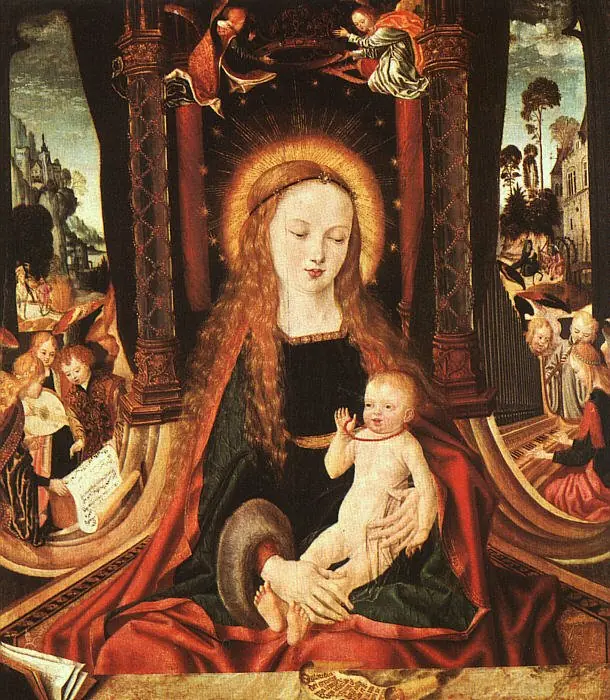
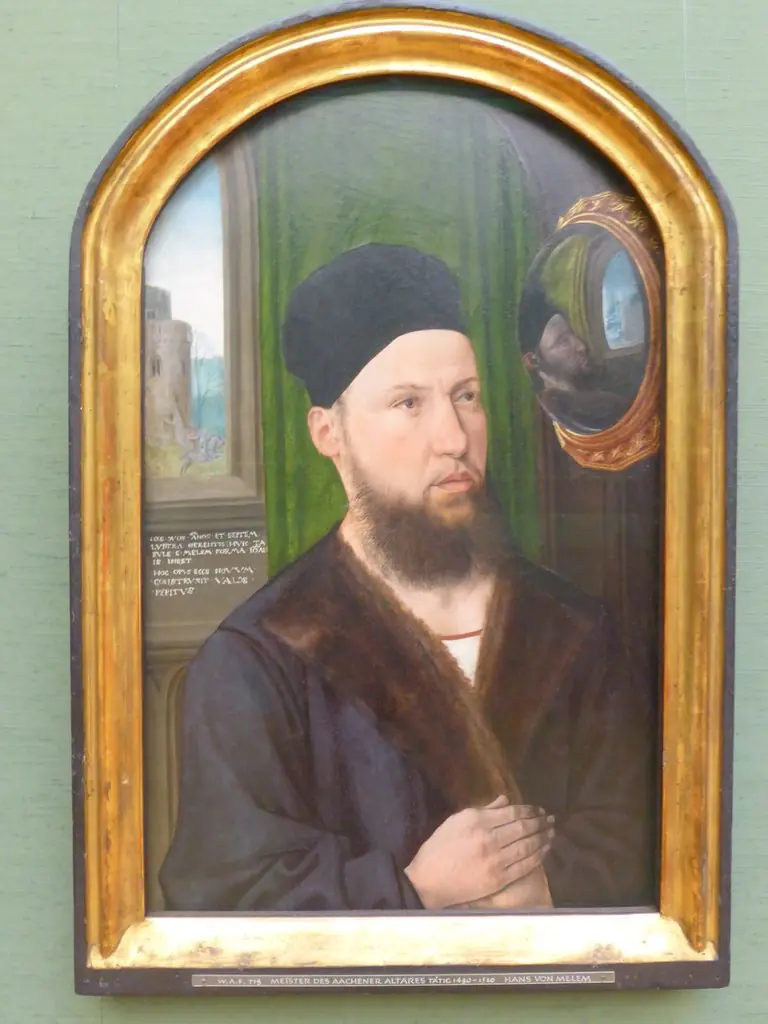
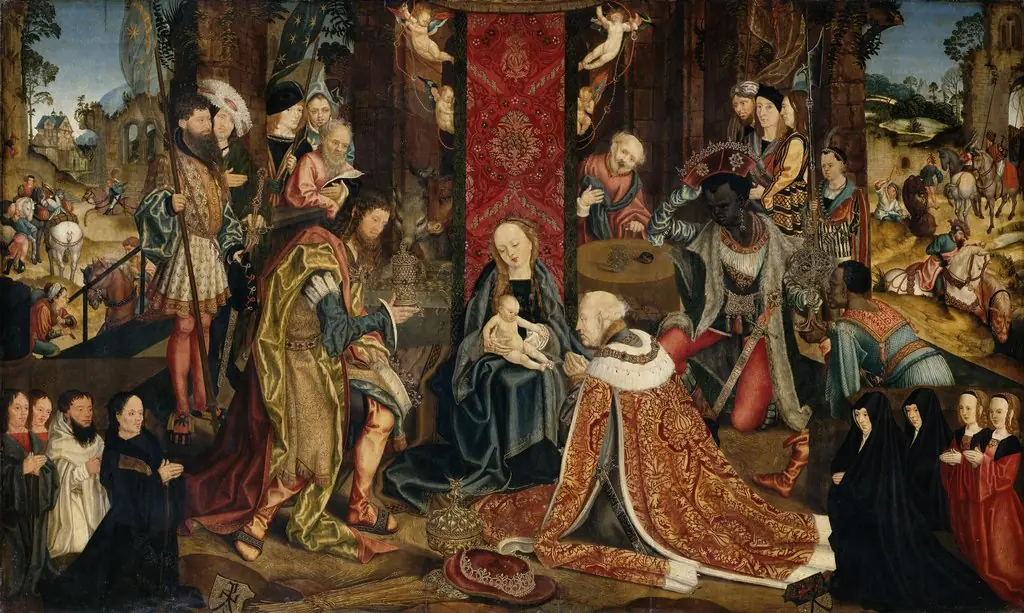
The notname Master of the Aachen Altar is given to an anonymous late gothic painter active in Cologne between 1495 and 1520 or 1480 and 1520, named for his master work, the Aachen Altar triptych owned by the Aachen Cathedral Treasury.