Artwork
Portrait of Johann von Melem
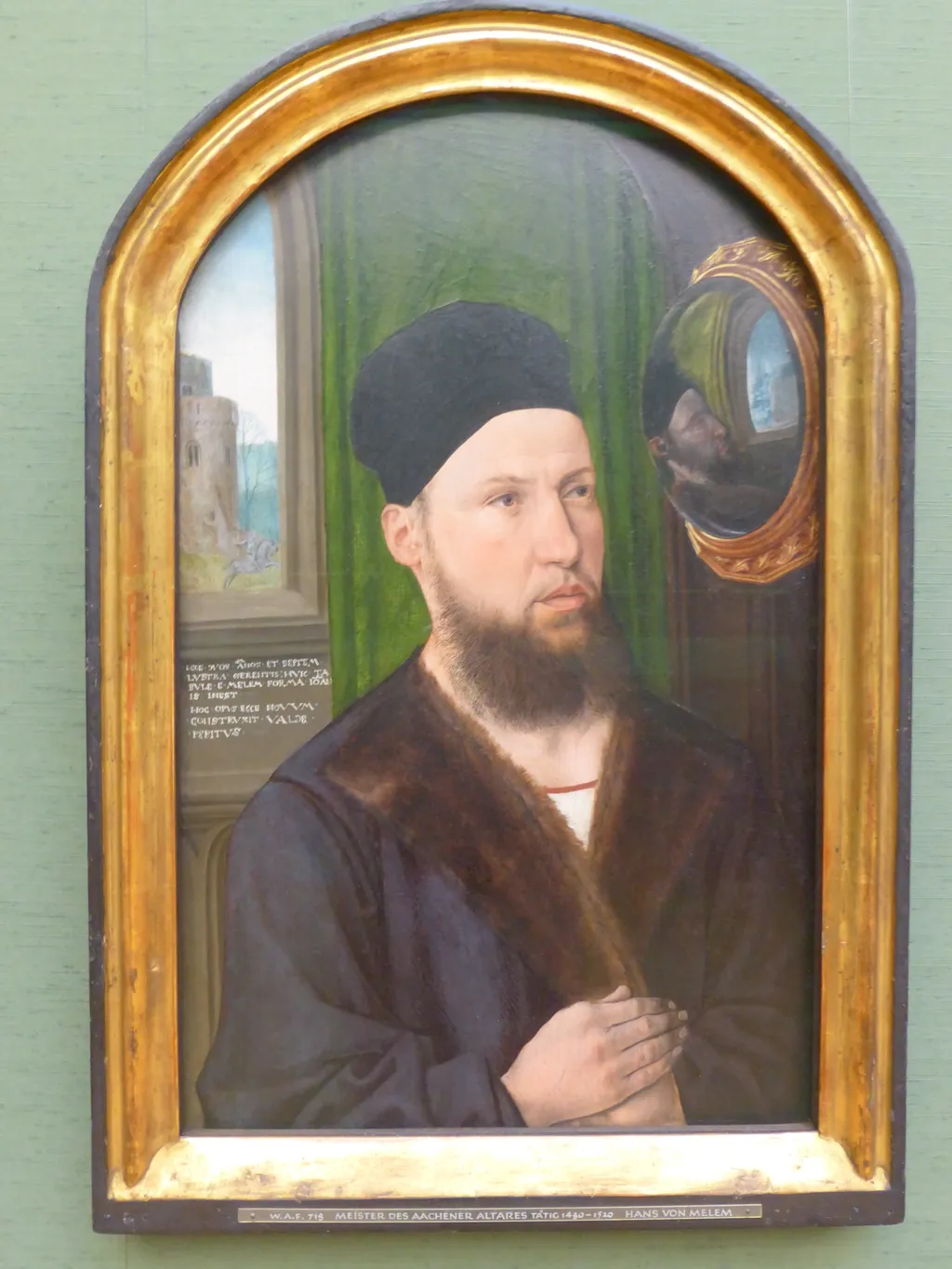
Portrait of Johann von Melem is an oil painting by the Northern Renaissance artist Master of the Aachen Altar. It dates from 1550 and is held in the collection of the Bavarian State Painting Collections.
About this work
Overview
The composition includes a small reflective mirror and a distant window that reveals a castle and a horse, situating the sitter within a modest interior.
The work titled Portrait of Johann von Melem is an oil painting dated to the mid‑16th century, attributed to the anonymous Master of the Aachen Altar. Executed in Cologne, the canvas presents a formally dressed gentleman seated before a green drapery, his hands joined and gaze turned to the right. The composition includes a small reflective mirror and a distant window that reveals a castle and a horse, situating the sitter within a modest interior.
Subject & Meaning
The figure is identified as Johann von Melem, a man of status indicated by his black hat, fur‑trimmed robe, and composed posture. The inclusion of a mirror, a common Renaissance device, may allude to self‑reflection or the transience of worldly rank, while the background landscape hints at his connection to a noble estate.
Technique & Style
Rendered in oil, the painting demonstrates the meticulous detail characteristic of the Northern Renaissance. Fine brushwork captures the texture of the fur collar and the sheen of the fabric, while subtle modeling creates a three‑dimensional presence. The use of a green curtain and a reflective surface showcases the artist’s skill in handling light and depth, hallmarks of late Gothic transition into Renaissance realism.
History & Provenance
Attributed to the Master of the Aachen Altar, an artist active in Cologne between roughly 1495 and 1520, the portrait entered the collection of the Alte Pinakothek, where it remains on view. The master is also known for the Aachen Altar triptych and is considered one of Cologne’s final prominent late‑Gothic painters, alongside peers such as the Master of St Severin.
Context
The painting emerges from a period when Cologne’s artistic scene was shifting from medieval Gothic conventions toward the more naturalistic approaches of the Northern Renaissance. The portrait reflects this transitional aesthetic, combining the decorative elegance of Gothic courtly portraiture with the emerging emphasis on individualized, realistic representation of the sitter.
Artist & collection
Artist
The notname Master of the Aachen Altar is given to an anonymous late gothic painter active in Cologne between 1495 and 1520 or 1480 and 1520, named for his master work, the Aachen Altar triptych owned by the Aachen Cathedral Treasury.

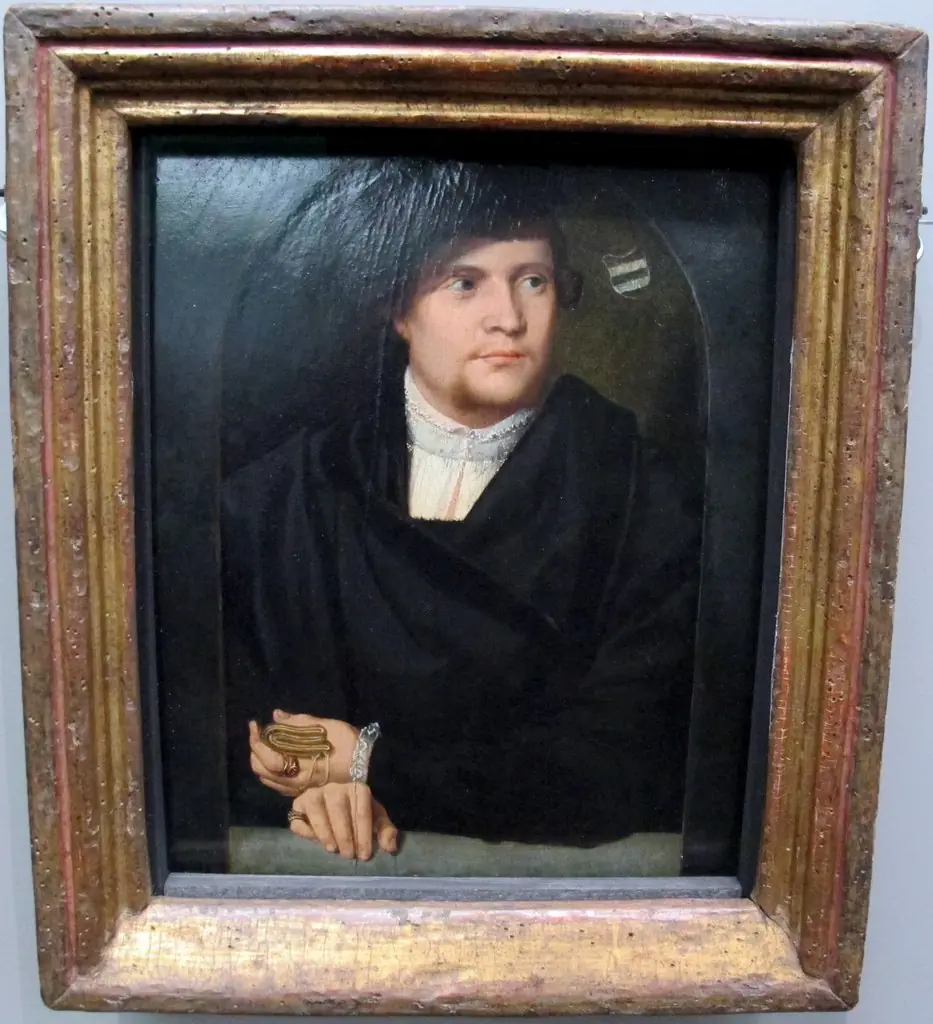 Male Portrait
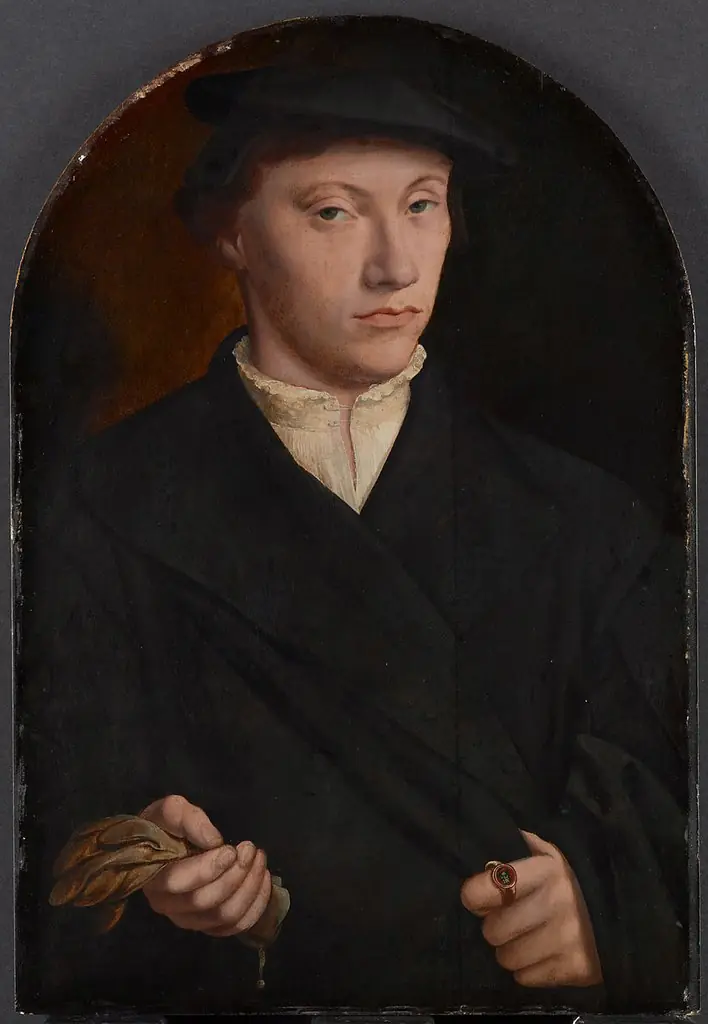 Portrait of a young man holding gloves
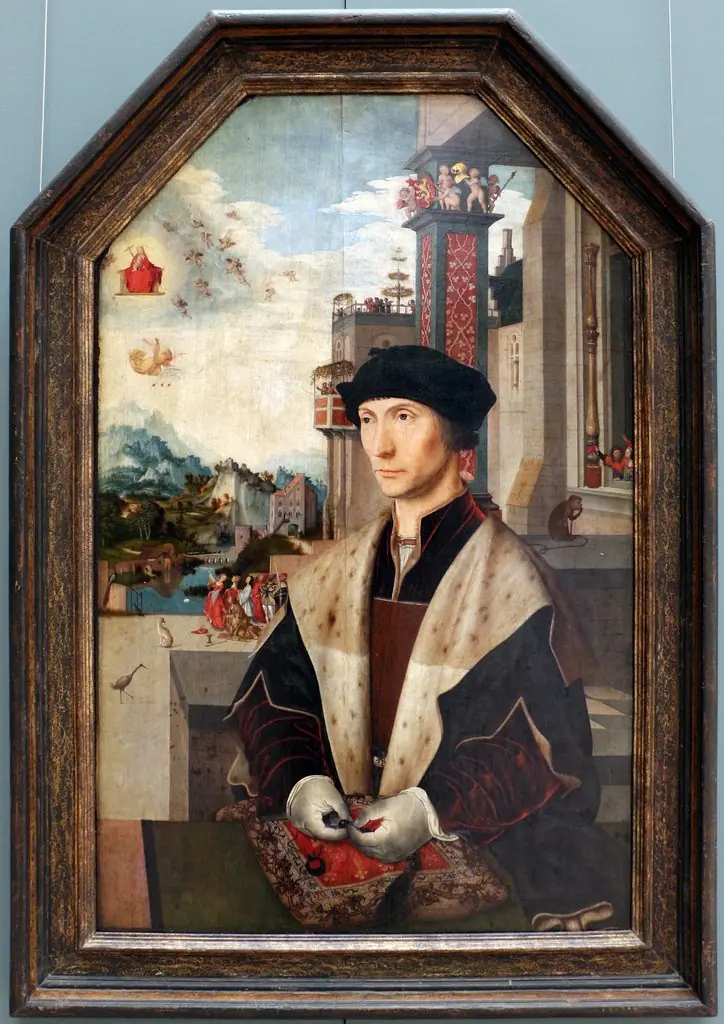 Portrait of the knight Abel van Coulster (1477-1548), representative to the Hof van Holland in 1512
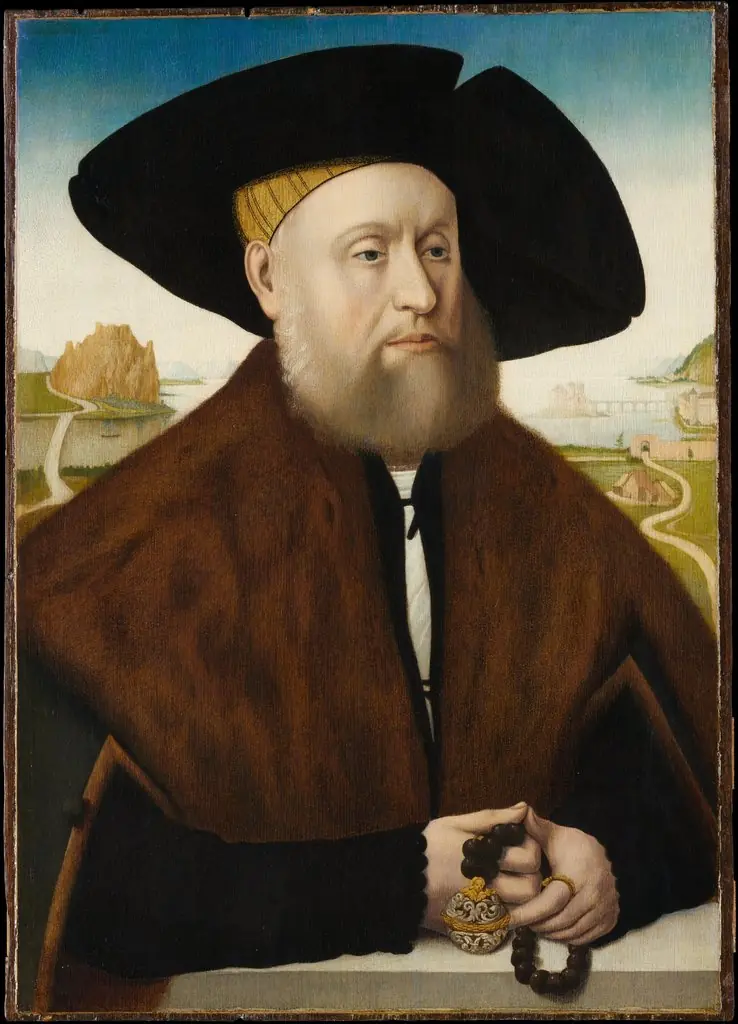 Heinrich(?) vom Rhein zum Mohren (1477–1536)
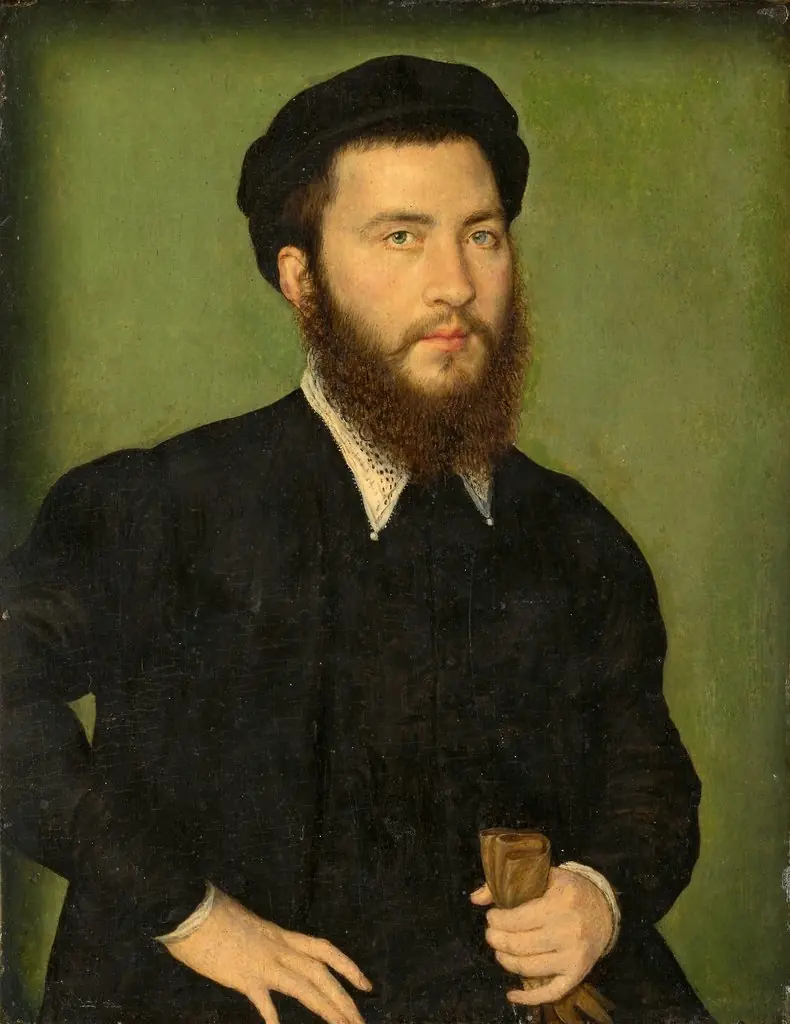 Portrait of a Man
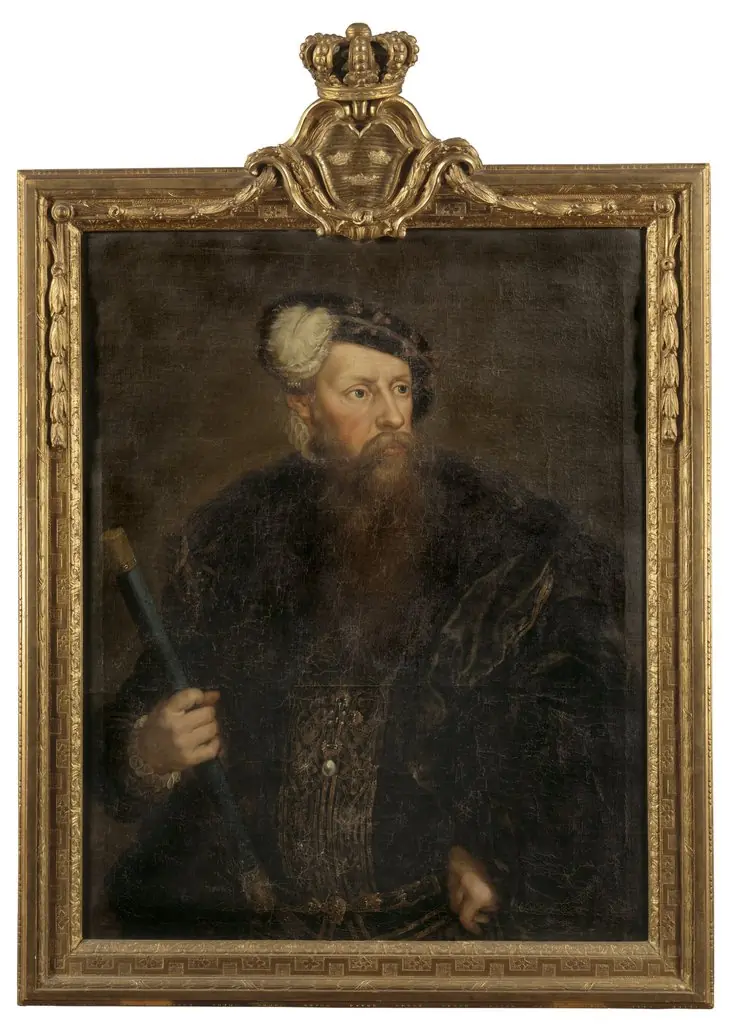 Gustav Vasa (1496-1560), kung av Sverige
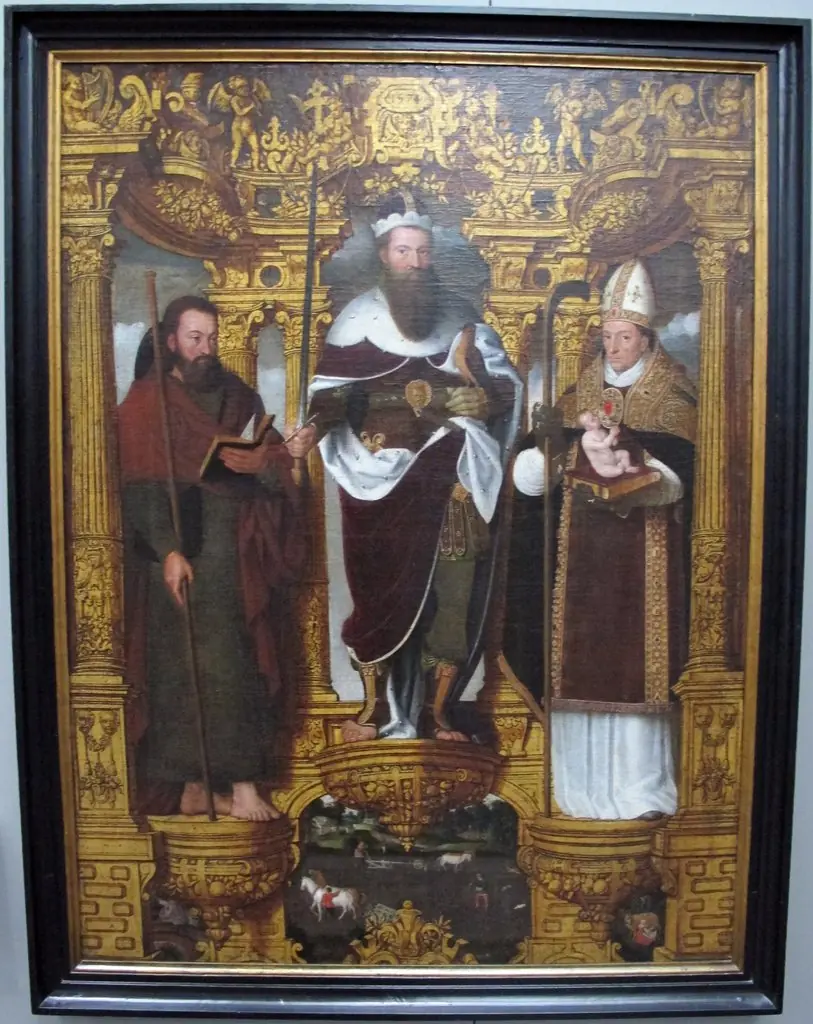 Saints Bavo, James the Great and Willibrord
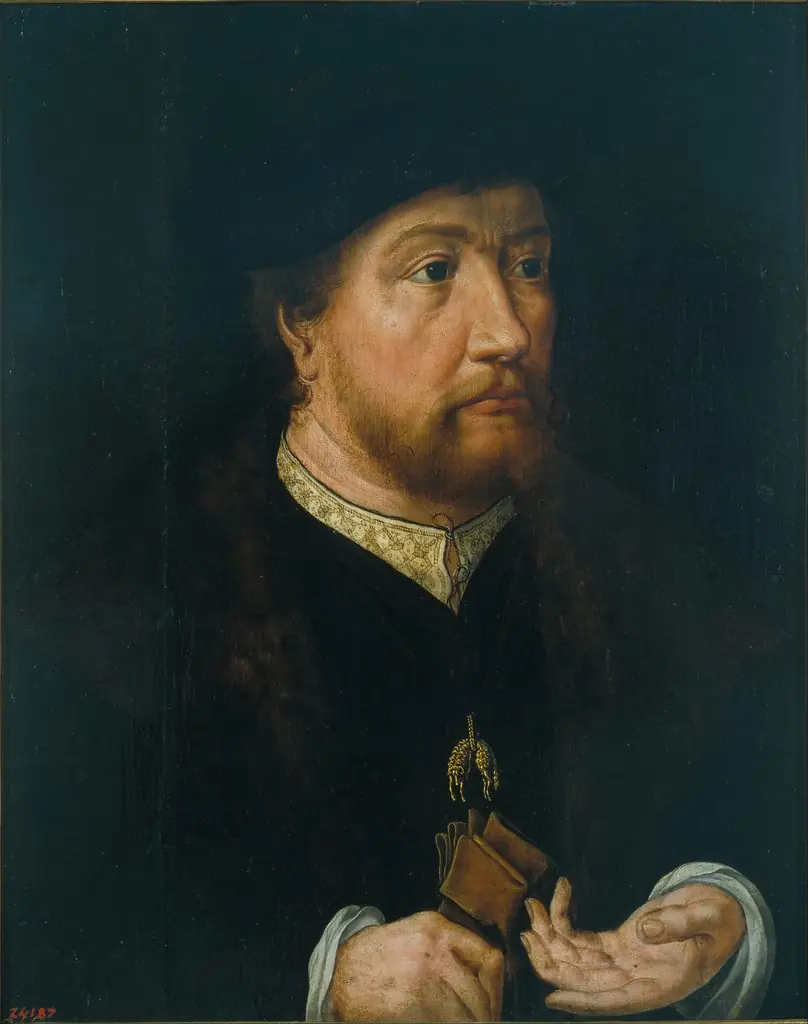 Portrait of Henry III, Count of Nassau
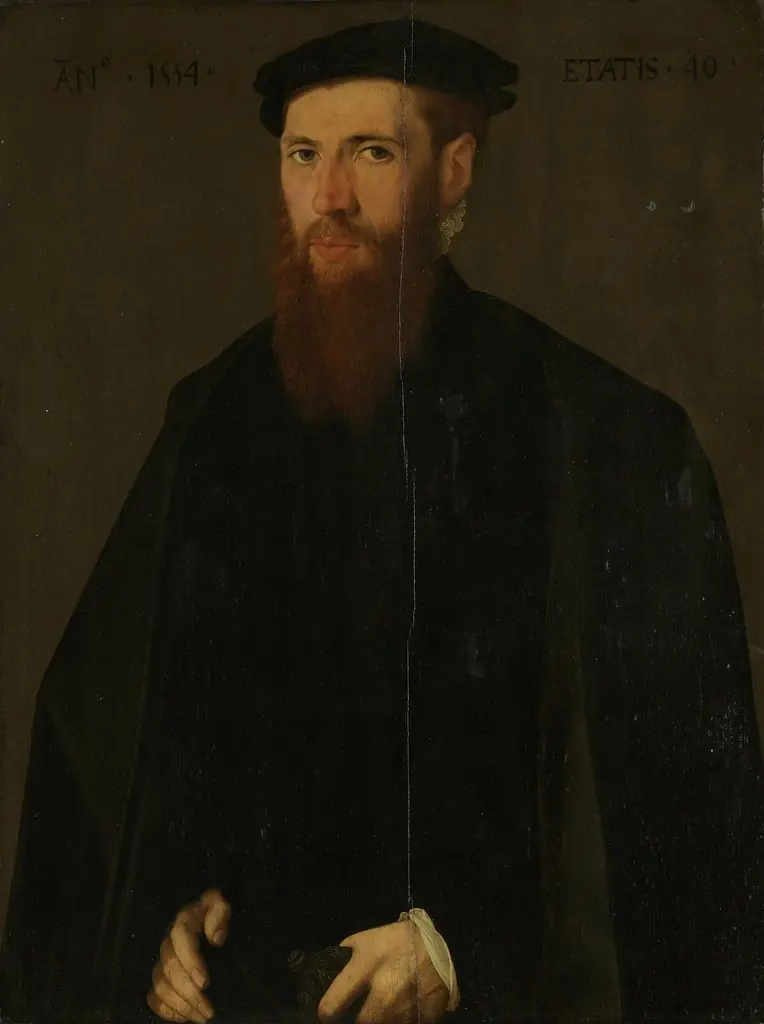 Portrait of Willem van Lokhorst (1514-64)
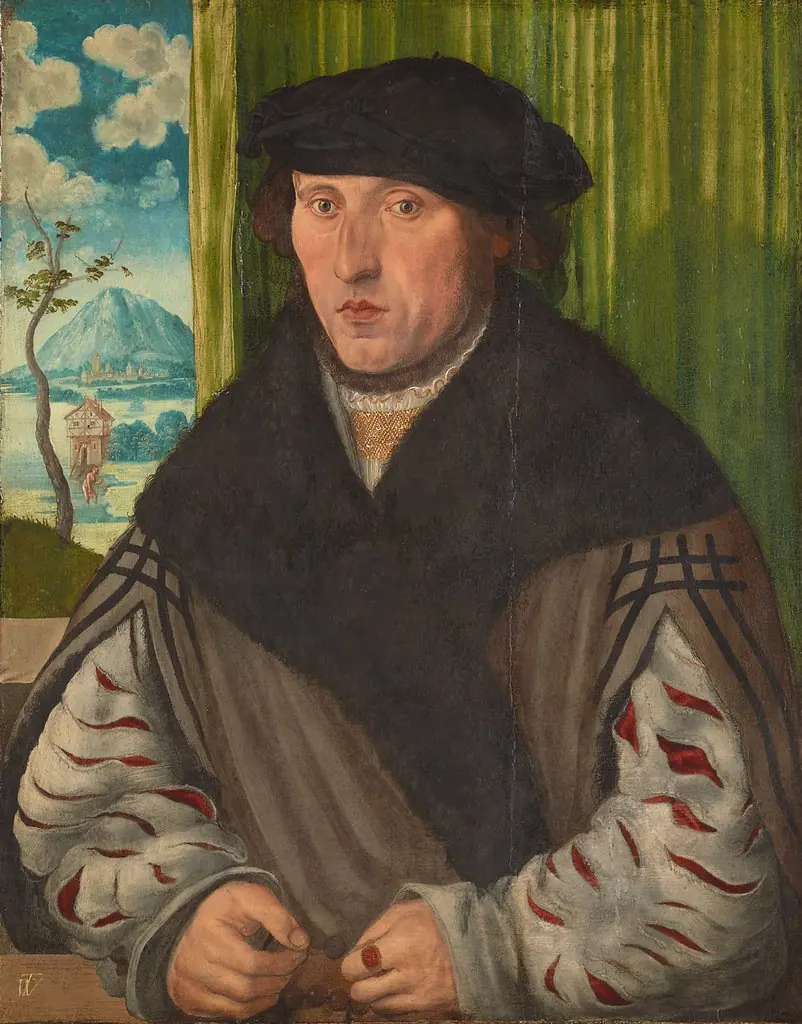 Männliches Bildnis
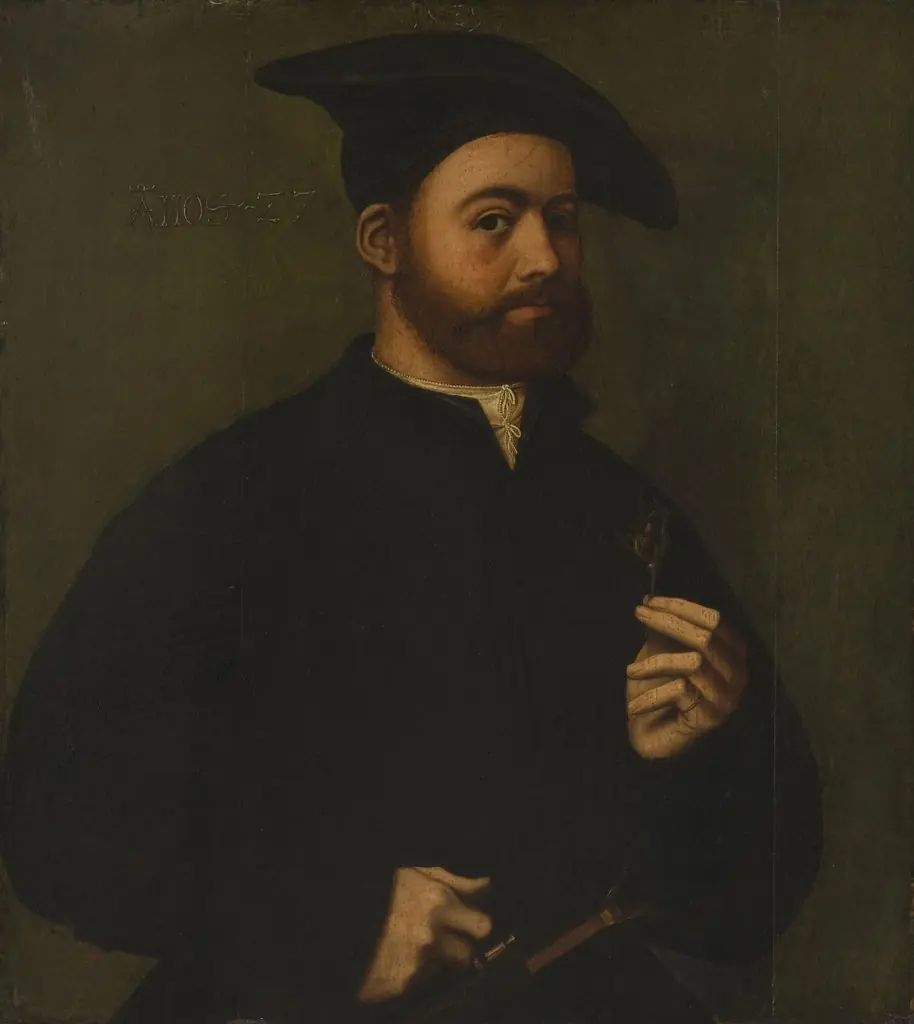 Portrait of a Man Holding a Rose
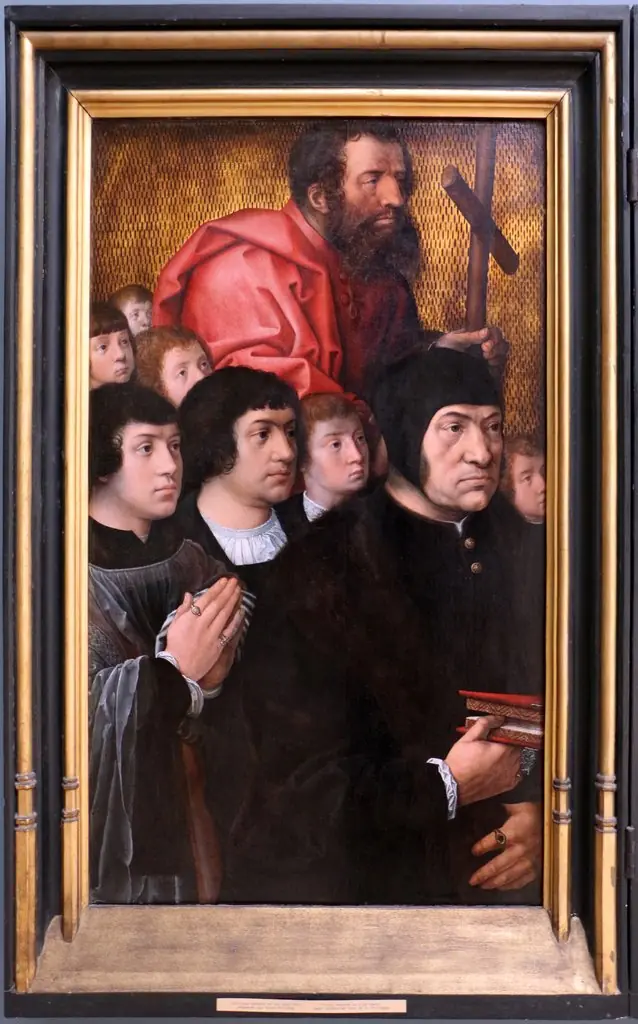 Portrait of Philippe Haneton with his seven sons and the apostle Philip