Artwork
The Adoration of the Shepherds
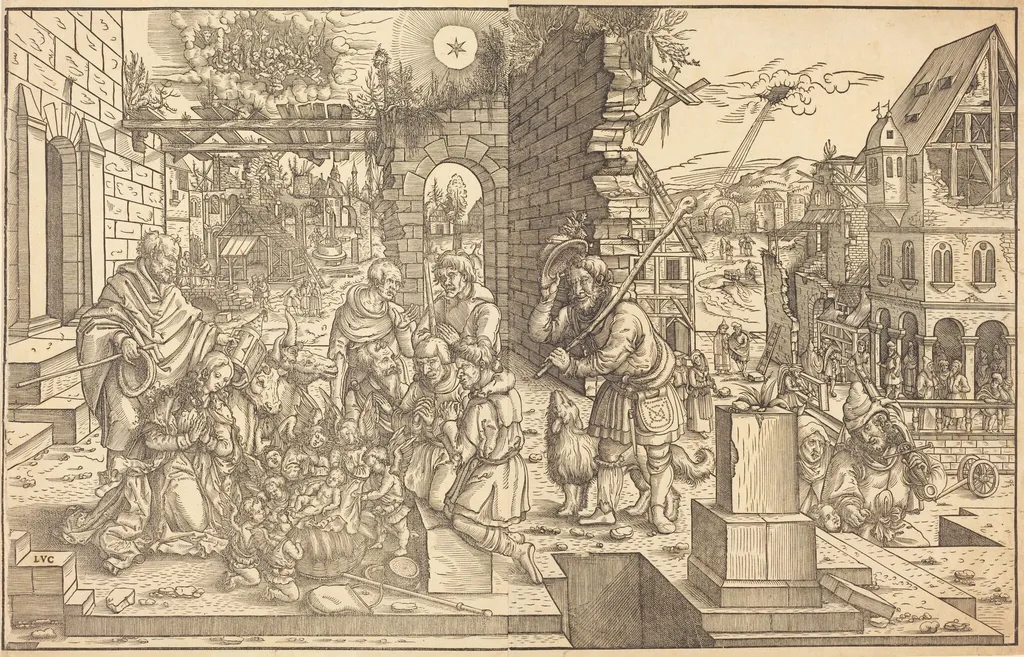
The Adoration of the Shepherds is an ink print by the Renaissance artist Master of the Adoration of the Shepherds. It dates from 1535 and is held in the collection of the National Gallery of Art.
About this work
Overview
The print’s scale is modest, yet its surface is filled with intricate detail, reflecting the technical demands and spatial constraints of woodcut printing.
This woodcut, produced around 1535, is the work of an anonymous artist known as the Master of the Adoration of the Shepherds. Printed from two carved wooden blocks on joined sheets of laid paper, it presents a densely composed scene of the shepherds’ visit to the infant Christ. The print’s scale is modest, yet its surface is filled with intricate detail, reflecting the technical demands and spatial constraints of woodcut printing.
Subject & Meaning
The scene captures the moment when shepherds, guided by divine revelation, arrive at the stable to honor the newborn Jesus. Figures kneel, stand, and gesture in varied postures of reverence, while animals and onlookers populate the margins. The inclusion of distant observers peering from windows and climbing walls suggests a broader community witnessing the event, reinforcing the theological significance of Christ’s birth as a moment of universal import.
Technique & Style
The image was carved in relief on two separate woodblocks, each inked and printed to form a single composition. Sharp, linear contours define the figures and architecture, with no shading or gradation—typical of the medium. Every element, from the smallest window frame to the folds of a cloak, was meticulously incised into the wood. The crowded composition reflects a preference for narrative richness over spatial depth, a hallmark of Northern European printmaking of the period.
History & Provenance
The print’s origin lies in the German-speaking regions of the early 16th century, where woodcuts were widely used for religious imagery. Its attribution to an anonymous master reflects the common practice of unsigned workshop production. No definitive early ownership records survive, but similar prints circulated among clergy and literate laypeople as devotional aids, often bound into prayer books or displayed in homes.
Context
Created during the Reformation, this image reflects a continued demand for traditional religious subjects despite growing Protestant skepticism toward iconography. Woodcuts like this were affordable and reproducible, making them accessible to a broader audience than painted altarpieces. Their popularity relied on clear storytelling and symbolic clarity, aligning with both Catholic devotional needs and emerging Protestant emphasis on biblical narrative.
Legacy
Though the artist’s identity remains unknown, this woodcut exemplifies the skill and narrative economy of anonymous printmakers in early 16th-century Europe. It contributed to the visual language of biblical scenes in popular print culture, influencing later depictions of the Adoration. Its survival in multiple institutional collections underscores its role as a representative artifact of devotional printmaking before the rise of engraved and etched alternatives.
Artist & collection

Artist
Master of the Adoration of the Shepherds
Master of the Adoration of the Shepherds (1530–1540) was an artist.

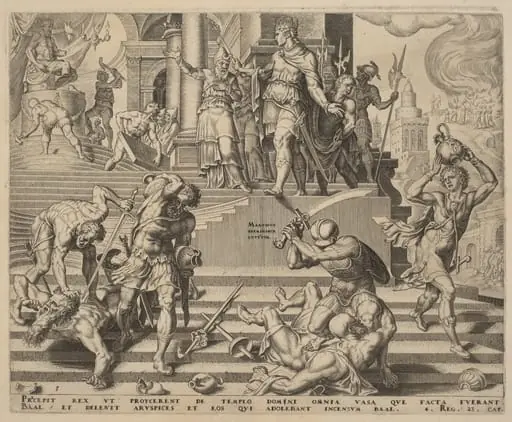 The Destruction of the Temple of Baal and the Slaughter of His Priests
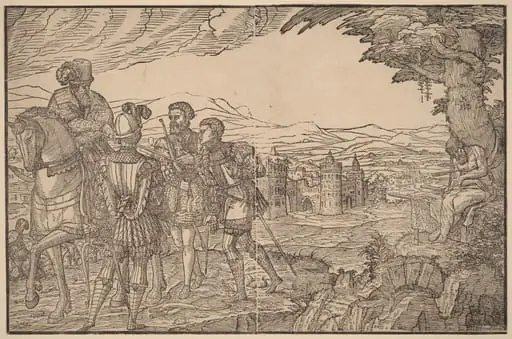 The King's Son
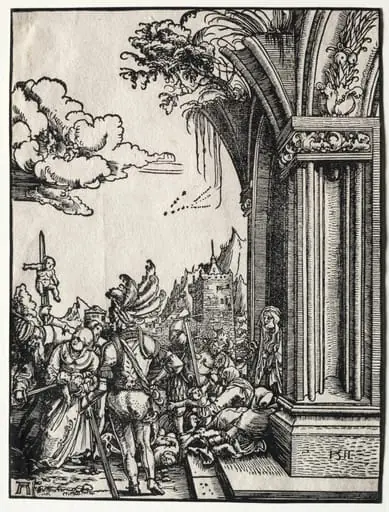 The Massacre of the Innocents
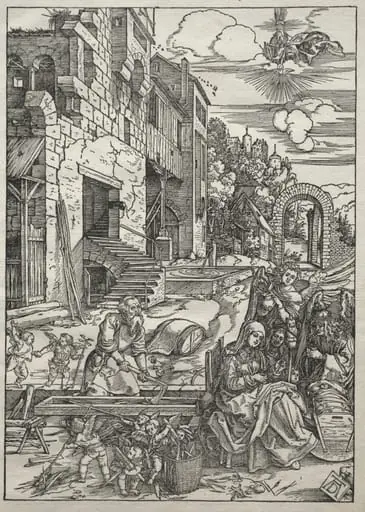 Life of the Virgin: The Rest in Egypt
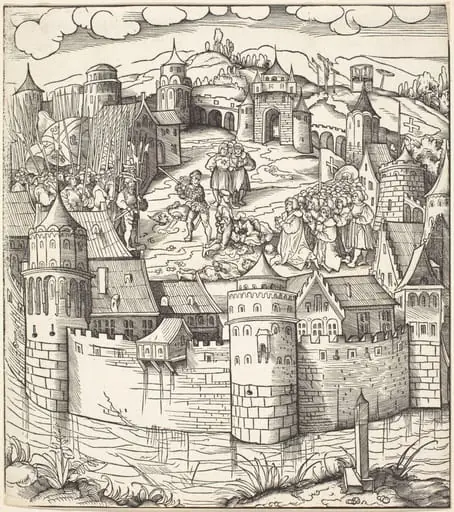 Execution of a Man at a Market-Place of a Town
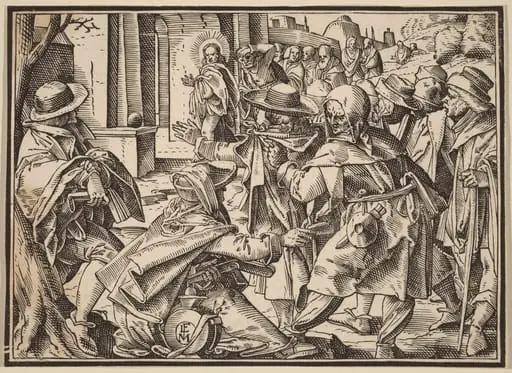 Christ Tells His Disciples of the Last Judgment
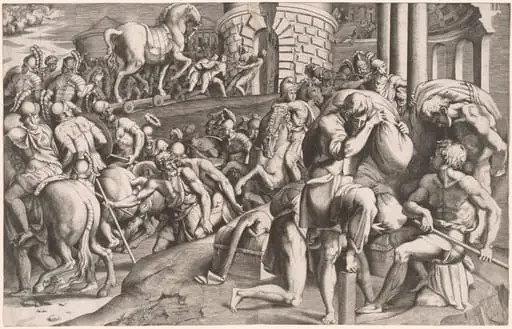 The Trojans Hauling the Wooden Horse into Troy
 Life of the Virgin: Adoration of the Magi
 Christ Tells His Disciples of the Last Judgment
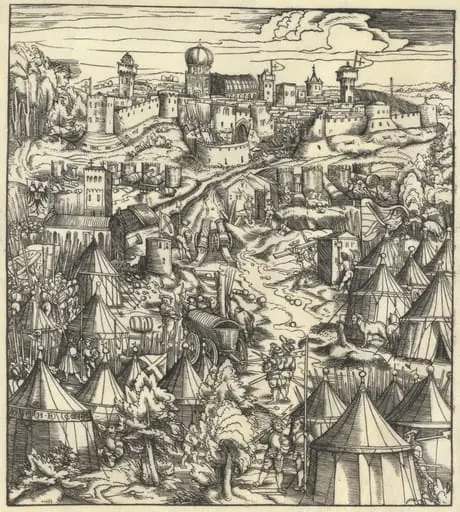
 Der Weisskunig (The White King): The Siege of Padua
 The Apocalypse: The Measurement of the Temple
 The Battle of Padua