Artwork
Joseph going to prison
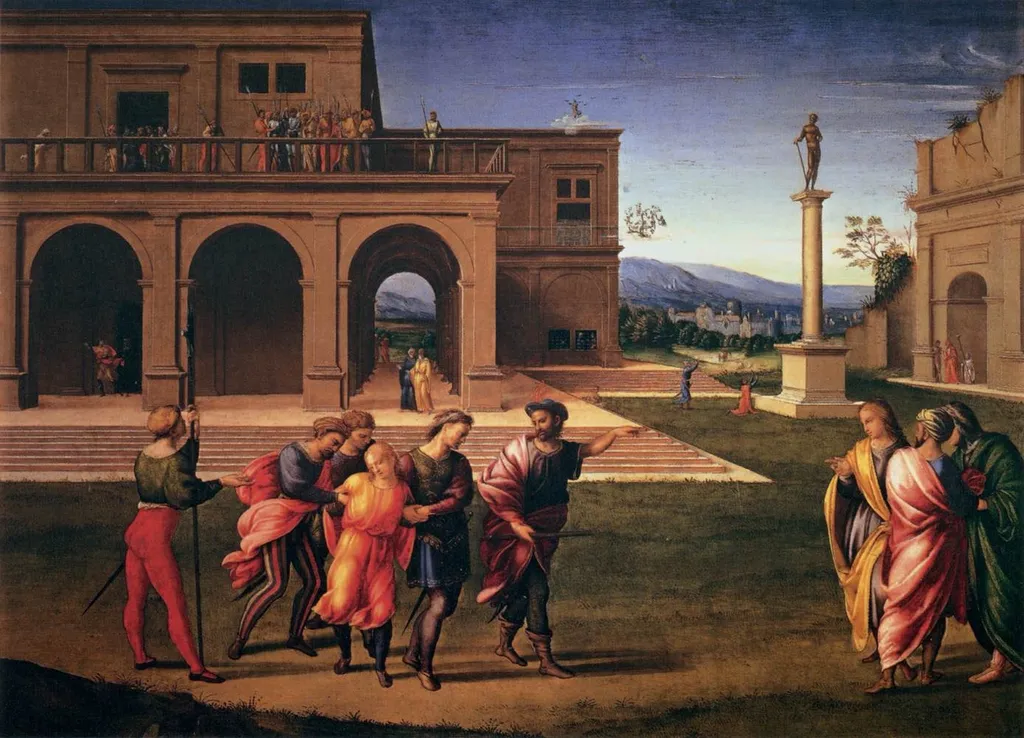
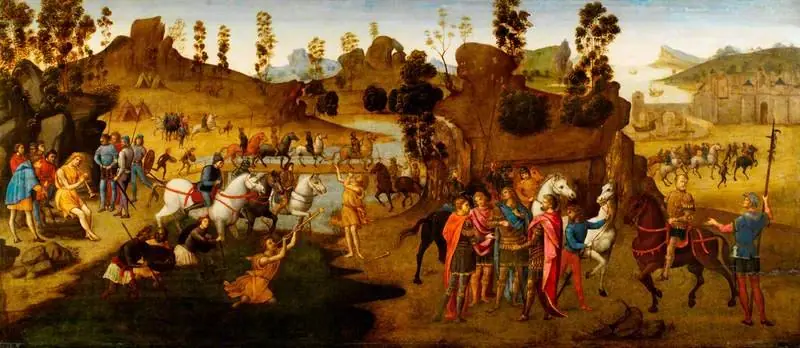
Joseph going to prison is a tempera painting by the Early Renaissance artist Francesco Granacci. It dates from 1515 and is held in the collection of the Uffizi Gallery.
About this work
Overview
Granacci, trained in Domenico Ghirlandaio’s workshop, was known for his precise draftsmanship and adherence to Florentine traditions.
Painted in 1515 by Francesco Granacci, this tempera work illustrates a moment from the biblical story of Joseph. Created during the early Renaissance, the painting is part of the Uffizi Gallery’s collection in Florence. Granacci, trained in Domenico Ghirlandaio’s workshop, was known for his precise draftsmanship and adherence to Florentine traditions. His association with Michelangelo placed him within a circle of influential artists of the period.
Subject & Meaning
The scene captures Joseph being taken into custody after being falsely accused. Central to the composition, Joseph, dressed in red, is escorted by two figures while onlookers observe from the margins. The moment reflects themes of injustice and moral endurance, common in Renaissance religious narratives. The inclusion of bystanders and architectural elements underscores the public nature of the event, reinforcing its moral weight.
Technique & Style
Executed in tempera on panel, the painting reflects the meticulous detail and controlled brushwork typical of early Renaissance Florentine practice. Figures are rendered with clear contours and modest modeling, emphasizing clarity over dramatic chiaroscuro. The architectural backdrop, with its arches and balconies, demonstrates attention to perspective and spatial order, hallmarks of Granacci’s training under Ghirlandaio.
History & Provenance
The painting has remained in Florence since its creation, eventually entering the Uffizi’s collection. It was documented by Giorgio Vasari in his *Lives of the Artists*, who noted Granacci’s reputation among contemporaries. Though less celebrated today than his peers, the work survives as evidence of Granacci’s skill and the enduring influence of Ghirlandaio’s workshop in early 16th-century Florence.
Context
Created during a period when Florence was a hub of artistic innovation, the painting reflects the transition from medieval iconography to human-centered narrative. While Michelangelo’s sculptural dynamism was emerging, Granacci’s style remained rooted in Ghirlandaio’s tradition of orderly composition and narrative clarity. This work exemplifies how religious stories were rendered with civic and architectural realism for devotional audiences.
Legacy
Though Granacci’s name faded from mainstream art history, his works, including this one, remain important for understanding the breadth of Florentine painting beyond its most famous figures. The painting contributes to the study of how biblical narratives were visually codified in the early Renaissance, preserving the aesthetic values of a generation that bridged the Quattrocento and High Renaissance.
Artist & collection
Artist
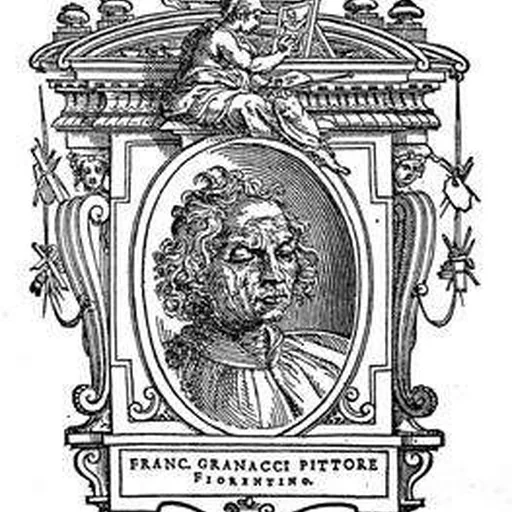
Francesco Granacci (1469 – 30 November 1543) was an Italian Renaissance painter active primarily in his native Florence.

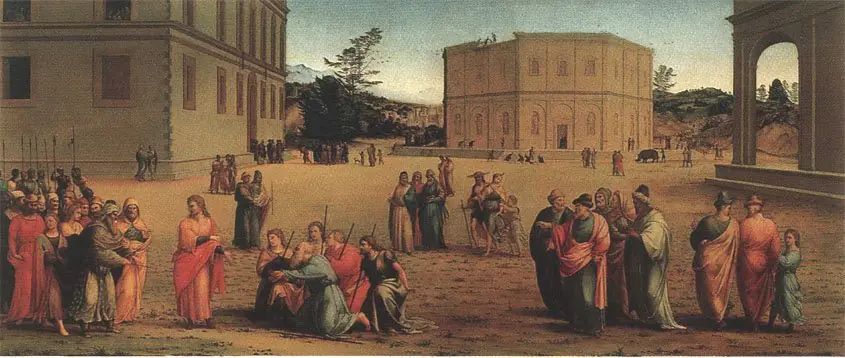 Joseph presents his father and brothers to the Pharaoh
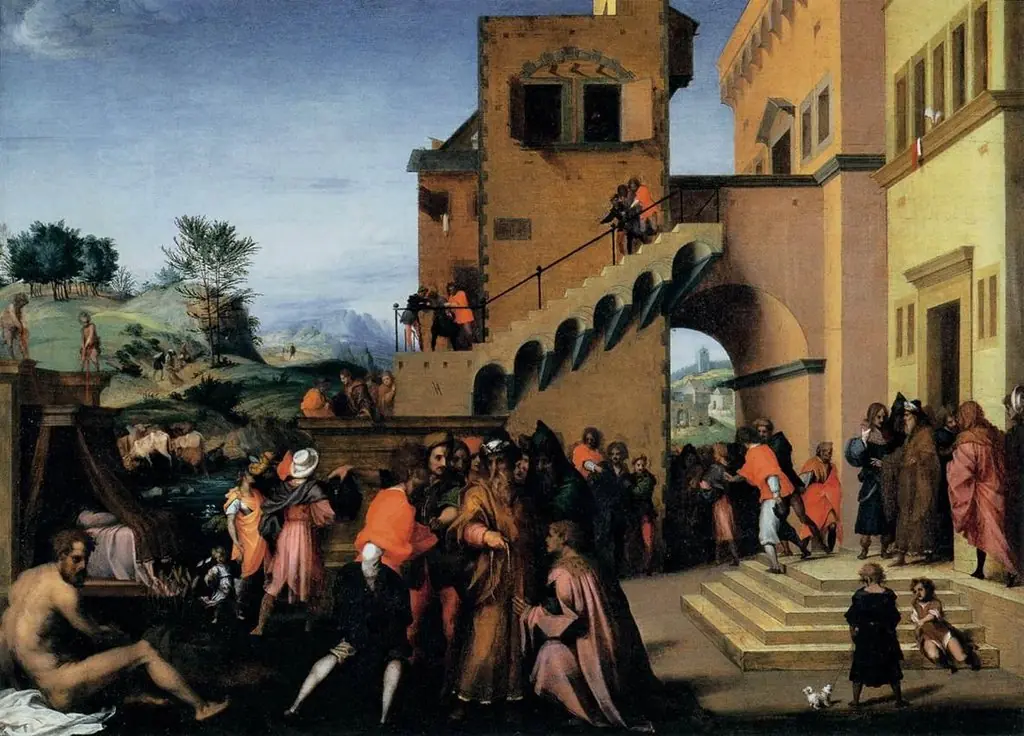 Joseph interpreting Pharaoh's dresm
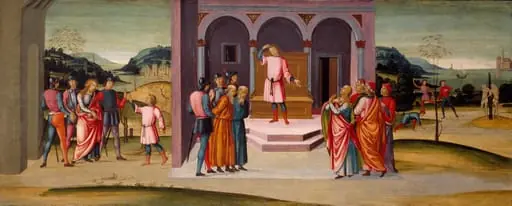 Daniel Saving Susanna, the Judgment of Daniel, and the Execution of the Elders
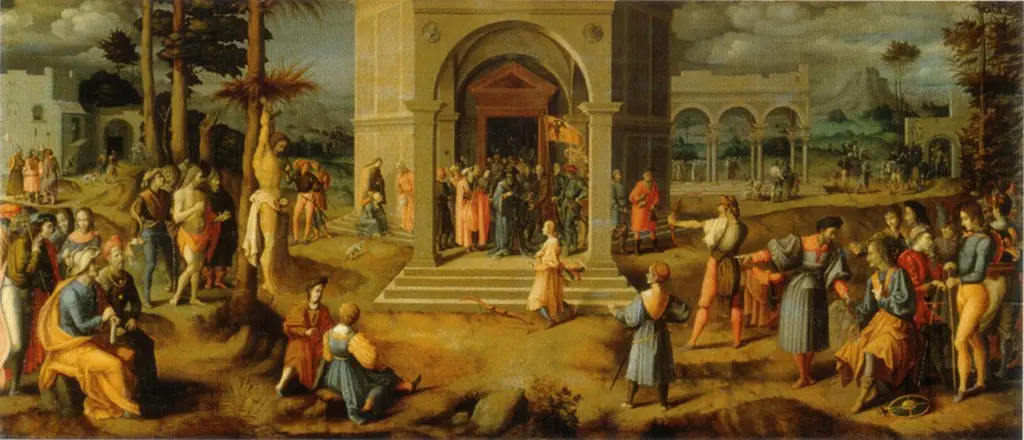 The Legend of the King's Sons
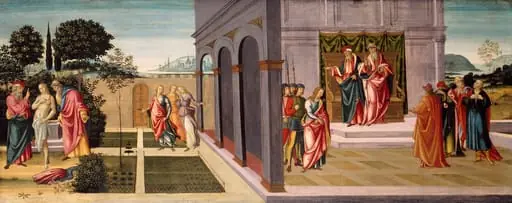 Susanna and the Elders in the Garden, and the Trial of Susanna before the Elders
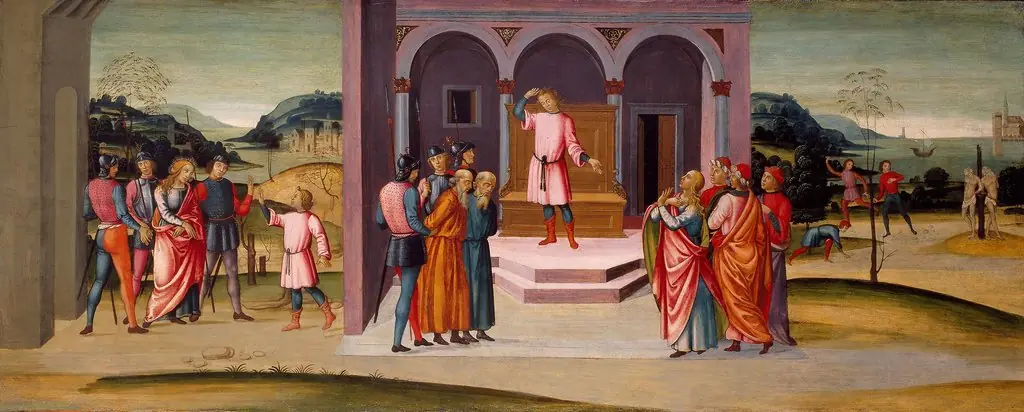 Daniel Saving Susanna, the Judgment of Daniel, and the Execution of the Elders
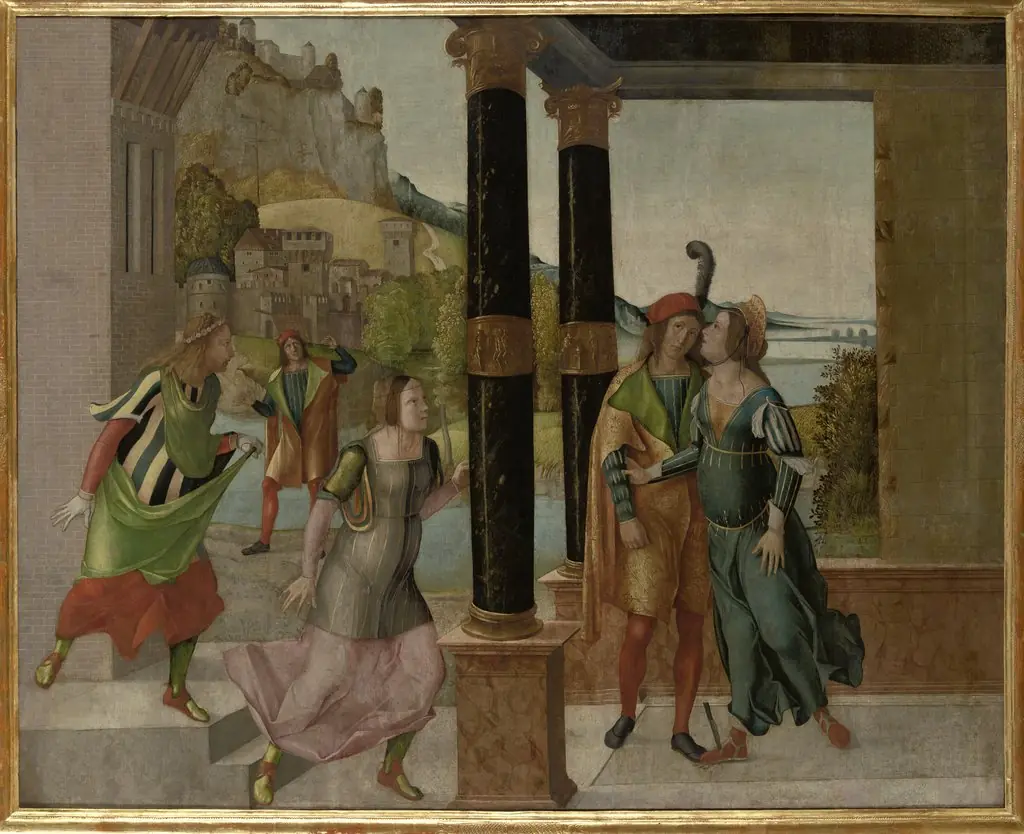 Brutus and Porcia
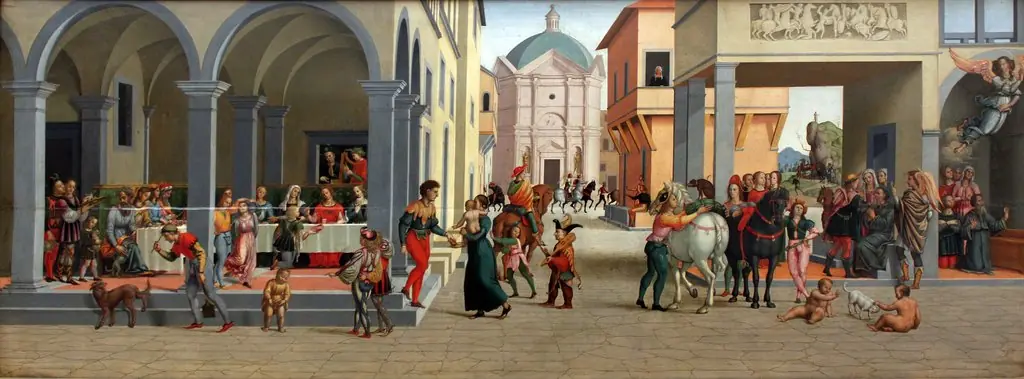 Representation from the Life of the Young Tobias II
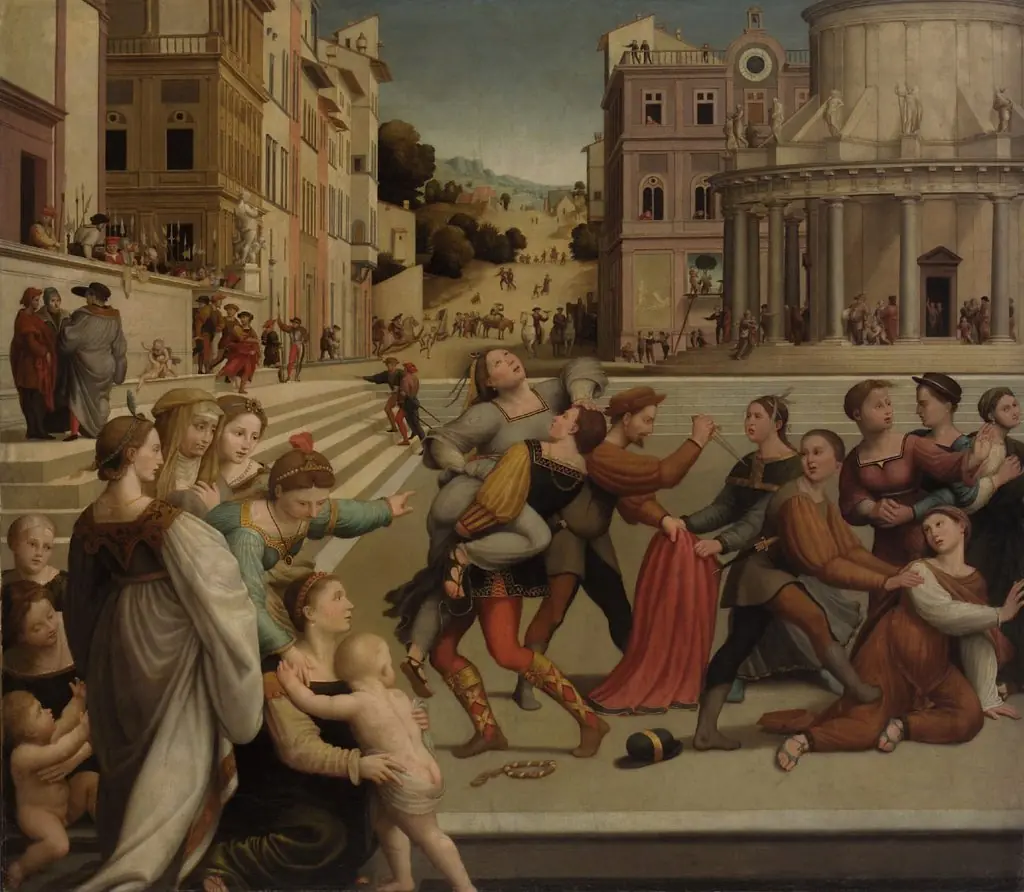 Rape of Dinah
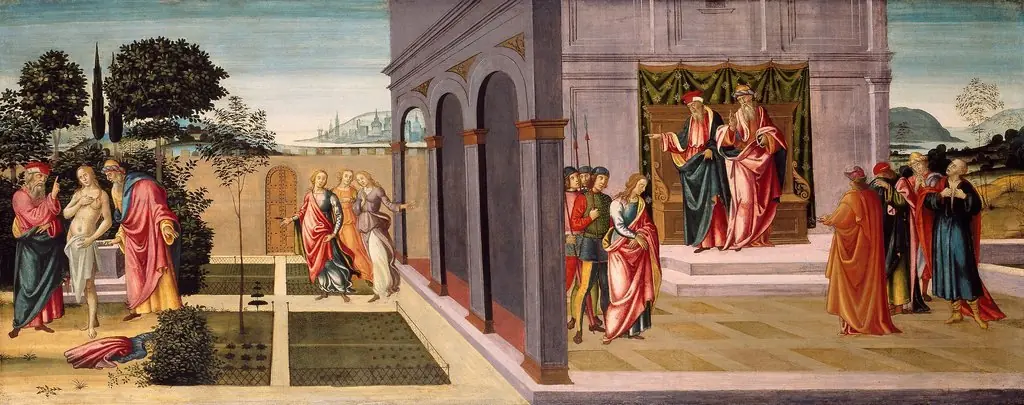 Susanna and the Elders in the Garden, and the Trial of Susanna before the Elders
 Julius Caesar and the Crossing of the Rubicon (scene from the story of Alexander the Great)