Artwork
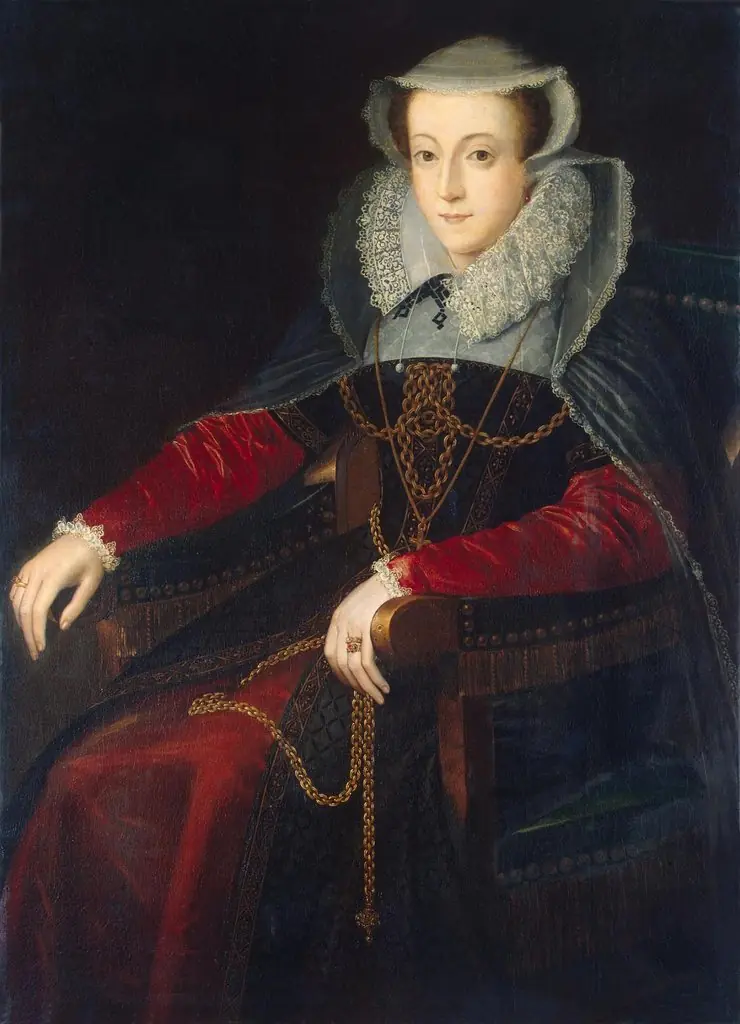
Portrait of Elizabeth of Austria, Wife of King Charles IX of France
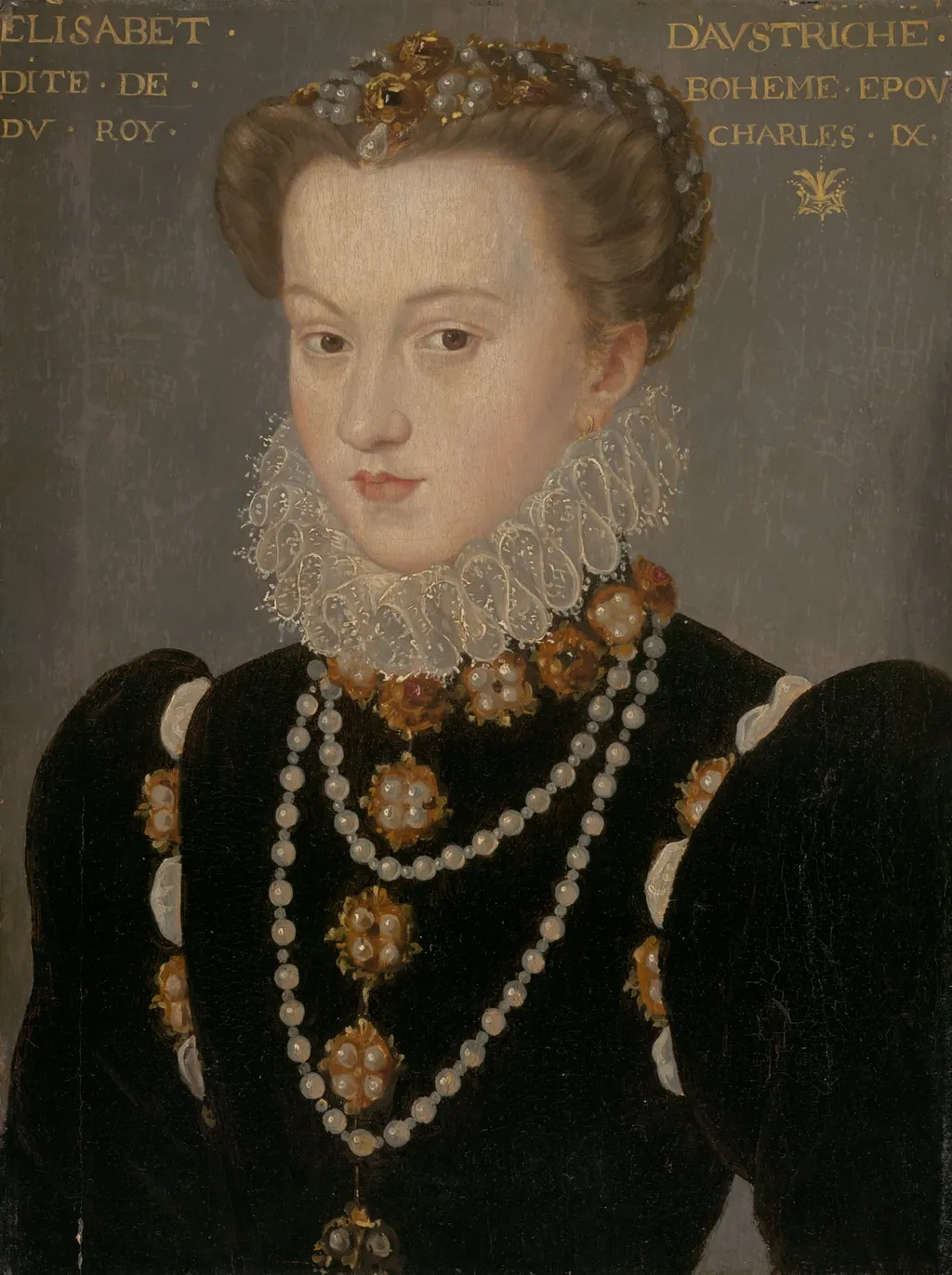
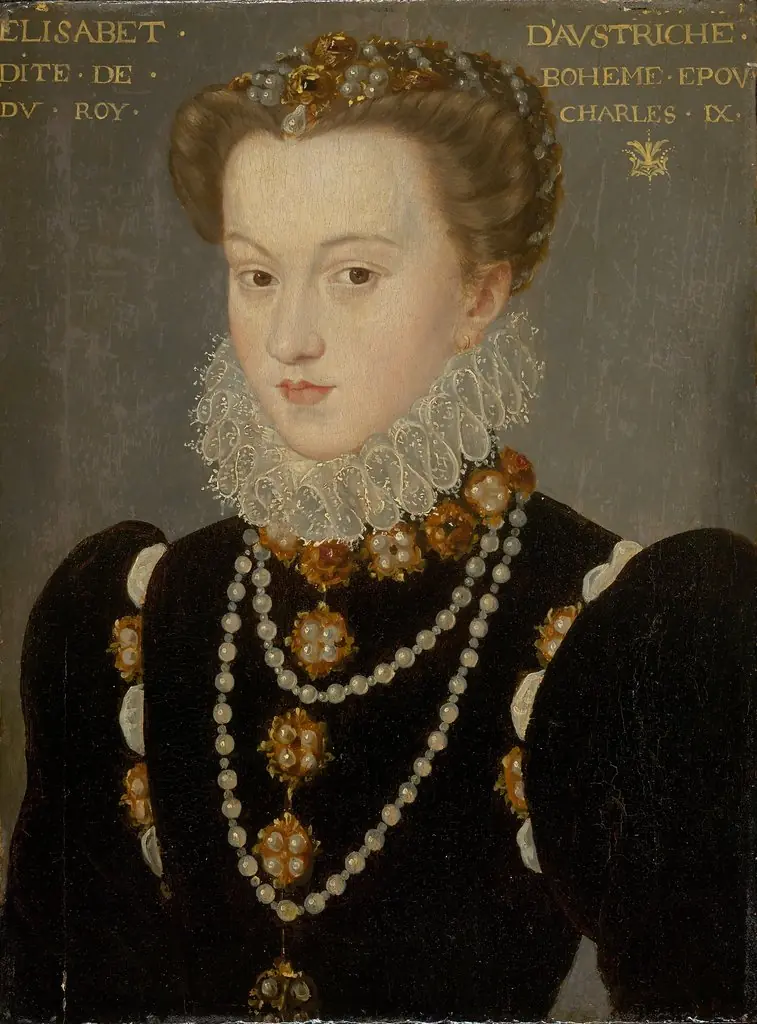
Portrait of Elizabeth of Austria, Wife of King Charles IX of France is an oil painting by the Early Baroque Italian artist Follower of François Clouet. It dates from 1571 and is held in the collection of the Art Institute of Chicago.
About this work
Overview
This oil-on-panel portrait depicts Elizabeth of Austria, queen consort of France, painted in 1571 by an artist working in the circle of François Clouet.
This oil-on-panel portrait depicts Elizabeth of Austria, queen consort of France, painted in 1571 by an artist working in the circle of François Clouet. It resides in the collection of the Art Institute of Chicago. The work was created after Elizabeth’s death in 1568, indicating it was based on earlier likenesses or recollection rather than direct observation, a common practice for posthumous royal commissions.
Subject & Meaning
Elizabeth of Austria, daughter of Holy Roman Emperor Ferdinand I, is portrayed in the regalia of French queenship. Her elaborate attire and jeweled adornments emphasize her status and dynastic role rather than personal expression. The portrait serves as a symbol of political alliance between the Habsburg and Valois families, reinforcing legitimacy and continuity in a period marked by religious and dynastic instability.
Technique & Style
The painting reflects the meticulous detail and restrained realism characteristic of the French court style associated with Clouet’s workshop. Fabric textures, lace, and gemstones are rendered with precision, though the face lacks the psychological depth found in live sittings. The composition is formal and frontal, prioritizing ceremonial presence over individuality, consistent with posthumous royal portraiture of the era.
History & Provenance
Commissioned after Elizabeth’s death in 1568, the portrait likely served to maintain her public image within the French court. It entered the Art Institute of Chicago’s collection in the 20th century, having passed through private European collections. Its attribution to a follower of Clouet reflects the workshop system in which master designs were adapted by assistants, common in 16th-century French royal studios.
Context
Painted during the French Wars of Religion, this portrait functioned as a visual anchor of royal authority amid turmoil. Elizabeth’s image, though posthumous, reinforced the monarchy’s continuity. Similar portraits of queens were used in diplomatic exchanges and ceremonial spaces, where appearance served political ends more than personal commemoration.
Legacy
The portrait remains a key example of how royal identity was constructed through visual representation in late 16th-century France. It illustrates the role of artistic workshops in sustaining dynastic imagery beyond the lifetimes of subjects. Its survival offers insight into the conventions of court portraiture and the enduring power of image in legitimizing rule.
Own this work as a print
Artist & collection
Artist
This artist painted small, detailed portraits of French royalty in the 1500s, following the style of François Clouet.

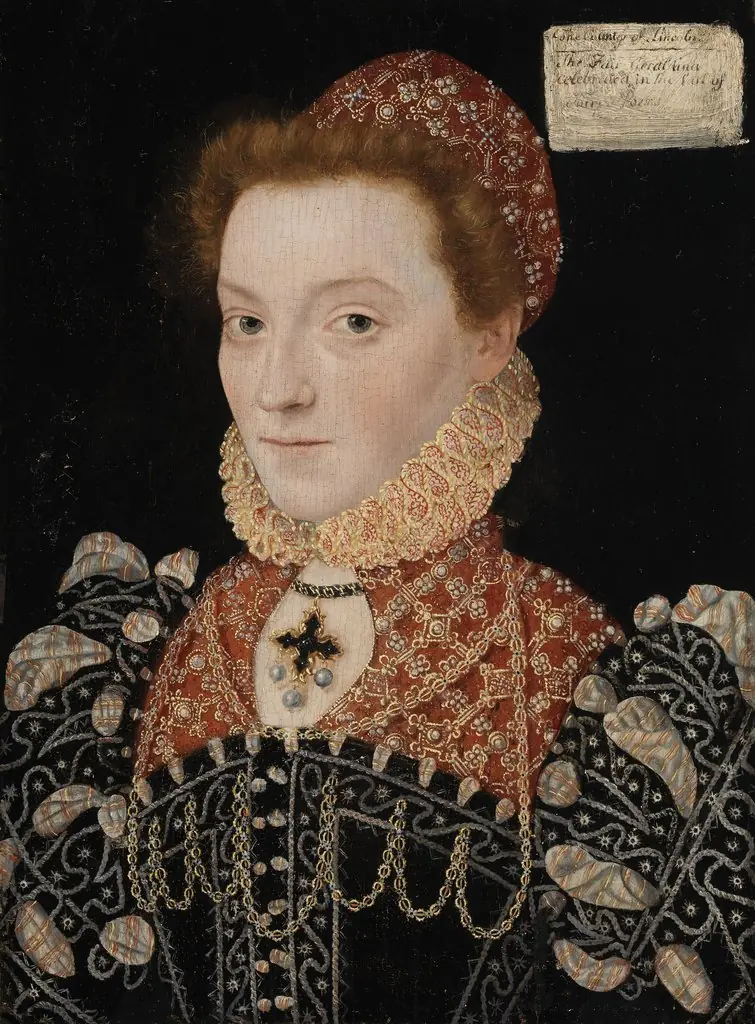 Portrait of 'The Fair Geraldine' (Elizabeth Fitzgerald, Countess of Lincoln, c1528-1590)
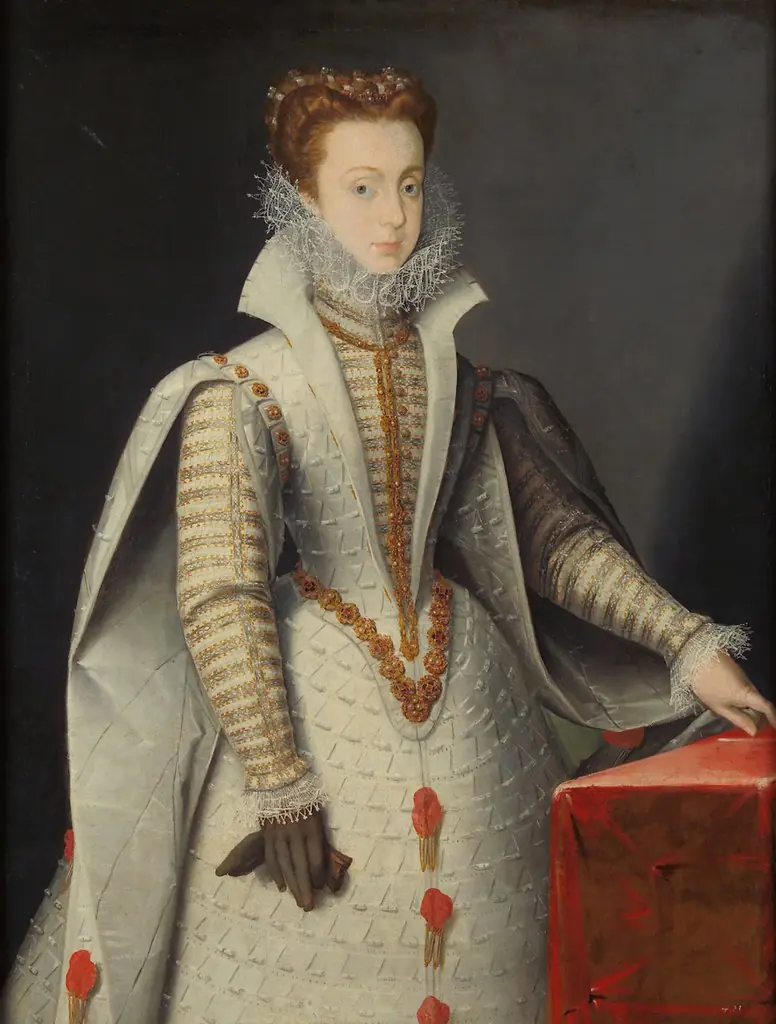 Herzogin Margarete von Joyeuse (1564-1625), Dreiviertelbildnis
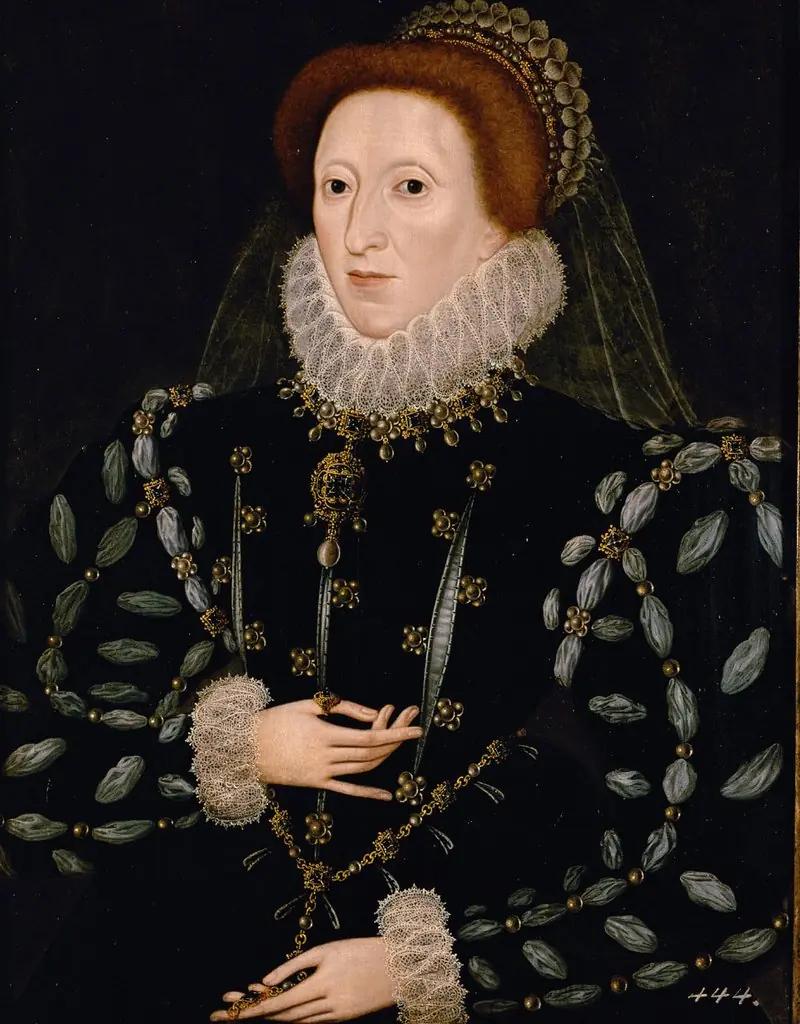 Queen Elizabeth I
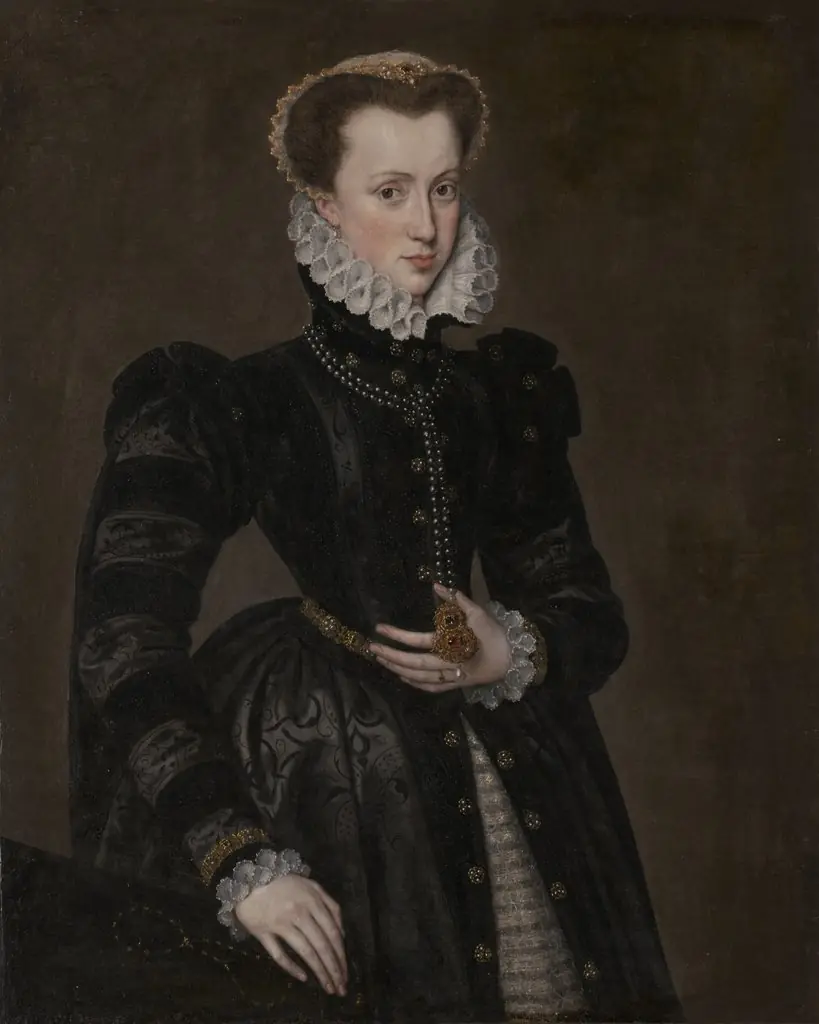 Portrait of a Court Lady
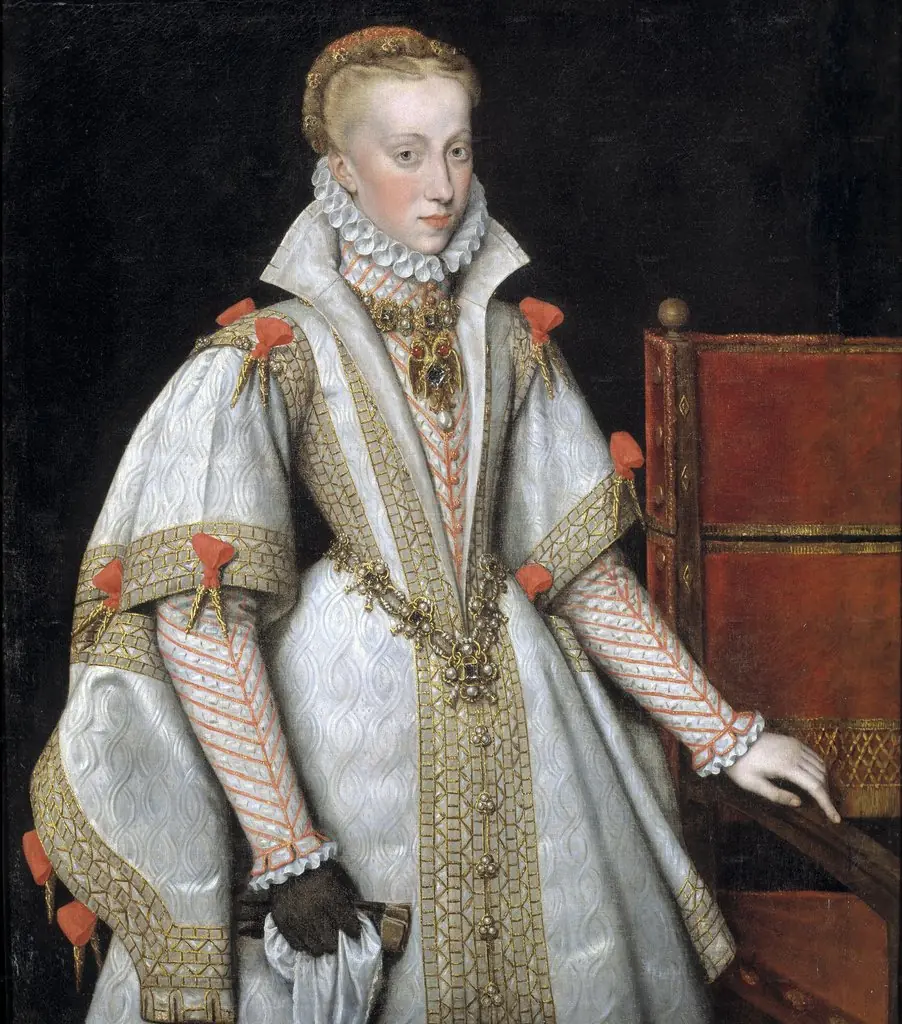 Queen Anne of Austria, fourth Wife of Philip II
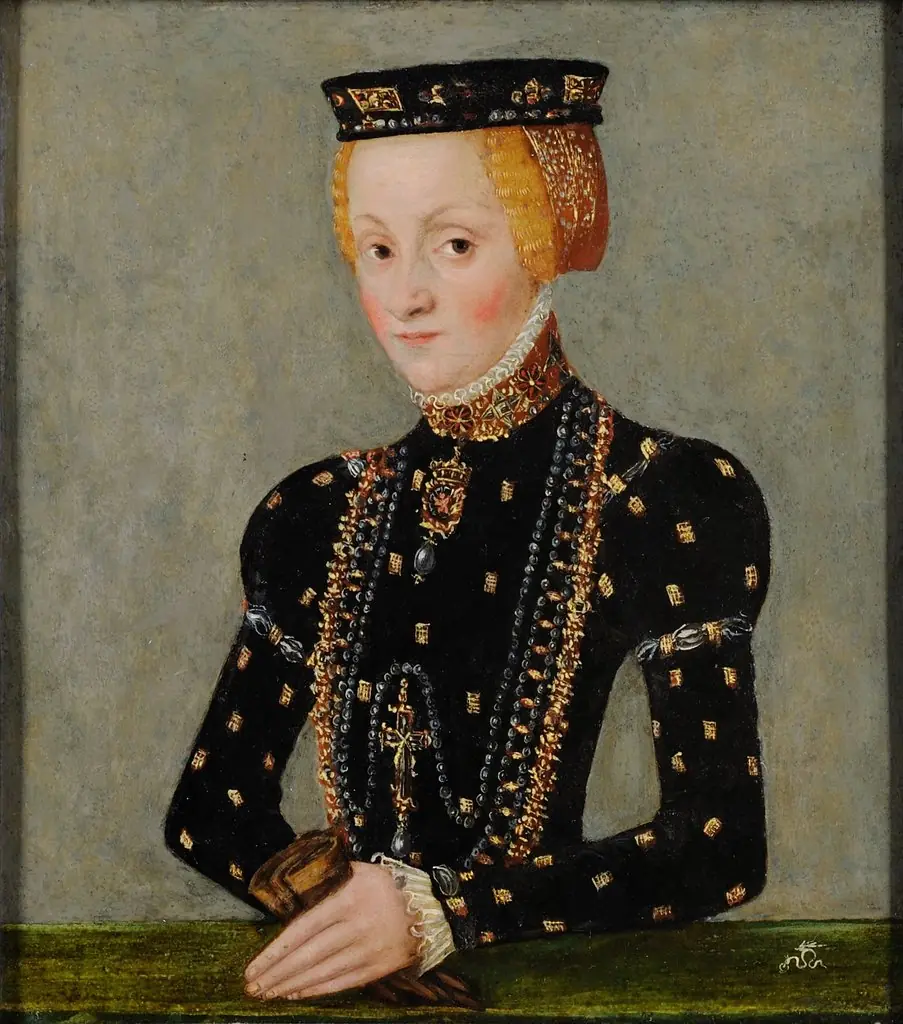 Catherine Jagellon
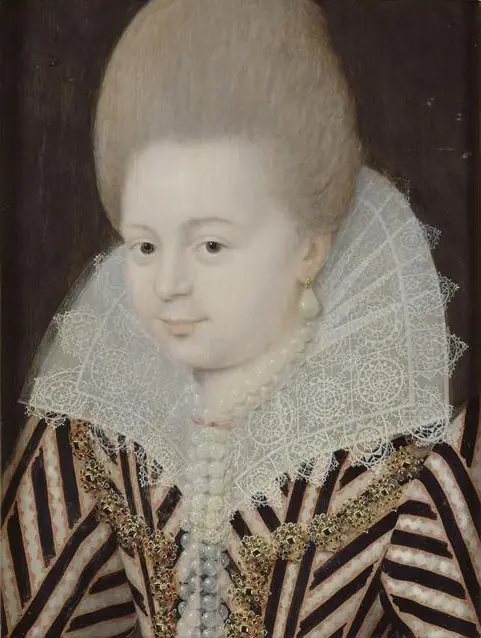 Inconnue, dite autrefois Diane d’Andouins, comtesse de Gramont, ou la belle Corisande
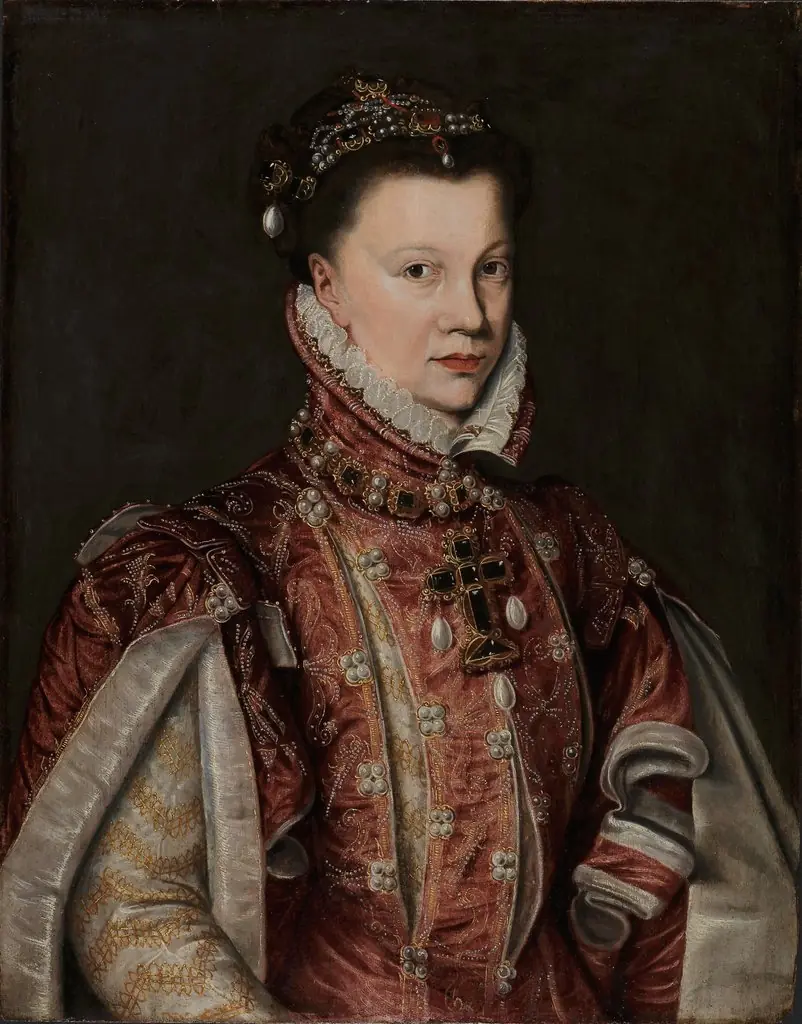 Elisabeth of Valois
 Portrait of Mary Stuart, Queen of Scots