Artwork
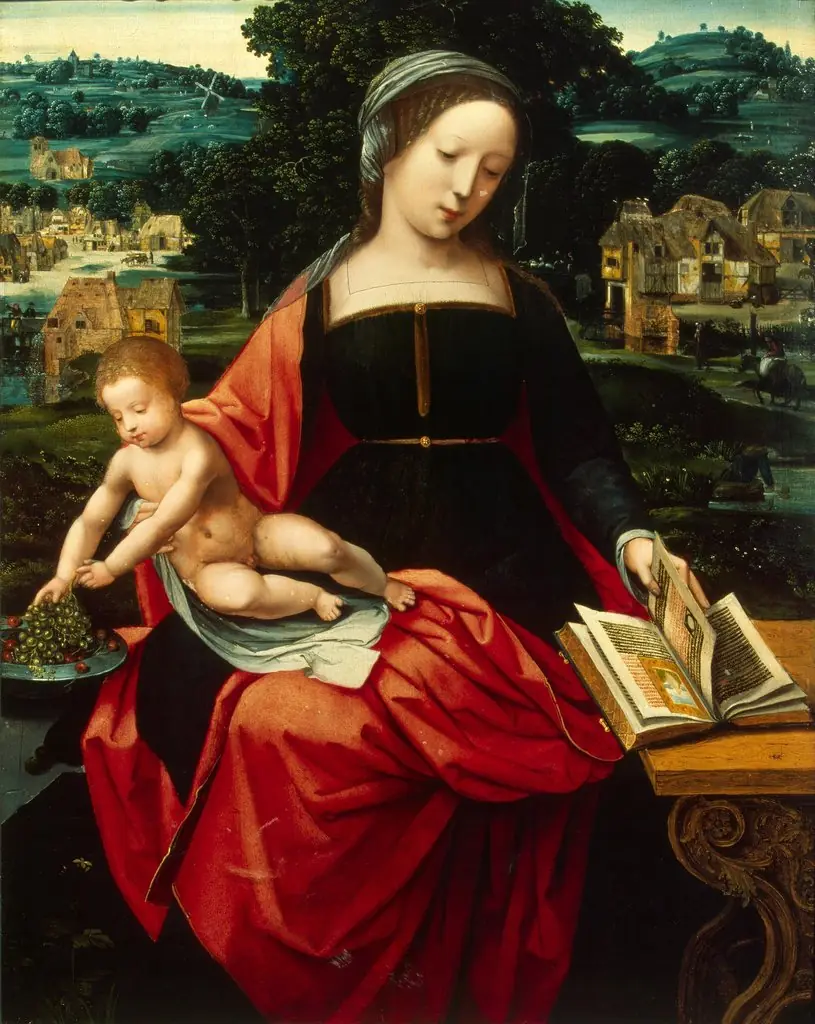
St Mary Magdalene Reading
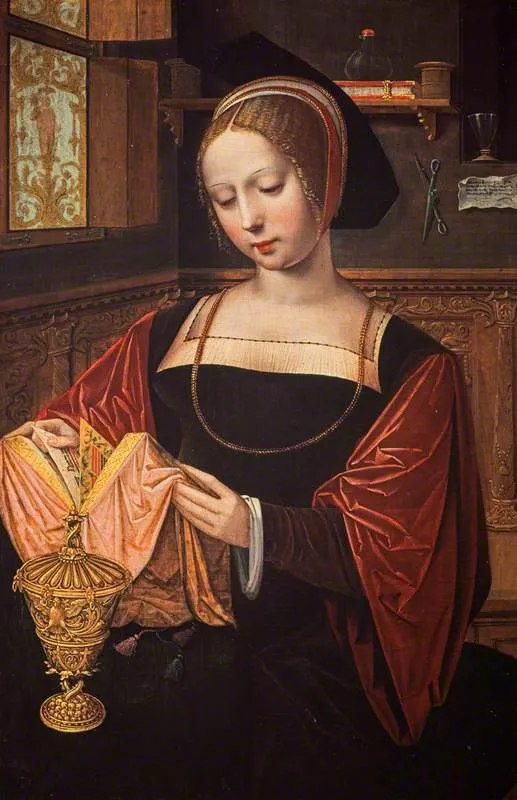
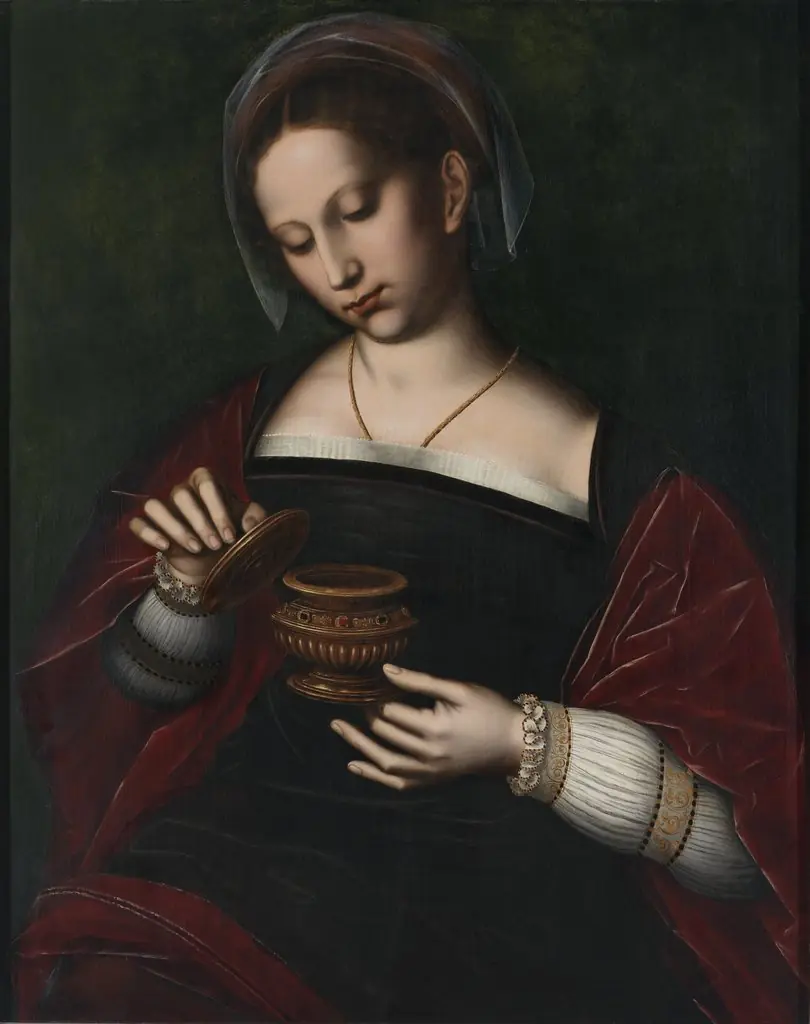
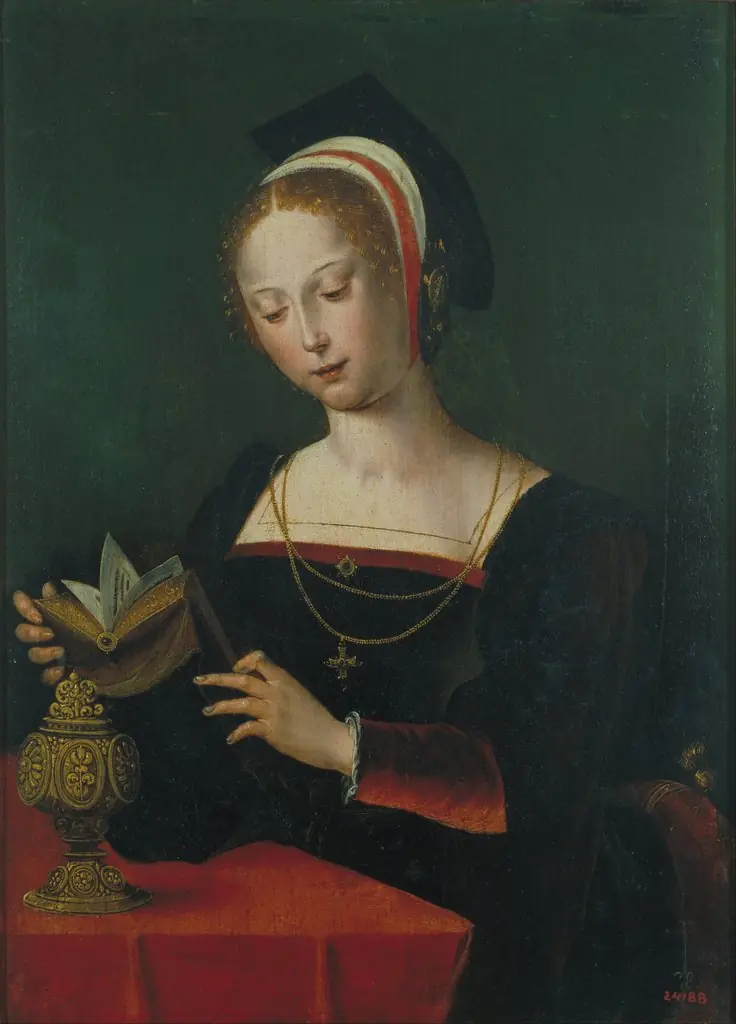
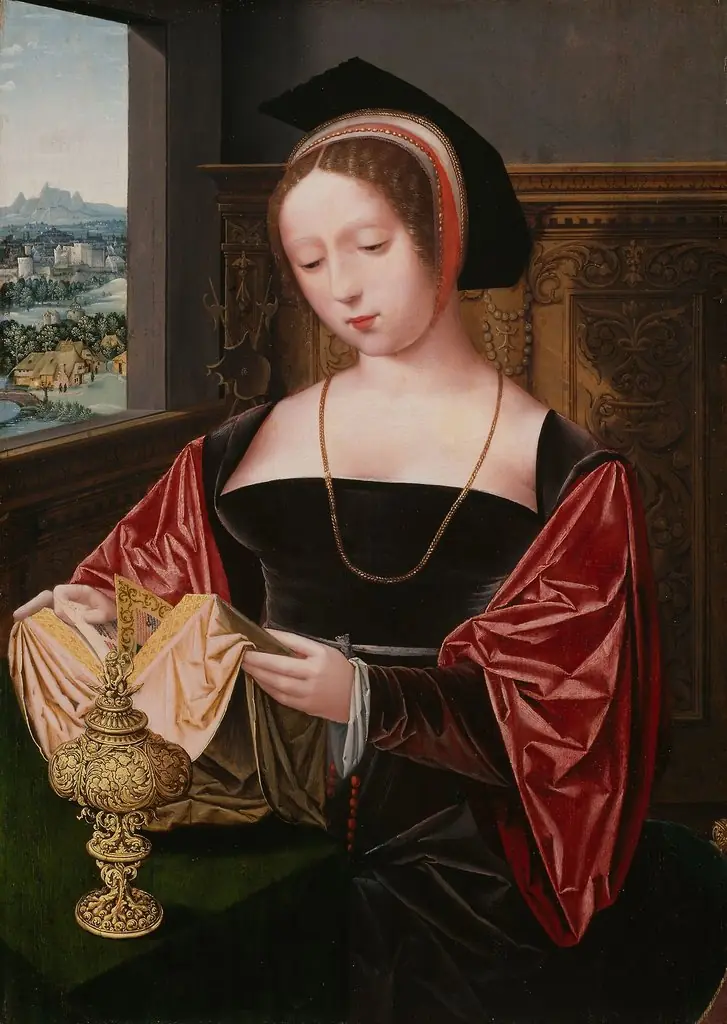
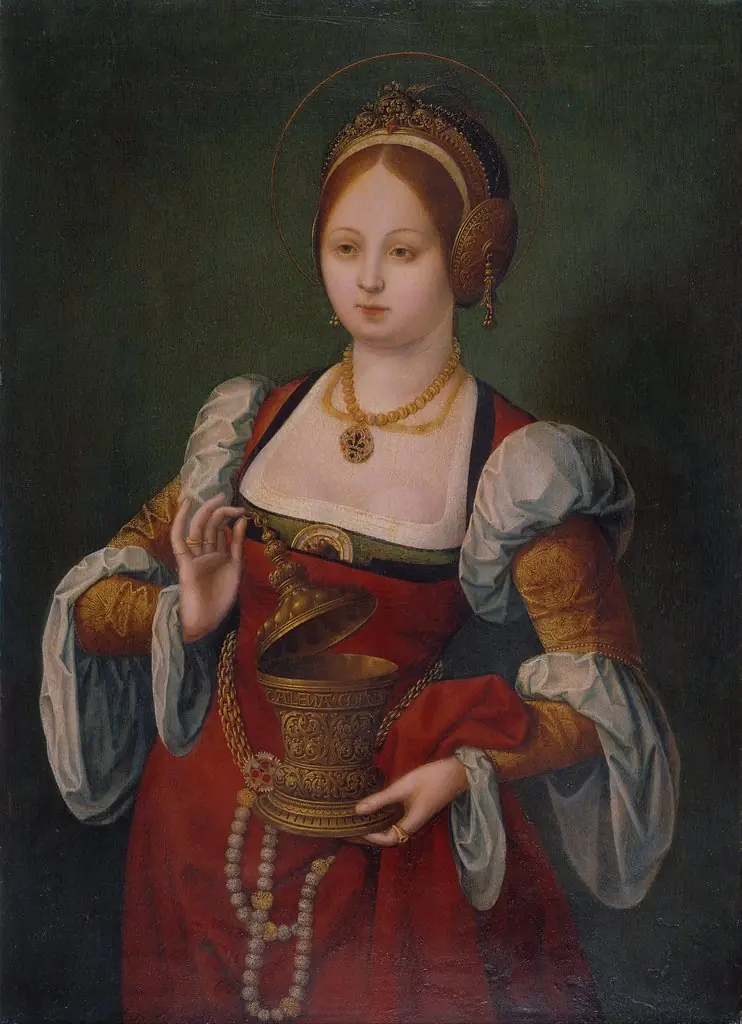
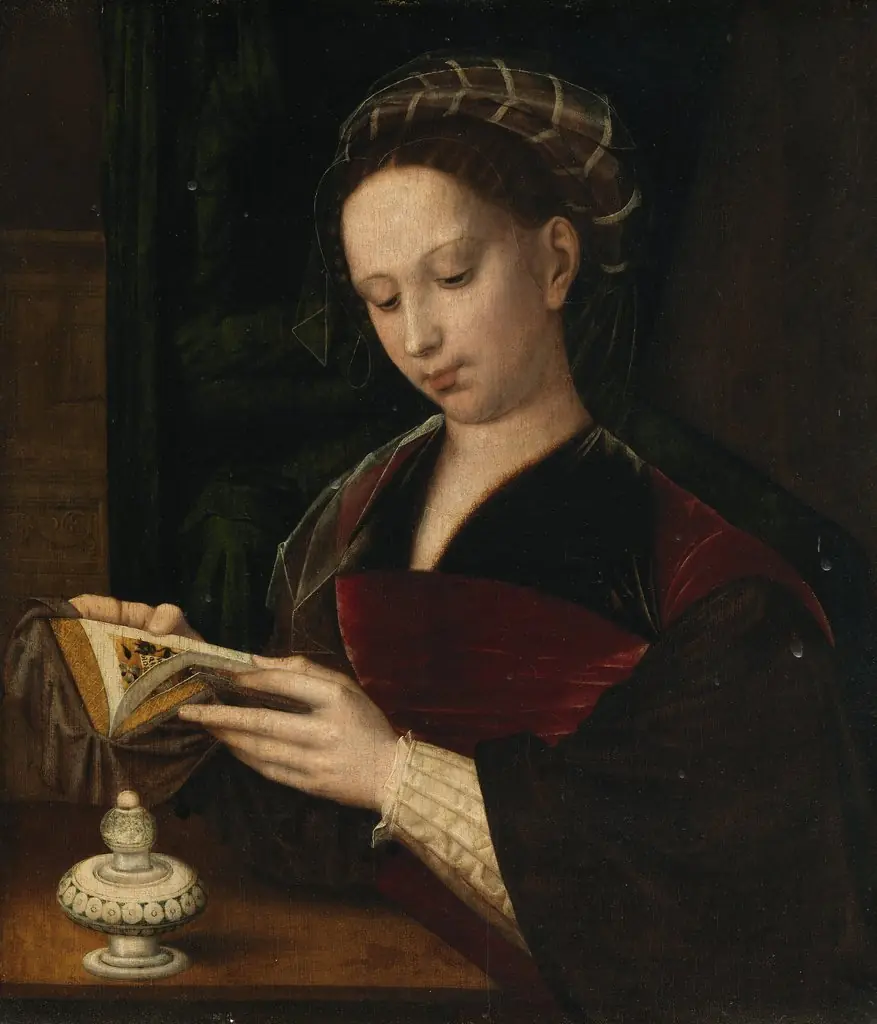
St Mary Magdalene Reading is an oil painting by Master of the Female Half-Lengths. It is held in the collection of the National Galleries Scotland.
About this work
Overview
St Mary Magdalene Reading is an oil painting attributed to the anonymous workshop known as the Master of the Female Half‑Lengths. Executed in the early seventeenth century, the work is part of the collection of the Scottish National Gallery. It presents a solitary female figure engaged in quiet study, set against a subdued interior that emphasizes the act of reading.
Subject & Meaning
The sitter is identified as Mary Magdalene, a biblical figure traditionally associated with repentance and contemplation. She is depicted seated, absorbed in a book, her posture suggesting devotion rather than narrative action. The inclusion of modest attire—a red dress with a black bodice and a covering over the head—reinforces the theme of humility and spiritual focus.
Technique & Style
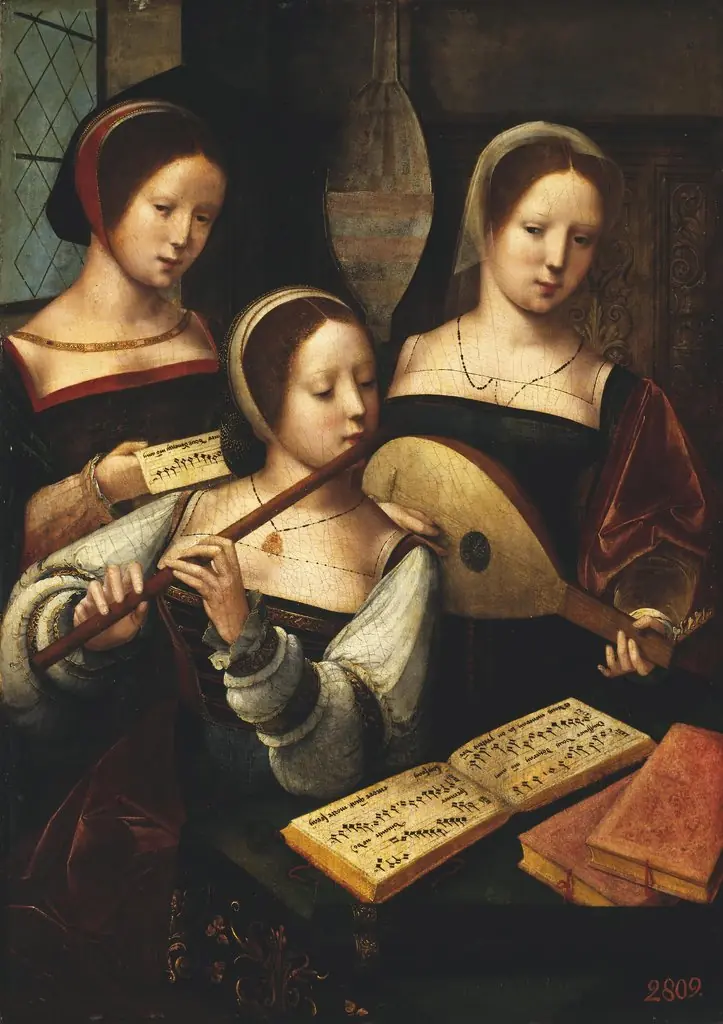
The muted background and restrained palette are characteristic of the Master of the Female Half‑Lengths’ approach to half‑length portraiture.
Rendered in oil on panel, the painting employs a layered glazing method that builds depth through translucent pigment washes. This approach softens the facial features, resulting in a deliberately blurred visage, while allowing the hands and the illuminated book to remain sharply defined. The muted background and restrained palette are characteristic of the Master of the Female Half‑Lengths’ approach to half‑length portraiture.
History & Provenance
The work entered the Scottish National Gallery’s holdings in the twentieth century, though its exact acquisition path remains undocumented in public records. Its attribution to the Master of the Female Half‑Lengths stems from stylistic comparison with other half‑length female portraits attributed to the same workshop, a grouping established by art historians in the late nineteenth century.
Context
During the period of its creation, devotional images of saints reading were common in private chapels and domestic settings, reflecting a growing emphasis on personal piety. The presence of everyday objects—a gold cup, scissors, and an additional book—situates the scene within a familiar interior, blurring the line between sacred narrative and everyday life.
Artist & collection
Artist
Master of the Female Half-Lengths
The Master of the Female Half-Lengths is a notname coined by the German art historian Max J.