Artwork
Saint Mary Magdalene
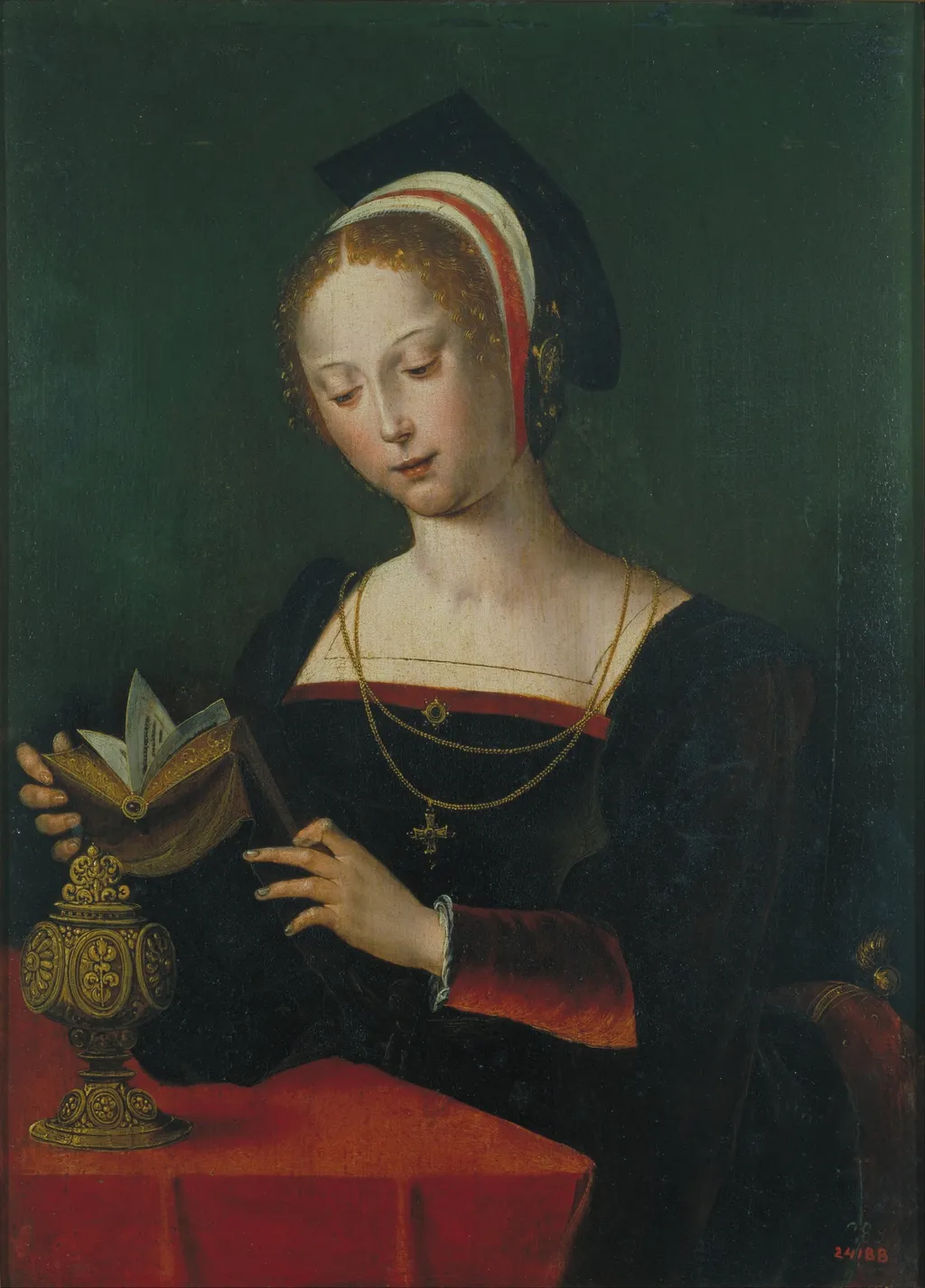
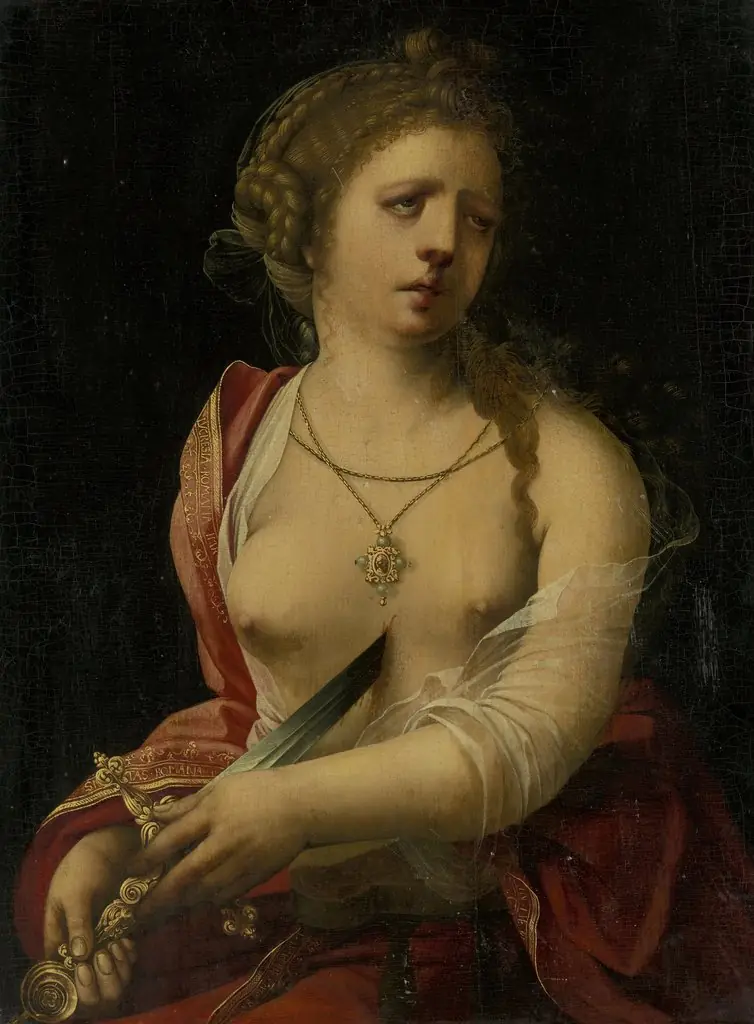
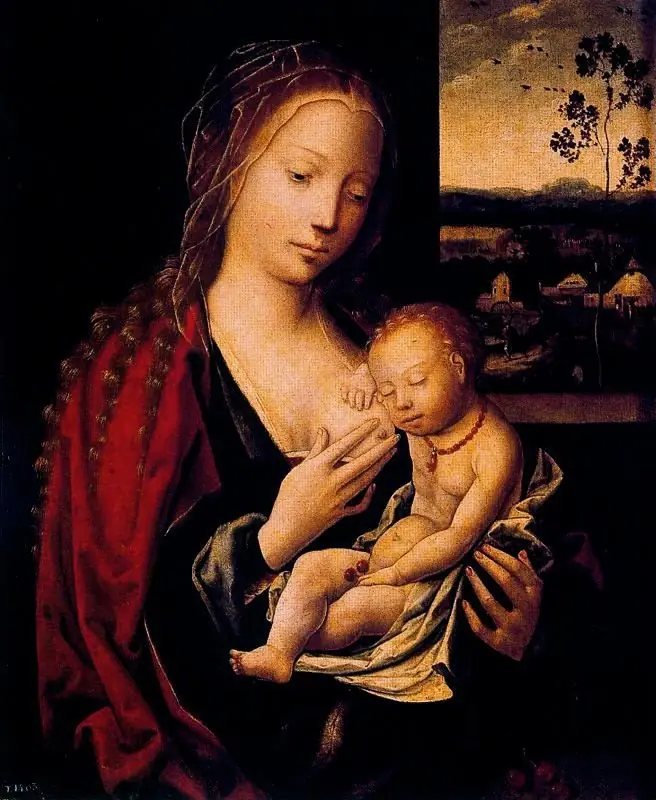
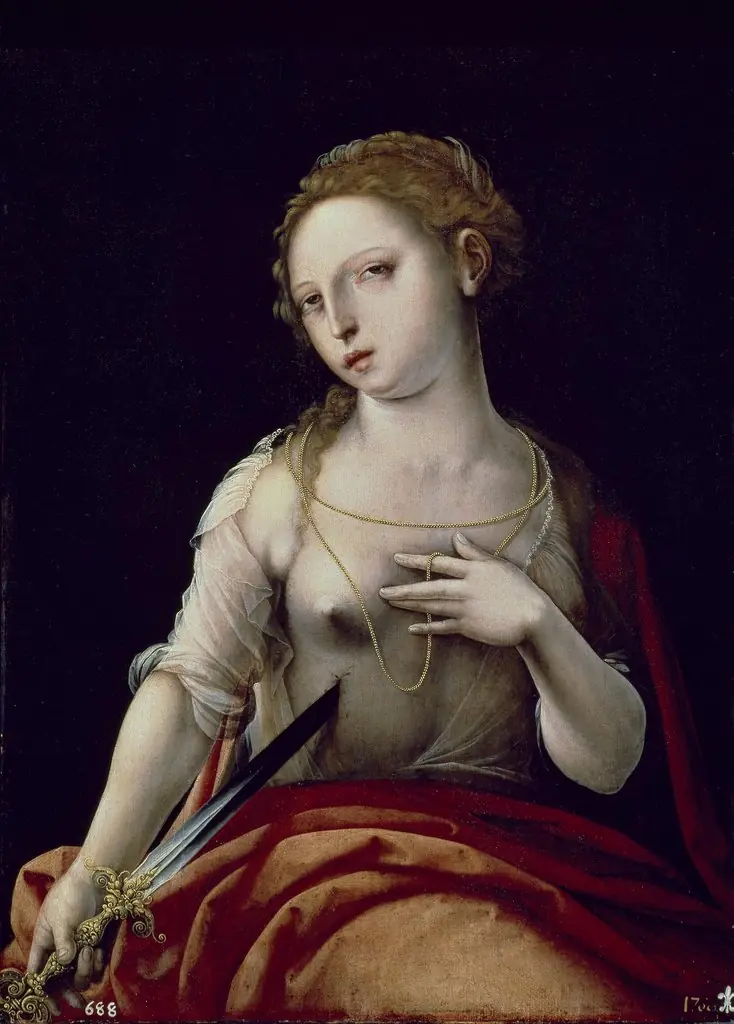
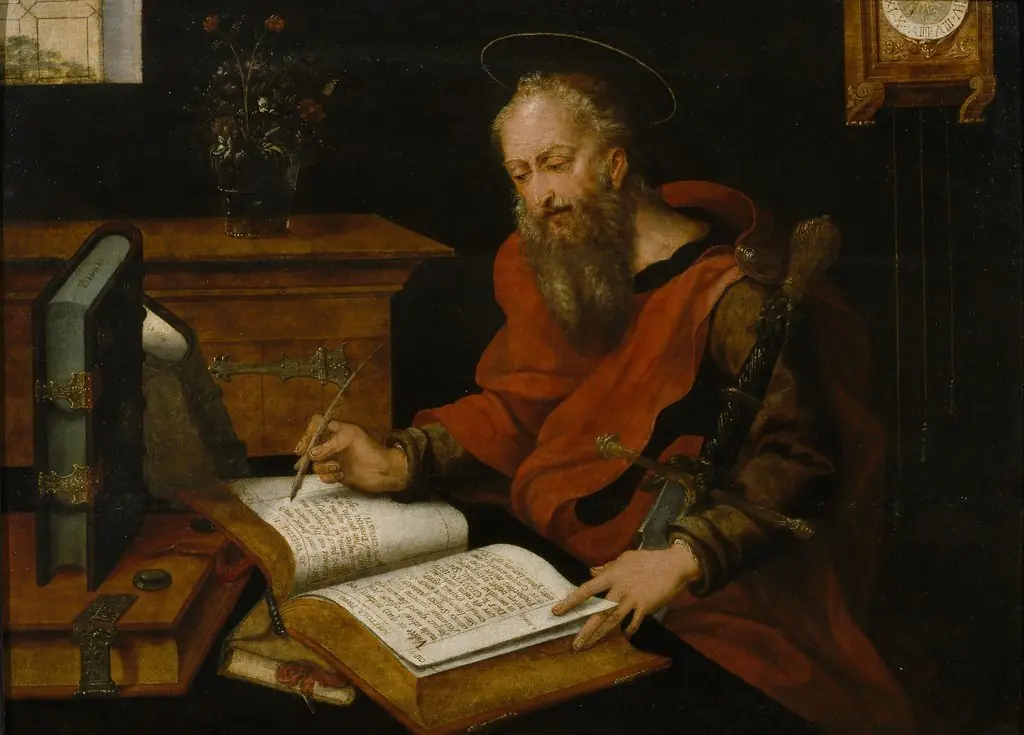
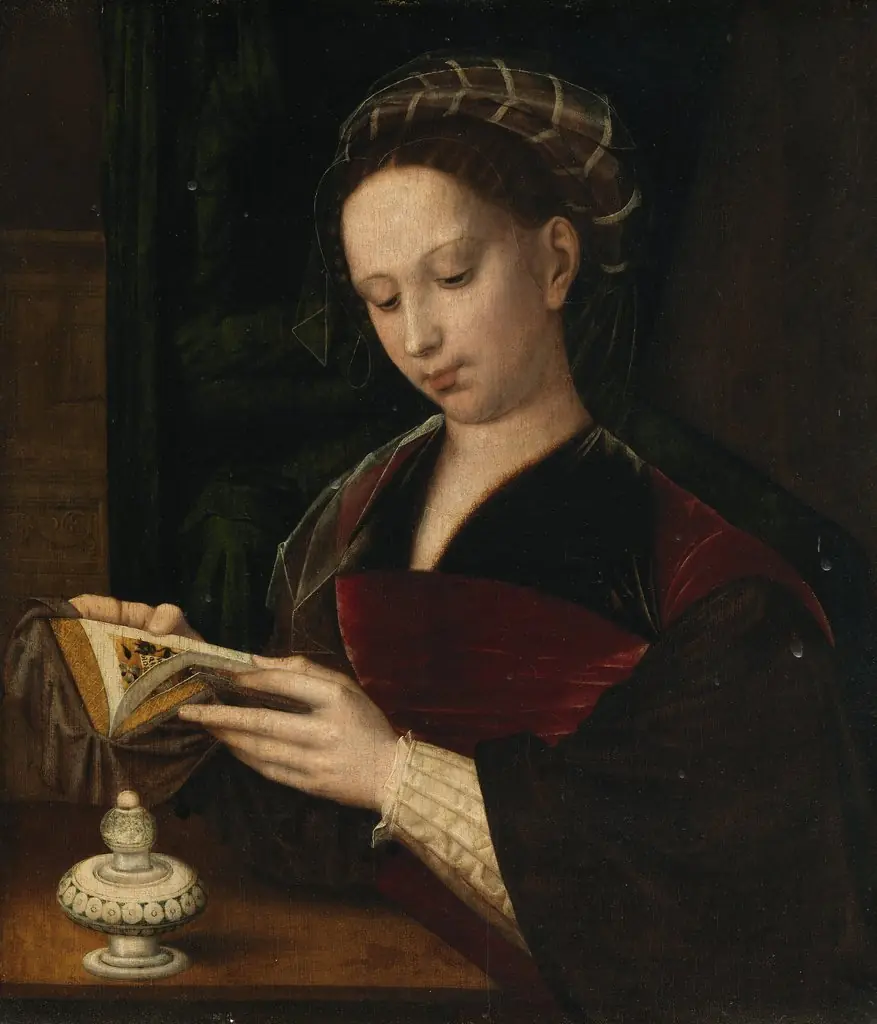
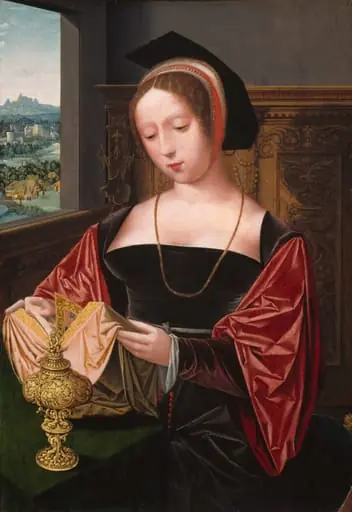
Saint Mary Magdalene is an unspecified painting by the Mannerist artist Master with the Parrot. It dates from 1540 and is held in the collection of the Museu Nacional d'Art de Catalunya.
About this work
Overview
Created within a workshop system, the work served devotional purposes for the urban middle class.
Painted circa 1540, this portrait of Saint Mary Magdalene is attributed to the Master with the Parrot, a collective term for Flemish artists active in Antwerp during the early 16th century. Created within a workshop system, the work served devotional purposes for the urban middle class. It is now part of the collection at the Museu Nacional d'Art de Catalunya, reflecting the regional synthesis of Northern European and Italian artistic currents of the period.
Subject & Meaning
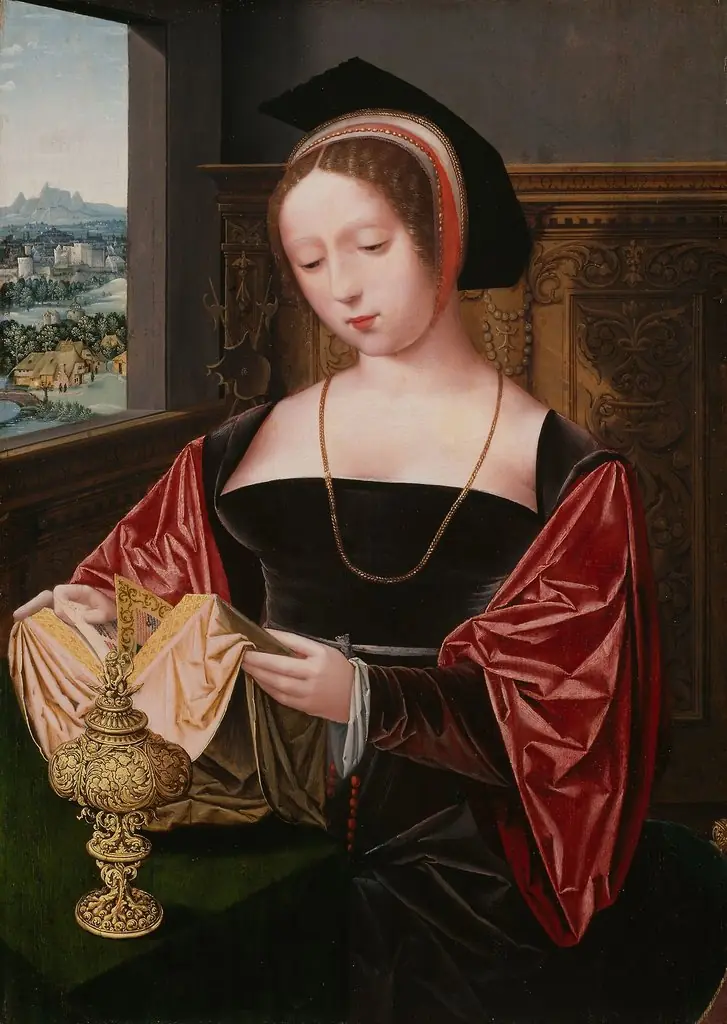
The painting portrays Mary Magdalene as a contemplative figure, engaged in private devotion. Her lowered gaze and open book suggest meditation on sacred text, aligning with her traditional role as a penitent follower of Christ. The gold chain and rich red trim of her garment signify both status and spiritual transformation, while the dark background isolates her in a moment of introspection, reinforcing the intimate nature of her faith.
Technique & Style
The artist employs chiaroscuro to model the figure with subtle gradations of light and shadow, lending volume and presence to the form. The dark, unbroken background enhances the focus on the subject and the objects on the table, including a likely reliquary or devotional item. The rendering of textures—fabric, metal, paper—demonstrates careful observation, while the composition’s quiet symmetry reflects Mannerist tendencies toward refined, controlled expression.
History & Provenance
The painting originated in Antwerp’s thriving artistic milieu, likely commissioned by a wealthy local patron for private worship. It entered the Museu Nacional d'Art de Catalunya’s collection through documented acquisitions in the 19th or early 20th century. Its attribution to the Master with the Parrot reflects scholarly consensus based on stylistic parallels with other workshop outputs, though the exact hand remains unidentified.
Context
In mid-16th-century Flanders, religious imagery remained central to domestic spirituality, even as Reformation ideas spread. Artists adapted Italianate innovations—such as tonal modeling and compositional balance—into traditional Northern subjects. This painting exemplifies how Flemish workshops merged local devotional practices with broader European trends, catering to patrons who valued both piety and artistic sophistication.
Legacy
Though the Master with the Parrot remains an anonymous collective, works like this one contributed to the evolution of intimate religious portraiture in Northern Europe. The painting’s quiet intensity and technical precision influenced later depictions of solitary female saints, preserving a mode of devotional art that prioritized personal reflection over dramatic narrative.
Own this work as a print
Artist & collection
Artist
The Master with the Parrot or Master of the Parrot (fl. between 1520 and 1540) is the notname given to a group of Flemish painters who likely worked in a workshop in Antwerp in the first half of the 16th century. They…