Artwork
Porträt des Karl V. (1500-1558)
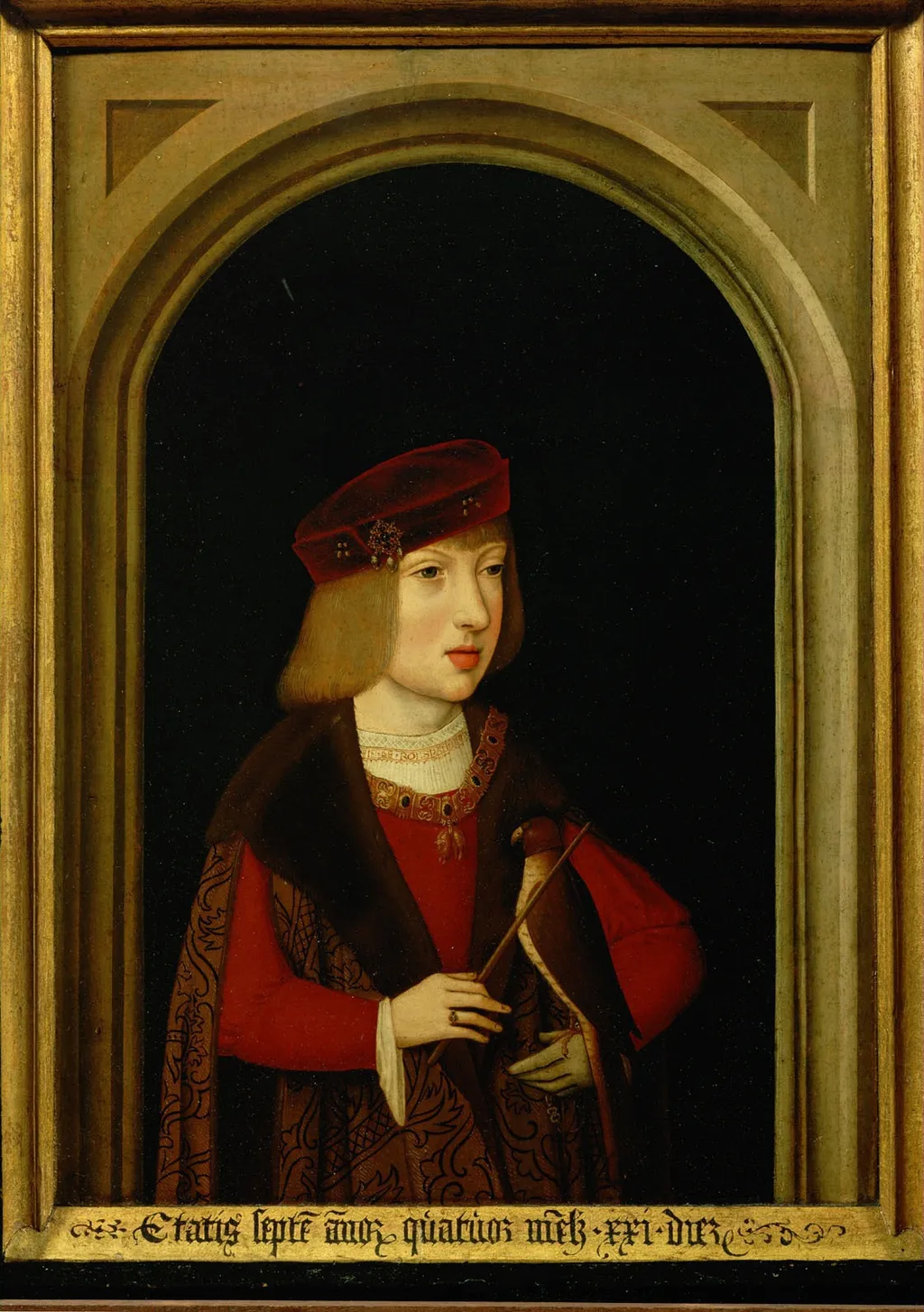
Porträt des Karl V. (1500-1558) is an oil painting by the Northern Renaissance artist Master of the Legend of the Magdalene. It dates from 1507 and is held in the collection of the Kunsthistorisches Museum.
About this work
Overview
This oil painting portrays Charles V, Holy Roman Emperor, during his youth, executed by an anonymous artist known as the Master of the Legend of the Magdalene.
This oil painting portrays Charles V, Holy Roman Emperor, during his youth, executed by an anonymous artist known as the Master of the Legend of the Magdalene. Active in the early 16th century, this Northern Renaissance painter specialized in intimate, finely detailed portraits. The work reflects the period’s emphasis on individual presence and dignified representation, using restrained composition and precise brushwork to convey authority without overt symbolism.
Subject & Meaning
The subject is Charles V, depicted not as a crowned monarch but as a young nobleman, suggesting a private or early stage of his rule. His dark red attire and serious gaze project composure and gravitas. The small object in his hand remains unidentified but may signify a personal or political token. The plain black background isolates him, focusing attention on his demeanor rather than context, reinforcing the portrait’s function as a statement of identity rather than power.
Technique & Style
The artist employs oil paint with meticulous attention to texture and light, rendering the fabric of the robe and the sheen of the hat with subtle gradations. The pale complexion and light hair are rendered with soft transitions, contrasting sharply against the deep black background. The stone-like arch frame integrates visually with the composition, enhancing the illusion of depth. Latin inscriptions at the base, though partially illegible, align with contemporary practices of identifying sitters through textual markers.
History & Provenance
The painting’s early ownership is undocumented, but it entered the Kunsthistorisches Museum’s collection in the 19th century, likely through Habsburg family holdings. Its attribution to the Master of the Legend of the Magdalene stems from stylistic comparisons with other works linked to that anonymous hand. No records confirm its original commission, but its quality suggests it was made for a courtly or aristocratic patron during Charles V’s formative years.
Context
Created during the early 1500s, the portrait emerges from a Northern European tradition that valued psychological realism over grandeur. Unlike Italian court portraits emphasizing regalia, this work prioritizes quiet intensity and personal presence. It reflects the growing importance of individual identity in Renaissance portraiture, particularly among rulers navigating complex political landscapes through image and reputation.
Legacy
Though attributed to an unidentified artist, the portrait remains a significant example of early 16th-century Netherlandish portraiture. Its restrained aesthetic influenced later depictions of Habsburg rulers, emphasizing dignity through subtlety. The work contributes to scholarly understanding of how early modern elites used visual representation to project authority without overt symbolism, shaping the evolution of courtly portraiture in Northern Europe.
Artist & collection
Artist
Master of the Legend of the Magdalene
The Master of the Legend of the Magdalen (sometimes called the Master of the Magdalen Legend) was an Early Netherlandish painter active from circa 1483 to 1527.

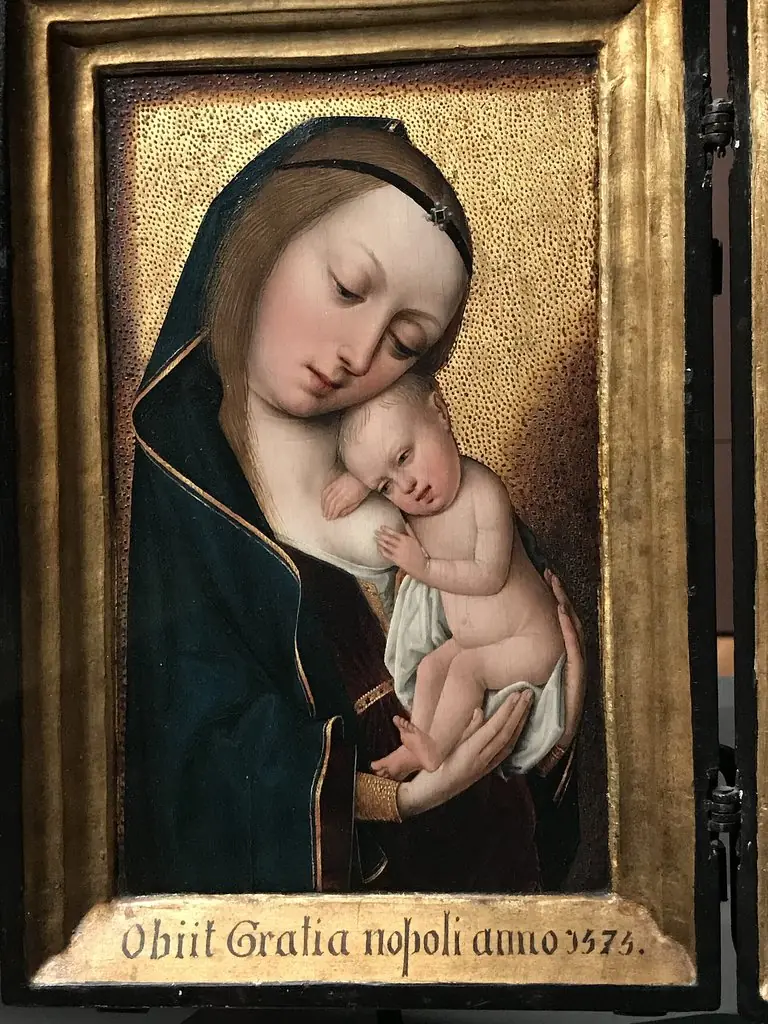 Madonna and Child
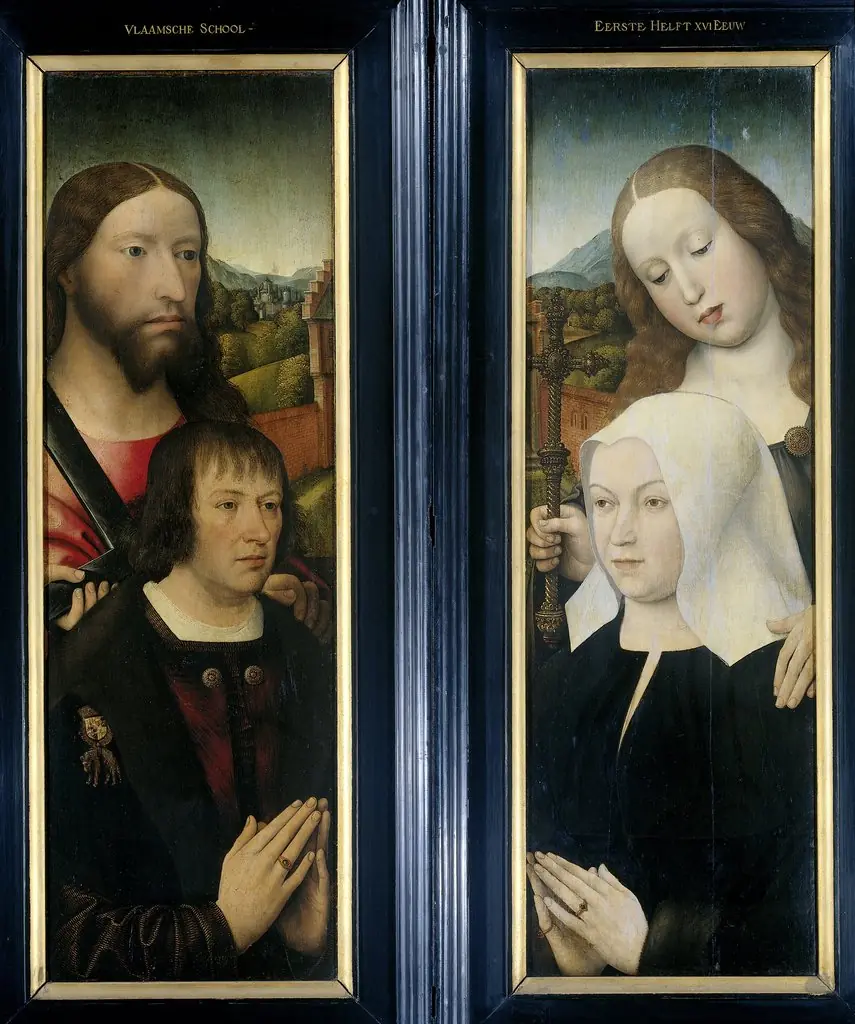 Two Wings of a Triptych with the Donor, Thomas Isaacq, accompanied by Saint Thomas (left, outer wing), and the Donor's Wife accompanied by Saint Margaret (right, outer wing)
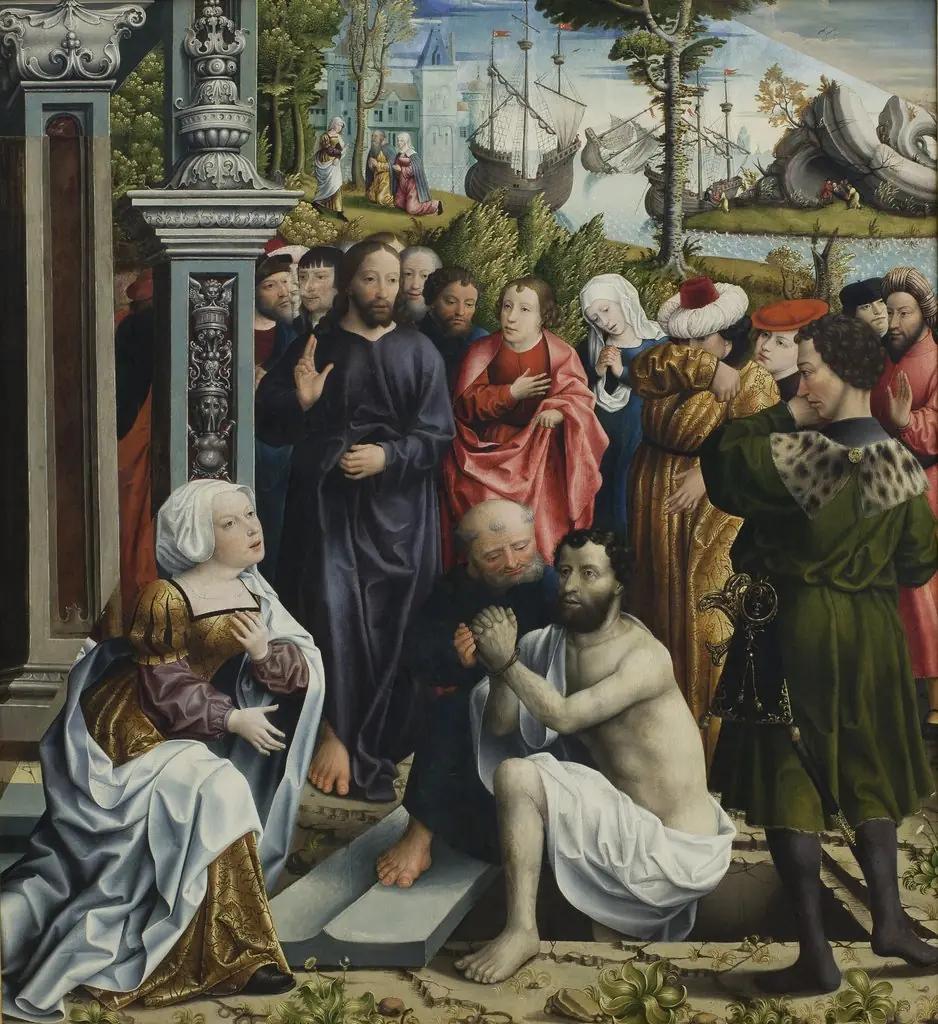 The Raising of Lazarus
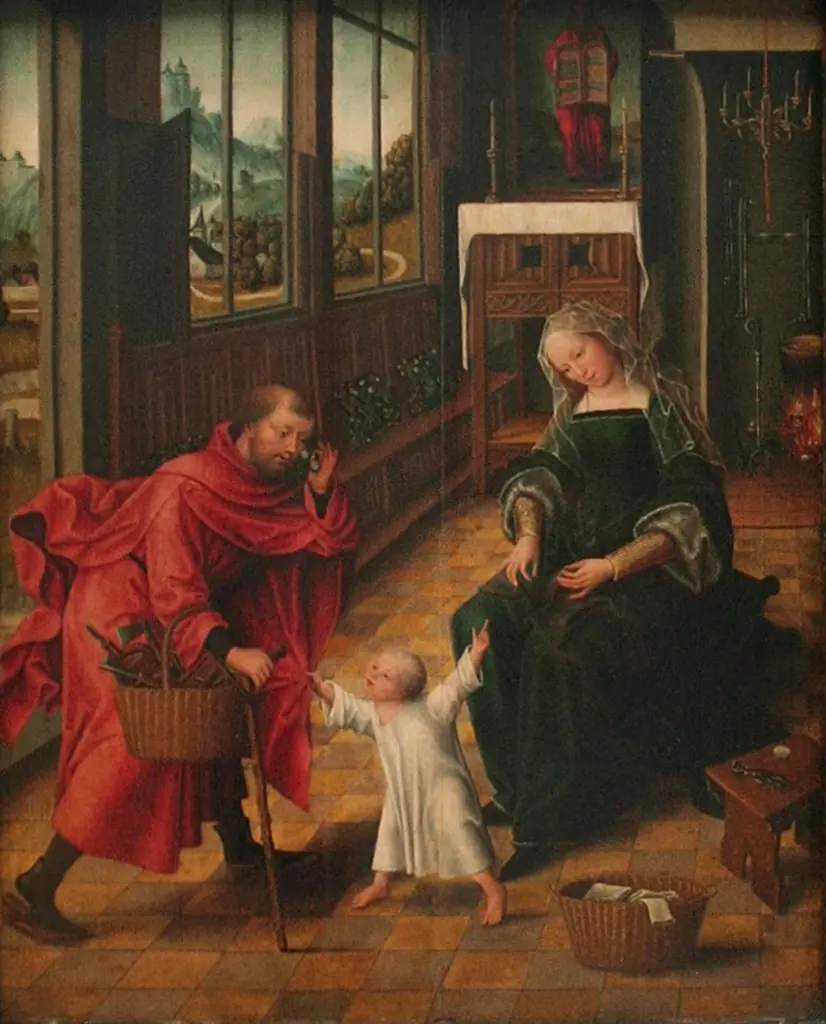 The Holy Family
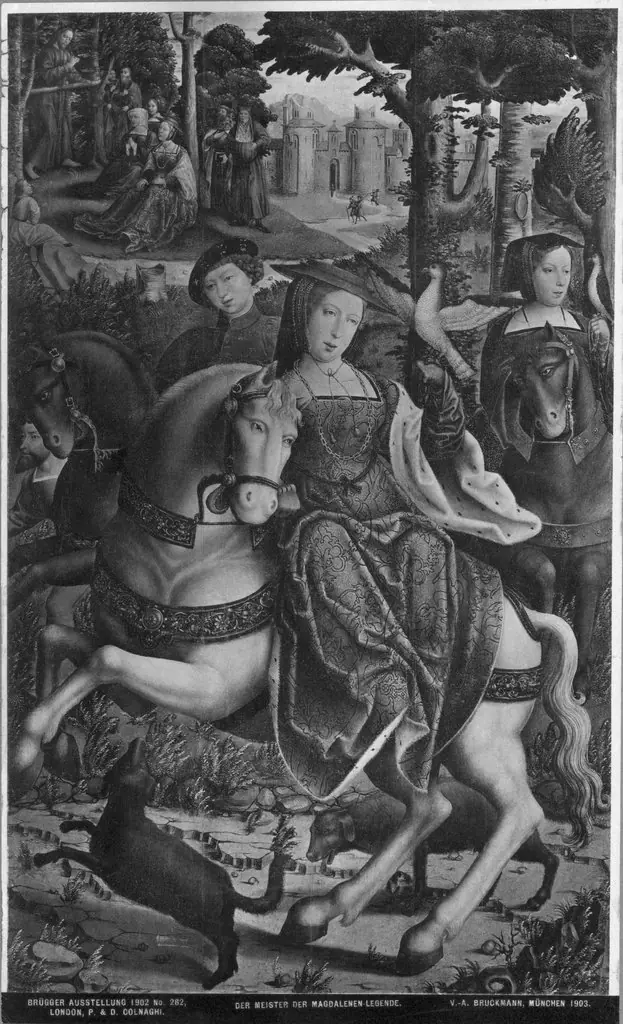 St. Mary Magdalene hunting before her conversion
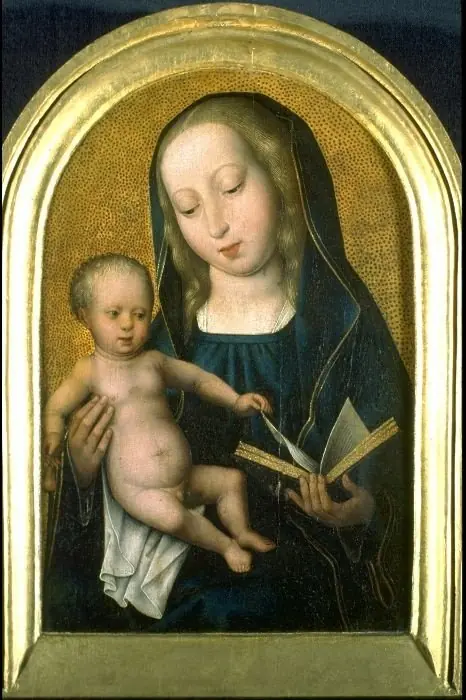 Maria met kind
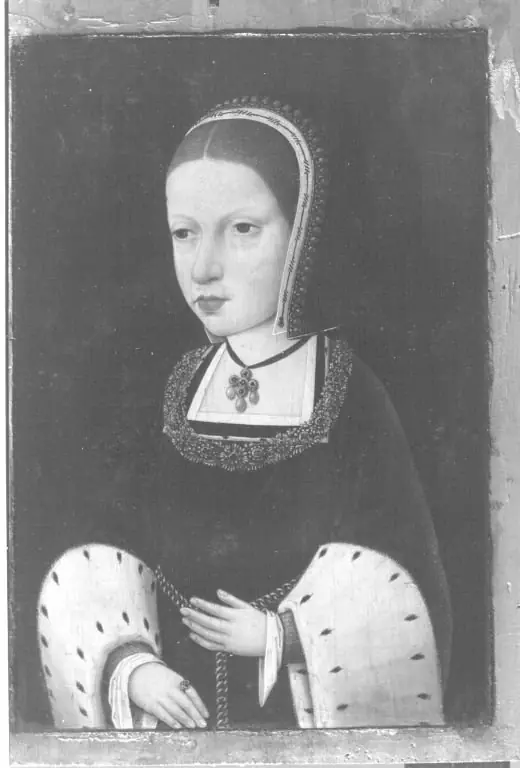 Bildnis einer jugendlichen Fürstin
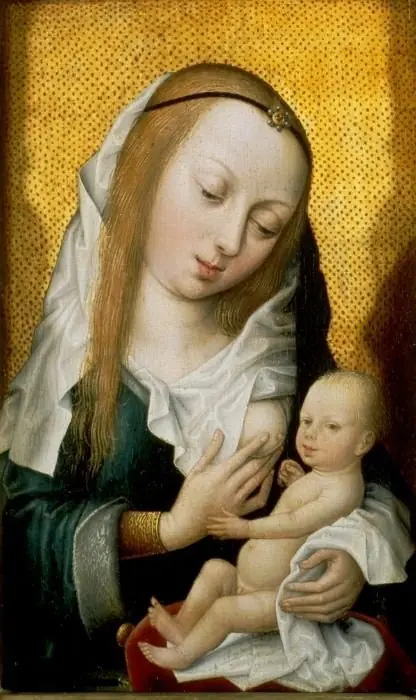 Maria mit dem Kind
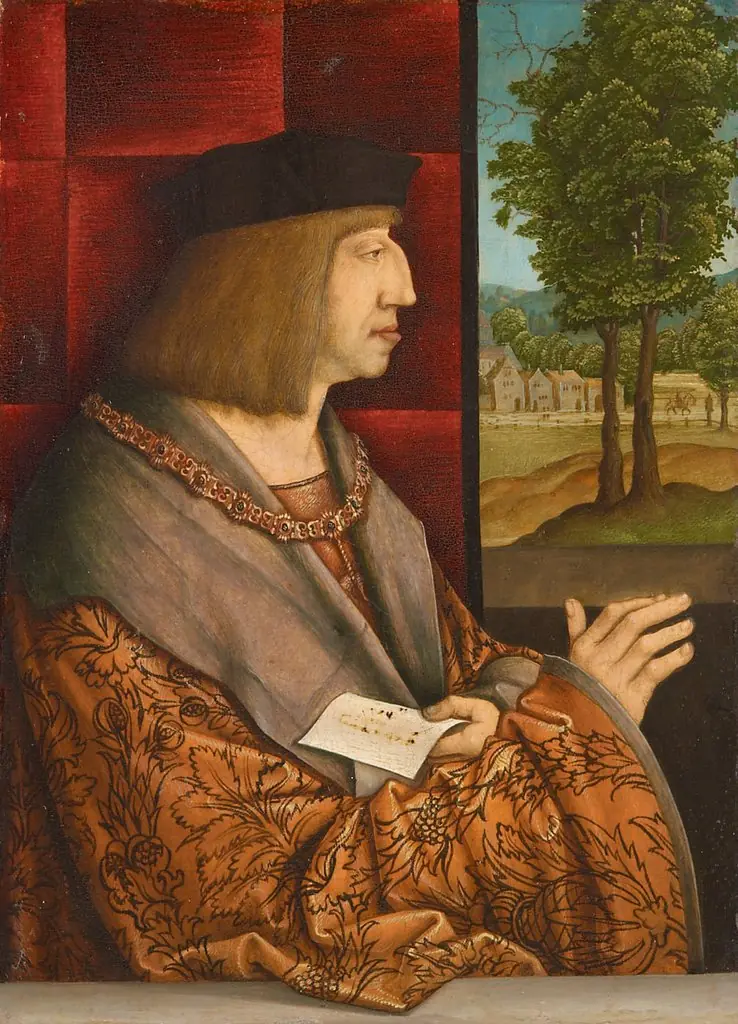 Portrait of Maximilian I (1459-1519)
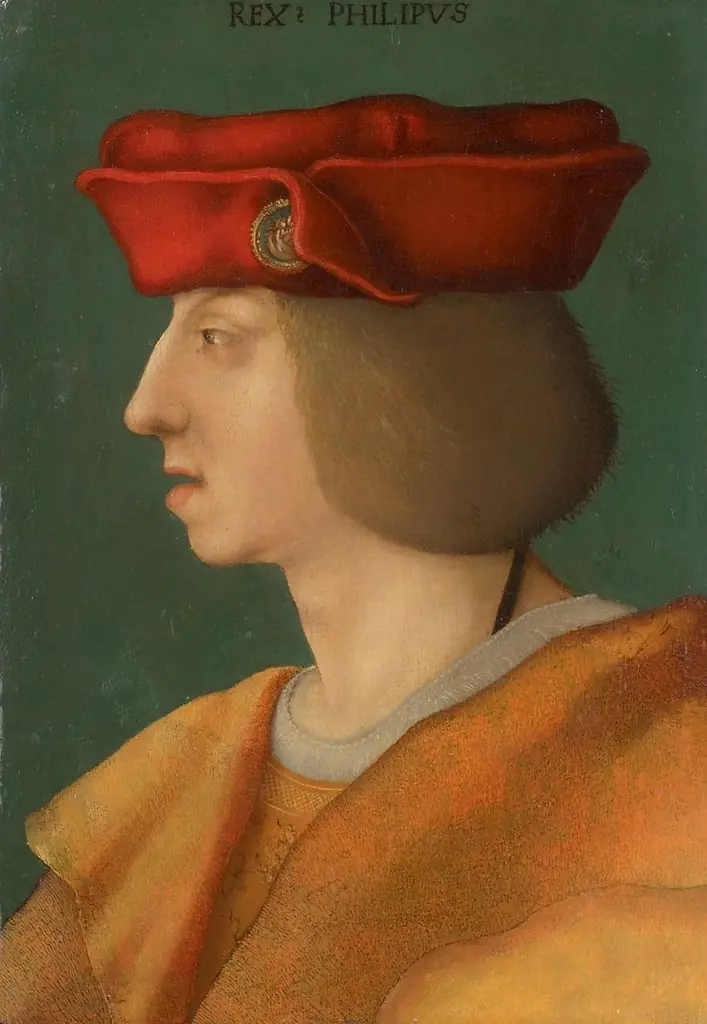 Kaiser Ferdinand I. (1503-1564), Profilbildnis
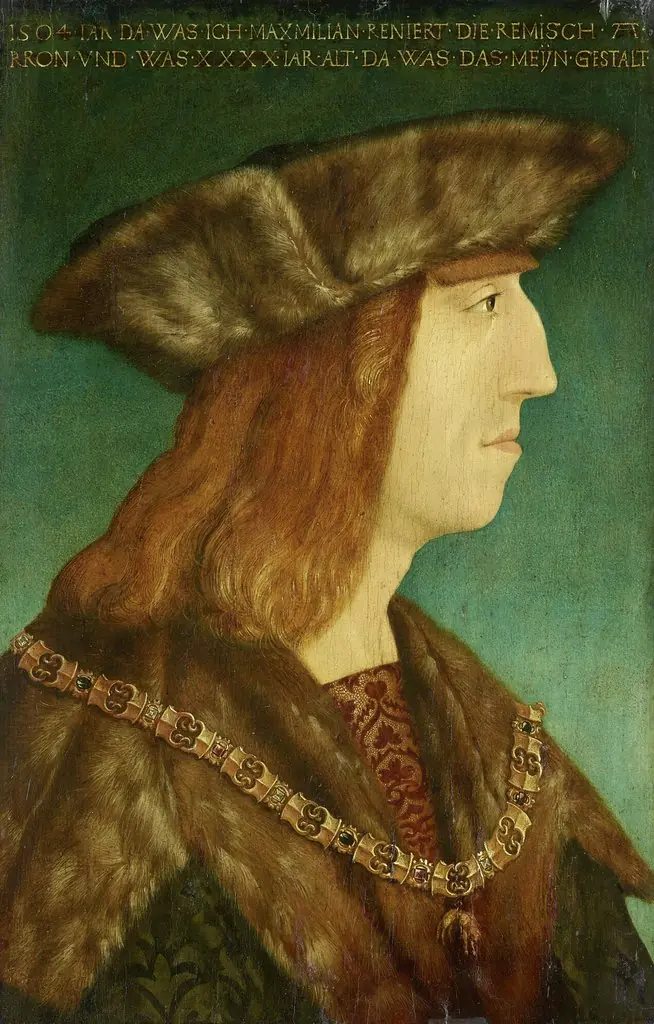 Emperor Maximilan I. (1459-1519)
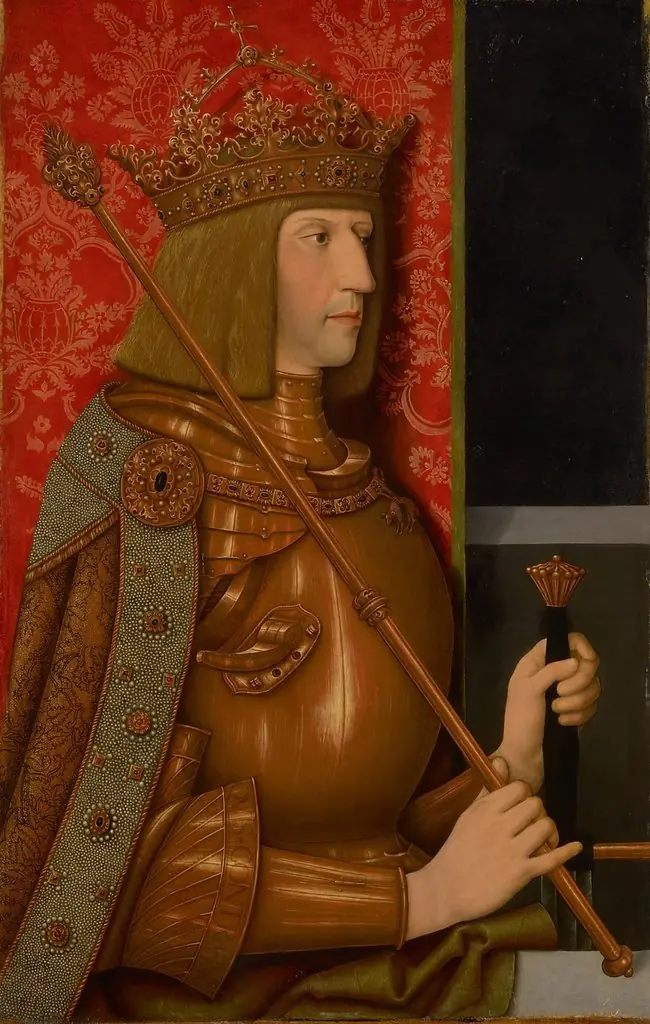 Portrait of Maximilian I, Holy Roman Emperor
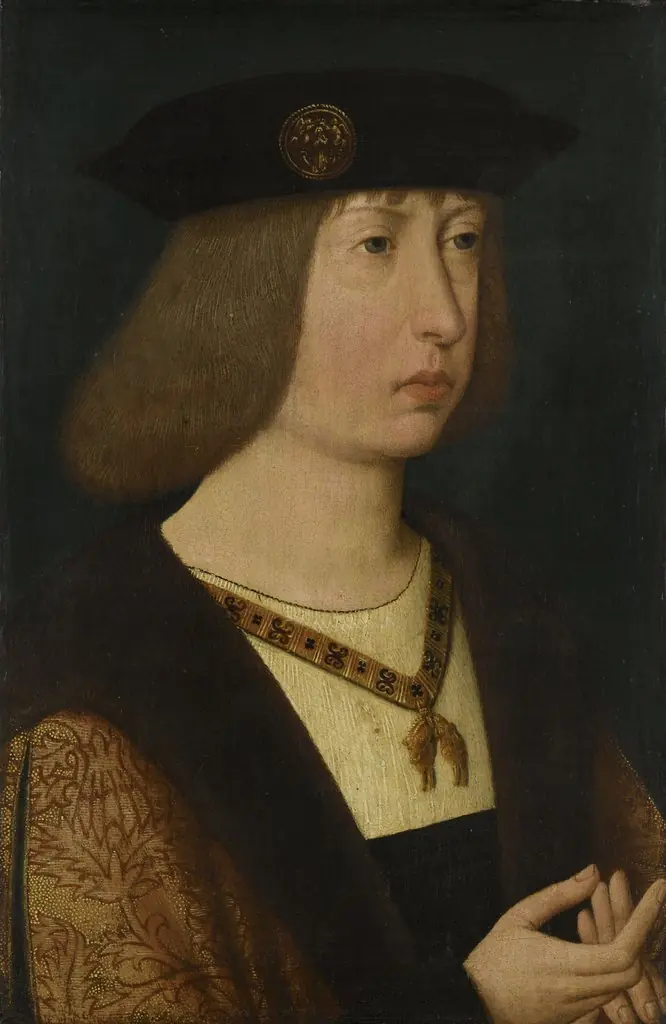 Portrait of Philipp I
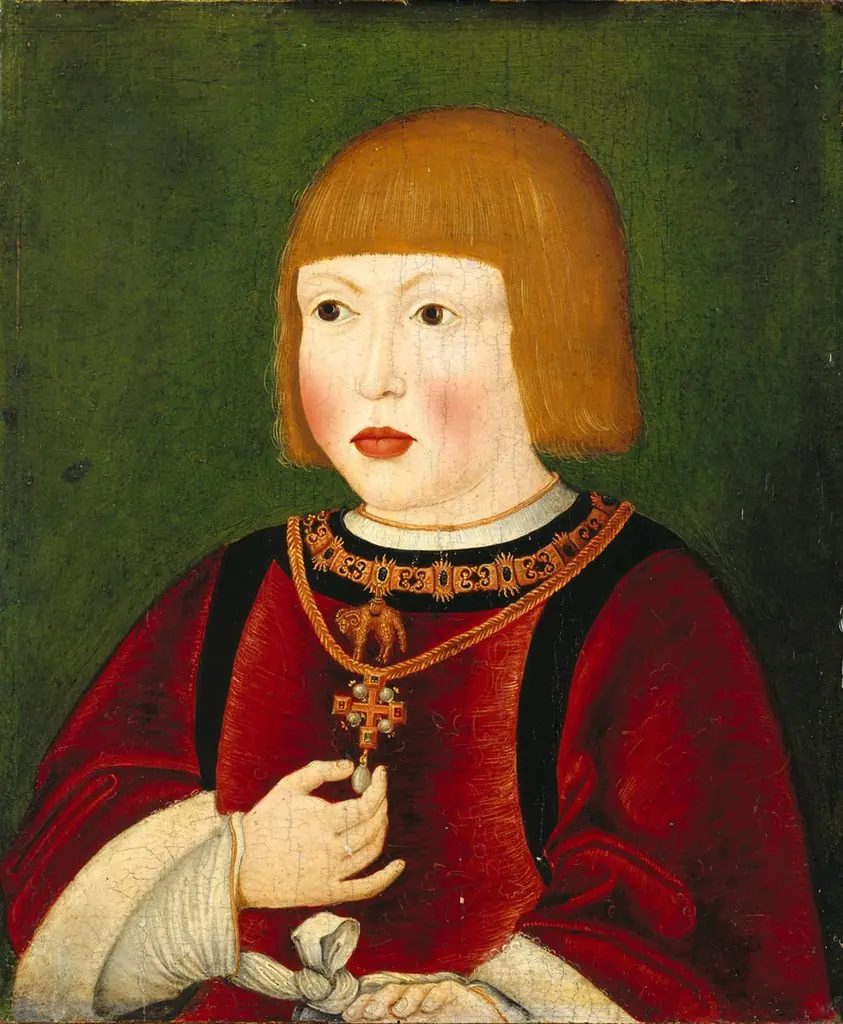 Portrait of King Louis II (1506-1526) of Hungary, 10-12 years old
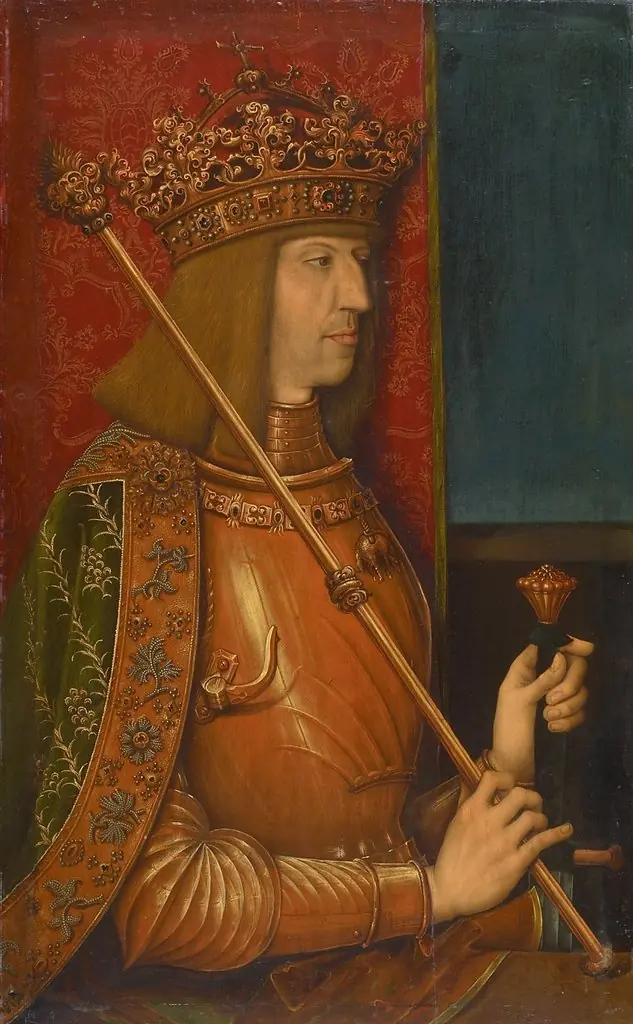 Portrait of Maximilian I, Holy Roman Emperor
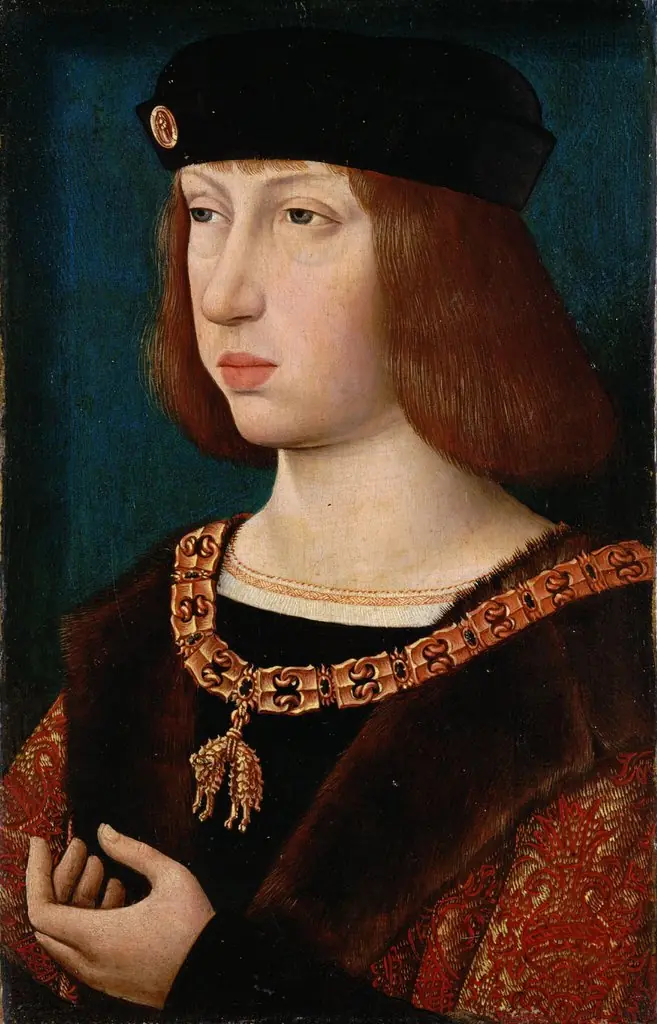 Portrait of Philips 'de Schone' van Habsburg (1478-1506)
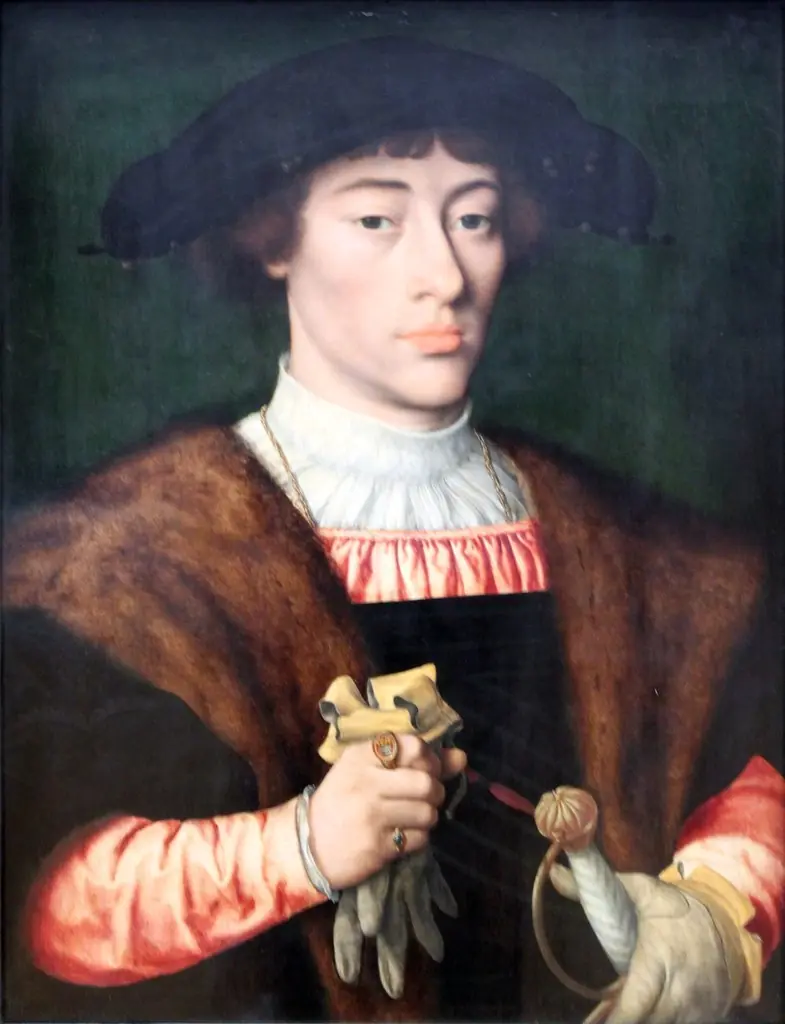 Portrait of a Man with Gloves
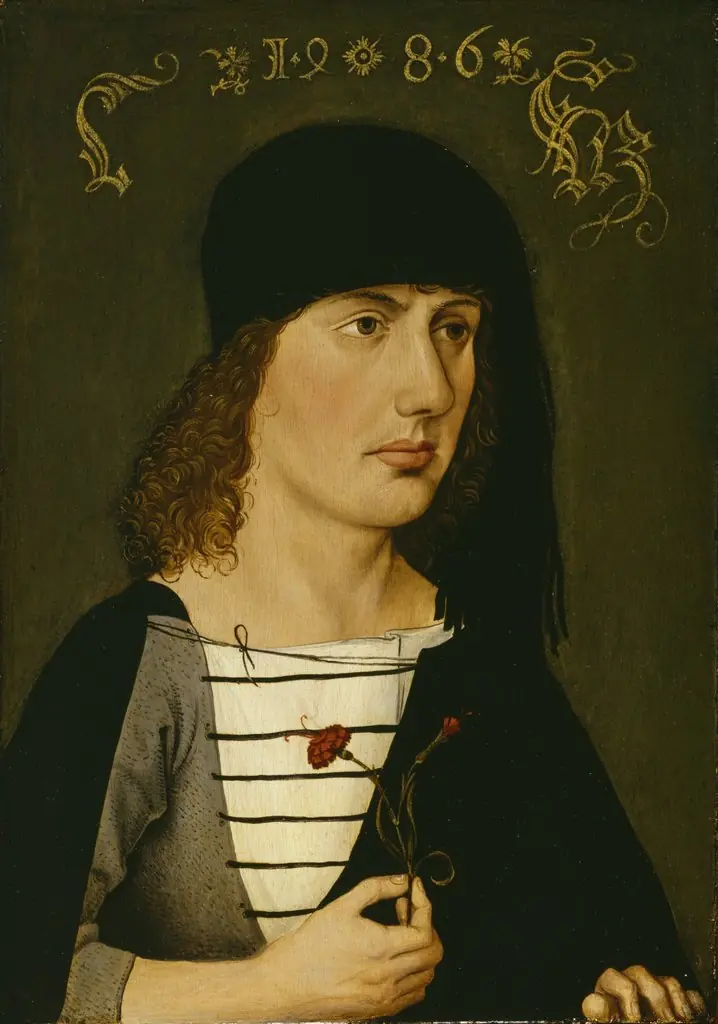 A Young Man
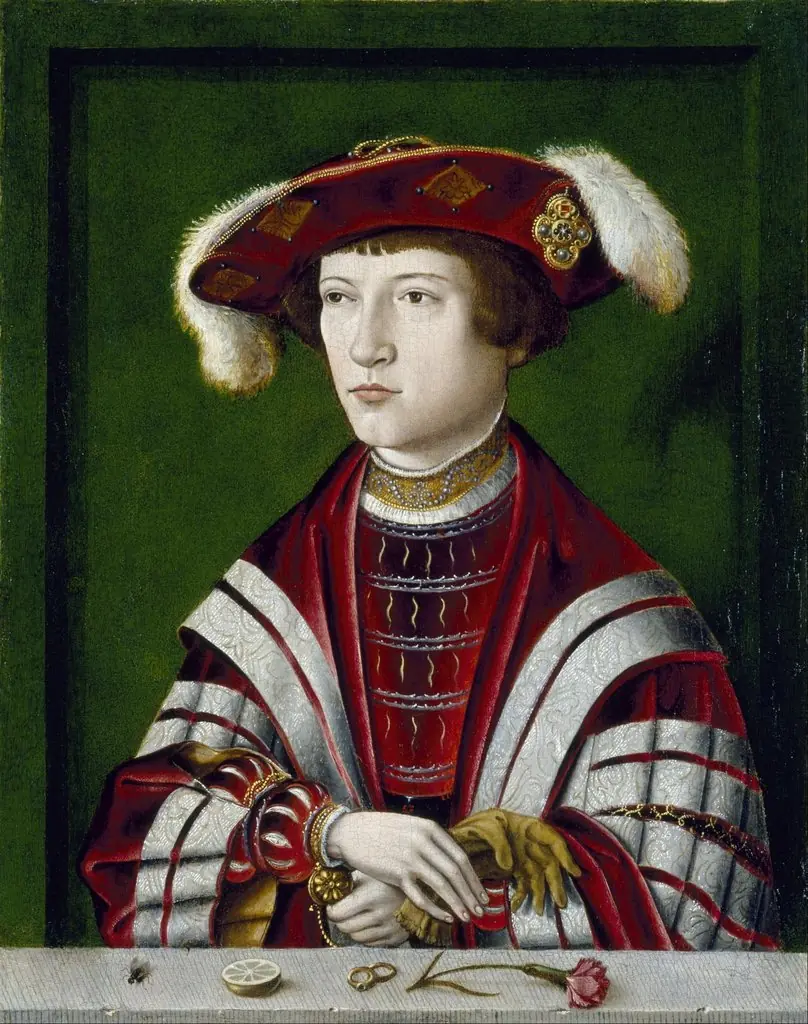 Portrait of a Nobleman
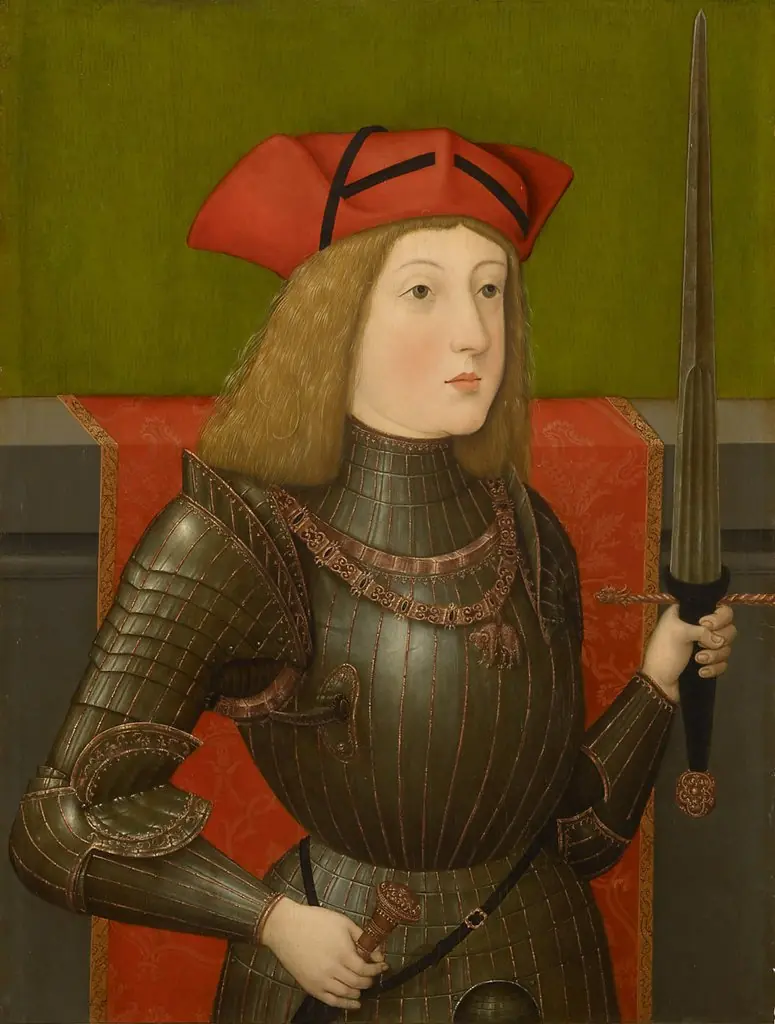 Portrait of emperor Charles V (1500-1558)