Artwork
Flagellation of Saint Vincent
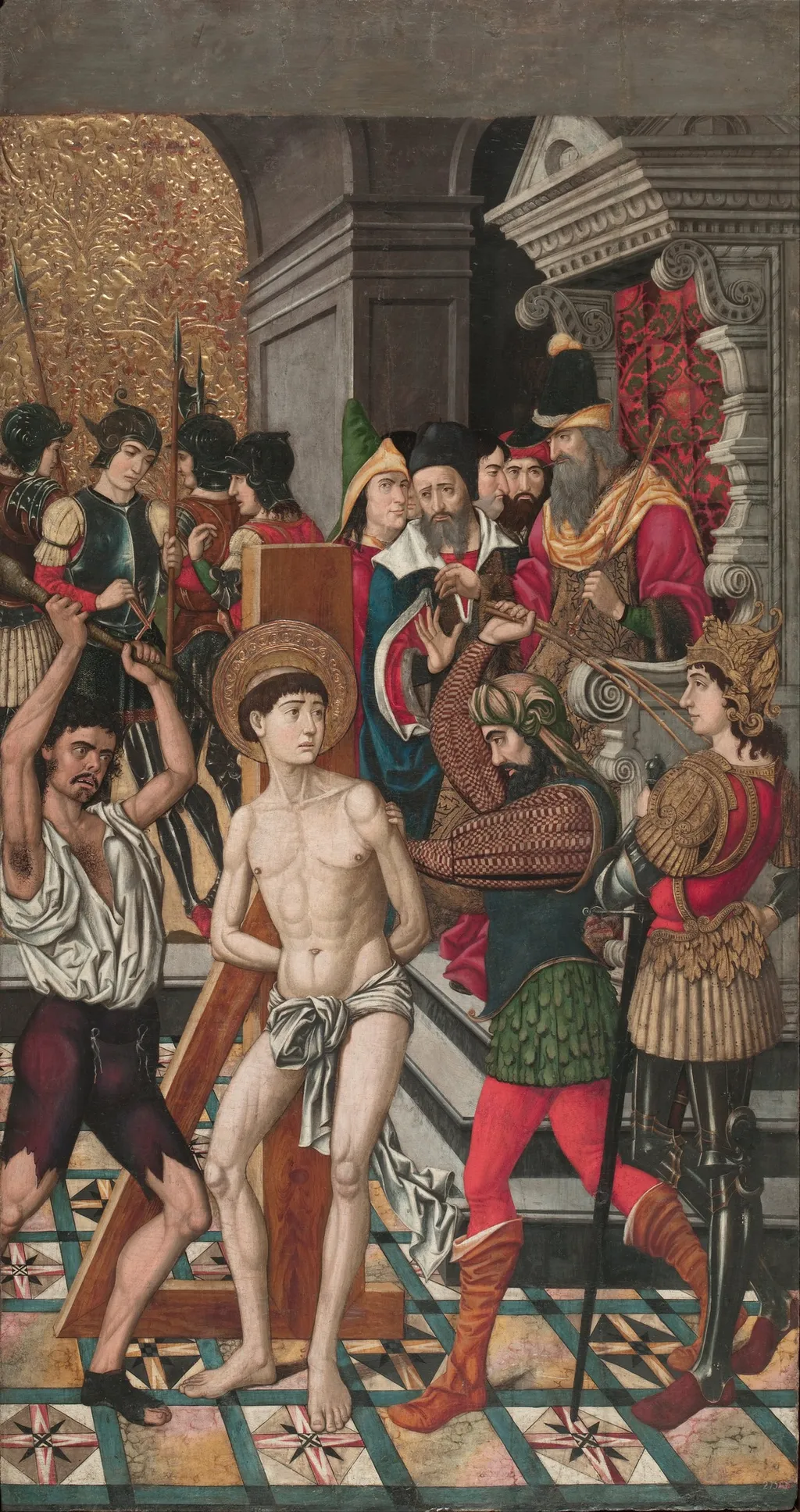
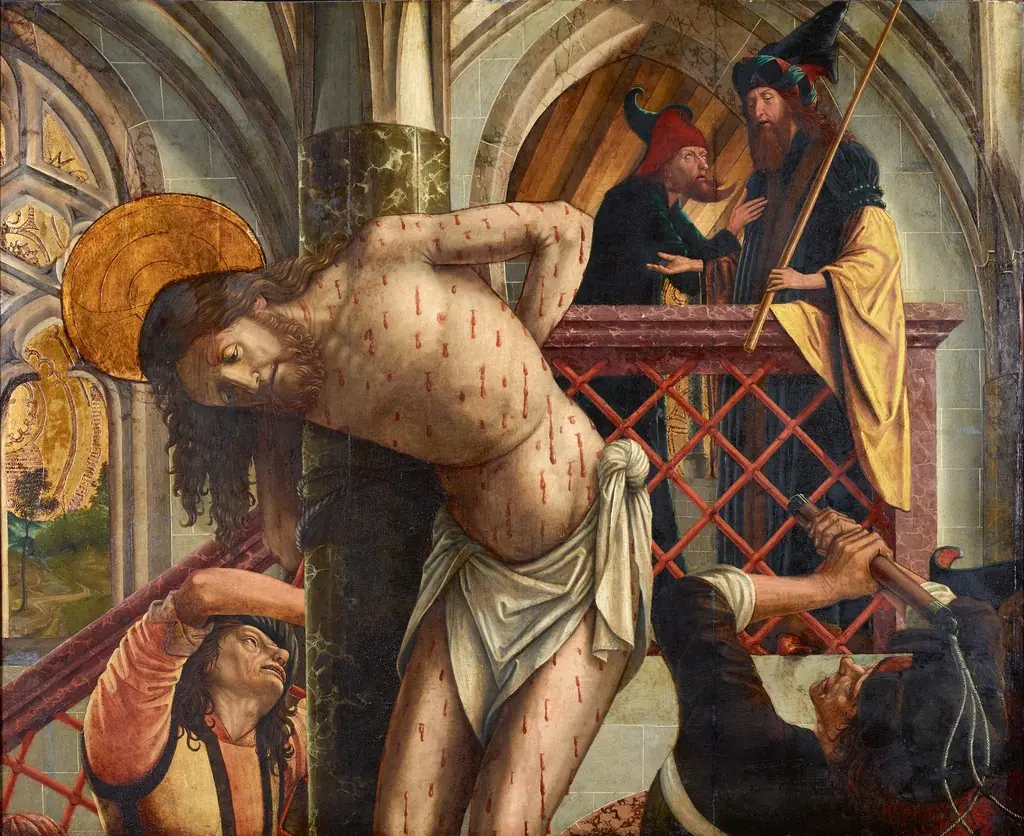
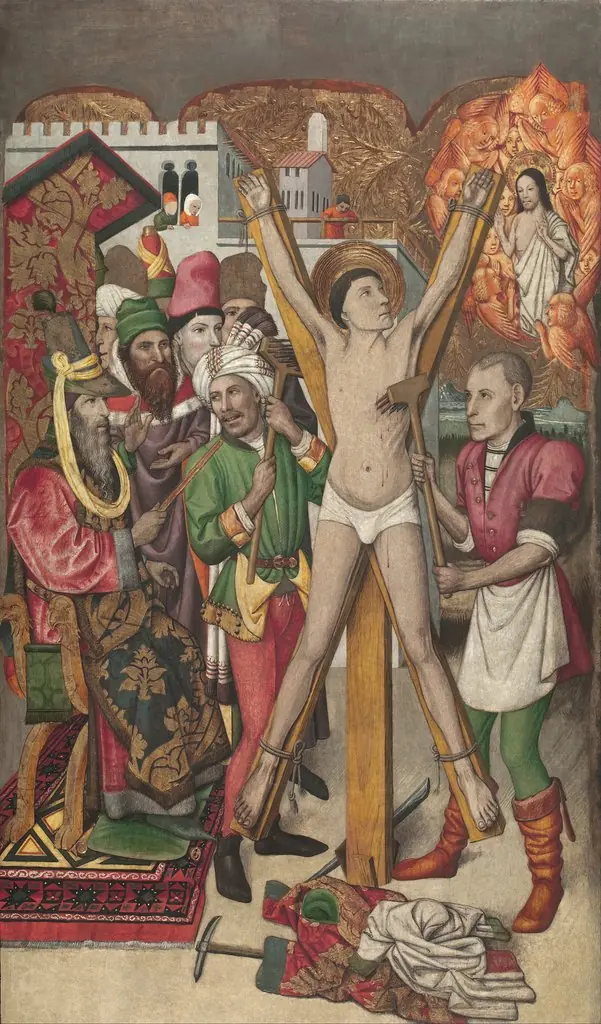
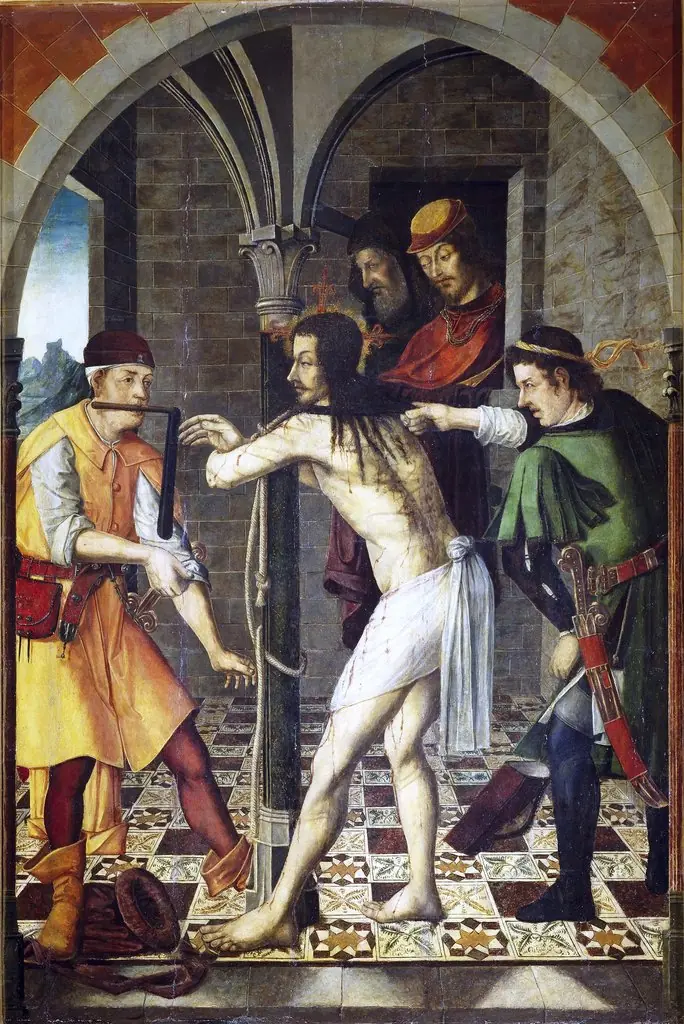
Flagellation of Saint Vincent is an unspecified painting by the Mannerist artist Master of Castelsardo. It dates from 1550 and is held in the collection of the Museu Nacional d'Art de Catalunya.
About this work
Overview
Created circa 1550, the Flagellation of Saint Vincent is an oil painting attributed to the anonymous Master of Castelsado, an artist active in Sardinia at the turn of the sixteenth century. The work is part of the collection of the Museu Nacional d'Art de Catalunya and exemplifies the Mannerist approach to religious narrative.
Subject & Meaning
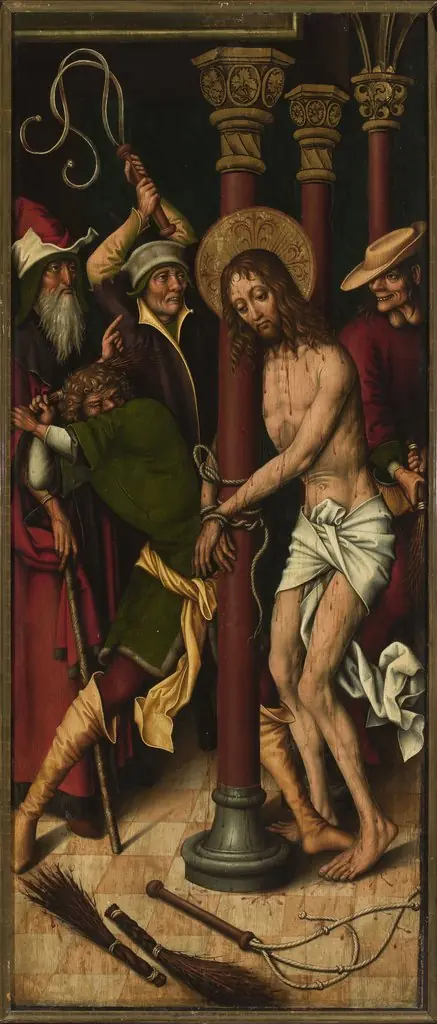
The composition portrays Saint Vincent bound and barefoot, his torso covered only by a simple loincloth, while two armored figures wield whips on either side. A crowd in vivid dress watches from the background, emphasizing the martyr’s public suffering and the devotional focus of the scene.
Technique & Style
The painter employs a pronounced chiaroscuro, using a single light source to illuminate the central figures and cast deep shadows that model the forms. The elongated poses and exaggerated gestures align the work with Mannerist aesthetics, while the overall palette reflects a Catalan visual vocabulary.
History & Provenance
The artist’s identity remains uncertain; scholars have suggested links to the Sardinian painter Gioacchino Cavaro or the Majorcan Martì Tornèr, though the name Master of Castelsado persists as a conventional attribution. The painting entered the Museu Nacional d'Art de Catalunya’s holdings in the twentieth century, where it remains on display.
Context
Executed during a period of strong Catalan artistic influence in Sardinia, the work reflects cross‑regional exchanges that began in Barcelona around 1490. Its religious subject aligns with contemporary Counter‑Reformation commissions that emphasized the visceral experience of martyrdom.
Artist & collection
Artist
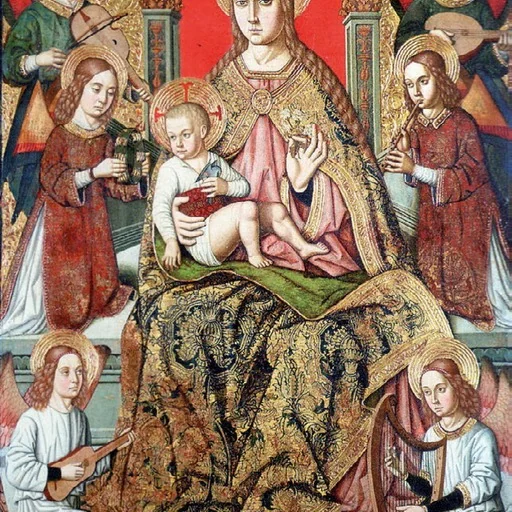
The Master of Castelsardo was a painter active in Sardinia at the end of the 15th and the beginning of the sixteenth century.