Artwork
The Adoration of the Magi
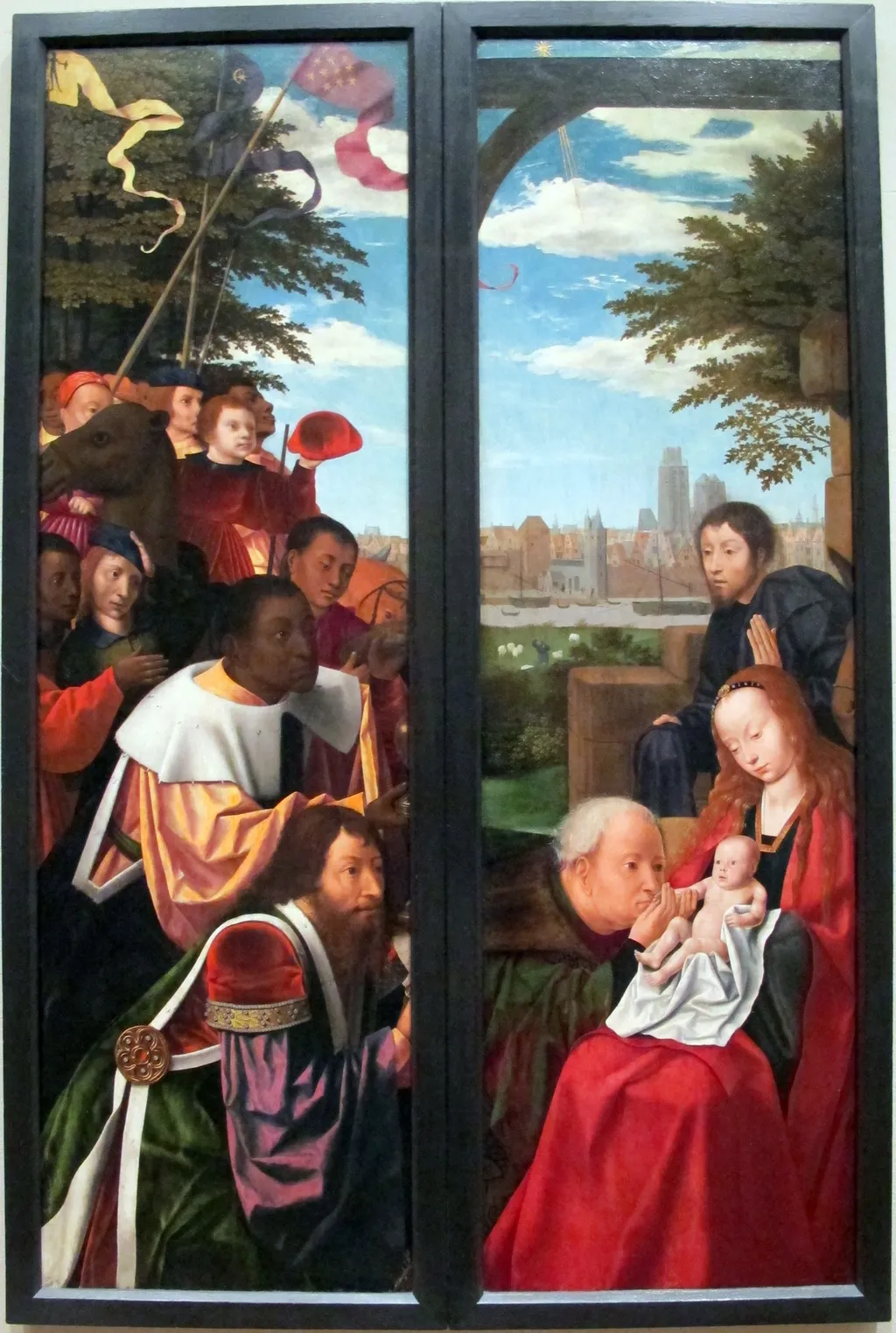
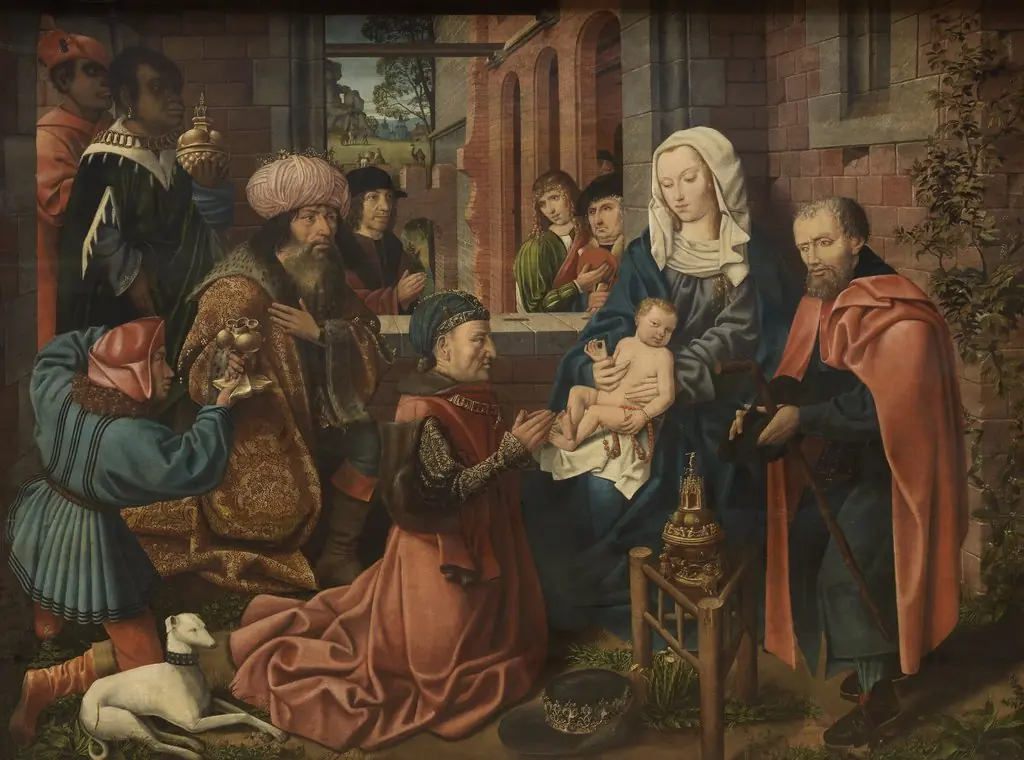
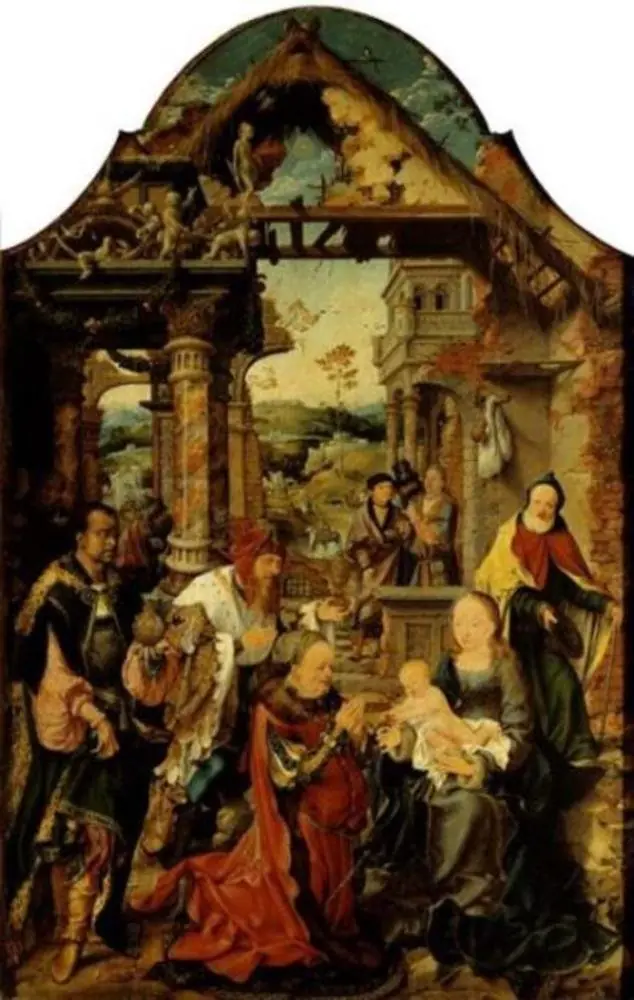
The Adoration of the Magi is an oil painting by the Northern Renaissance artist Master of the Morrison Triptych. It dates from 1504 and is held in the collection of the Philadelphia Museum of Art.
About this work
Overview
Painted in oil around 1504, this work is attributed to the Master of the Morrison Triptych, an anonymous artist active in Antwerp between 1500 and 1510.
Painted in oil around 1504, this work is attributed to the Master of the Morrison Triptych, an anonymous artist active in Antwerp between 1500 and 1510. It originally formed part of a triptych, with the central panel depicting the Adoration of the Magi. The composition includes architectural and landscape elements that reflect local civic identity, particularly the unfinished tower of Antwerp Cathedral, suggesting the painting was commissioned by a patron connected to the city’s religious or commercial elite.
Subject & Meaning
The scene portrays the biblical moment when the Three Magi present gifts to the infant Christ, framed by a donor portrait on the right. This gesture of homage underscores themes of divine recognition and earthly submission. The inclusion of contemporary figures and urban landmarks transforms the sacred narrative into a localized event, reinforcing the donor’s spiritual devotion and social status within the thriving mercantile culture of early 16th-century Antwerp.
Technique & Style
The artist employed oil glazing techniques common in Northern Renaissance painting, building layers of translucent pigment to achieve luminous skin tones and rich fabric textures. Fine brushwork renders intricate details in clothing, architecture, and foliage, while the use of cool blues and warm golds creates a balanced chromatic harmony. The background cityscape, rendered with atmospheric perspective, adds spatial depth without sacrificing decorative precision.
History & Provenance
The painting is named after the Morrison Triptych, a related work in a private collection, which helped attribute this piece to the same hand. Its original context as part of a multi-panel altarpiece suggests it was created for private devotion, possibly in a domestic chapel or civic church. The survival of this single panel implies the triptych was later dismantled, a common fate for Netherlandish altarpieces during the Reformation or later dispersals.
Context
Antwerp in the early 1500s was a hub of international trade and artistic production, where religious imagery often incorporated contemporary urban life. The depiction of the cathedral’s unfinished tower reflects civic pride and the city’s ambitions. Artists like the Master of the Morrison Triptych catered to wealthy patrons who sought to align their personal piety with their social standing, blending sacred themes with recognizable local settings.
Legacy
Though the artist remains anonymous, this painting contributes to the understanding of regional Northern Renaissance practices beyond major figures like van Eyck or Bruegel. Its integration of civic architecture into religious scenes influenced later Netherlandish painters who sought to ground divine narratives in tangible, lived environments. The work stands as a quiet testament to the role of private patronage in shaping devotional art during a period of economic and cultural transformation.
Artist & collection
Artist
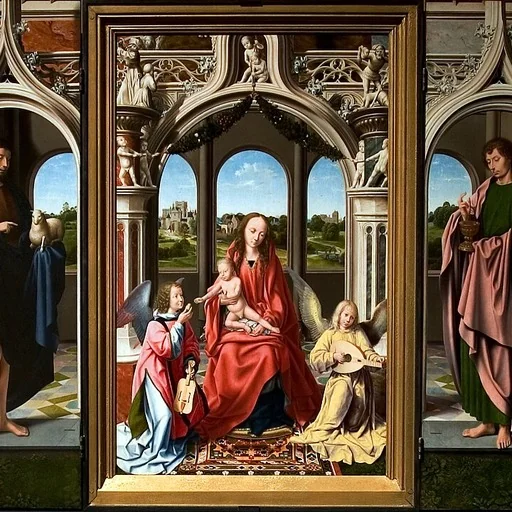
Master of the Morrison Triptych
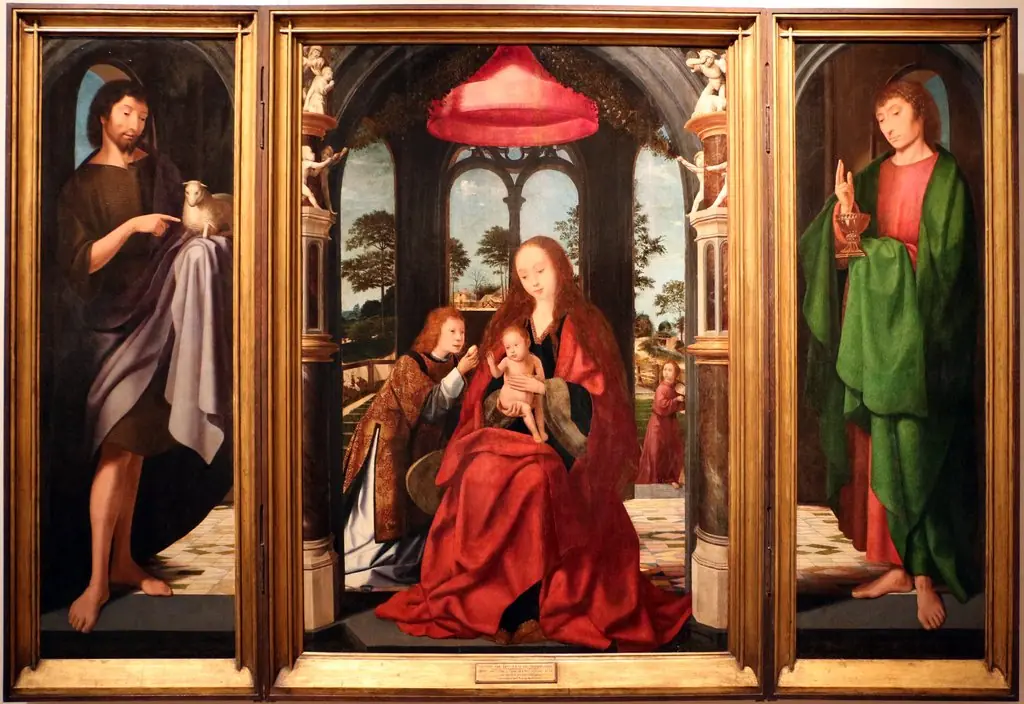
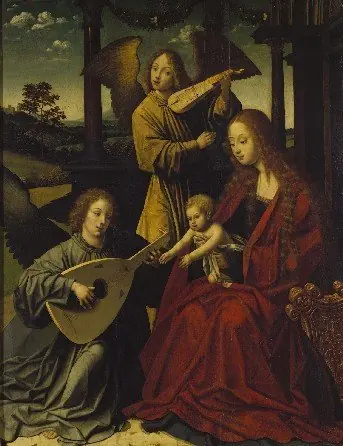
The Master of the Morrison Triptych is the name given to an unknown Early Netherlandish painter active in Antwerp around 1500–1510.

 The Adoration of the Magi
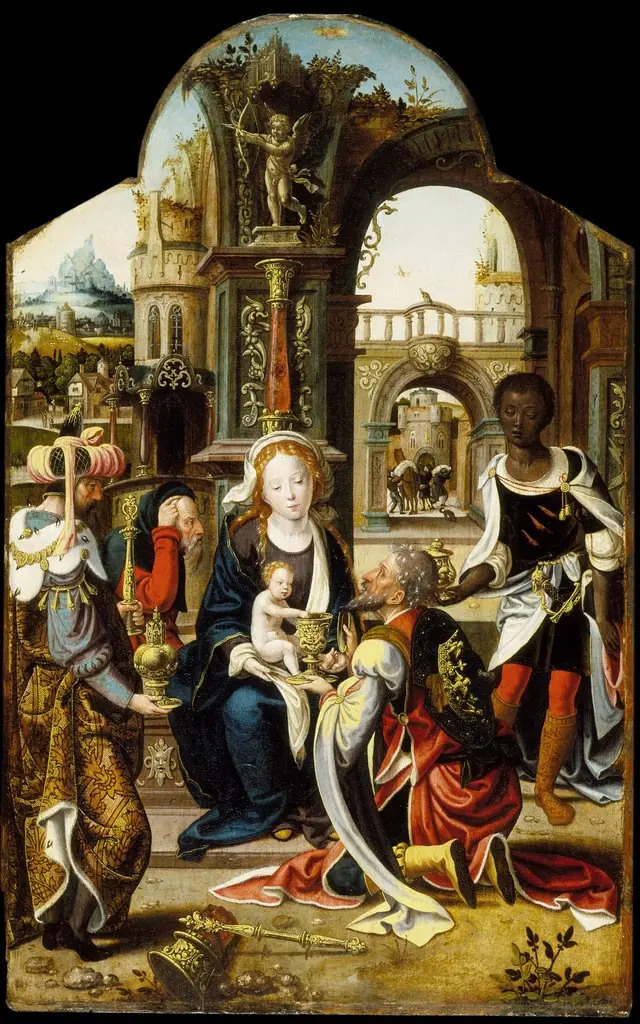 The Adoration of the Magi
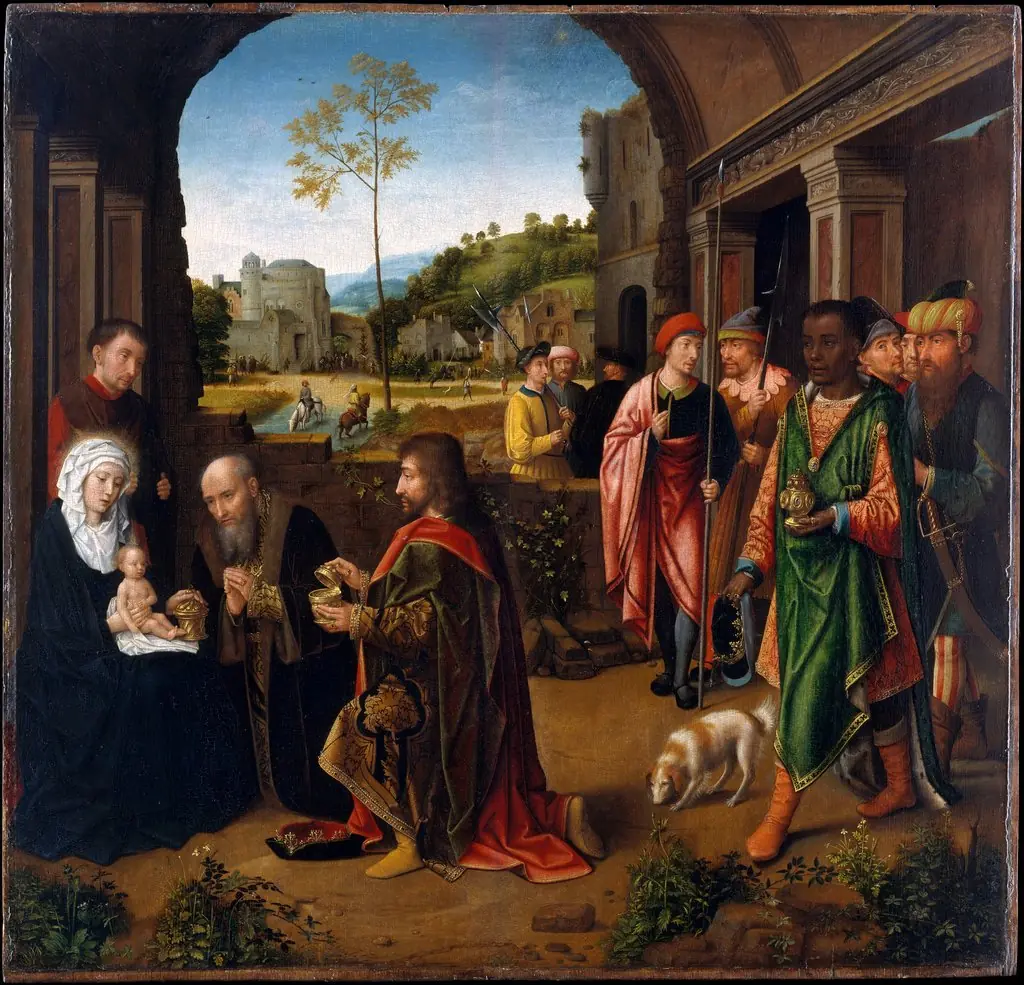 The Adoration of the Magi
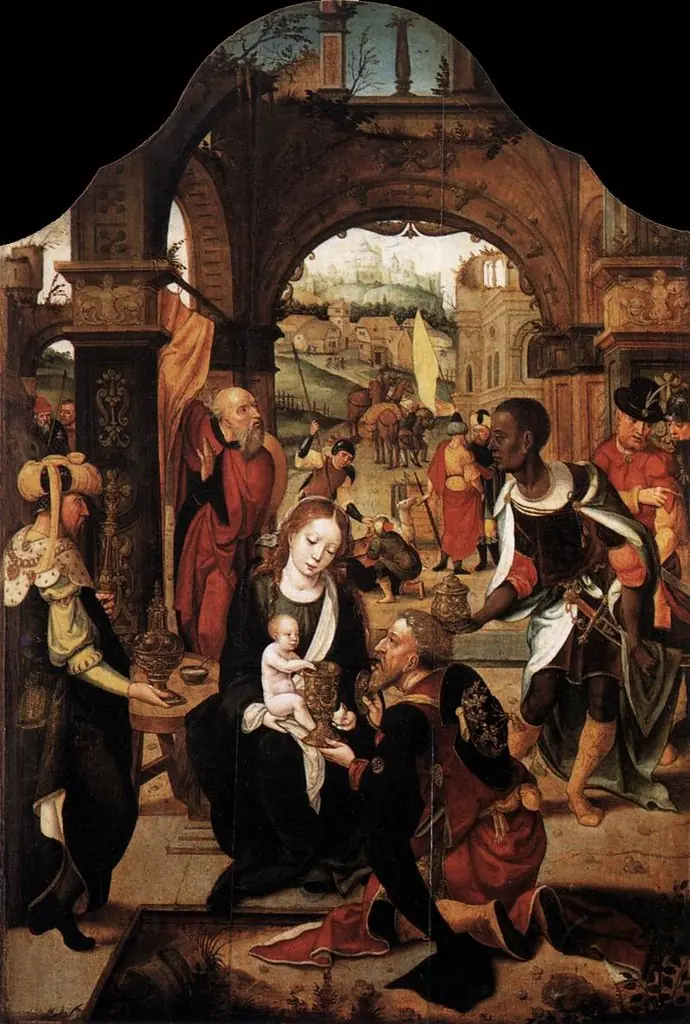 Anbetung der Könige
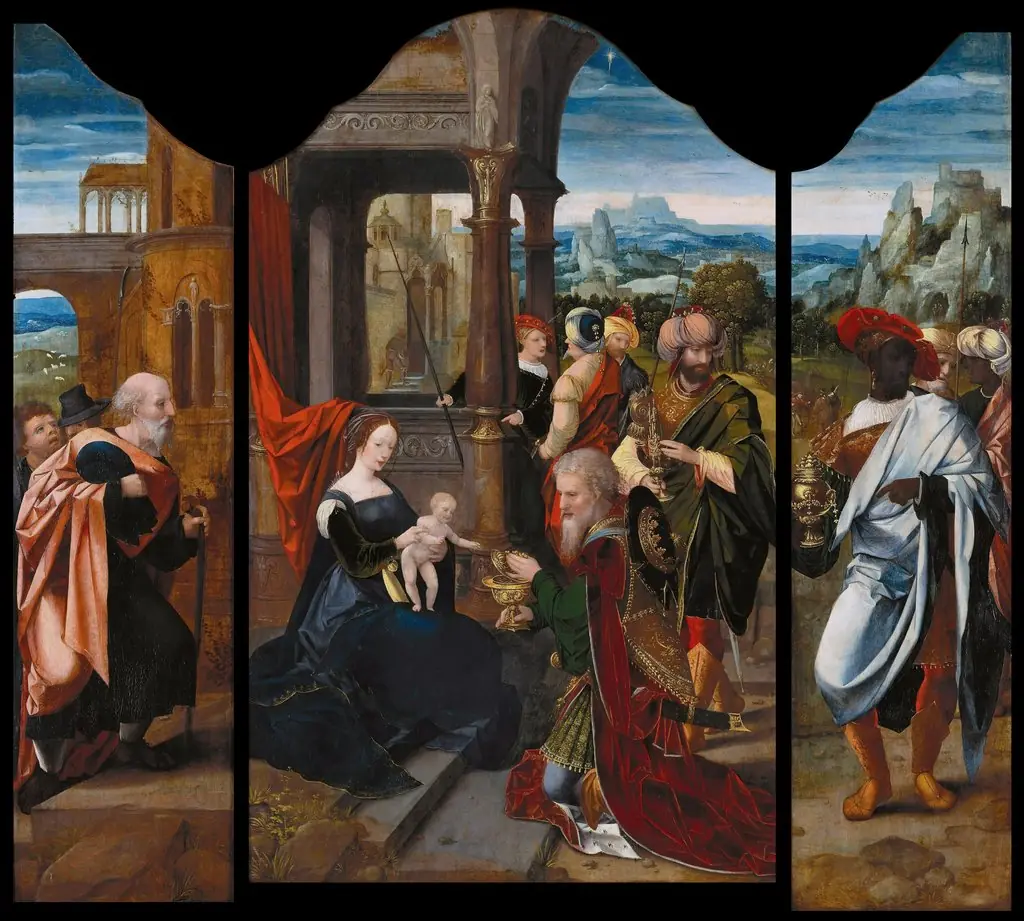 Triptych with the Adoration of the Magi
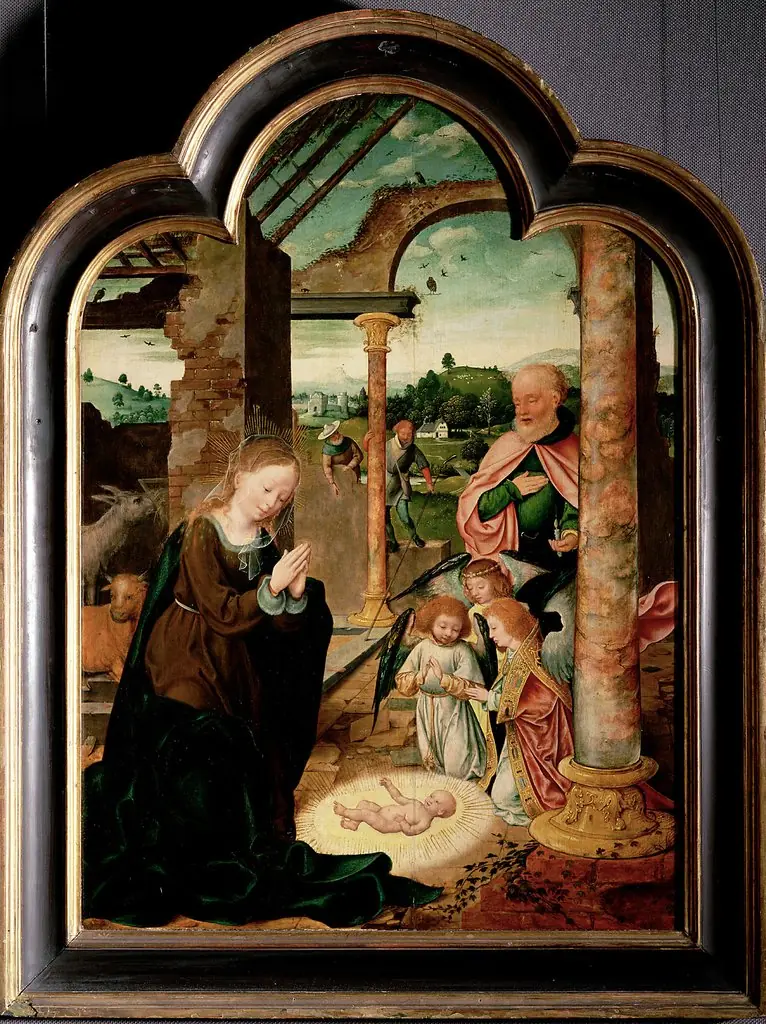 The Birth of Christ
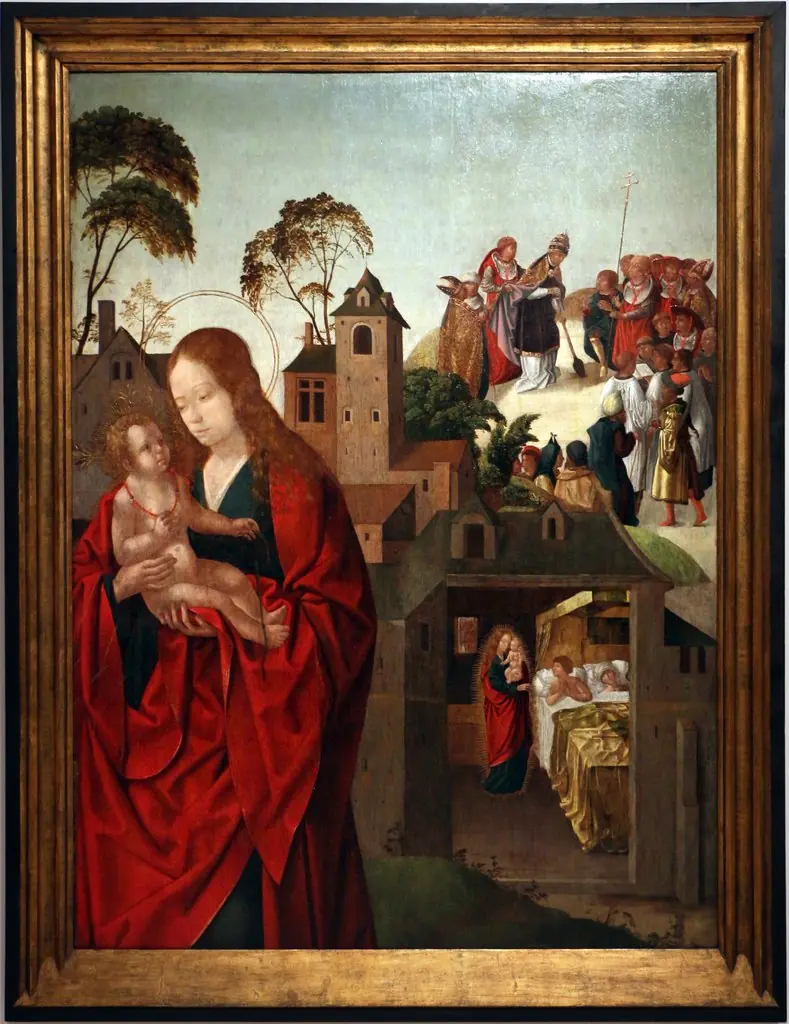 Our Lady of the Snows
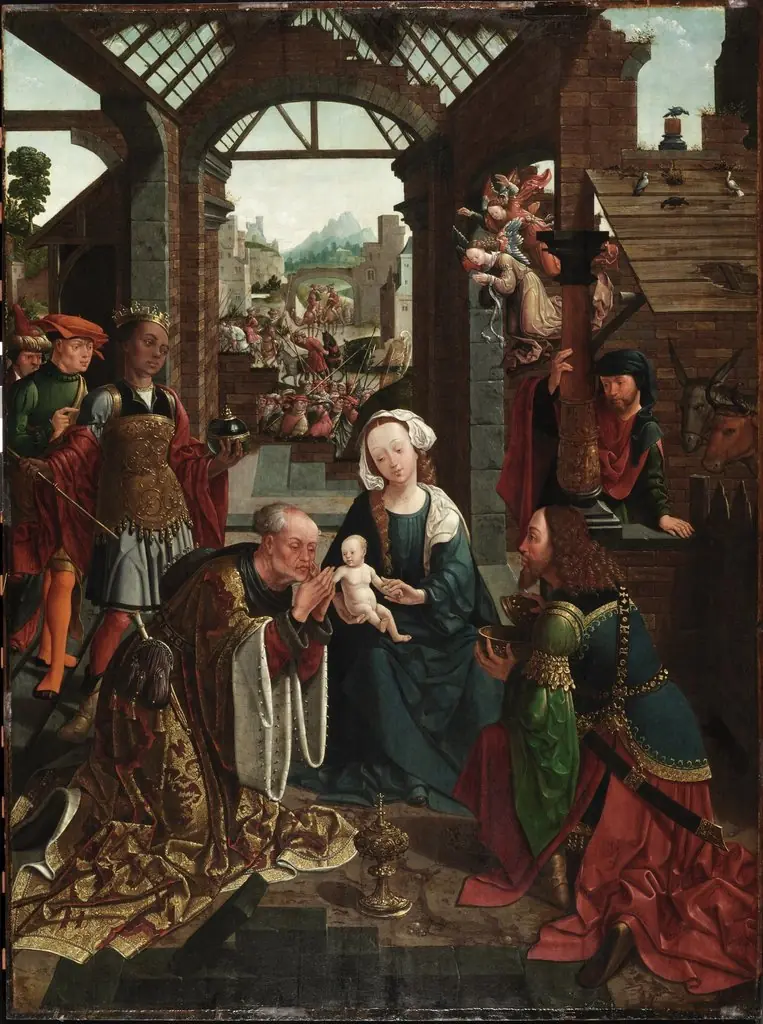 The Adoration of the Kings
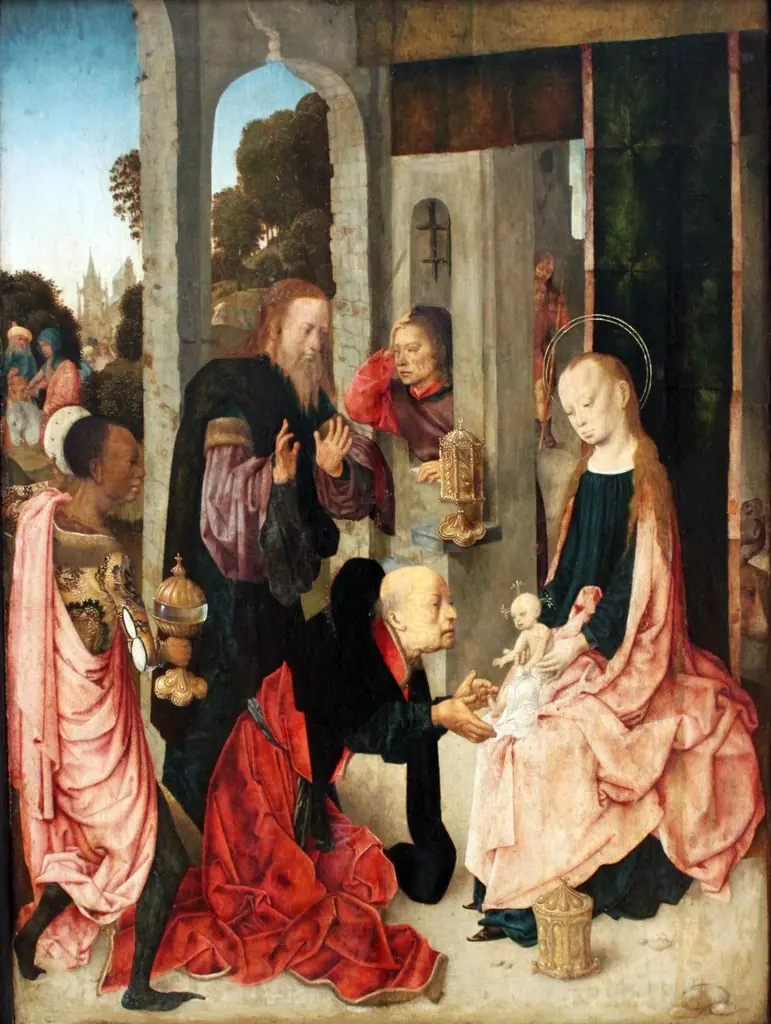 Adoration of the Kings
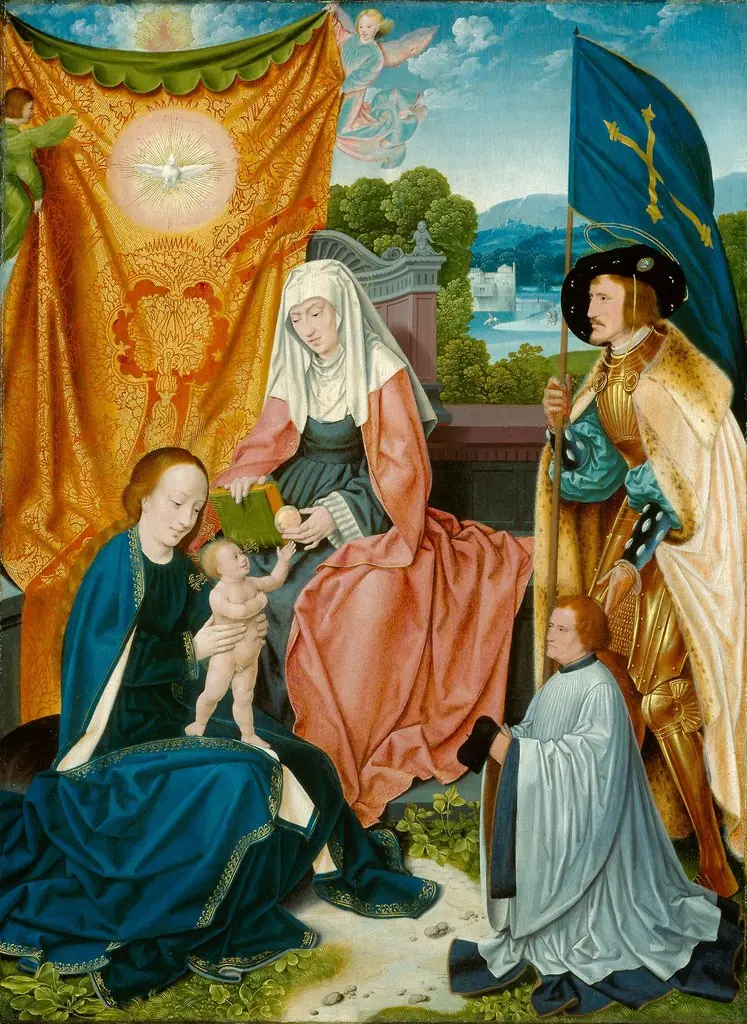 Virgin and Child with Saint Anne, Saint Gereon, and a Donor
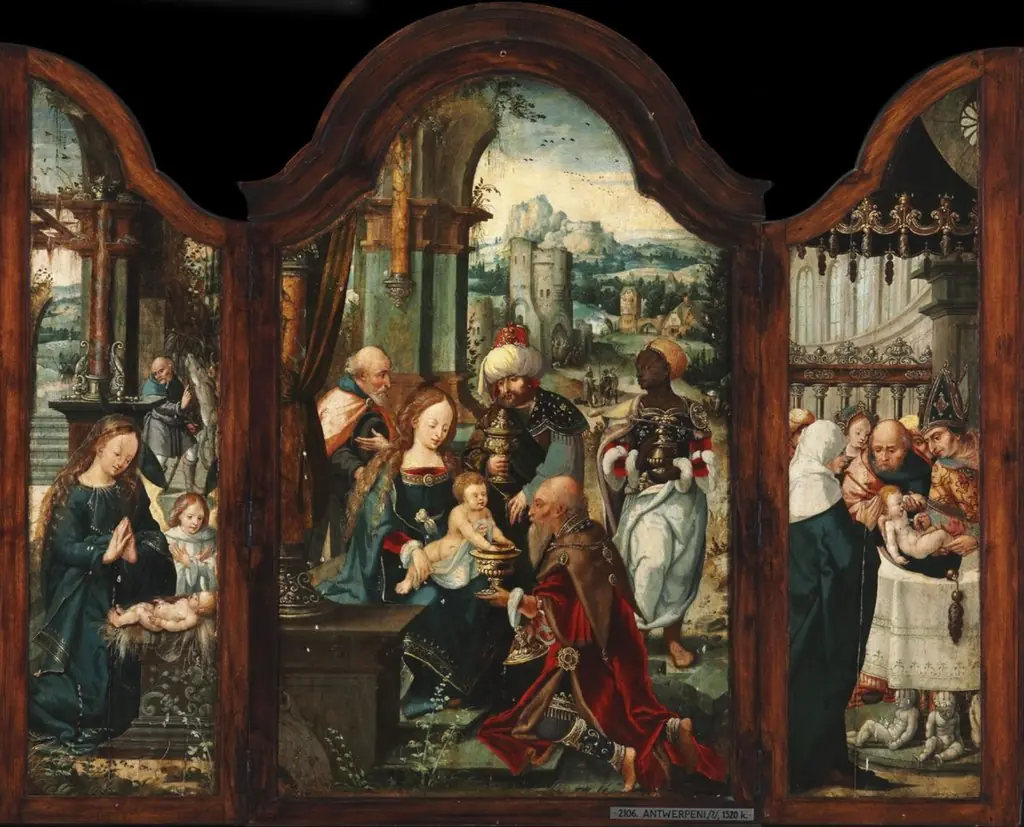 Triptych. Central panel: The Adoration of the Magi; left wing: The Nativity; right wing: The Circumcision
 The Small Adoration of the Magi