Artwork
Santa Úrsula con las once mil vírgenes
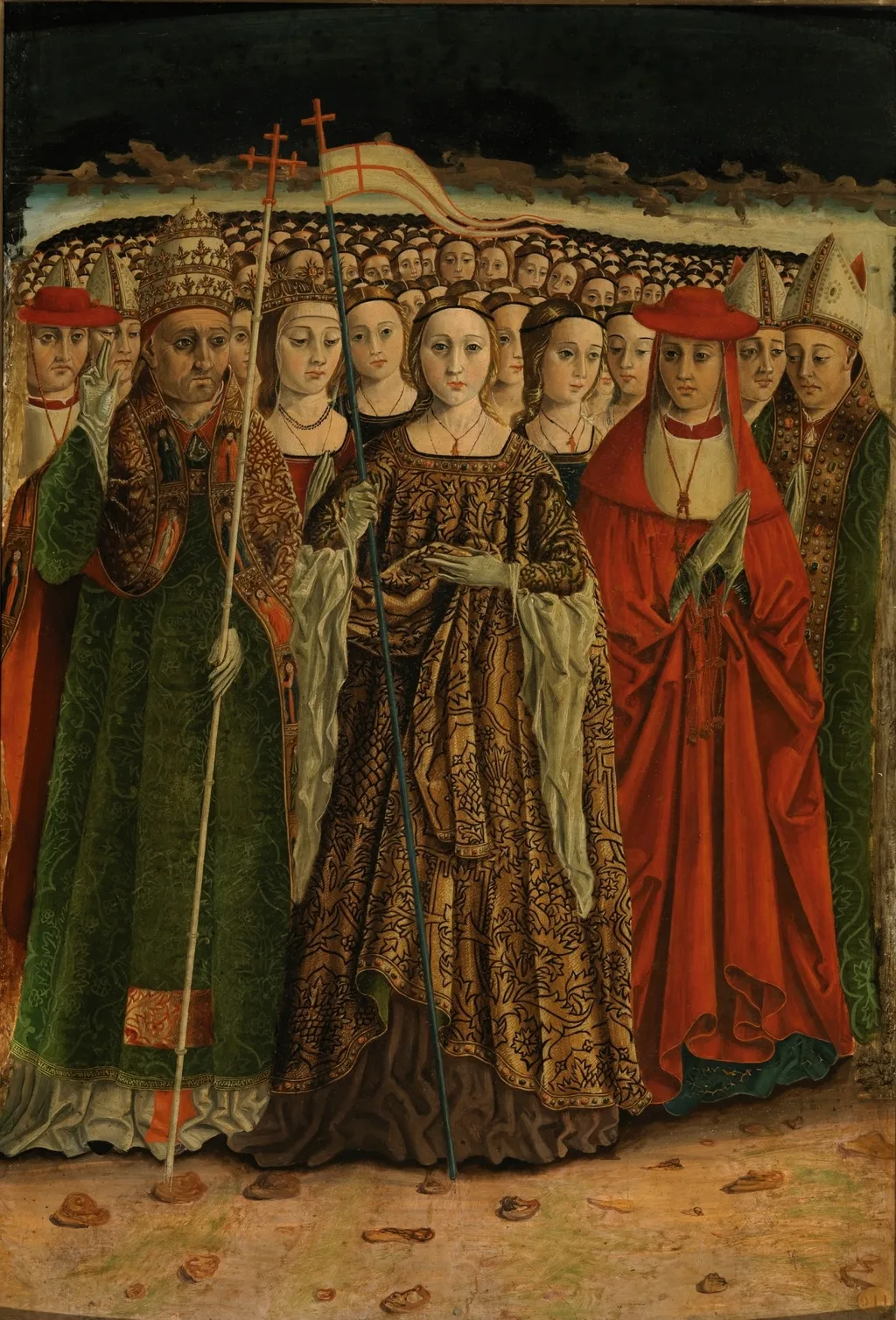
Santa Úrsula con las once mil vírgenes is a tempera painting by the Northern Renaissance artist Master of the Once Mil Vírgenes. It dates from 1496 and is held in the collection of the Museo del Prado. Painted in 1496 using tempera on panel, this work is attributed to an anonymous artist known as the Master of the Eleven Thousand Virgins.
About this work
Overview
The composition is formal and hierarchical, with figures arranged in a rigid line, characteristic of late medieval devotional art in the Iberian Peninsula.
Painted in 1496 using tempera on panel, this work is attributed to an anonymous artist known as the Master of the Eleven Thousand Virgins. It depicts a scene from the legend of Saint Ursula and her companions, preserved in the collection of the Museo del Prado. The composition is formal and hierarchical, with figures arranged in a rigid line, characteristic of late medieval devotional art in the Iberian Peninsula.
Subject & Meaning
The painting illustrates the martyrdom of Saint Ursula and her eleven thousand virgin followers, as recounted in medieval hagiography. Ursula, centrally positioned, holds a blue staff symbolizing her spiritual authority. Surrounding her are courtly figures, some crowned, representing the virgins and their attendants. The row of small faces behind a barrier suggests the souls of the martyred, while the stormy sky and red cross flag allude to divine judgment and Christian sacrifice.
Technique & Style
Tempera paint, made from pigment mixed with egg yolk, was applied in thin, precise layers to achieve luminous, flat areas of color. The figures are rendered with sharp outlines and minimal modeling, emphasizing pattern over volume. Rich reds, greens, and golds dominate, enhancing the ceremonial tone. Decorative motifs on garments, such as leaf-like patterns, reflect Gothic decorative traditions, while the rigid posture and frontal alignment convey a sense of sacred stillness.
History & Provenance
The painting entered the Museo del Prado’s collection in the 19th century, having likely originated in a Spanish religious institution. Its attribution to an anonymous master reflects the common practice of workshop production in late medieval Spain. No documentary records confirm its original location, but its scale and subject suggest it was intended for private devotion or a chapel altar, possibly commissioned by a noble patron connected to the cult of Saint Ursula.
Context
Created during the late 15th century, the work reflects the enduring popularity of hagiographic narratives in Iberian Christianity, especially among elite circles. The emphasis on virgin martyrdom aligns with broader European devotional trends, while the courtly attire of the figures reveals the fusion of sacred themes with contemporary aristocratic aesthetics. The painting’s stylized form contrasts with emerging Renaissance naturalism, indicating regional artistic continuity.
Legacy
Though not widely known outside specialist circles, the painting remains a key example of late medieval Spanish religious art. It preserves visual conventions that preceded the full adoption of Renaissance techniques in the region. Its survival and preservation in the Prado allow ongoing study of how devotional imagery functioned in pre-modern Spanish society, particularly in the transmission of saintly narratives through symbolic rather than narrative means.
Own this work as a print
Artist & collection
Artist
Master of the Once Mil Vírgenes
This anonymous Spanish painter worked in the late 1400s, known today only as the Master of the Once Mil Vírgenes.

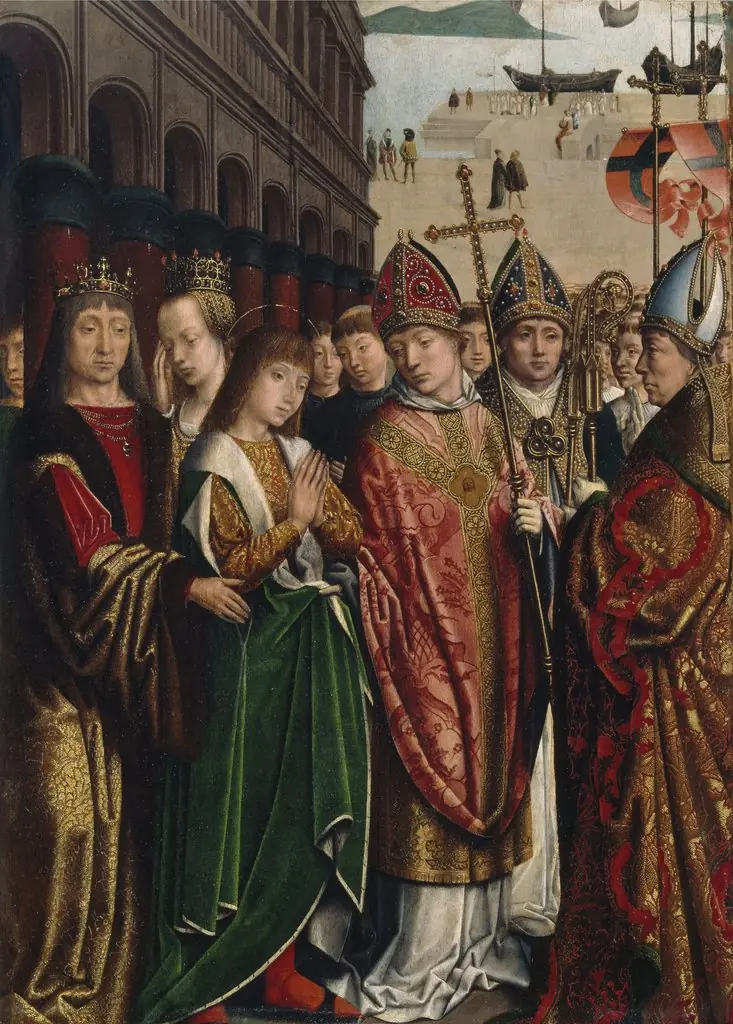 Saint Rumbold Taking Leave of his Parents
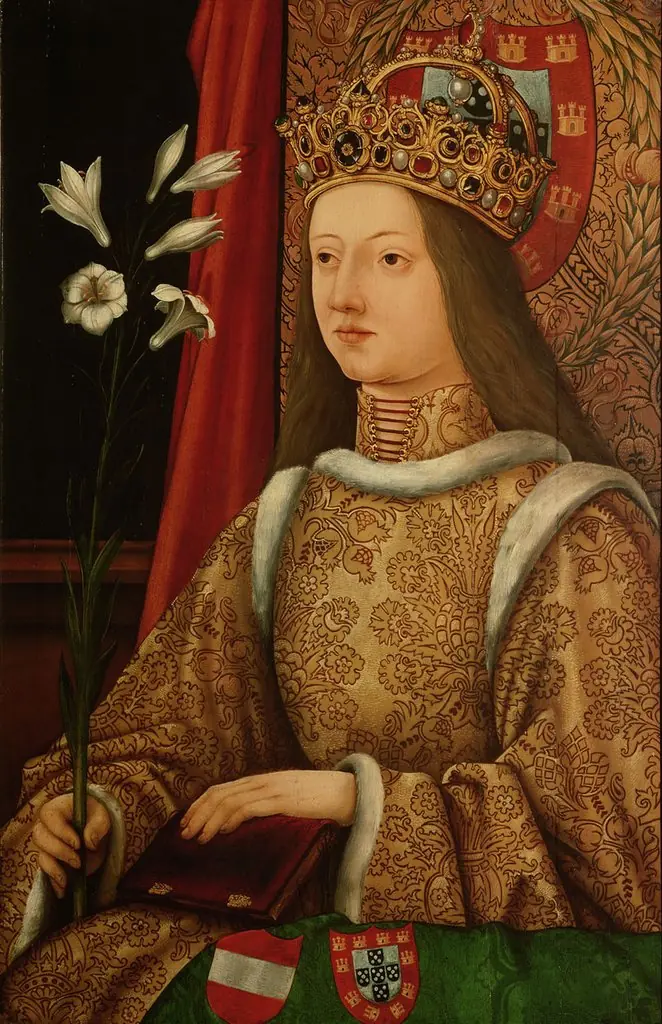 Portrait of Eleonore of Portugal
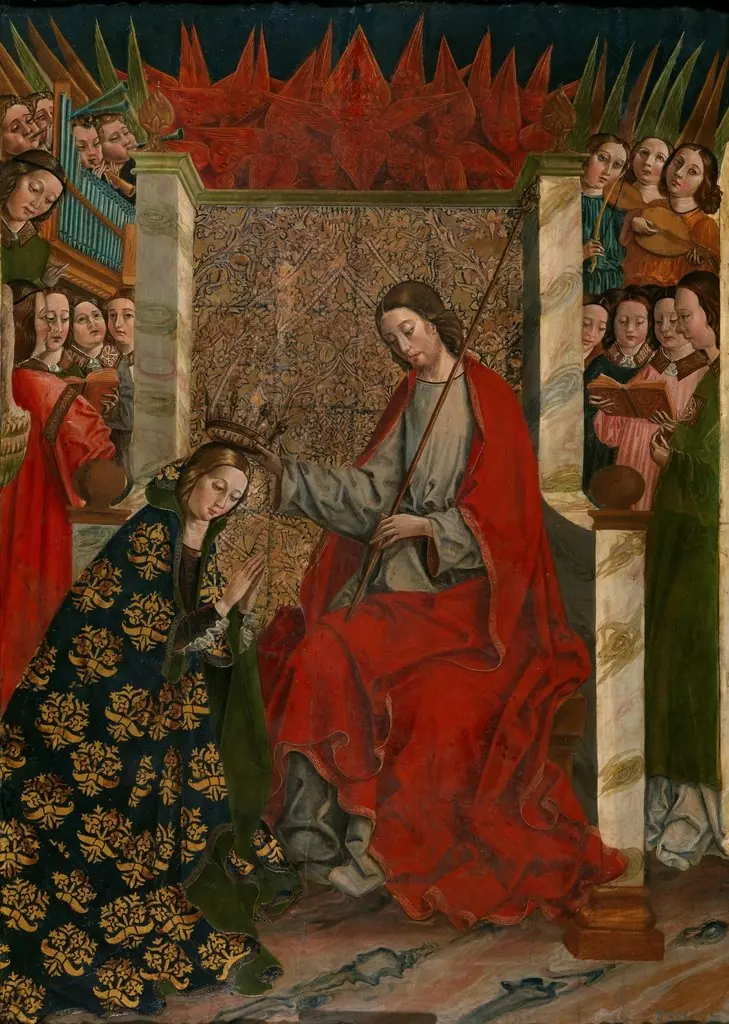
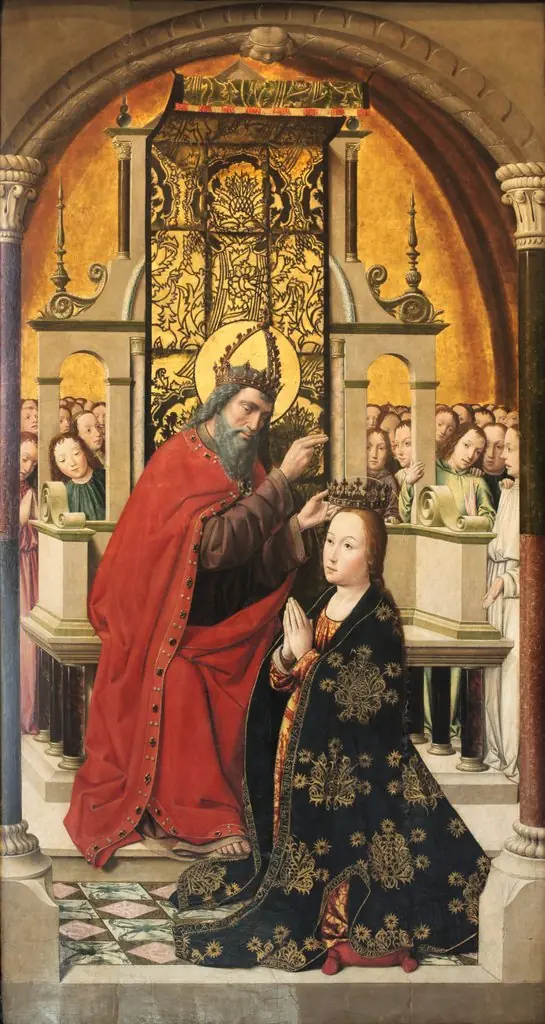 Crowning of the Virgin
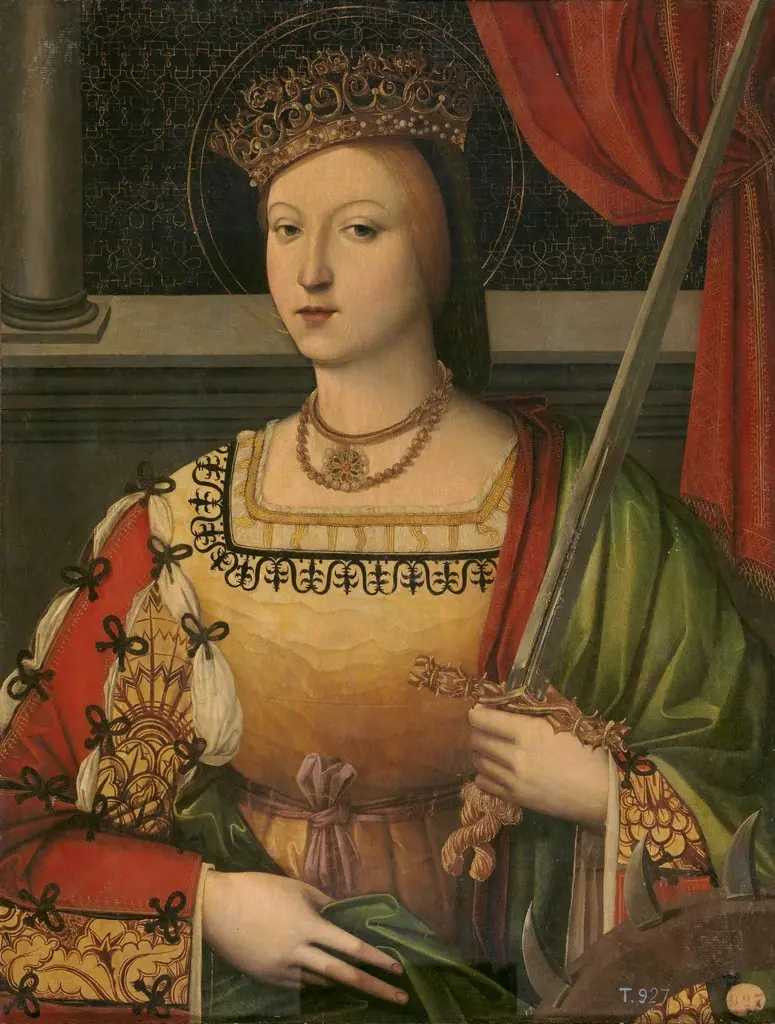 Catalina de Austria reina de Portugal como Santa Catalina
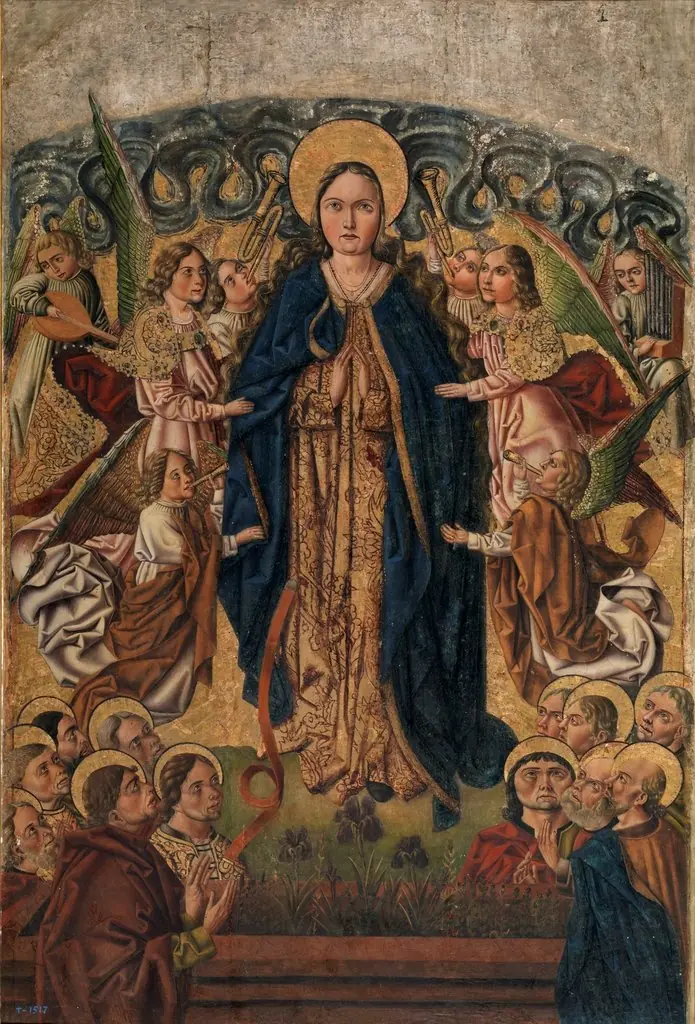
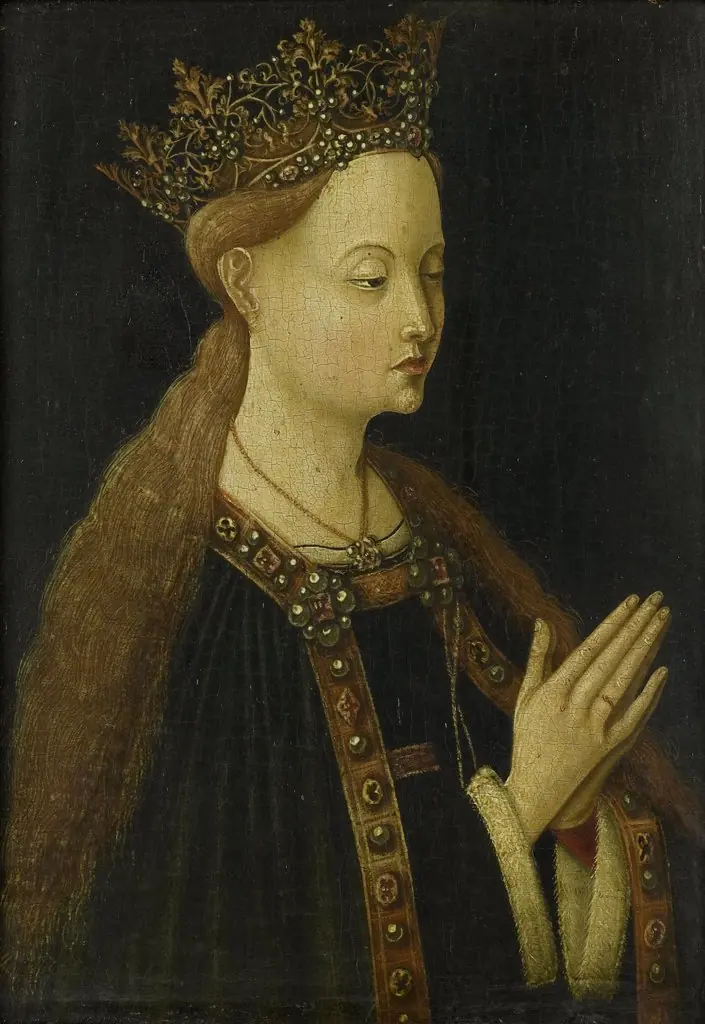 The Virgin
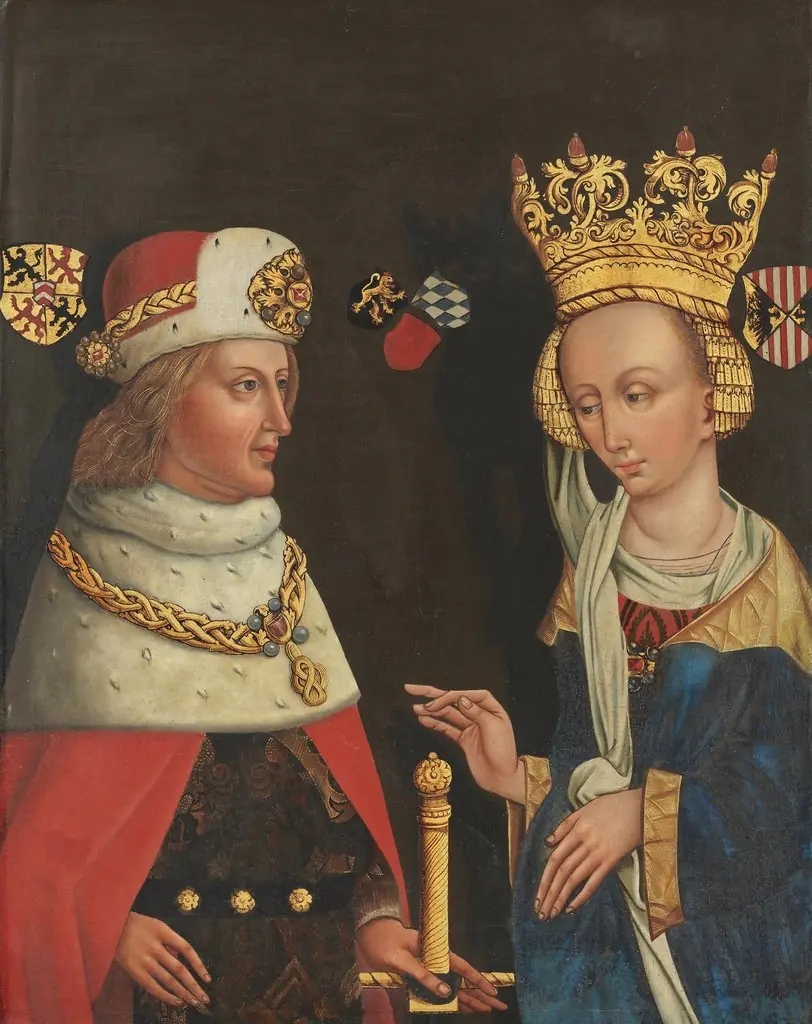 Bildnis des Kurfürsten Rupprecht II. von der Pfalz mit Gemahlin Beatrix
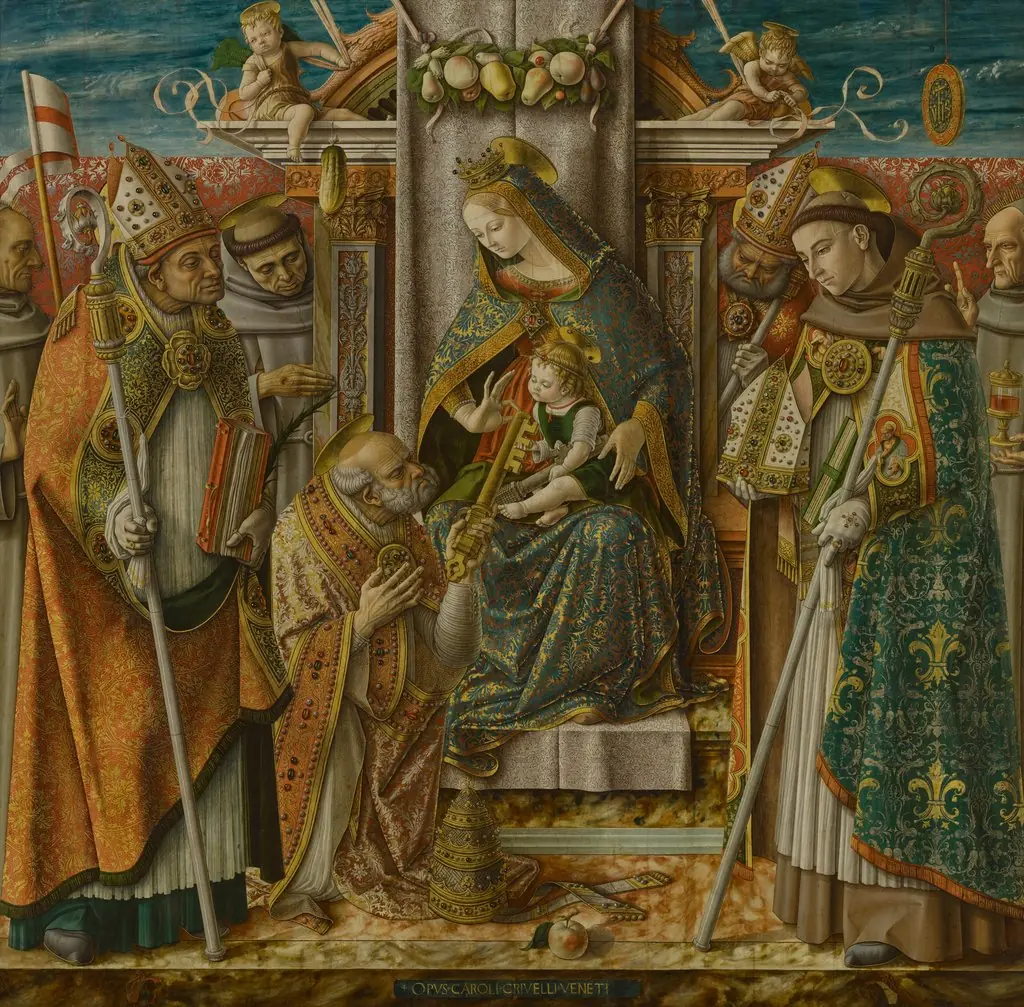 Madonna and Child Enthroned with Saints
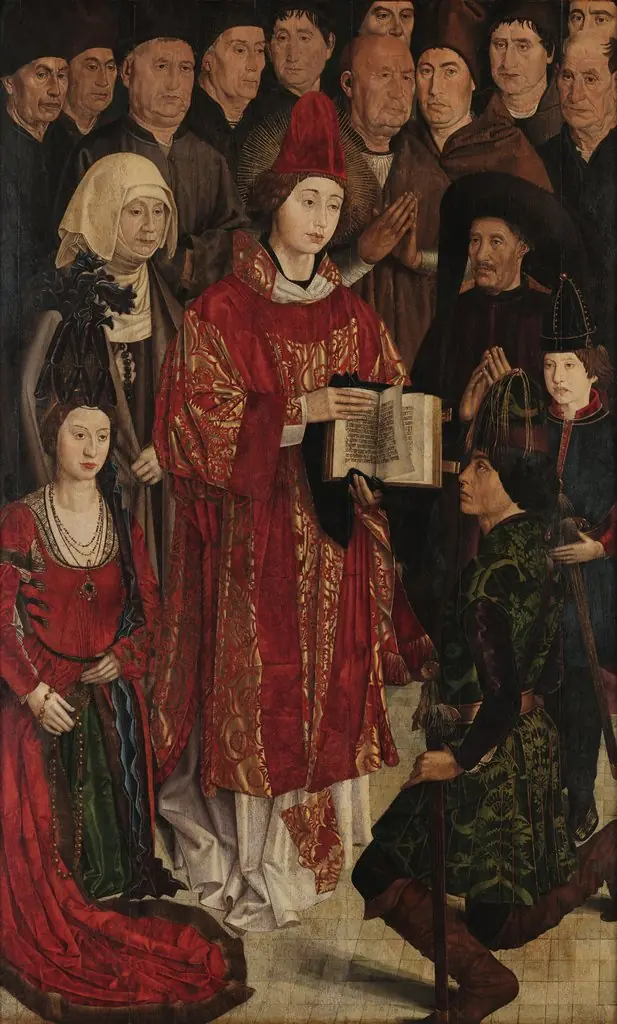 Saint Vincent Panels, third panel
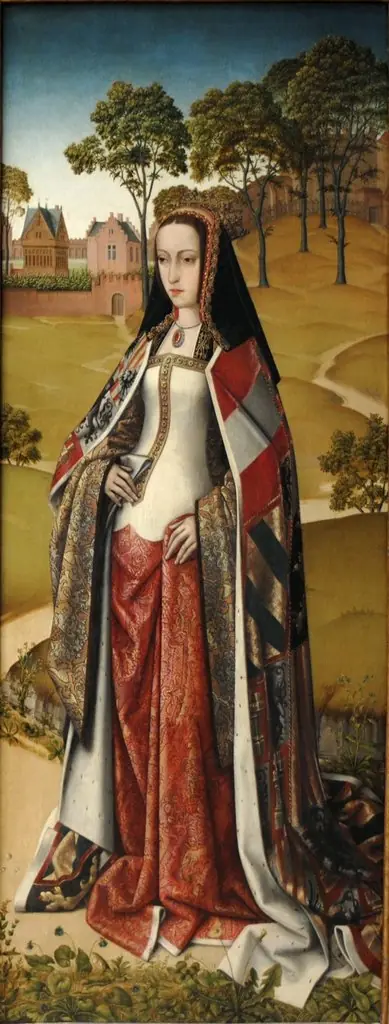 Portrait of Joan of Castile
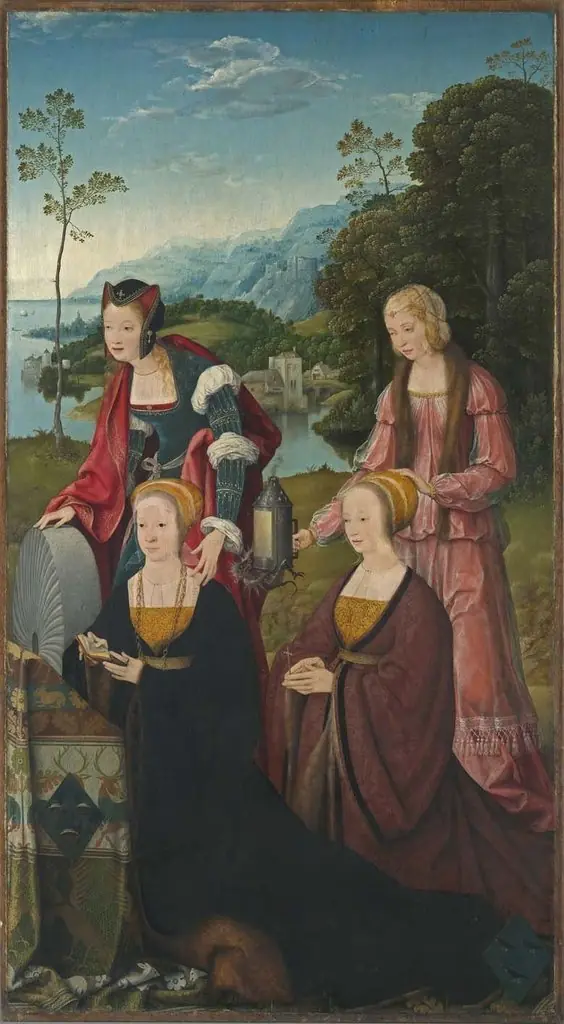 Marientod Altar: Saints Christina and Gudula with donors Christina and Sibilla Hackeney behind outside: SS. Sebastian and Roch
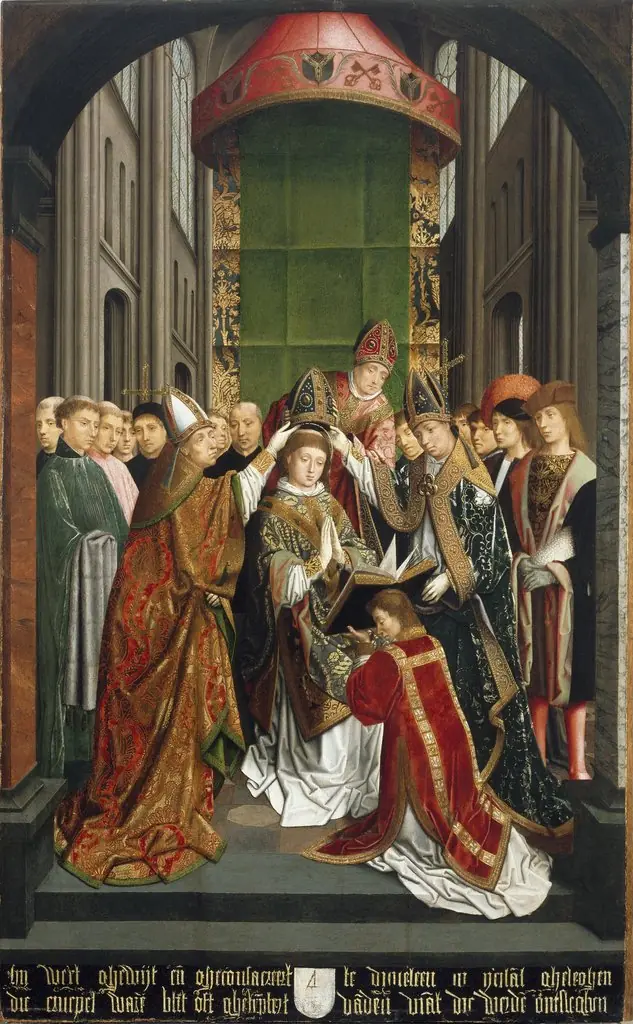 The Enthronement of Saint Romold as Bishop of Dublin