Artwork
Portrait of Eleonore of Portugal
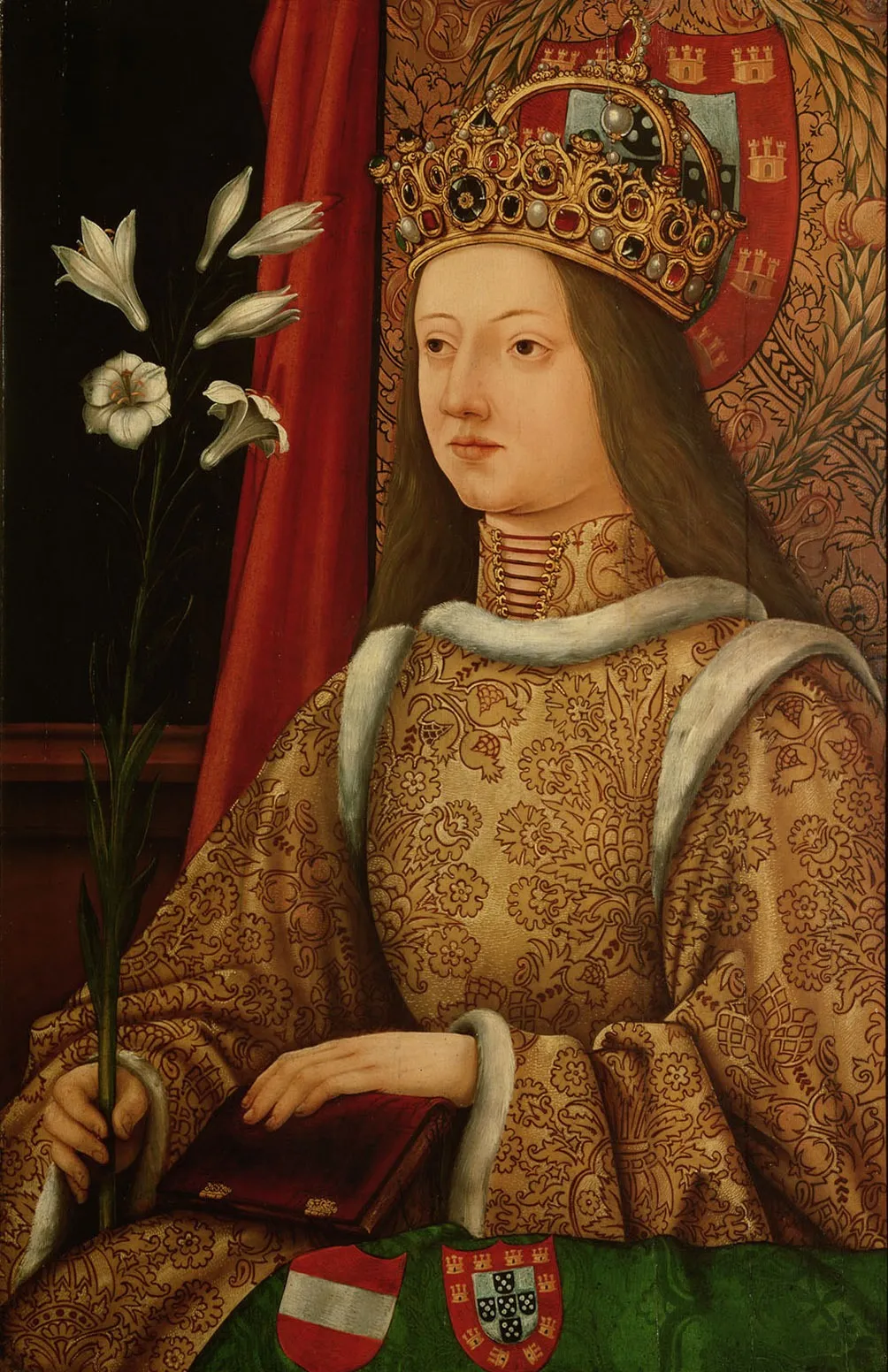
Portrait of Eleonore of Portugal is an oil painting by the Northern Renaissance artist Hans Burgkmair the Elder. It dates from 1470 and is held in the collection of the Kunsthistorisches Museum.
About this work
Overview
Hans Burgkmair the Elder’s oil portrait, dated to 1470, presents Eleonore of Portugal, later Holy Roman Empress. Executed in oil on panel, the work measures a modest size and is currently displayed in Vienna’s Kunsthistorisches Museum. The composition centers the sitter in a richly detailed costume, emphasizing her status through regal accessories and a subdued background.
Subject & Meaning
The painting captures Eleonore of Portugal at a pivotal moment before her marriage into the Habsburg dynasty. She holds a book, suggesting literacy and piety, while a white lily in her other hand symbolizes purity. The crown and jeweled ornaments affirm her noble lineage, and the overall pose conveys both personal dignity and dynastic ambition.
Technique & Style
Burgkmair employs oil paint to achieve subtle modelling of flesh and fabric, allowing delicate transitions of light across the gold dress and its floral motifs. The high collar and intricate embroidery are rendered with fine brushwork, while the dark backdrop and red curtain provide contrast that enhances the three‑dimensionality of the figure.
History & Provenance
Created in the late 15th century, the portrait entered the imperial collections of the Habsburgs before being transferred to the Kunsthistorisches Museum in the 19th century. Documentation traces its ownership through successive Austrian court inventories, confirming its continuous association with the imperial family until its public exhibition.
Context
The work reflects the Northern Renaissance’s interest in realistic portraiture and the growing importance of individual representation among European courts. Burgkmair, active in Augsburg, blended Germanic detail with emerging Italian influences, situating Eleonore’s image within a broader trend of portraying royal women as both political symbols and cultured individuals.
Artist & collection
Artist
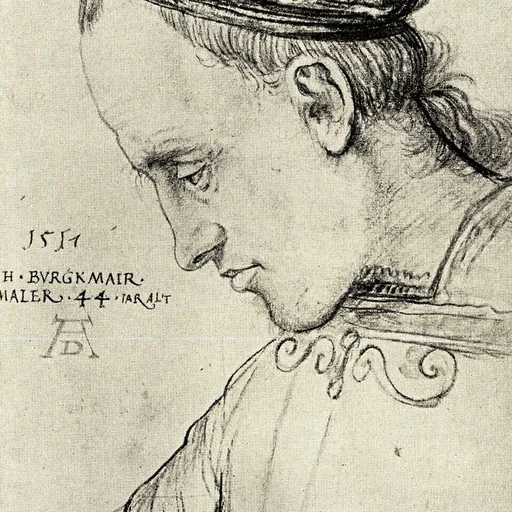
Hans Burgkmair the Elder (1473–1531) was a German artist, born in Augsburg.

 The Virgin
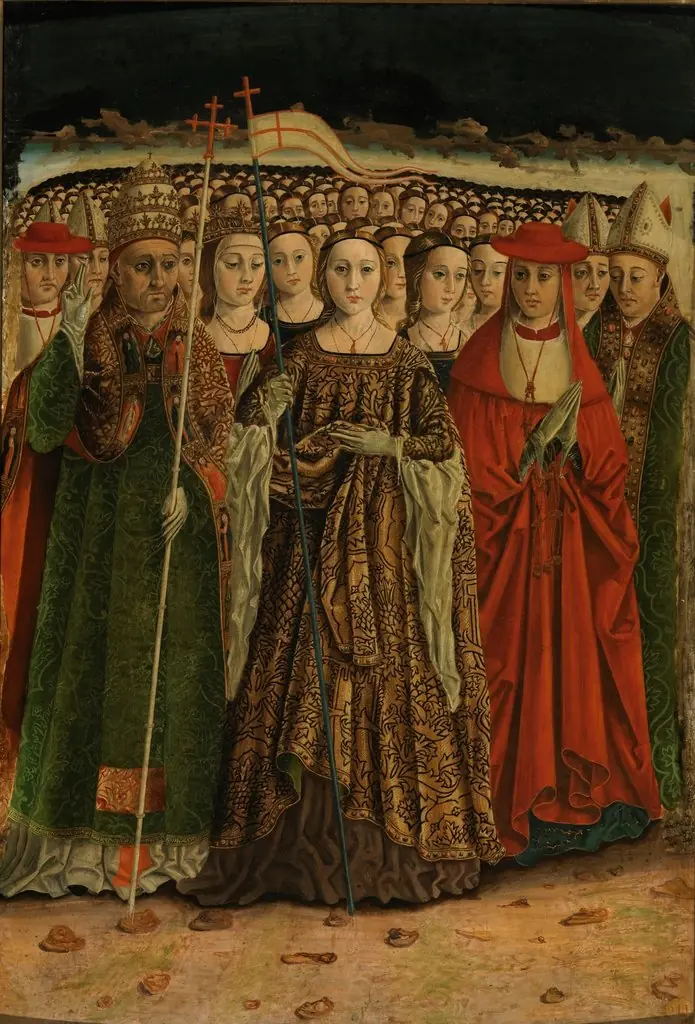 Santa Úrsula con las once mil vírgenes
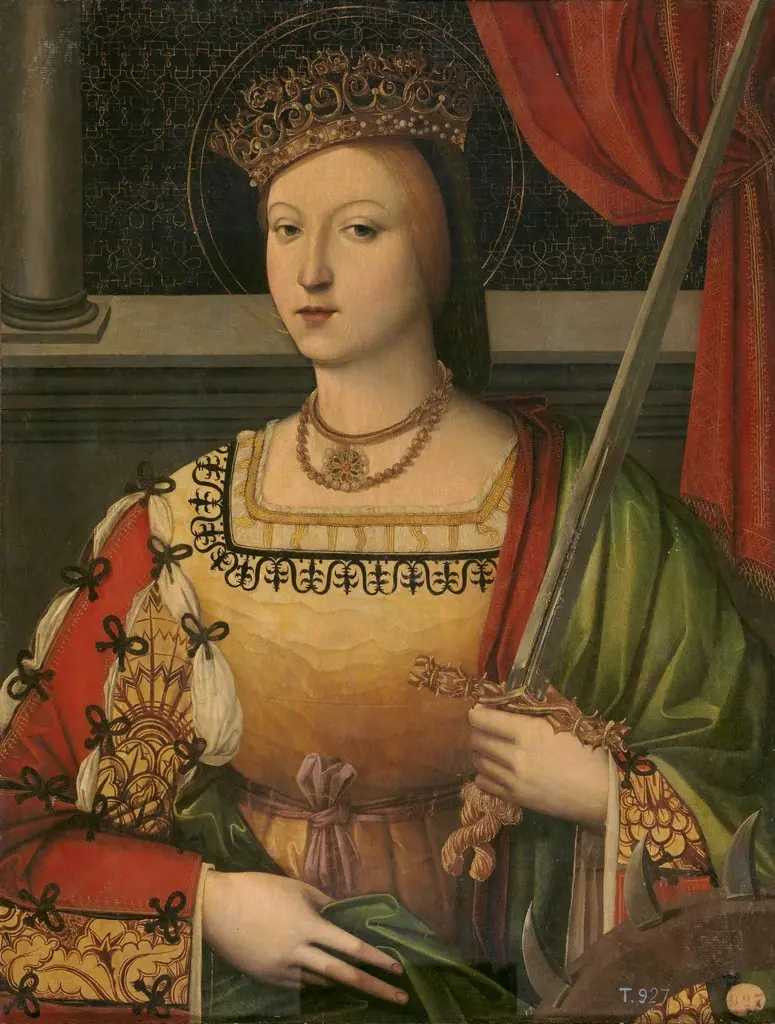 Catalina de Austria reina de Portugal como Santa Catalina
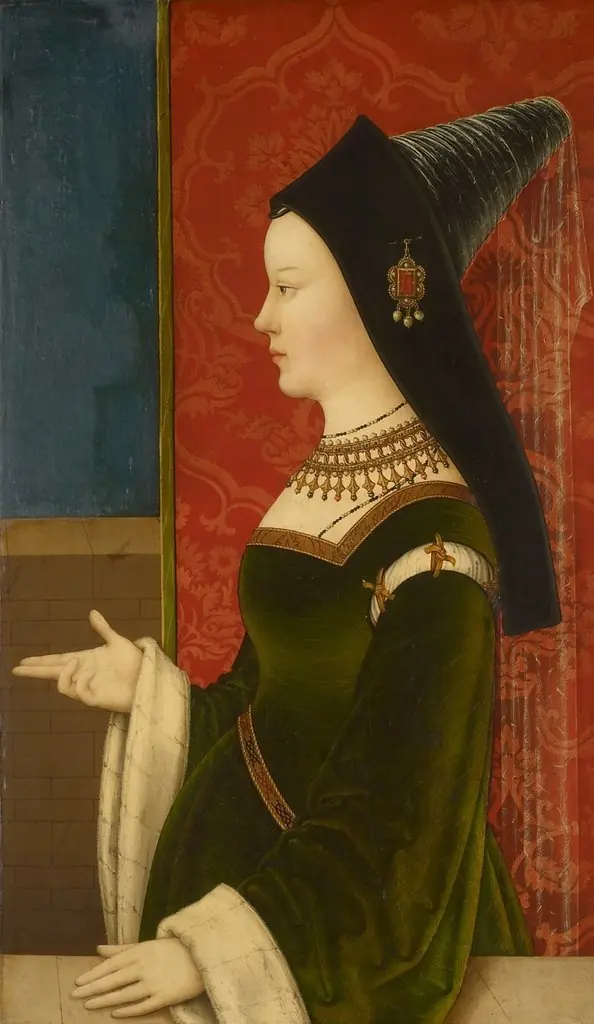 Mary Duchess of Burgundy
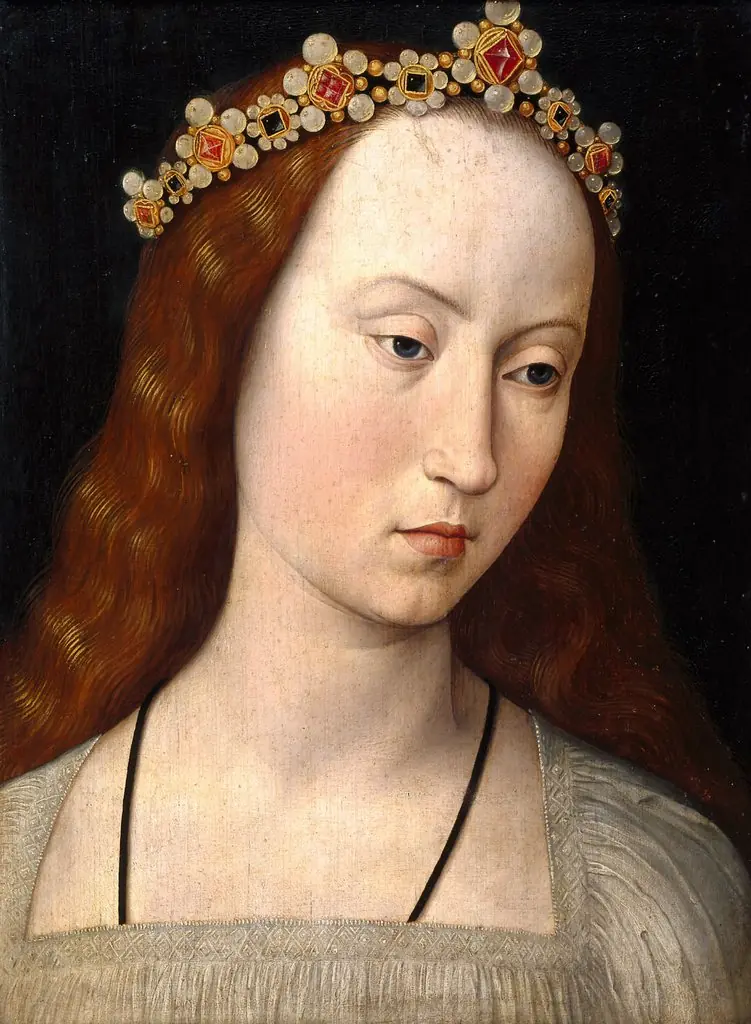 Mädchenkopf
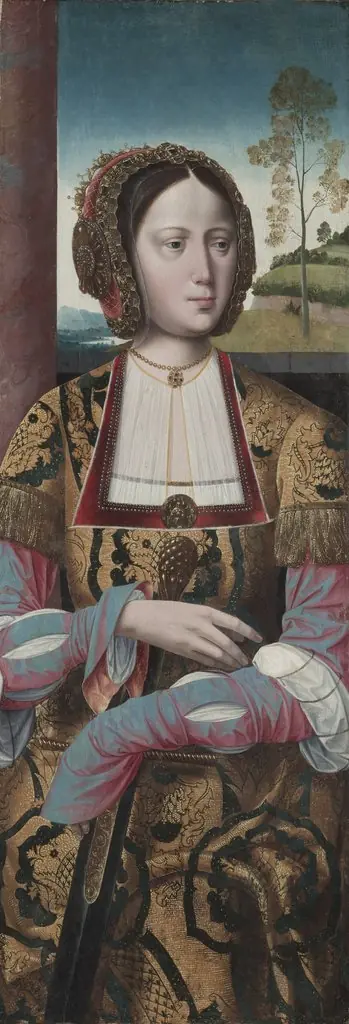 Saint Catherine
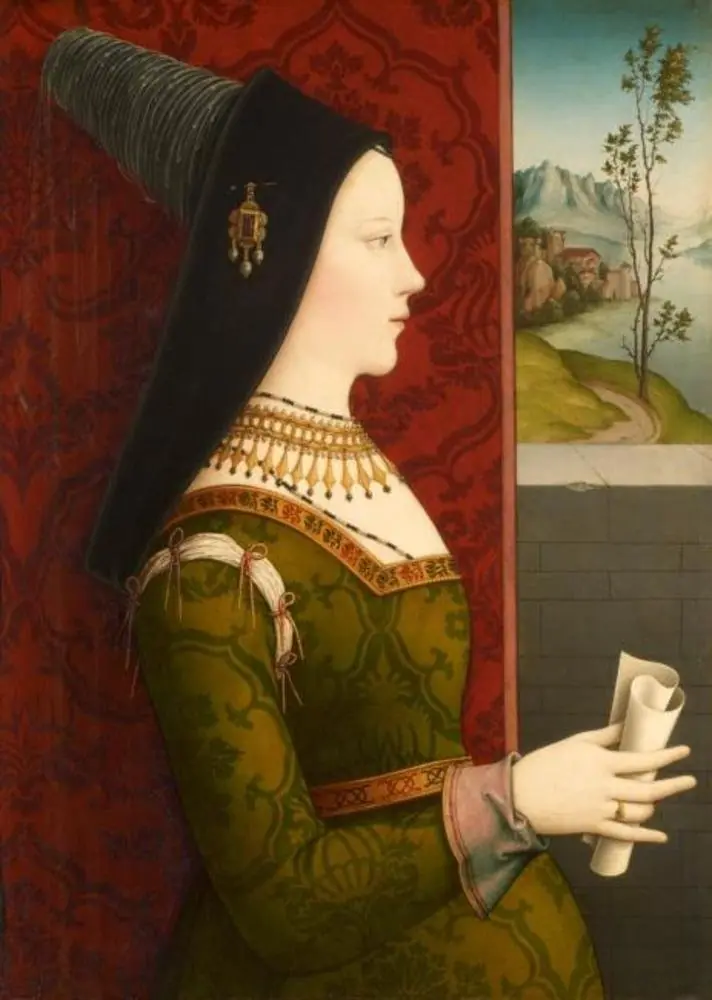 Portrait of Mary of Burgundy
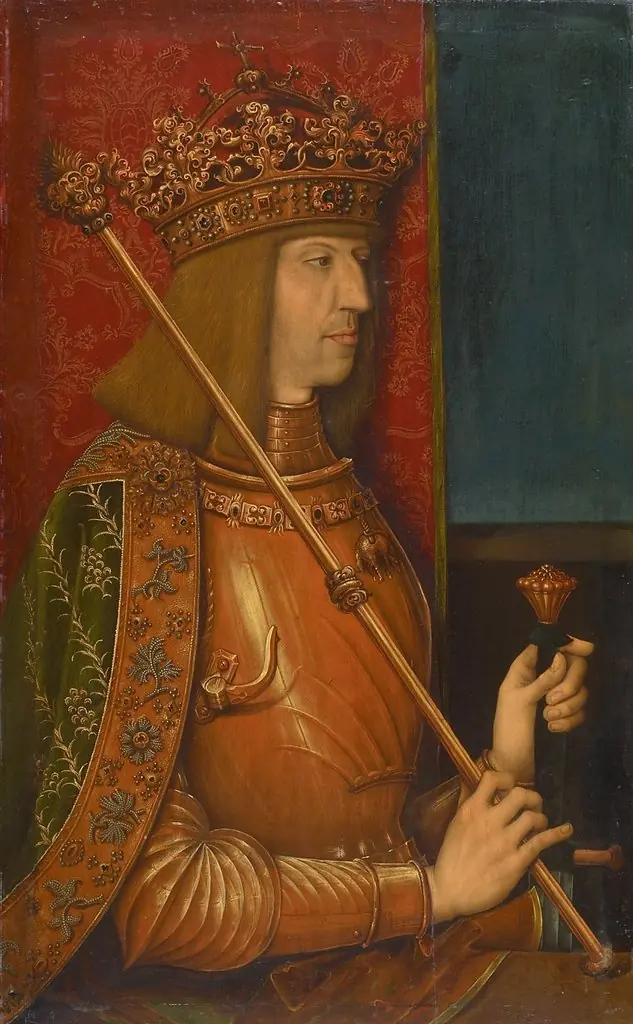 Portrait of Maximilian I, Holy Roman Emperor
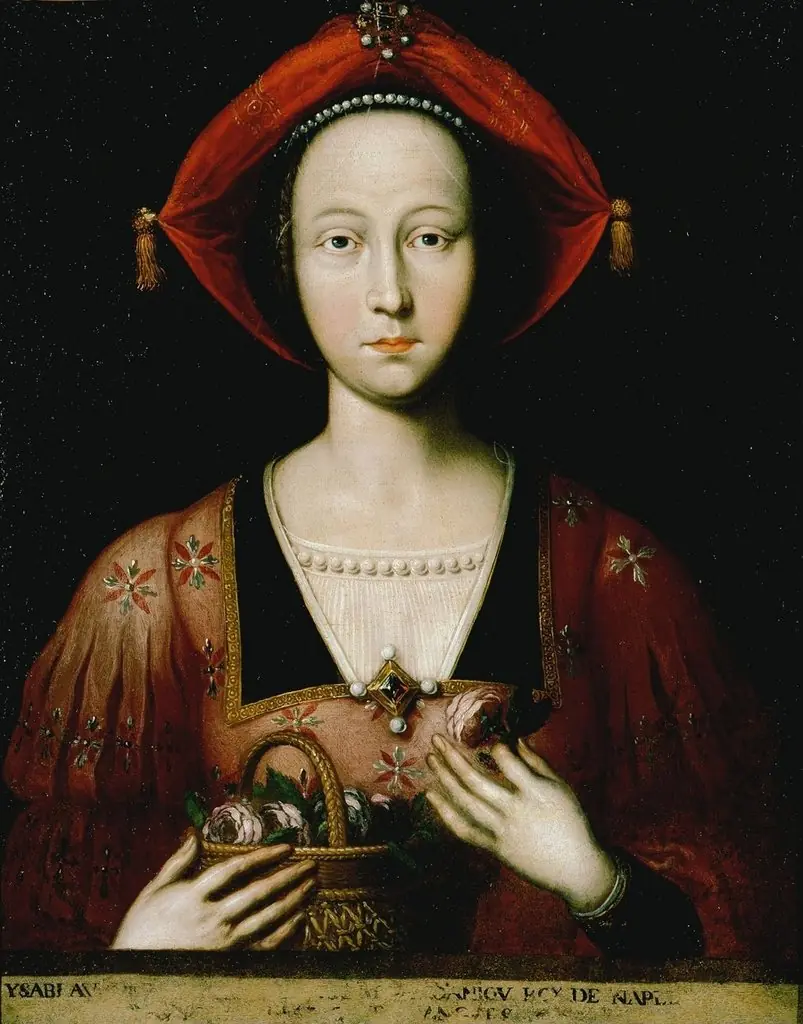 Ritratto di Isabella di Lorena
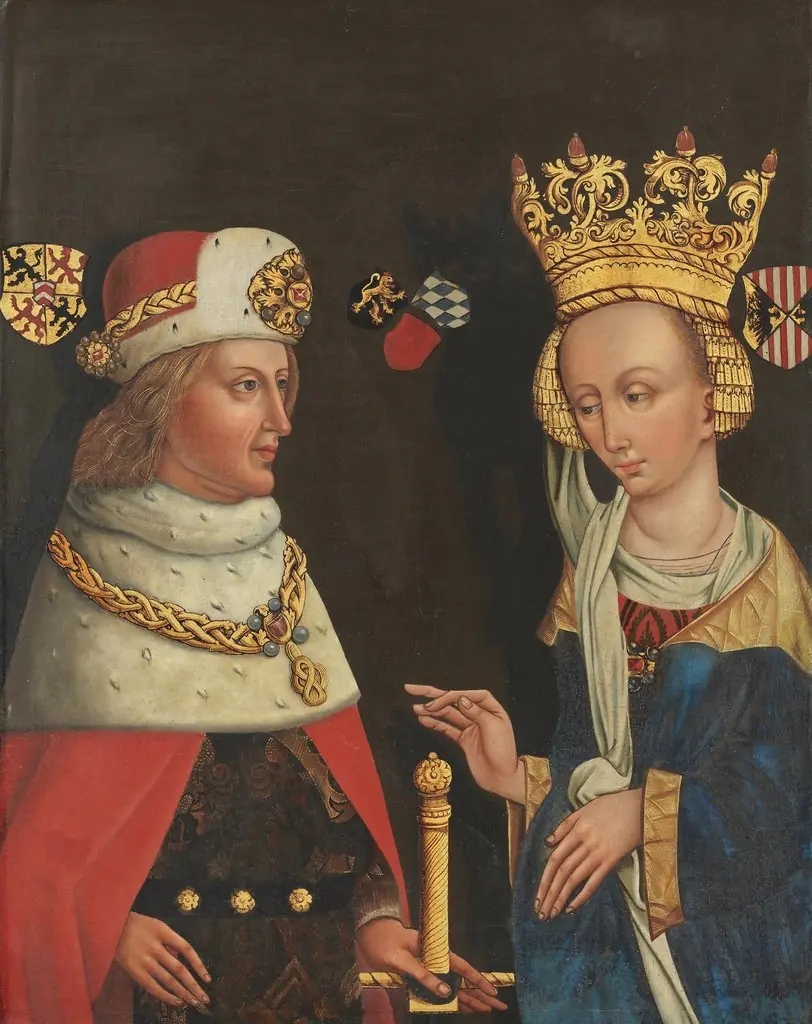 Bildnis des Kurfürsten Rupprecht II. von der Pfalz mit Gemahlin Beatrix