Artwork
The Holy Family
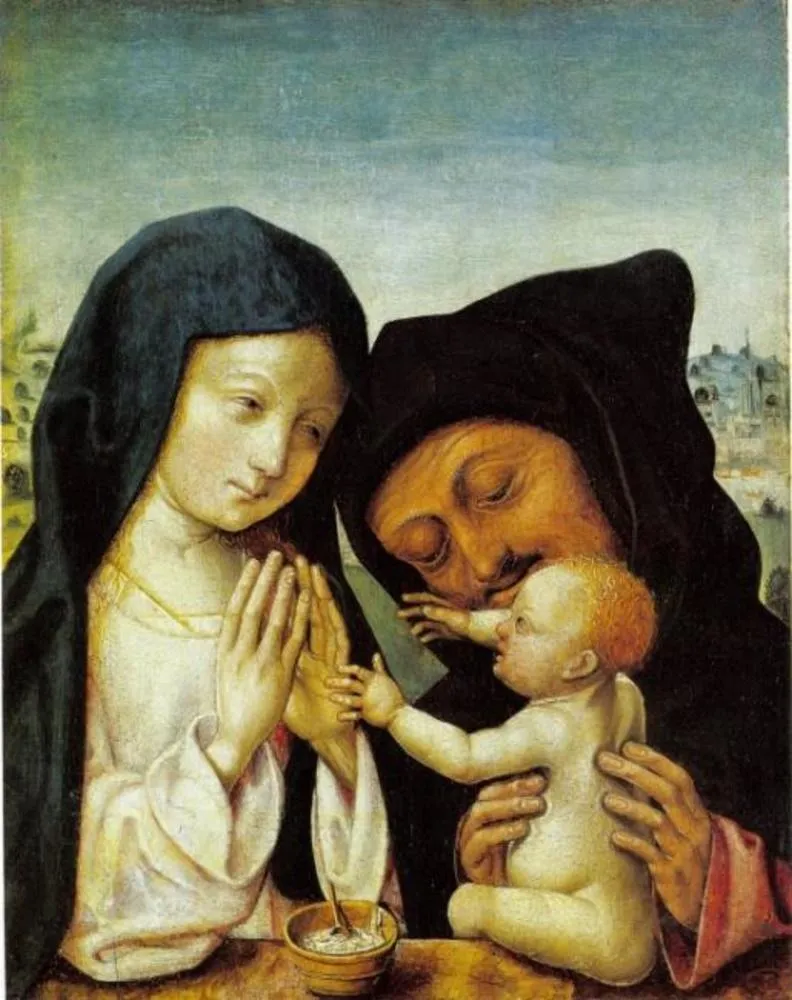
The Holy Family is an unspecified painting by the Northern Renaissance artist Master of the Saint Bartholomew Altarpiece. It dates from 1499 and is held in the collection of the Städel Museum.
About this work
Overview
Executed in the Northern Renaissance tradition, it reflects the artist’s distinctive style, marked by subtle emotional nuance and careful attention to texture.
Painted around 1499, this work by the Master of the Saint Bartholomew Altarpiece presents a quiet domestic scene of the Holy Family. Executed in the Northern Renaissance tradition, it reflects the artist’s distinctive style, marked by subtle emotional nuance and careful attention to texture. The painting is part of the Städel Museum’s collection and represents a key example of early German panel painting from the late 15th century.
Subject & Meaning
The composition centers on a tender, unguarded moment: Mary, in a white robe and dark blue veil, lightly touches the hands of the Christ Child, while Joseph cradles the infant close to his chest. Rather than emphasizing divine grandeur, the scene conveys familial warmth and quiet devotion. This intimate portrayal aligns with devotional practices of the time, encouraging personal contemplation over public spectacle.
Technique & Style
The artist employed fine brushwork to render fabric, skin, and landscape with delicate precision. Soft, muted tones dominate the background, enhancing the focus on the figures. The use of oil paint allowed for layered glazes that create depth and luminosity, particularly in the folds of Mary’s veil and the texture of Joseph’s garment. The composition is tightly framed, drawing the viewer into the private space of the family.
History & Provenance
The painting has been held by the Städel Museum since at least the 19th century, though its earlier ownership remains undocumented. It is attributed to the Master of the Saint Bartholomew Altarpiece, an anonymous artist active in Cologne between 1475 and 1510. His body of work, though limited, is recognized for its consistent stylistic traits, allowing scholars to identify his hand across multiple altarpiece panels.
Context
This painting emerged during a period when devotional imagery in the Rhineland increasingly favored intimate, humanized portrayals of sacred figures. Artists like the Master of the Saint Bartholomew Altarpiece responded to growing lay piety by depicting biblical subjects in domestic settings. Such works were likely used in private prayer, reflecting a broader shift toward personal spirituality in late medieval Germany.
Legacy
Though the artist’s identity remains unknown, his distinctive approach influenced regional painting traditions in Cologne and beyond. His ability to convey emotional depth through restrained composition and refined detail set a precedent for later Northern Renaissance artists. The Holy Family remains a representative example of how religious themes were rendered with quiet humanity during the transition from medieval to early modern art.
Artist & collection
Artist
Master of the Saint Bartholomew Altarpiece
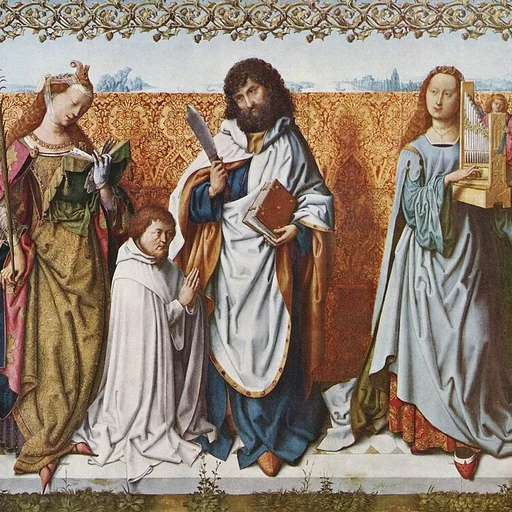
The Master of the Saint Bartholomew Altarpiece (sometimes called the Master of the Saint Bartholomew Altar) was an Early Netherlandish painter active in Germany, mostly Cologne, between 1475/1480 and 1510.

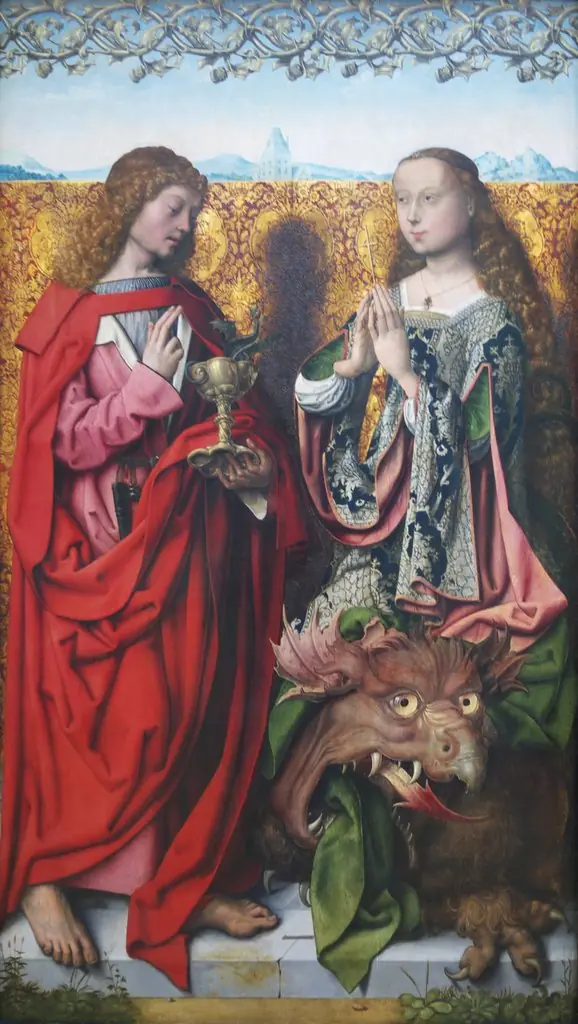 Saint Bartholomew Altarpiece: Saint John the Evangelist and Margaret
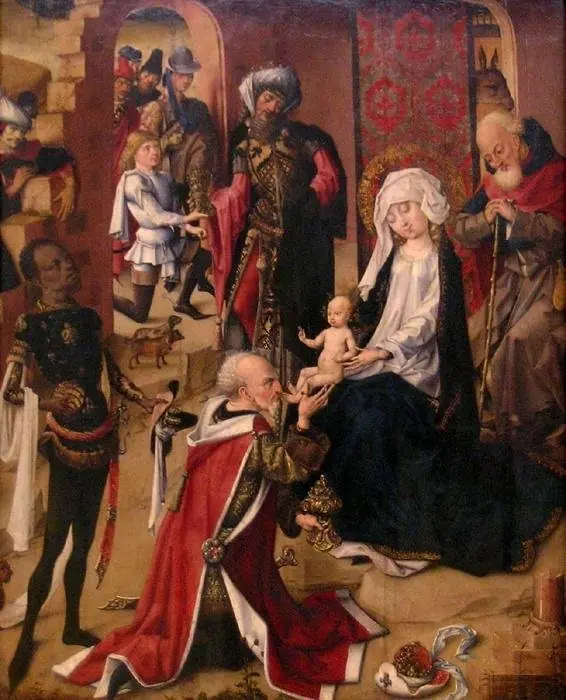 The Adoration of the Magi
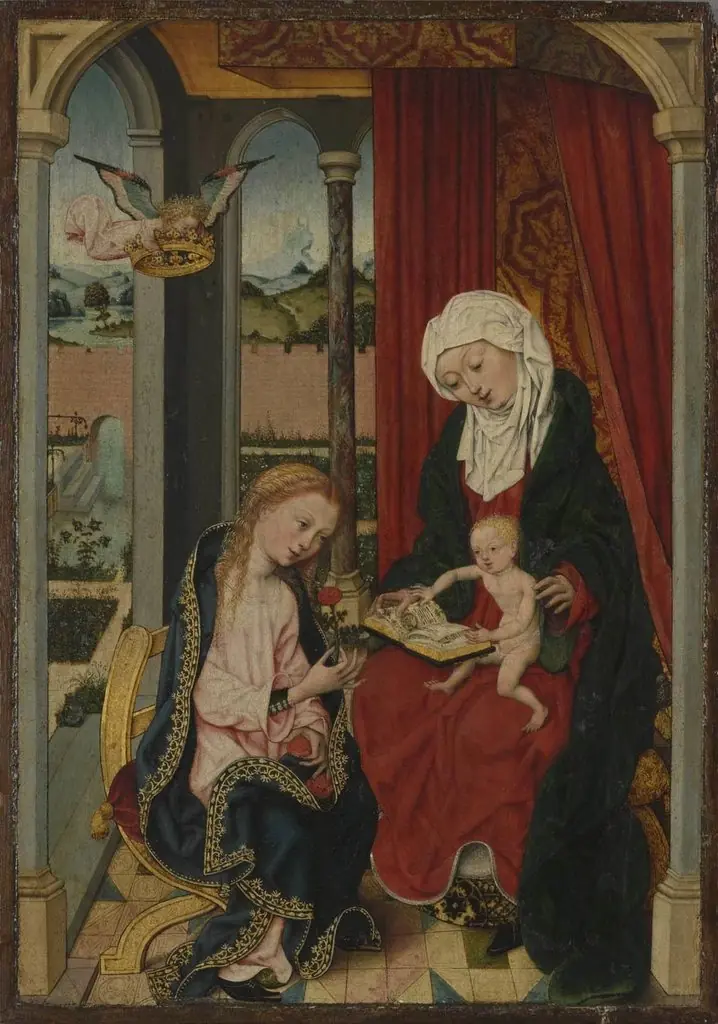 Virgin and Child with Saint Anne
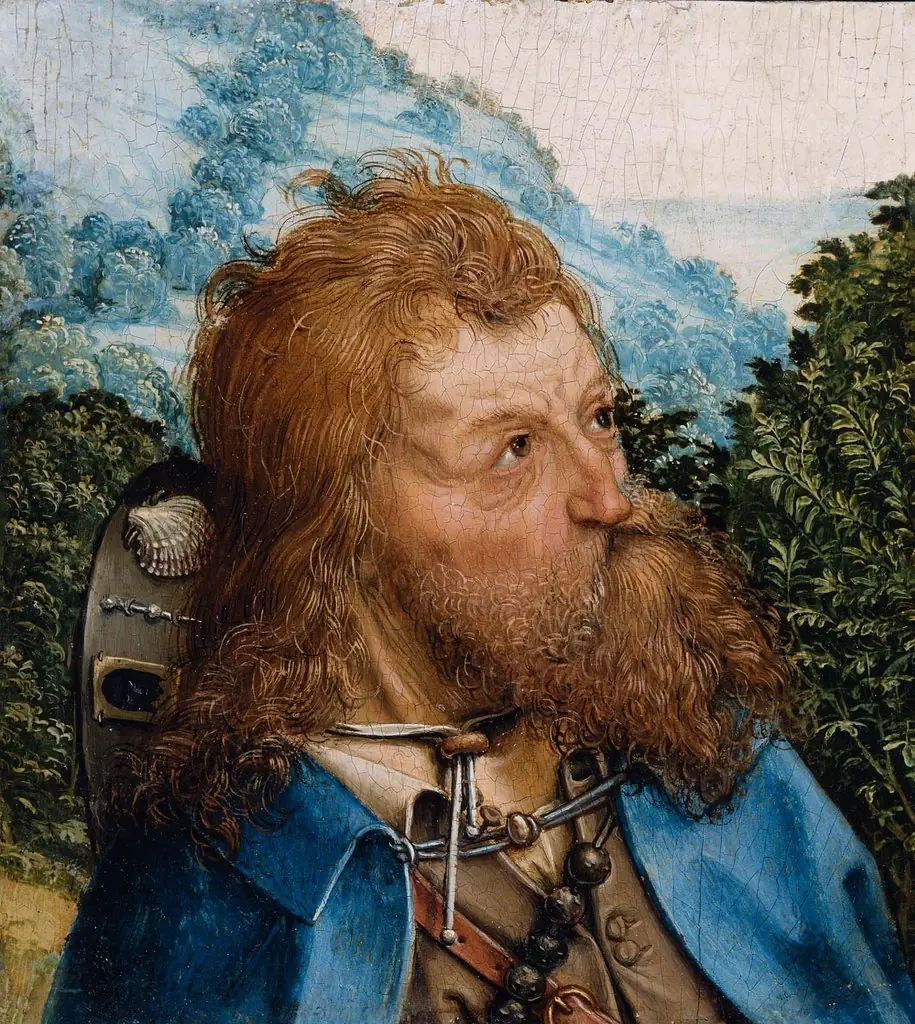 Saint James the Great of Compostella
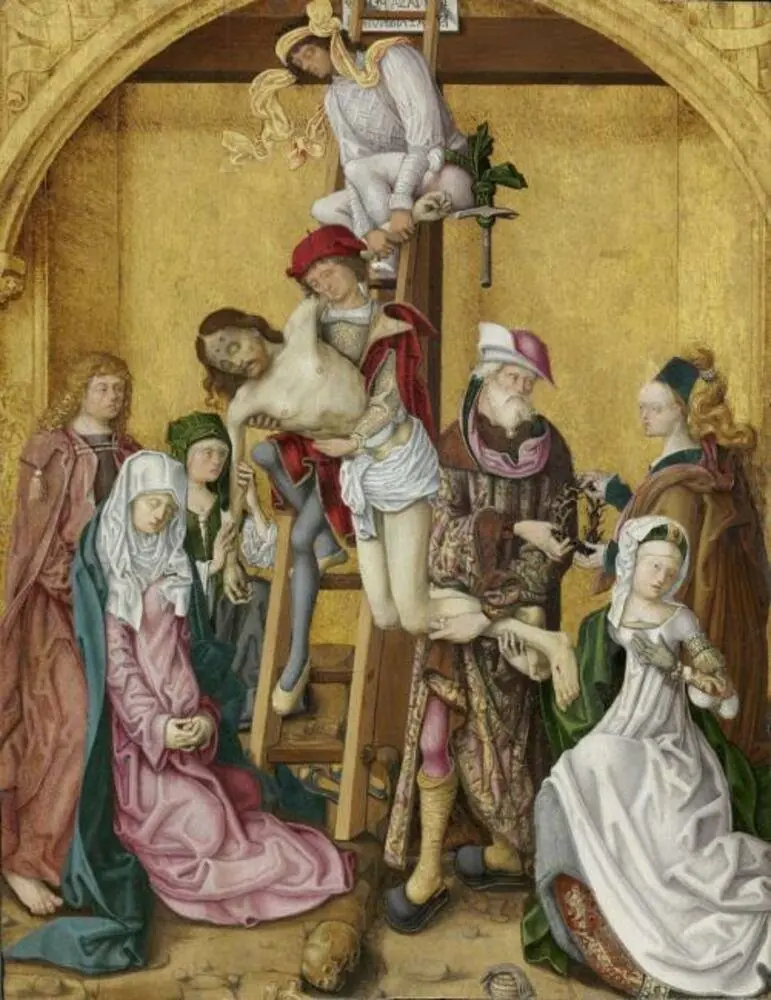 The Descent from the Cross
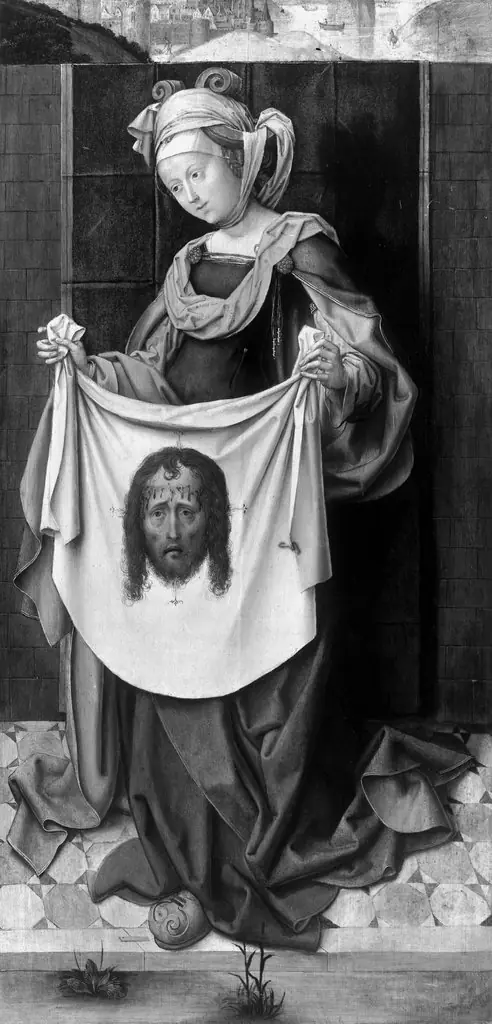 Saint Veronica
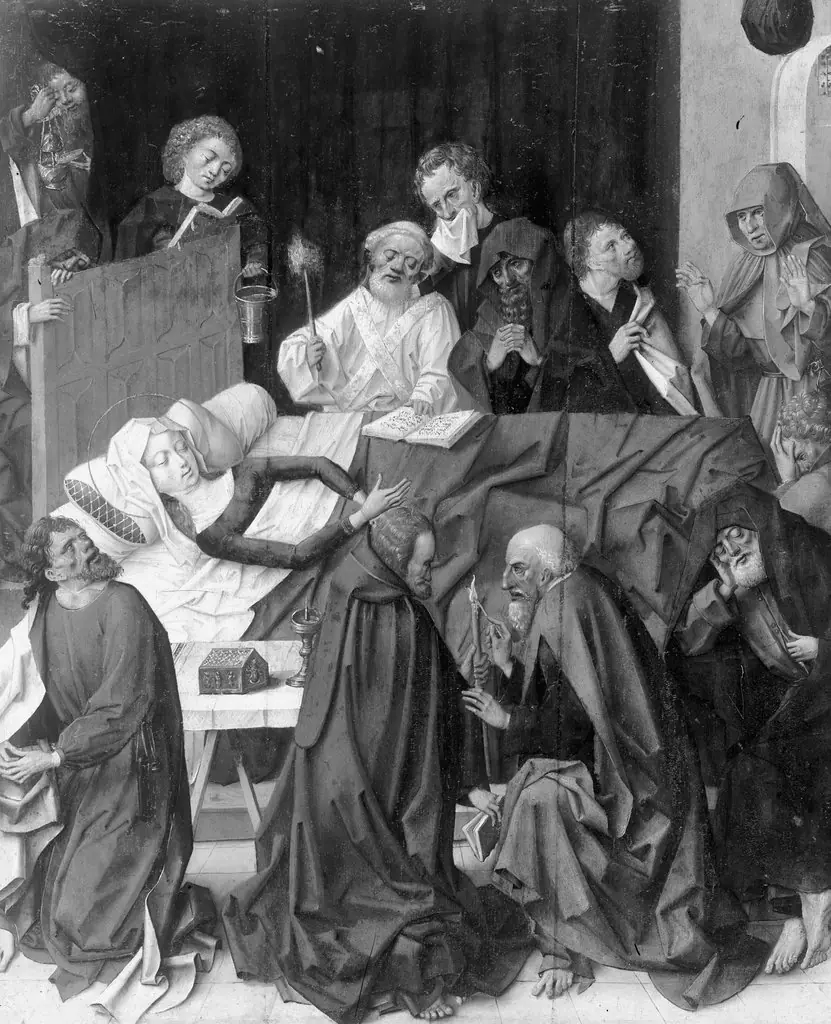 Death of Mary
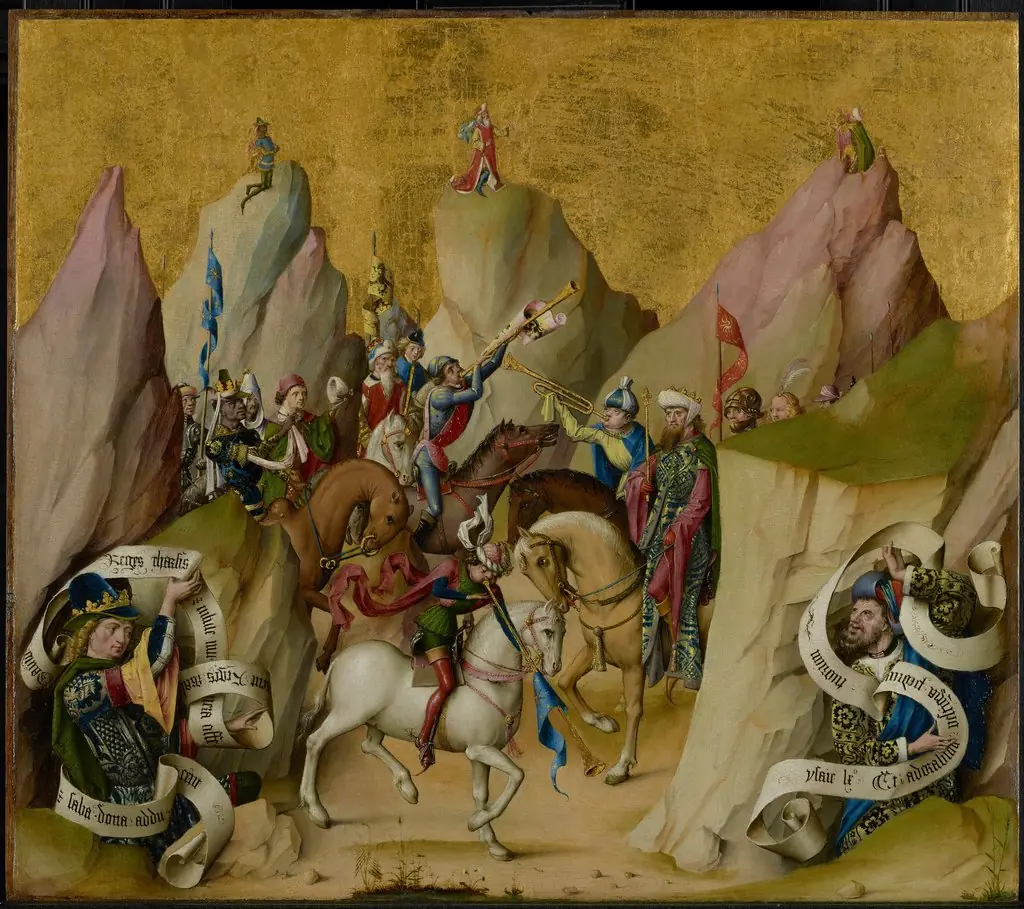 The Meeting of the Three Kings, with David and Isaiah (recto); The Assumption of the Virgin (verso)
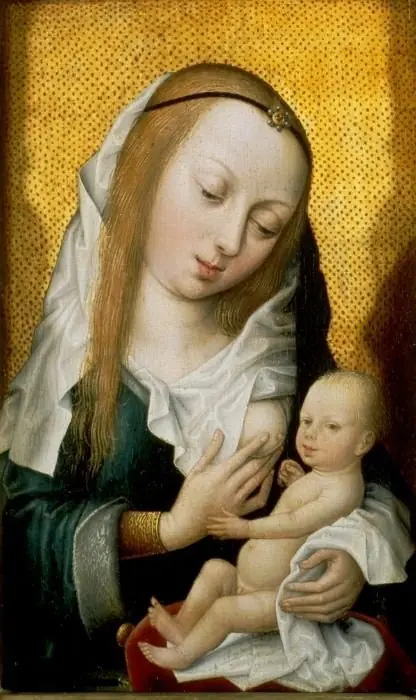 Maria mit dem Kind
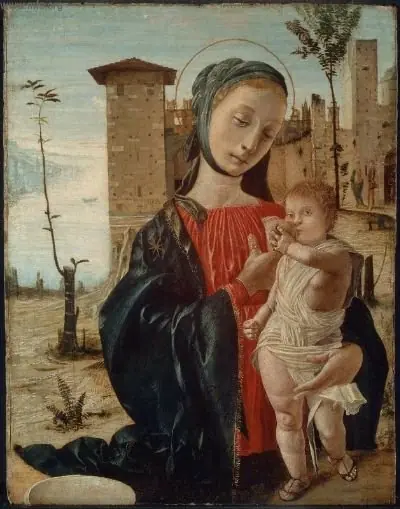 Madonna lactans
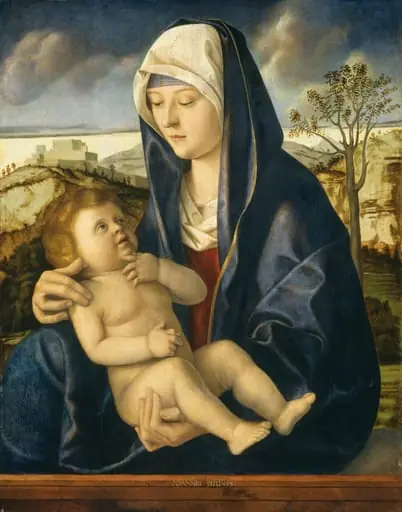 Madonna and Child in a Landscape
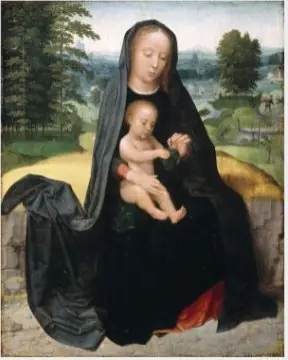 The Rest on the Flight into Egypt
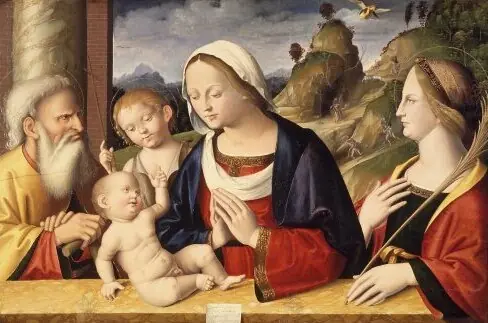 Holy Family with Saints John the Baptist and Catherine of Alexandria
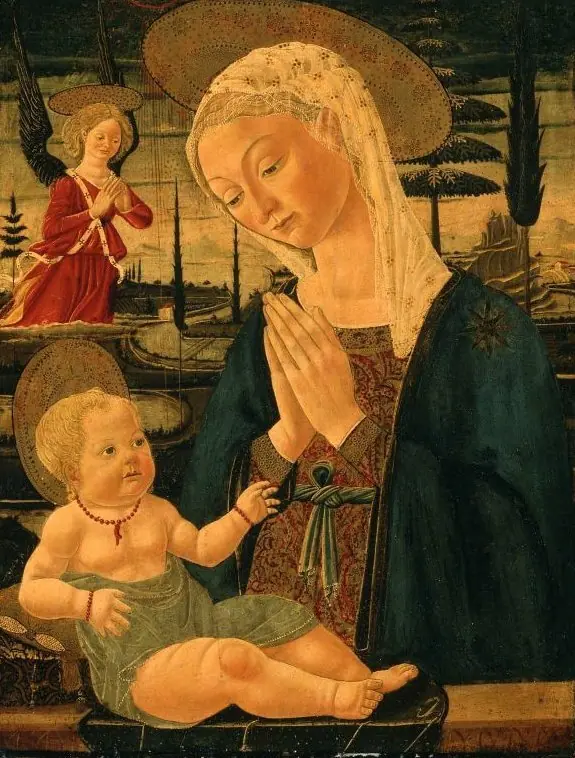 Virgin and Child with an Angel
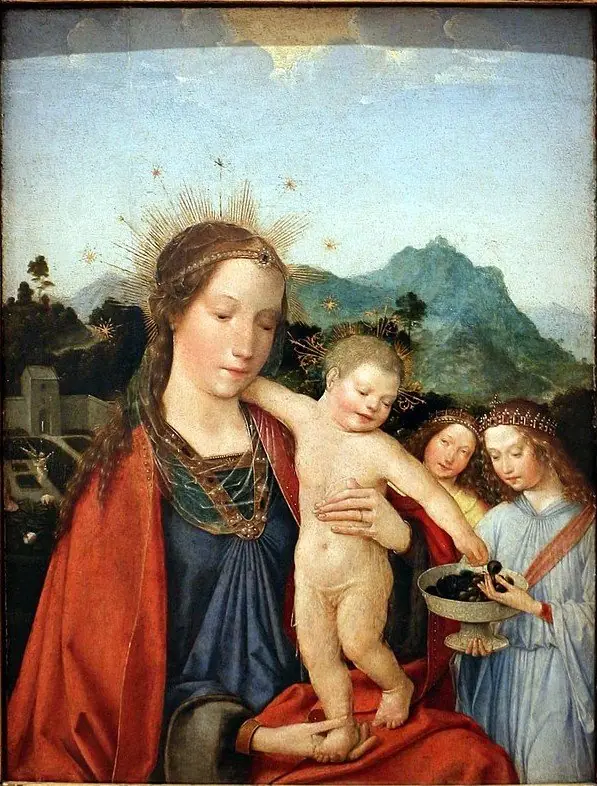 Madonna and child and angel
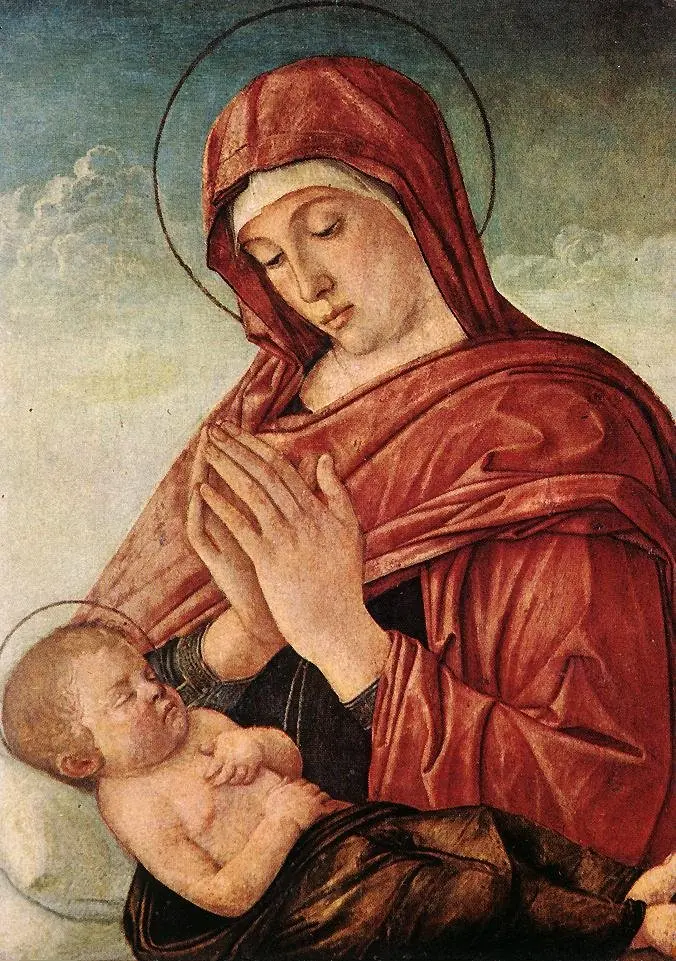 Madonna Adoring the Sleeping Christ Child
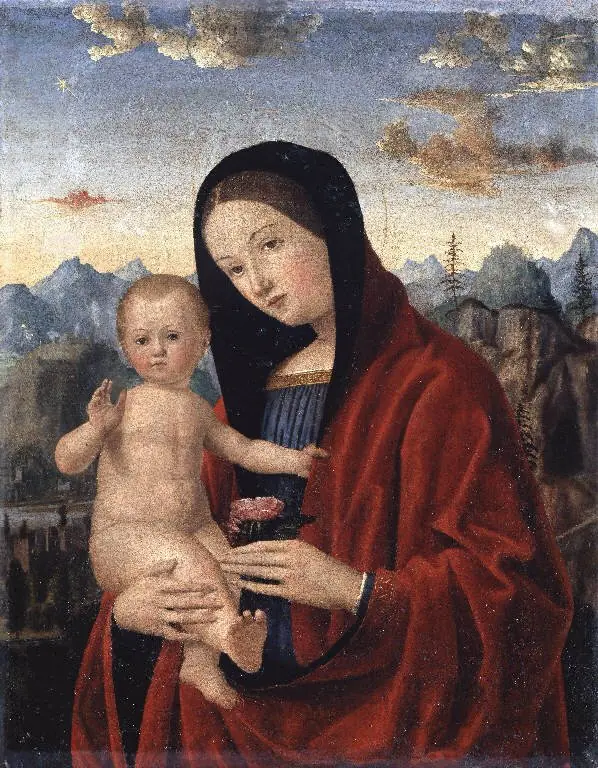 Madonna con Bambino
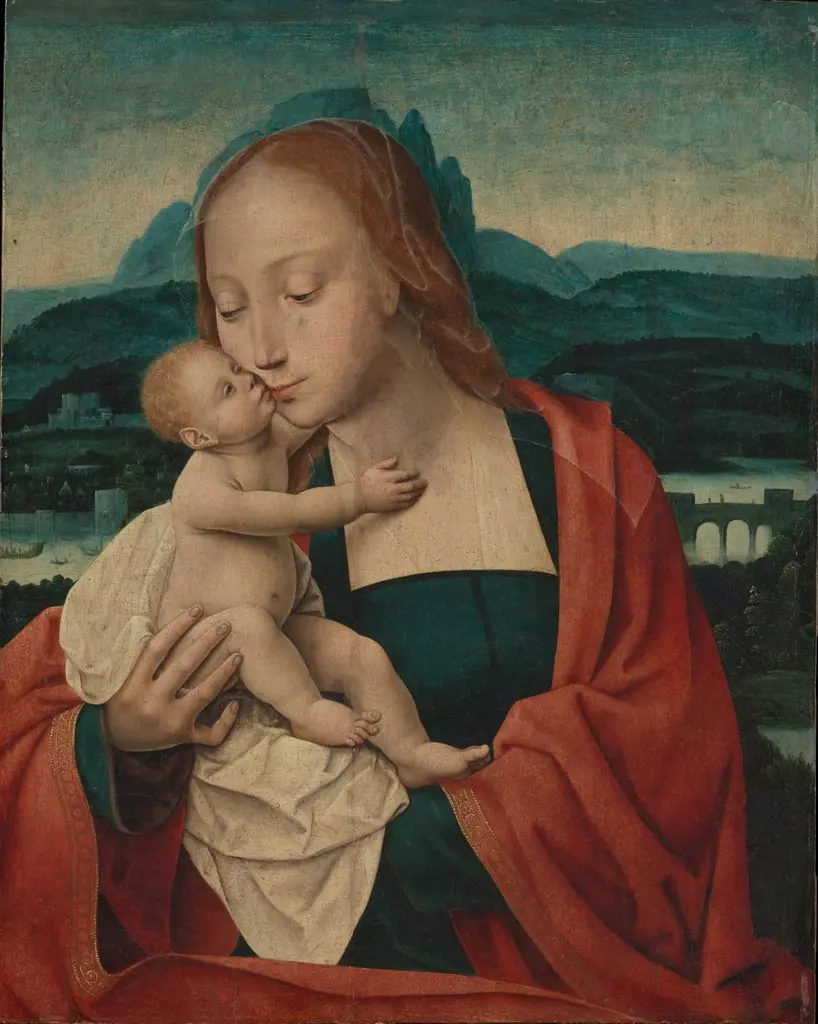 Virgin and Child
 Virgin and Child
 Madonna