Artwork
The Embarkation of Helen for Cythera
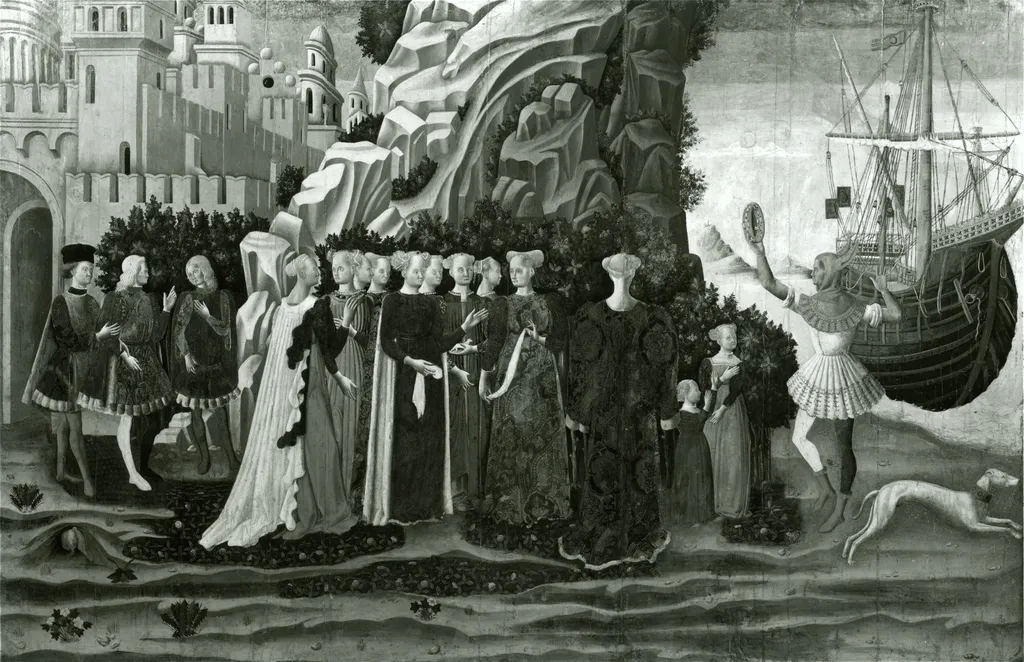
The Embarkation of Helen for Cythera is an oil painting by the Northern Renaissance artist Master of the Stories of Helen. It dates from 1450 and is held in the collection of the Walters Art Museum.
About this work
Overview
The Embarkation of Helen for Cythera, an oil painting dating to circa 1450, is attributed to the Master of the Stories of Helen. It is part of the collection at the Walters Art Museum.
Subject & Meaning
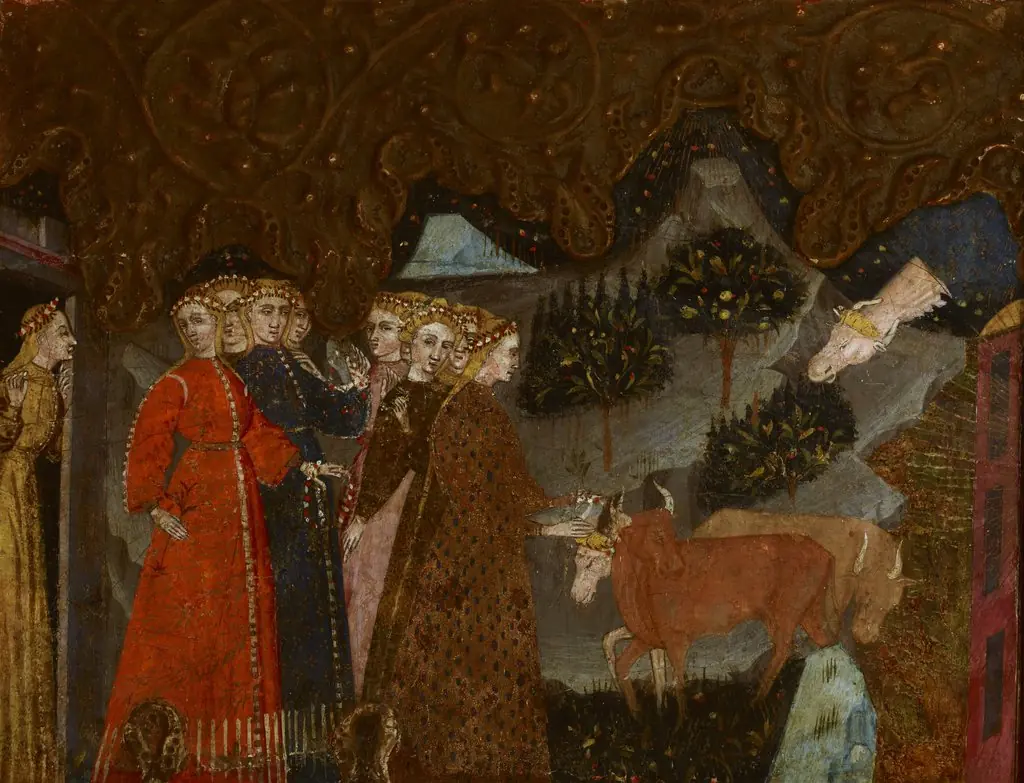
Figures on the shore, dressed in antiquated attire, gaze towards a ship in the background, suggesting a moment of farewell or anticipation.
The painting depicts a scene of departure, likely referencing the mythological figure Helen's journey to Cythera. Figures on the shore, dressed in antiquated attire, gaze towards a ship in the background, suggesting a moment of farewell or anticipation. The inclusion of a man with a mirror and a resting dog in the foreground may allude to themes of reflection or everyday life juxtaposed with mythological narrative.
Technique & Style
Executed in oil paint, the work features a predominantly dark color palette, with lighter tones accentuating the figures' clothing. The composition contrasts a detailed, populated foreground with a more subdued, rocky cliff background, complete with trees and buildings.
History & Provenance
Created around 1450, the painting's provenance prior to its acquisition by the Walters Art Museum is not detailed here. It is currently housed at the museum, accessible for public viewing.
Context
This painting reflects the Renaissance interest in classical mythology, as evidenced by its subject matter. The artist's use of oil paints and detailed composition aligns with the emerging techniques of the time.
Legacy
As an attributed work of the Master of the Stories of Helen, it contributes to the understanding of this artist's oeuvre and the broader artistic trends of the 15th century, particularly in the depiction of mythological themes.
Artist & collection
Artist
Master of the Stories of Helen
Fifteen years in the mid-1400s, an Italian painter—we still call him the Master of the Stories of Helen—specialized in three scenes of Troy’s fabled queen.

 David and Bathsheba
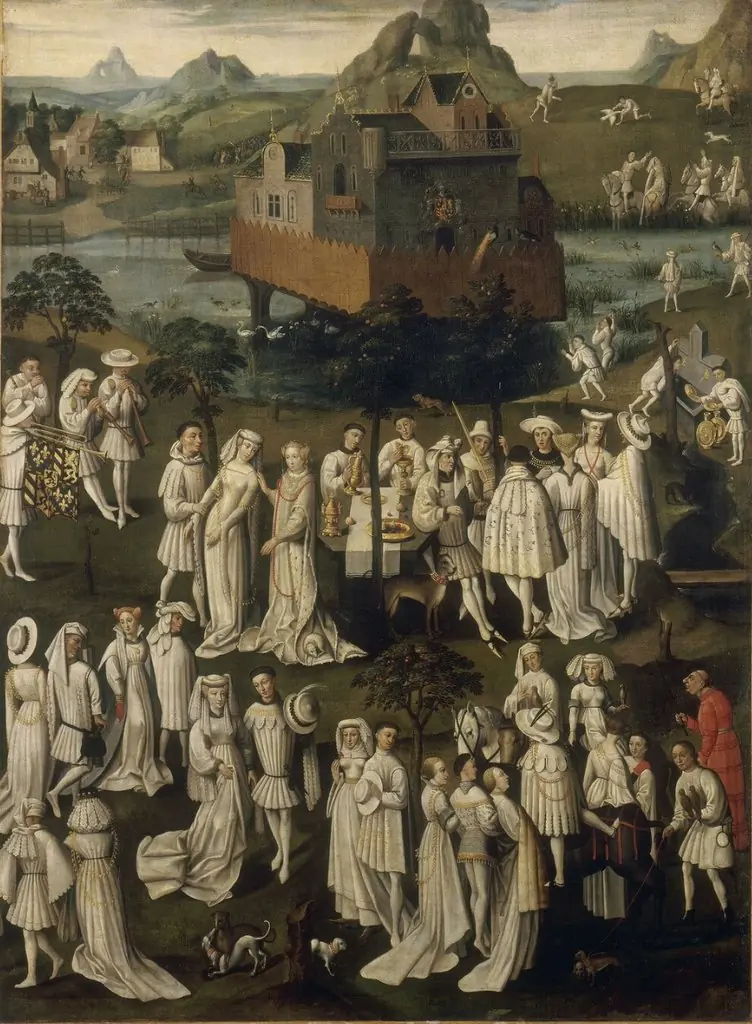 Garden of love at the court of Philippe the Good, Duke of Burgundy
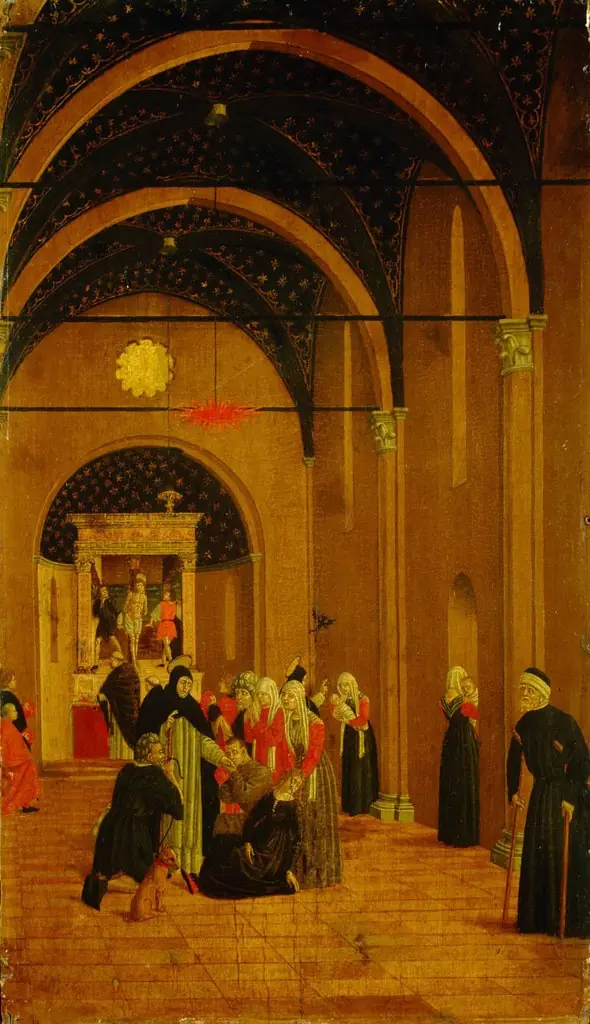 Szene aus dem Leben des Hl. Vinzenz Ferrer: Kranke werden durch den Segen des Heiligen geheilt
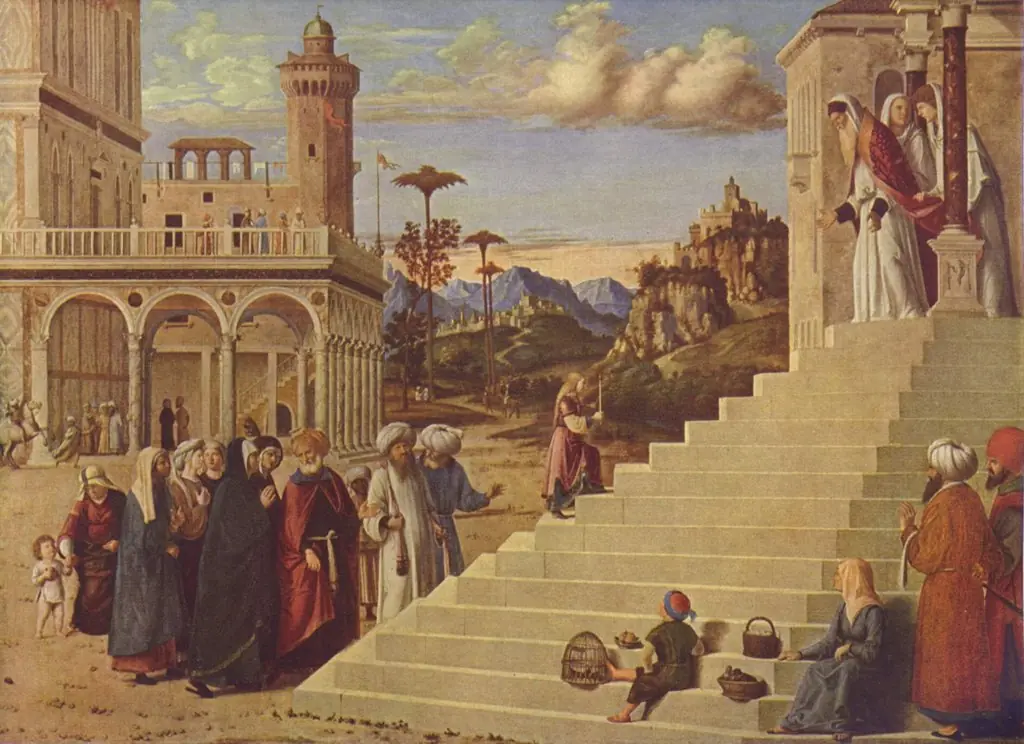 Presentation of the Virgin Mary at the Temple
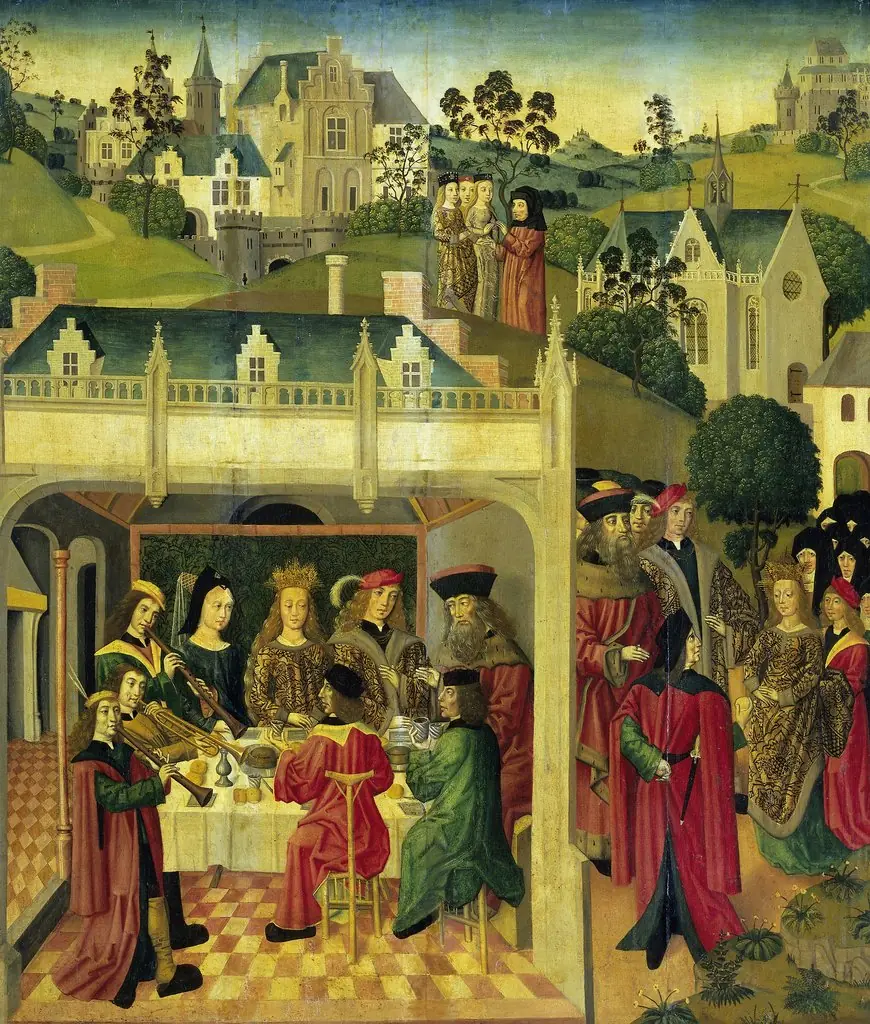 Inner left wing of an altarpiece with the wedding feast of St Elizabeth and Louis of Thuringia in the Wartburg
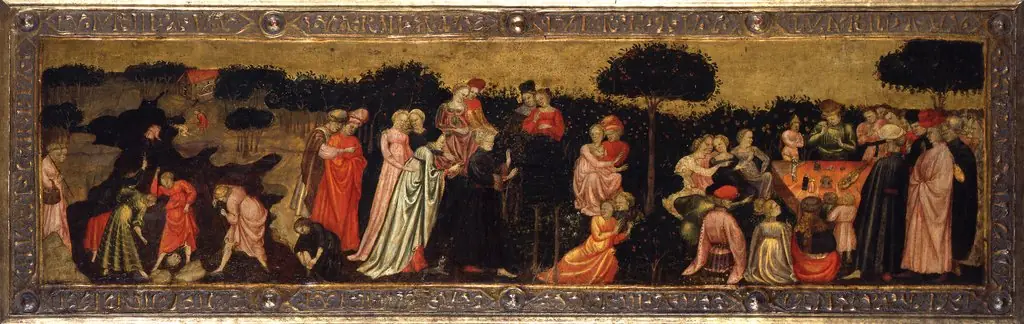 Garden of Love
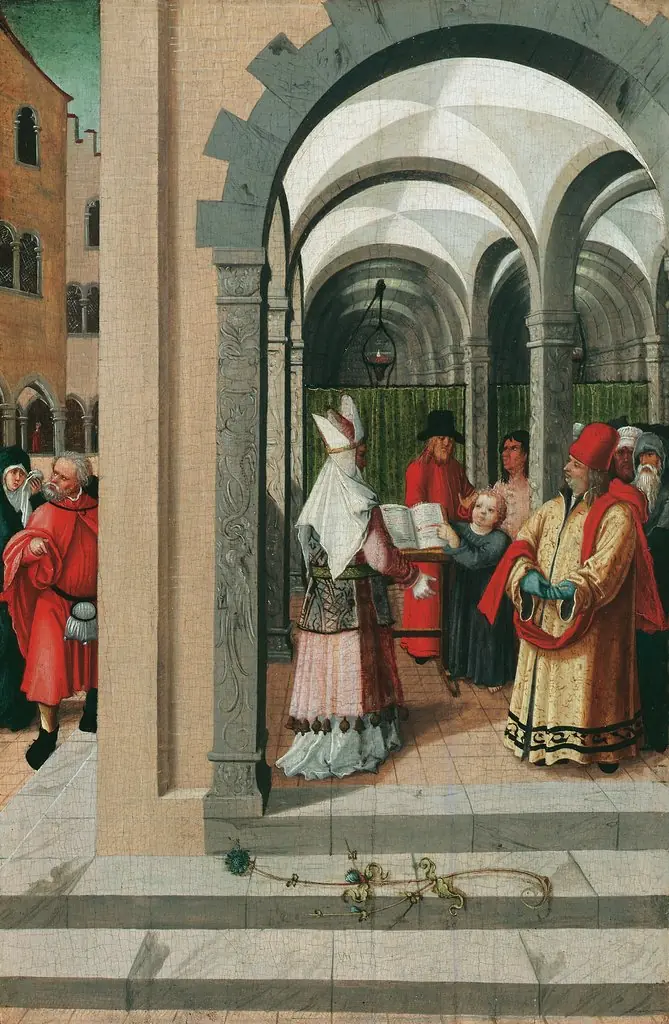 Der zwölfjährige Jesus im Tempel
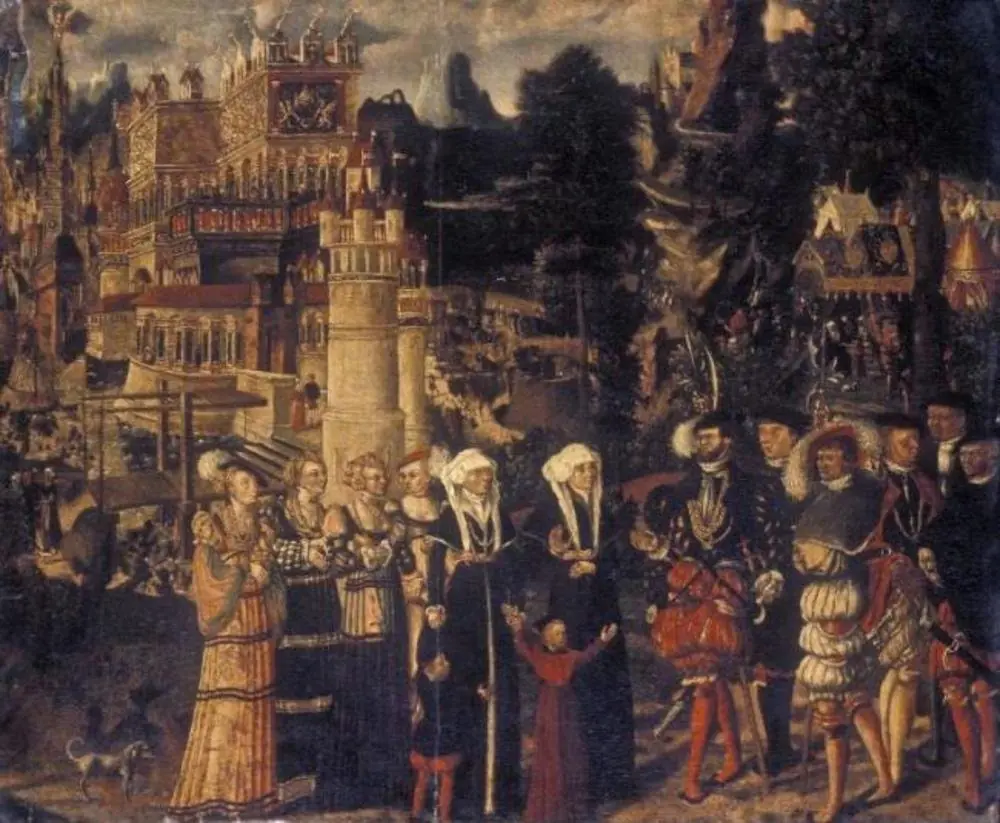 An historical scene
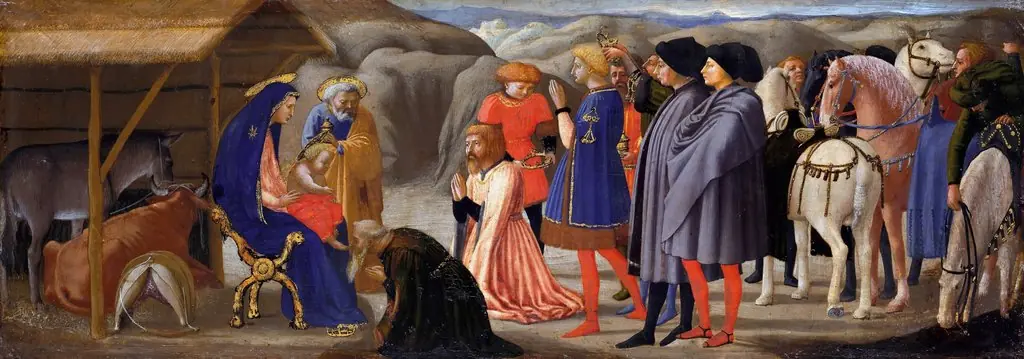 The Adoration of the Magi
 Mythological Scene (Abduction of Europe?) – Fragment of a Cassone