Artwork
Priest Jacques-Matthieu De Moor
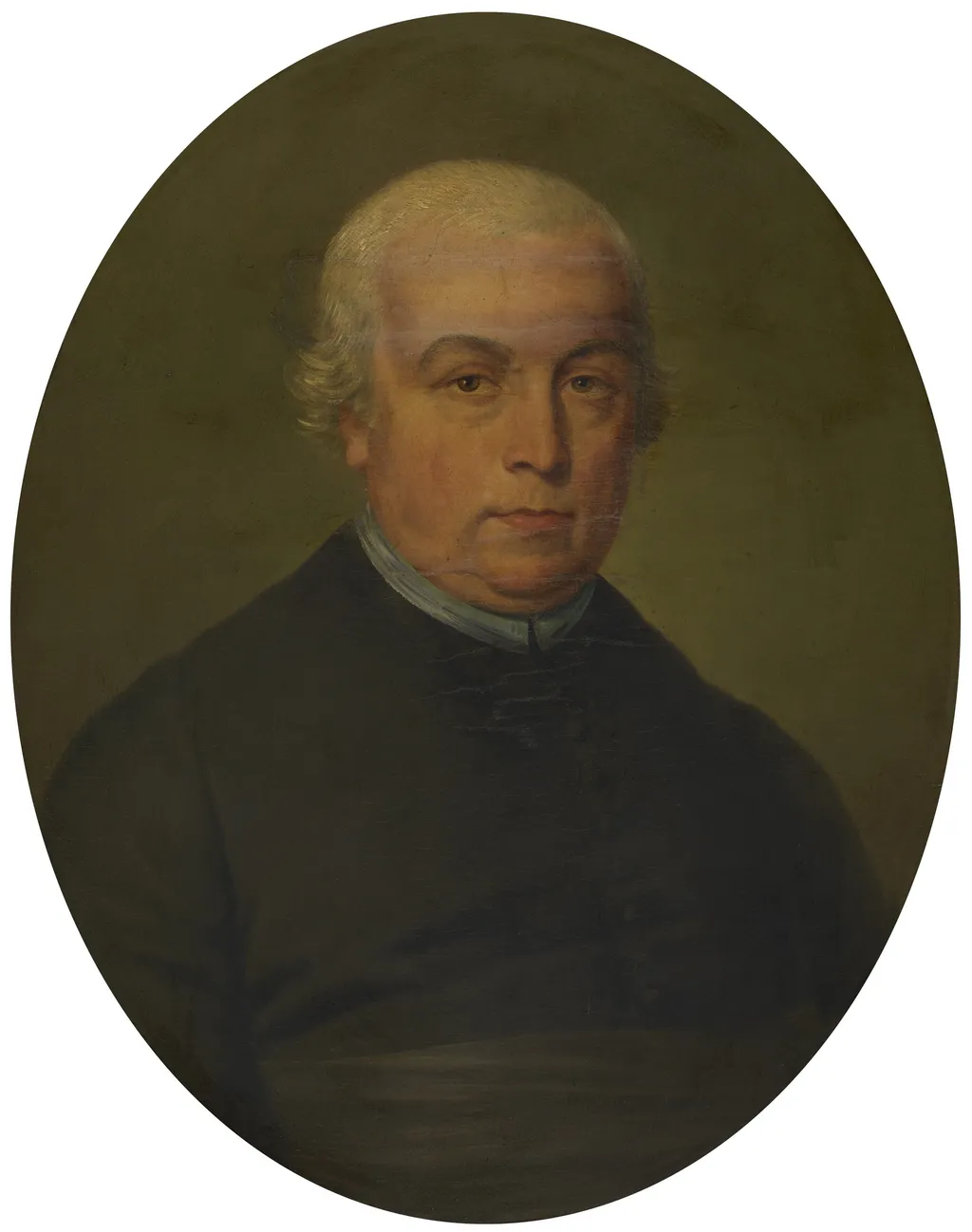
Priest Jacques-Matthieu De Moor is an oil painting by the Biedermeier artist Mattheus Ignatius van Bree. It dates from 1816 and is held in the collection of the Royal Museum of Fine Arts Antwerp.
About this work
Overview
Priest Jacques-Matthieu De Moor is an oil painting from around 1816, created by Mattheus Ignatius van Bree, a key figure in 19th-century Belgian art. The work is a portrait of a clergyman, characterized by its somber and contemplative atmosphere.
Subject & Meaning
The painting focuses on the introspective figure of Priest Jacques-Matthieu De Moor, whose downward gaze and solemn expression convey a sense of quiet reflection. His traditional, dark attire and the muted background further emphasize his contemplative state.
Technique & Style
Van Bree employed a subdued color palette with a muted, earthy-toned background to draw attention to the priest's face. The use of chiaroscuro, though not extensively detailed here, typically involves strong contrasts between light and dark to create depth and emphasize the subject's emotional state.
History & Provenance
Created during the Biedermeier period, the painting reflects van Bree's contribution to the historical school of Belgian painting. It is part of the collection at the Royal Museum of Fine Arts Antwerp.
Context
Painted in the early 19th century, the work situates itself within the Biedermeier period's emphasis on simplicity and introspection, aligning with the era's cultural values.
Artist & collection
Artist
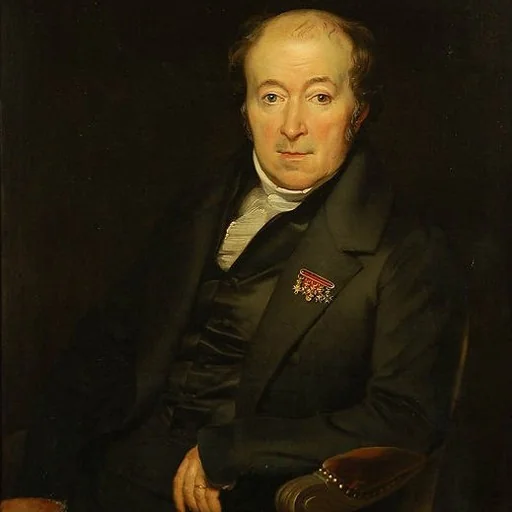
Mattheus Ignatius van Bree (Antwerp, 1773 – Antwerp, 1839) was a Belgian painter.

 Self-Portrait
 Portrait of Isaac Jan Alexander Gogel
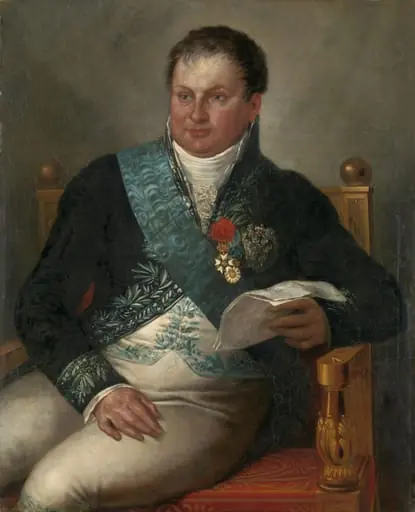 Portrait of Isaac Jan Alexander Gogel
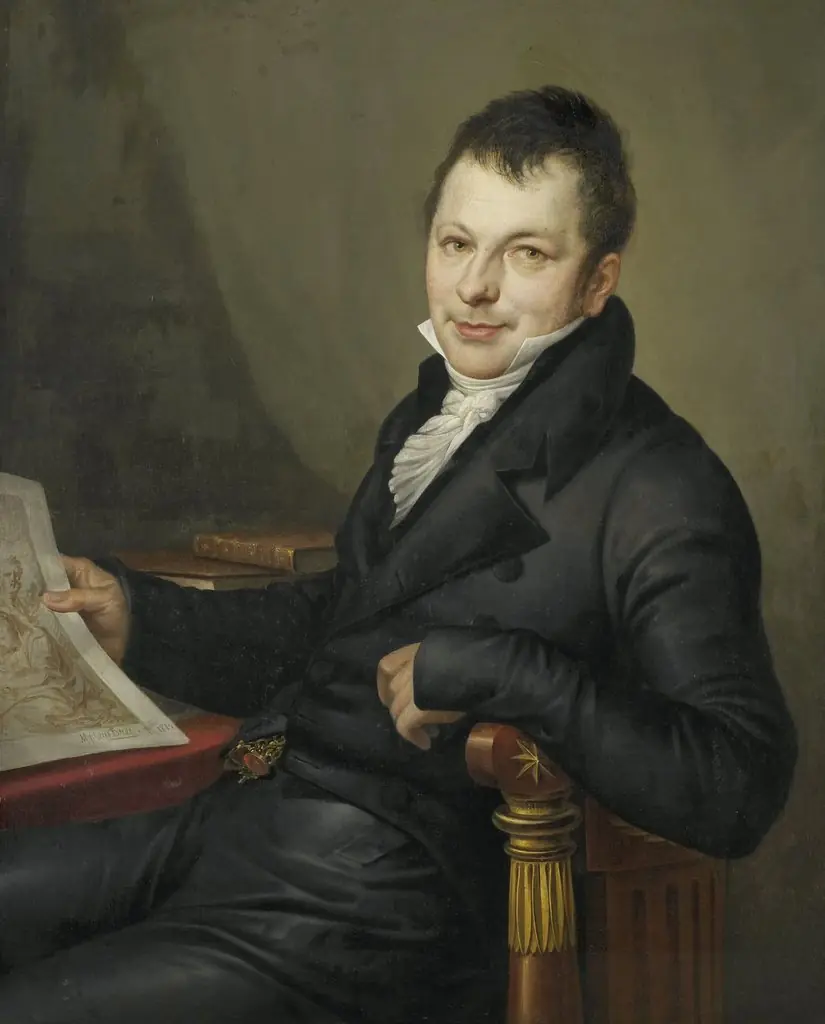 Johannes Hermanus Molkenboer(1773-1834). Art Collector
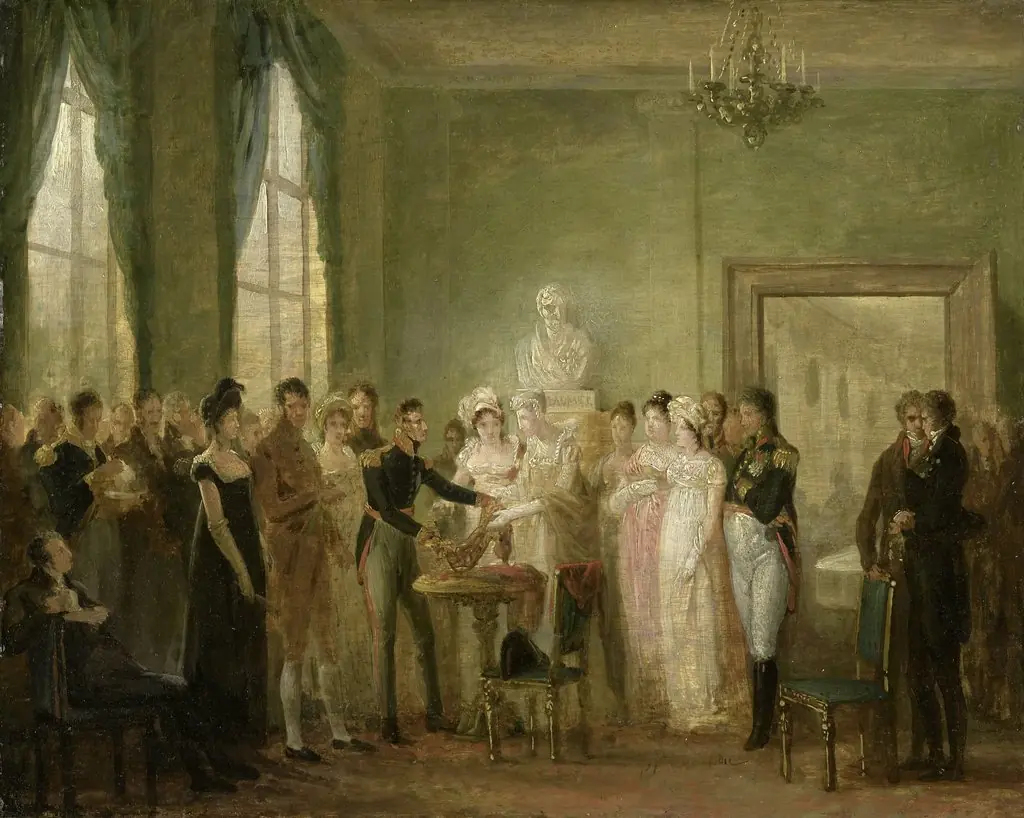 An Unidentified Historical Subject
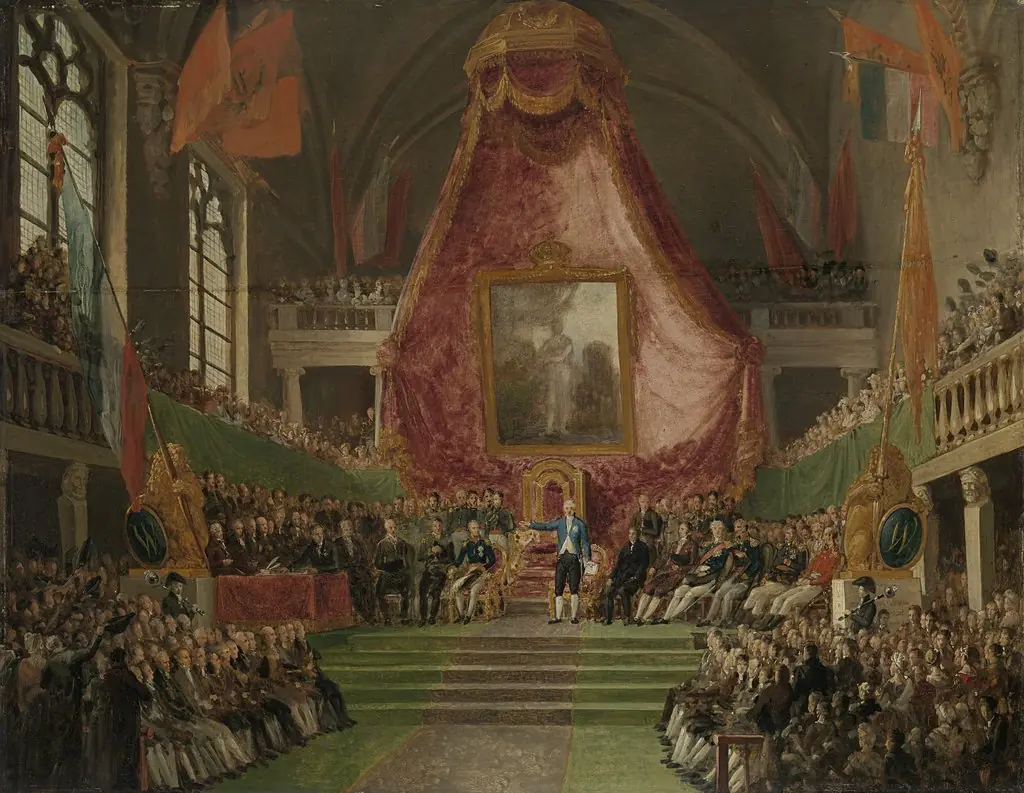 The Solemn Inauguration of University of Ghent by the Prince of Orange in the Throne Room of the Town Hall on 9 October 1817
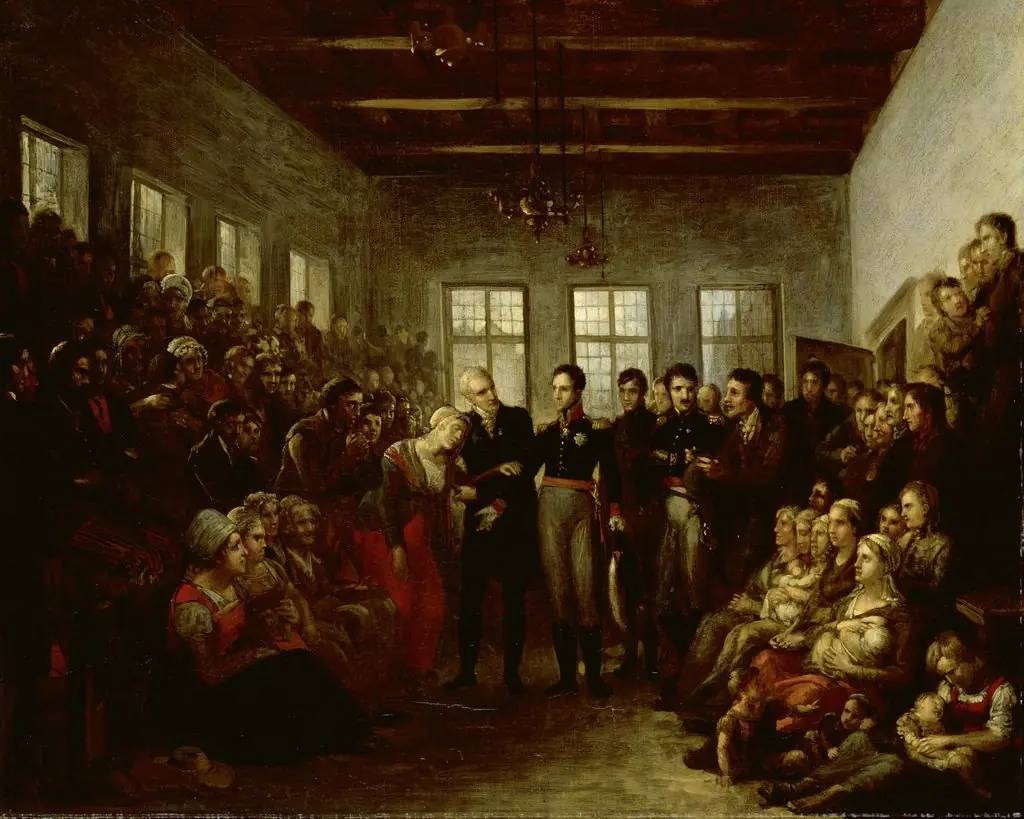 The Prince of Orange Visititing Flood Victims at the Almoners Orphanage, Amsterdam, on 14 February 1825
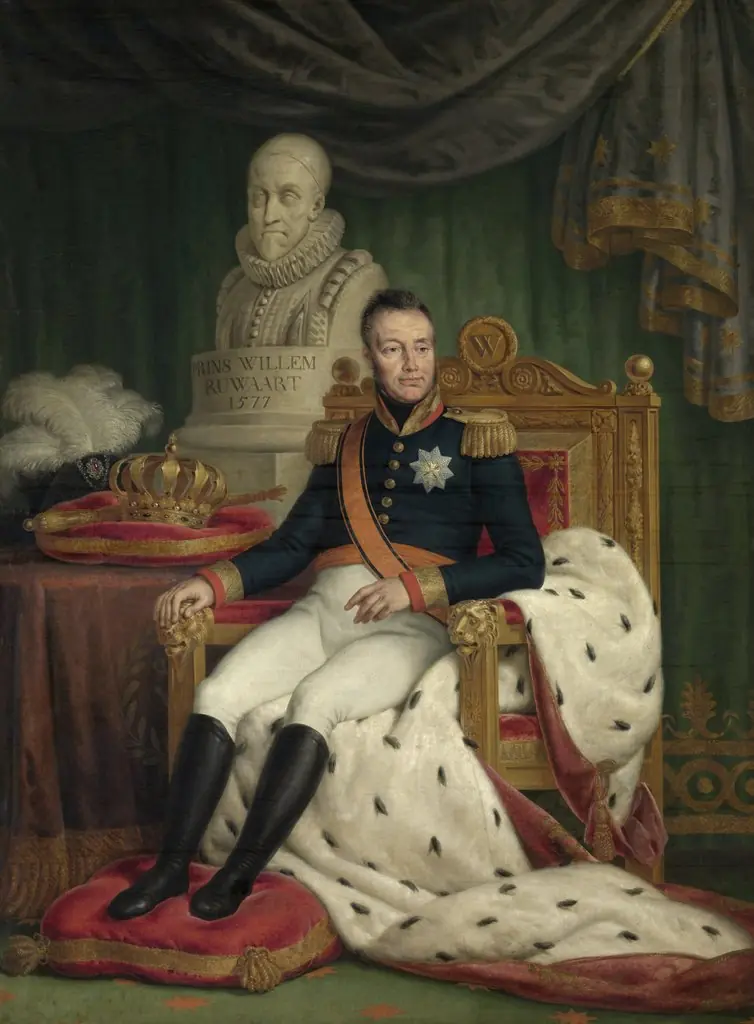 Portrait of King Willem I (1772-1843)
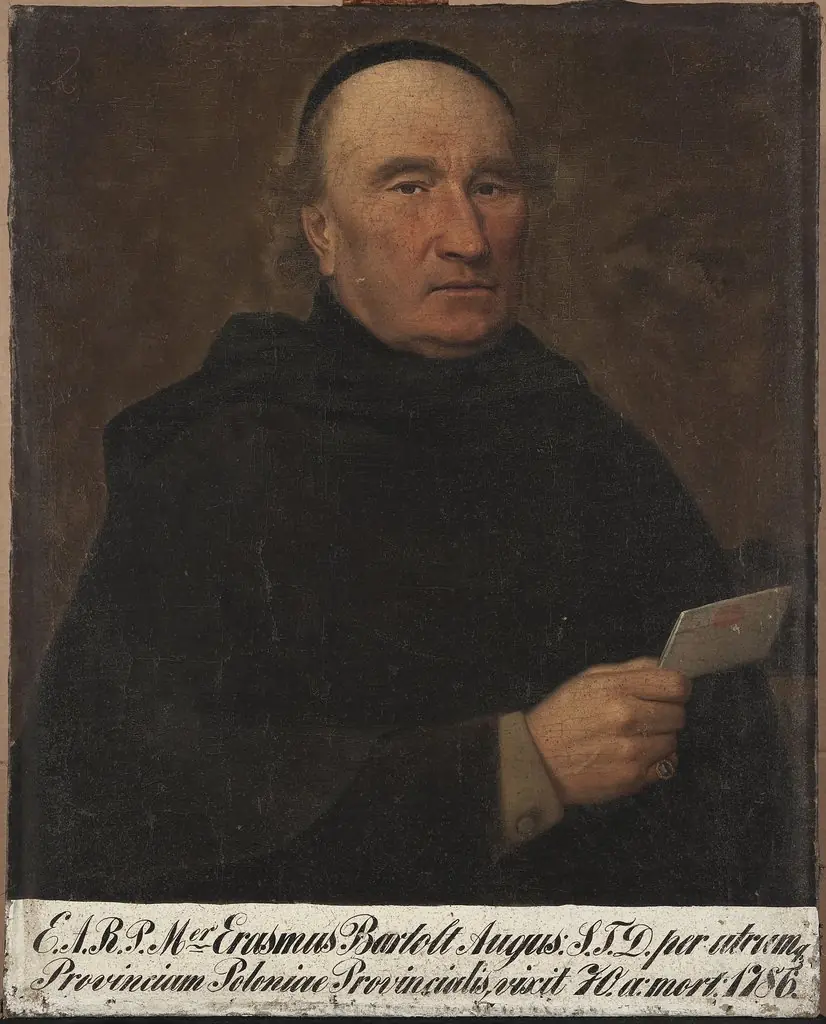 Portrait of Erazm Bartold (1716–1786), provincial superior of Austin Friars
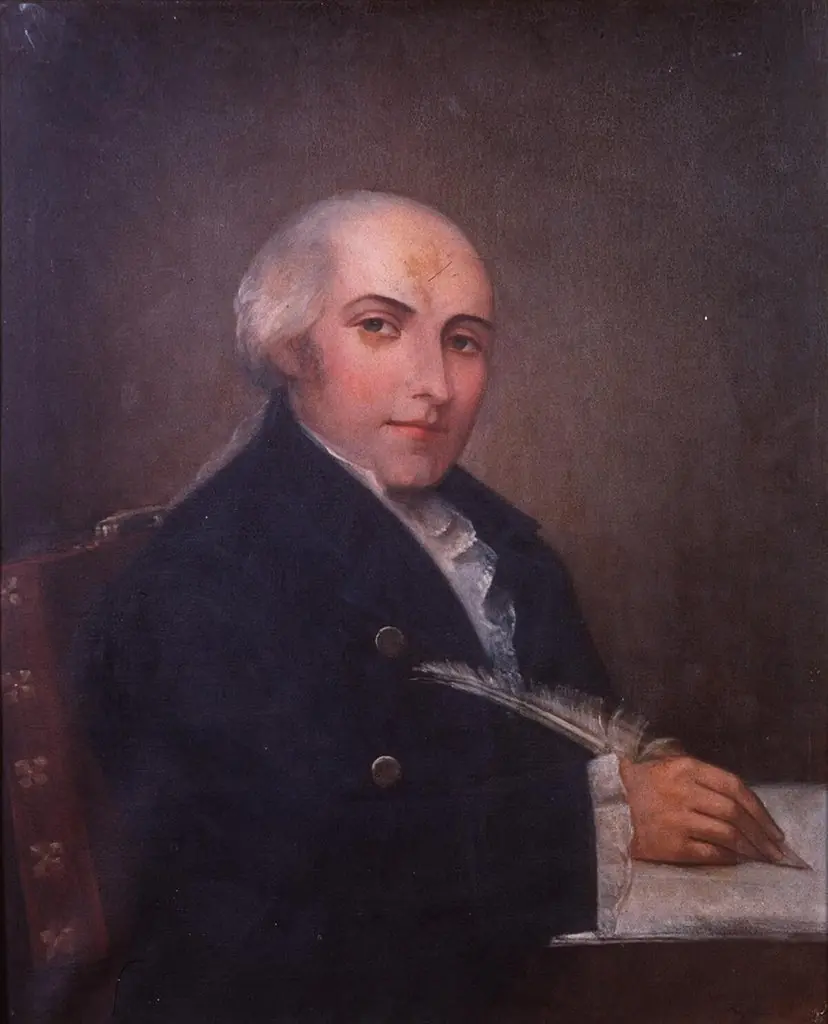 Morgan Pryse Lloyd Esq
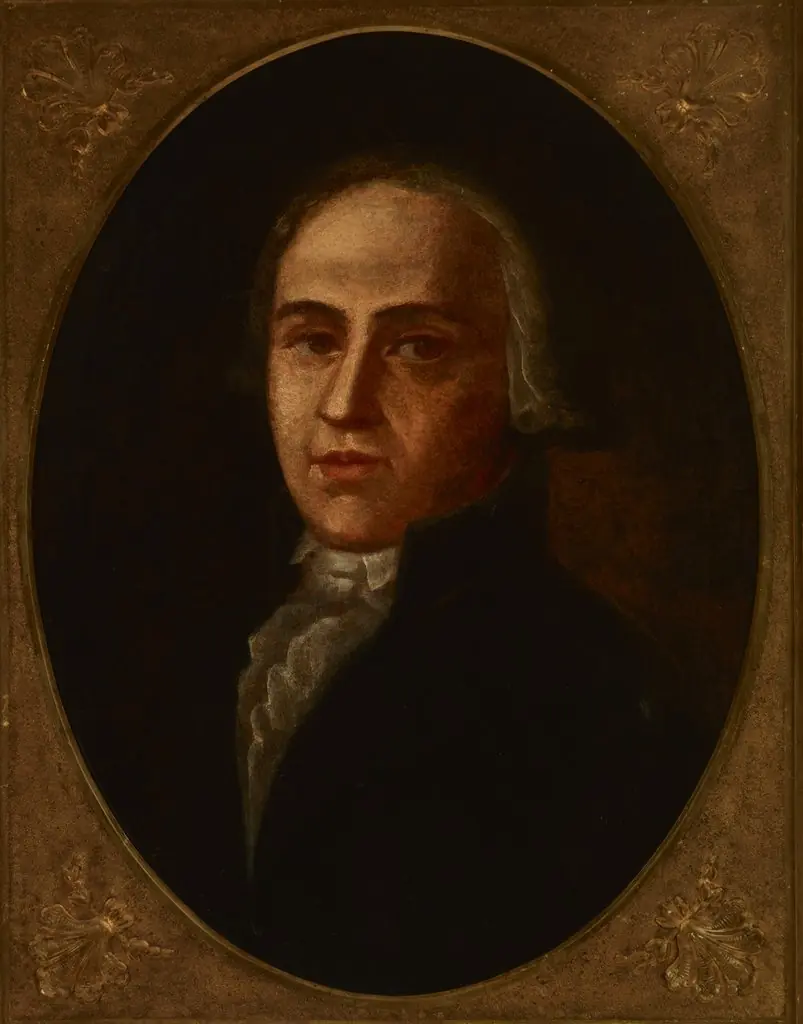 Self-Portrait
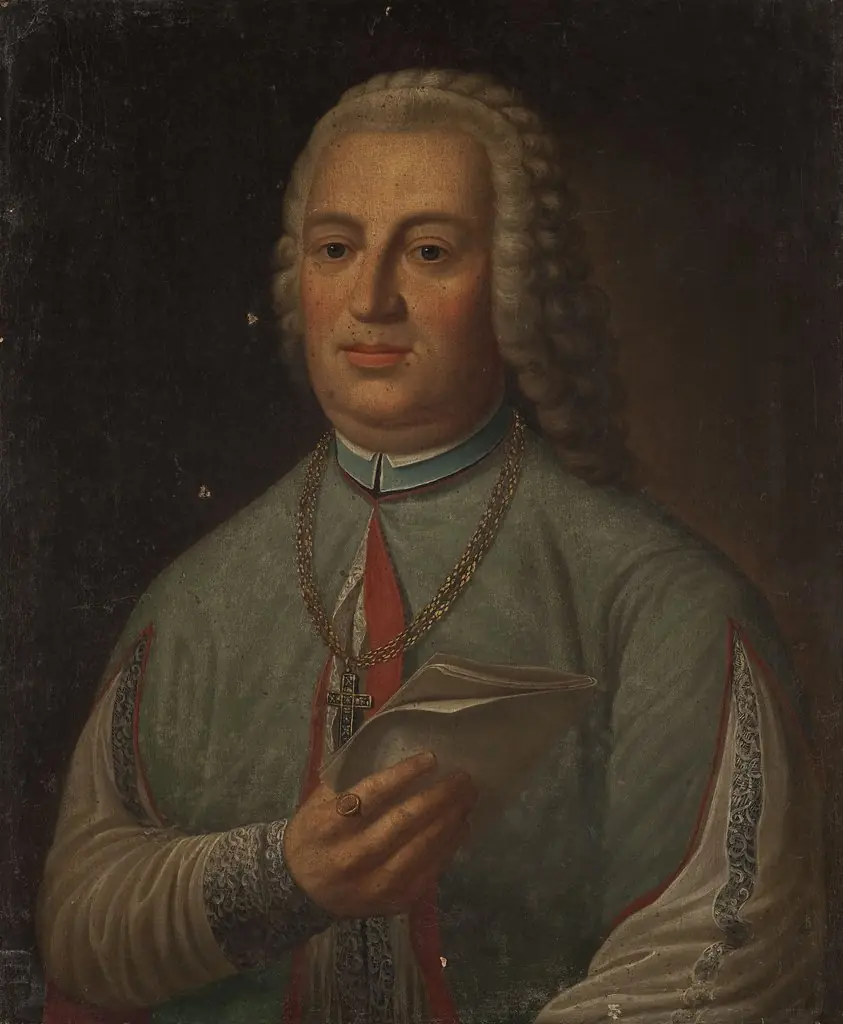 Portrait of Józef Andrzej Załuski
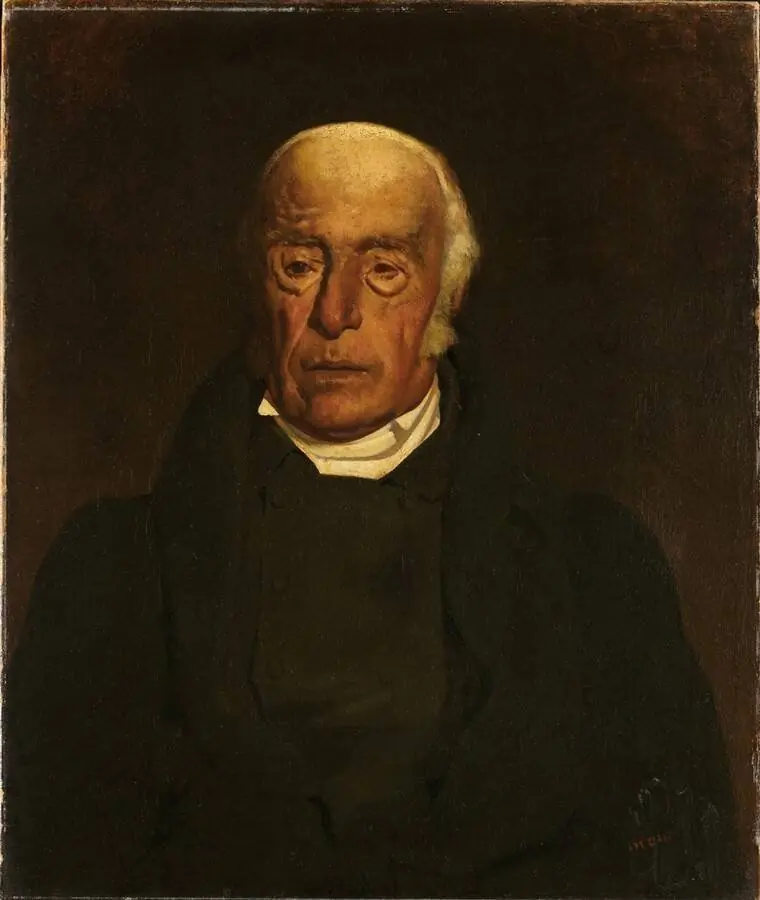 Portrait of Joseph Antoine Monticelli
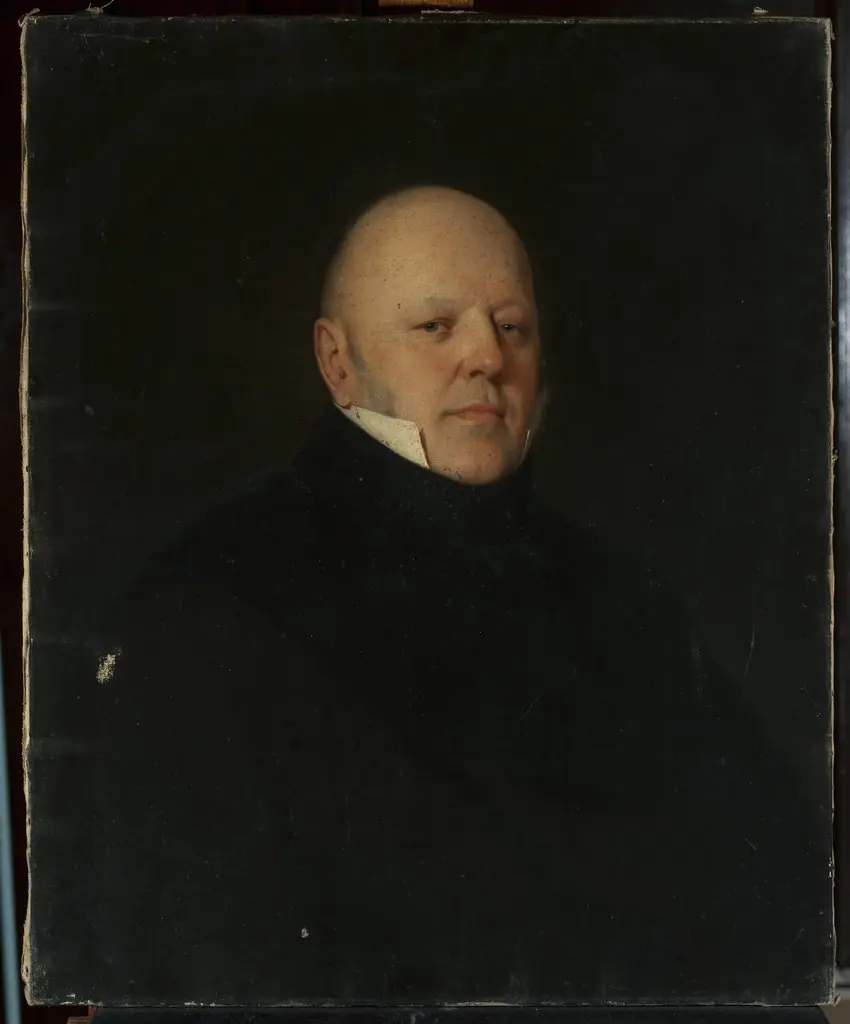 Portrait of Łubieński (?)
 Piispa Zacharias Cygnaeus
 Portrait of Teodor Siemieński (d. 1794), prelate and canon in Warsaw
 Portrait of a Man
 Colonel Wynne (Garthewin)
 Portrait of Pieter Gerardus van Overstraten, Governor-General of the Dutch East Indies
 Bishop Rese