Artwork
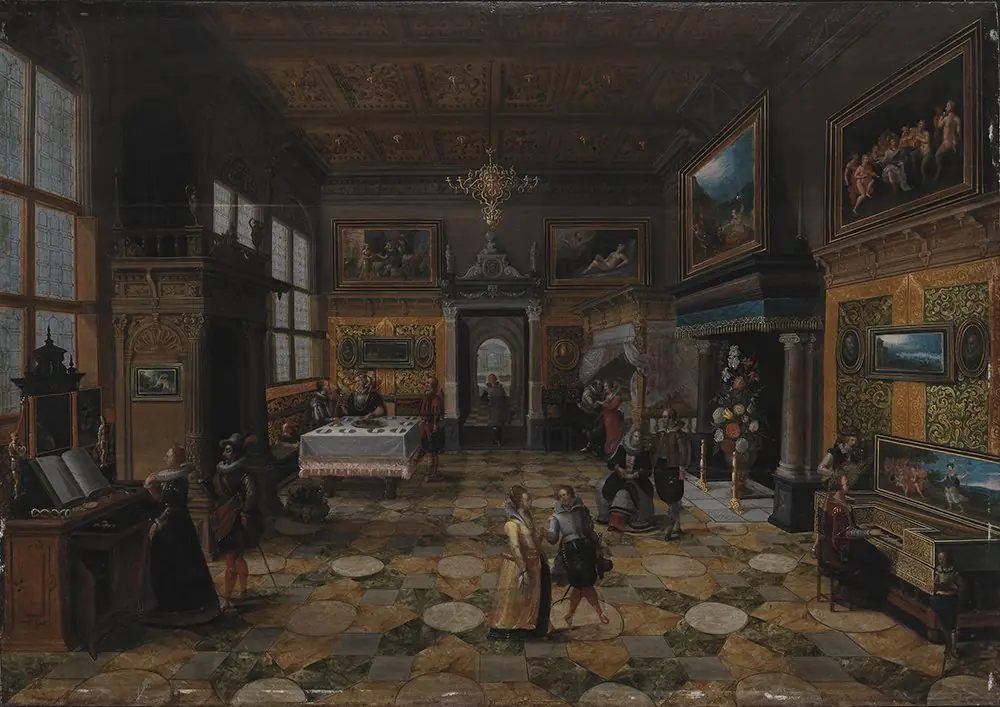
An Interior with a Banquet Taking Place
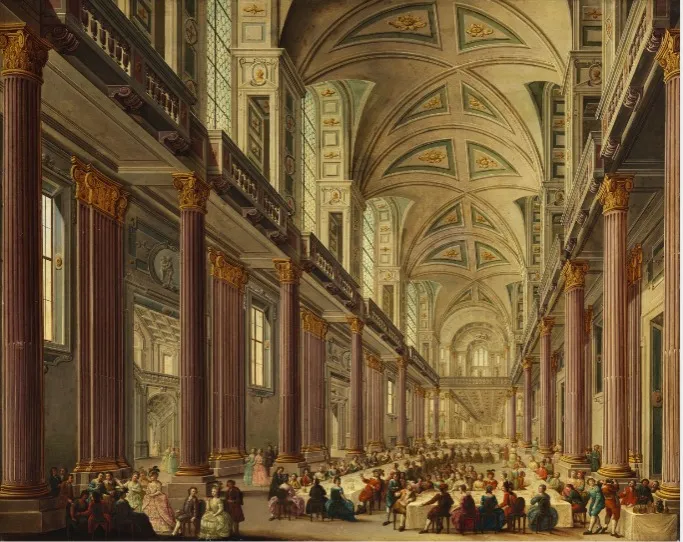
An Interior with a Banquet Taking Place is an unspecified painting by the Rococo painting artist Matthias Schiffer. It dates from 1789 and is held in the collection of the National Gallery of Ireland.
About this work
Overview
The composition centers on a spacious hall with architectural grandeur, populated by figures engaged in conversation and dining.
Painted in 1789 by Matthias Schiffer, this work depicts an opulent interior during a social gathering. The National Gallery of Ireland holds the piece, which captures a moment of refined leisure among the upper classes. The composition centers on a spacious hall with architectural grandeur, populated by figures engaged in conversation and dining. Warm tones and detailed interiors convey a sense of intimacy despite the scale.
Subject & Meaning
The scene portrays a banquet, likely a private celebration among aristocrats or wealthy patrons. Figures are arranged in groups, some seated at long tables, others standing in conversation, suggesting a blend of formal and casual interaction. The setting implies status and social ritual, with no overt narrative, but rather an emphasis on the quiet dignity of elite domestic life in late 18th-century Europe.
Technique & Style
Schiffer employs a restrained palette of ochres, reds, and golds to unify the space and enhance the warmth of the interior. Brushwork is precise yet fluid, particularly in rendering fabric textures and architectural details. The use of light suggests natural illumination from unseen windows, casting soft shadows that ground the figures in a tangible environment. Perspective is carefully managed to emphasize the room’s depth and height.
History & Provenance
The painting entered the National Gallery of Ireland’s collection in the 19th century, though its earlier ownership remains undocumented. It is one of the few known works by Schiffer, a lesser-documented artist active in Central Europe. Its survival and preservation suggest it was valued by collectors of domestic genre scenes, possibly acquired through private sale or bequest.
Context
Created during the late Enlightenment, the painting reflects a cultural shift toward private sociability among the elite. Public spectacles gave way to intimate gatherings in domestic spaces, often depicted in genre painting. Schiffer’s work aligns with Northern European traditions of interior scenes, echoing artists like Pieter de Hooch, though with a more ornate architectural setting typical of Central European aristocratic homes.
Legacy
Though Schiffer’s oeuvre is limited, this painting remains a key example of late 18th-century domestic genre painting in Ireland’s national collection. It contributes to scholarly understanding of how social rituals were visually encoded in art during a period of transition. Its quiet realism offers insight into the aesthetics of private life, distinct from the grandeur of courtly portraiture.
Artist & collection

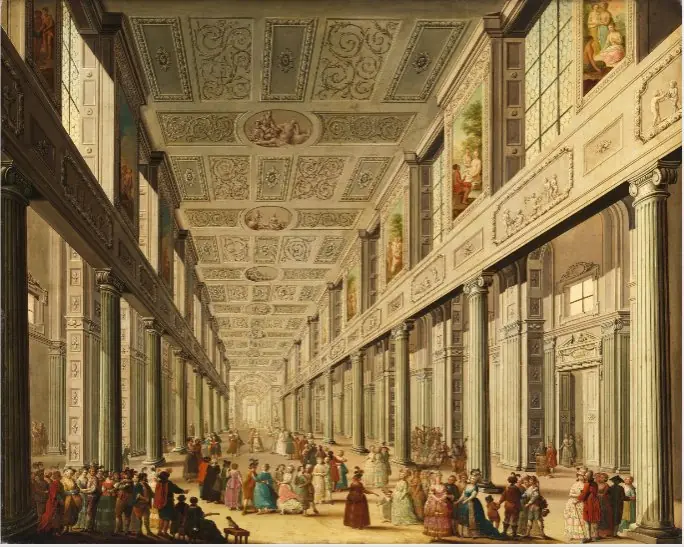 An Interior with a Fancy Dress Ball in Progress
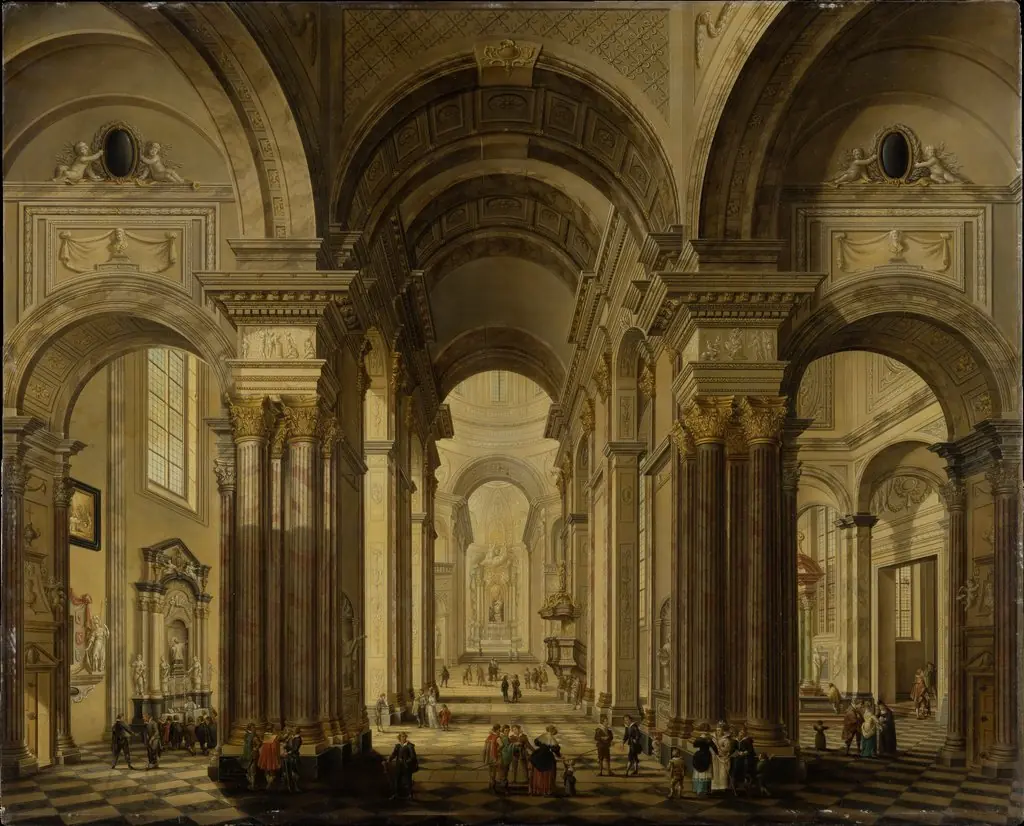 Interior of a Baroque Church
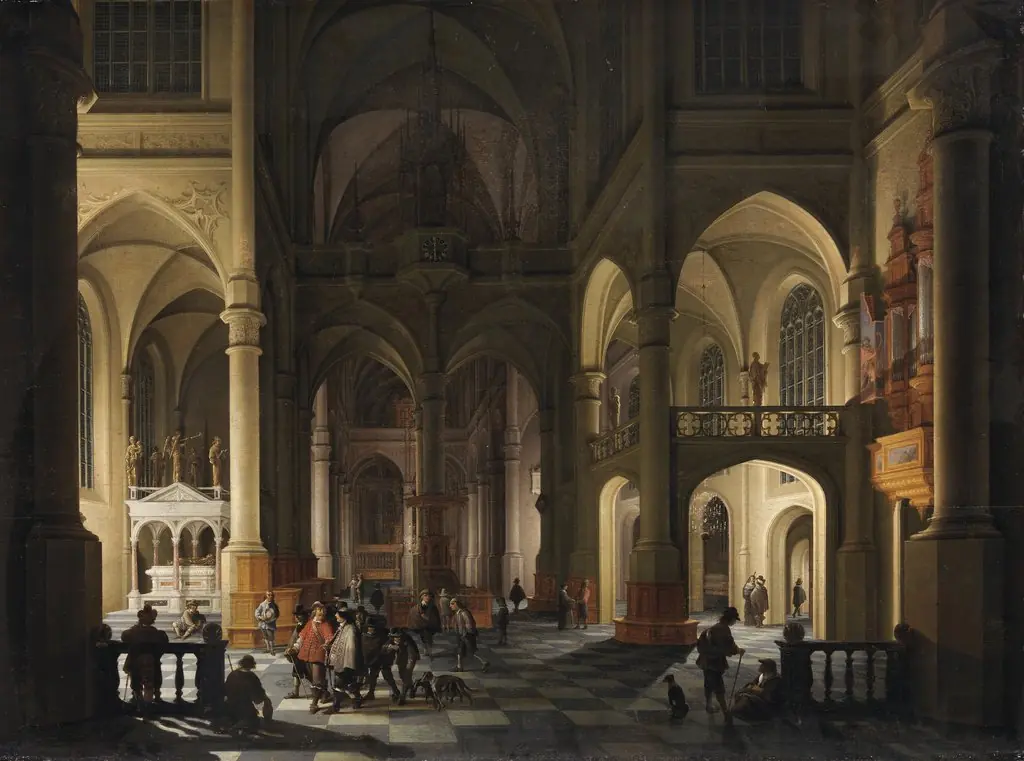 An Interior of a Church
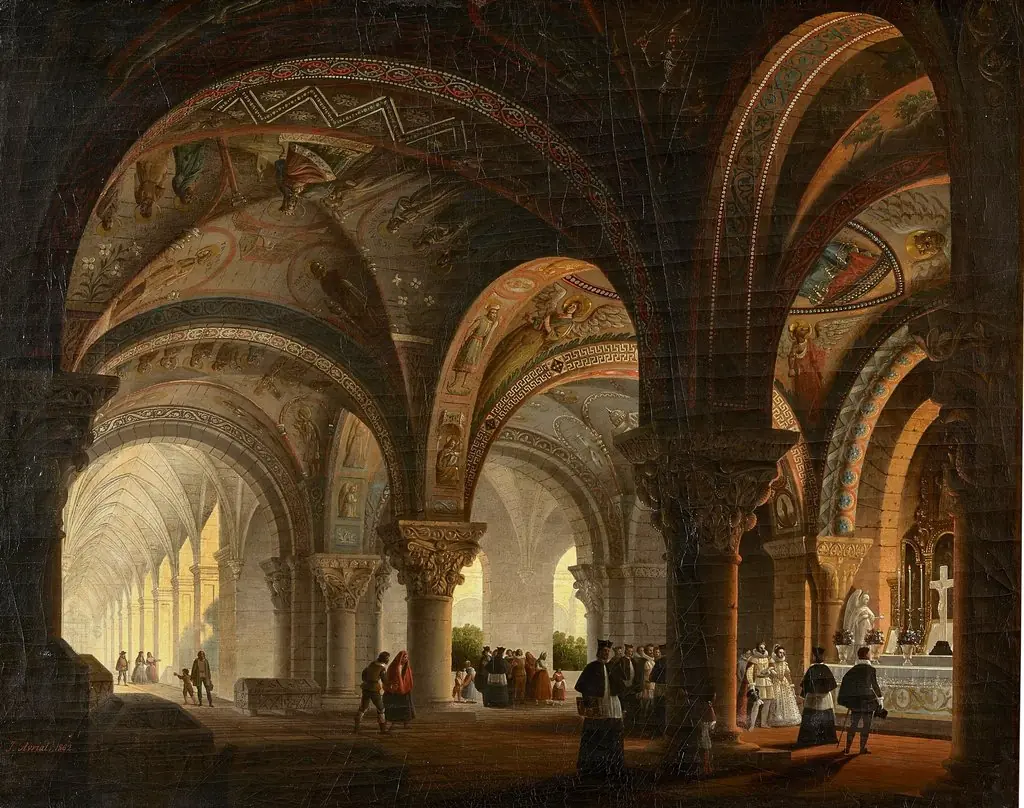 Panteón de los reyes de León
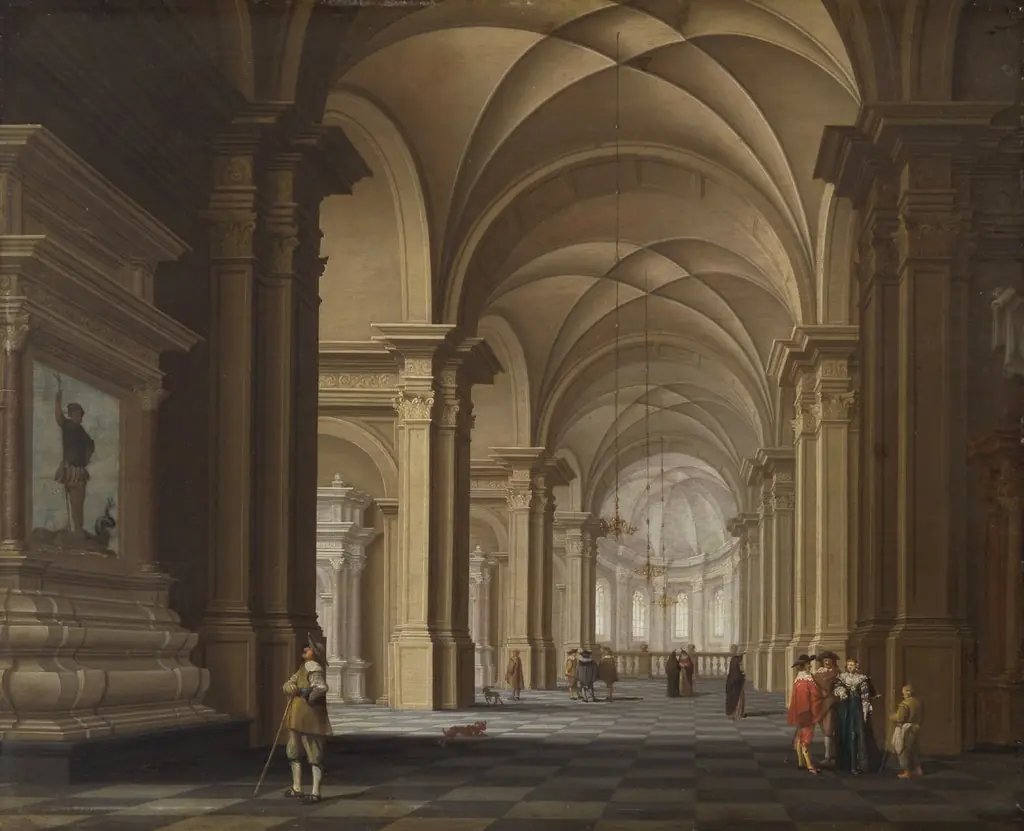 Inneres einer gotischen Kirche
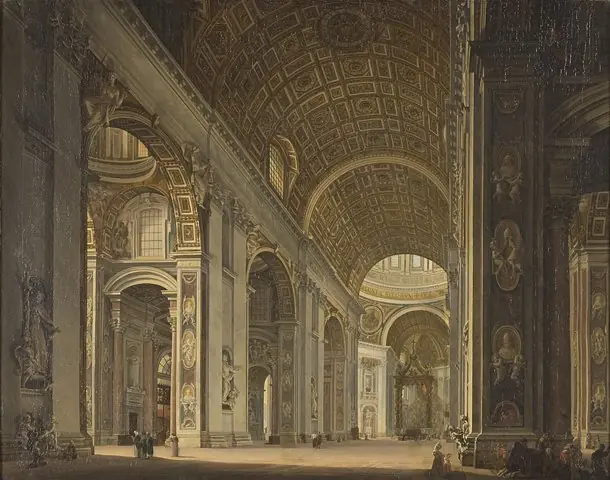 Interieur van de Sint Pieterskerk te Rome
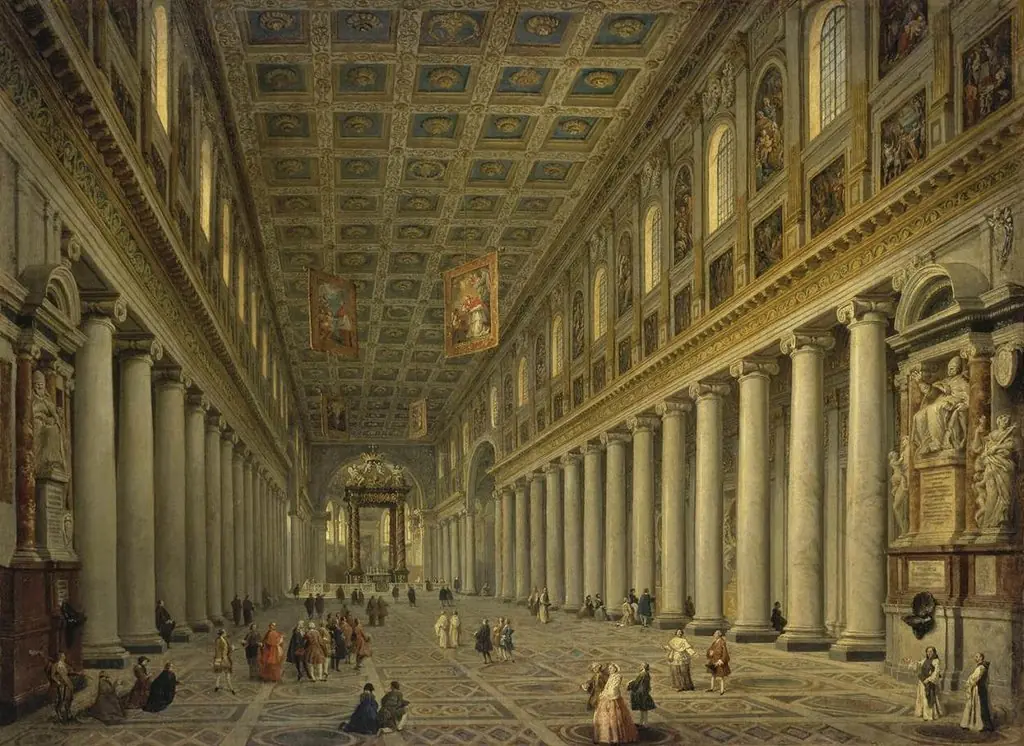 Interior of S. Maria Maggore in Rome
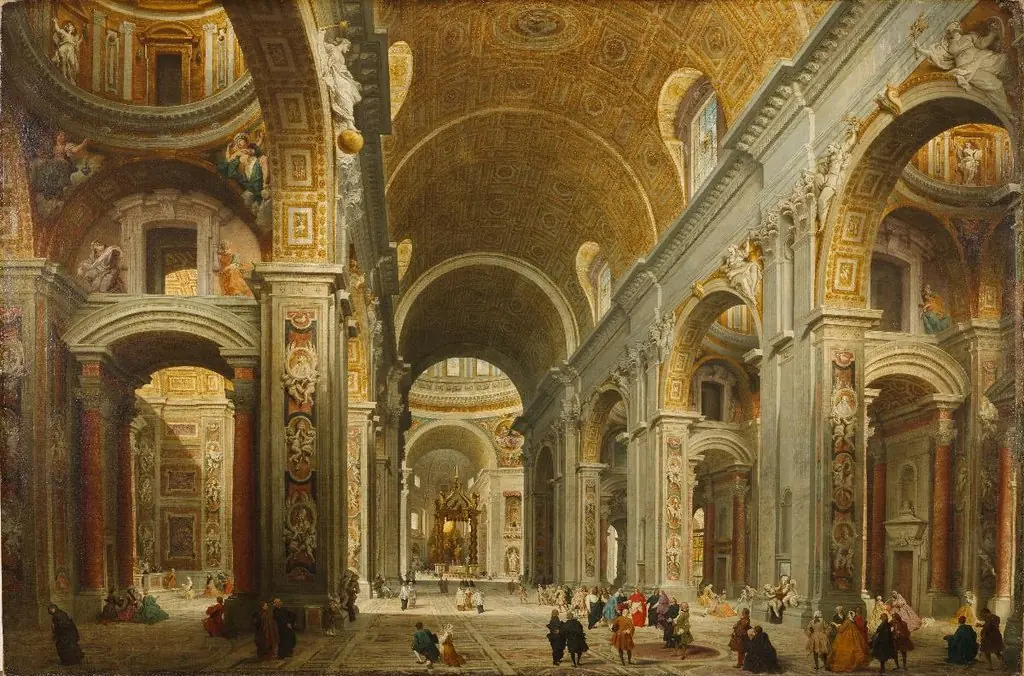 Interno di San Pietro
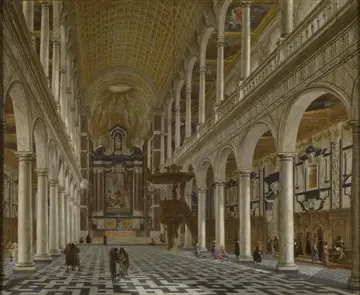 Interior of the Jesuit church (now St. Carolus Borromeus) in Antwerp
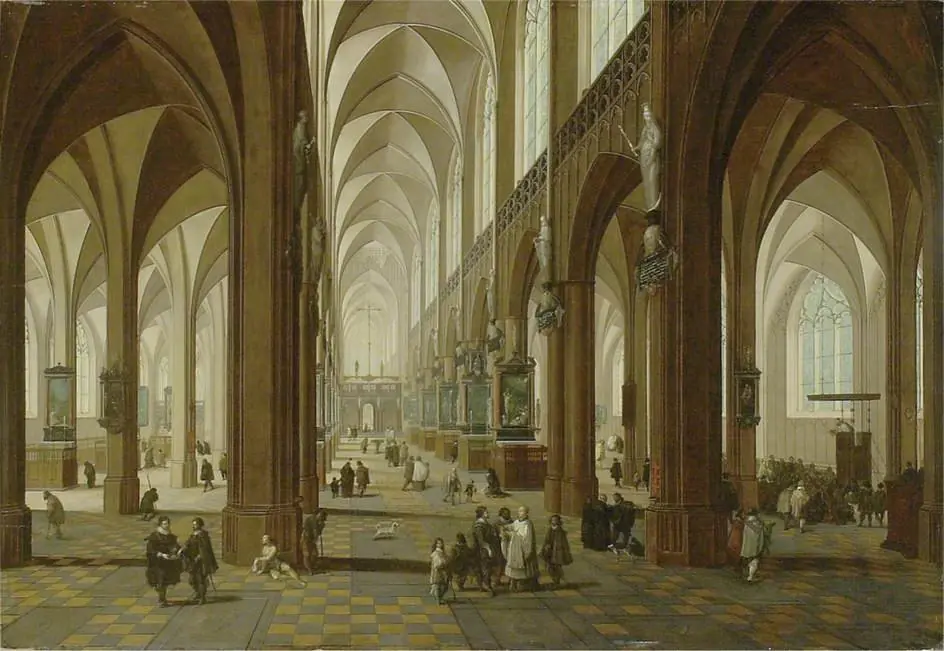 Interior of Antwerp Cathedral
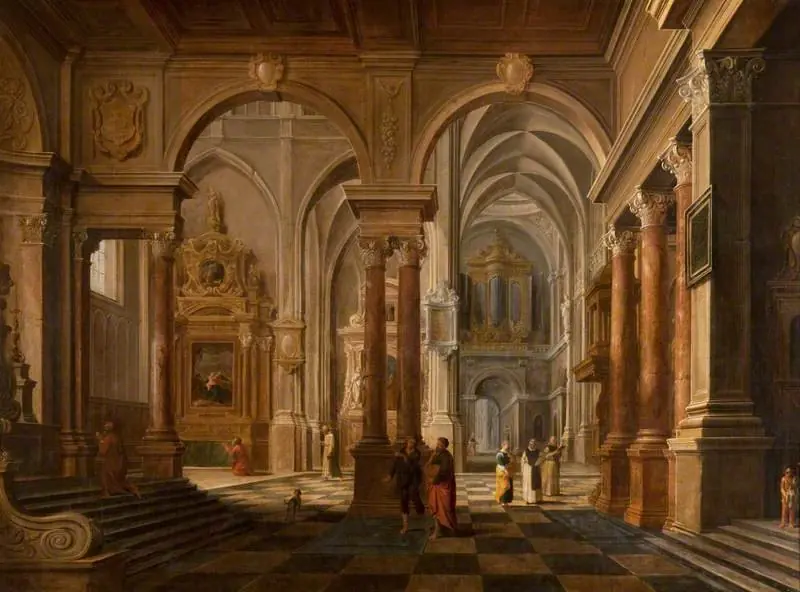 An Imaginary Church Interior
 Party Scene