Artwork
Party Scene
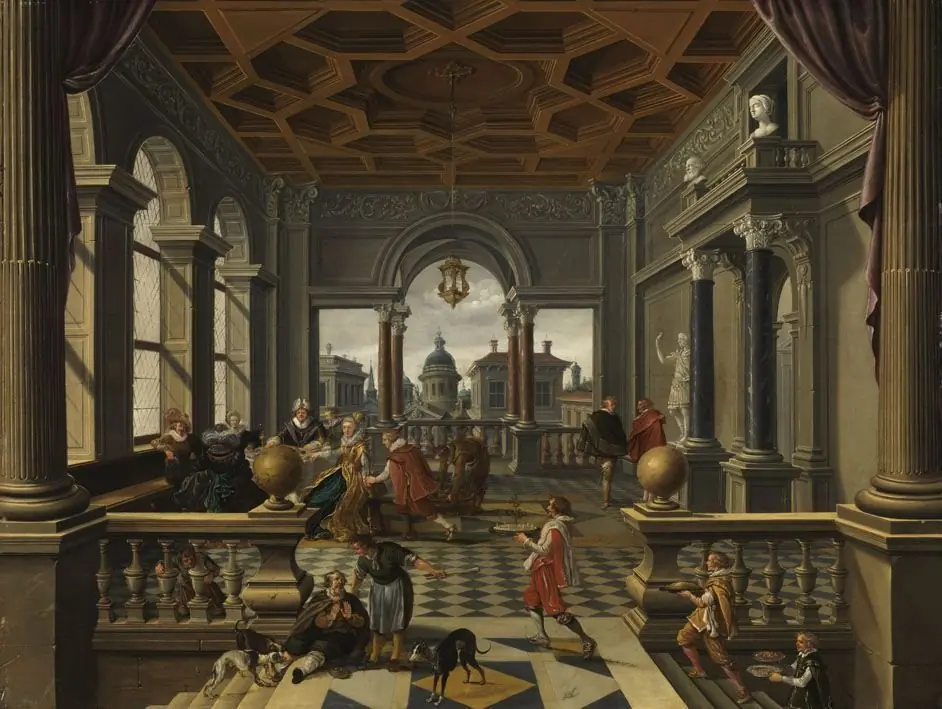
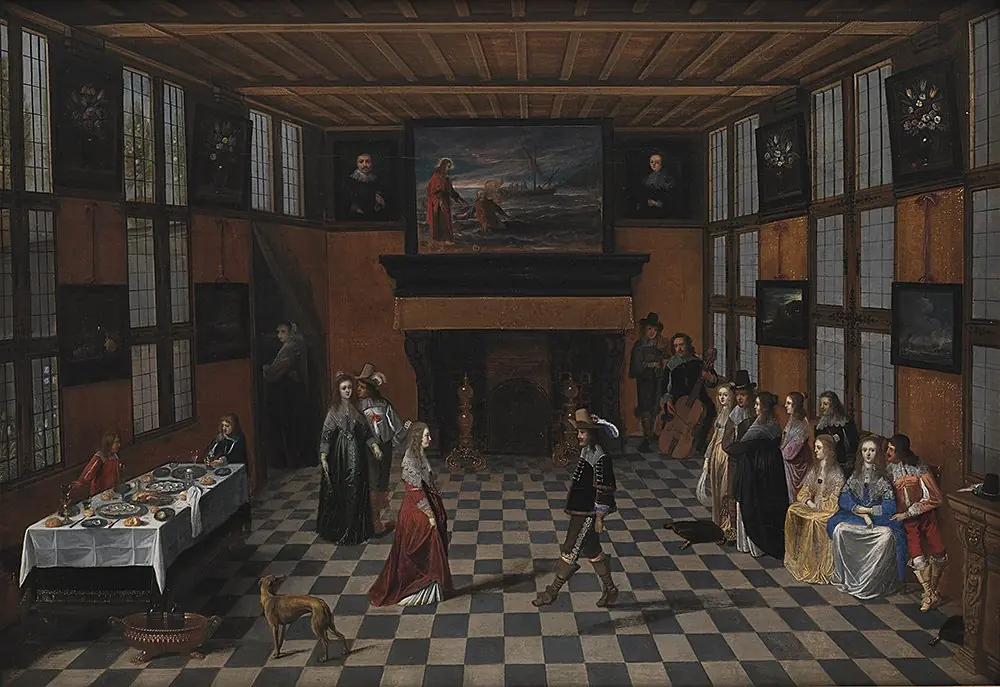
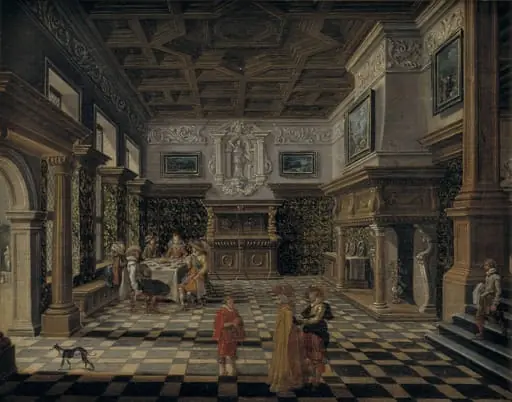
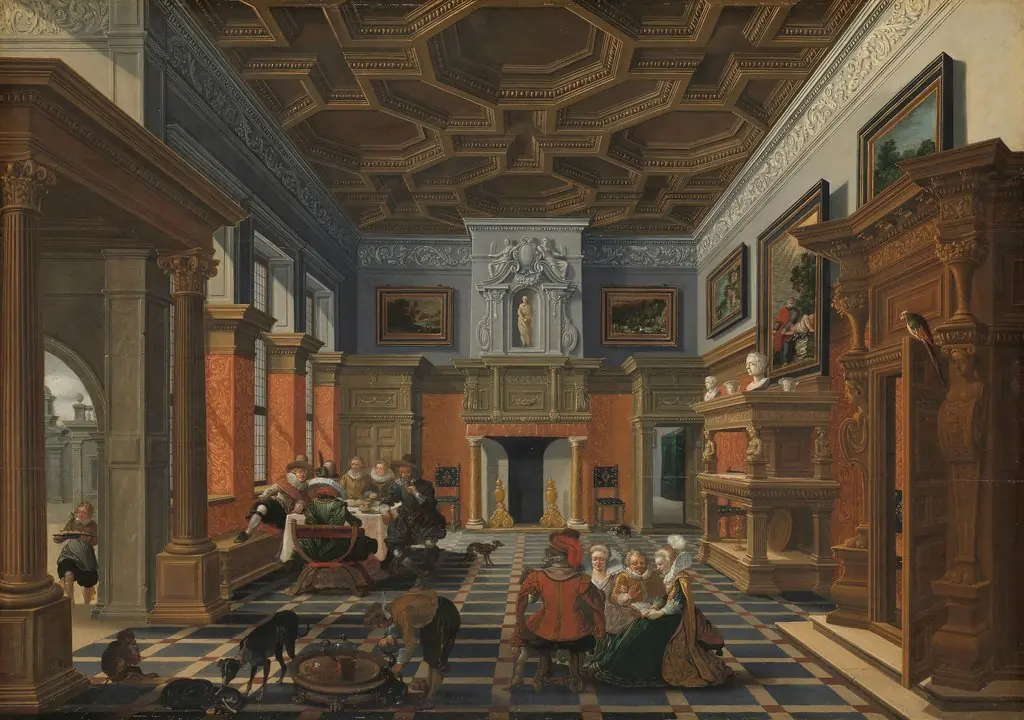
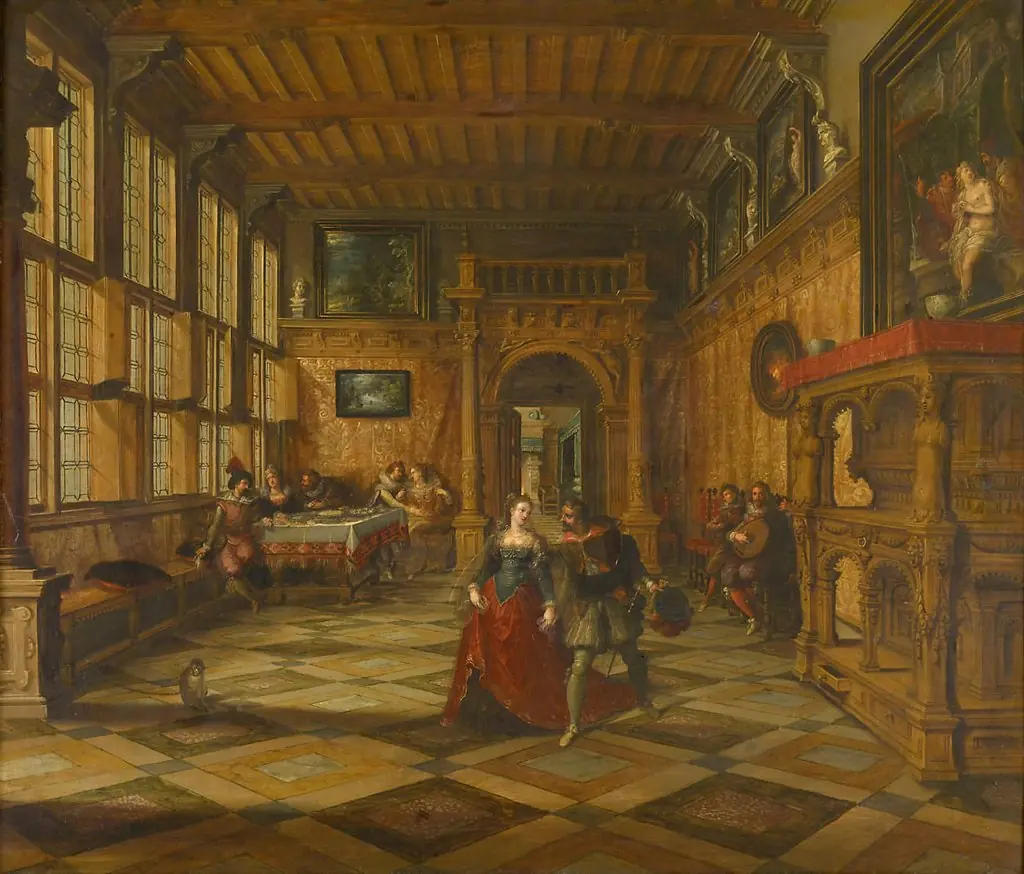
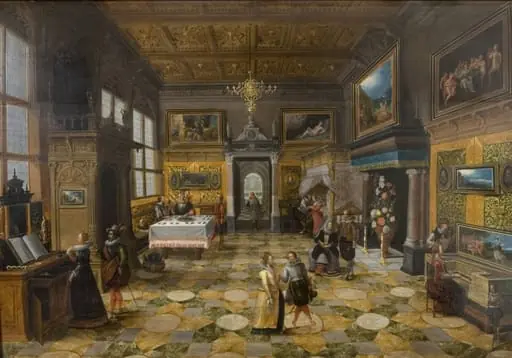
Party Scene is an unspecified painting by the Dutch Golden Age artist Bartholomeus van Bassen. It dates from 1628 and is held in the collection of the Statens Museum for Kunst.
About this work
Overview
Its composition emphasizes spatial depth and the interplay of light and shadow, characteristic of Dutch and Flemish traditions of the early 17th century.
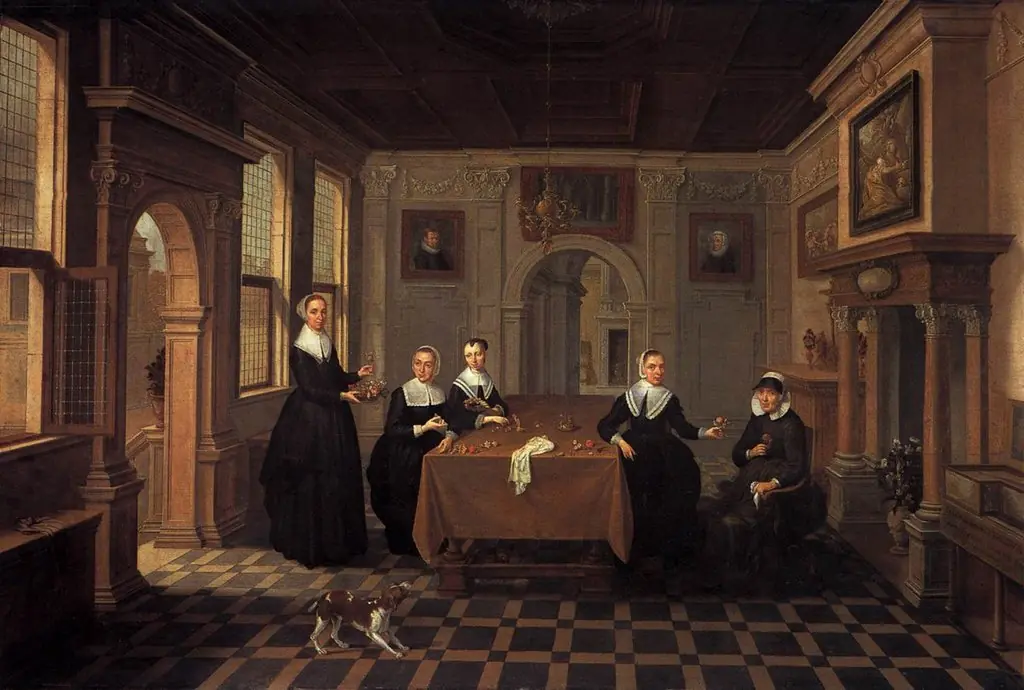
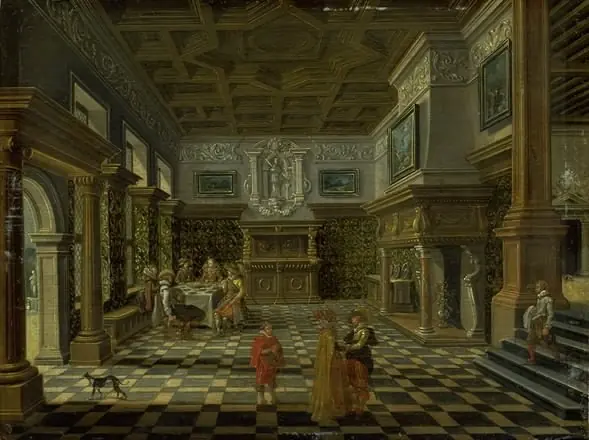
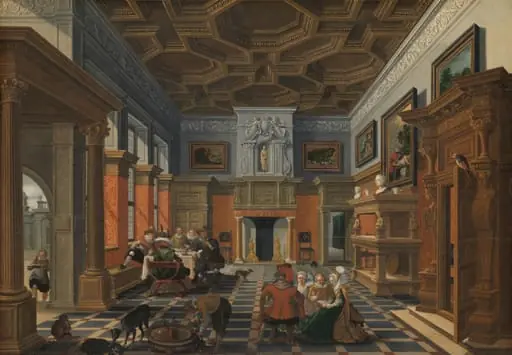
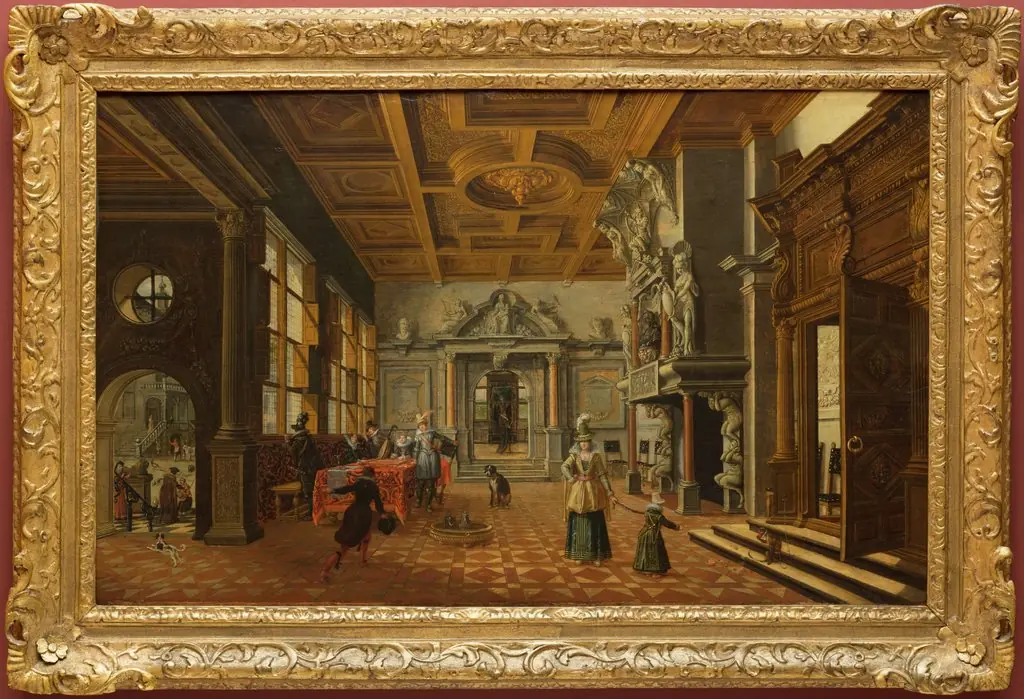
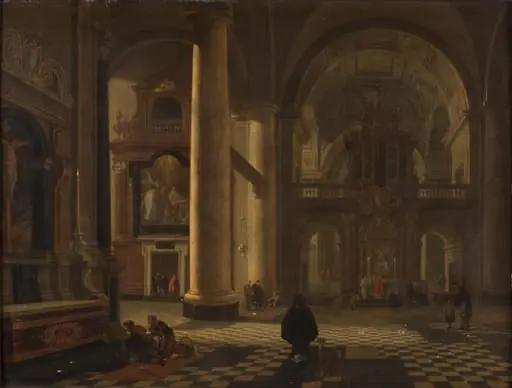
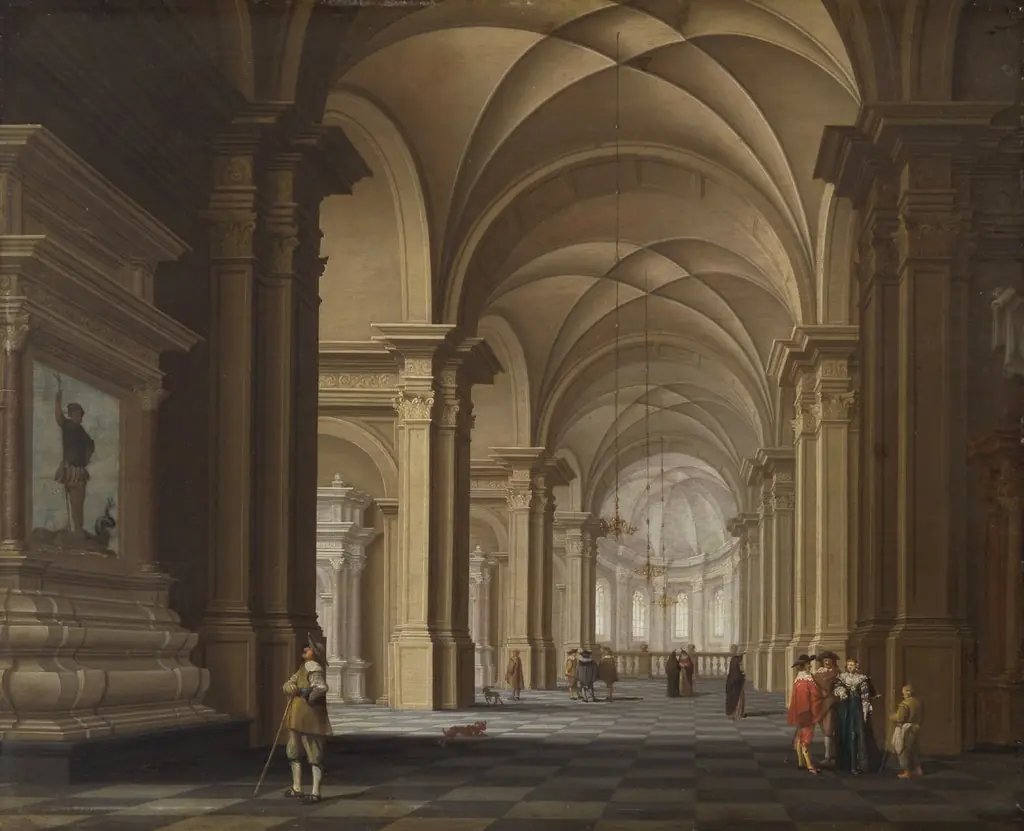
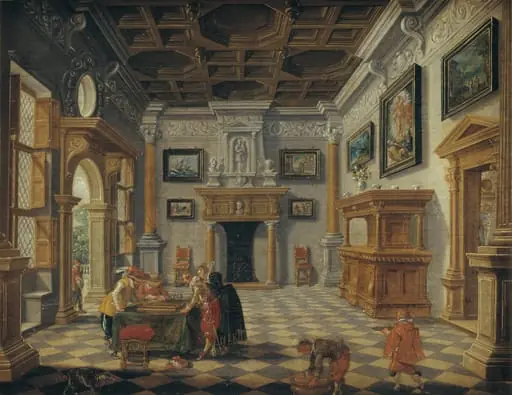
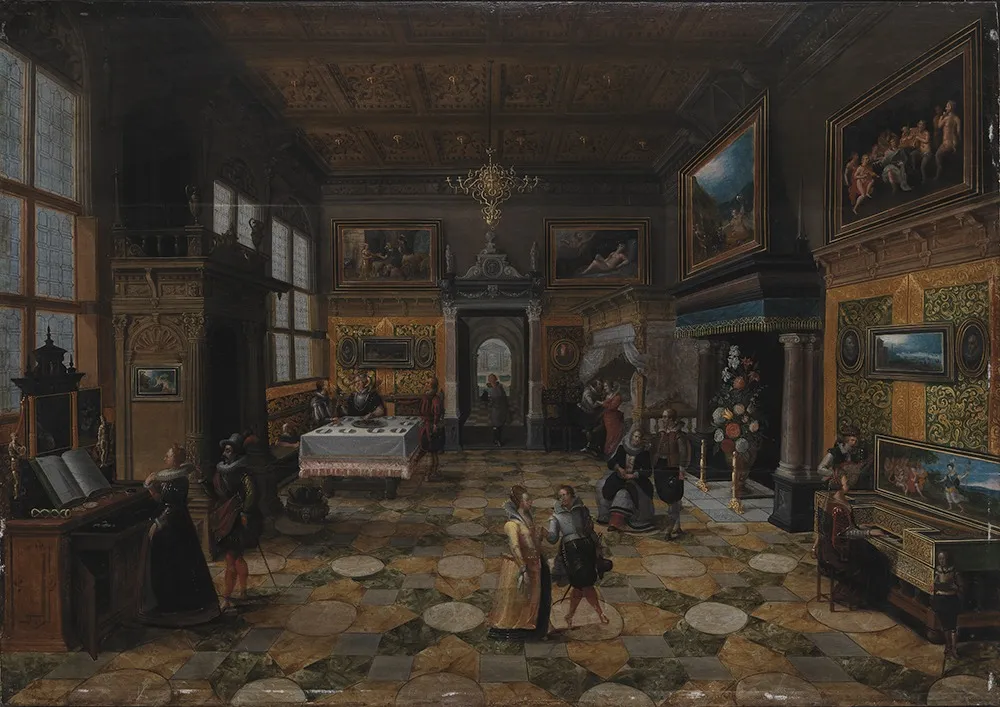
Painted in 1628 by Bartholomeus van Bassen, this interior scene captures a gathering of figures in an opulent architectural setting. The work resides in the Statens Museum for Kunst in Copenhagen. Its composition emphasizes spatial depth and the interplay of light and shadow, characteristic of Dutch and Flemish traditions of the early 17th century. The scene avoids narrative specificity, instead focusing on the quiet rhythm of social interaction within a refined environment.
Subject & Meaning
The painting depicts a group of individuals in a lavish interior, engaged in casual conversation, movement, and quiet observation. No single event or ritual is clearly identified, suggesting a moment of informal sociability rather than a ceremonial occasion. The absence of overt symbolism invites interpretation as a study of urban elite life, where status is conveyed through setting and demeanor rather than action.
Technique & Style
Van Bassen employs chiaroscuro to model forms and define space, directing attention toward the central figures without theatrical exaggeration. The brushwork is precise yet restrained, particularly in the rendering of textiles and architectural details. Light enters through large windows, casting soft gradients across surfaces and enhancing the sense of volume. The arrangement of objects—chandelier, tablecloth, wall hangings—adds texture and visual rhythm without clutter.
History & Provenance
The painting entered the collection of the Statens Museum for Kunst in the 19th century, having been acquired from a Danish private collection. Its attribution to van Bassen has been consistently supported by stylistic analysis and archival records. While its original commission remains undocumented, its quality suggests it was created for a discerning patron familiar with contemporary Dutch interior painting traditions.
Context
Created during the Dutch Golden Age, the work reflects a broader interest in depicting private interiors as spaces of quiet refinement. Unlike genre scenes focused on labor or merriment, this painting emphasizes decorum and atmosphere. Similar interiors by artists like Pieter de Hooch and Gerard ter Borch reveal a shared cultural fascination with domestic architecture and the subtle dynamics of social life among the urban elite.
Legacy
The painting contributes to the understanding of early 17th-century Dutch interior painting as a genre that valued observation over drama. Its restrained composition and attention to spatial harmony influenced later artists interested in the psychological nuance of domestic settings. Though not widely reproduced, it remains a key example of how light, architecture, and gesture could convey social atmosphere without narrative climax.
Artist & collection
Artist
Bartholomeus van Bassen (1590–1652) was an artist, born in The Hague.