Artwork
Paul of Thebes
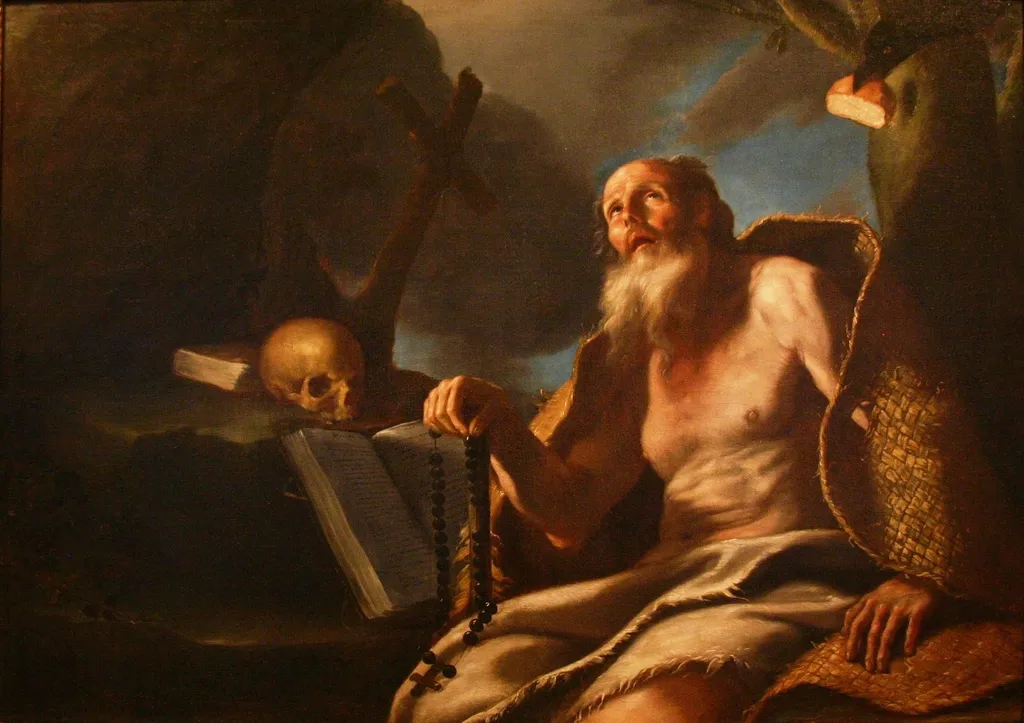
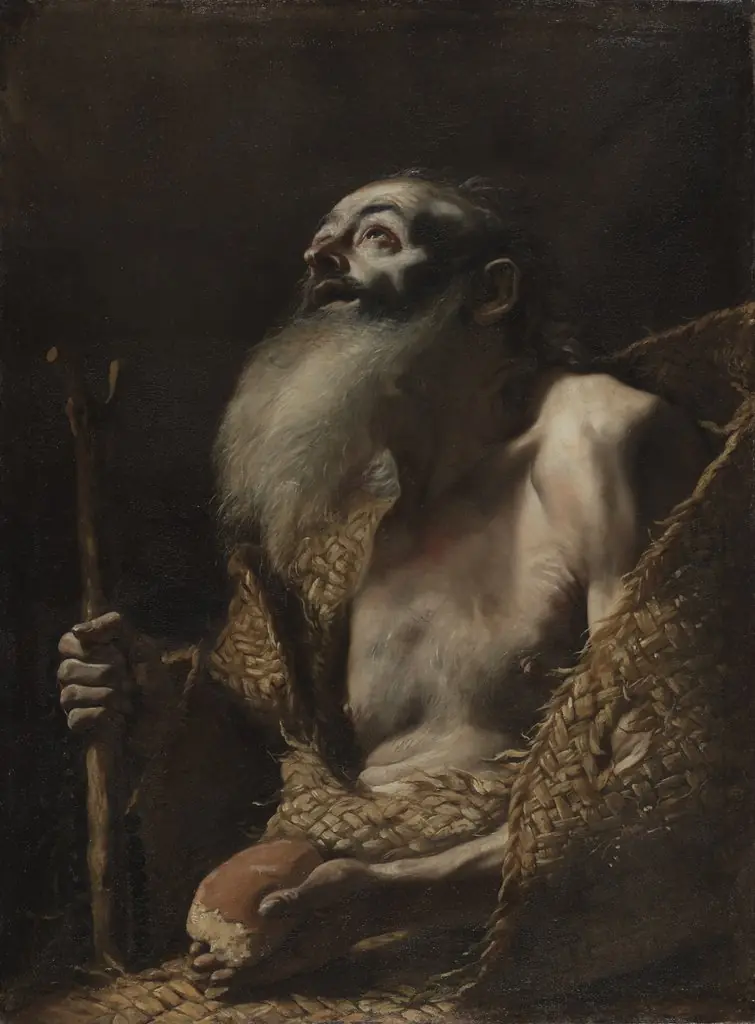
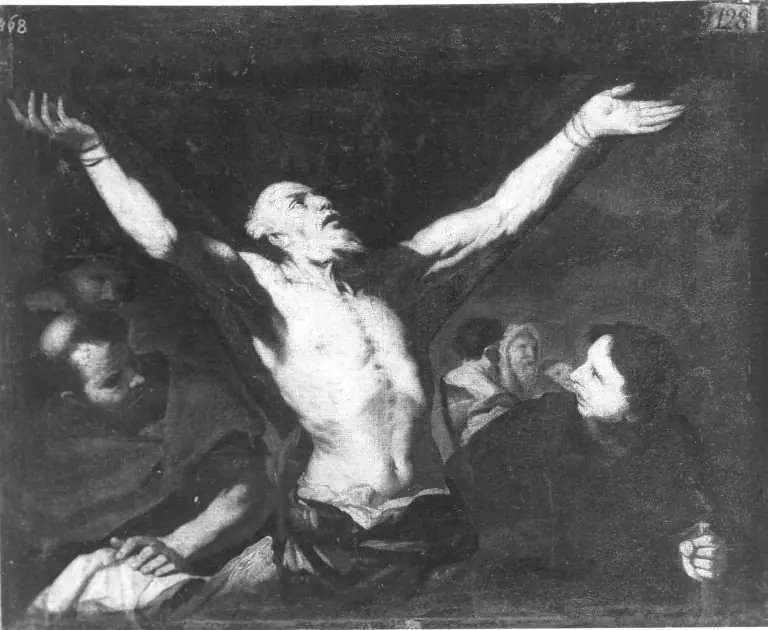
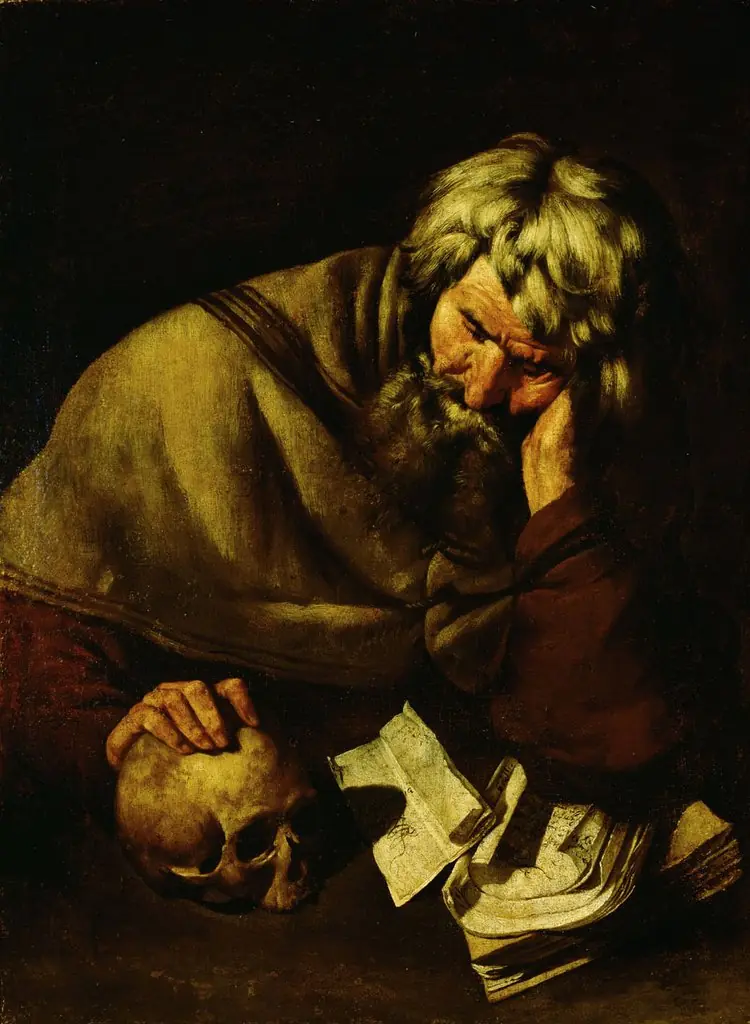
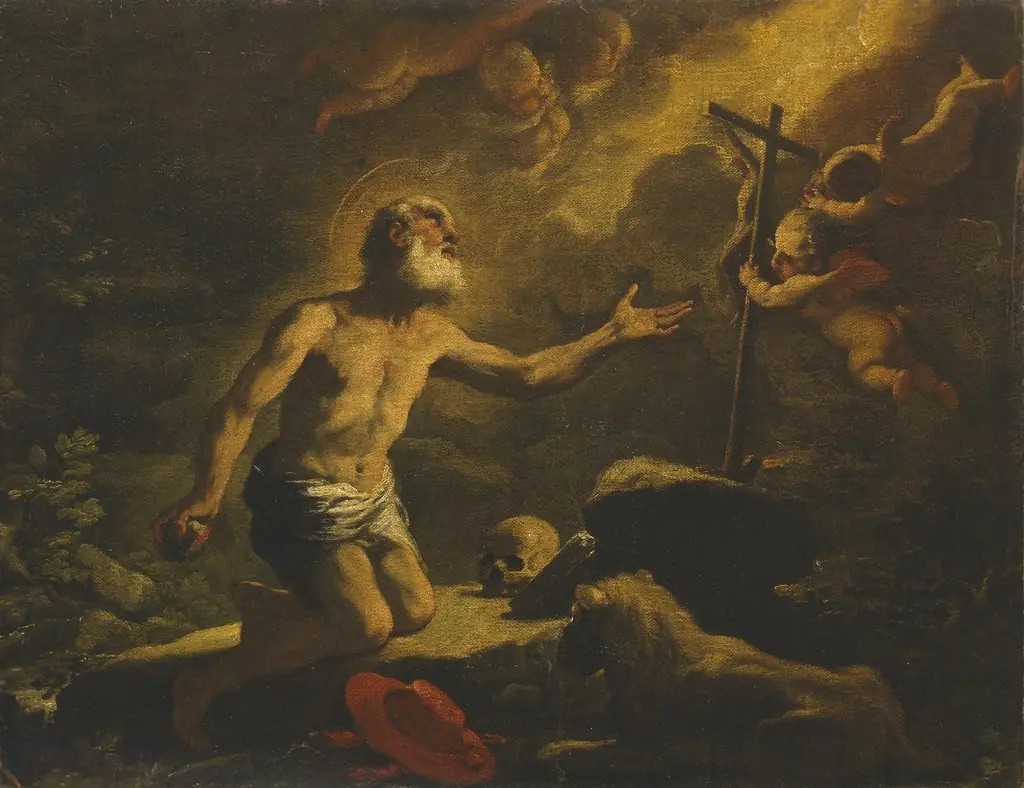
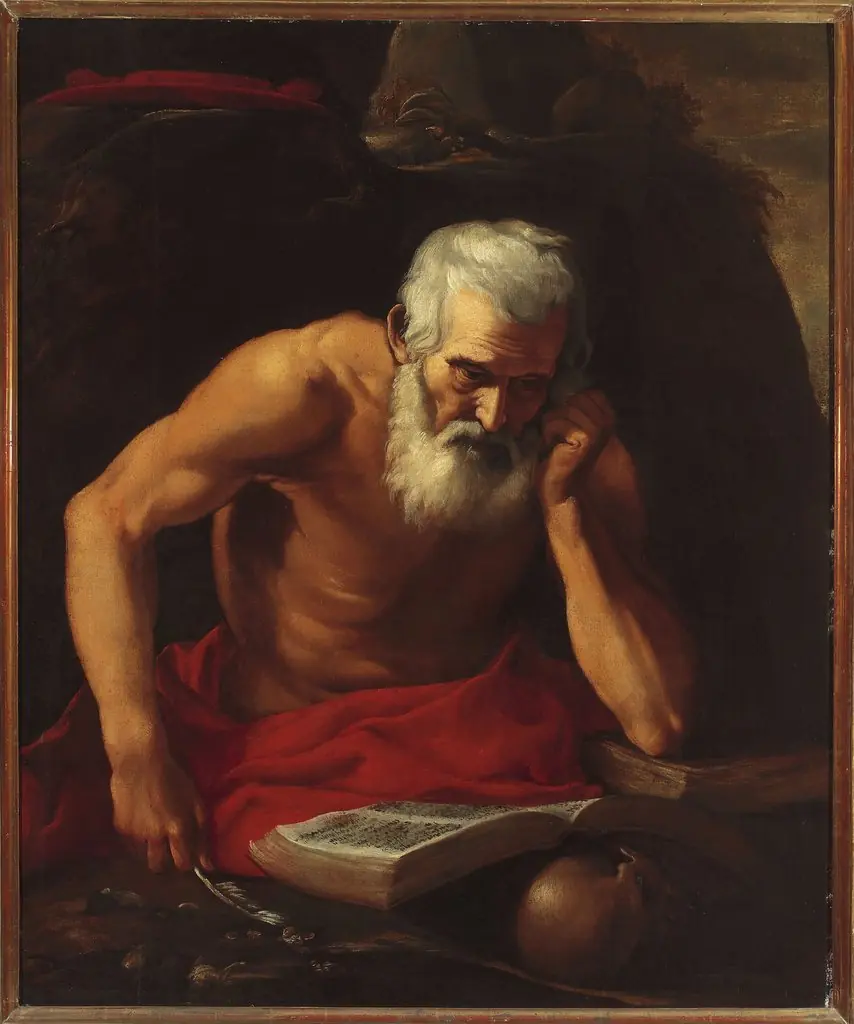
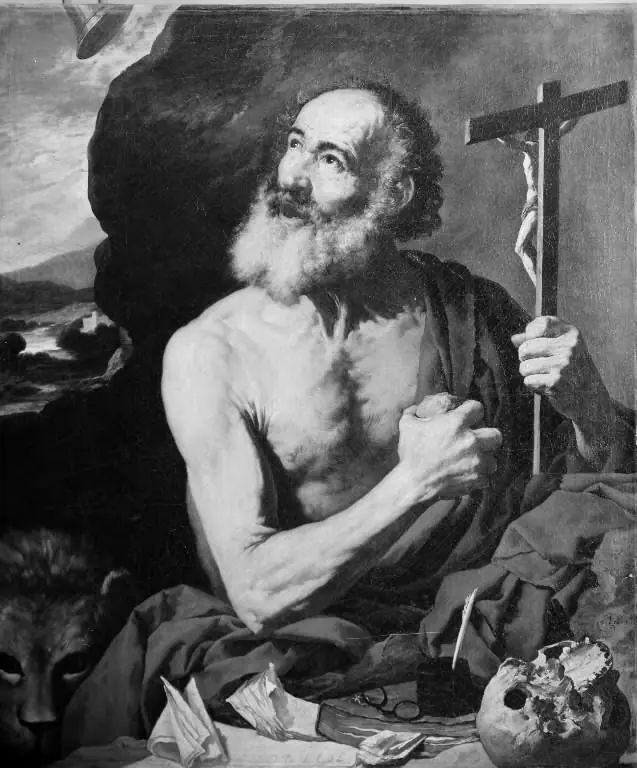
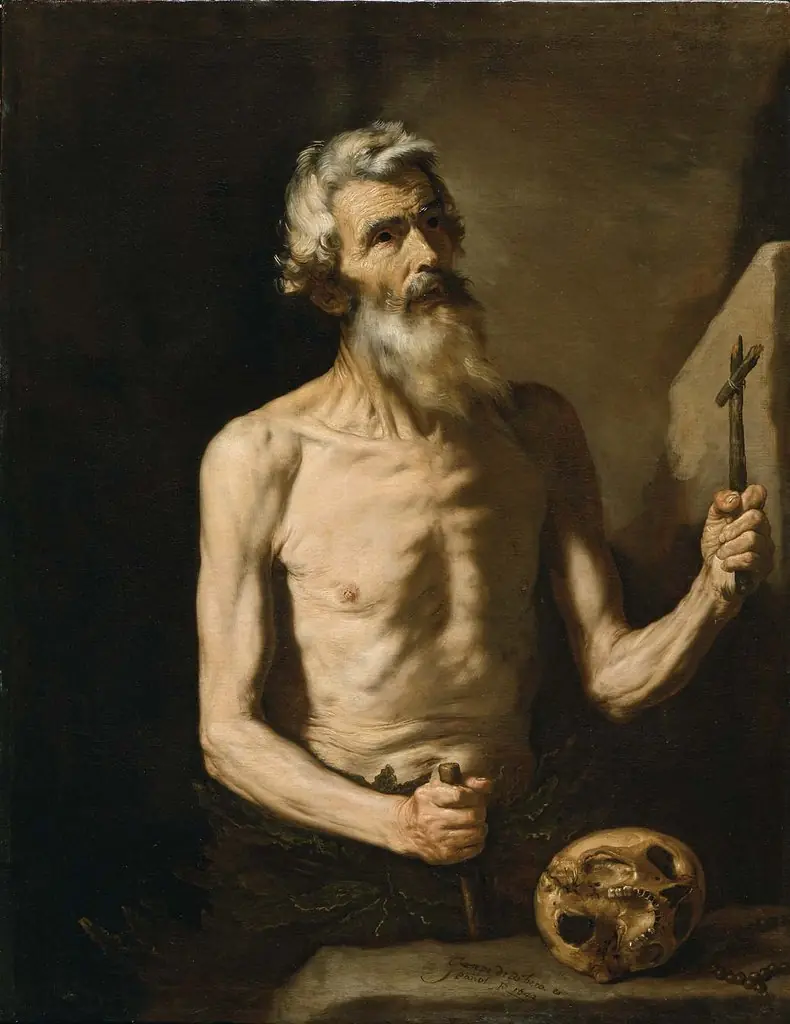
Paul of Thebes is an oil painting by the Early Baroque Italian artist Mattia Preti. It dates from 1675 and is held in the collection of the National Museum of Ancient Art.
About this work
Overview
The composition avoids narrative detail, instead inviting quiet contemplation through minimal elements and controlled lighting.
Painted in 1675 by Mattia Preti, this oil on canvas depicts Paul of Thebes, an early Christian hermit. The work resides in the National Museum of Ancient Art in Lisbon. It captures a solitary figure in a sparse, shadowed environment, emphasizing stillness and spiritual focus. The composition avoids narrative detail, instead inviting quiet contemplation through minimal elements and controlled lighting.
Subject & Meaning
Paul of Thebes, regarded as the first Christian monk, is shown in his desert retreat. The skull symbolizes mortality, the book suggests scriptural study, and the rosary reflects devotional practice. His upward gaze implies prayer or divine communion. Dressed in a simple white loincloth, he embodies ascetic withdrawal from worldly concerns, presenting a model of inner devotion over external display.
Technique & Style
Preti employs chiaroscuro to model the figure with subtle gradations of light and shadow. A soft, directional glow from above illuminates Paul’s face and torso, contrasting with the deep, unbroken darkness of the background. The textures of fabric, skin, and objects are rendered with restrained brushwork, enhancing the sense of quiet realism without theatricality. The technique deepens the psychological weight of the scene.
History & Provenance
Commissioned during Preti’s time in Italy, the painting entered Portuguese collections before being housed in the National Museum of Ancient Art. Its presence there reflects 17th-century Catholic interest in desert fathers as models of piety. The work remained relatively obscure until the 20th century, when renewed scholarly attention highlighted its quiet mastery within Baroque devotional art.
Context
Created during the Counter-Reformation, the image aligns with Church efforts to promote personal piety and monastic ideals. Paul’s solitude resonated with contemporary spiritual movements emphasizing inner reflection over spectacle. Preti, influenced by Caravaggio’s naturalism, adapted these themes into a restrained, intimate format suited to private devotion rather than public display.
Legacy
The painting stands as a quiet example of Baroque religious art that prioritizes introspection over drama. While not widely reproduced, it has been studied for its nuanced use of light and psychological depth. Its enduring presence in a national collection underscores its value as a thoughtful representation of early Christian asceticism, appreciated for its restraint and emotional sincerity.
Artist & collection

Artist
Mattia Preti was an Italian Baroque artist who worked in Italy and Malta. He was appointed a Member of the Order of Saint John.