Artwork
Januarius (January)
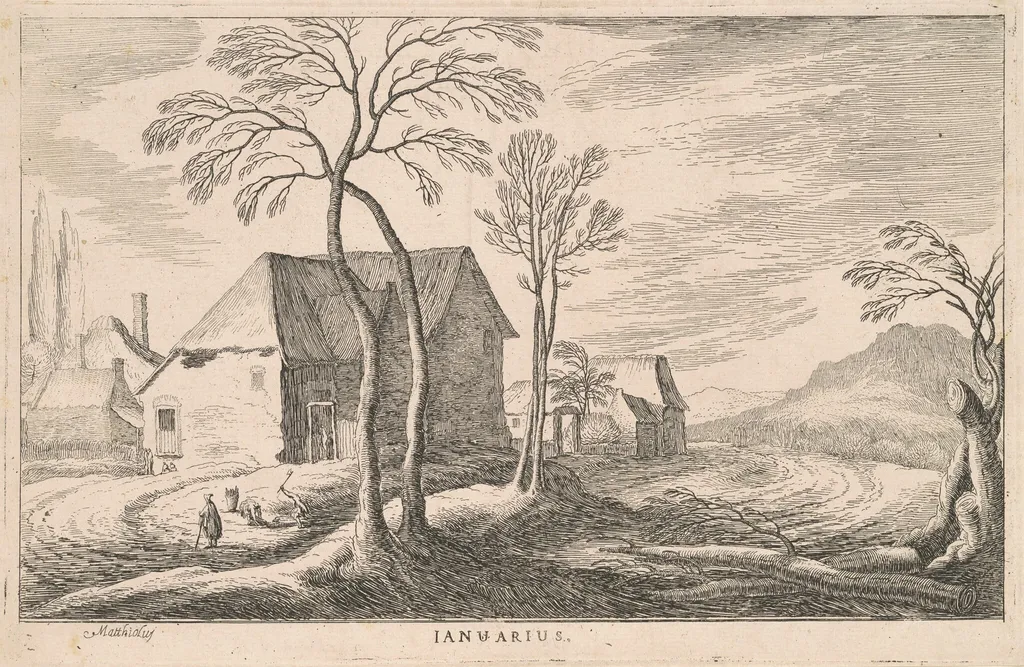
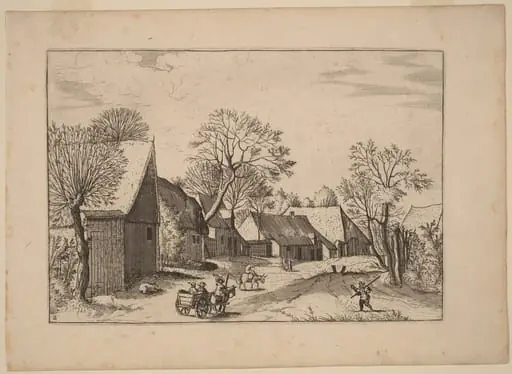
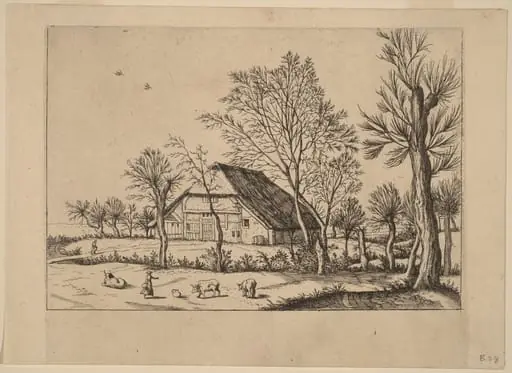
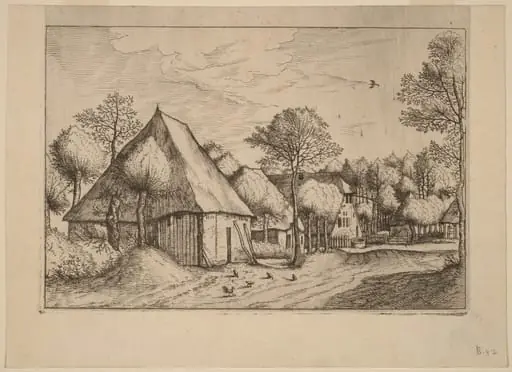
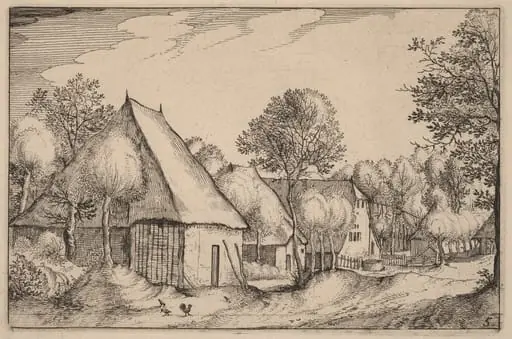
Januarius (January) is an ink print by the Romanticist artist Ludovico Mattioli. It dates from 1601 and is held in the collection of the National Gallery of Art.
About this work
Overview
Januarius is an early‑17th‑century etching executed on laid paper by the Italian printmaker Ludovico Mattioli in 1601. The work measures a modest size typical of the period and is signed with the Latin term for the month, indicating its seasonal subject. It belongs to the genre of winter landscape prints that were popular among Northern European artists and their admirers.
Subject & Meaning
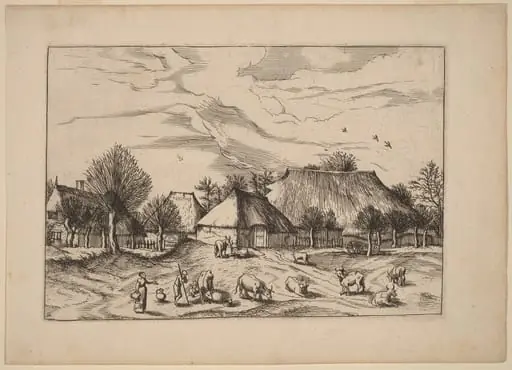
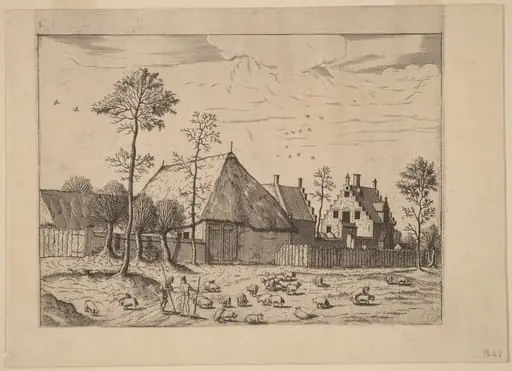
A solitary figure walks along the bank, accompanied by a small herd of animals, while distant hills dissolve into a muted sky.
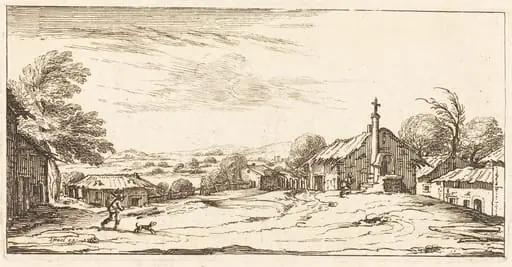
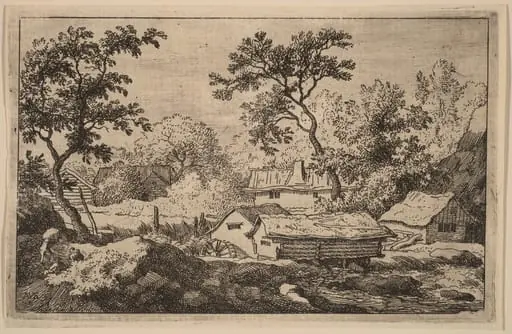
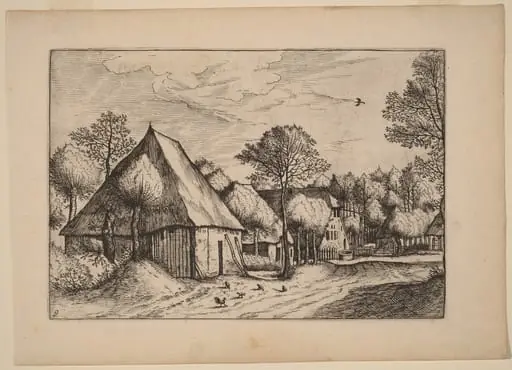
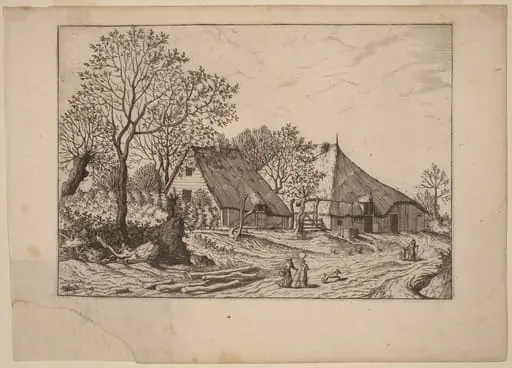
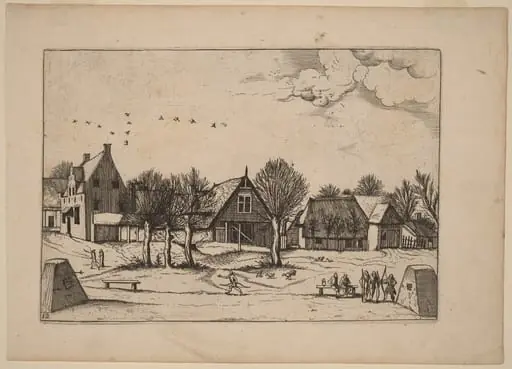
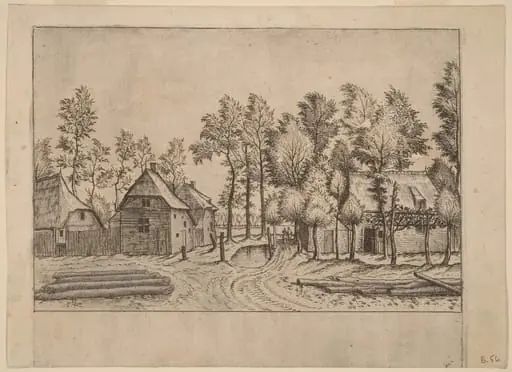
The image depicts a tranquil winter scene: a frozen river winds past three modest, thatched dwellings set against leafless trees whose bare branches stretch across a snow‑covered ground. A solitary figure walks along the bank, accompanied by a small herd of animals, while distant hills dissolve into a muted sky. The composition conveys the stillness and quietude associated with the month of January.
Technique & Style
Mattioli employed the traditional etching process, incising the design with a needle and then using acid to bite the copper plate. The resulting fine lines create delicate textures that suggest frost, snow, and the rough timber of the houses. The ink is pressed into the laid‑paper fibers, giving the print a slightly grainy surface that enhances the sense of a cold, crystalline atmosphere.
History & Provenance
Created in 1601, Januarius is one of the few surviving prints attributed to Mattioli, whose oeuvre is otherwise sparsely documented. The work entered a private collection in the 18th century before being acquired by a European museum in the early 20th century, where it remains part of the printed‑media holdings and is occasionally displayed in exhibitions of early modern landscape art.
Artist & collection