Artwork
landscape
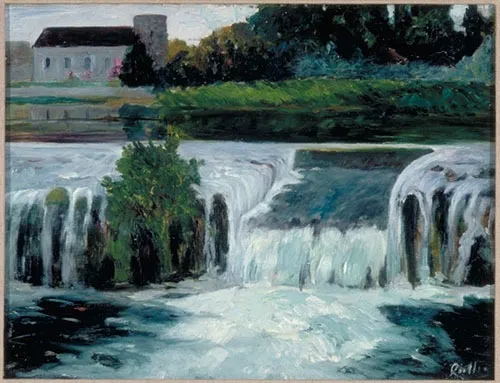
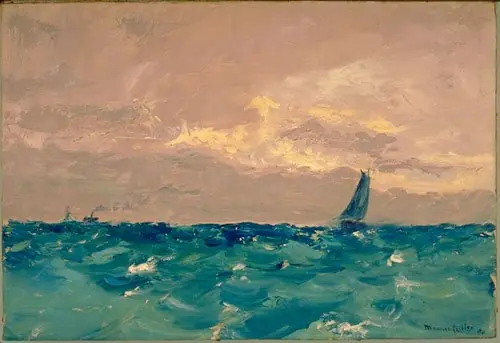
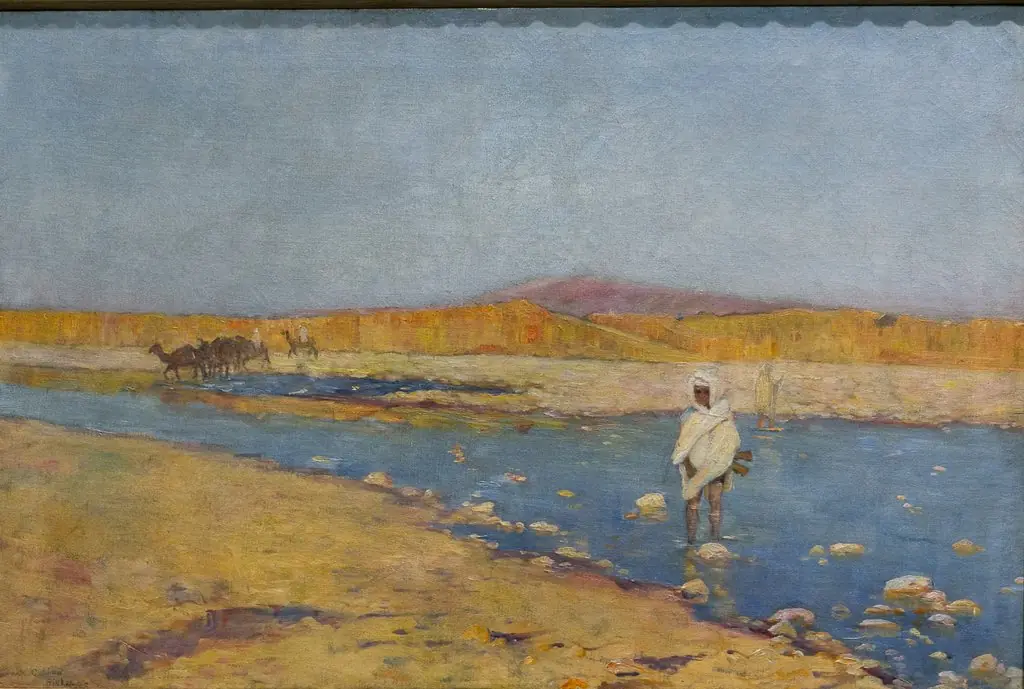
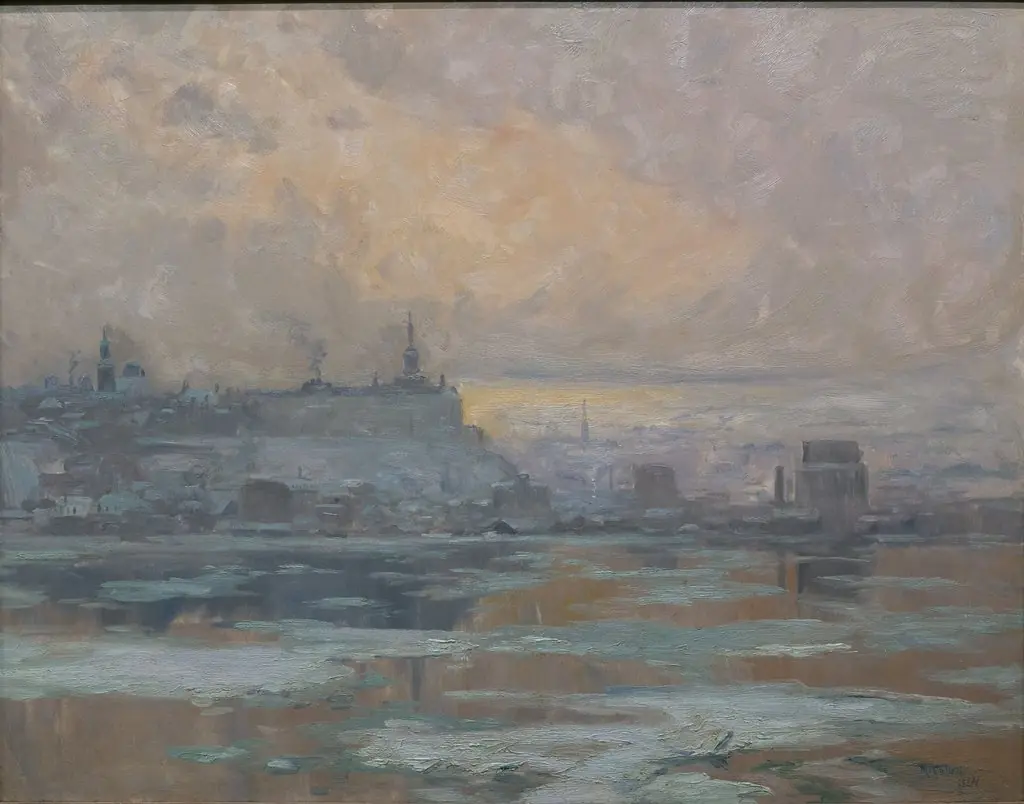
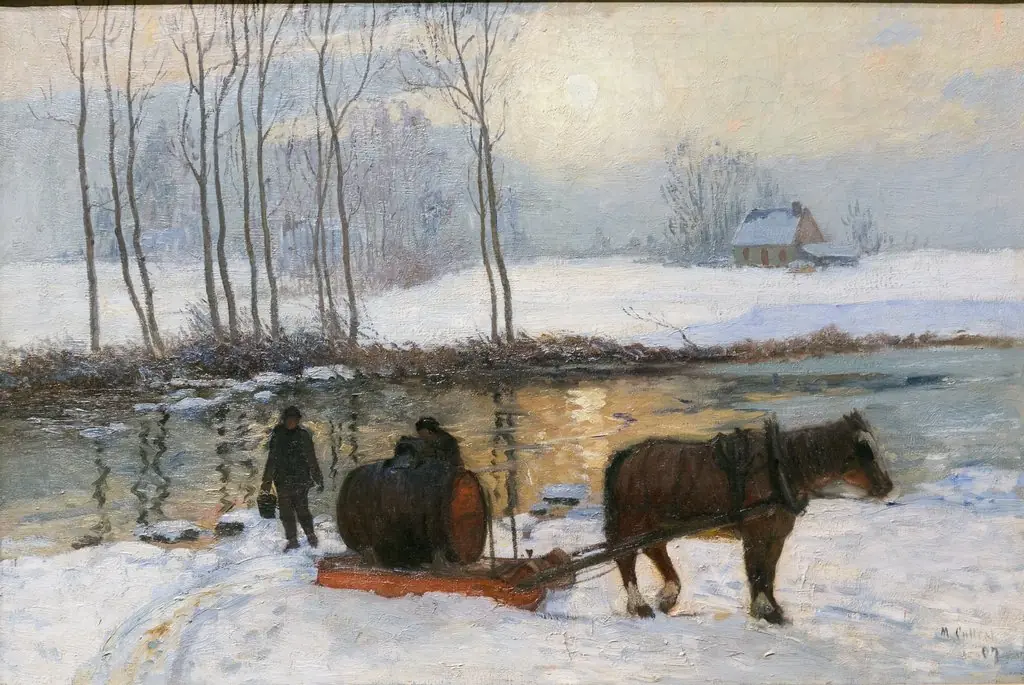
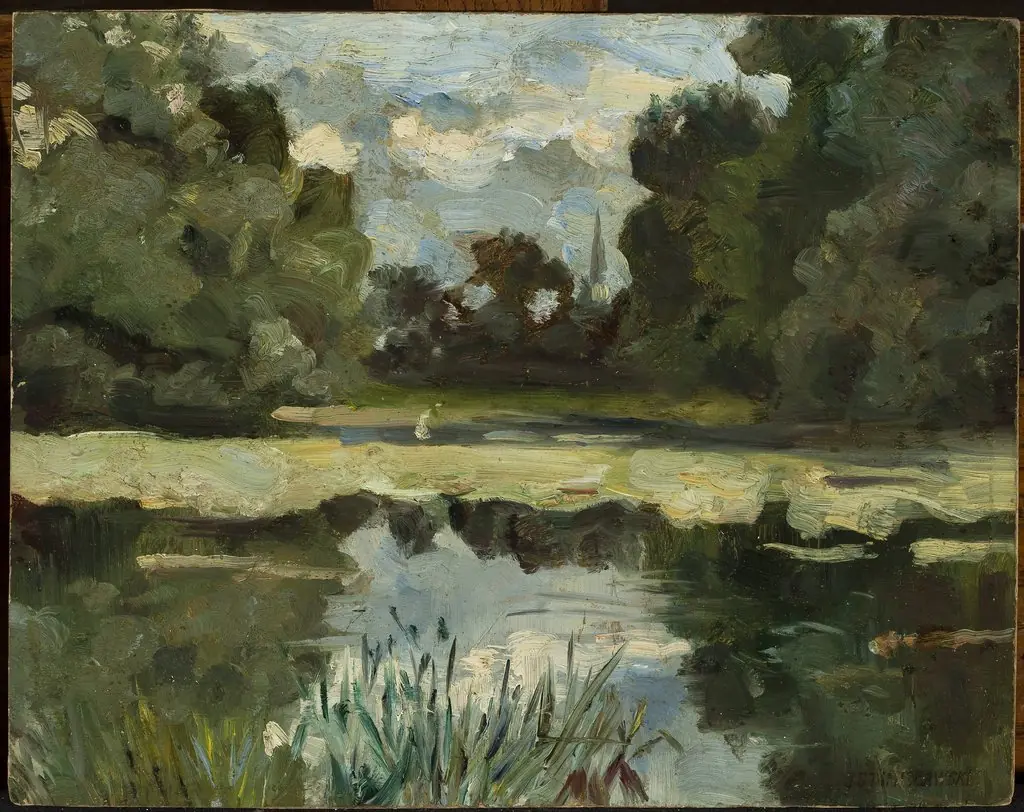
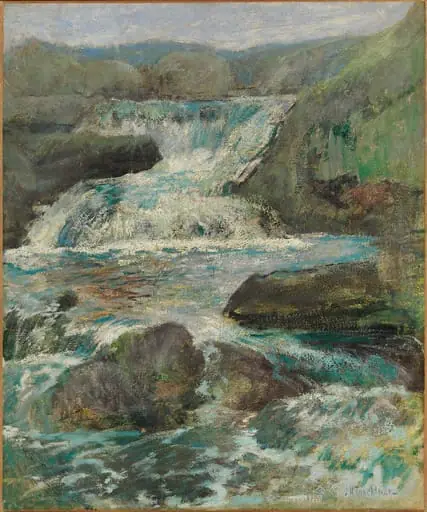
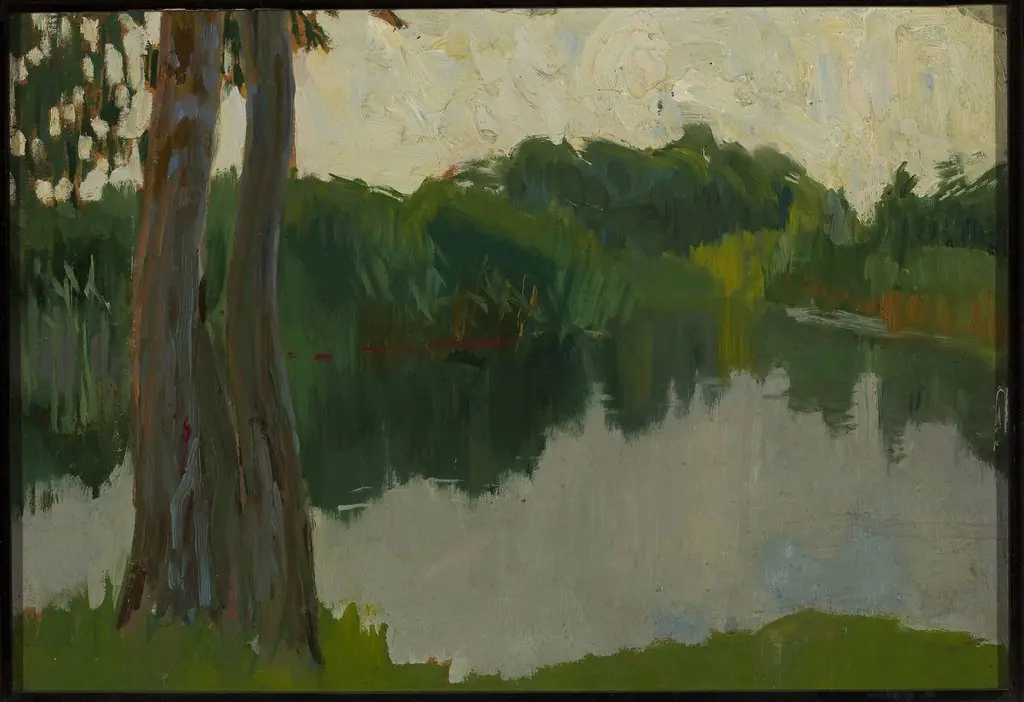
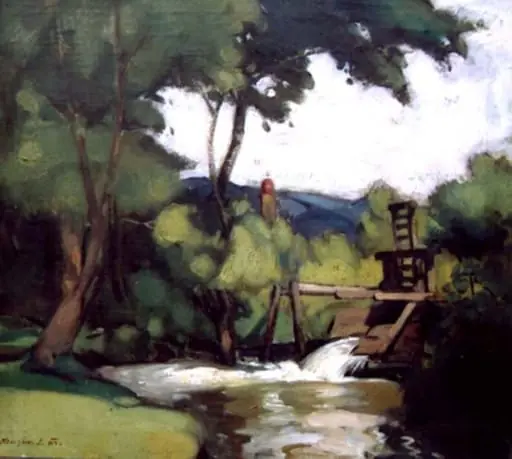
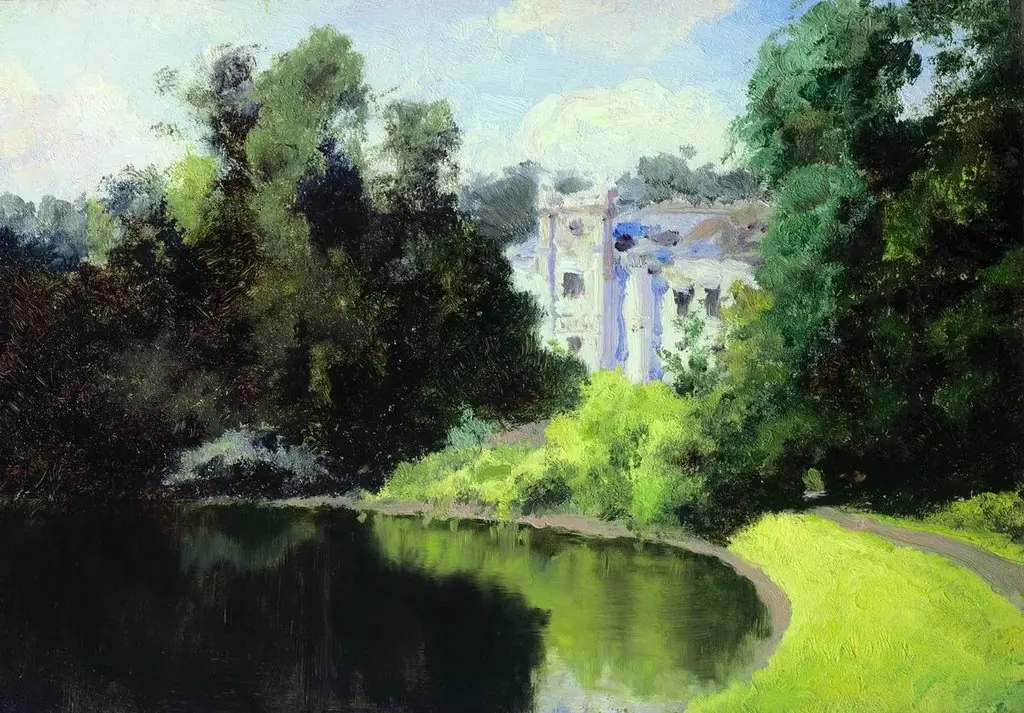
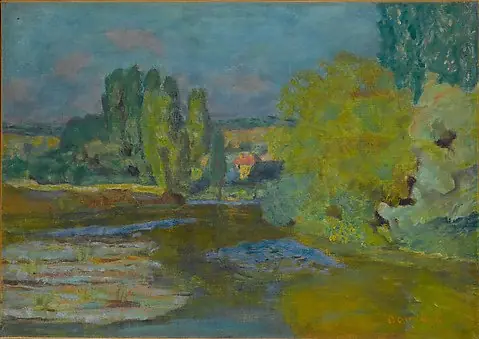
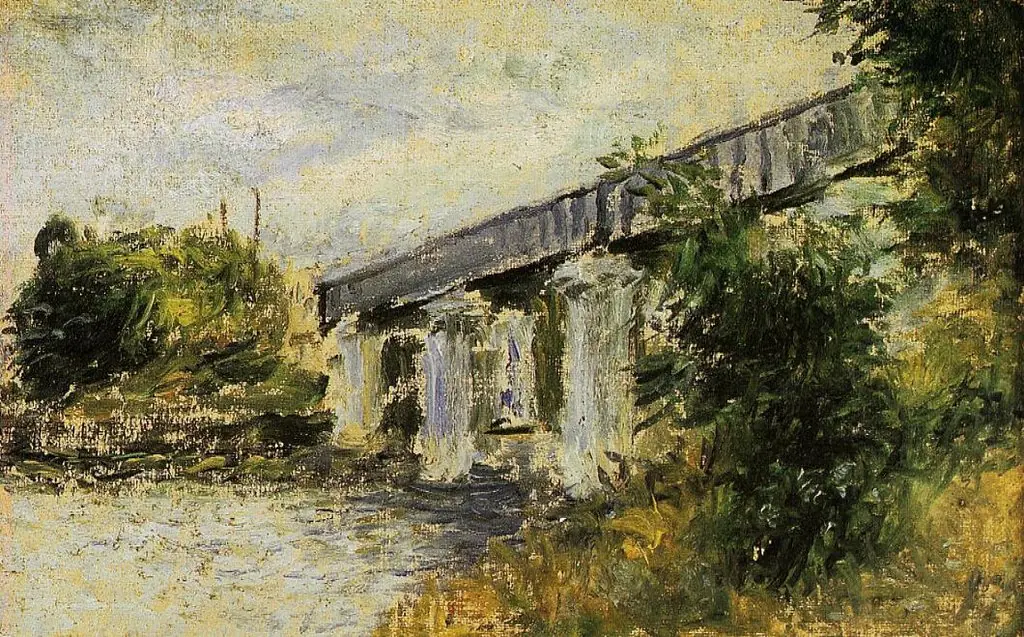
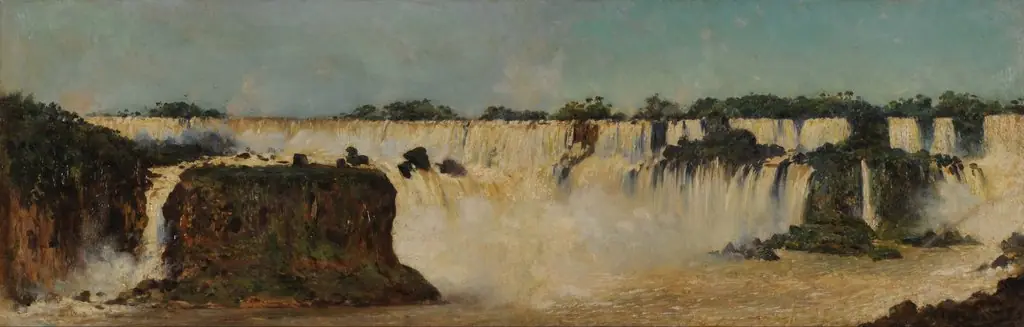
landscape is an oil painting by the Impressionist artist Maurice Galbraith Cullen. It dates from 1890 and is held in the collection of the Montreal Museum of Fine Arts.
About this work
Overview
Landscape (1890) is an oil painting by Maurice Cullen, a pivotal figure in Canadian Impressionism. The work captures a Quebec scene, characteristic of Cullen's adaptation of French Impressionist techniques to Canadian landscapes, and is part of the Montreal Museum of Fine Arts collection.
Subject & Meaning
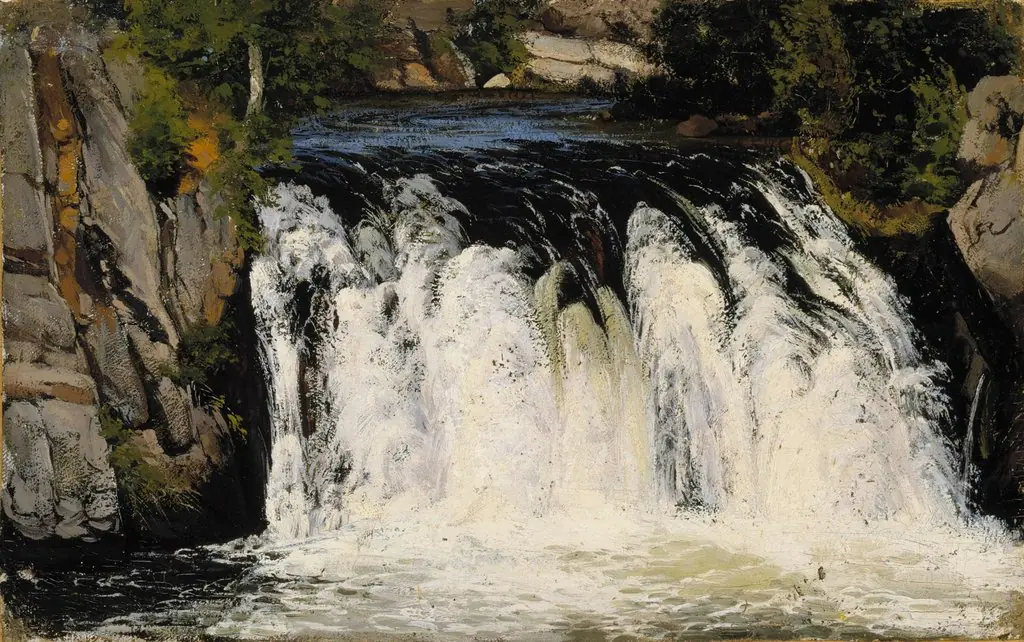
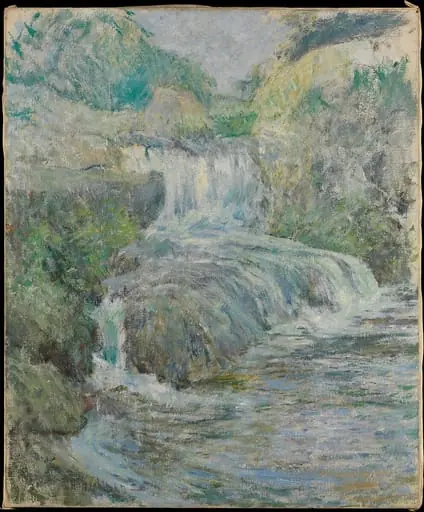
The painting prominently features a waterfall in the foreground, set against a backdrop with a small, gray-toned building. This composition highlights Cullen's emphasis on natural Canadian beauty, juxtaposing the dynamic waterfall with a subtle human presence.
Technique & Style
Visible brushstrokes and a blend of cool (blues, greens) and warm (grays, whites) colors contribute to the painting's textured, Impressionist appearance. The use of chiaroscuro enhances depth and volume, particularly in the contrasting depiction of the waterfall and the building.
History & Provenance
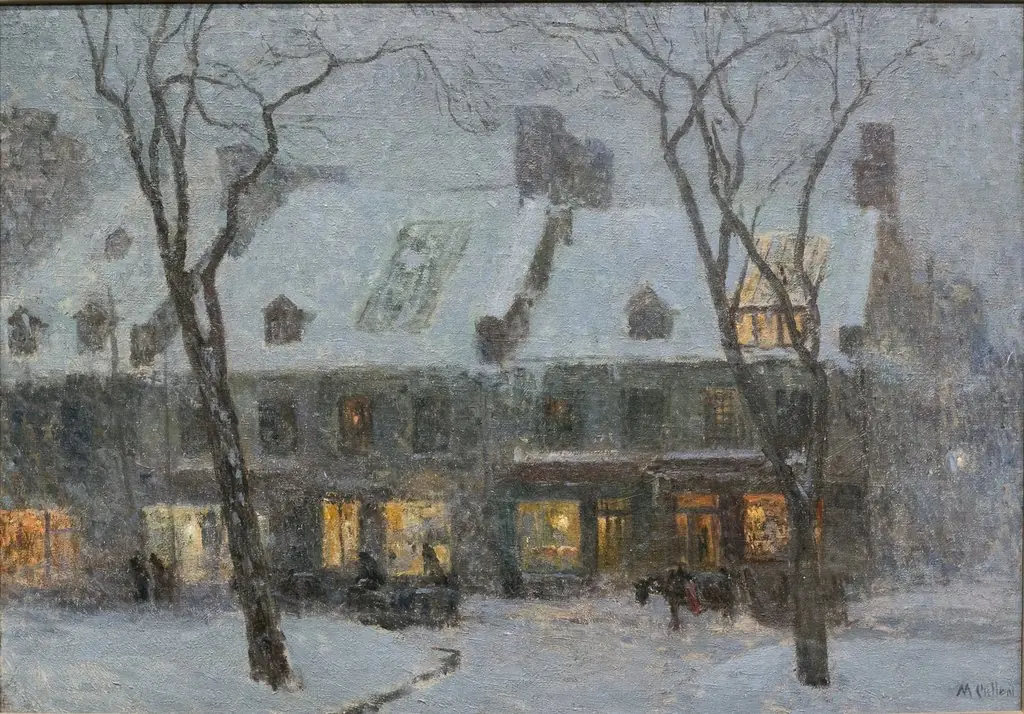
Created in 1890, Landscape reflects Cullen's signature style of capturing Quebec's winter landscapes, especially the Laurentians, with an emphasis on northern light. It is housed in the Montreal Museum of Fine Arts.
Context
This work is part of a broader movement where Canadian artists like Cullen applied Impressionist principles learned from France to uniquely Canadian subjects, contributing to the development of a distinct Canadian Impressionist identity.
Legacy
As one of Cullen's works, Landscape contributes to his legacy as the 'father of Canadian Impressionism,' illustrating the transition of Impressionist techniques to a Canadian context and the emphasis on capturing the country's natural beauty.
Artist & collection
Artist
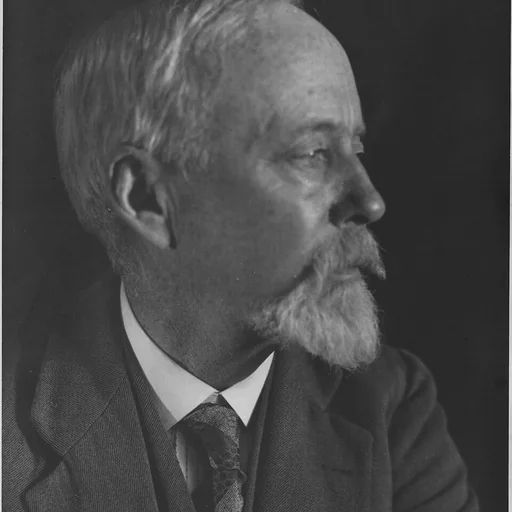
Maurice Cullen (June 6, 1866 – March 28, 1934) is considered to be the father of Canadian Impressionism because he was the first artist to skillfully adapt French Impressionism to Canadian conditions.