Artwork
Quebec City from Lévis
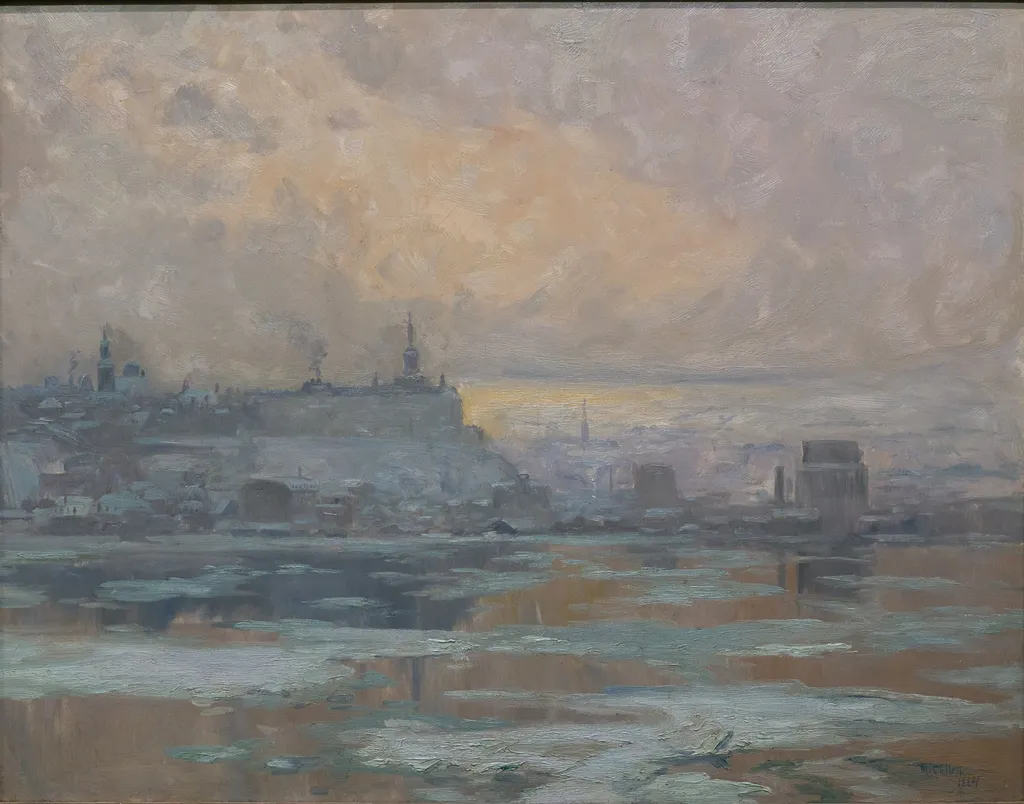
Quebec City from Lévis is an oil painting by the Impressionist artist Maurice Galbraith Cullen. It dates from 1904 and is held in the collection of the Montreal Museum of Fine Arts.
About this work
Overview
Cullen, a pivotal figure in early Canadian art, used this vantage point to explore the interplay of light and atmosphere in a northern winter setting.
Painted in 1904 by Maurice Cullen, *Quebec City from Lévis* is an oil on canvas depiction of the historic urban landscape viewed across the Saint Lawrence River. Cullen, a pivotal figure in early Canadian art, used this vantage point to explore the interplay of light and atmosphere in a northern winter setting. The work belongs to the Montreal Museum of Fine Arts’ permanent collection and exemplifies his commitment to capturing the distinctive qualities of Canadian scenery through a modified Impressionist lens.
Subject & Meaning
The painting presents Quebec City as seen from the opposite shore in Lévis, with its clustered buildings ascending a hillside and a prominent church steeple rising above the rooftops. The river in the foreground acts as a reflective surface, mirroring the overcast sky and softening the boundary between land and water. This composition conveys a quiet, contemplative mood, emphasizing the relationship between natural elements and human settlement in a seasonally restrained environment.
Technique & Style
Cullen employed loose brushwork and a restrained palette of grays, blues, and muted earth tones to render the scene’s atmospheric conditions. Rather than sharp detail, he relied on tonal gradations to suggest form and depth, particularly in the river’s surface and the city’s silhouette. The cloudy sky and diffused light reflect his adaptation of French Impressionist methods to the subdued luminosity of Canadian winters, avoiding vivid color in favor of nuanced value shifts.
History & Provenance
Created during a period when Cullen was actively developing his signature style, the painting was completed after several trips to Quebec City and its surrounding regions. It entered the collection of the Montreal Museum of Fine Arts in the early 20th century and has remained a key example of his oeuvre. Its preservation reflects its significance in documenting the visual culture of Canada at the turn of the century, particularly through the eyes of a local artist trained abroad.
Context
In the early 1900s, Canadian artists were increasingly turning to domestic landscapes as subjects worthy of serious artistic attention. Cullen’s work emerged alongside a broader movement to define a national visual identity, distinct from European traditions. *Quebec City from Lévis* aligns with this shift, portraying a familiar, everyday scene with emotional resonance rather than idealized grandeur, reflecting a growing interest in regional authenticity.
Legacy
Cullen’s approach to light and landscape influenced subsequent generations of Canadian painters who sought to capture the country’s unique seasonal and atmospheric conditions. *Quebec City from Lévis* stands as an early example of how Impressionist techniques could be reoriented to suit northern environments, helping to establish a visual language for Canadian art that valued observation over ornamentation. The painting remains a reference point in discussions of national artistic development.
Own this work as a print
Artist & collection
Artist
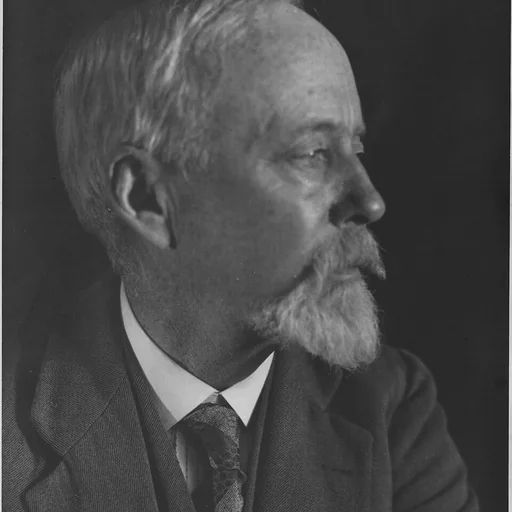
Maurice Cullen (June 6, 1866 – March 28, 1934) is considered to be the father of Canadian Impressionism because he was the first artist to skillfully adapt French Impressionism to Canadian conditions.

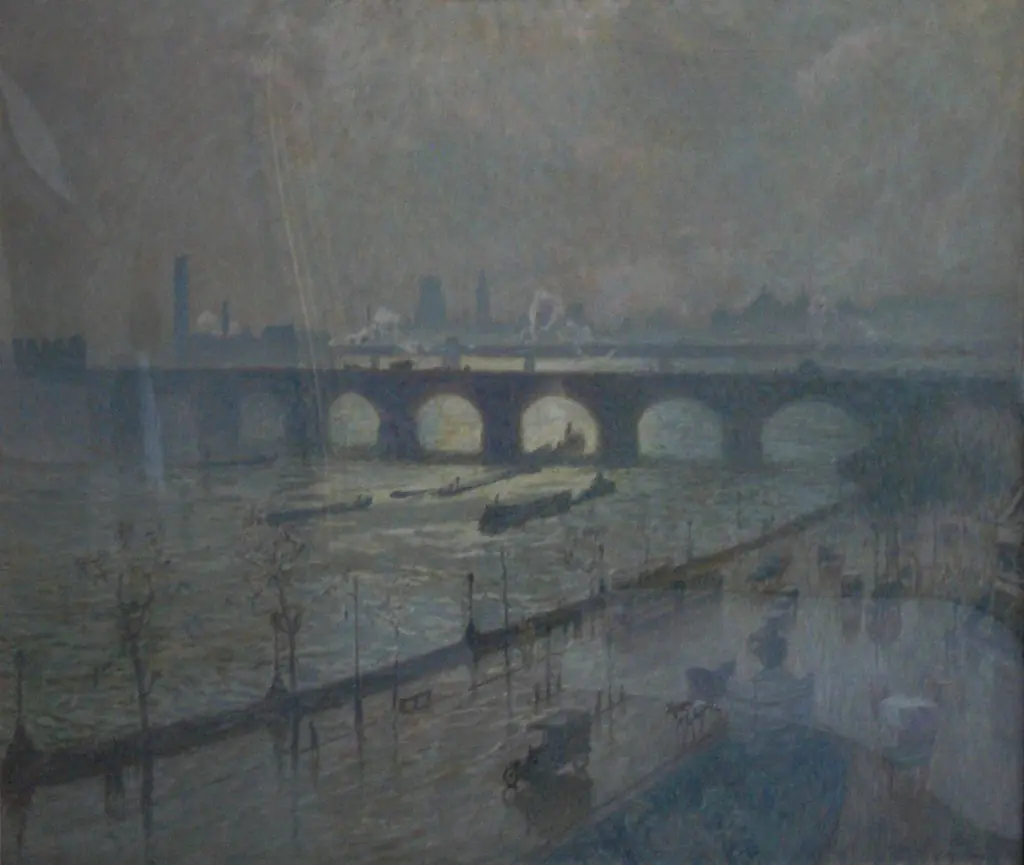 Waterloo Bridge, sun and rain
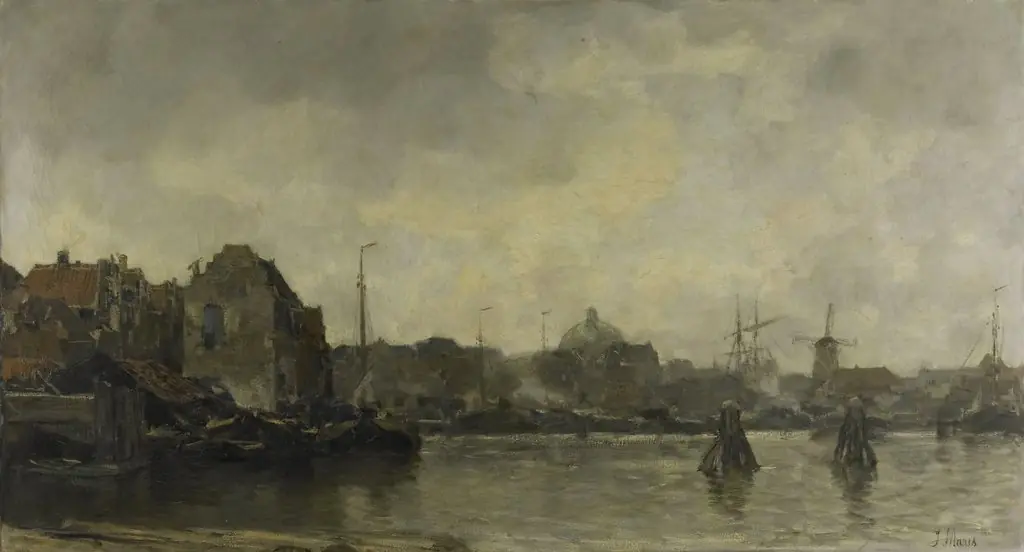 Cityscape
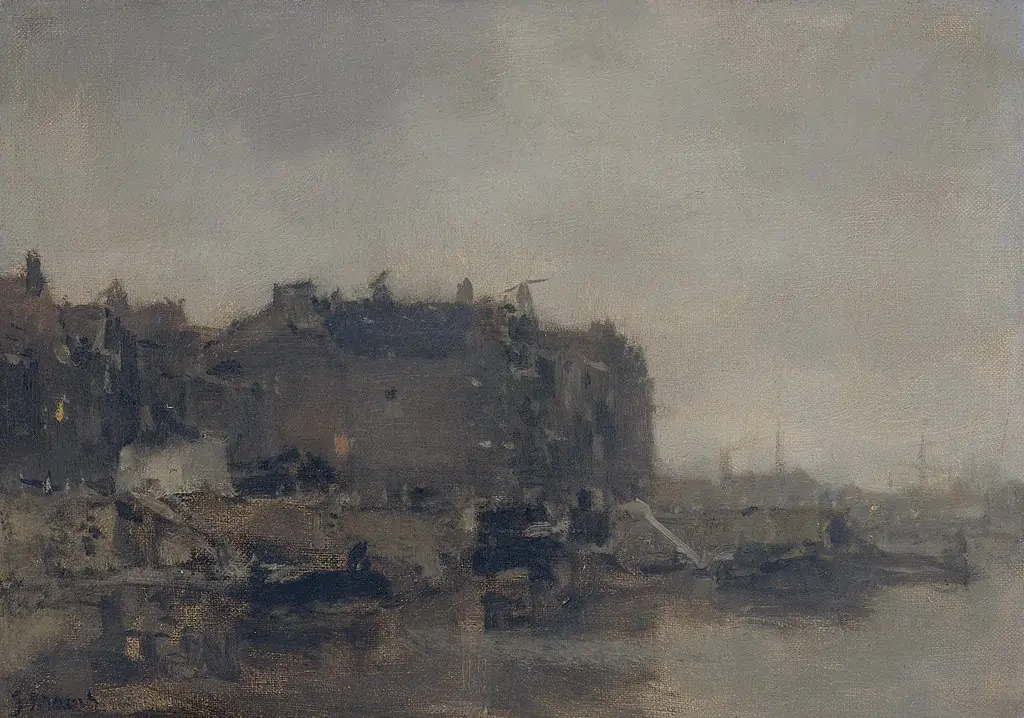 Houses on the Prins Hendrikkade, Amsterdam, on a Misty Day
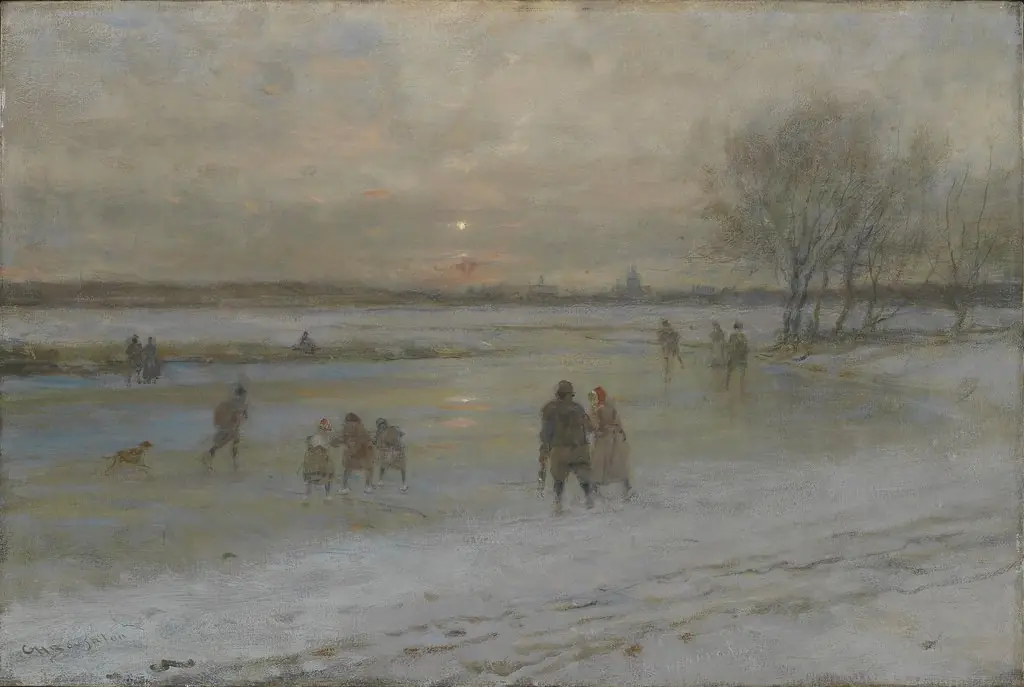 Winter scene in Holland
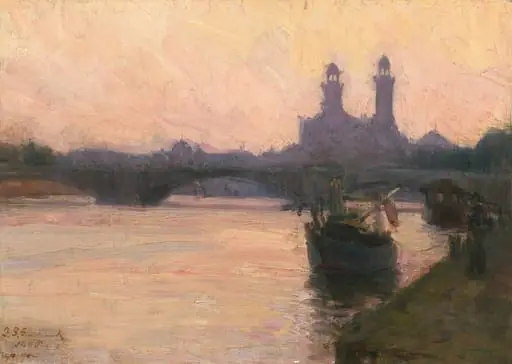 The Seine
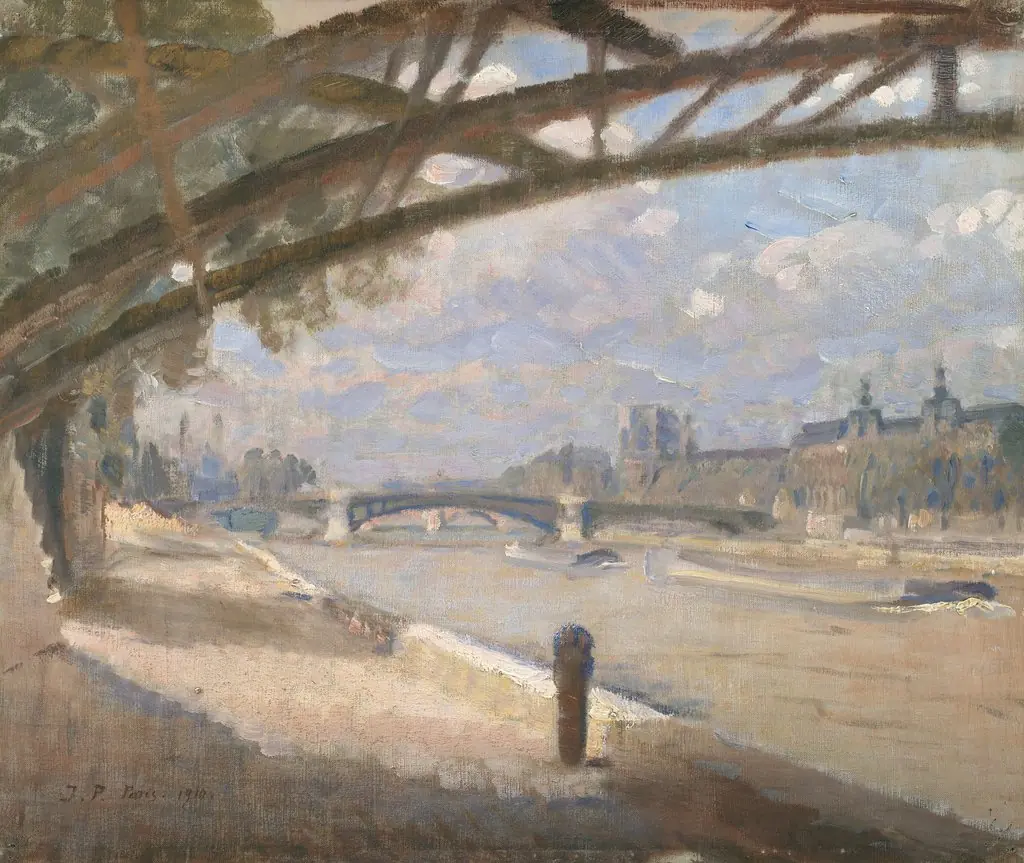 Under the Pont des Arts, Paris. Noon
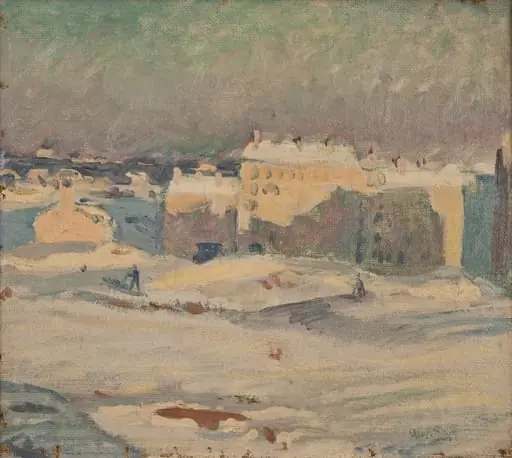 Tuntematon kaupunkimaisema, Helsinkiä
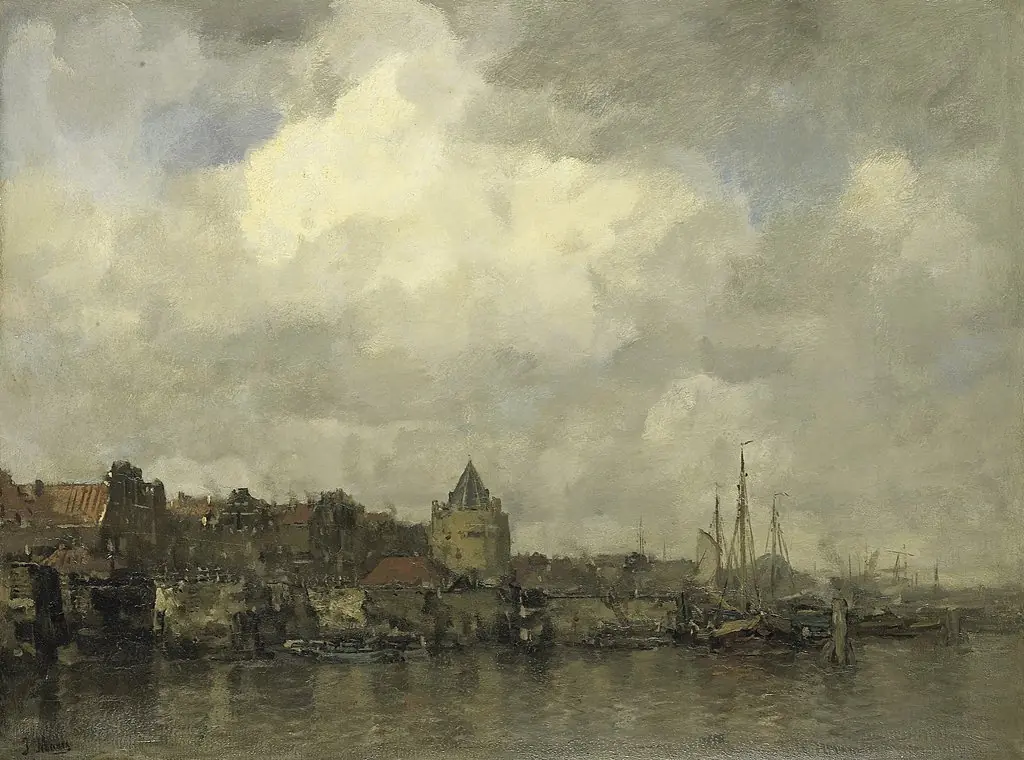 De Schreierstoren aan de Buitenkant te Amsterdam
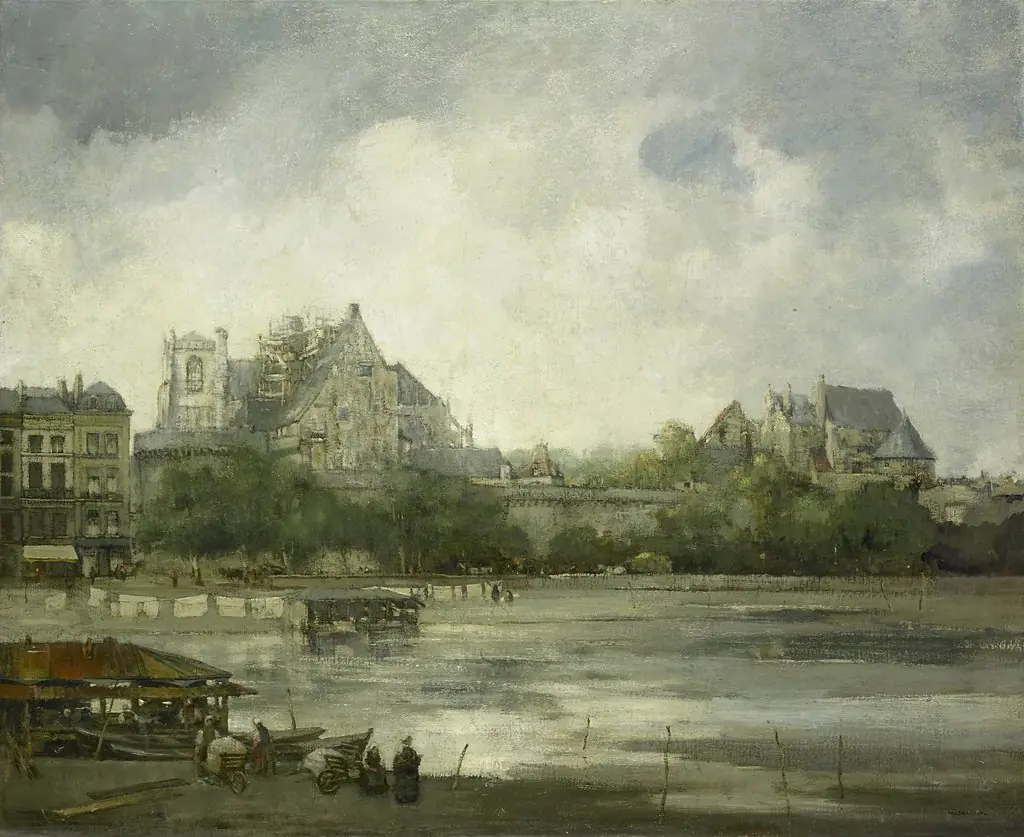 View of Nantes
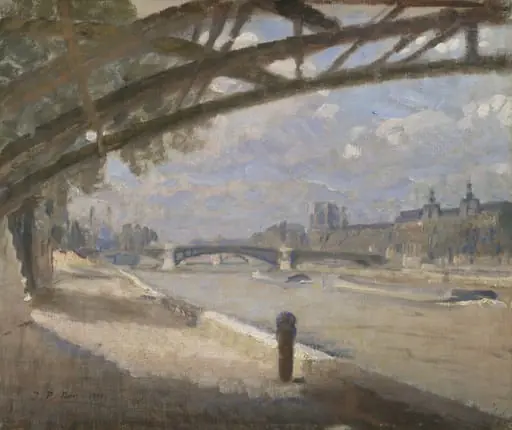 Under the Pont des Arts, Paris. Noon
 Hietasalmi
 Schepen in de haven van Dordrecht