Artwork
River Bend (Coin de Riviere)
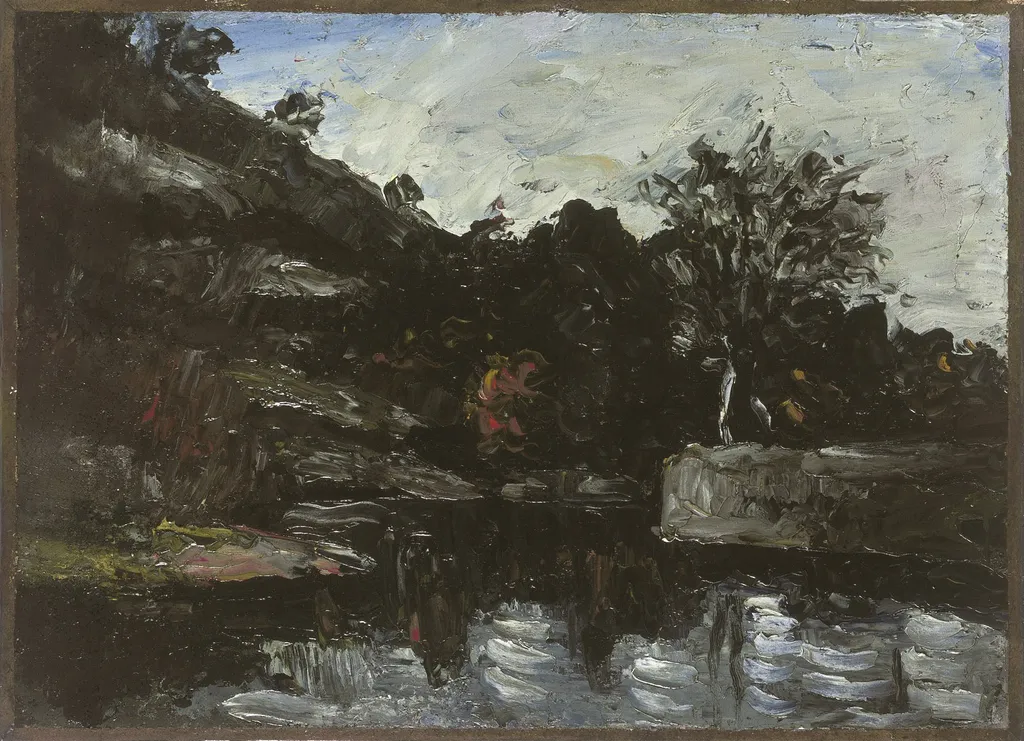
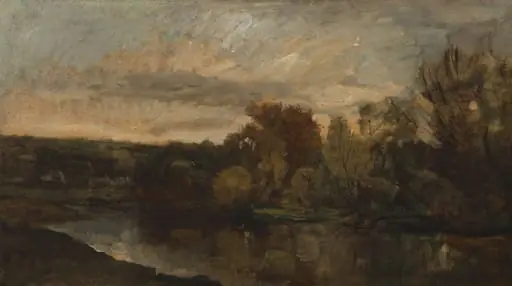
River Bend (Coin de Riviere) is an oil painting by the Realist artist Paul Cezanne. It dates from 1865 and is held in the collection of the Israel Museum.
About this work
Overview
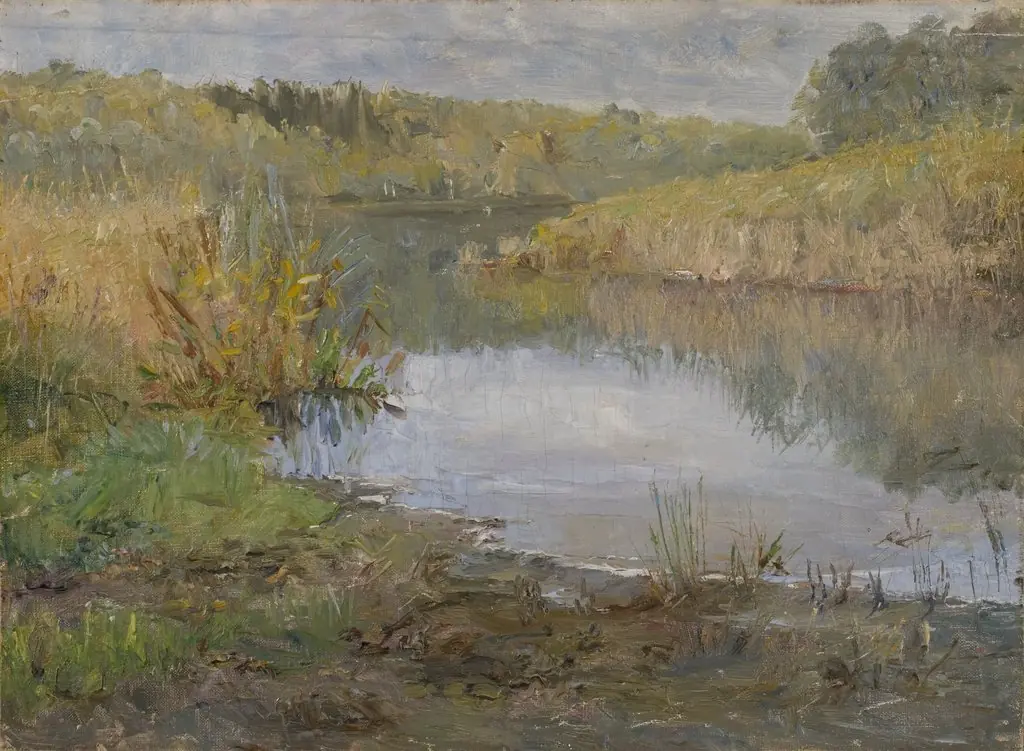
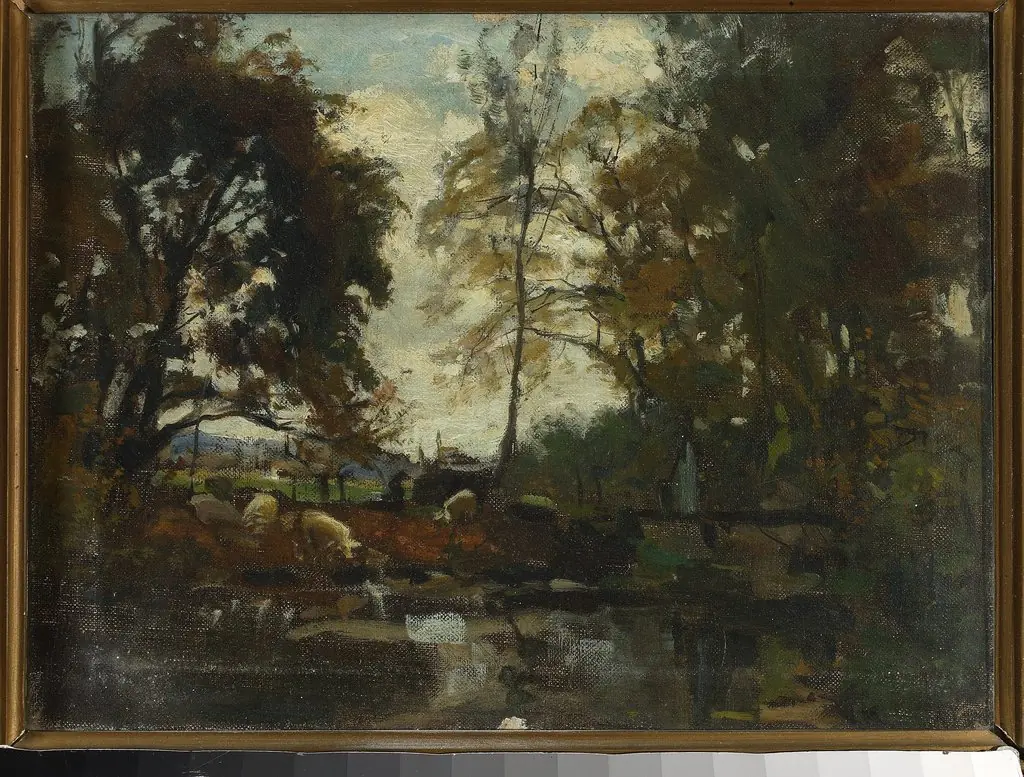
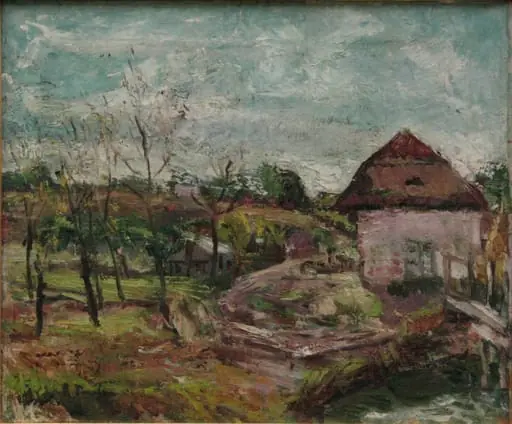
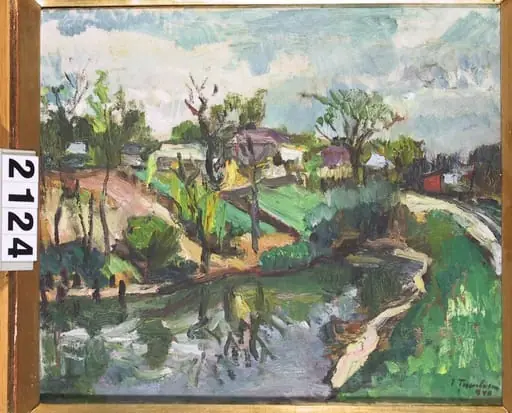
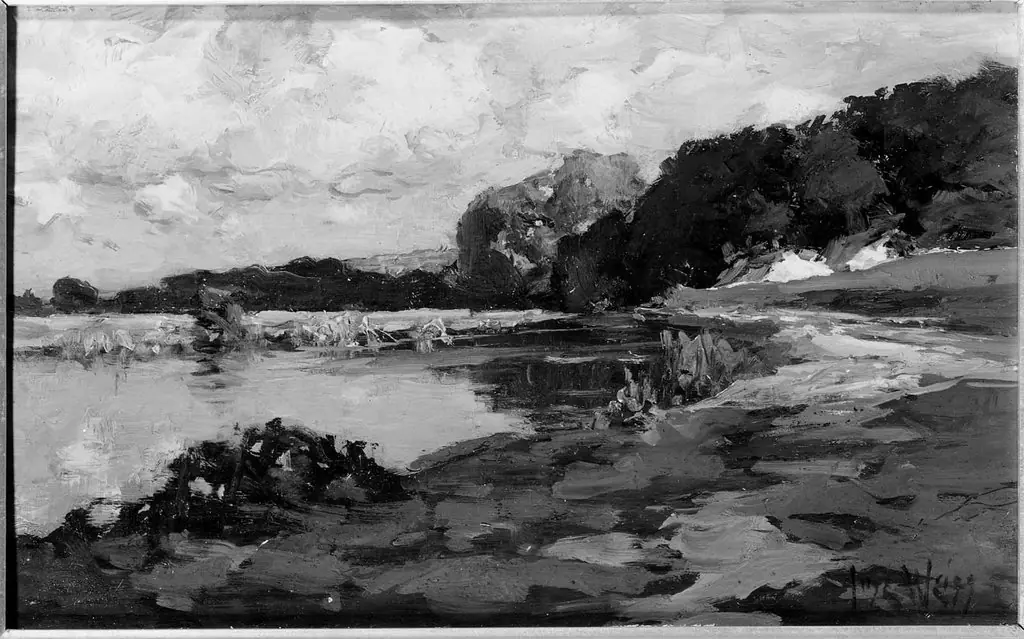
River Bend (Coin de Riviere), painted in 1865 by Paul Cézanne, is an oil painting characterized by its serene landscape depiction of a river bend, trees, and a cloudy sky. Executed during Cézanne’s formative period, it precedes his influential Post-Impressionist works.
Subject & Meaning
The painting captures a tranquil natural scene, emphasizing the interplay between the river, foliage, and sky. The composition focuses on structural elements within the landscape, reflecting Cézanne’s early interest in form.
Technique & Style
Cézanne employed dark hues and bold, expressive brushstrokes to achieve depth and texture. The river’s edge, foliage reflections, and gently swaying trees in varied greens contribute to the work’s visual dynamism against a soft, pale blue sky.
History & Provenance
Created in 1865, during Cézanne’s Realist-aligned early phase, River Bend is now part of the Israel Museum’s collection.
Context
As a late 19th-century French painter, Cézanne’s early works like River Bend laid groundwork for his later bridging of Impressionism and Cubism through Post-Impressionism.
Legacy
While River Bend represents Cézanne’s nascent style, his overall oeuvre would significantly impact the development of modern art, particularly in the transition to Post-Impressionist and Cubist movements.
Artist & collection
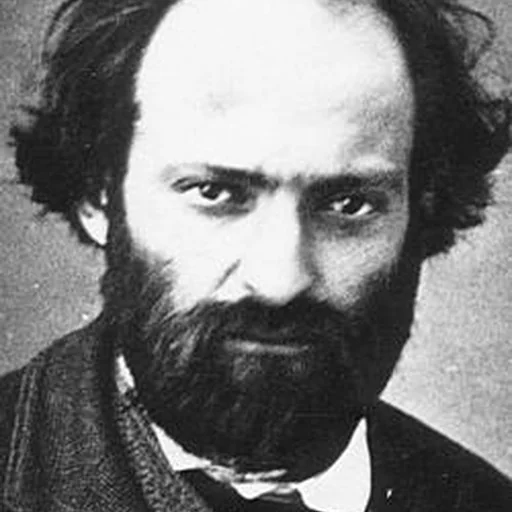
Artist
Paul Cézanne was born on January 19, 1839, in Aix-en-Provence, the son of a hatter turned wealthy banker.

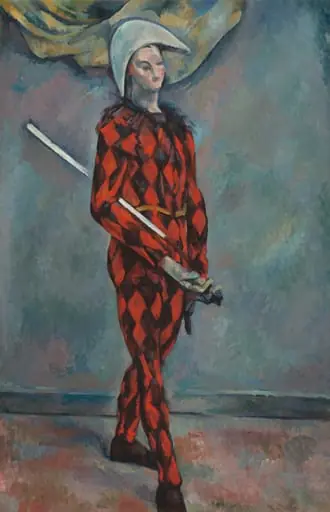 Harlequin
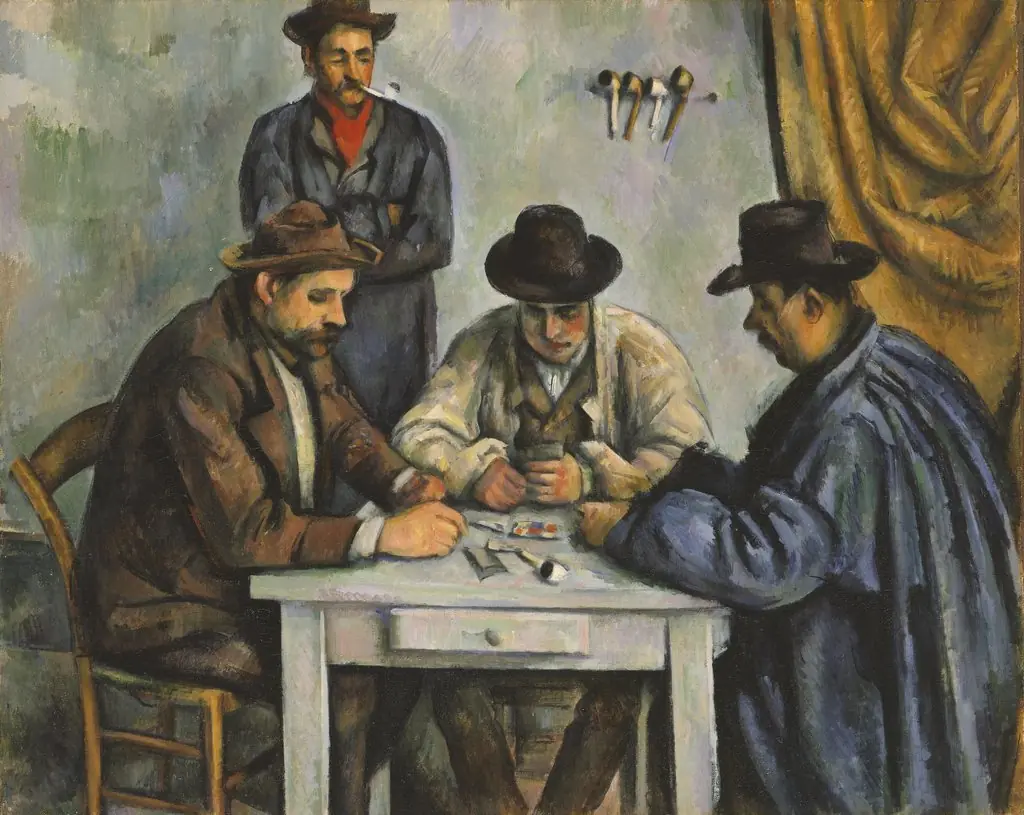 The Card Players
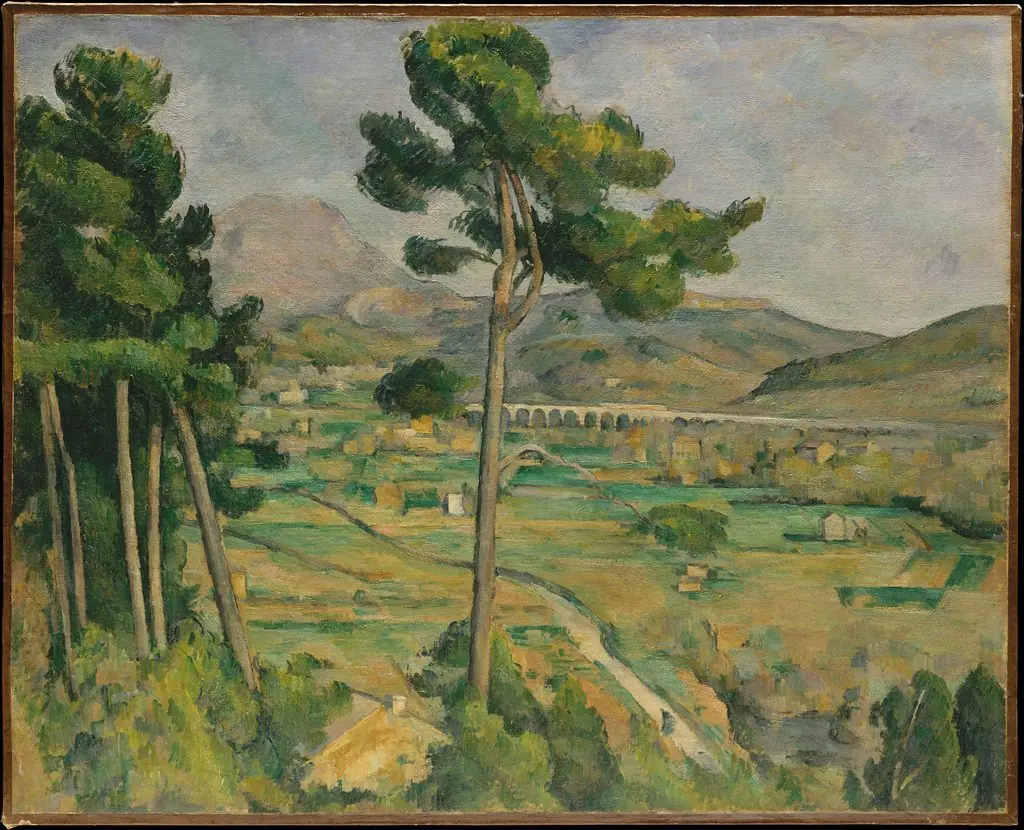 Mont Sainte-Victoire and the Viaduct of the Arc River Valley
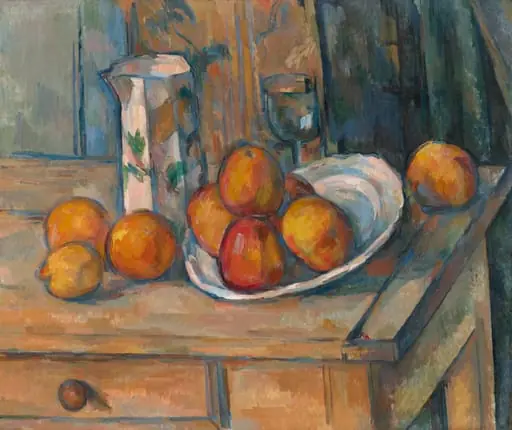 Still Life with Milk Jug and Fruit
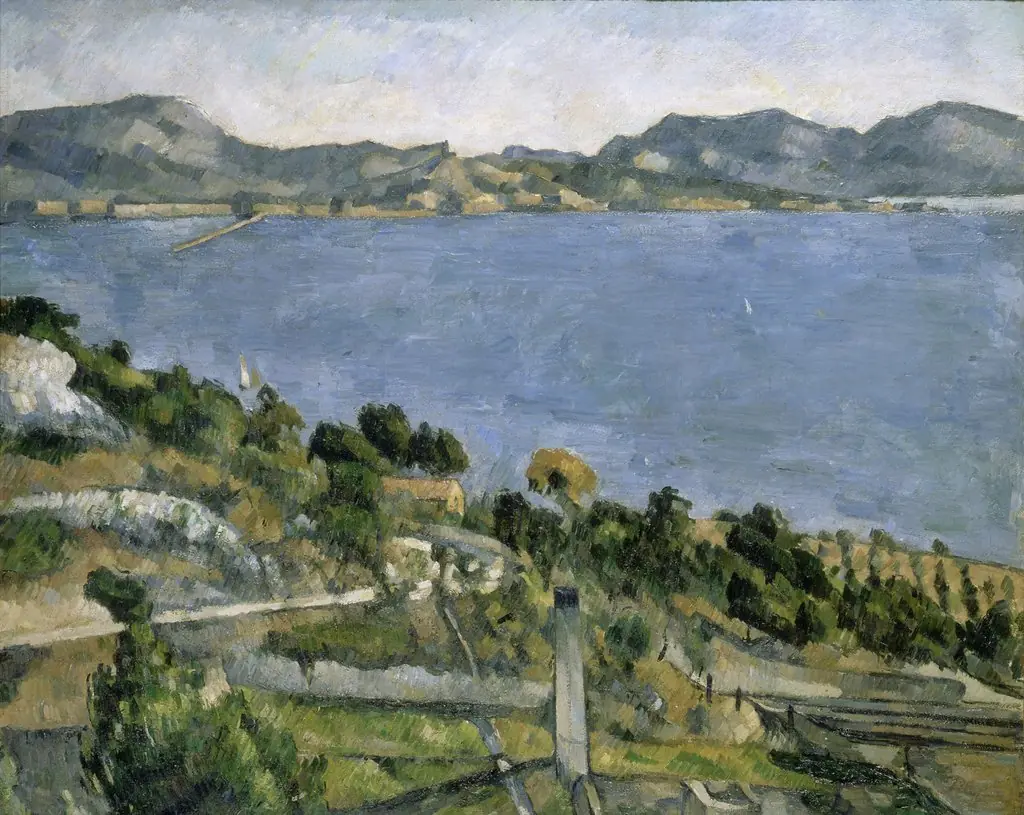 Le Golfe de Marseille vu de l'Estaque (The Gulf of Marseille Seen from L'Estaque)
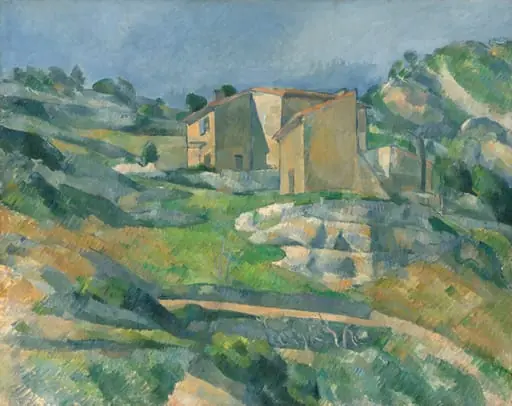 Houses in Provence: The Riaux Valley near L'Estaque
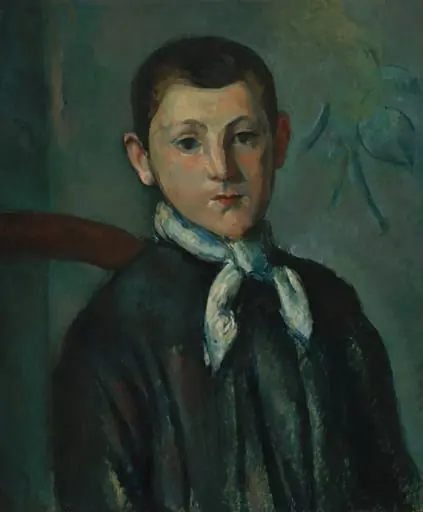 Louis Guillaume
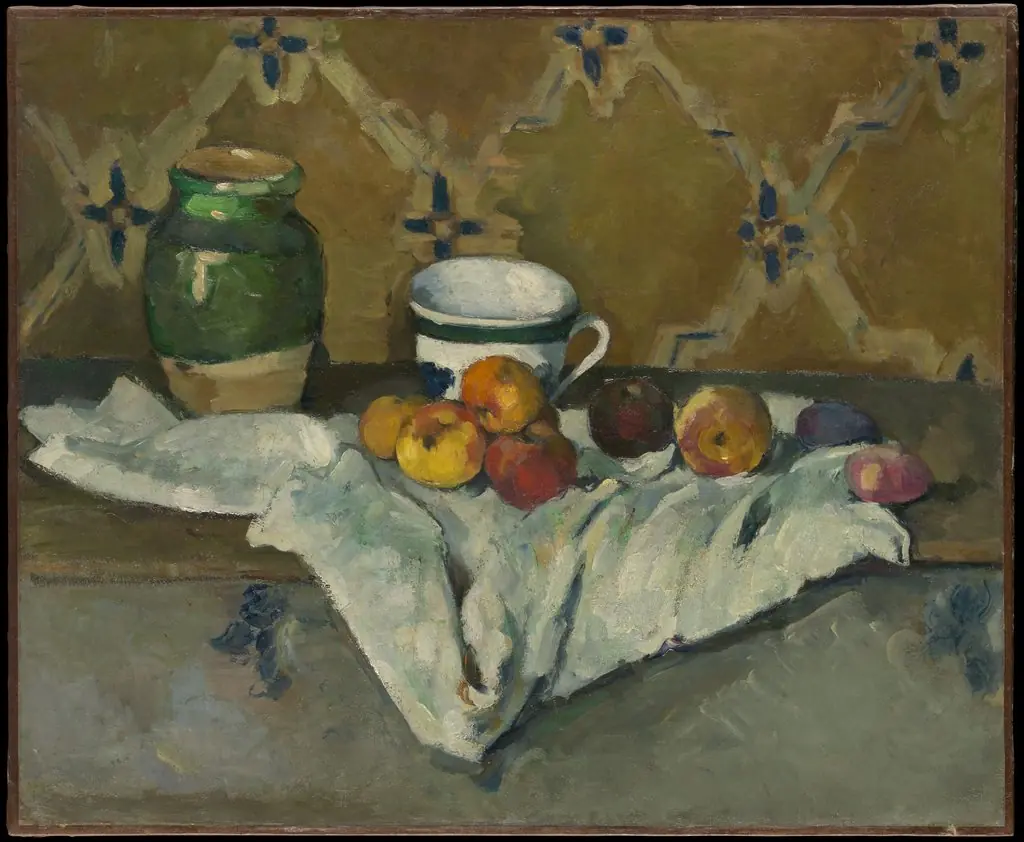 Still Life with Jar, Cup, and Apples