Artwork
Untitled
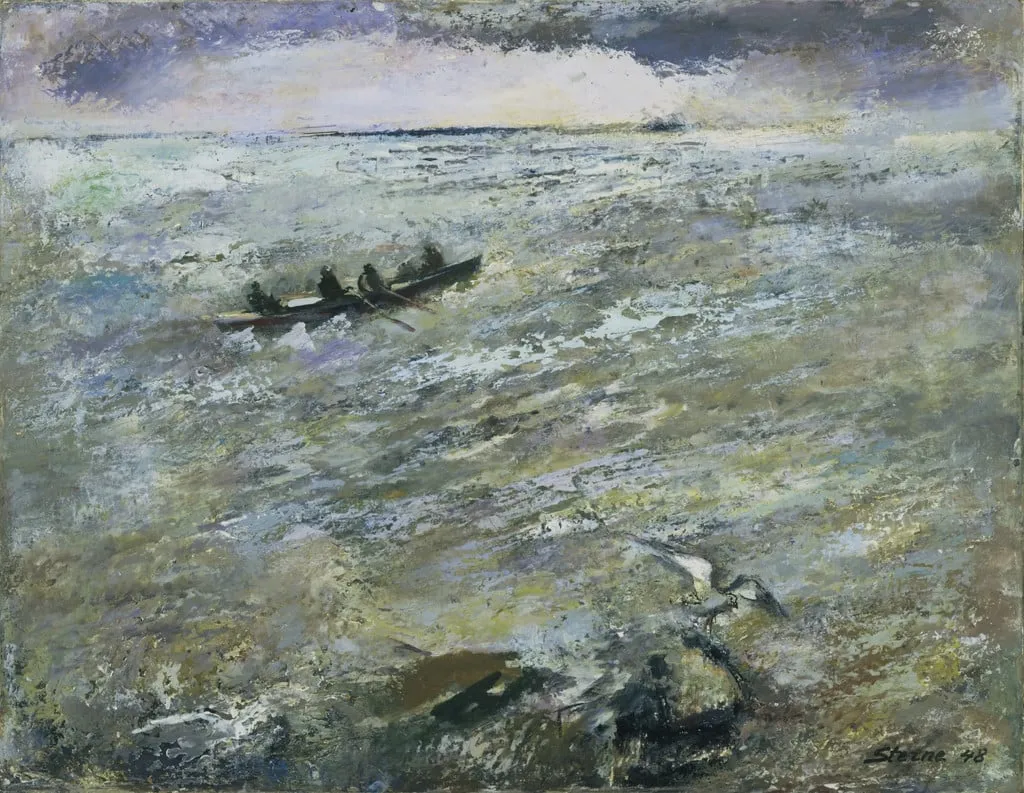
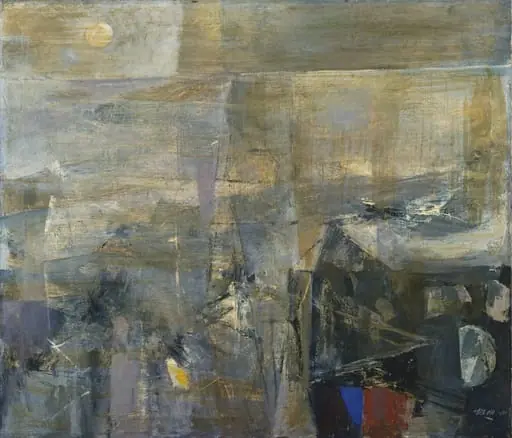
Untitled is an oil painting by the Abstract Expressionist artist Maurice Sterne. It dates from 1948 and is held in the collection of the Museum of Modern Art.
About this work
Overview
Though Sterne began as a sculptor and was active in early 20th-century American art circles, this late work reflects a shift toward gestural abstraction.
Maurice Sterne’s 1948 oil on canvas, untitled, is a landscape that aligns with the broader tendencies of Abstract Expressionism. Though Sterne began as a sculptor and was active in early 20th-century American art circles, this late work reflects a shift toward gestural abstraction. It captures a moment of natural turbulence with minimal detail, emphasizing emotional resonance over literal representation. The painting resides in the permanent collection of The Museum of Modern Art.
Subject & Meaning
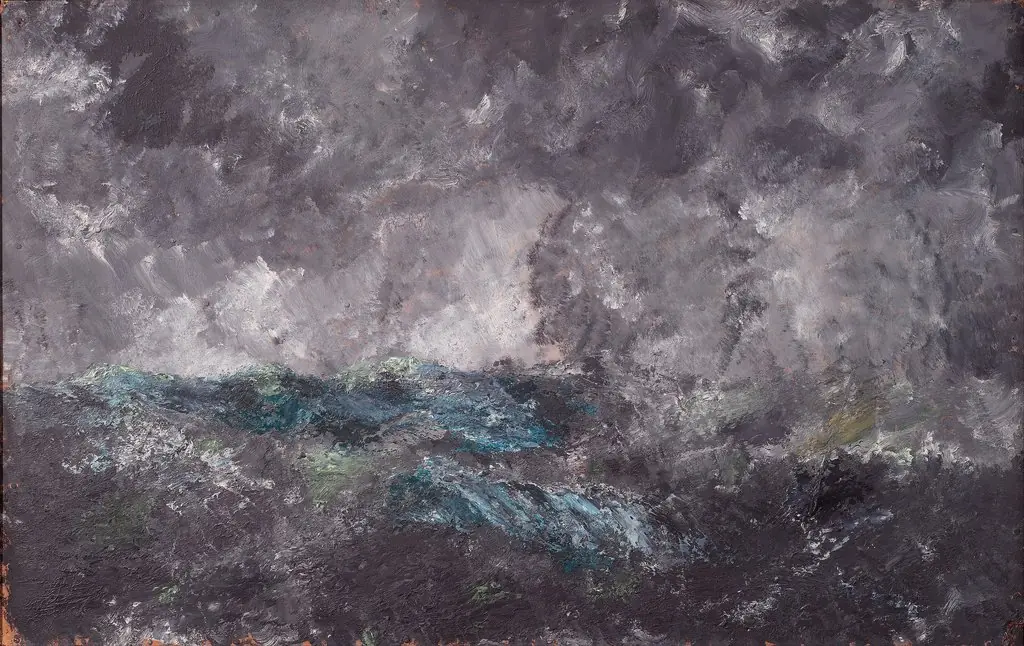
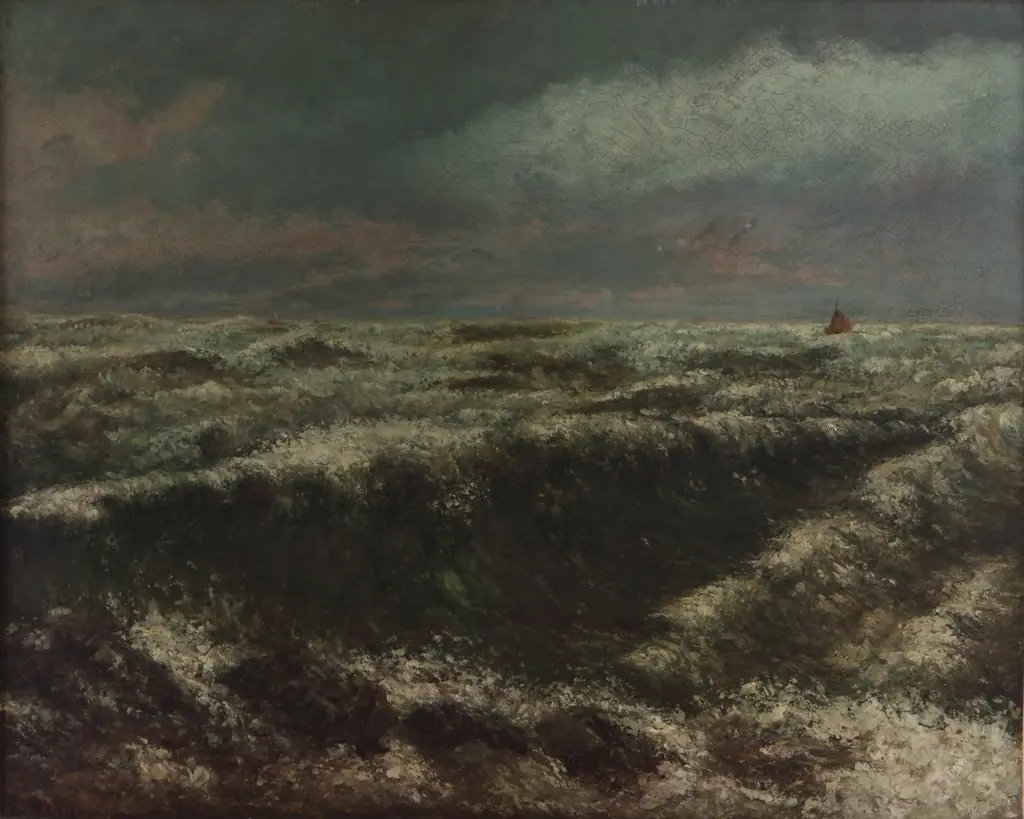
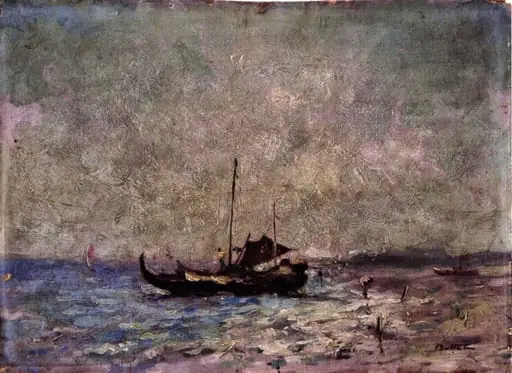
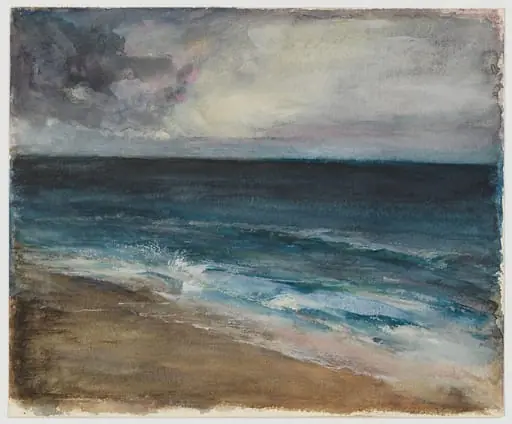
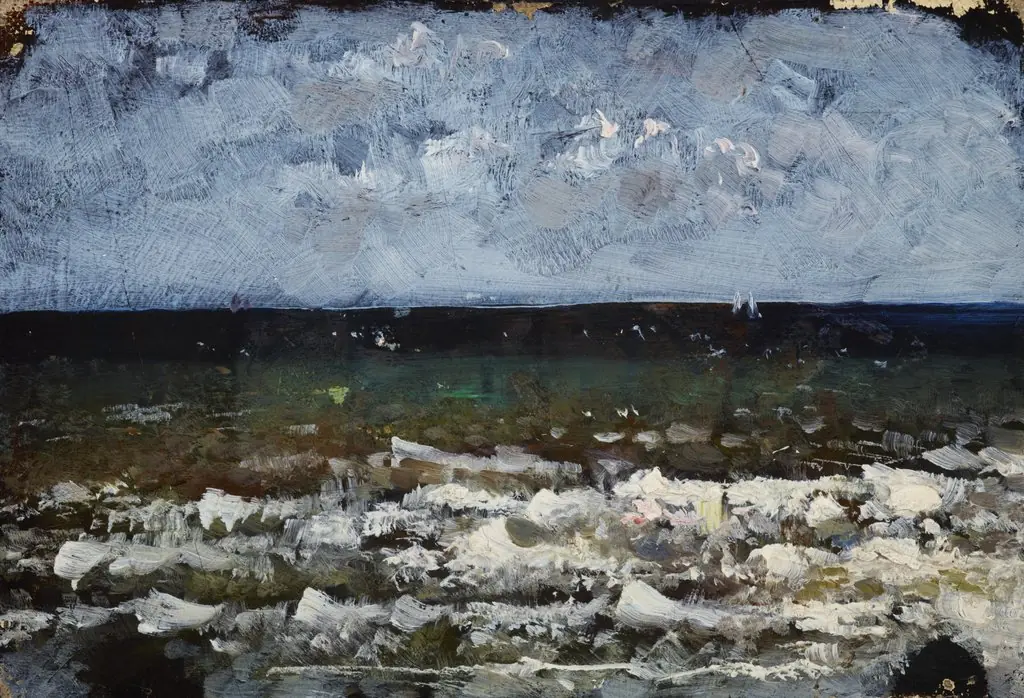
The painting depicts a small vessel with three figures adrift in churning waters under a turbulent sky. No specific location or narrative is indicated, and the figures are rendered with minimal definition, suggesting universality rather than particularity. The scene evokes vulnerability against elemental forces, conveying a sense of isolation and unpredictability. The absence of clear horizon or land reinforces an atmosphere of existential uncertainty.
Technique & Style
Sterne employed thick, layered brushwork to build texture across the canvas, using impasto to convey the physicality of wind and wave. Colors are restrained—grays, deep blues, and whites dominate—with occasional streaks of yellow and black suggesting foam or shadow. The paint is applied with forceful, irregular strokes, rejecting smooth blending in favor of raw, tactile surfaces. This approach prioritizes the act of painting over precise depiction.
History & Provenance
Created in 1948, near the end of Sterne’s career, this work emerged after decades of artistic exploration, including his time in Taos and associations with figures like Mabel Dodge Luhan. It entered The Museum of Modern Art’s collection in the postwar period, a time when the institution was actively acquiring works that expanded definitions of American painting. Its acquisition reflects a growing interest in expressive, non-representational modes among mid-century curators.
Context
Sterne’s late work emerged amid the rise of Abstract Expressionism in New York, though he was not part of its core circle. His background in sculpture informed his handling of material, and his earlier figurative work gave way here to a more elemental, atmospheric style. While contemporaries like Pollock and de Kooning pursued radical abstraction, Sterne retained subtle references to nature, situating his work between figuration and abstraction.
Legacy
Though less widely known than his Abstract Expressionist peers, Sterne’s late paintings like this one contribute to a broader understanding of the movement’s diversity. His use of texture and emotional tone influenced later artists interested in the materiality of paint and the evocation of natural forces. The work remains a quiet but significant example of how older artists adapted to new artistic currents in mid-century America.
Artist & collection
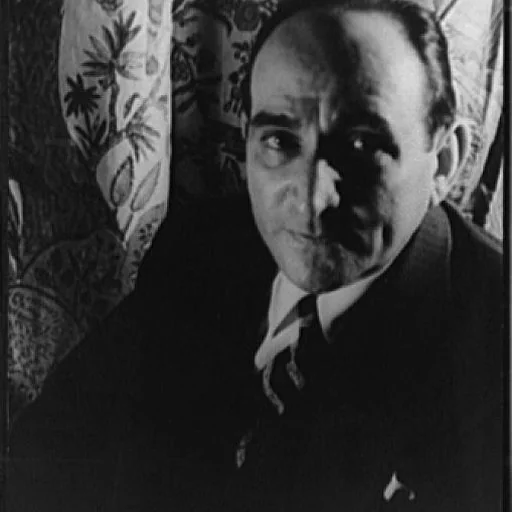
Artist
Maurice Sterne (Latvian: Moriss Šterns, 1877 or 1878 – July 23, 1957) was an American sculptor and painter remembered for his association with philanthropist Mabel Dodge Luhan, to whom he was married from 1916 to 1923.