Artwork
Τοπίο Ύδρας
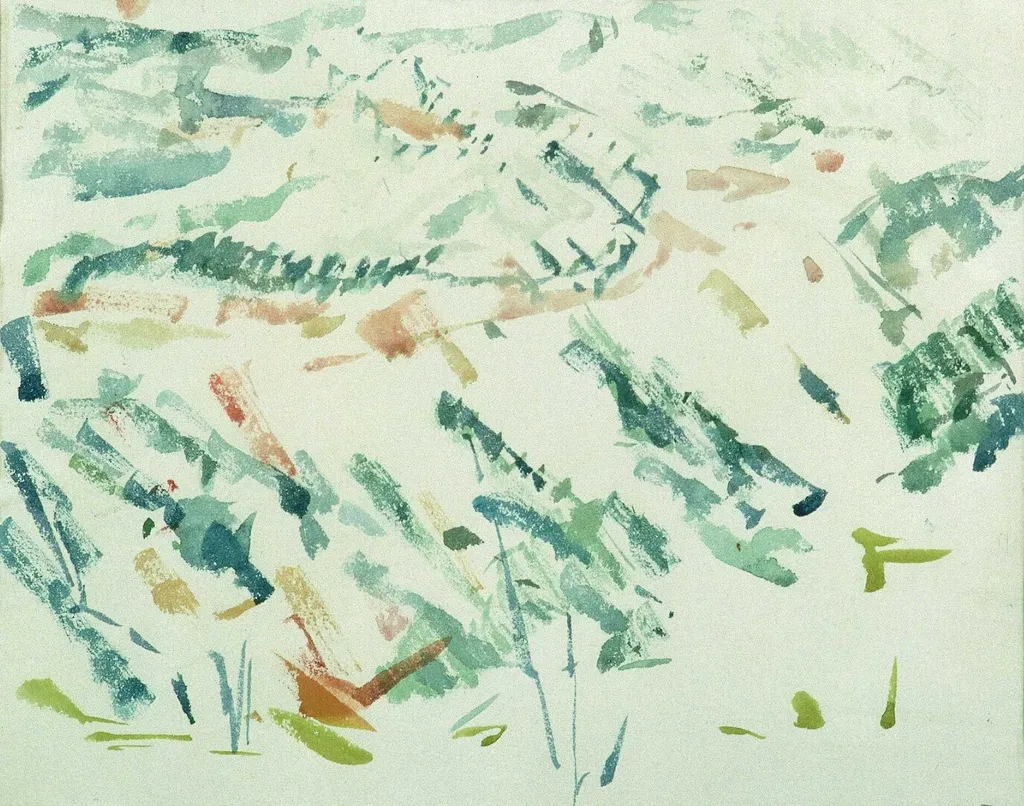
Τοπίο Ύδρας is an unspecified painting by Yorgos Mavroidis. It dates from 1959 and is held in the collection of the Metropolitan Organisation of Museums of Visual Arts of Thessaloniki – MOMus.
About this work
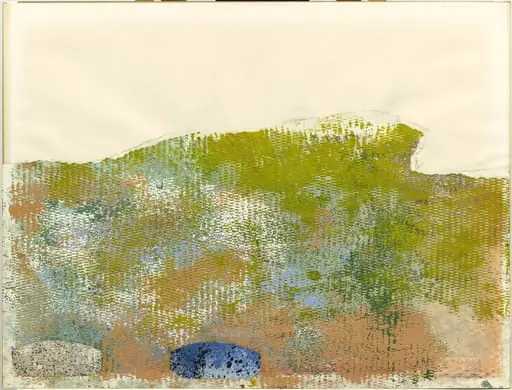
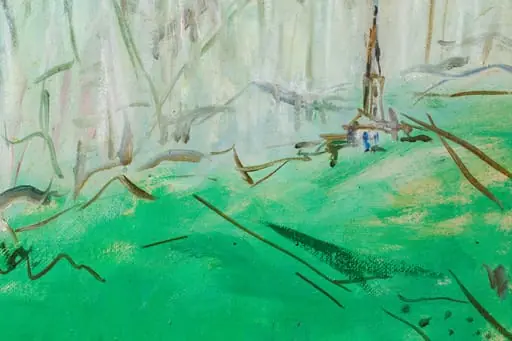
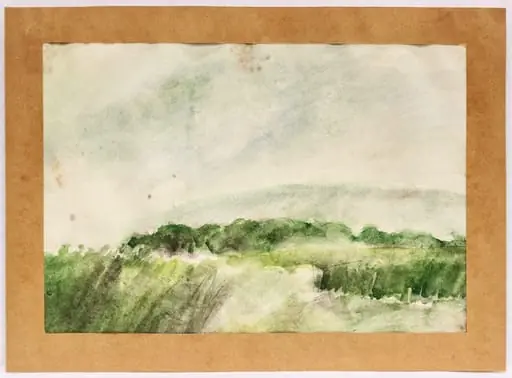
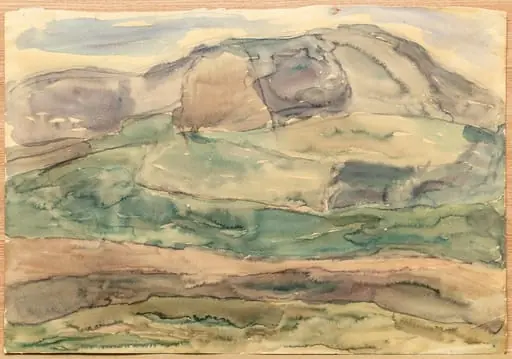
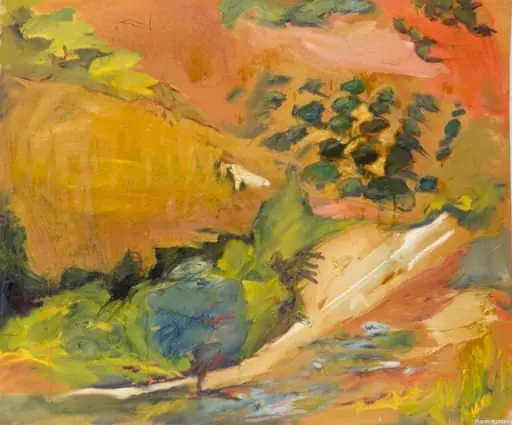
This painting shows a rocky Greek island with bright white houses stacked up a hillside.
This painting shows a rocky Greek island with bright white houses stacked up a hillside. Blue water sparkles below, and the sky is a pale, cloudless blue. A few boats float near the shore.
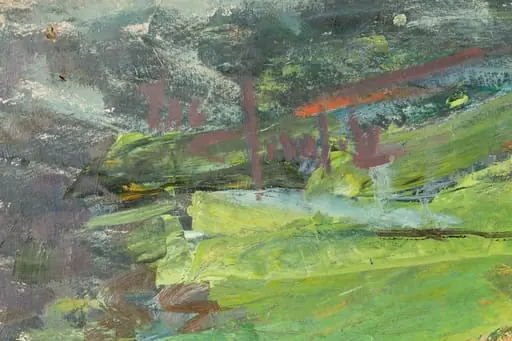
It’s painted thickly—impasto, that’s when the paint sits up in bumps on the canvas. Mavroidis used quick, nervous brushstrokes to build the scene. The colors feel alive, almost vibrating off the surface.
If you like bold color and rough textures, check out Mavroidis, Yorgos (1913-2003).
Overview
“Τοπίο Ύδρας” depicts a rocky Greek island scene, with white houses climbing a hillside, a clear pale sky, and the sea dotted with small boats. The composition is rendered in thick impasto, giving the surface a tactile, three‑dimensional quality that emphasizes the vibrancy of the palette.
Subject & Meaning
The work captures a tranquil coastal landscape typical of the Aegean, where human habitation merges with the natural rock formations. The arrangement of the white dwellings against the blue sea and sky suggests a harmonious balance between built environment and the surrounding environment, reflecting the artist’s interest in the everyday visual rhythm of Greek island life.
Technique & Style
Mavroidis applied paint with rapid, nervous brushstrokes, building up the image through layers of impasto that stand out from the canvas. While his portraits are known for expressionistic, oil‑based brushwork, this landscape employs a similarly vigorous approach, using color relationships to structure the scene and convey a lyrical, almost musical quality.
Context
The painting belongs to a body of work in which Mavroidis explored both portraiture and landscape, often employing watercolor for softer, lyrical effects. In contrast, “Τοπίο Ύδρας” demonstrates his preference for bold color and texture in oil, aligning with his broader practice of using color as a compositional driver and reflecting his energetic, sometimes volatile, artistic temperament.
Artist & collection
Museum
Metropolitan Organisation of Museums of Visual Arts of Thessaloniki – MOMus
Continue through works from the same source collection.