Artwork
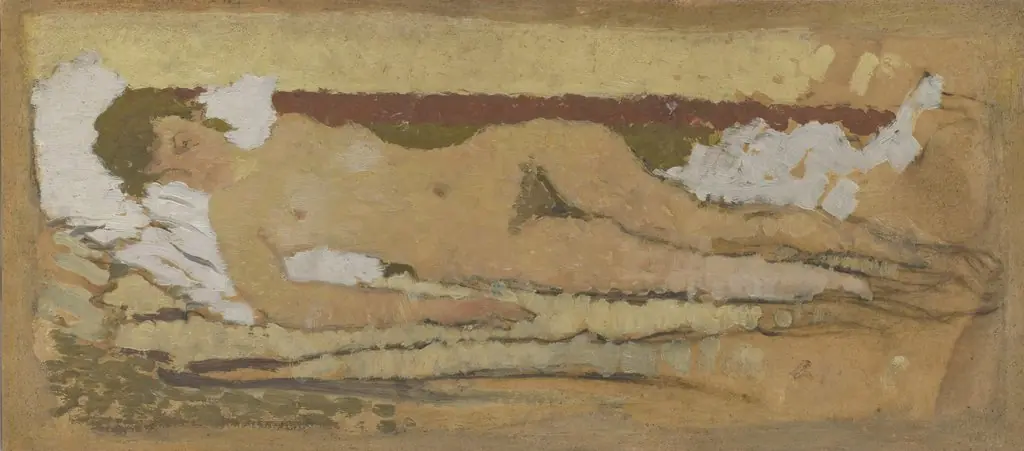
Compoziție cu nuduri pe orizontală
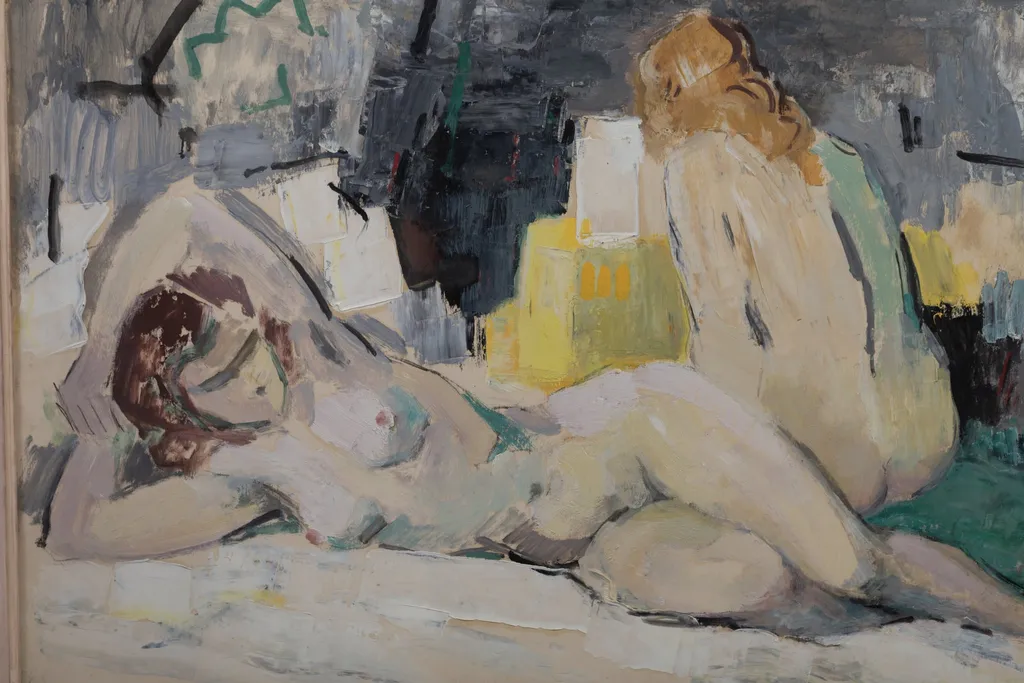
Compoziție cu nuduri pe orizontală is an unspecified painting by Vasile Ștefan. It dates from 1945 and is held in the collection of the Moldova National Museum Complex.
About this work
Overview
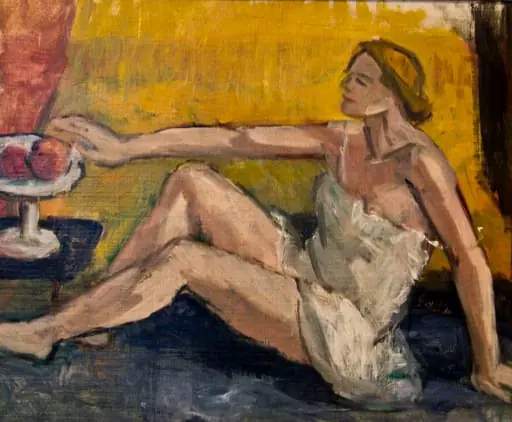
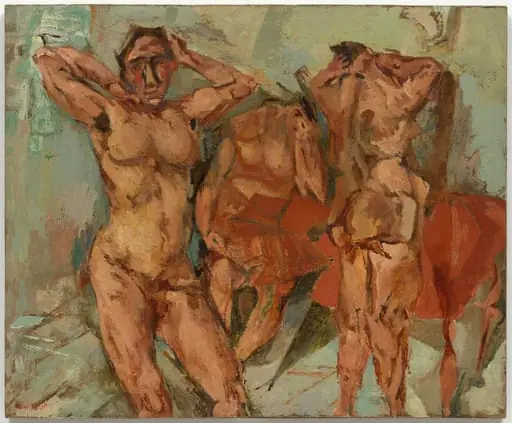
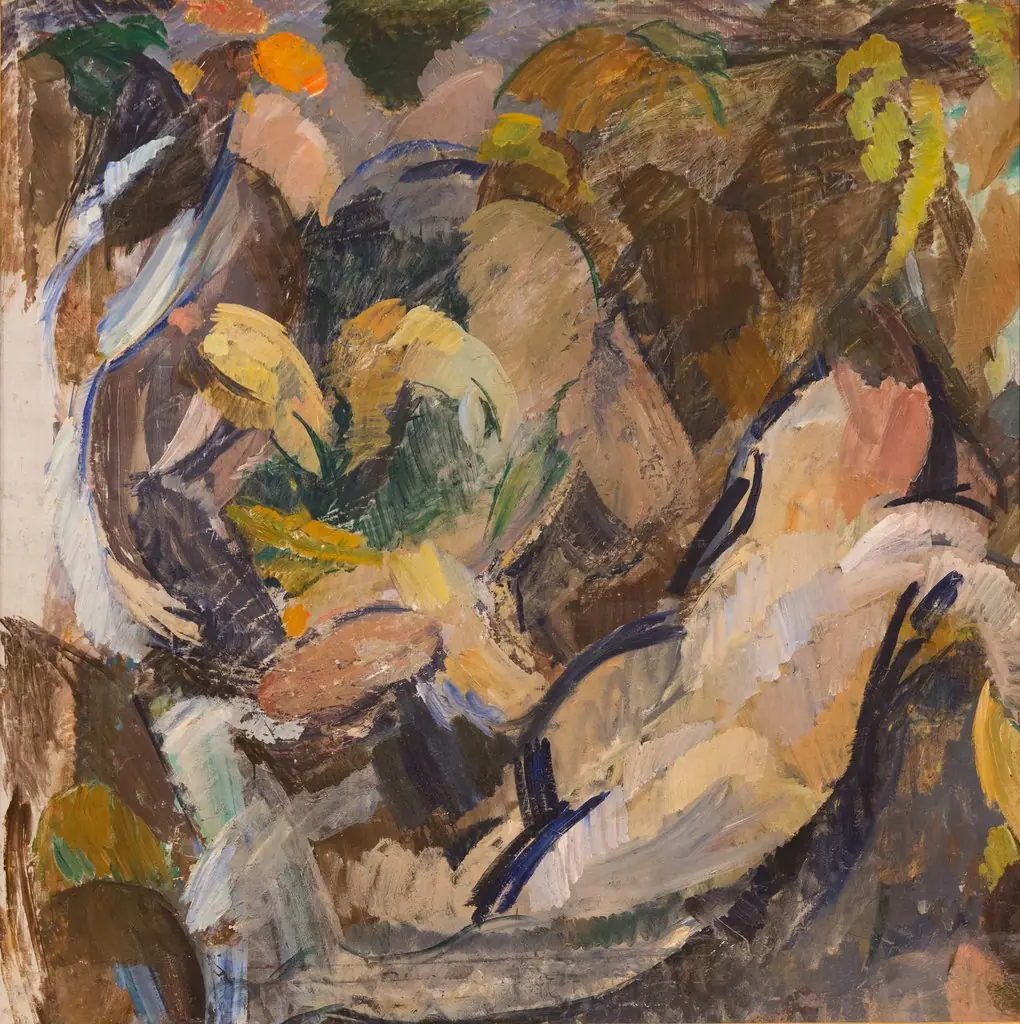
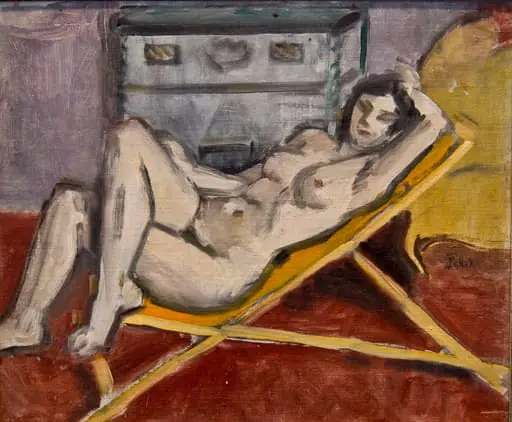
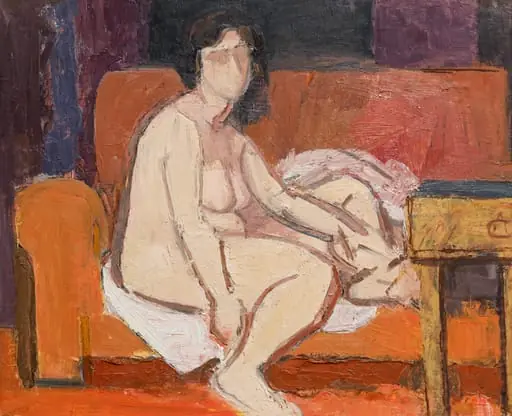
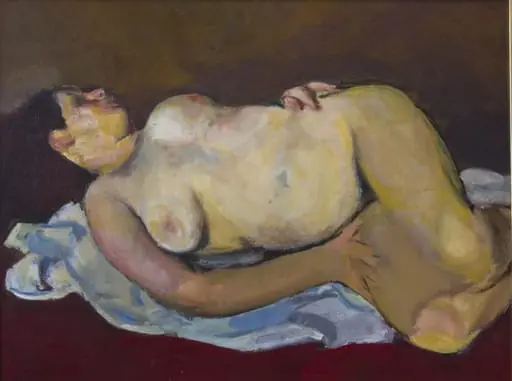
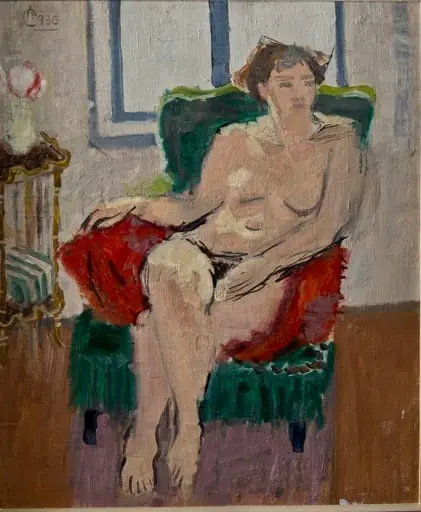
Created around 1945 by Romanian artist Vasile Ștefan, this work presents two nude figures in a horizontal arrangement. The painting is executed with a raw, gestural approach, emphasizing movement and texture over detail. Its informal composition and unrefined surface suggest an emphasis on immediacy rather than idealized form, reflecting postwar artistic tendencies toward expressive abstraction.
Subject & Meaning
Two human figures lie and sit in a quiet, intimate setting, their poses suggesting rest or contemplation. The draped blanket introduces a subtle tension between exposure and concealment. The lack of facial detail and the absence of narrative context invite interpretation as studies of the human form rather than portraits, focusing on presence and posture over identity.
Technique & Style
The painting employs thick, uneven brushstrokes and a limited palette of whites, grays, and browns. Paint is applied with visible texture, sometimes scraped or layered, creating a tactile surface. The loose handling and absence of smooth modeling align with expressive, non-traditional methods, prioritizing emotional resonance over realism or polish.
History & Provenance
The work dates from the immediate postwar period in Romania, a time of cultural reevaluation under shifting political conditions. While specific ownership history is not widely documented, its style reflects the broader trend among Eastern European artists who turned to personal, informal expression amid state-sanctioned realism.
Context
In the mid-1940s, Romanian art began to move away from academic conventions, with some artists exploring more subjective modes of representation. Ștefan’s work fits within this quiet rebellion, echoing broader European currents of figural abstraction and material experimentation, even as official culture promoted socialist realism.
Legacy
Though not widely exhibited internationally, this piece remains a significant example of Ștefan’s personal style and the broader shift in Romanian modernism. Its emphasis on materiality and emotional immediacy influenced later generations of artists seeking alternatives to rigid formalism in postwar Eastern Europe.
Artist & collection
Artist