Artwork
Professor Eduard Zacharias
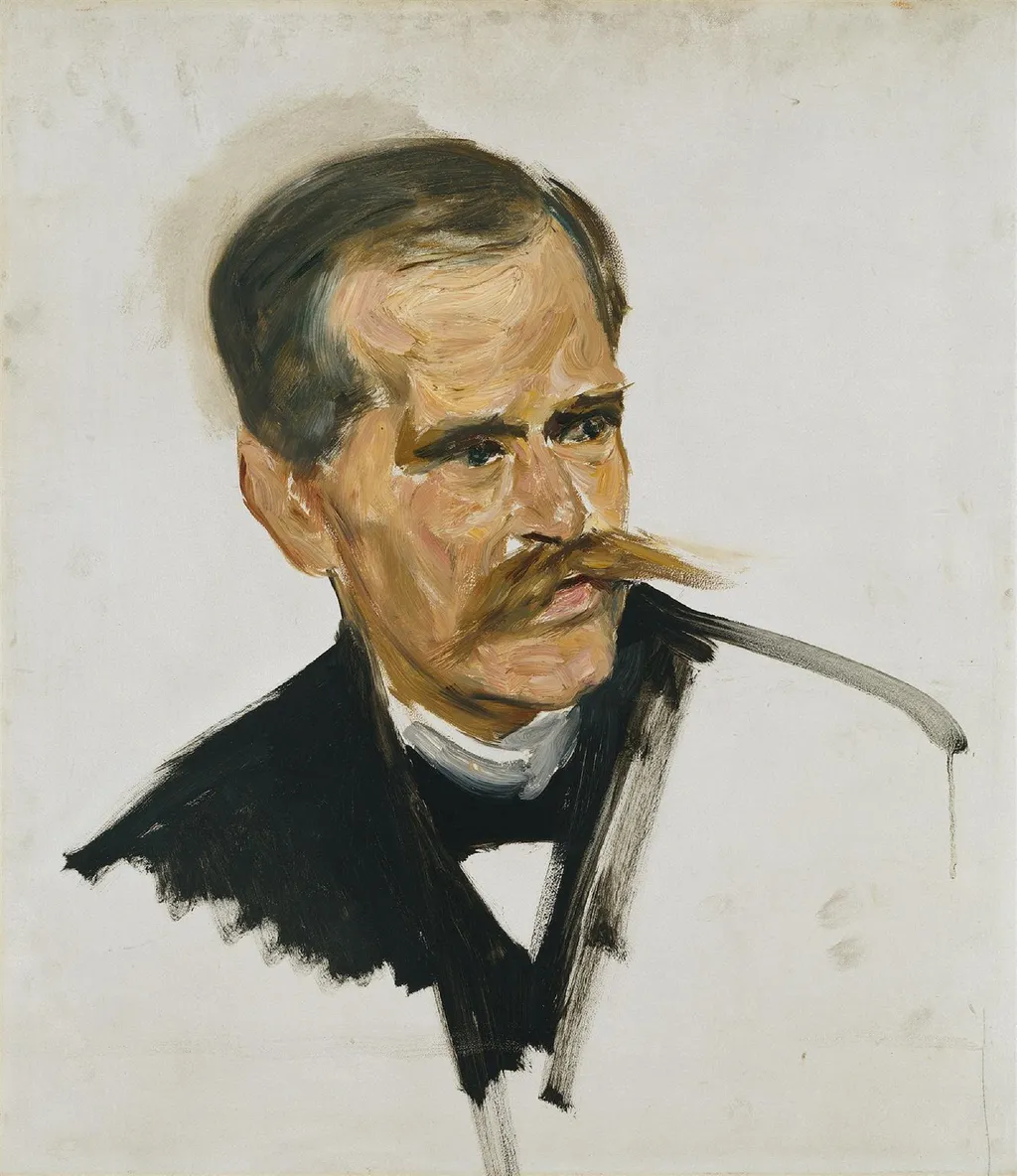
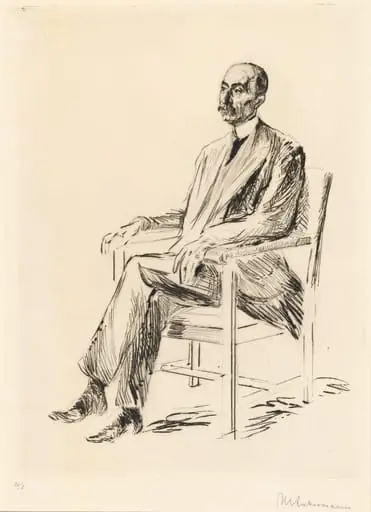
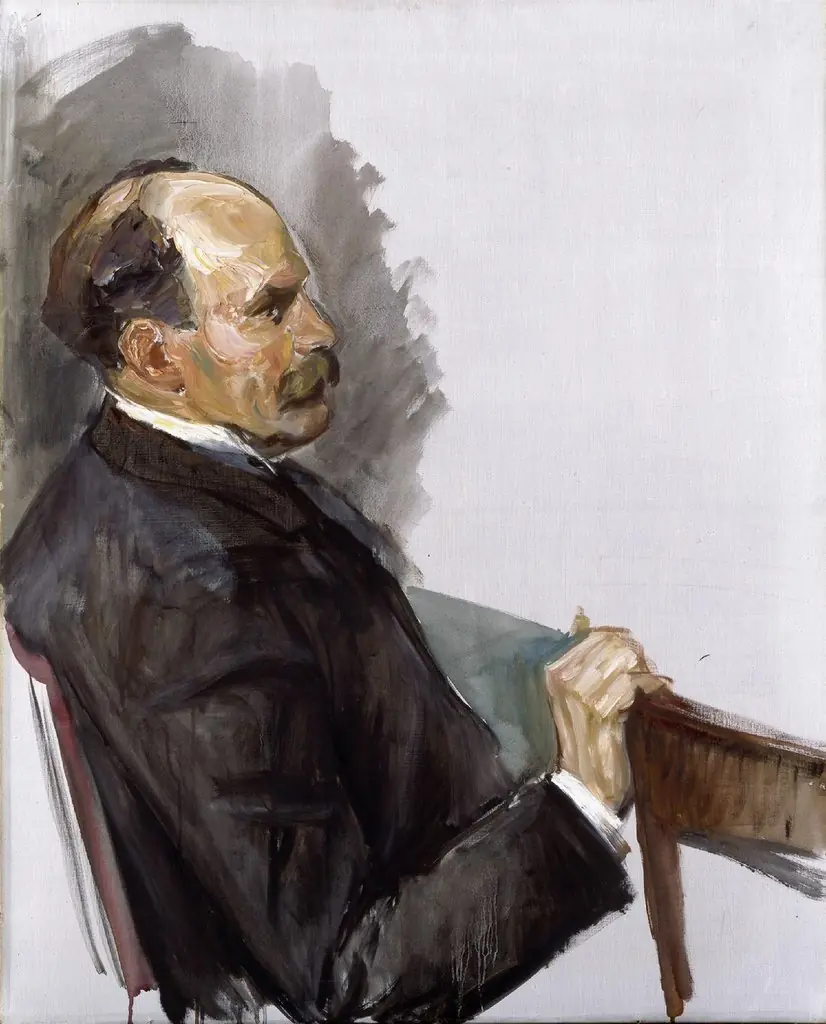
Professor Eduard Zacharias is an oil painting by the Impressionist artist Max Liebermann. It dates from 1905 and is held in the collection of the Hamburger Kunsthalle.
About this work
Overview
Painted in 1905 by Max Liebermann, this oil portrait captures Professor Eduard Zacharias, a German academic.
Painted in 1905 by Max Liebermann, this oil portrait captures Professor Eduard Zacharias, a German academic. The work belongs to the Hamburger Kunsthalle’s permanent collection. Liebermann, a central figure in German Impressionism, turned his attention to portraiture in his later career, often depicting intellectuals and cultural figures with quiet realism. The painting reflects his mature style, grounded in observation rather than dramatic flourish.
Subject & Meaning
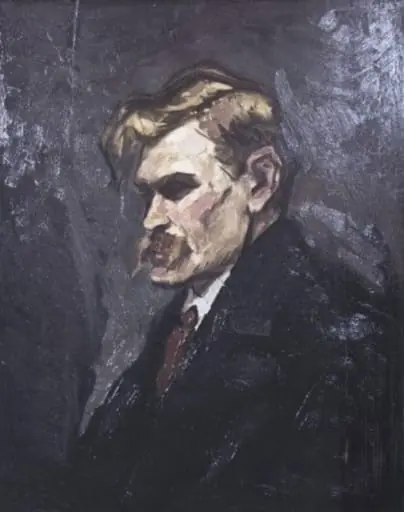
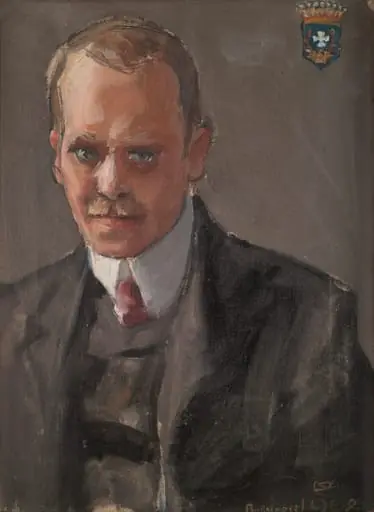
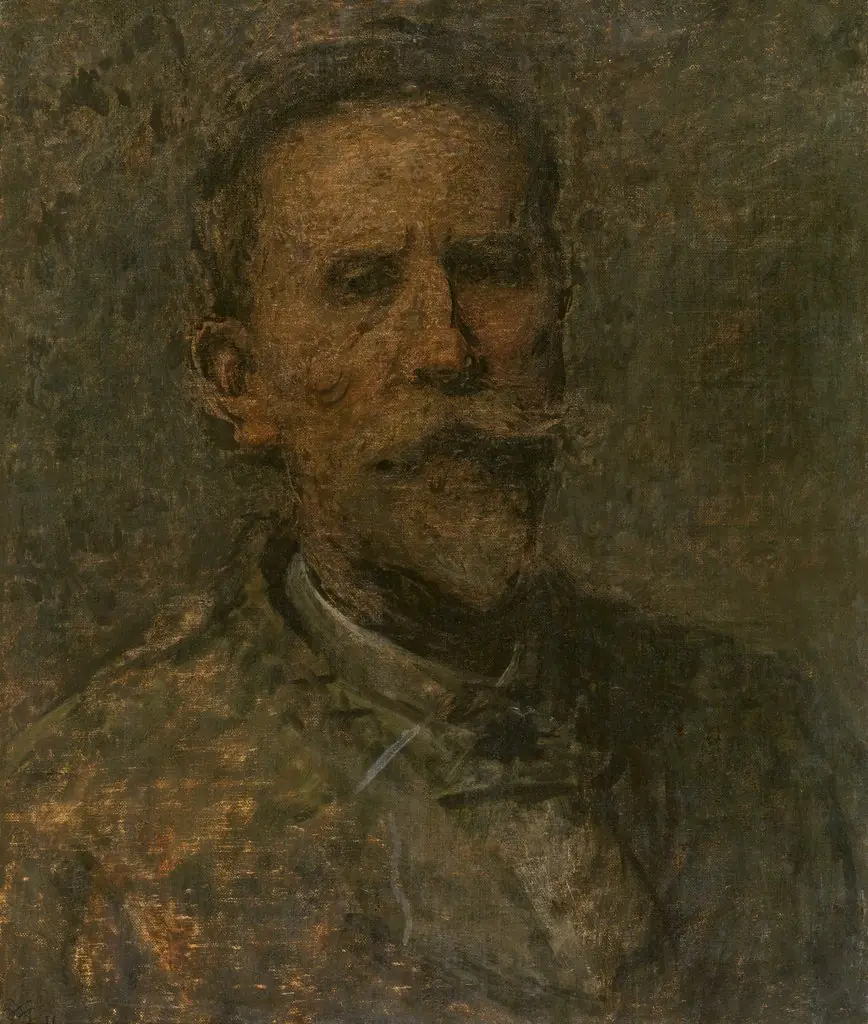
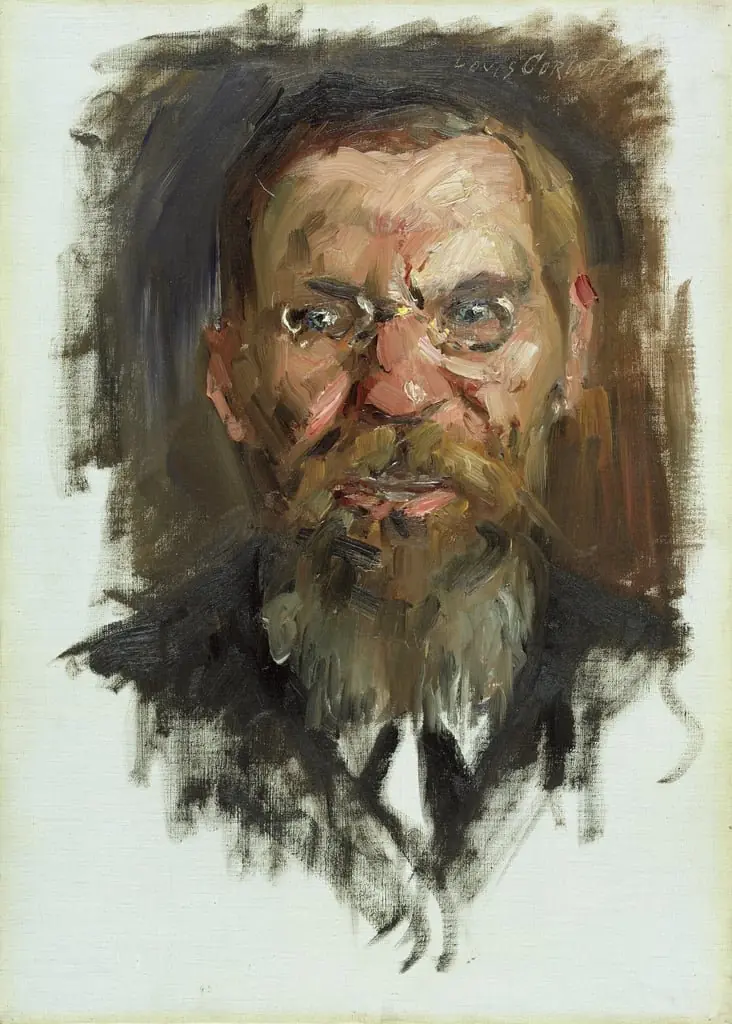
Eduard Zacharias, a respected professor, is portrayed with solemn dignity. His direct gaze and composed posture suggest introspection and intellectual presence. The absence of contextual details focuses attention on his character rather than his profession. Liebermann’s choice to render him in formal attire—dark jacket, white collar—emphasizes social standing without overt symbolism, inviting the viewer to engage with the subject’s inner life.
Technique & Style
Liebermann employed loose, textured brushwork typical of Impressionism, allowing light to modulate the surface of the jacket and shirt. The off-white background recedes subtly, enhancing the figure’s presence without distraction. Facial features are rendered with precision, particularly the mustache and eyes, which convey character through subtle tonal shifts rather than outline. The paint is applied with both economy and sensitivity, balancing spontaneity with control.
History & Provenance
The painting entered the Hamburger Kunsthalle’s collection shortly after its completion. Liebermann, who had returned to Berlin in 1884 after years of training in Paris and the Netherlands, was by this time a leading voice in German art. His portraits of contemporaries were often acquired by institutions or private patrons aligned with progressive cultural circles. This work remained in public hands, reflecting its acceptance within the German art establishment.
Context
In early 20th-century Germany, portraiture served as a bridge between traditional academic values and modernist experimentation. Liebermann’s approach, influenced by French Impressionism, diverged from rigid academic conventions by prioritizing naturalism and atmospheric effect. Zacharias, as a representative of the educated middle class, embodied the cultural ideals Liebermann often celebrated—rationality, refinement, and quiet authority.
Legacy
The portrait stands as a quiet testament to Liebermann’s ability to convey psychological depth without theatricality. It reflects a broader shift in German art toward intimate, unidealized depictions of contemporary life. Though not widely reproduced, the painting remains a significant example of his mature portraiture, valued for its restraint and perceptiveness within the context of early modern German art.
Own this work as a print
Artist & collection
Artist
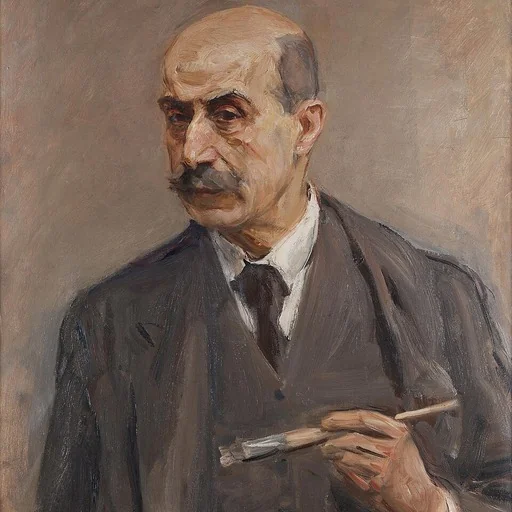
Max Liebermann (20 July 1847 – 8 February 1935) was a German painter and printmaker, and one of the leading proponents of Impressionism in Germany and continental Europe.