Artwork
Free Period in the Amsterdam Orphanage
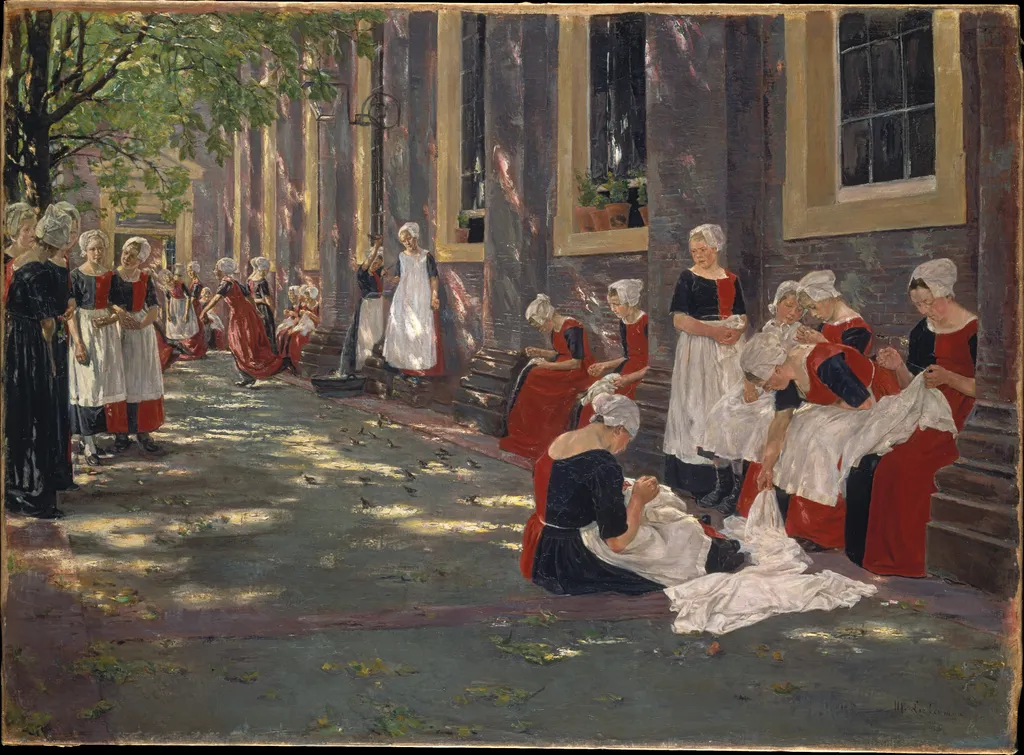
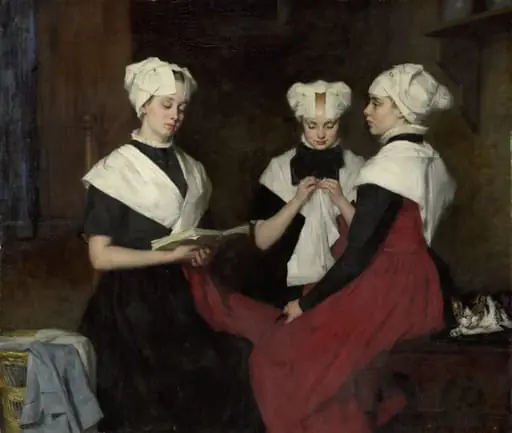
Free Period in the Amsterdam Orphanage is an oil painting by the Impressionist artist Max Liebermann. It dates from 1891 and is held in the collection of the Städel Museum.
About this work
This painting shows kids in an orphanage taking a break outside. Max Liebermann used oil paint in 1881 to capture a real moment. The scene happens in Amsterdam’s old orphanage courtyard.
The artist mixed sharp details with loose, quick brushwork. It’s realistic but has a light, airy feel. You can see the influence of Dutch sunlight on the courtyard walls.
Look up the Städel Museum next.
Overview
Free Period in the Amsterdam Orphanage is an oil on canvas painting created by German artist Max Liebermann between 1881 and 1882. The work captures a moment of leisure in the courtyard of Amsterdam's orphanage on Kalverstraat.
Subject & Meaning
The painting depicts children enjoying a break in the orphanage courtyard, conveying a sense of everyday life and potentially highlighting social realities of the time through its realistic portrayal.
Technique & Style
Liebermann's style in this work blends realism with impressionistic elements, characterized by sharp details juxtaposed with loose, quick brushwork, achieving a light and airy atmosphere.
History & Provenance
The painting is part of the collection at the Städel Museum in Frankfurt am Main, Germany.
Context
The work reflects the influence of Dutch natural light on its depiction of the courtyard, blending Liebermann's German heritage with Dutch artistic traditions.
Artist & collection
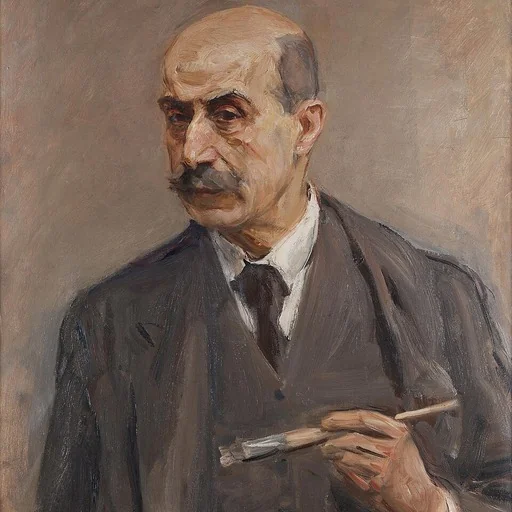
Artist
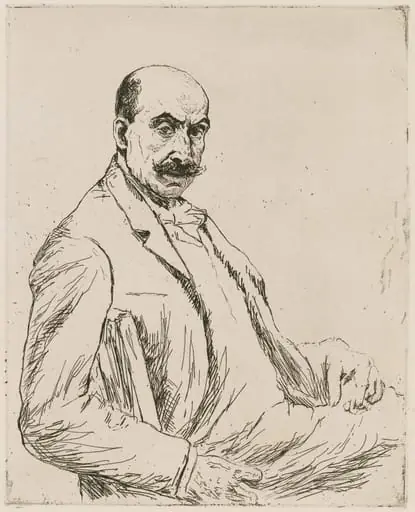
Max Liebermann (20 July 1847 – 8 February 1935) was a German painter and printmaker, and one of the leading proponents of Impressionism in Germany and continental Europe.