Artwork
Banks of the Meuse (Bords de la Meuse)
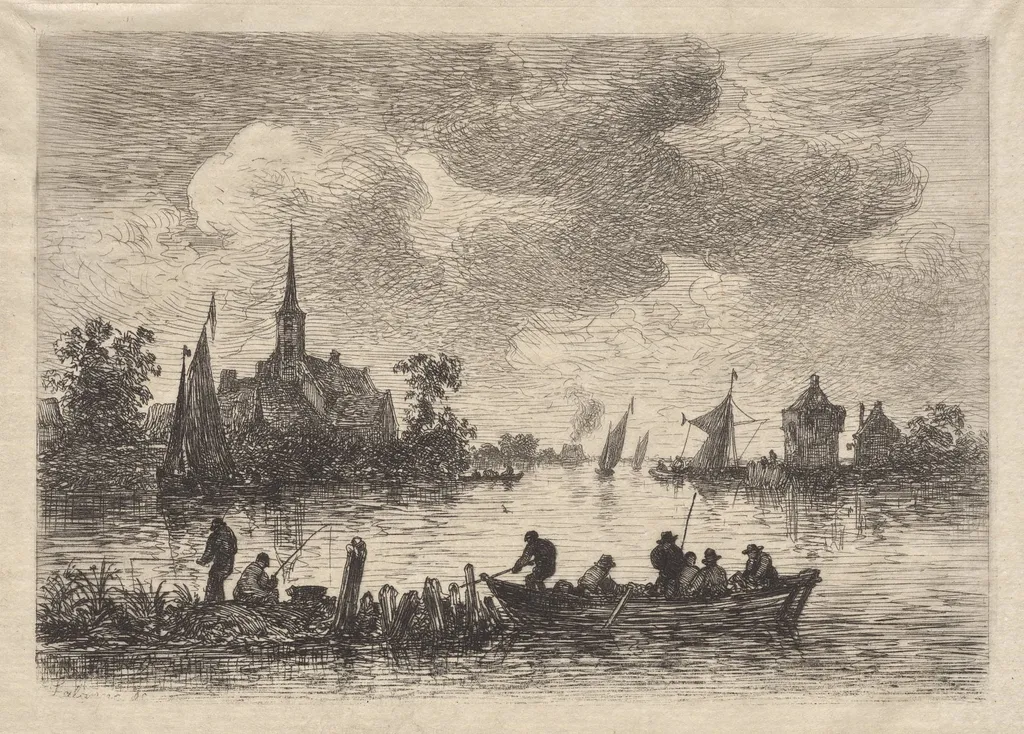
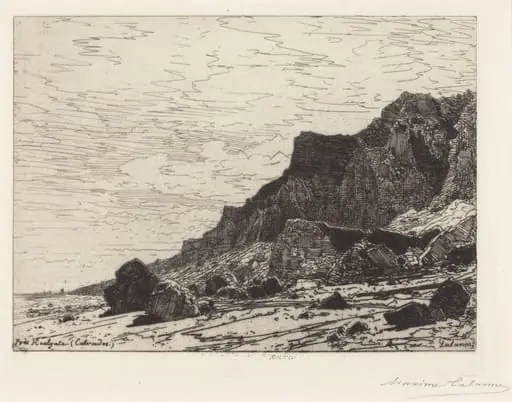
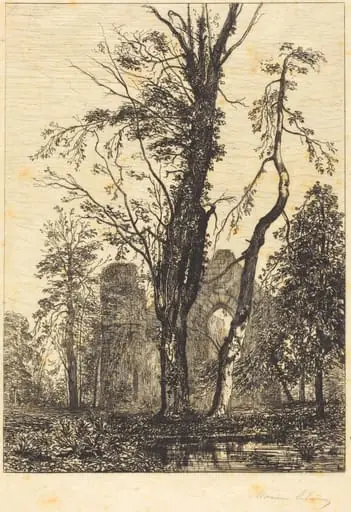
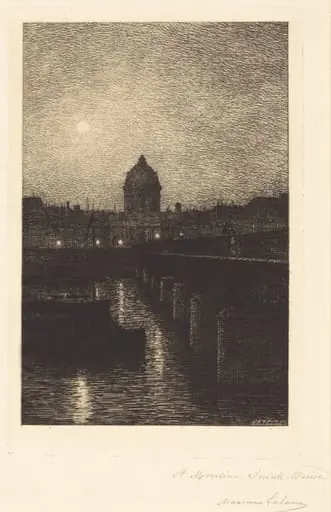
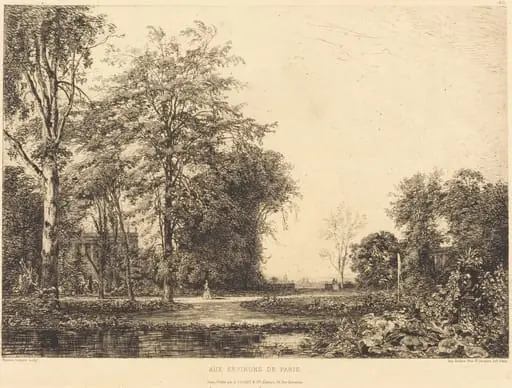
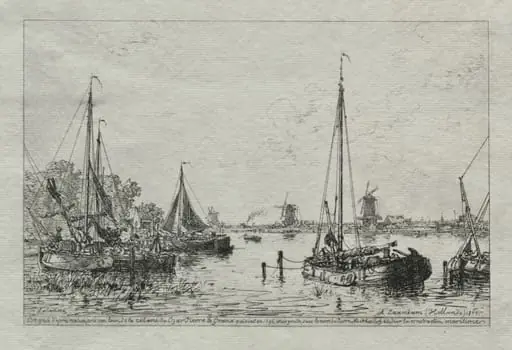
Banks of the Meuse (Bords de la Meuse) is a print by the Impressionist artist Maxime Lalanne. It dates from 1873 and is held in the collection of the Cleveland Museum of Art.
About this work
Overview
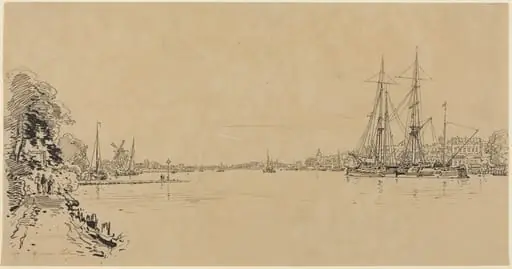
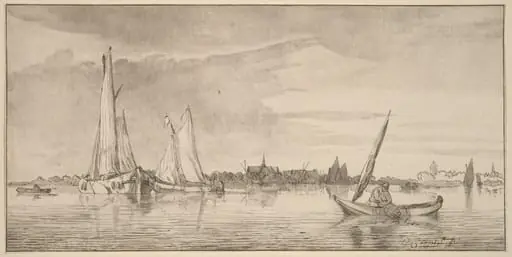
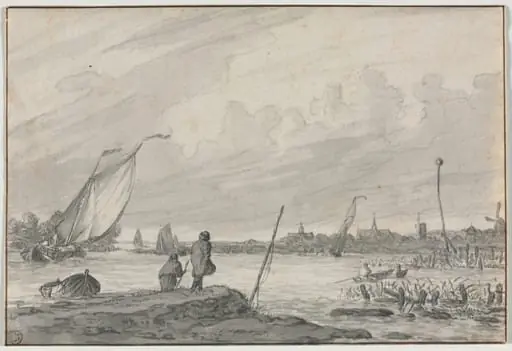
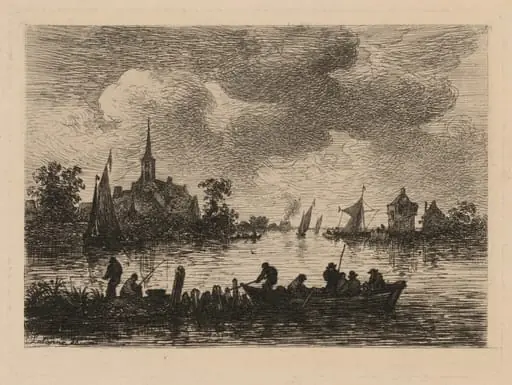
Created in 1873 by French printmaker Maxime Lalanne, *Banks of the Meuse* is an etching depicting a quiet stretch of the Meuse River.
Created in 1873 by French printmaker Maxime Lalanne, *Banks of the Meuse* is an etching depicting a quiet stretch of the Meuse River. The work captures a momentary scene with a small boat near the foreground and distant town buildings rising along the horizon. Lalanne’s use of fine, fluid lines conveys both the movement of water and the subtle shifts of light, reflecting his mastery of etching as a medium for atmospheric landscape.
Subject & Meaning
The scene portrays everyday life along the Meuse, with figures in a boat and distant vessels suggesting local activity. The composition avoids grandeur, focusing instead on the quiet rhythm of riverine existence. The church spires and modest architecture imply a rural community, grounded in place rather than idealized. The work reflects a quiet reverence for ordinary landscapes, common among 19th-century printmakers seeking authenticity over spectacle.
Technique & Style
Lalanne employed etching to achieve a delicate balance of detail and spontaneity. Fine, rapid lines define the churning water and drifting clouds, while lighter touches suggest distant architecture. The sketchlike quality, with its loose contours and varied ink density, evokes immediacy. This approach aligns with contemporary printmaking trends that valued expressive line over polished finish, anticipating the observational ethos of later movements.
History & Provenance
The print was produced during Lalanne’s most active period as a printmaker, when he was deeply engaged with French landscape traditions. It was likely circulated among collectors and artists familiar with the etching revival of the 1870s. While specific early ownership records are sparse, the work is documented in major French print collections from the late 19th century, affirming its place in the period’s graphic arts.
Context
In the 1870s, French artists increasingly turned to direct observation of nature, influenced by emerging photographic practices and a growing interest in transient effects of light. Lalanne’s etching reflects this shift, favoring fleeting moments over staged compositions. Though not an Impressionist, his emphasis on atmosphere and motion aligns with broader trends that would later define the movement, particularly in landscape representation.
Legacy
Lalanne’s work contributed to the renaissance of etching as a serious artistic medium in France. *Banks of the Meuse* exemplifies how printmakers adapted sketch-like immediacy to achieve emotional resonance without color or large scale. His influence extended to later generations of printmakers who valued expressive line and quiet observation, helping bridge 19th-century realism and modern graphic sensibilities.
Artist & collection
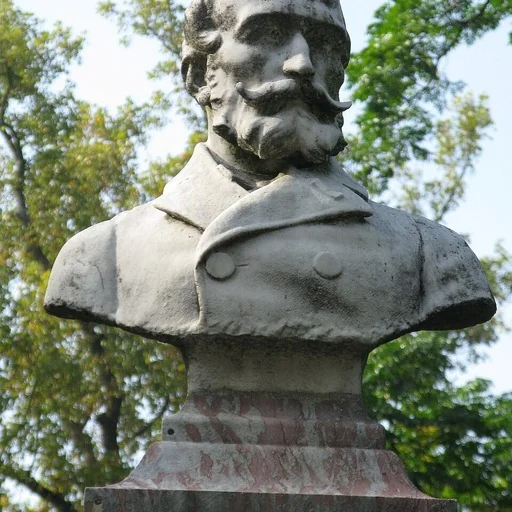
Artist
François Antoine Maxime Lalanne (November 27, 1827 – July 29, 1886) was a French artist known for his etchings and charcoal drawings (fusain).