Artwork
Construcție umană
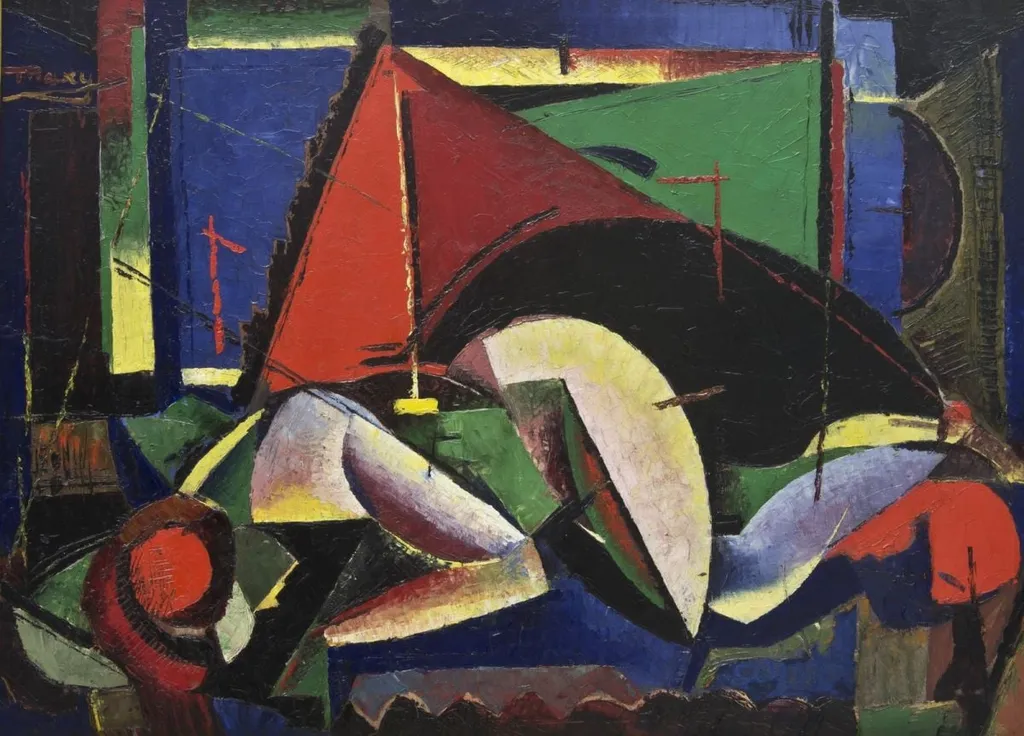
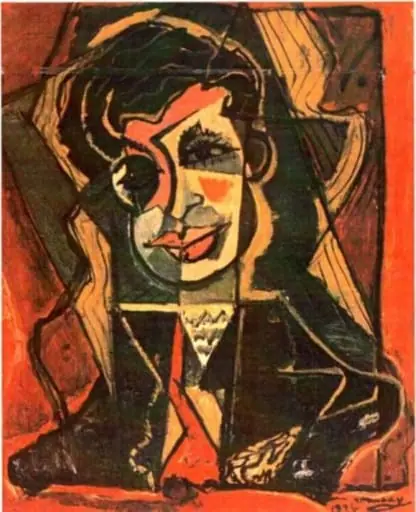
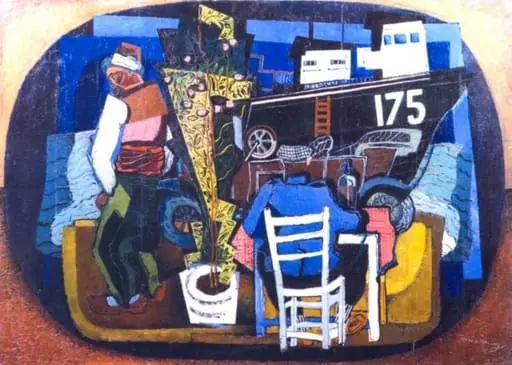
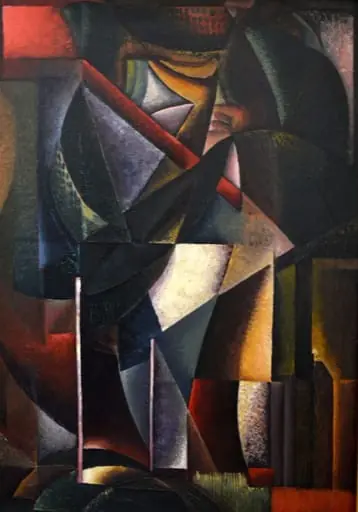
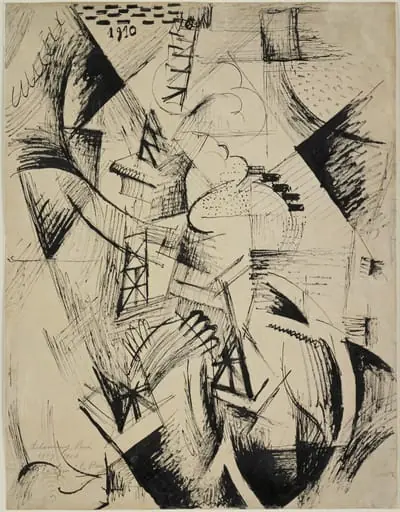
Construcție umană is a print by Max Hermann Maxy. It dates from 1924 and is held in the collection of the National Museum of Art of Romania.
About this work
Overview
The work resists literal representation, instead emphasizing emotional resonance through dynamic surface texture and unmodulated hues.
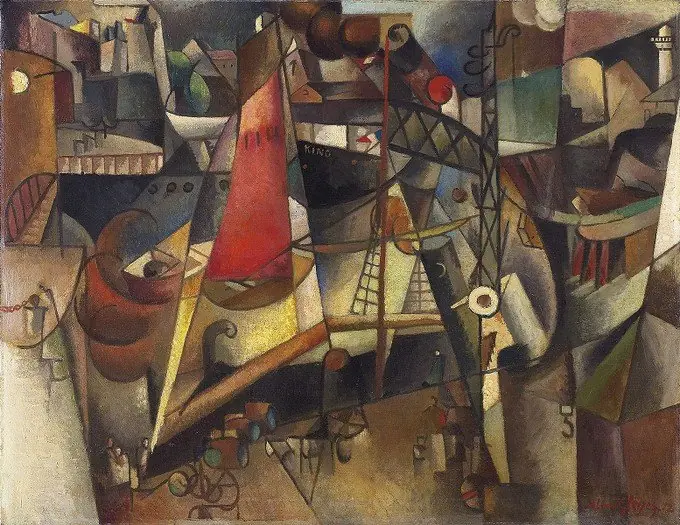
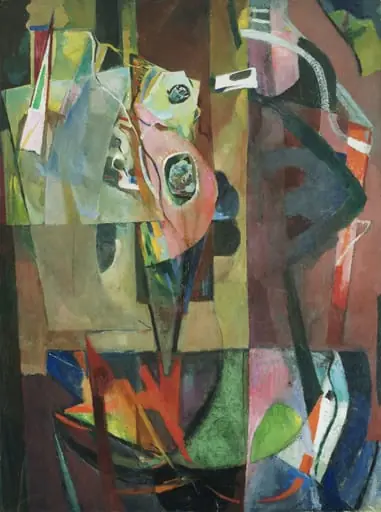
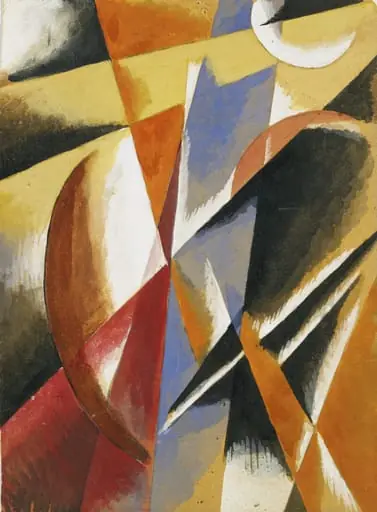
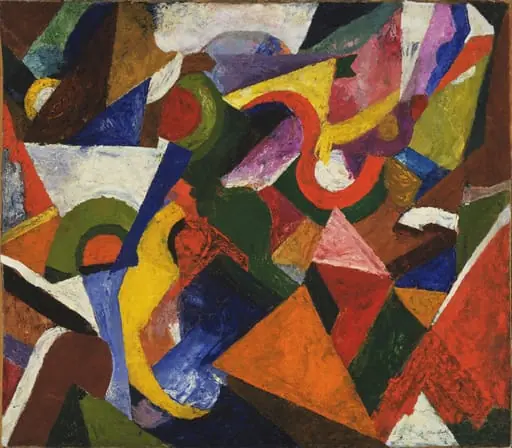
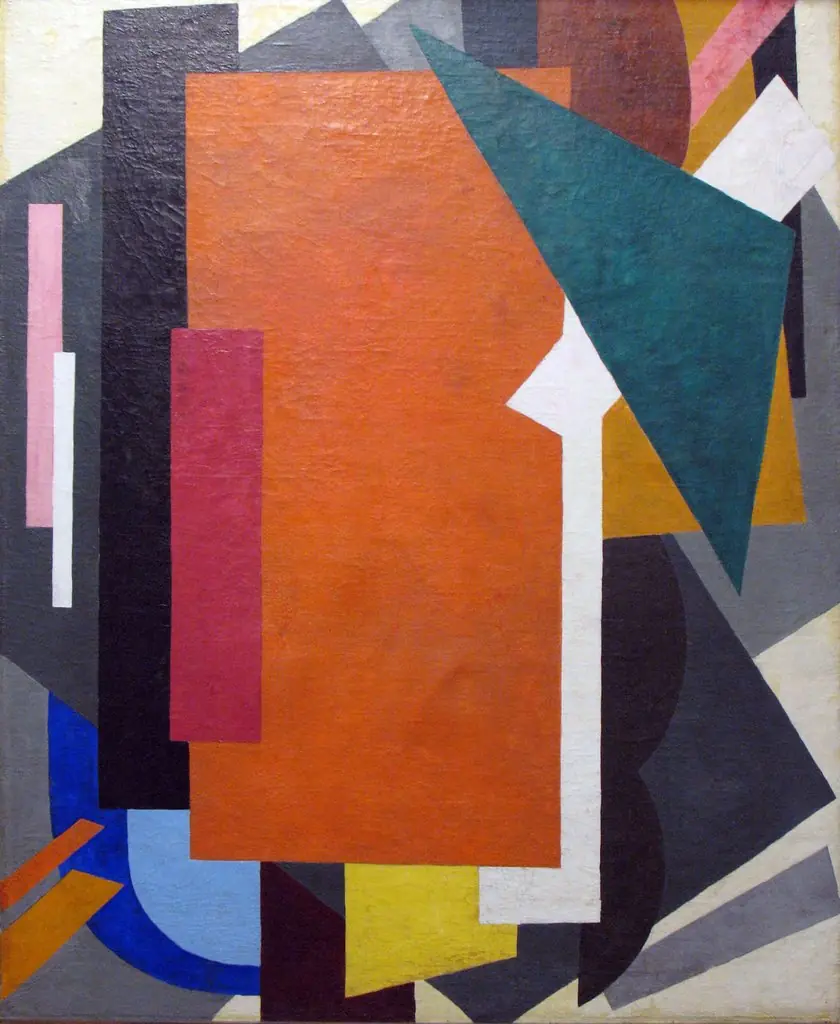
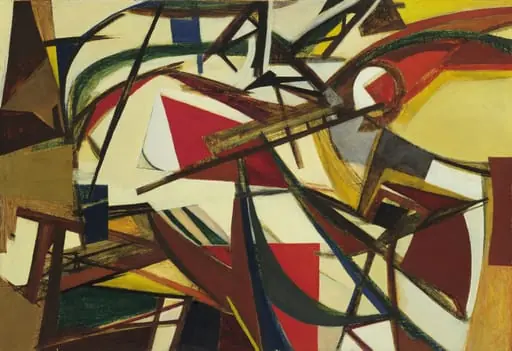
Created in 1924 by Max Hermann Maxy, Construcție umană is a painted image that merges abstract form with expressive color. The composition presents a sailboat adrift in a turbulent sea, rendered through layered, vigorous brushwork. The work resists literal representation, instead emphasizing emotional resonance through dynamic surface texture and unmodulated hues. Its title suggests a human-made structure, yet the imagery leans toward elemental forces.
Subject & Meaning
The central motif—a red sailboat—floats amid swirling blues and greens, evoking movement and instability. The vessel, isolated and slightly distorted, may symbolize human endeavor against nature’s unpredictability. The title, Construcție umană, implies intentionality, yet the chaotic arrangement of forms undermines clear narrative. The work invites interpretation as a metaphor for fragile human constructs within an uncontrollable world.
Technique & Style
Maxy applied paint thickly, using impasto to create a tactile, sculpted surface. Colors—vivid reds, yellows, and greens—are layered without blending, producing a sense of urgency and physical presence. Brushstrokes are deliberate yet unrefined, contributing to a rhythm of controlled disorder. The overlapping shapes suggest spatial ambiguity, aligning the work with early modernist experiments in abstraction and emotional expression.
History & Provenance
Painted in 1924 during Maxy’s engagement with avant-garde circles in Romania and Central Europe, Construcție umană reflects the influence of Expressionism and early Constructivism. It emerged from a period of intense artistic experimentation, when artists sought new visual languages to respond to postwar upheaval. The work’s survival and recognition stem from its inclusion in regional modernist collections, though its early exhibition history remains partially undocumented.
Context
In the early 1920s, Romanian artists like Maxy were absorbing European modernist trends while developing distinct local idioms. Construcție umană aligns with broader efforts to break from academic traditions, embracing emotional intensity and formal innovation. The work resonates with contemporaneous movements in Germany and Hungary, yet retains a personal, almost visceral quality that distinguishes it from more rigidly geometric abstractions of the era.
Legacy
Construcție umană stands as a significant example of interwar Romanian modernism, illustrating how local artists engaged with international styles without imitation. Its emphasis on materiality and emotional expression influenced subsequent generations in Romania’s art scene. Though not widely known outside regional contexts, the work remains a touchstone for understanding the diversity of early 20th-century Eastern European abstraction.
Artist & collection

Artist
Max Hermann Maxy was a Romanian painter, art professor, scenographer, and professor of German-Jewish descent.