Artwork
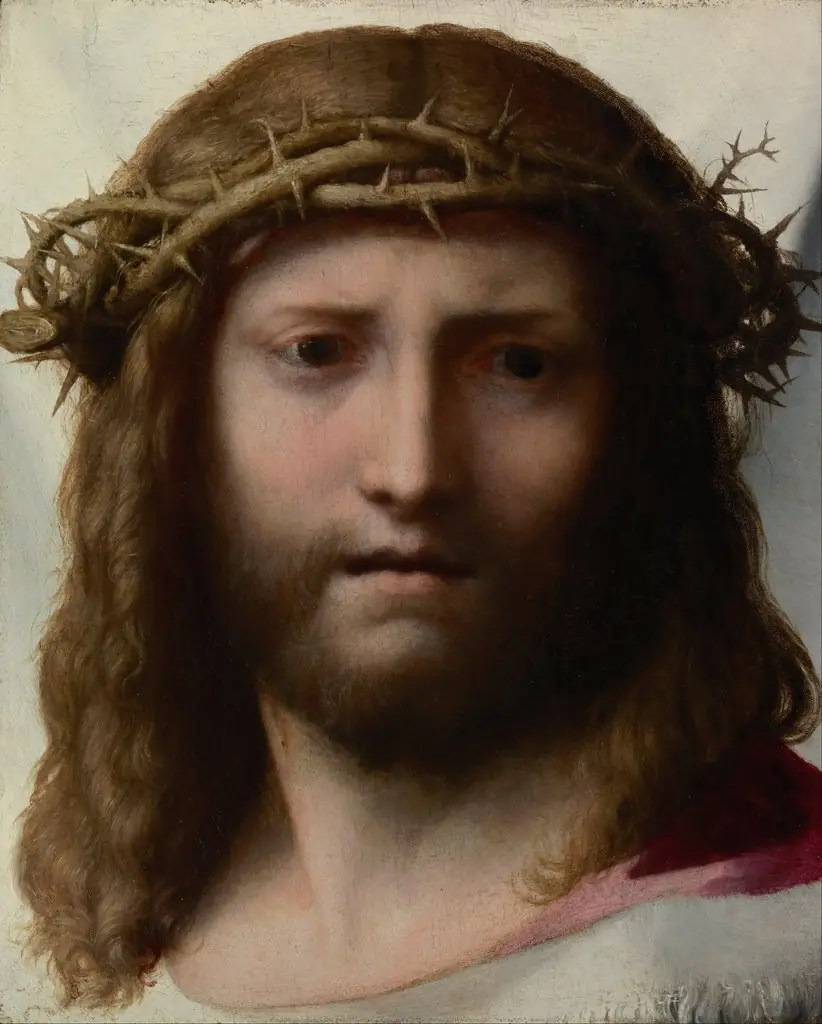
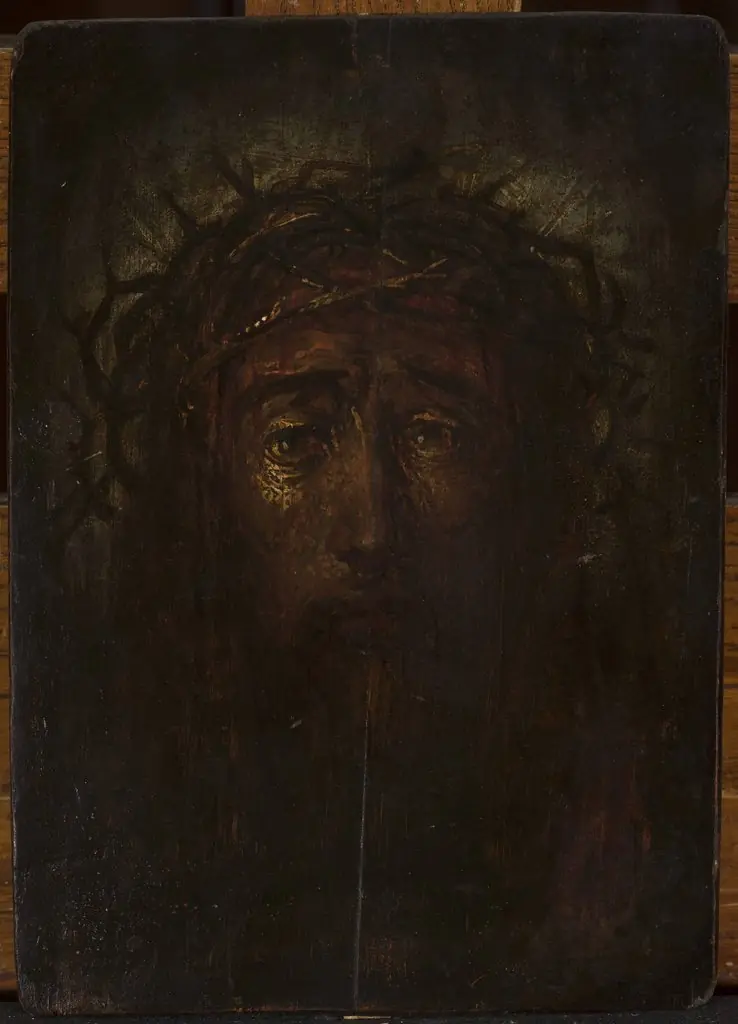
Head of Christ
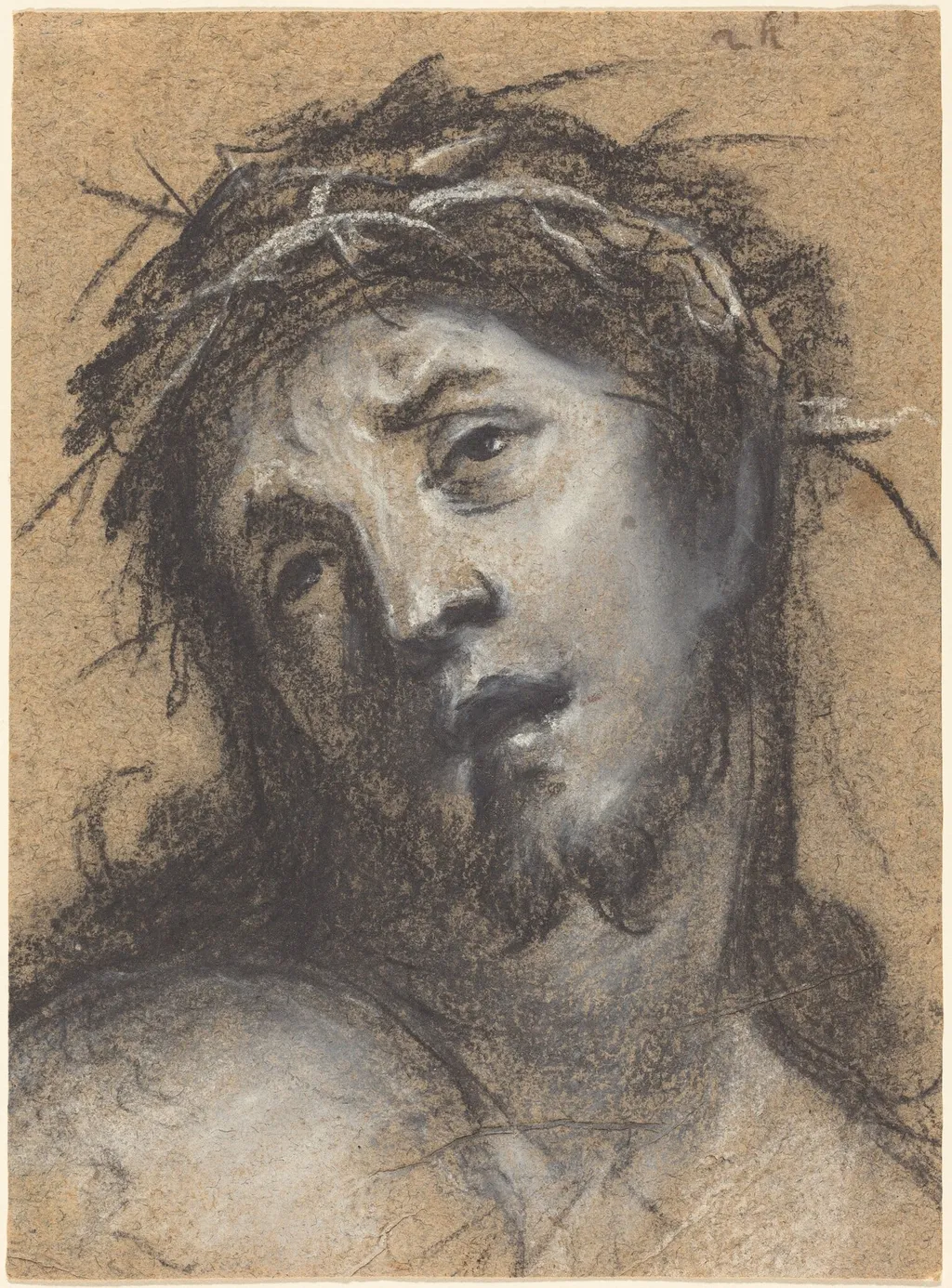
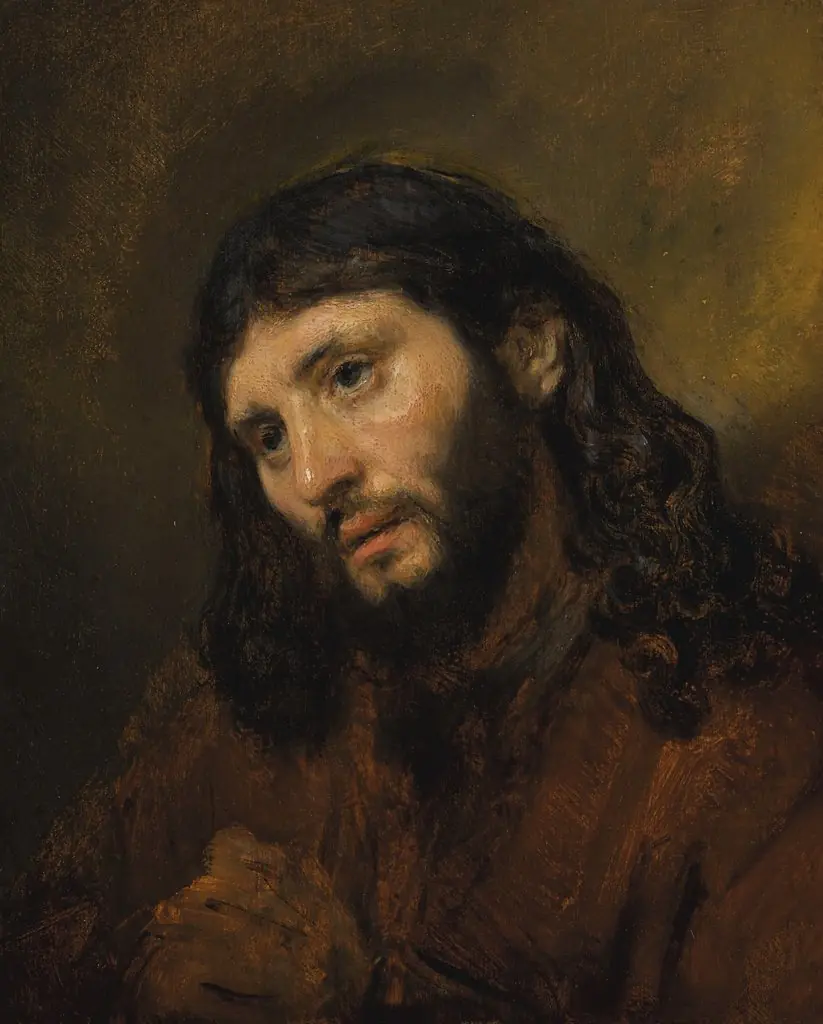
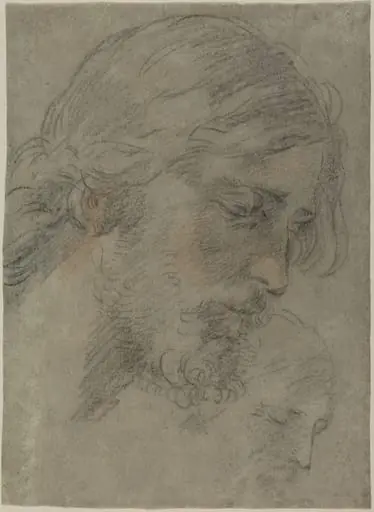
Head of Christ is a chalk drawing by the Baroque artist Johann Ulrich Mayr. It dates from 1670 and is held in the collection of the National Gallery of Art.
About this work
Overview
Head of Christ is a drawing created circa 1670 by Johann Ulrich Mayr, a German Baroque artist. Executed in black chalk with white heightening on brown oatmeal paper, the work presents a portrait of Christ's head in a contemplative pose.
Subject & Meaning
The drawing focuses on the head of Christ, conveying a sense of restrained contemplation typical of religious depictions in the Baroque period. Mayr's approach emphasizes solemnity and introspection.
Technique & Style
Mayr utilized black chalk for the primary drawing, augmented by white heightening to achieve depth and dimensionality. This technique, somewhat innovative for its time, resembles the contrasting effects of chiaroscuro, enhancing the subject's emotional depth through shading and contrast.
History & Provenance
Created during Mayr's active period as a court painter for various German and Austrian courts (including Munich and Vienna), the drawing reflects his expertise in religious themes alongside portraits and genre works.
Context
Within the broader Baroque art movement, Mayr's *Head of Christ* aligns with the period's emphasis on emotional intensity and dramatic lighting, though here expressed in a more subdued key.
Legacy
While specific later influences of *Head of Christ* are not prominently documented, it contributes to the understanding of Mayr's artistic range and the evolution of Baroque drawing techniques in 17th-century Germany.
Artist & collection
Artist
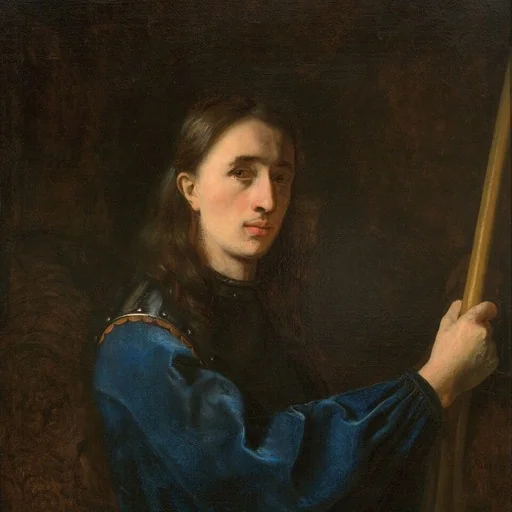
Johann Ulrich Mayr or Hans Ulrich Mayr, last name sometimes rendered as Mayer and Mair (1629 in Augsburg – 1704 in Augsburg) was a German Baroque painter and art educator.