Artwork
Philip the Apostle
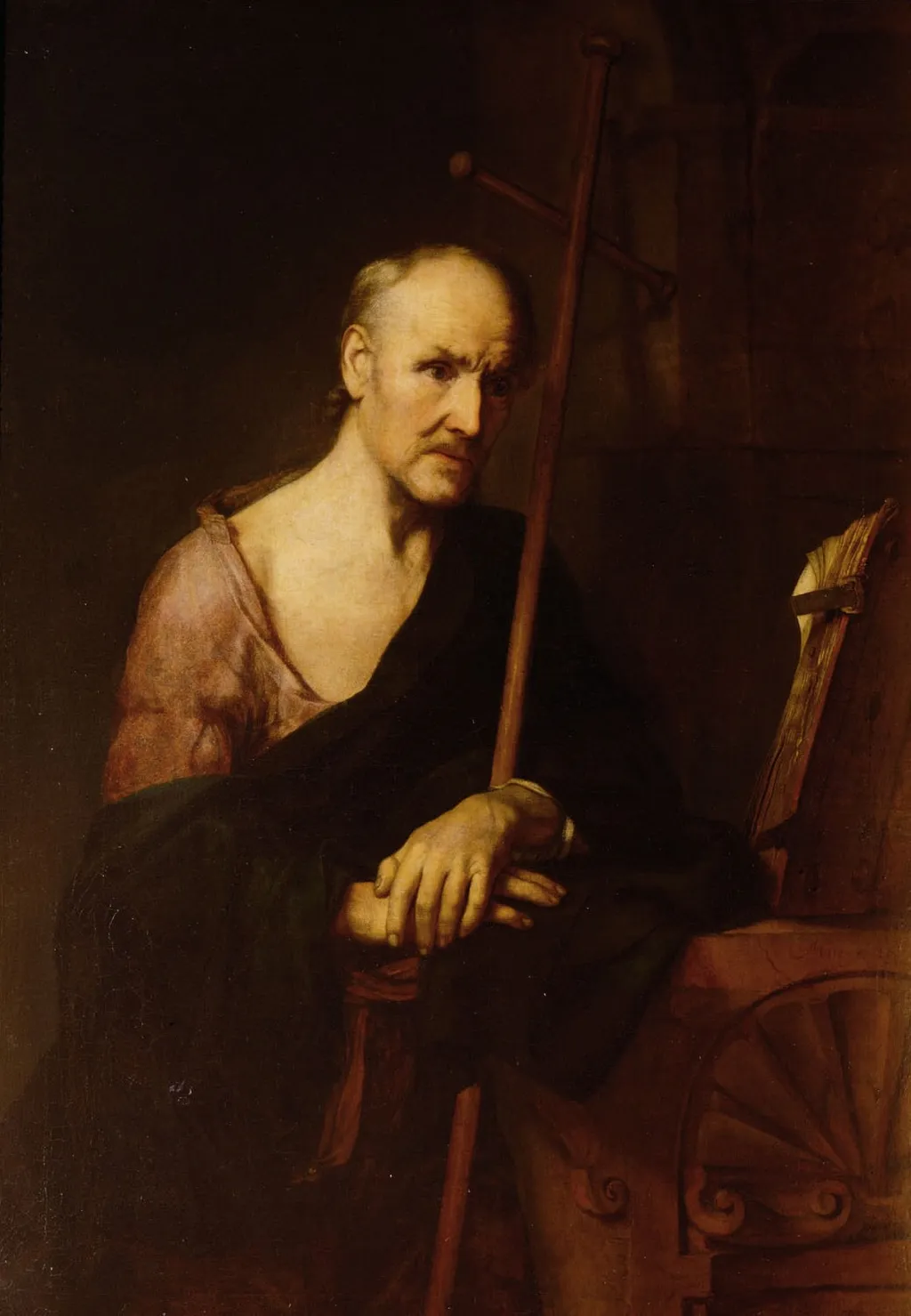
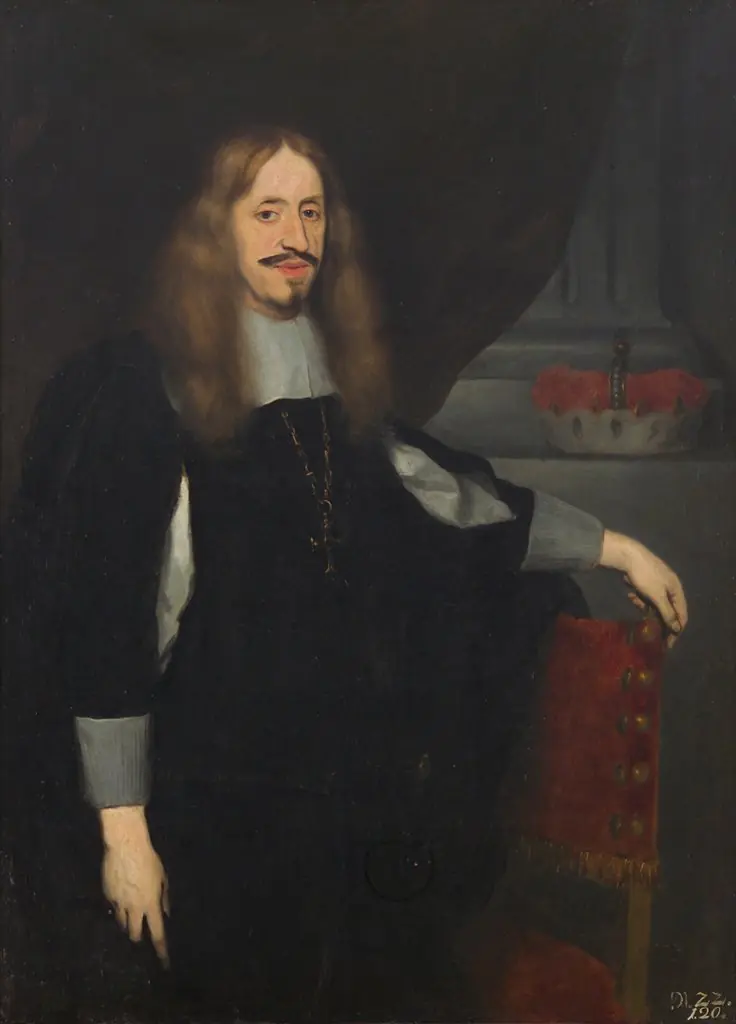
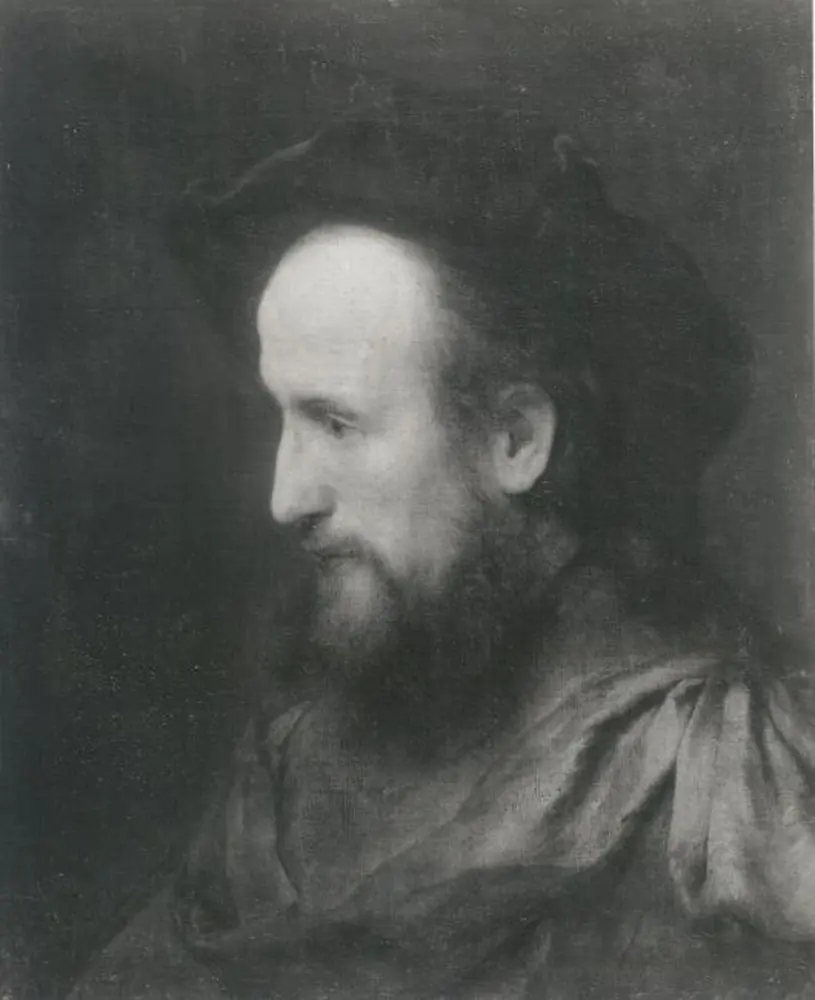
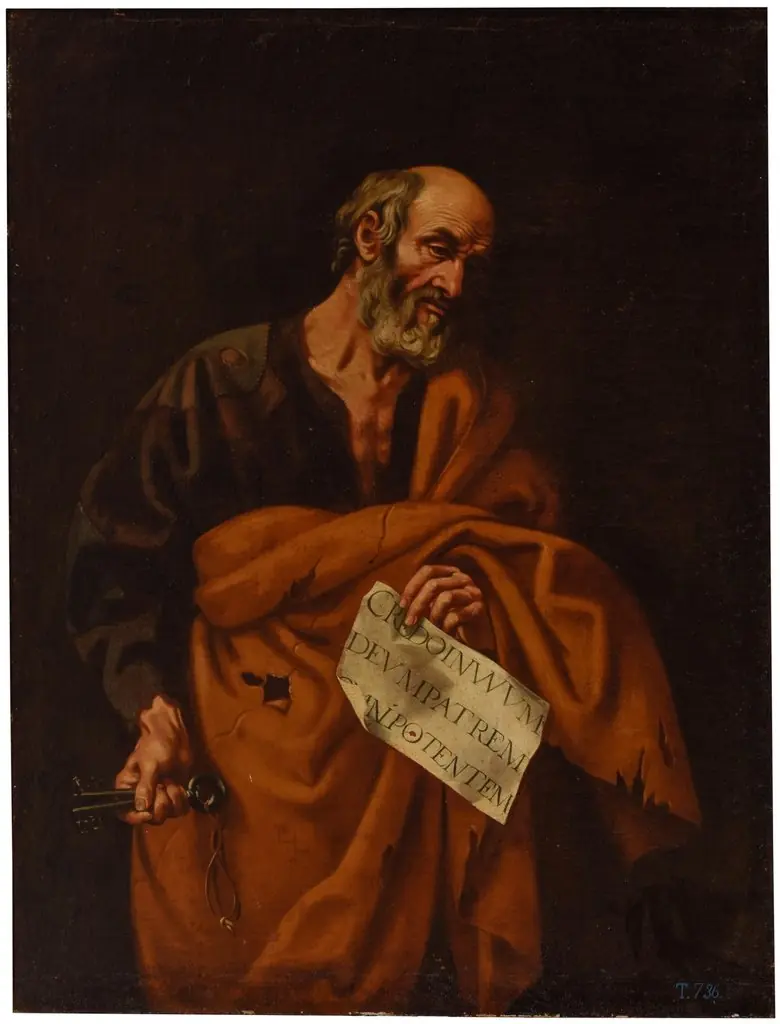
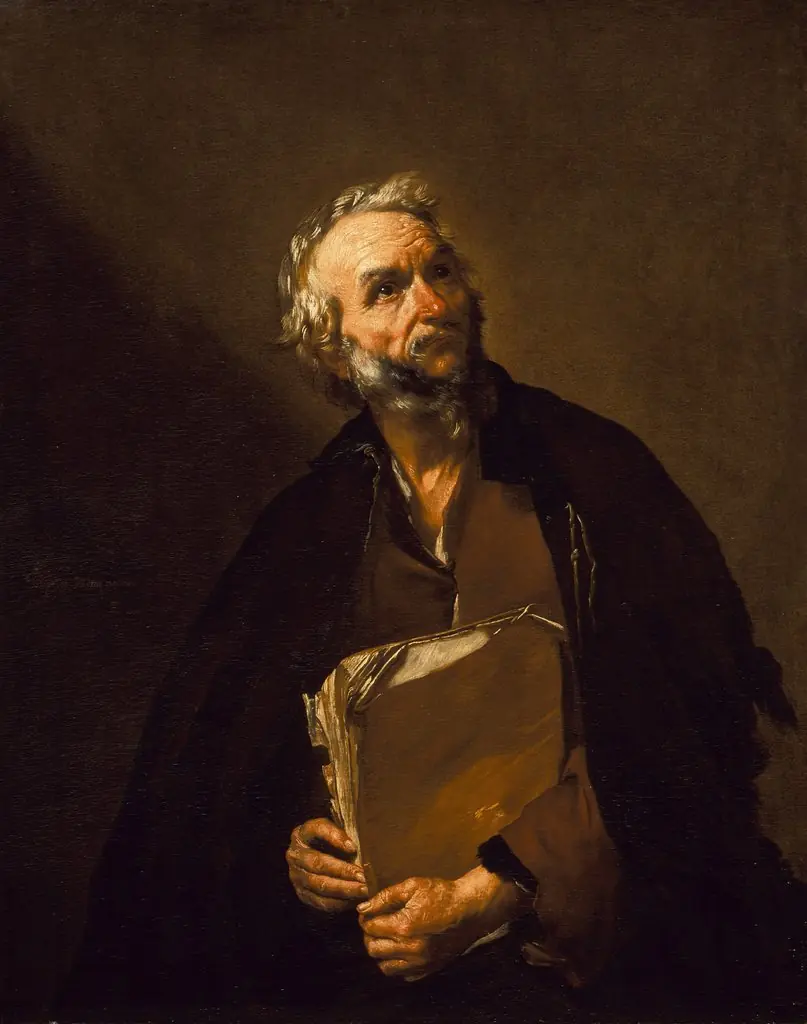
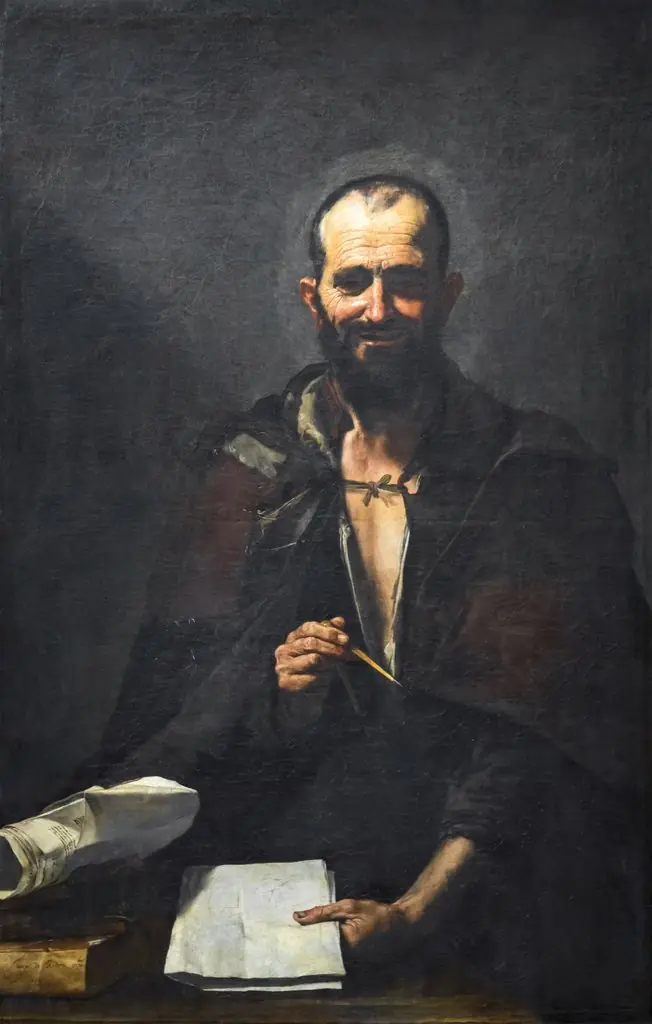
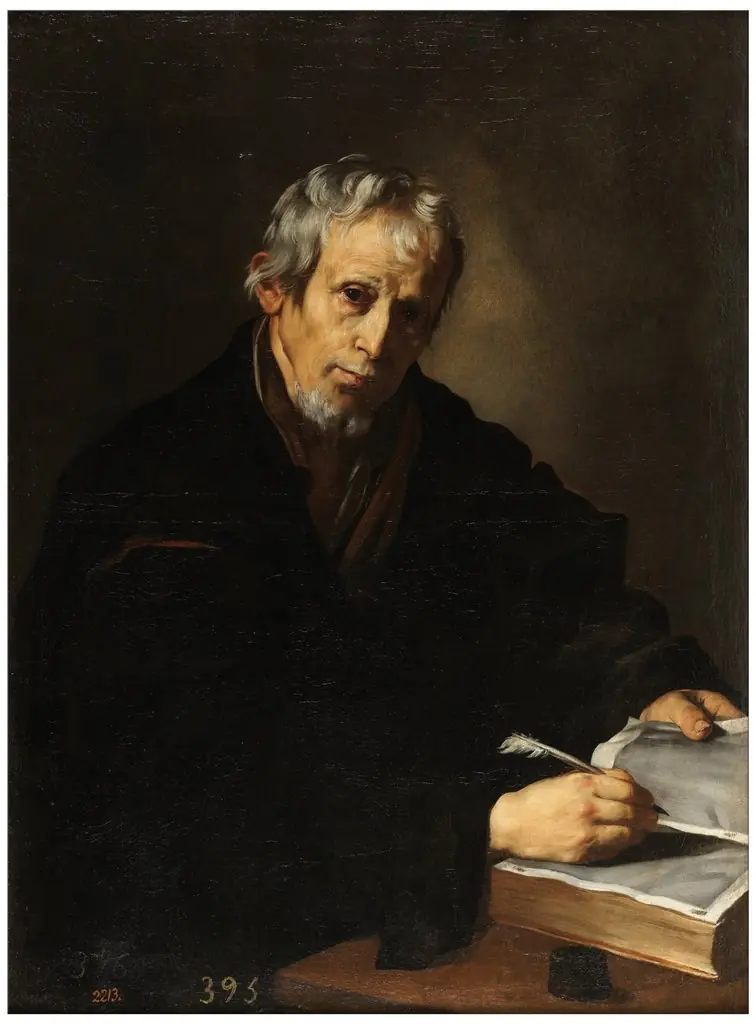
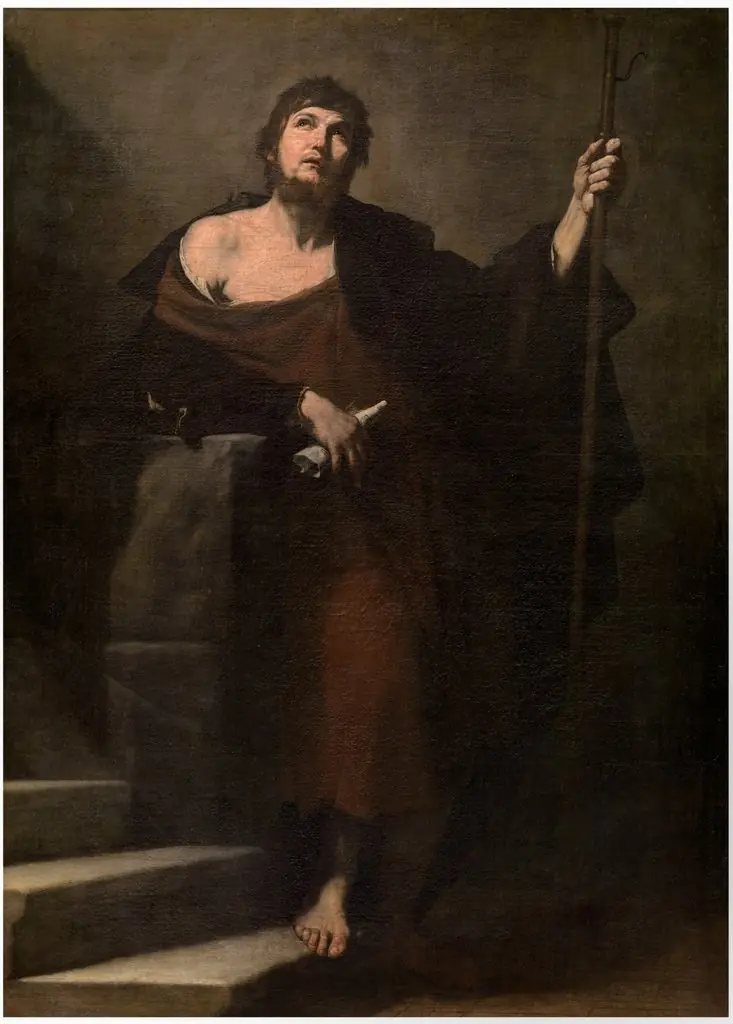
Philip the Apostle is an oil painting by the Early Baroque Italian artist Johann Ulrich Mayr. It dates from 1653 and is held in the collection of the Kunsthistorisches Museum.
About this work
Overview
The portrait reflects his engagement with Italian Baroque conventions, particularly in its dramatic use of light and focused composition.
Johann Ulrich Mayr completed this oil painting of Philip the Apostle in 1653. Born in Augsburg in 1629, Mayr was active as both a painter and instructor, producing religious and secular works for noble patrons across German-speaking regions. The portrait reflects his engagement with Italian Baroque conventions, particularly in its dramatic use of light and focused composition. It remains part of the Kunsthistorisches Museum’s collection in Vienna.
Subject & Meaning
The figure represents Philip, one of the twelve apostles, depicted not in narrative action but as a contemplative presence. His solemn gaze and restrained posture convey spiritual gravity rather than theatrical emotion. The staff he leans on alludes to his role as a traveler and preacher, while the plain attire emphasizes humility. The absence of traditional attributes like a cross or book shifts focus to his inner character, aligning with Counter-Reformation ideals of personal devotion.
Technique & Style
Mayr employed oil paint to achieve subtle tonal transitions, using chiaroscuro to isolate the figure against a dark, curtained background. Side lighting models the face and hands with soft gradations, enhancing the texture of skin and fabric. The wooden chair and staff are rendered with quiet precision, grounding the figure in tangible space. The palette is restrained—dominated by deep browns and muted pinks—reinforcing the painting’s introspective mood.
History & Provenance
Painted during Mayr’s tenure as a court artist, the work likely originated in a private devotional context for a noble patron. It entered the Kunsthistorisches Museum’s collection through documented acquisitions in the 19th century, possibly from a Habsburg-related estate. No earlier records of its display or ownership are known, but its quality and style suggest it was valued within elite artistic circles of the time.
Context
In mid-17th-century Central Europe, religious imagery remained central to artistic production, even as secular themes gained ground. Mayr’s approach reflects the influence of Italian Baroque painters like Caravaggio, adapted to Northern sensibilities. His role as an educator also indicates a broader cultural effort to transmit formal techniques, blending devotional purpose with academic rigor in a region still recovering from religious conflict.
Legacy
Though Mayr is not widely known today, this painting exemplifies the quiet, psychologically nuanced religious portraiture produced by regional artists in the Baroque era. It stands as a testament to the persistence of devotional imagery in Protestant and Catholic territories alike, where personal piety was often expressed through understated, lifelike representations rather than grand narratives.
Artist & collection
Artist
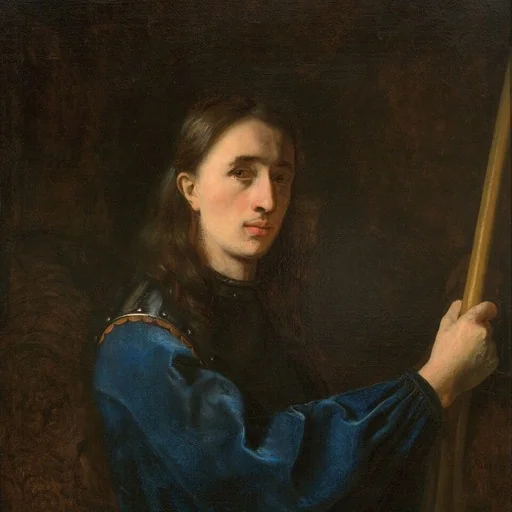
Johann Ulrich Mayr or Hans Ulrich Mayr, last name sometimes rendered as Mayer and Mair (1629 in Augsburg – 1704 in Augsburg) was a German Baroque painter and art educator.