Artwork
Portrait of a Man
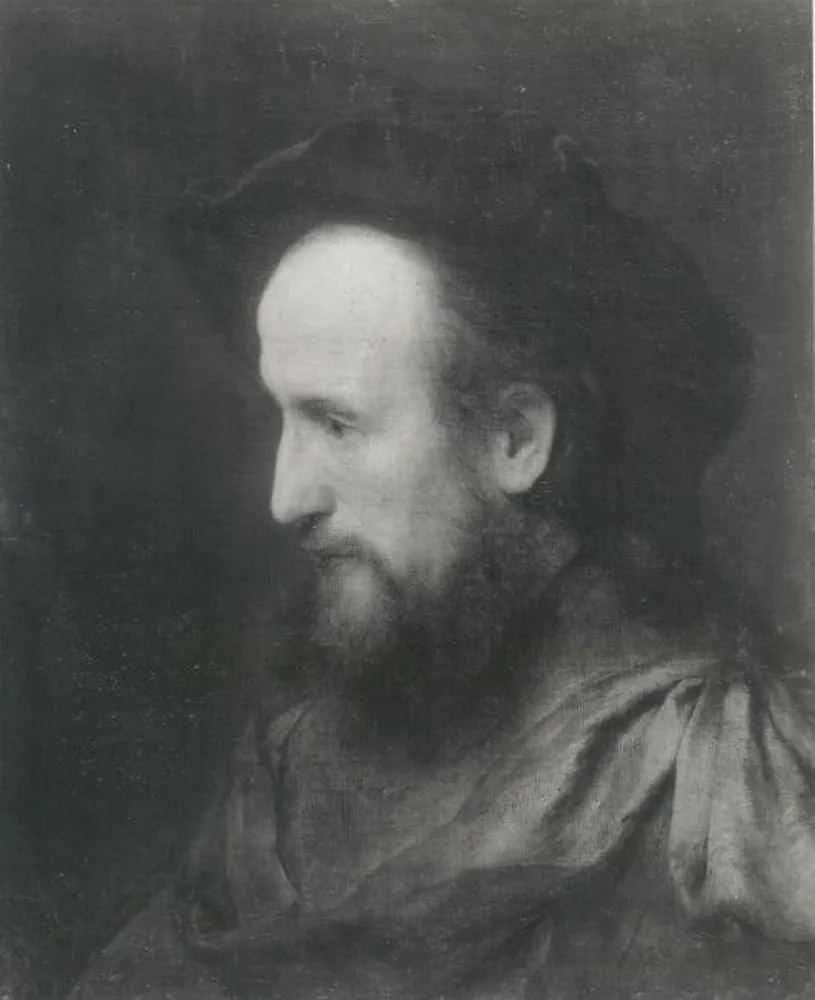
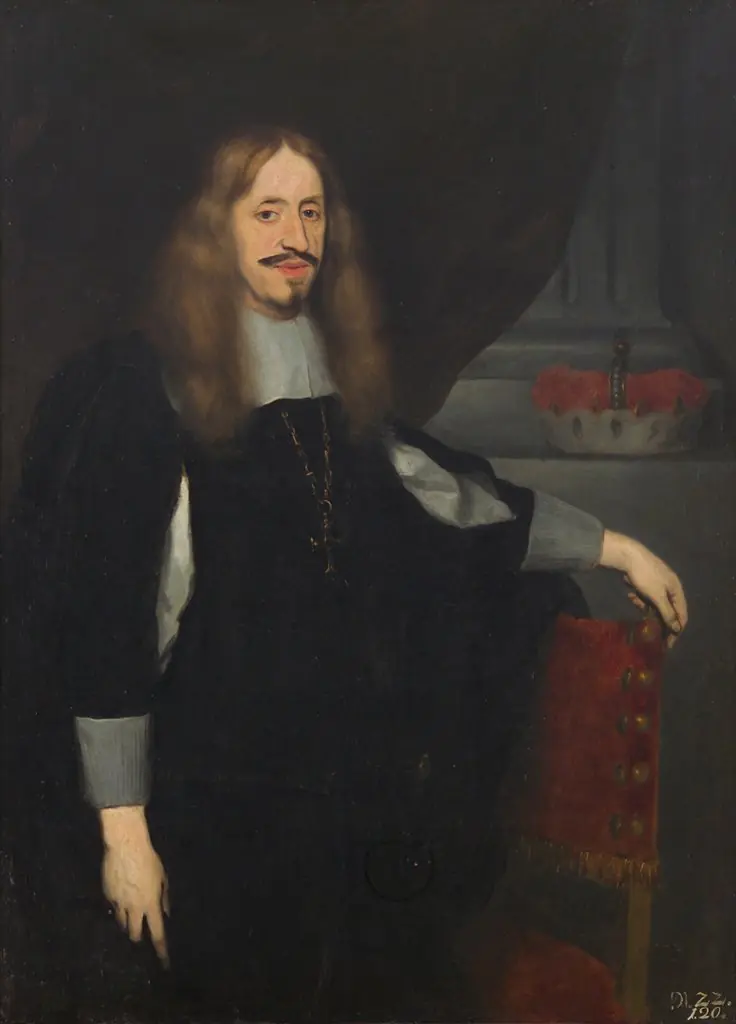
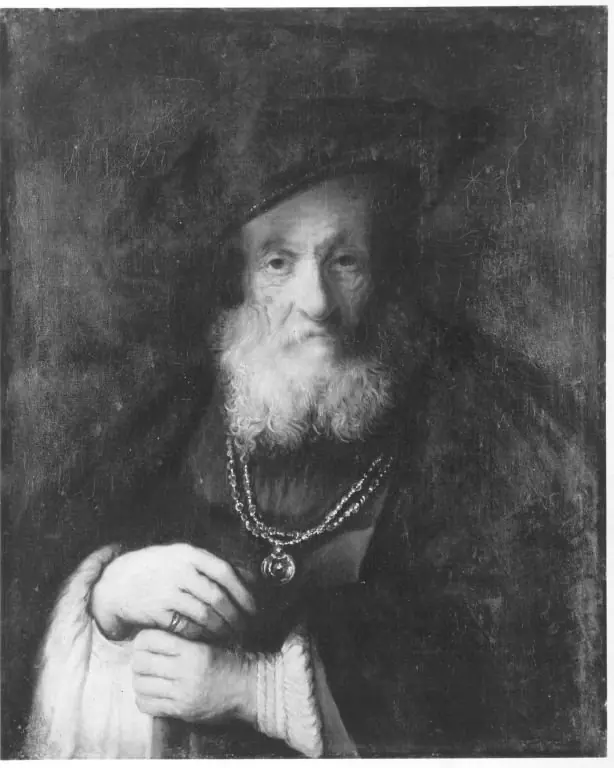
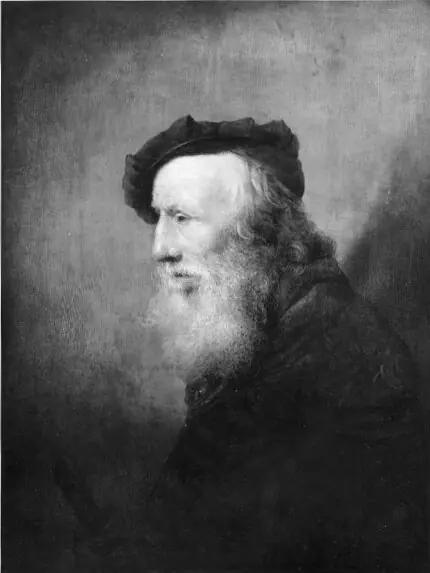
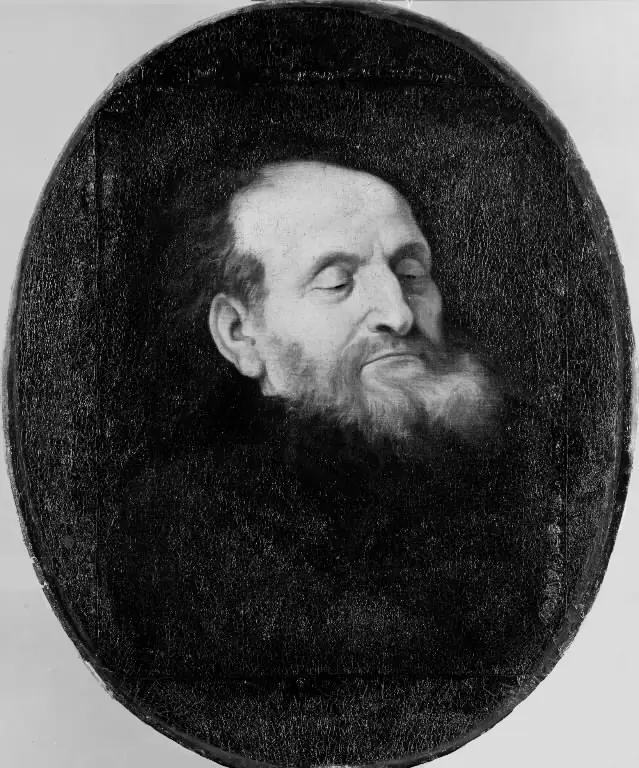
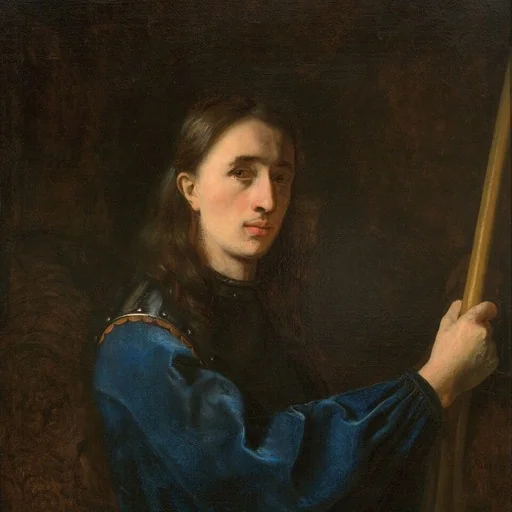
Portrait of a Man is an oil painting by Johann Ulrich Mayr. It dates from 1655 and is held in the collection of the Museum of Fine Arts, Budapest.
About this work
Overview
Painted in 1655, this oil portrait depicts a man in half-length, rendered by Johann Ulrich Mayr, a German artist active in Augsburg.
Painted in 1655, this oil portrait depicts a man in half-length, rendered by Johann Ulrich Mayr, a German artist active in Augsburg. Mayr, known for his portraiture and courtly commissions, executed this work during a period when regional painters in southern Germany were refining naturalistic representation. The painting is held in the Museum of Fine Arts, Budapest, as part of its early modern European collection.
Subject & Meaning
The sitter is a man of probable middle or upper class, identified only by his attire and dignified bearing. His dark hat and high-collared shirt suggest modest formality, common among urban elites in mid-17th-century southern Germany. The direct gaze and restrained expression convey quiet self-possession rather than ostentation, reflecting a shift toward introspective portraiture in post-Reformation society.
Technique & Style
Mayr employed oil paint with careful attention to light and texture. A strong left-side illumination models the face, casting deep shadows along the right cheek and jaw, enhancing volume without theatricality. The dark background isolates the figure, focusing attention on facial detail and the subtle rendering of skin and fabric. Brushwork is precise but unobtrusive, favoring clarity over decorative flourish.
History & Provenance
Johann Ulrich Mayr served as a court painter to the Electoral Court of Munich and the Habsburgs in Vienna, indicating his standing among regional artistic elites. While the painting’s early ownership is undocumented, its presence in Budapest’s collection suggests acquisition during the 19th or early 20th century, likely through broader European art market movements or institutional acquisitions.
Context
In mid-17th-century Augsburg, portraiture flourished amid economic stability and cultural exchange between German states and the Habsburg domains. Artists like Mayr bridged northern European realism and Italianate lighting, responding to patrons who valued both likeness and dignity. This portrait reflects a local tradition of restrained, psychologically grounded representation distinct from the grandeur of courtly painting in Vienna or Prague.
Legacy
Mayr’s work, though not widely known outside regional collections, exemplifies the quiet professionalism of German Baroque portraiture. His influence extended through teaching and workshop practice, shaping a generation of local artists. This portrait endures as a representative example of non-royal, middle-tier civic portraiture, preserving the visual culture of a lesser-documented social stratum in early modern Germany.
Artist & collection
Artist
Johann Ulrich Mayr or Hans Ulrich Mayr, last name sometimes rendered as Mayer and Mair (1629 in Augsburg – 1704 in Augsburg) was a German Baroque painter and art educator.