Artwork
Guy Little Theatrical Photograph
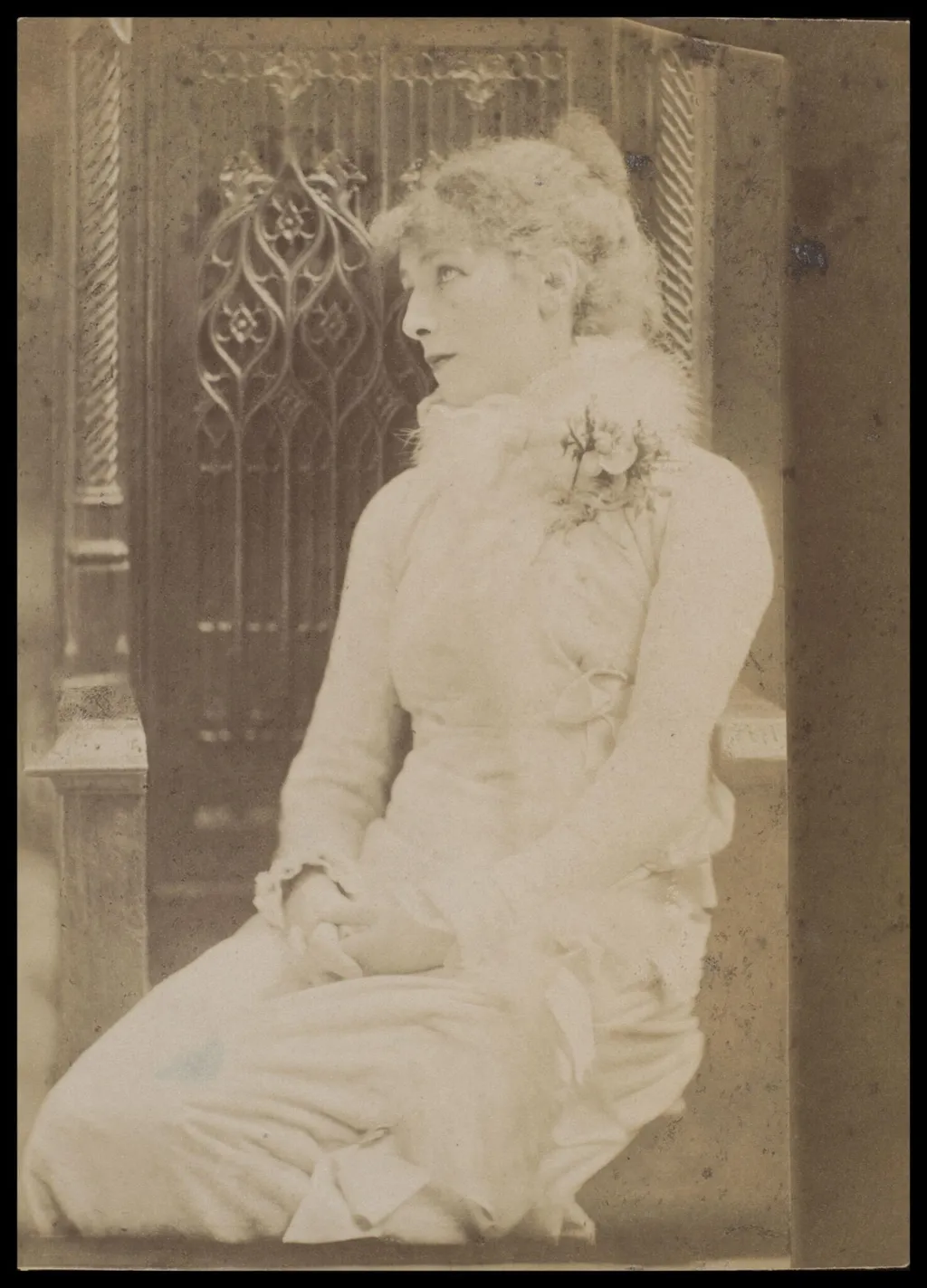
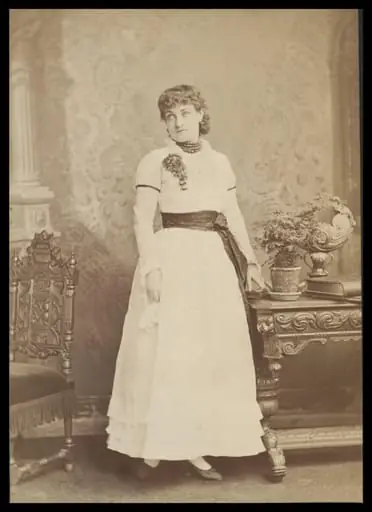
Guy Little Theatrical Photograph is a photographic photography by Melandri. It dates from 1850 and is held in the collection of the Victoria and Albert Museum.
About this work
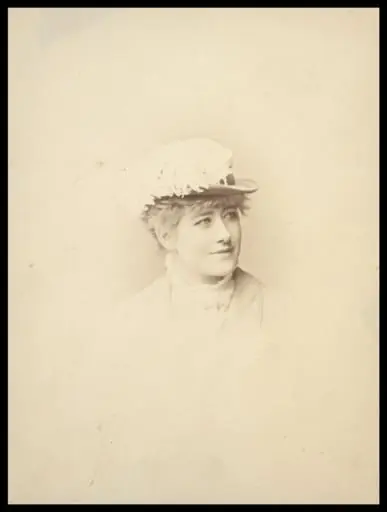
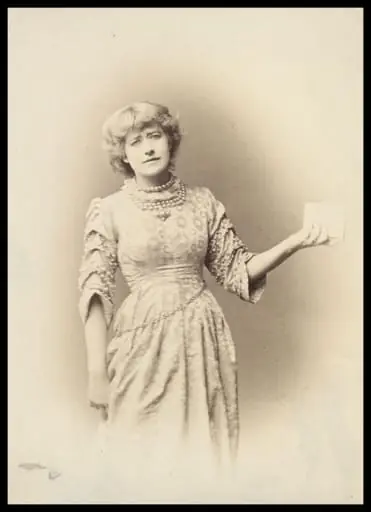
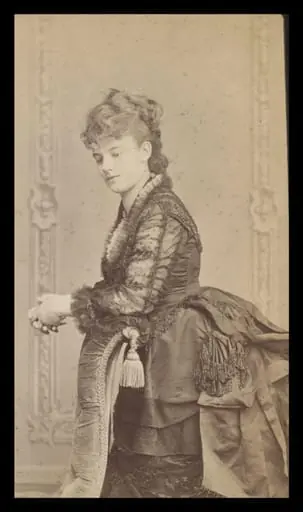
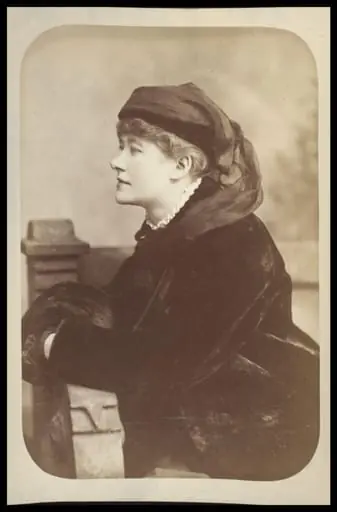
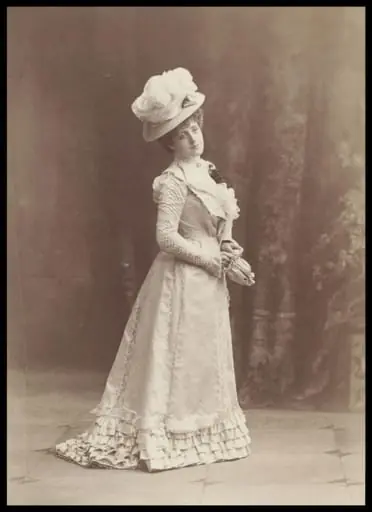
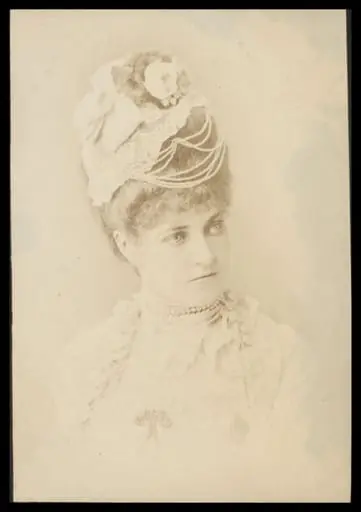
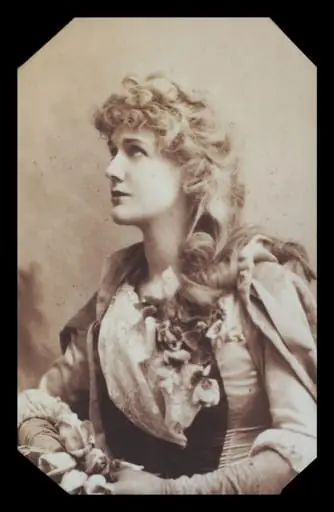
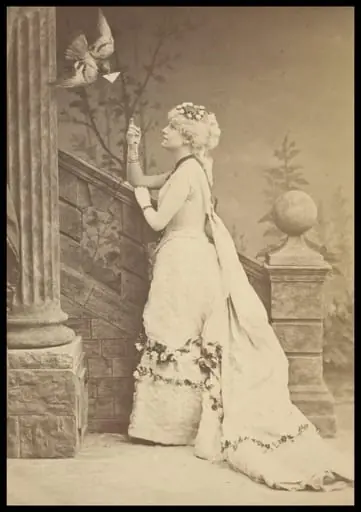
This photo shows Sarah Bernhardt, taken in the 19th century. Melandri made it using photography, which was still new back then. Actors often posed for these pictures to share with fans.
Back then, photos like this were printed on thick paper and sold by the thousands. People collected them like trading cards—just a normal hobby then.
Check out the Victoria and Albert Museum for more.
Overview
The image, originally produced as a cabinet card, was later removed from its original mount and integrated into an album of theatrical photographs.
This photograph of Sarah Bernhardt was taken by the French studio Melandri and belongs to a private collection assembled by Guy Tristram Little, a London solicitor and avid collector of ephemera. The image, originally produced as a cabinet card, was later removed from its original mount and integrated into an album of theatrical photographs. Little bequeathed the entire collection to the Victoria and Albert Museum in 1953, where it now forms part of the Theatre Collections.
Subject & Meaning
Sarah Bernhardt, one of the most celebrated stage actresses of the 19th century, is depicted here in a posed studio portrait, likely in costume. Such images served as both promotional tools and personal mementos, allowing fans to connect with performers beyond the theater. Her presence in these photographs reflects her celebrity status and the growing cultural fascination with theatrical personalities during the Victorian era.
Technique & Style
The photograph is an albumen print made from a glass negative, a standard process in mid-to-late 19th-century photography. Printed on stiff card stock, it follows the cabinet card format, which emerged in the 1870s as a larger, more durable alternative to the earlier carte de visite. The composition is formal, emphasizing Bernhardt’s presence through controlled lighting and a plain background, typical of professional theatrical portraiture.
History & Provenance
The image was once part of a vast personal archive compiled by Guy Tristram Little, who systematically removed photographs from their original mounts and organized them into albums. Little, a legal partner and executor of Gabrielle Enthoven’s estate, inherited her extensive theatrical memorabilia. His collection, including this photograph, was donated to the V&A, preserving a key record of Victorian performance culture.
Context
During the latter half of the 19th century, cabinet cards and cartes de visite became mass-produced collectibles, circulating widely among the middle class. Actors, artists, and royalty were common subjects, reflecting a broader trend of visual consumption. These photographs bridged the gap between public performance and private life, turning theatrical figures into household names through accessible imagery.
Legacy
Little’s collection, now housed at the V&A, offers a rare, intact record of how theatrical imagery was curated and consumed in the 19th and early 20th centuries. The preservation of these photographs—once disposable commercial items—highlights their historical value as cultural artifacts, documenting the intersection of performance, technology, and popular taste.
Artist & collection
Artist
This guy spent his life snapping photos of actors backstage, catching them mid-change or dead on their feet.

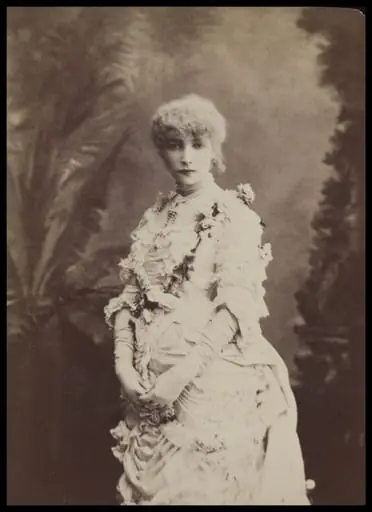 Guy Little Theatrical Photograph
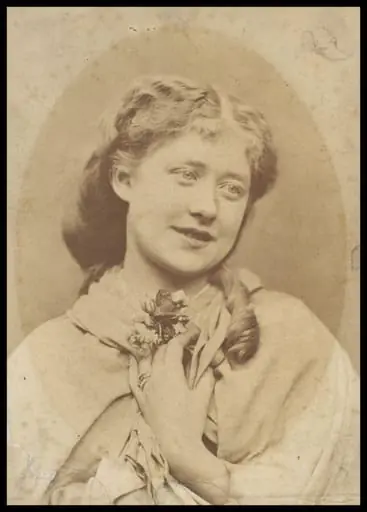 Guy Little Theatrical Photographs
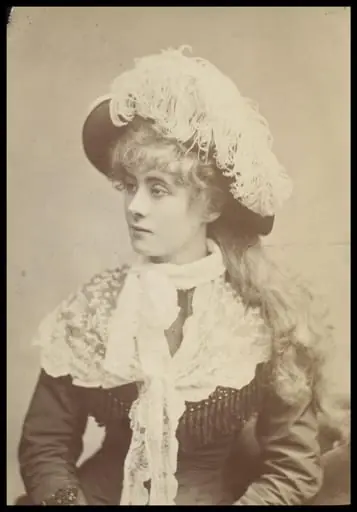 Guy Little Theatrical Photograph
 Guy Little Theatrical Photographs
 Guy Little Theatrical Photographs
 Guy Little Theatrical Photograph
 Guy Little Theatrical Photographs
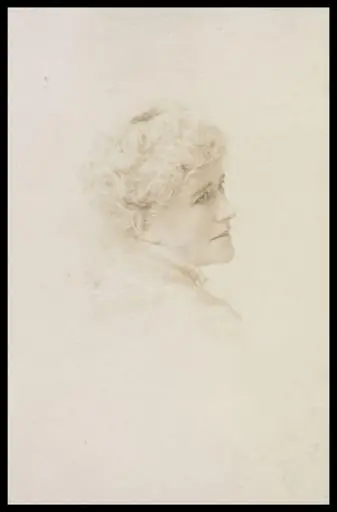 Guy Little Theatrical Photograph
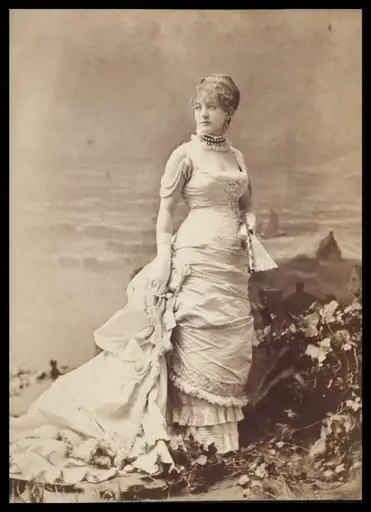 Guy Little Theatrical Photograph
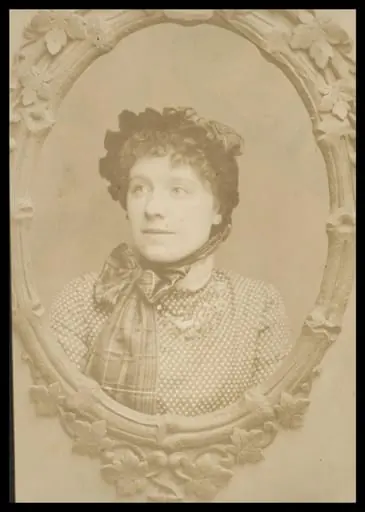 Guy Little Theatrical Photograph
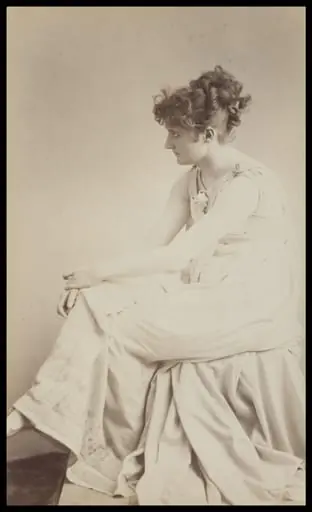 Guy Little Theatrical Photograph
 Guy Little Theatrical Photograph
 Guy Little Theatrical Photograph
 Guy Little Theatrical Photograph
 Guy Little Theatrical Photograph
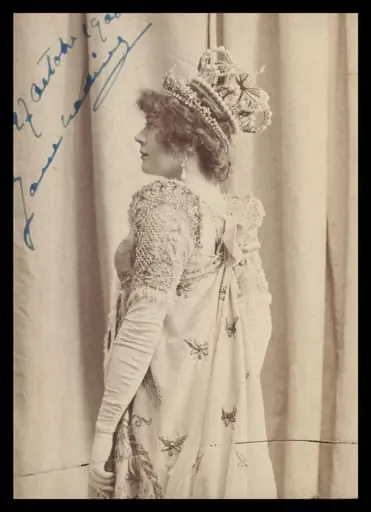 Guy Little Theatrical Photograph
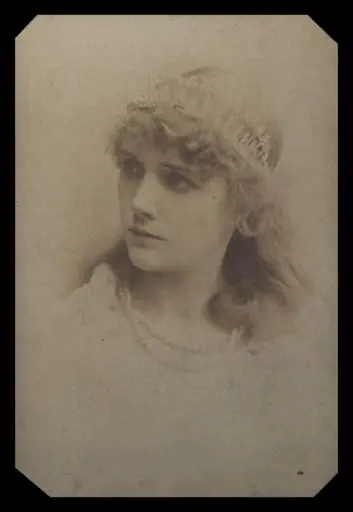 Guy Little Theatrical Photograph
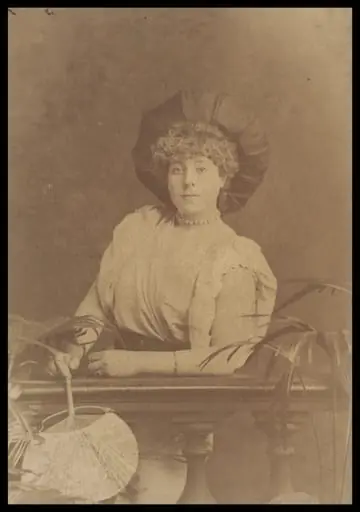 Guy Little Theatrical Photographs
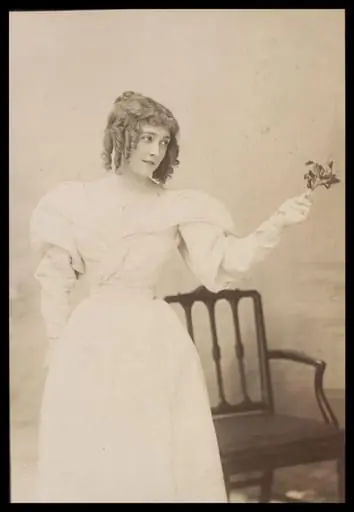 Guy Little Theatrical Photograph
 Guy Little Theatrical Photograph