Artwork
Guy Little Theatrical Photograph
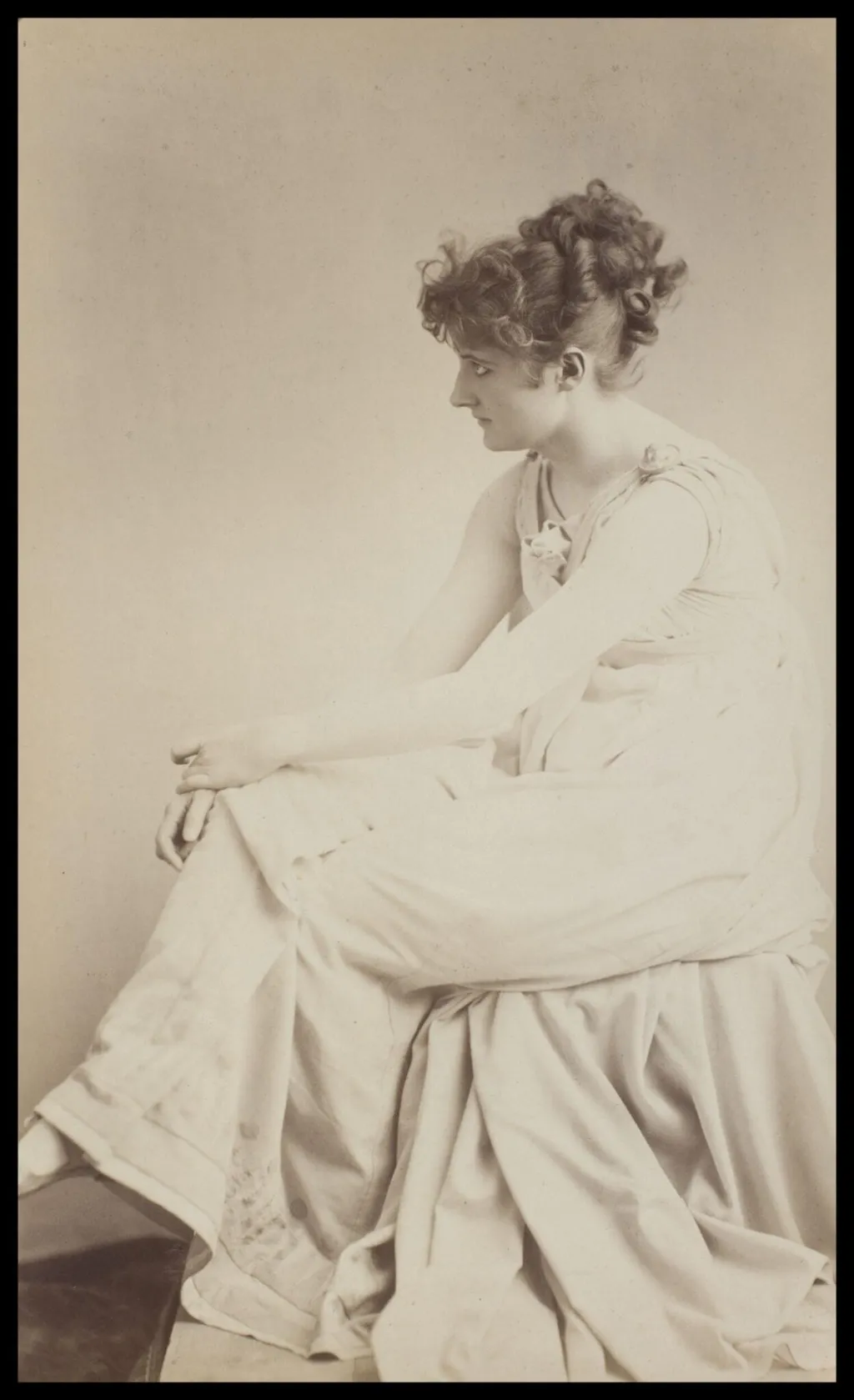
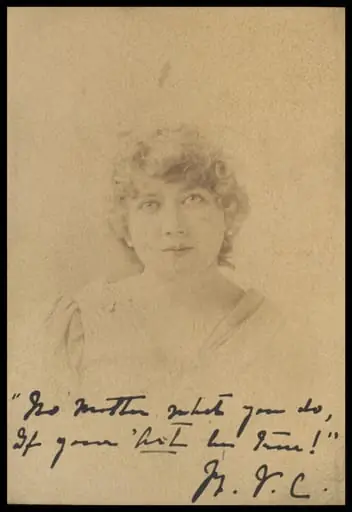
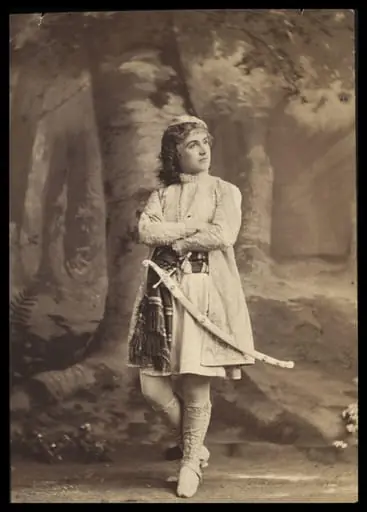
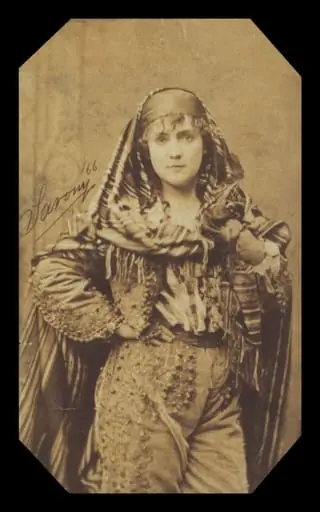
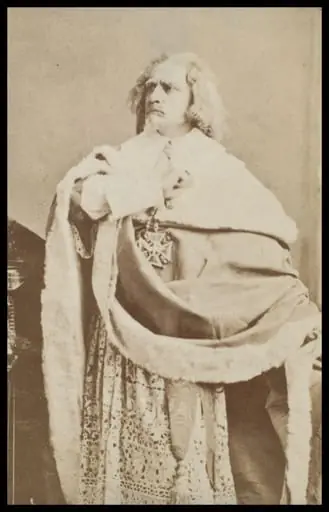
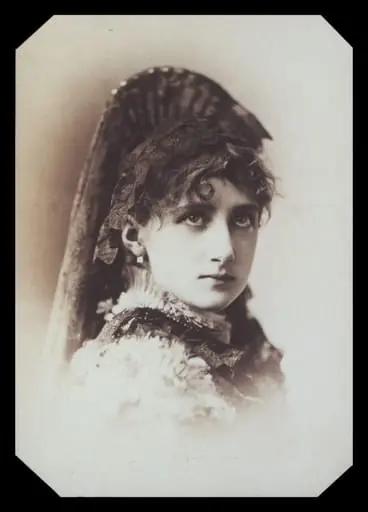
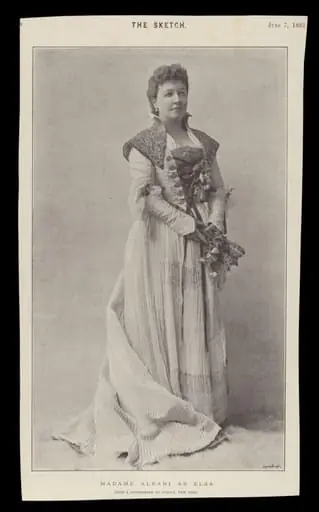
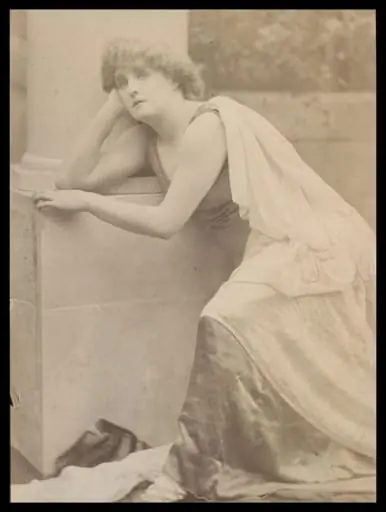
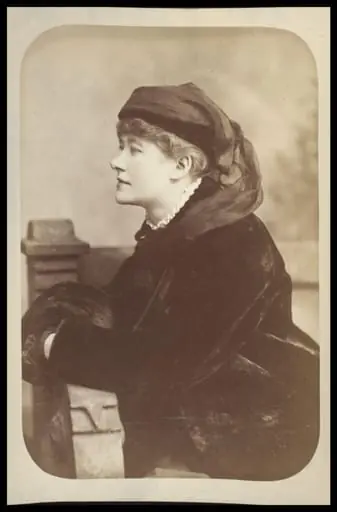
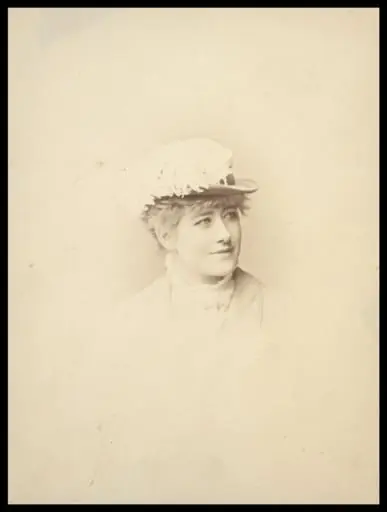
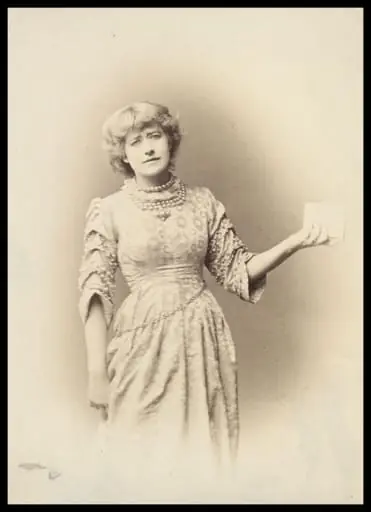
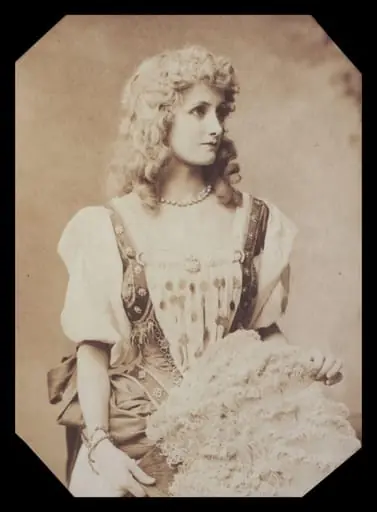
Guy Little Theatrical Photograph is a photographic photography by the Impressionist artist Sarony. It dates from 1883 and is held in the collection of the Victoria and Albert Museum. This photograph, taken in New York in 1883, depicts actress Mary Anderson in costume as Parthenia from the play Ingomar the Barbarian.
About this work
Taken by Sarony in New York, it shows her as Parthenia in the play *Ingomar the Barbarian*.
This photo captures Mary Anderson on stage in 1883. Taken by Sarony in New York, it shows her as Parthenia in the play *Ingomar the Barbarian*. The picture is part of a trend where actors posed in costume for publicity photos.
The new albumen print method used glass negatives and stiff card backing. These “cabinet cards” replaced smaller “cartes de visite” in the late 1870s.
Check out more work by Sarony online.
Overview
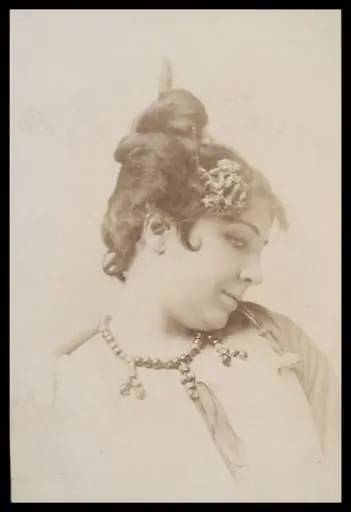
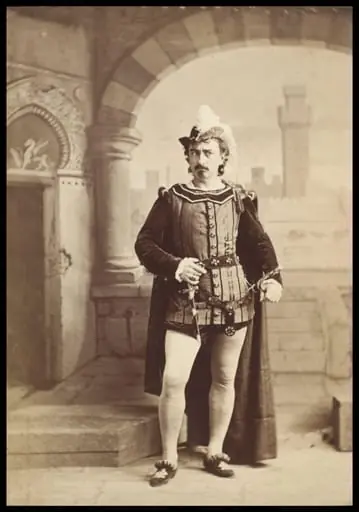
This photograph, taken in New York in 1883, depicts actress Mary Anderson in costume as Parthenia from the play Ingomar the Barbarian. Produced by the studio of Napoleon Sarony, it is a cabinet card—an albumen print mounted on stiff cardboard—part of a larger collection assembled by Guy Tristram Little. The image reflects the late 19th-century practice of using photography to document theatrical performances and promote performers through widely circulated portrait formats.
Subject & Meaning
Mary Anderson, a leading stage actress of her time, portrayed Parthenia, a noblewoman caught in the conflict between Roman civilization and the barbarian hero Ingomar. The photograph captures her in full costume, emphasizing the dramatic tension of the role. Such images served not only as mementos for fans but also as tools to reinforce the actress’s public persona and the theatrical spectacle’s emotional gravity.
Technique & Style
The image was made using the albumen printing process, which relied on glass negatives to produce sharp, detailed positives on paper coated with egg white and silver salts. Mounted on a sturdy card backing, it bears the imprint of Sarony’s studio, a hallmark of professional theatrical portraiture. The composition is formal, with controlled lighting and a static pose, typical of studio photography designed for mass reproduction and collection.
History & Provenance
The photograph belonged to Guy Tristram Little, a London solicitor and avid collector of theatrical memorabilia. He removed the images from their original mounts and bound them into albums, preserving them for posterity. Upon his death in 1953, the collection was bequeathed to the Victoria and Albert Museum. Little was also the executor of Gabrielle Enthoven’s estate, whose theatrical holdings formed the core of the V&A’s theatre archives.
Context
By the 1880s, cabinet cards had largely replaced the smaller cartes de visite as the preferred format for celebrity portraits. Their larger size allowed for more detailed depictions of costume and expression, making them ideal for theatrical promotion. Sarony’s studio was among the most prominent in New York for photographing actors, and his images helped shape public perception of stage stars during the golden age of American theatre.
Legacy
The photograph survives as part of one of the most significant private collections of theatrical imagery assembled in the 19th century. Its preservation within the V&A’s archives ensures continued access to the visual culture of Victorian-era theatre. As a documented example of Sarony’s work and Anderson’s stage presence, it contributes to the historical record of how performance was mediated through emerging photographic technologies.
Artist & collection

Artist
Napoléon Sarony was a Canadian-born American lithographer and photographer. He was a highly popular portrait photographer, best known for his portraits of the stars of late-19th-century American theater. His son, Otto…