Artwork
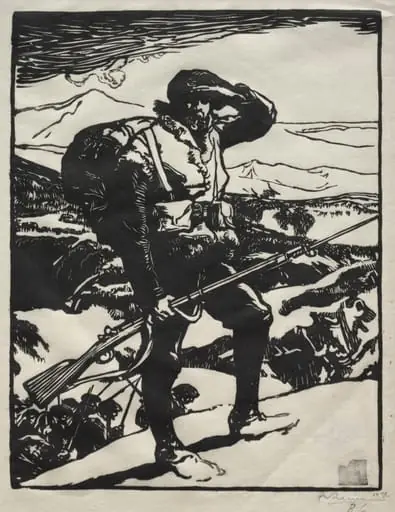
Peisaj cu vânător
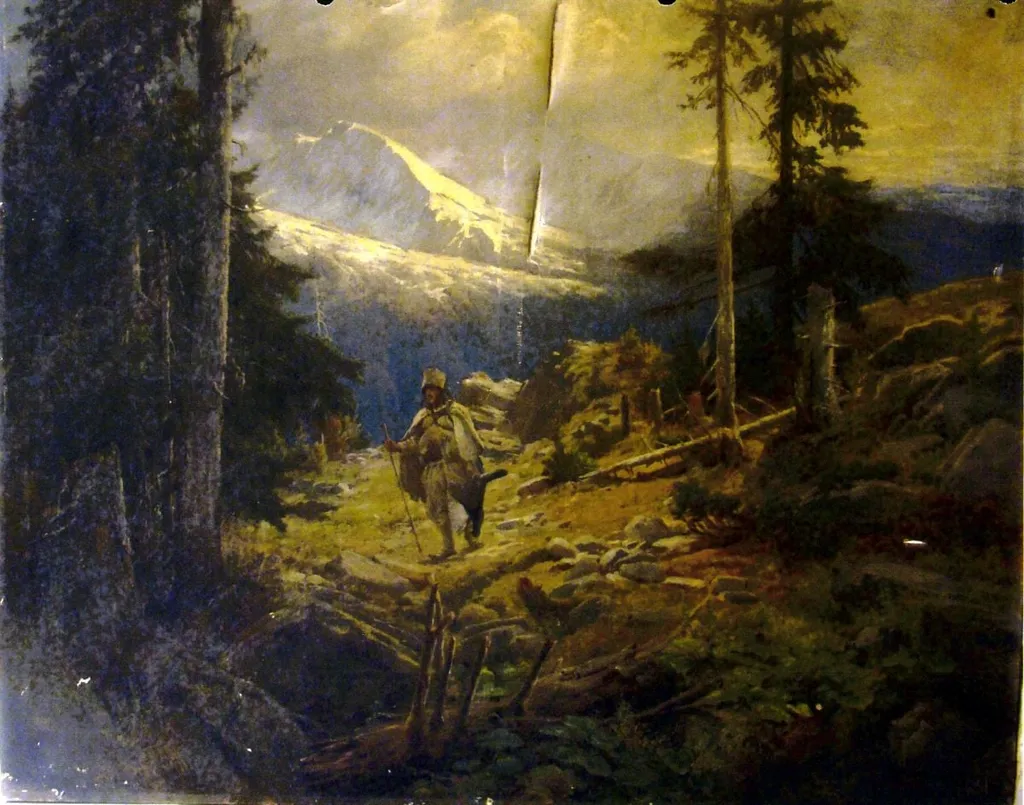
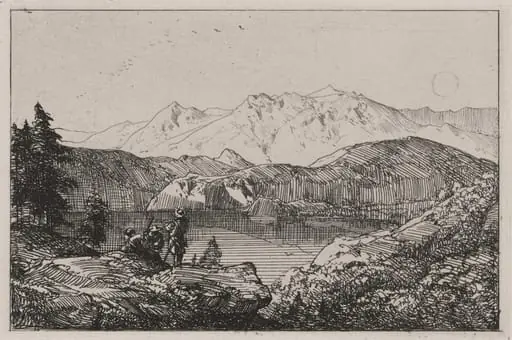
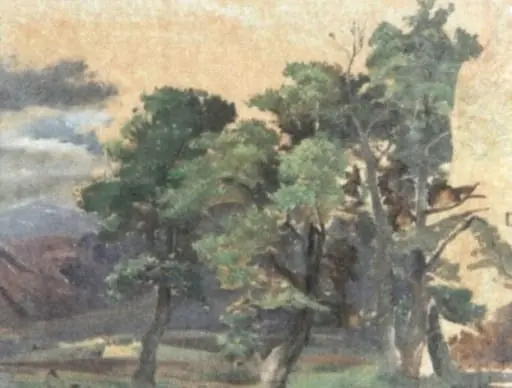
Peisaj cu vânător is a print by the Impressionist artist Venceslav Melka. It dates from 1881 and is held in the collection of the Museum of Art Cluj-Napoca.
About this work
Overview
Created in 1881 by Venceslav Melka, this landscape print depicts a solitary figure traversing a wooded terrain. The work is part of the collection at the Museum of Ethnography. Rendered with subtle tonal contrasts, it captures a quiet moment in nature, emphasizing atmosphere over narrative. The composition invites contemplation of human presence within an expansive, undisturbed environment.
Subject & Meaning
The lone hunter, dressed in dark attire and carrying a rifle, moves along a narrow path toward a wooden bridge, suggesting a journey through remote wilderness. His isolation and the mist-shrouded forest imply solitude and introspection rather than action. The scene avoids dramatic tension, instead conveying a sense of quiet endurance and harmony with the natural world.
Technique & Style
Melka employs soft, diffused lighting to model the forest’s forms, creating areas of glow amid deep shadows. The texture of rocky ground and pine trunks is suggested with minimal detail, relying on tone and contrast. This restrained approach enhances the mood of stillness, aligning with observational realism rather than romanticized landscape traditions.
History & Provenance
The work entered the Museum of Ethnography’s collection shortly after its creation, likely through regional acquisition or donation. Its preservation suggests early recognition of its cultural value as a representation of rural life in Eastern Europe. No significant alterations or restorations are documented, and its condition remains consistent with its age.
Context
Produced during a period of growing interest in rural and natural subjects across Central Europe, the piece reflects broader artistic trends toward depicting everyday life with quiet authenticity. While not part of a major movement, it resonates with regional Realist tendencies that valued truthful observation over idealization.
Legacy
Though not widely reproduced or studied, the work remains a quiet example of late 19th-century landscape printmaking in its region. It contributes to the understanding of how local artists engaged with nature and solitude, offering a counterpoint to more dramatic or urban themes of the era.
Artist & collection
Artist
Venceslav Melka’s prints feel like postcards sent from a 19th-century village you never visited.
 Berglandschap in Tirol met gemzen
 Nocturnal landscape
 Peisaj în munți
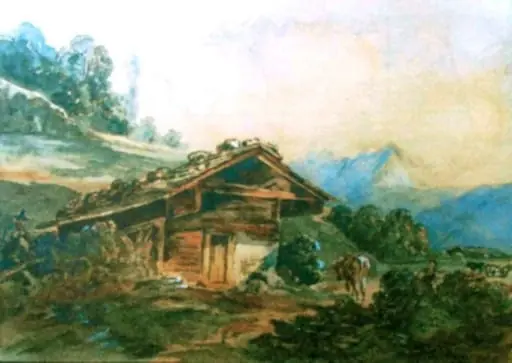 Peisaj de deal
 Chasseur Alpin Regardant La Plaine Du Rhin
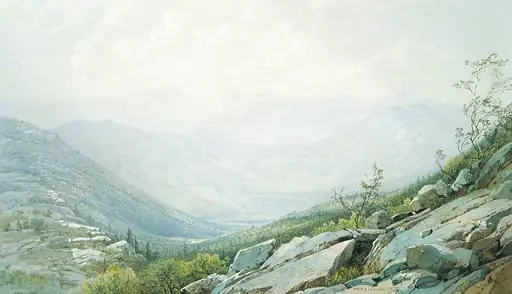 The Mount Washington Range, from Mount Kearsarge
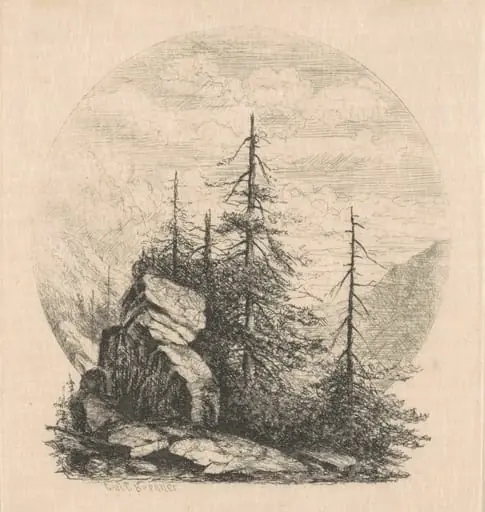 Pines
Pines Gebirgslandschaft mit dem Wiesbachhorn
 Valley Scene with Trees
 Mountain View with Lake
 From the Styrian Mountain Forests near Neuberg
 Peisaj