Artwork
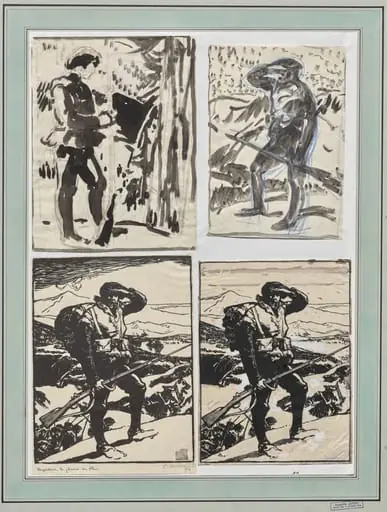
Chasseur Alpin Regardant La Plaine Du Rhin
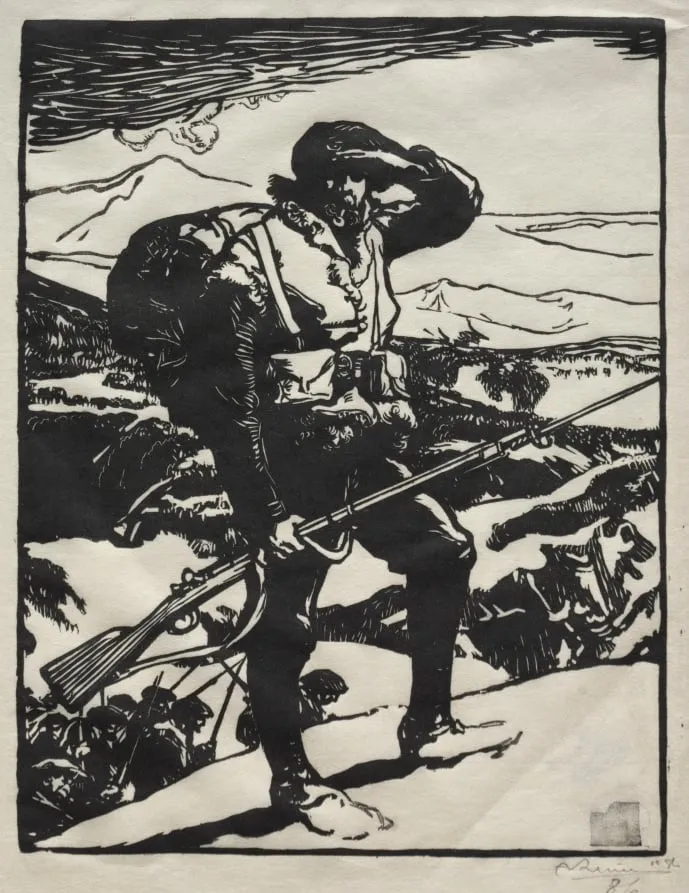
Chasseur Alpin Regardant La Plaine Du Rhin is a print by Auguste Lepère. It is held in the collection of the Cleveland Museum of Art.
About this work
Overview
Though Lepère died in 1918, the print was published posthumously, reflecting his enduring engagement with printmaking.
Created in 1919, *Chasseur Alpin Regardant La Plaine Du Rhin* is a wood engraving by Auguste Louis Lepère, a French artist instrumental in revitalizing the medium of wood engraving in late 19th- and early 20th-century Europe. Though Lepère died in 1918, the print was published posthumously, reflecting his enduring engagement with printmaking. The work captures a solitary Alpine soldier in a moment of quiet vigilance, rendered in stark black-and-white contrasts that emphasize form and mood over detail.
Subject & Meaning
The figure is a Chasseur Alpin, a French mountain infantry soldier, standing alone on a rugged outcrop overlooking the Rhine plain. His posture—rifle held loosely, hand resting on his brow—suggests contemplation, perhaps fatigue or anticipation. The vast, empty landscape below implies isolation and the scale of the terrain he guards. The image avoids overt heroism, instead conveying the psychological weight of duty in a post-war context, subtly echoing the quiet endurance of soldiers after conflict.
Technique & Style
Lepère employed wood engraving with precision, using bold, carved black areas against a clean white ground to define form and atmosphere. The soldier’s silhouette is sharply delineated, while the plain is suggested through minimal, rhythmic lines and sparse tonal variations. The technique favors economy of line and strong tonal contrast, drawing from traditional printmaking methods while achieving a modern, almost graphic intensity. The absence of gradation heightens the emotional stillness of the scene.
History & Provenance
The print was produced shortly after Lepère’s death in 1918, likely from plates he prepared in his final years. It was published in 1919 as part of a broader postwar interest in documenting the experiences of soldiers and the landscapes they inhabited. The work entered public collections in France during the early 20th century, where it was recognized for its technical rigor and restrained emotional tone, aligning with the era’s shift toward introspective war imagery.
Context
Created in the immediate aftermath of World War I, the image resonates with a Europe grappling with loss and quiet recovery. The Chasseurs Alpins, elite troops who fought in the Alps, were emblematic of resilience. Lepère’s focus on a solitary figure, rather than battle scenes, reflects a broader cultural turn toward personal reflection and the psychological toll of war. The Rhine plain, a contested border region, adds geopolitical weight to the soldier’s vigil.
Legacy
Lepère’s work contributed to the revival of wood engraving as a serious artistic medium in Europe, influencing later printmakers who valued its capacity for expressive simplicity. *Chasseur Alpin* remains a representative example of early 20th-century French printmaking that prioritized mood and restraint over spectacle. It is studied for its formal clarity and its quiet commentary on the aftermath of conflict, standing as a modest but enduring testament to the artist’s technical and emotional precision.
Artist & collection
Artist
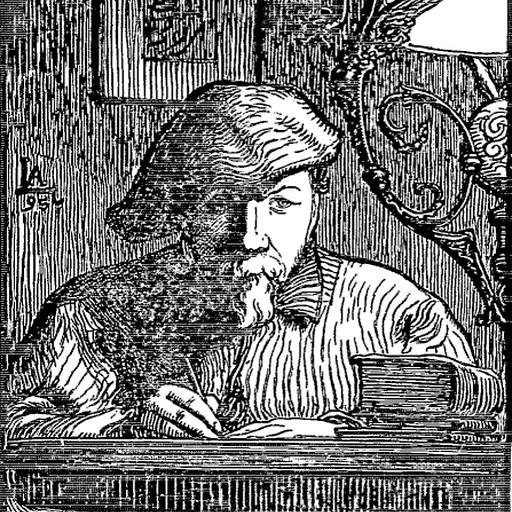
Louis-Auguste Lepère (30 November 1849 – 20 November 1918) was a French painter and etcher. Lepère is also considered a leader in the creative revival of wood engraving in Europe.

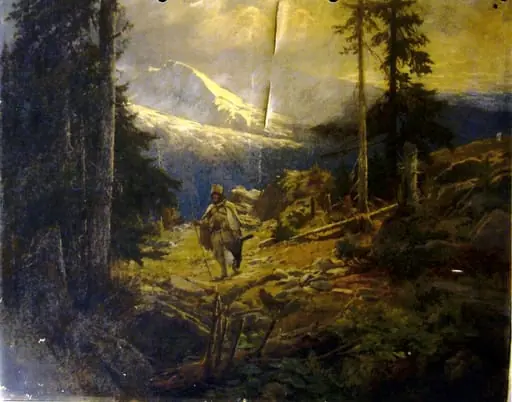 Peisaj cu vânător
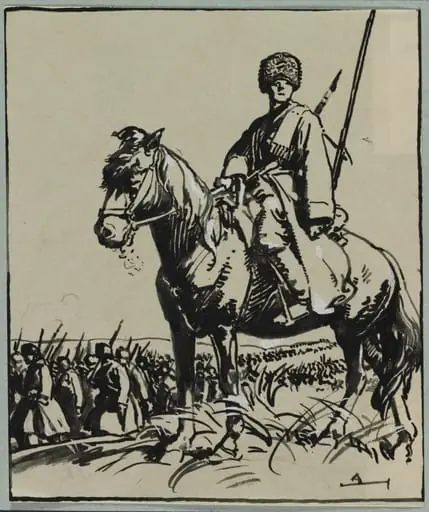 Officier de Cosaques
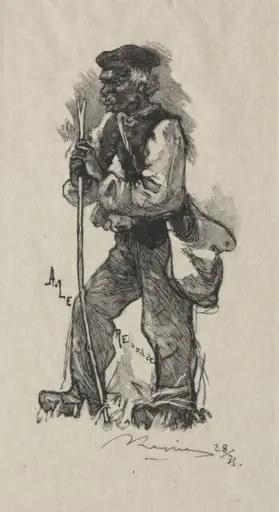 Le preneur de serpents
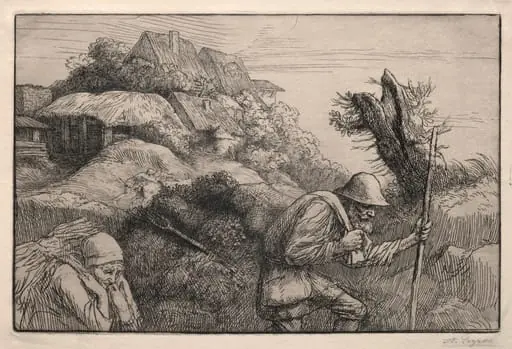 Return from the Woods
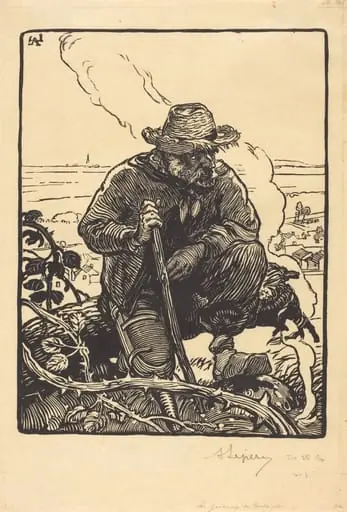 Le gueux des campagnes
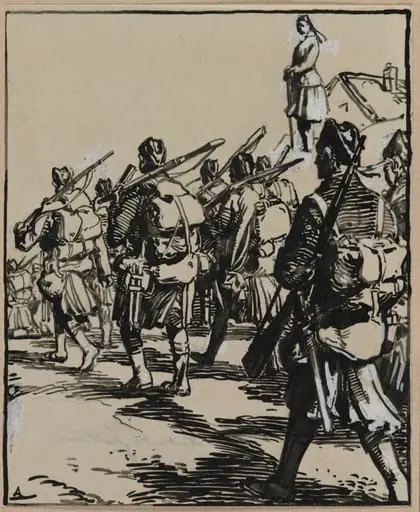 Bataille des frontières: groupe des soldats britanniques
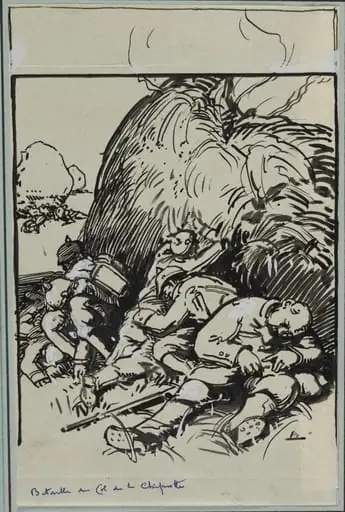 Bataille du Col de la Chiprotte
![Soldier Taking Aim [recto], by Winslow Homer](https://artifactworldgallery.com/img/winslow-homer--soldier-taking-aim-recto--59bbf30d729c412f-w320.webp) Soldier Taking Aim [recto]
Soldier Taking Aim [recto]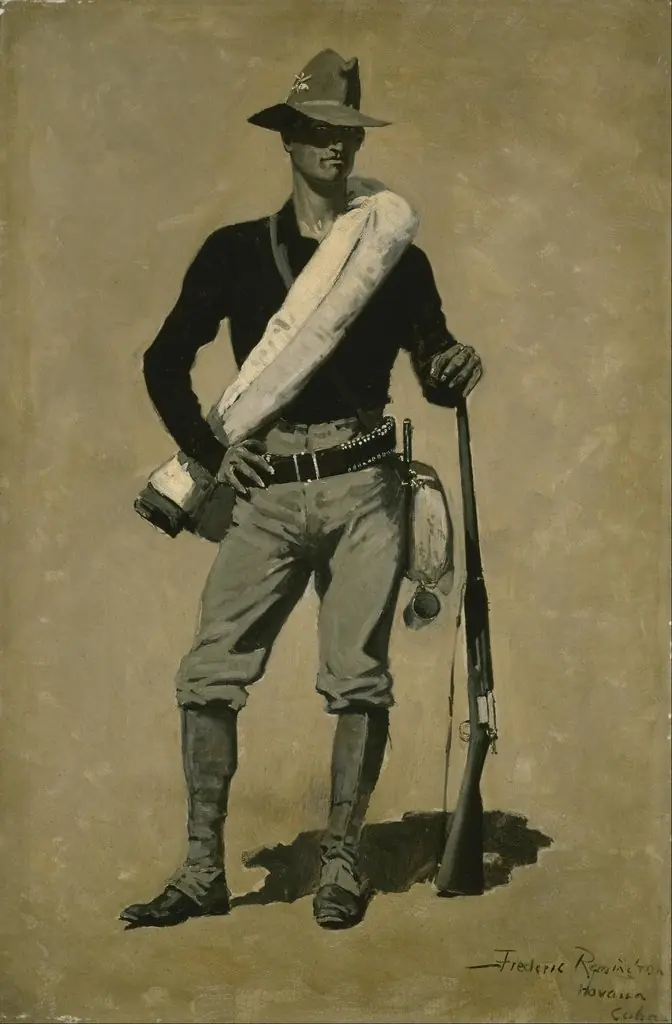 U. S. Soldier, Spanish-American War
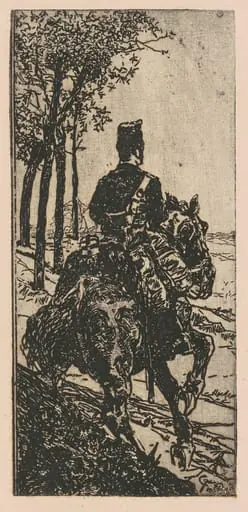 Artillery Soldier on Horseback (Soldato di artiglieria a cavallo)
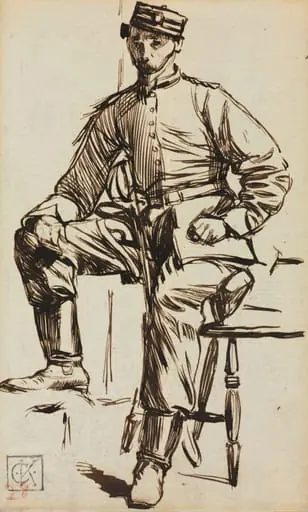 Charles Keene as a Volunteer
 Regardant la plaine du Rhin