Artwork
Louis Berryer
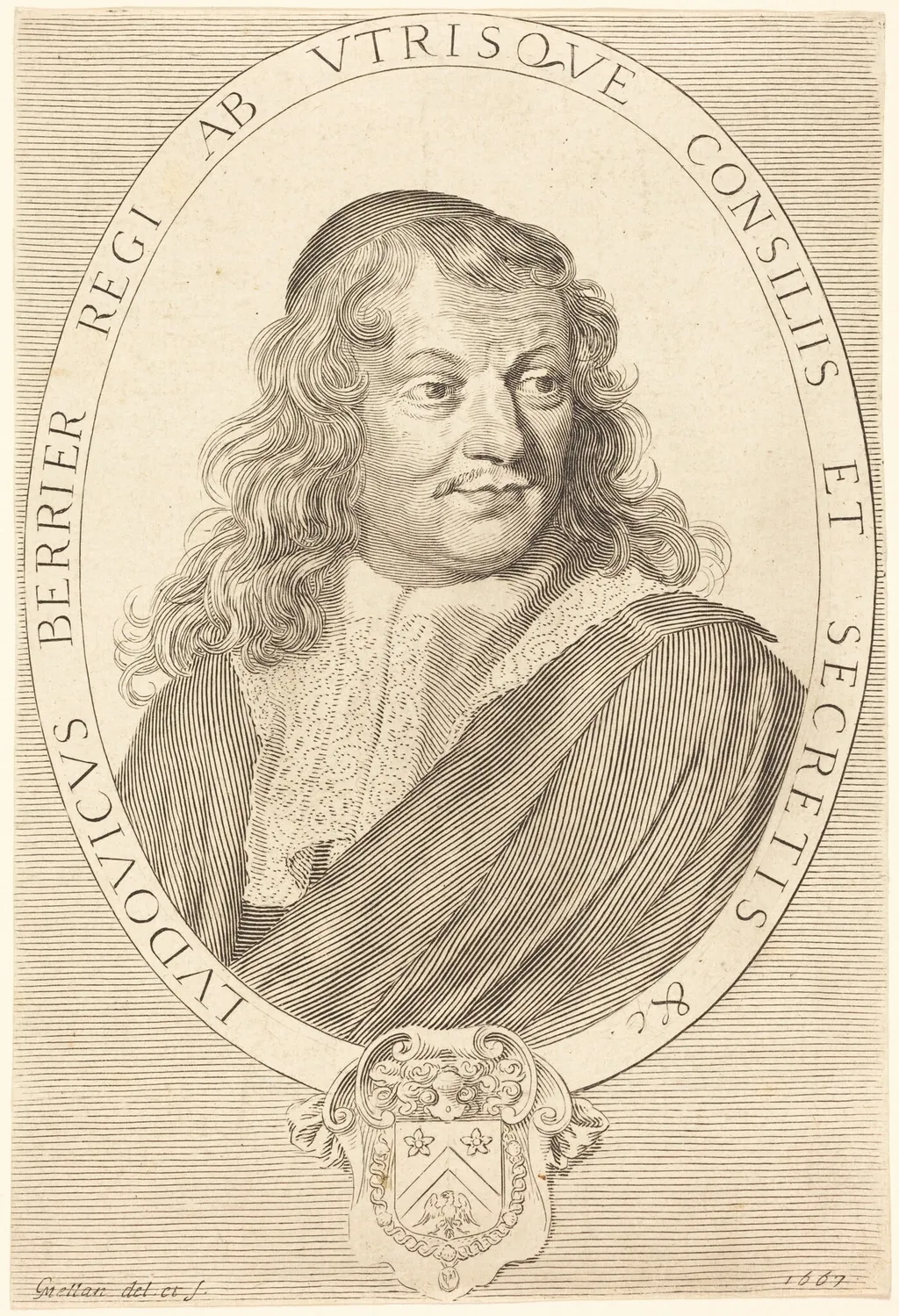
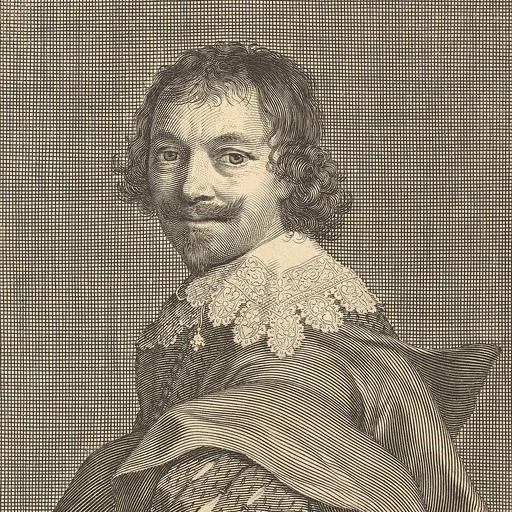
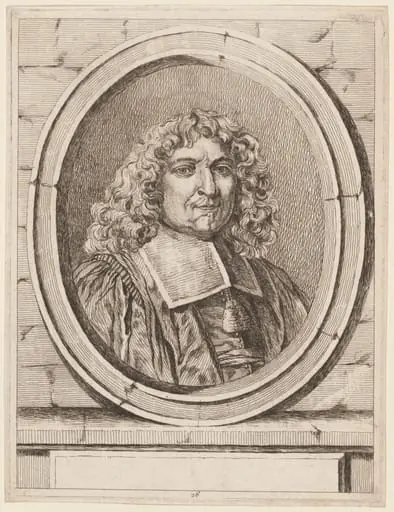
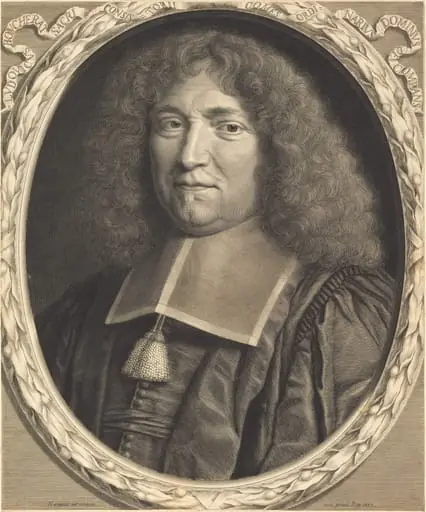
Louis Berryer is an ink print by the Baroque artist Claude Mellan. It dates from 1667 and is held in the collection of the National Gallery of Art.
About this work
Overview
Created in 1667, this engraving by Claude Mellan portrays Louis Berryer, a French legal figure of the 17th century.
Created in 1667, this engraving by Claude Mellan portrays Louis Berryer, a French legal figure of the 17th century. Executed on laid paper, the work belongs to the printmaking tradition of early modern Europe. Unlike paintings, engravings allowed for multiple impressions, making portraiture more widely accessible. Mellan’s precision in line work distinguishes this piece as a refined example of his technical mastery.
Subject & Meaning
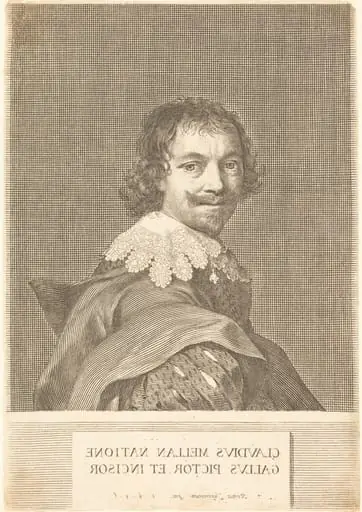
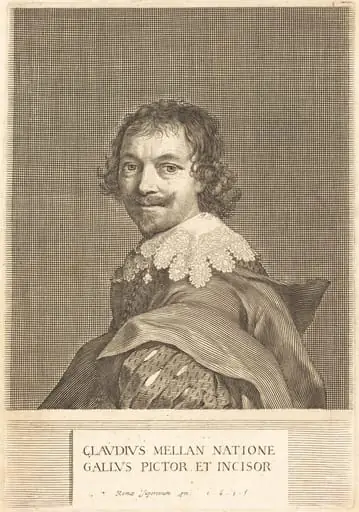
Louis Berryer, a prominent lawyer and magistrate, is depicted with quiet dignity, his expression calm and introspective. His attire reflects the formal dress of French judicial officials of the era, signaling his social standing. The portrait serves not as a celebration of power, but as a restrained representation of civic responsibility, aligning with the values of the French legal class during Louis XIV’s reign.
Technique & Style
Mellan employed a single spiral line to model form, a signature method he developed to render volume without cross-hatching. This technique allowed subtle gradations of tone through the density and curvature of the line. The delicate handling of texture in fabric and skin reveals his control over the burin. The result is a portrait that achieves depth and realism through line alone, showcasing his innovation in engraving.
History & Provenance
The engraving was produced late in Mellan’s career, after decades of work for French aristocracy and the royal court. It likely served as a commissioned portrait, circulated among legal circles or collected by patrons. Surviving impressions are held in major print rooms, including the Louvre and the British Museum, suggesting its enduring recognition among connoisseurs of 17th-century graphic art.
Context
In mid-17th century France, engraved portraits were tools of social and professional identity. Lawyers and officials often commissioned them to affirm their status in an increasingly bureaucratic state. Mellan’s work stood apart for its technical innovation, contrasting with the more common stipple or etched styles. His engravings contributed to a shift toward naturalism in printed portraiture during the reign of Louis XIV.
Legacy
Mellan’s approach to engraving influenced later artists seeking to merge technical precision with expressive subtlety. Though not widely known outside print circles, his spiral-line method remains studied as a unique solution to tonal modeling. This portrait of Berryer exemplifies how engraving could convey individual character with minimal means, preserving the likeness of a figure whose public role was defined by discretion and intellect.
Artist & collection