Artwork
Etienne Jehannot de Bartillat
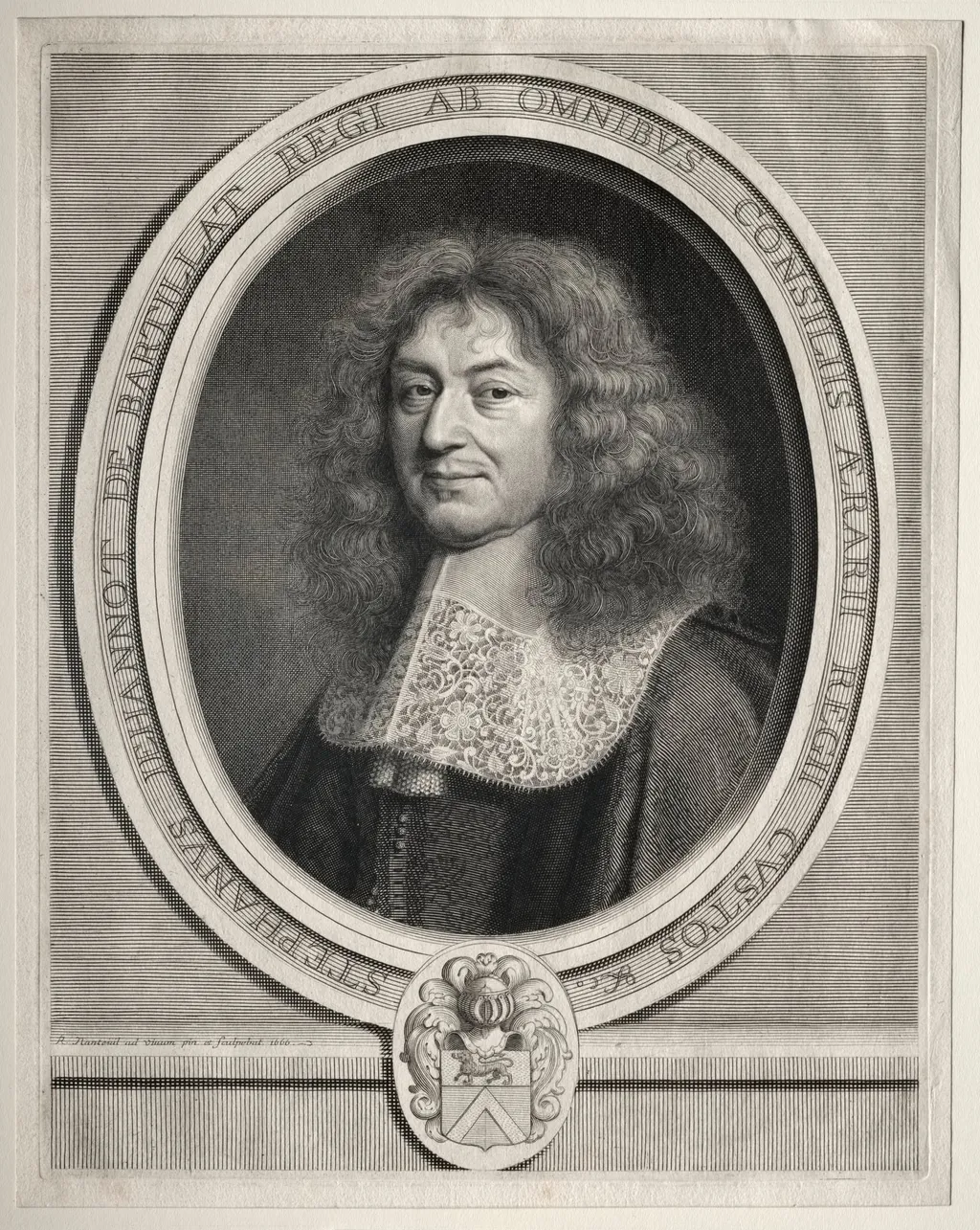
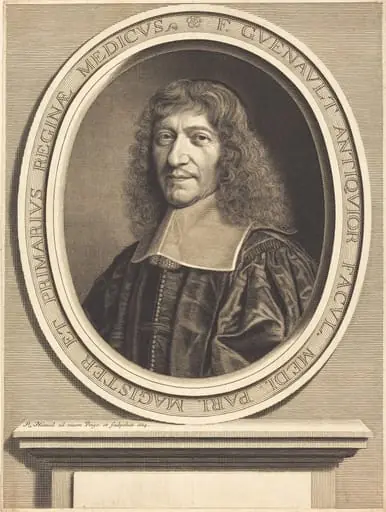
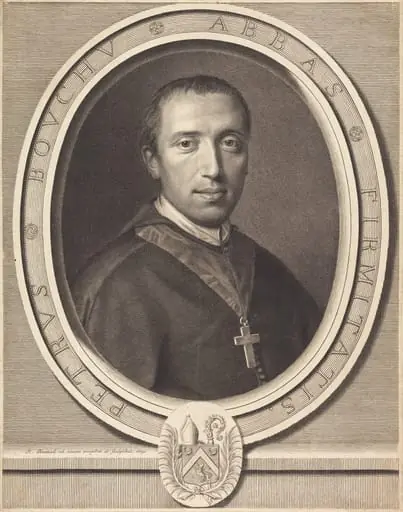
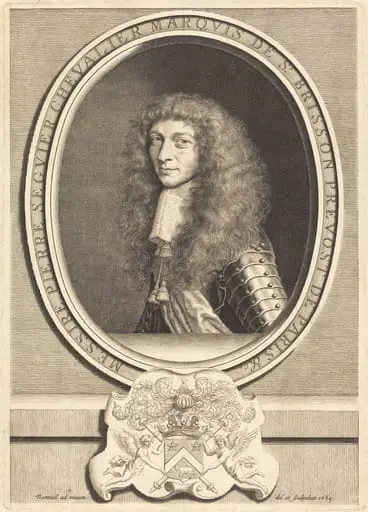
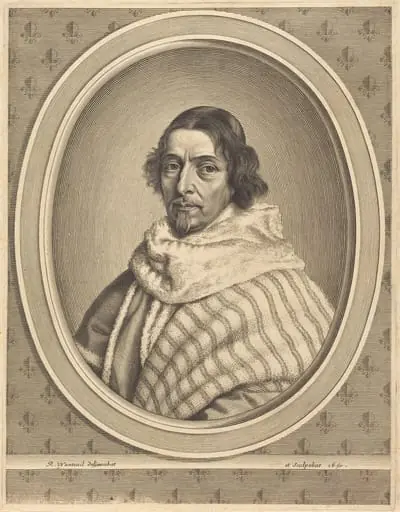
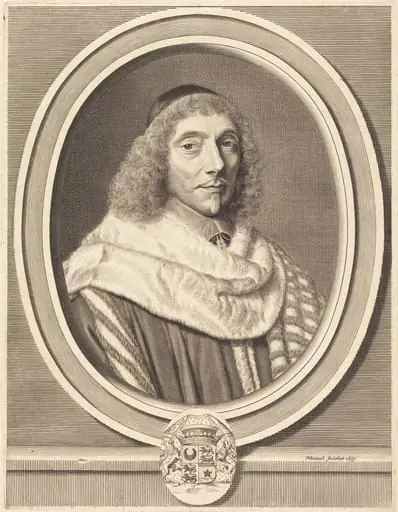
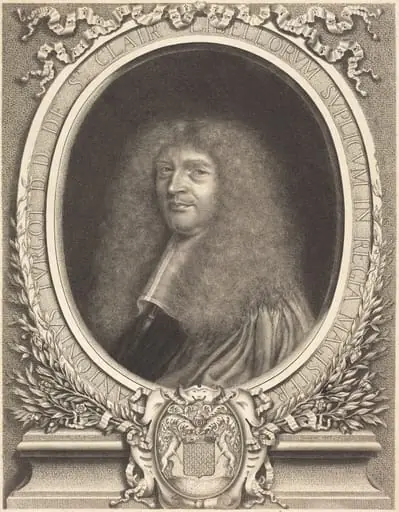
Etienne Jehannot de Bartillat is a print by the Baroque artist Robert Nanteuil. It dates from 1666 and is held in the collection of the Cleveland Museum of Art.
About this work
Overview
Etienne Jehannot de Bartillat is a portrait engraving created by Robert Nanteuil in 1666, exemplifying the 17th-century French tradition of detailed, individualized portraiture. It is now part of The Cleveland Museum of Art's collection.
Subject & Meaning
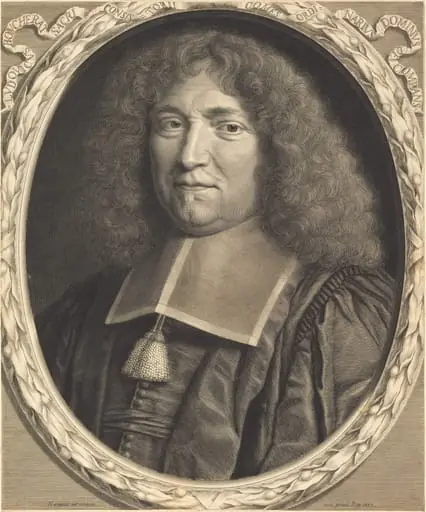
The engraving depicts its subject in a formal, three-quarter pose, characteristic of official court portraiture during the period. The man, identified as Etienne Jehannot de Bartillat, is shown with curly hair, a serious expression, a lace collar, and a dark coat, set against a plain background within an ornately framed oval.
Technique & Style
Nanteuil employed fine lines to render intricate details such as the subject's hair and lace collar, consistent with the prevailing style for official portraits in the 1600s. The frame's decorative elements, including patterns and a coat of arms, enhance the portrait's formal, ceremonial aspect.
History & Provenance
Created in 1666 by Robert Nanteuil, a versatile artist of the French court under Louis XIV, the engraving is part of a broader body of work reflecting the artistic preferences of the royal court. It is currently housed at The Cleveland Museum of Art.
Context
This work aligns with the Baroque style's emphasis on detail and formal composition, common in 17th-century European portraiture, particularly in France during the reign of Louis XIV.
Legacy
As a representative of 17th-century French portrait engraving, *Etienne Jehannot de Bartillat* contributes to the understanding of artistic practices and courtly aesthetics during the period, though its specific influence on later art movements is not broadly highlighted in available information.
Artist & collection
Artist
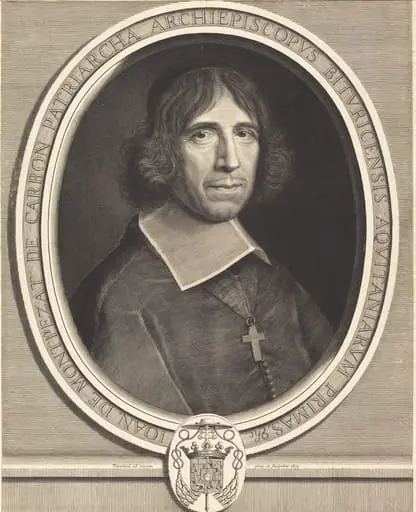
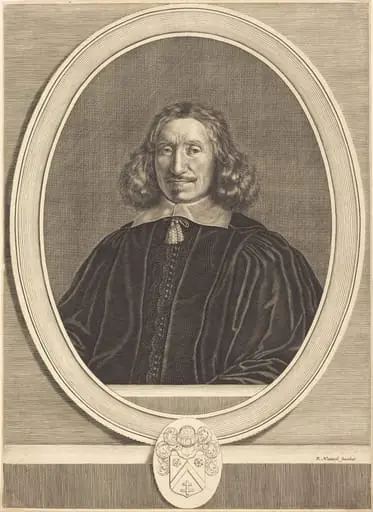
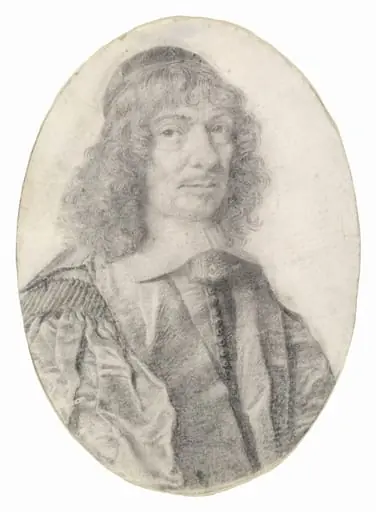
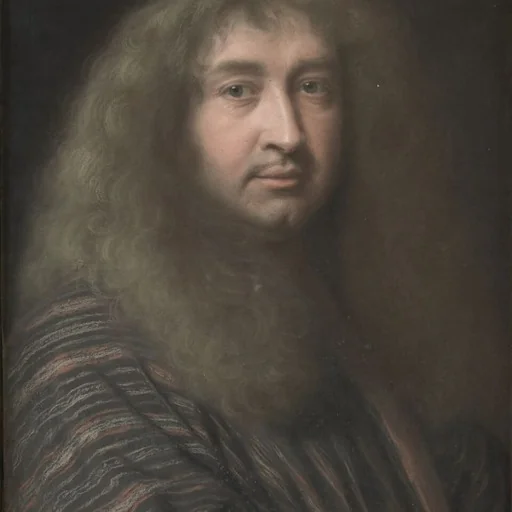
Robert Nanteuil (French pronunciation: ; 1623 – 9 December 1678) was a French portrait artist: engraver, draughtsman and pastellist to the court of Louis XIV.