Artwork
Bazin de Besons, Claude
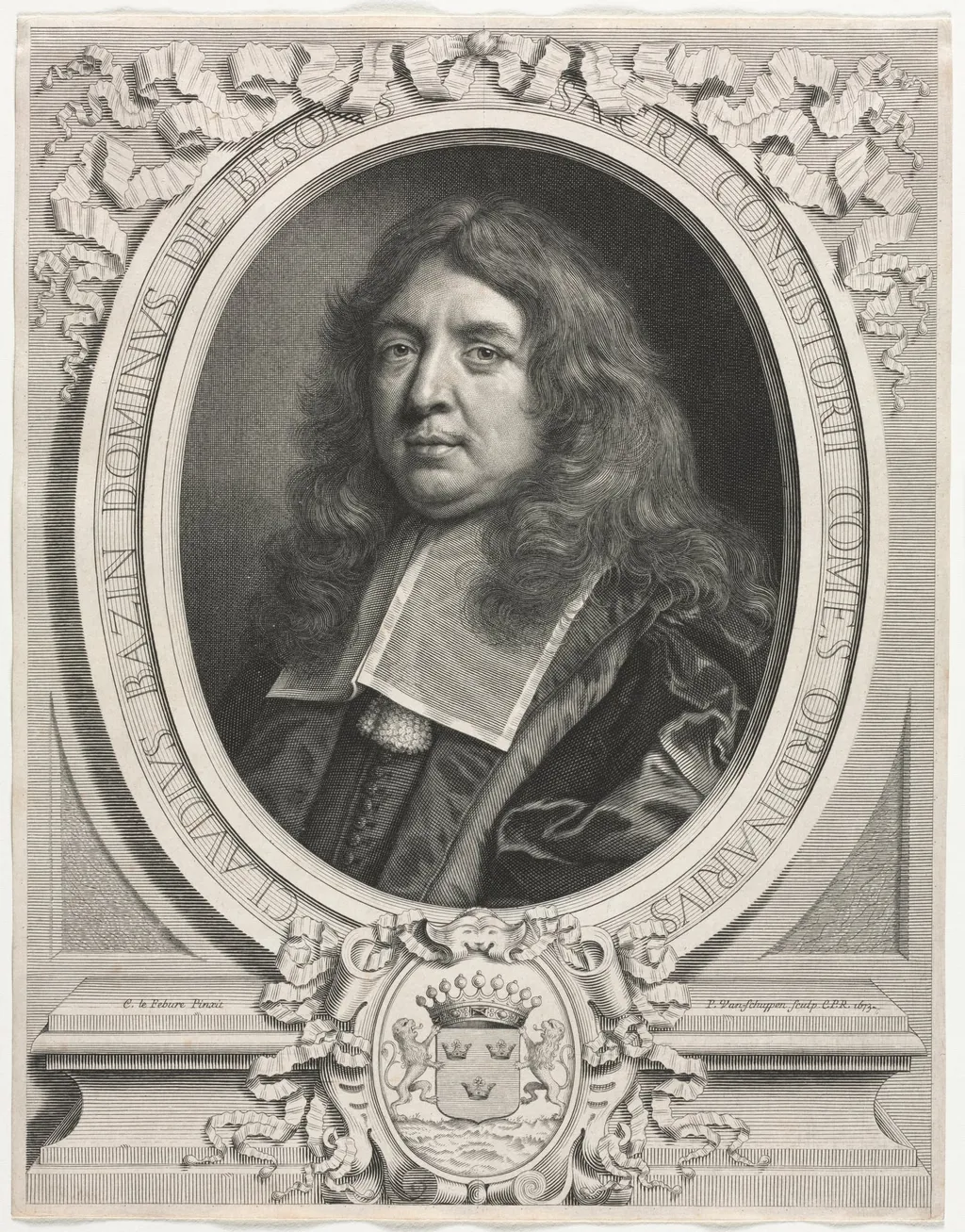
Bazin de Besons, Claude is a print by the Baroque artist Pierre Louis van Schuppen. It dates from 1673 and is held in the collection of the Cleveland Museum of Art.
About this work
Overview
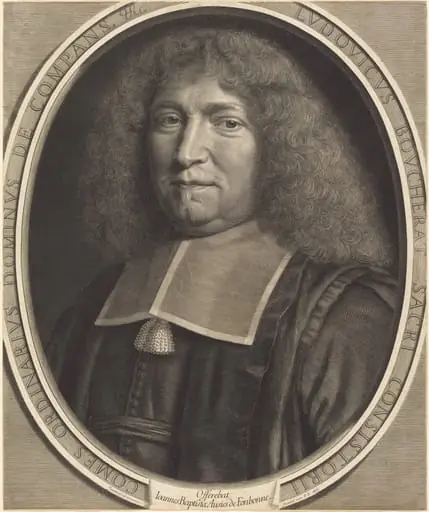
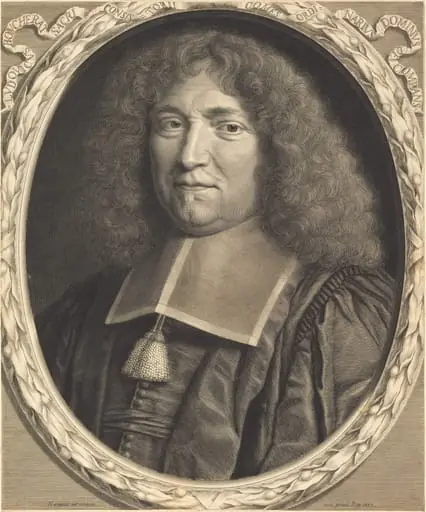
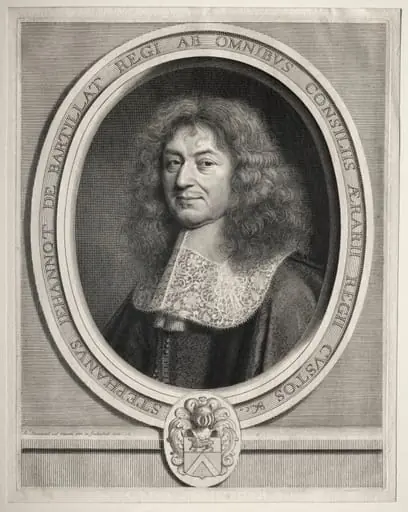
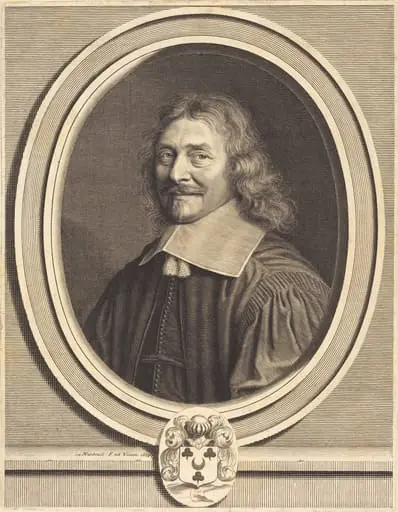
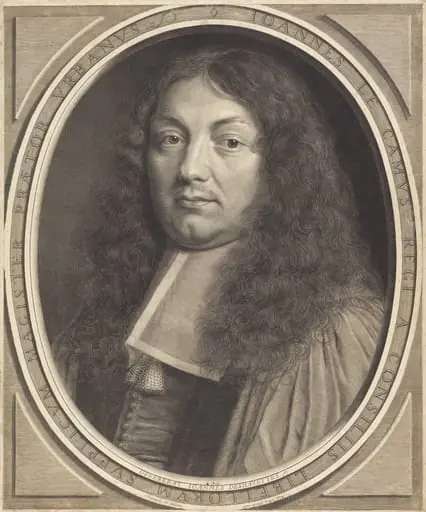
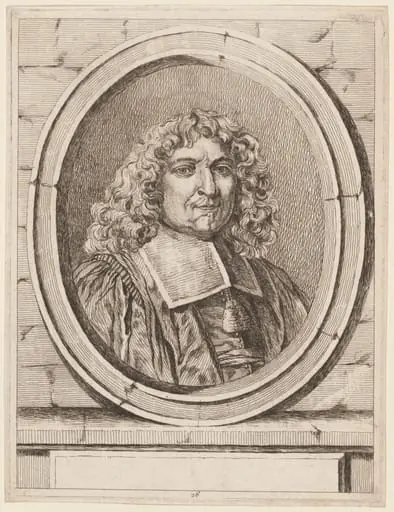
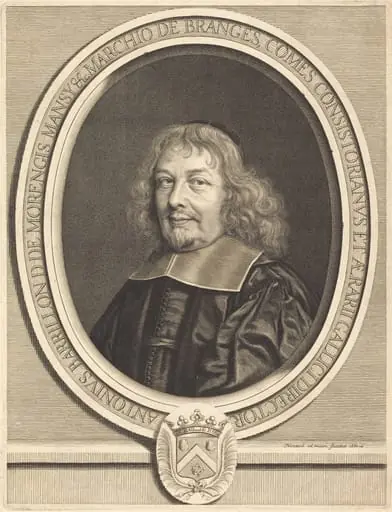
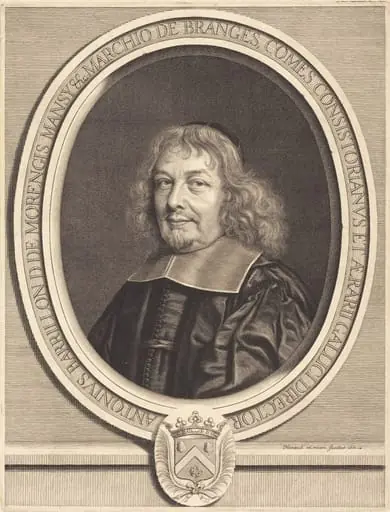
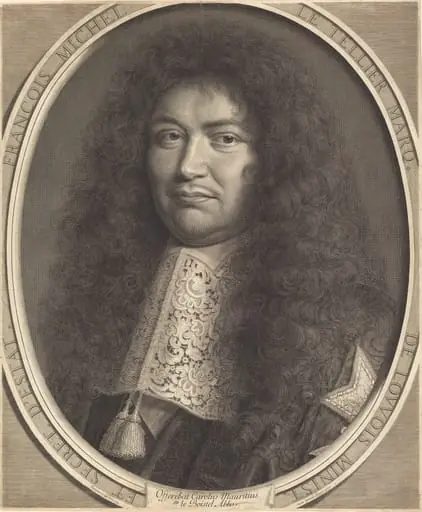
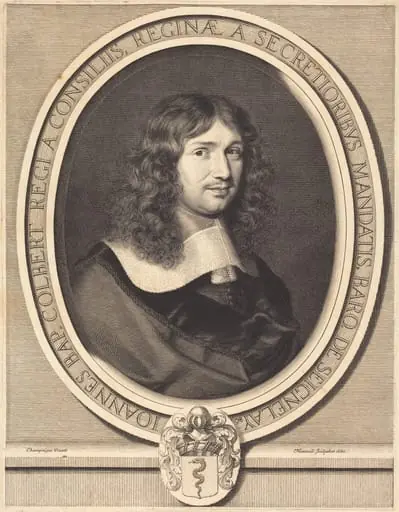
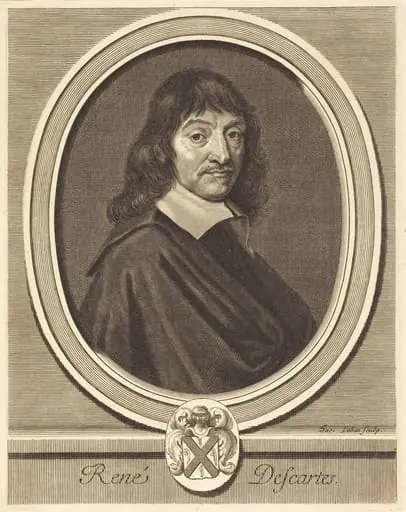
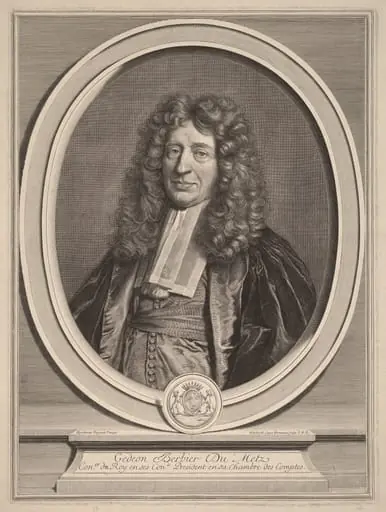
Created in 1673 by Pierre Louis van Schuppen, this black-and-white print depicts Bazin de Besons, a French nobleman. The portrait is part of the collection at The Cleveland Museum of Art. Rendered in fine line and tonal contrast, it reflects the conventions of 17th-century engraved portraiture, emphasizing dignity and social status through precise detail and restrained composition.
Subject & Meaning
The folded paper in his hand may imply correspondence or official duties, reinforcing his role as a man of affairs.
Bazin de Besons is portrayed with a composed, solemn demeanor, suggesting his position in French aristocracy. The folded paper in his hand may imply correspondence or official duties, reinforcing his role as a man of affairs. The inclusion of a family coat of arms at the base anchors his lineage and social identity, common in portraits meant to convey inherited status rather than personal emotion.
Technique & Style
Van Schuppen employed fine engraving techniques to achieve sharp contrasts between light and shadow, a method rooted in chiaroscuro. The subject’s face emerges from a pale background through carefully graded lines, while the lace collar and dark coat are rendered with intricate detail. The oval frame and carved decorative elements frame the figure without distracting from the focused realism of the face.
History & Provenance
The print was produced in 1673, during a period when engraved portraits were widely circulated among European elites as tokens of status. It entered the collection of The Cleveland Museum of Art through documented acquisition, though its earlier ownership prior to the 20th century remains unrecorded in public archives. Its preservation reflects its value as a specimen of French engraving tradition.
Context
In late 17th-century France, engraved portraits like this one served as both personal mementos and instruments of social signaling. Artists such as van Schuppen, trained in the Dutch and French traditions, translated painted likenesses into reproducible formats for wider dissemination. The emphasis on formal attire and heraldic symbols aligns with broader trends in aristocratic self-representation during the reign of Louis XIV.
Legacy
This print exemplifies the technical precision and social function of engraved portraiture in early modern Europe. While not widely known today, it contributes to the understanding of how identity and rank were visually codified before photography. Its presence in a major museum collection ensures continued study of 17th-century printmaking practices and their role in elite culture.
Artist & collection

Artist
Pieter van Schuppen, known in France also as Pierre Louis van Schuppen was a Flemish painter and engraver who was mainly active in France, where he enjoyed a reputation for his portrait prints.