Artwork
Judith in the Tent of Holofernes
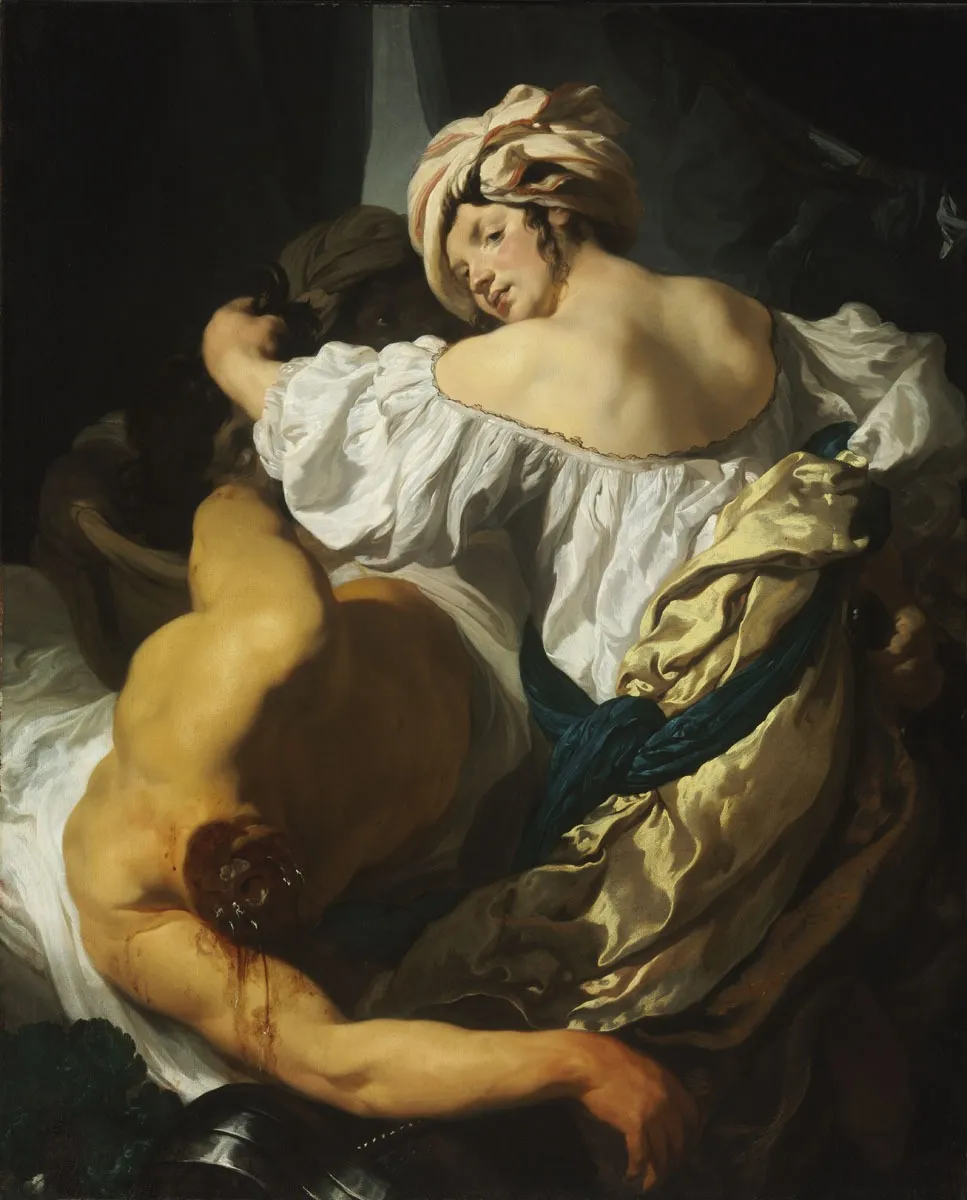
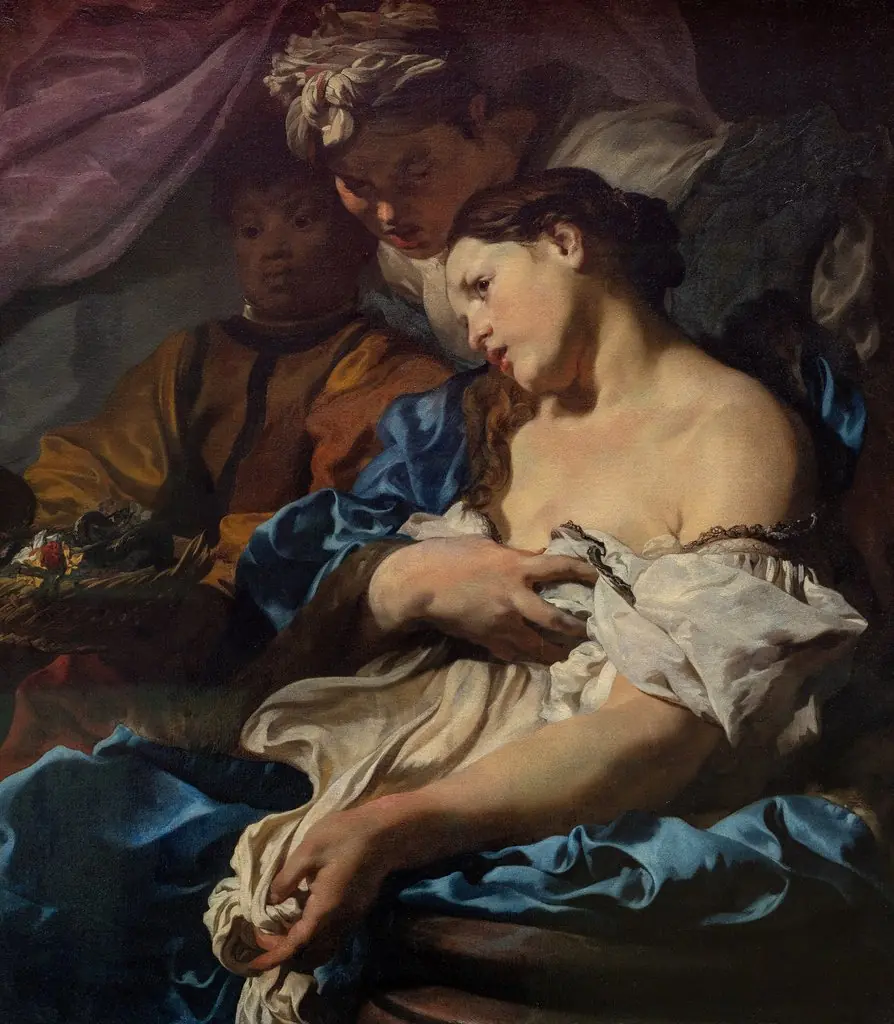
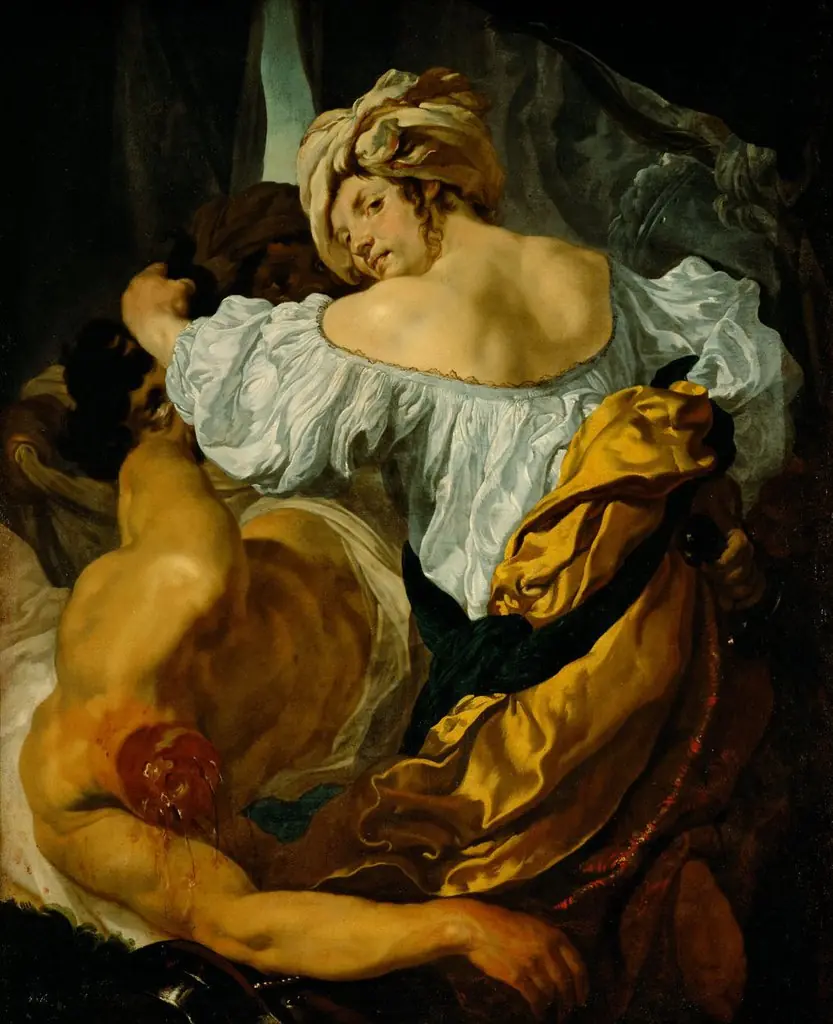
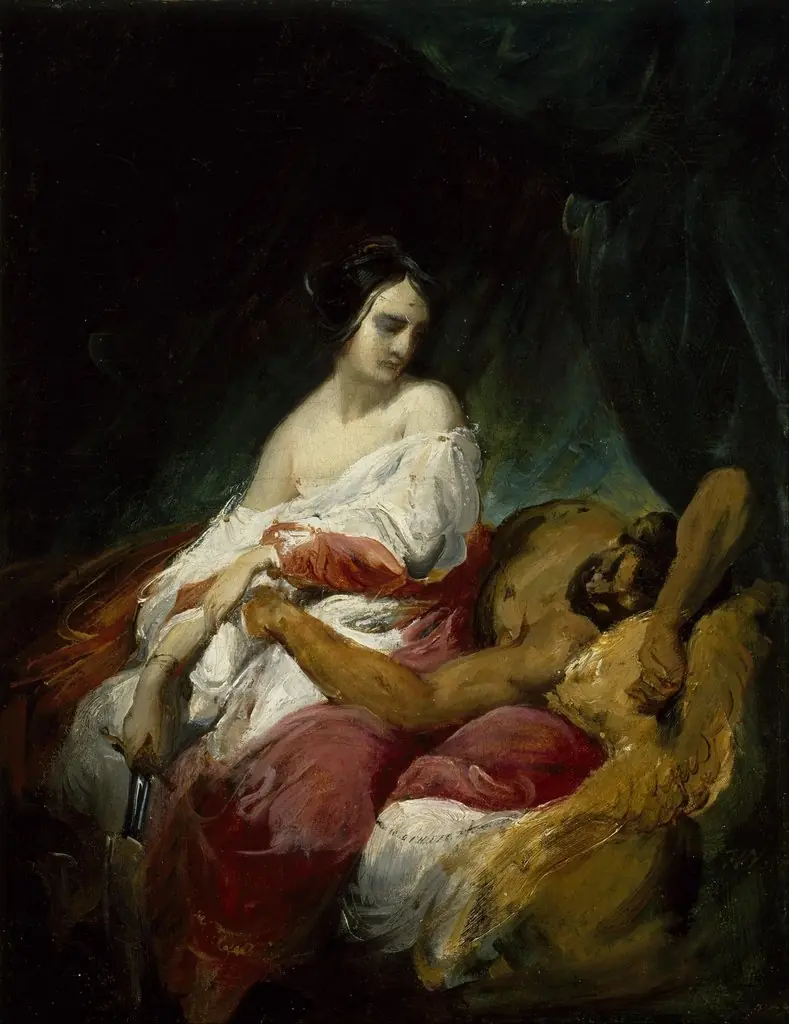
Judith in the Tent of Holofernes is an oil painting by the Early Baroque Italian artist Johann Liss. It dates from 1624 and is held in the collection of the Museum of Fine Arts, Budapest.
About this work
Overview
Painted in 1624 by Johann Liss, a German artist working in Venice, this oil-on-canvas work portrays a moment from the biblical Book of Judith.
Painted in 1624 by Johann Liss, a German artist working in Venice, this oil-on-canvas work portrays a moment from the biblical Book of Judith. It captures the aftermath of Judith’s decisive act, rendered with the atmospheric intensity characteristic of early Italian Baroque painting. The piece resides today in the Museum of Fine Arts, Budapest, as part of its collection of 17th-century European art.
Subject & Meaning
The scene illustrates Judith, a Hebrew widow, seated beside the severed head and lifeless body of Holofernes, the Assyrian general she slew to save her people. Her downcast gaze and restrained posture suggest contemplation rather than triumph, emphasizing the moral weight of her action. The absence of violence in the moment shifts focus to consequence, silence, and the burden of agency.
Technique & Style
Liss employs chiaroscuro to deepen the emotional gravity, casting the figures in stark contrast against a near-black background. The white drapery of Judith’s dress and the blue sash draw attention to her form, while the blood on Holofernes’s arm is rendered with restrained realism. Brushwork is fluid yet controlled, balancing naturalism with theatrical composition typical of Venetian Baroque practice.
History & Provenance
Commissioned during Liss’s time in Venice, the painting reflects his synthesis of Northern European detail and Venetian colorism. It entered the Hungarian national collection in the 19th century, likely through acquisitions of Italian Baroque works. Its survival through centuries of political change underscores its enduring presence in European art collections.
Context
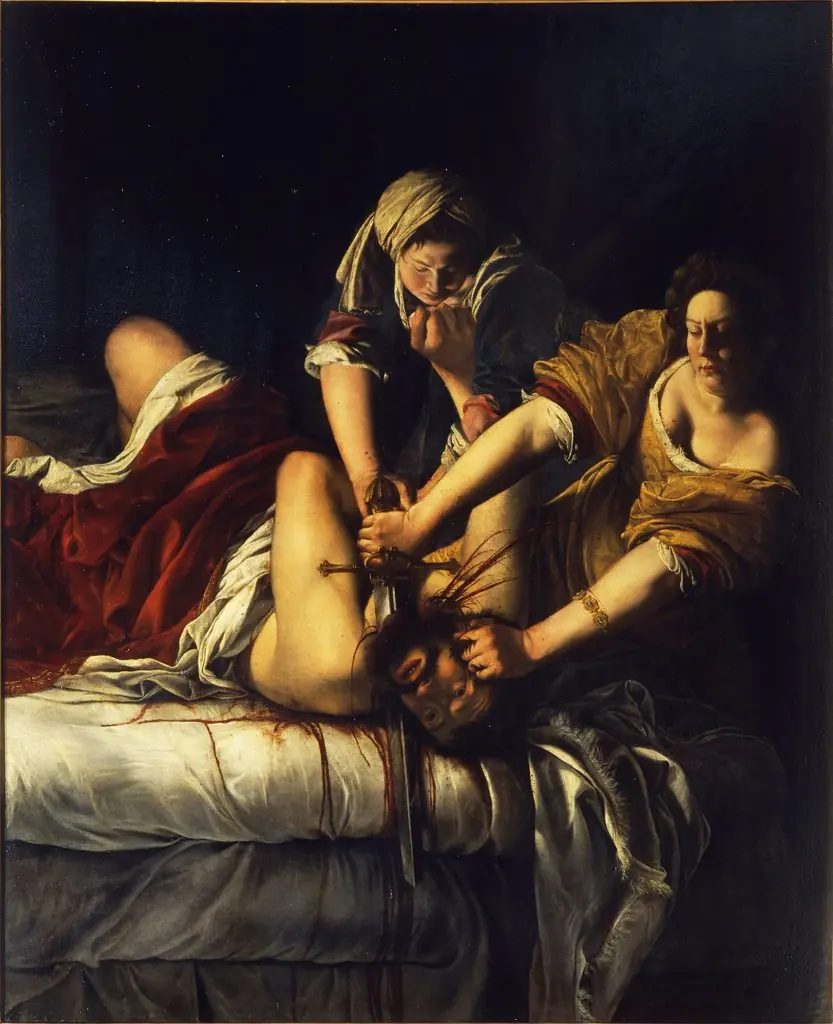
In early 17th-century Venice, biblical heroines like Judith were popular subjects, often used to explore themes of virtue, power, and gender. Liss’s version diverges from more triumphant depictions, aligning instead with a quieter, psychologically nuanced trend emerging in the wake of Caravaggio’s influence. The painting reflects broader cultural preoccupations with moral ambiguity and personal sacrifice.
Legacy
Though less widely known than other Baroque Judiths, Liss’s interpretation contributed to a shift in how female agency was visually framed—emphasizing introspection over spectacle. Its subdued tone influenced later artists seeking emotional depth over dramatic flourish, securing its place as a quiet but significant example of Baroque narrative painting.
Artist & collection
Artist
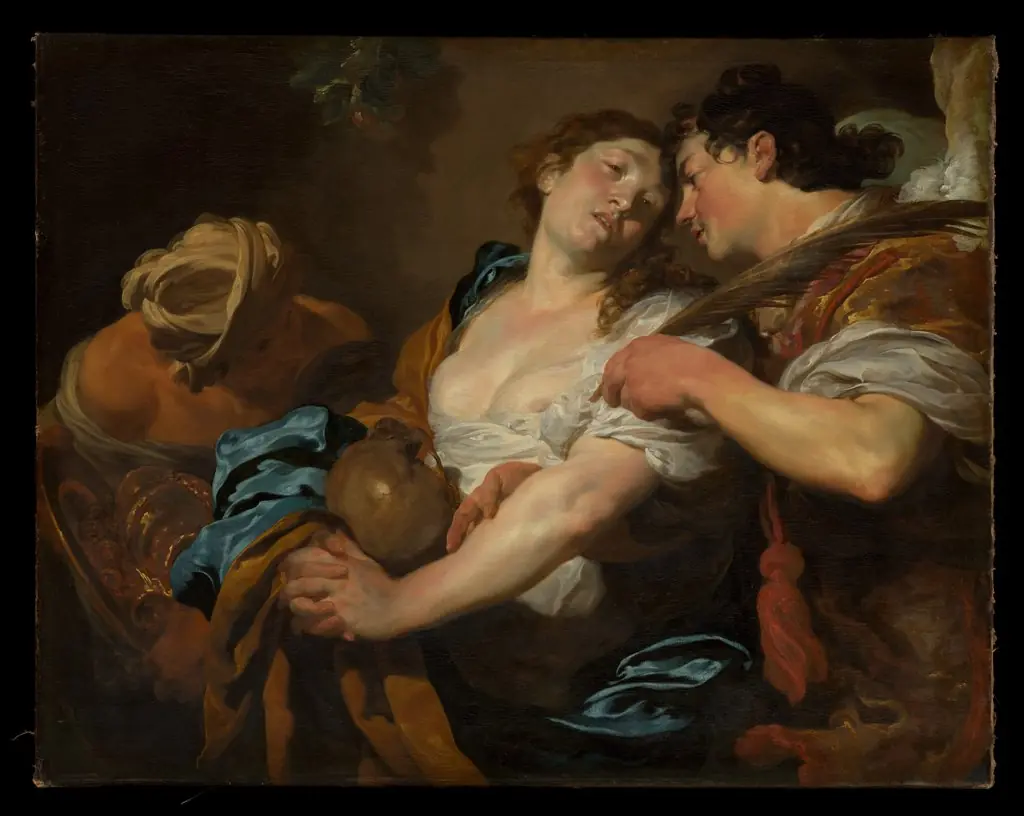
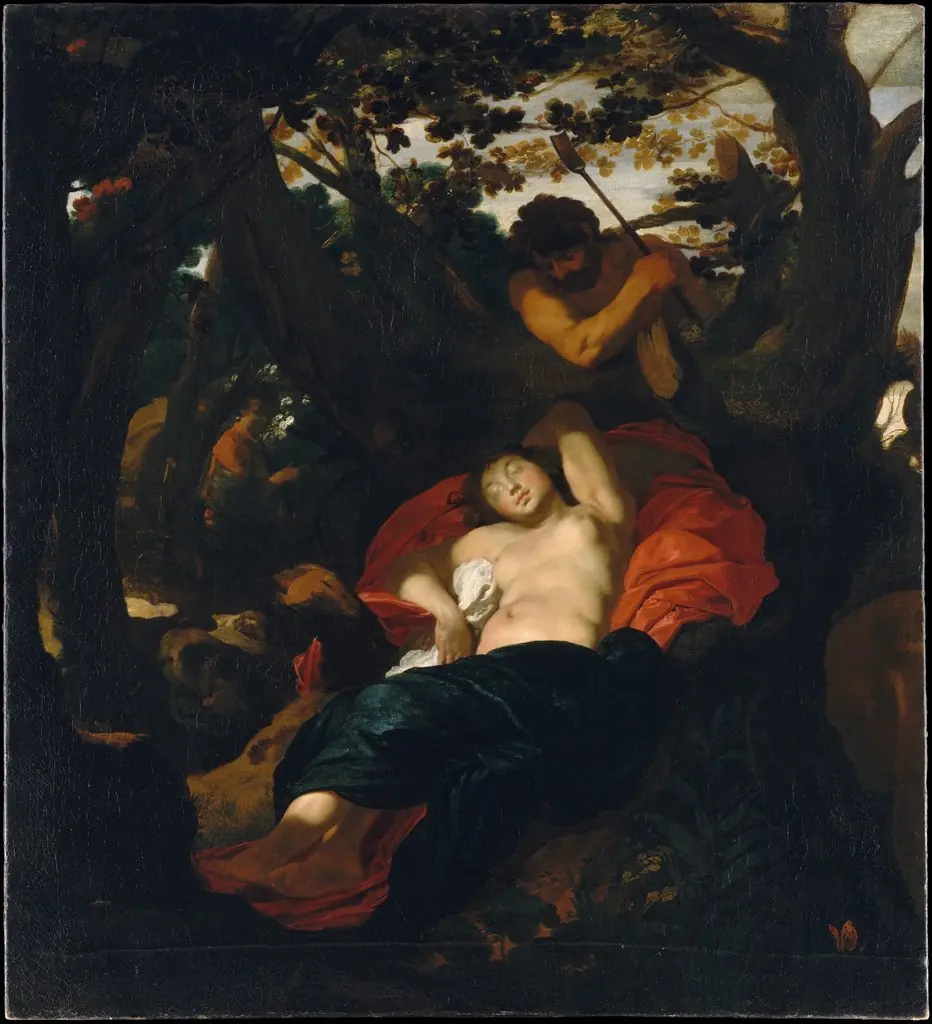
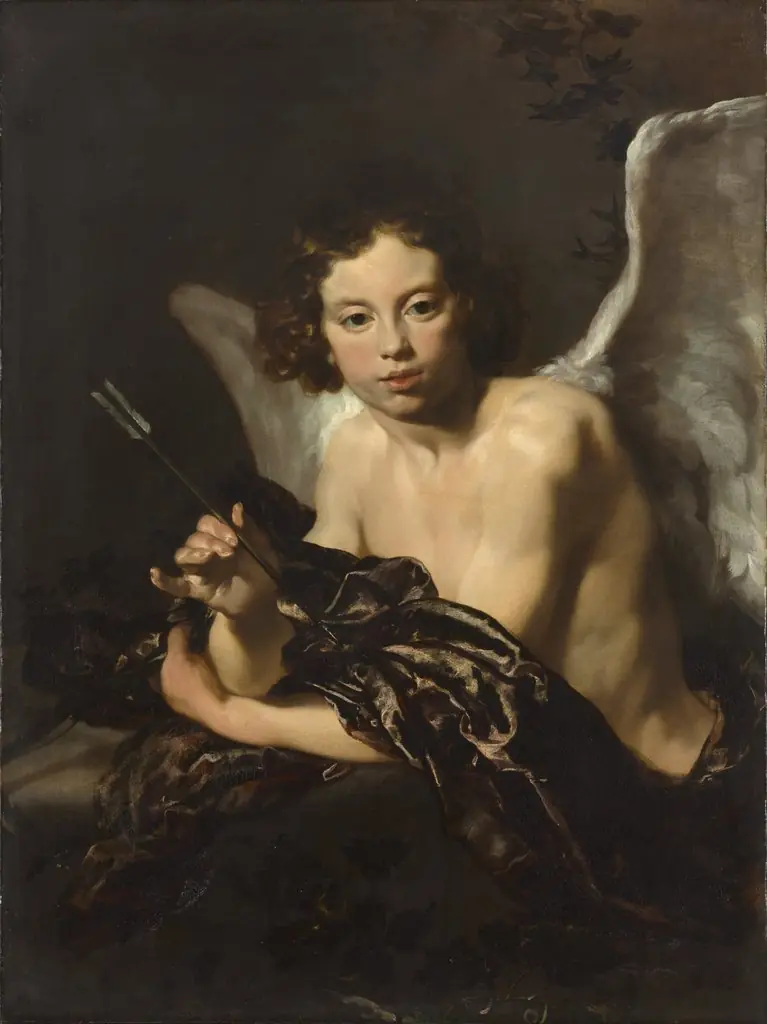
Johann Liss or Jan Lys (c. 1590 or 1597 – 1629 or 1630) was a leading German Baroque painter of the 17th century, active mainly in Venice.