Artwork
Robert II, dit le pieux, roi de France (970-1031)
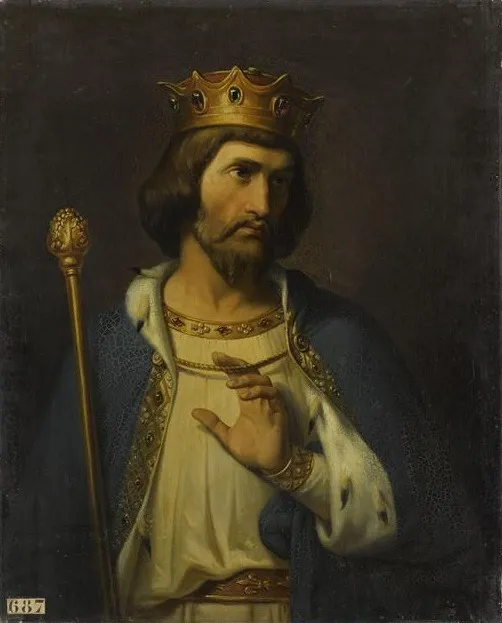
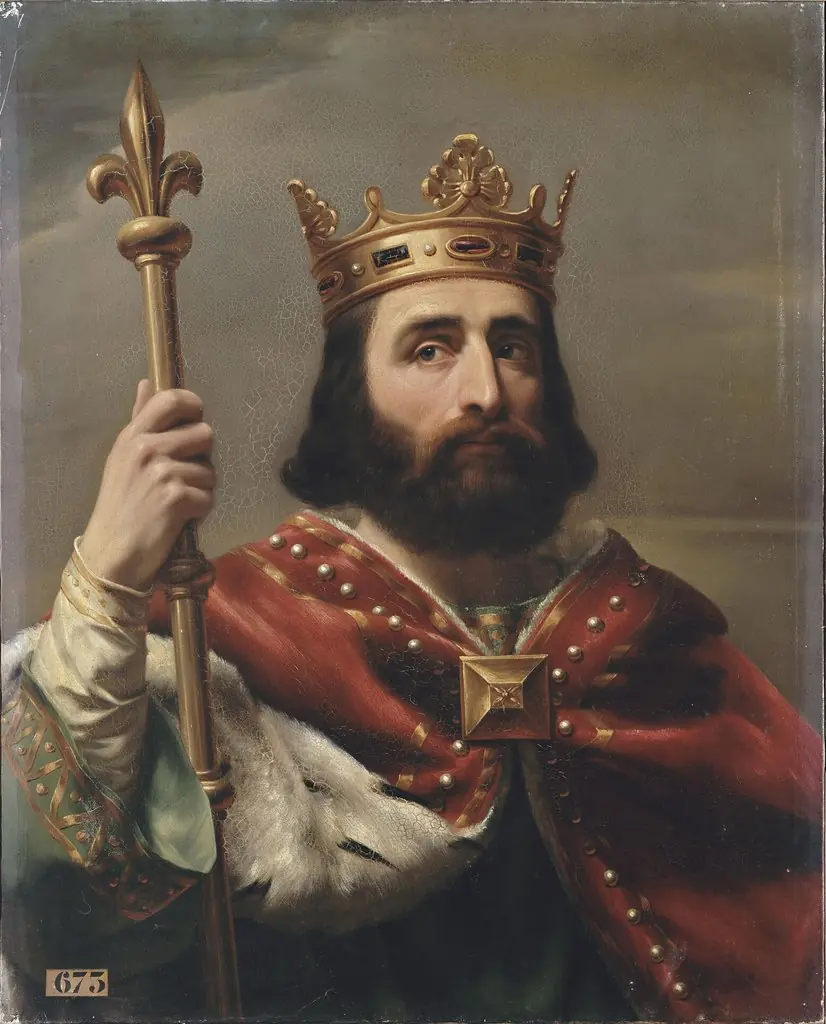
Robert II, dit le pieux, roi de France (970-1031) is an oil painting by Merry-Joseph Blondel. It dates from 1837 and is held in the collection of the Palace of Versailles.
About this work
Overview
Merry‑Joseph Blondel, a French painter associated with the Neoclassical movement, completed an oil portrait of King Robert II of France in 1837. The canvas, now held in the collection of the Palace of Versailles, presents the medieval monarch in regal attire, emphasizing his authority through elaborate costume and symbolic regalia.
Subject & Meaning
The figure depicted is Robert II (970‑1031), known historically as “le pieux.” He is shown wearing a jeweled gold crown, a blue mantle over a white tunic, and a gold scepter, all elements that signal his royal status. His solemn expression and direct gaze convey the gravity traditionally associated with medieval kingship.
Technique & Style
Blondel employs a smooth, academic brushwork typical of early‑19th‑century French history painting. The composition focuses on the monarch, with meticulous attention to the texture of fabrics, metalwork, and jewelry, while the surrounding background is rendered in deep, muted tones that heighten the figure’s prominence.
History & Provenance
A former student of Baron Jean‑Baptiste Regnault, Blondel won the Prix de Rome in 1803 and was awarded the Legion of Honour in 1824. After a career that included a professorship at the École nationale supérieure des Beaux‑Arts, he died in 1853. His portrait of Robert II entered the Versailles collection, where it remains on display.
Context
The painting reflects the 19th‑century French interest in medieval subjects, aligning with the Romantic revival of national history. By portraying a early Capetian king, Blondel contributes to a visual narrative that links contemporary French identity to its medieval origins.
Artist & collection
Artist
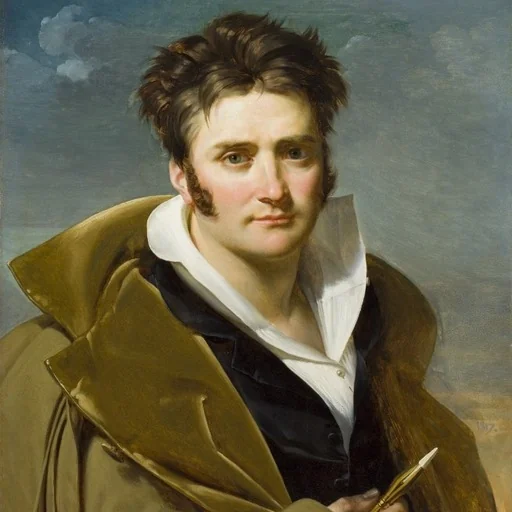
Merry-Joseph Blondel (French pronunciation: ; 25 July 1781 – 12 June 1853) was a French history painter of the Neoclassical school.

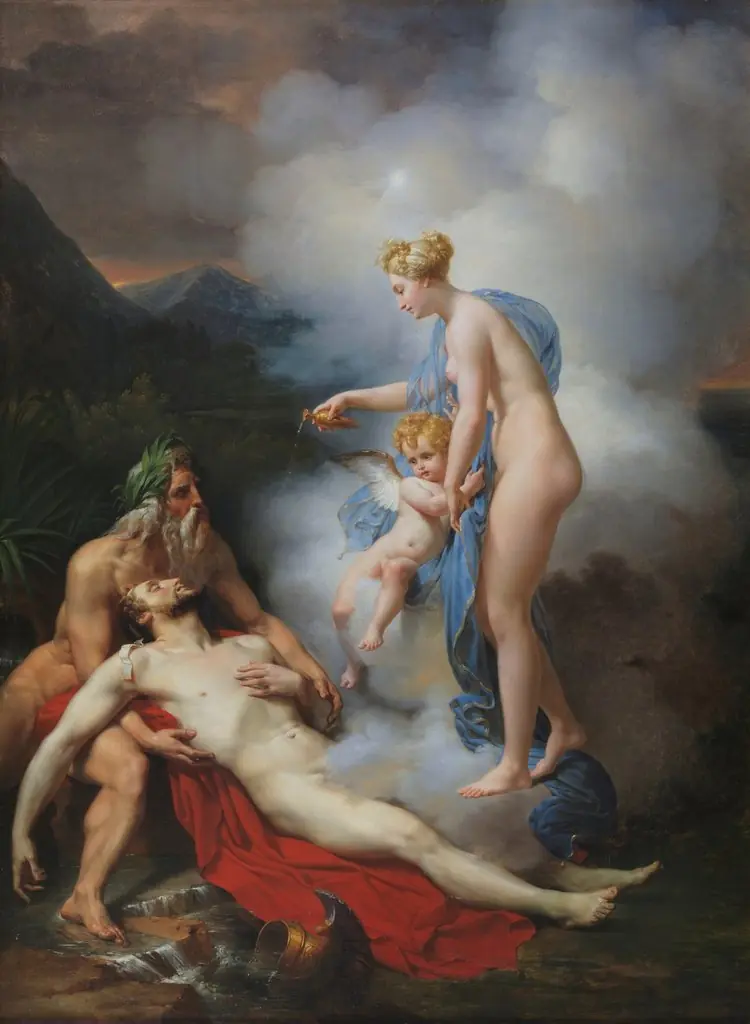 Aeneas Becomes a God
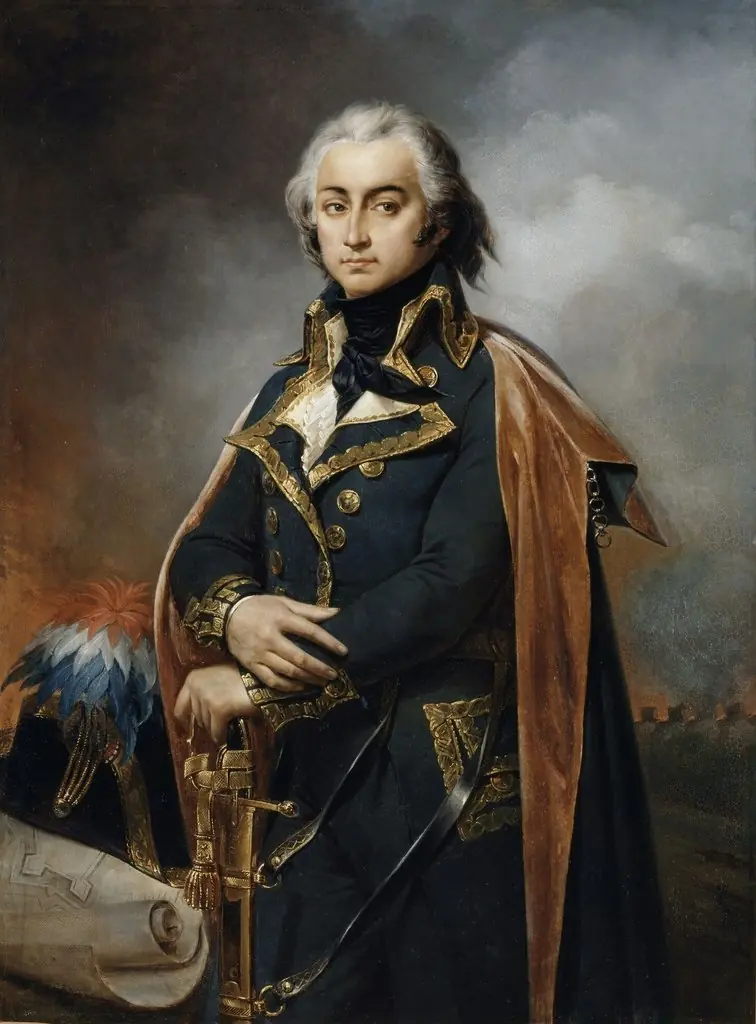 Cyrus-Marie-Adélaïde de Timbrune, Count of Valence, General-in-Chief of the Army of the Ardennes
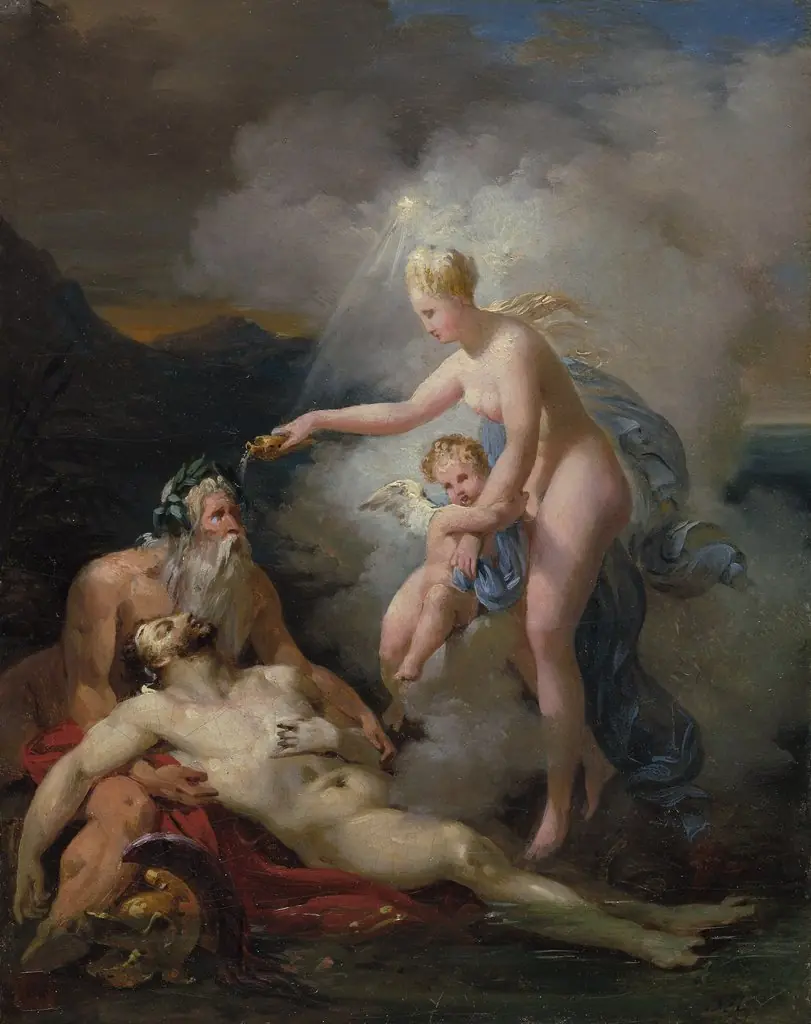 Venus Healing Aeneas
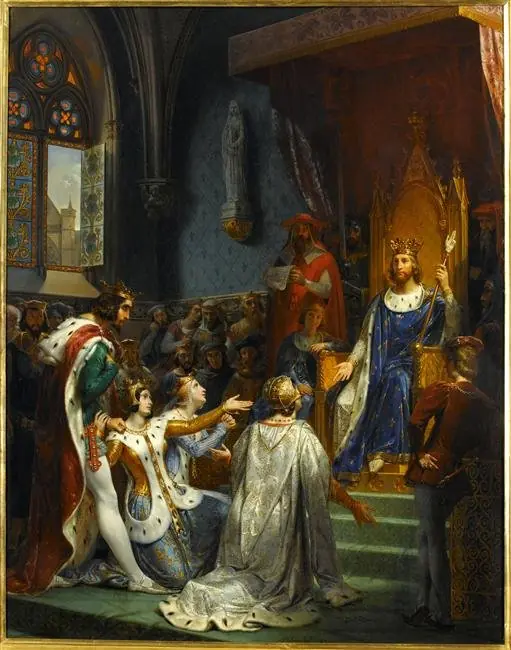 John II receives the submission of Charles II of Navarre
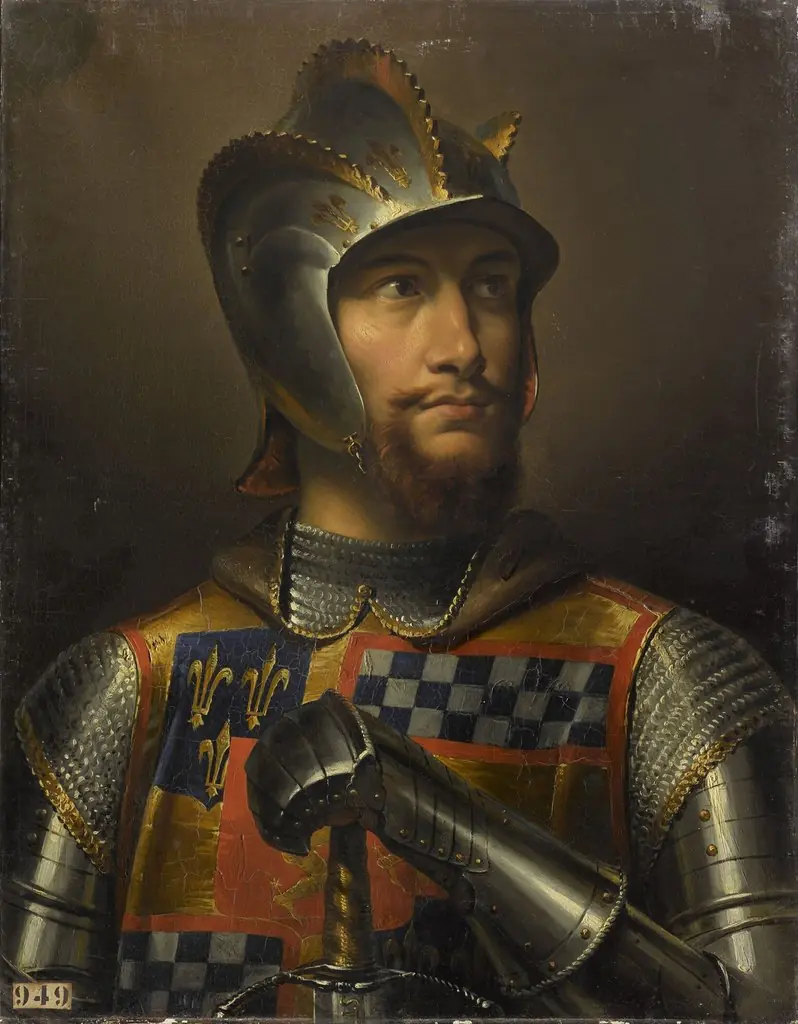 Jean II Stuart, connétable de Buchan (+ 1424)
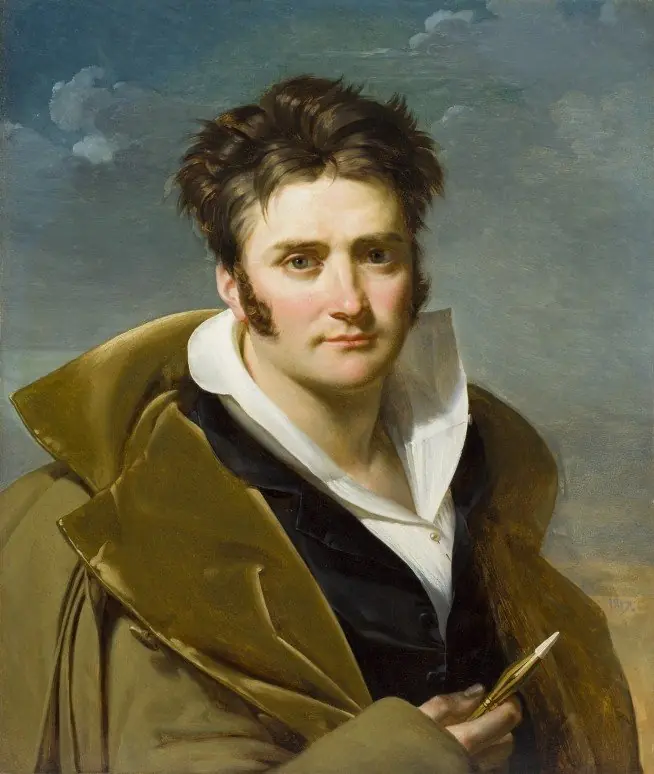 Self-portrait
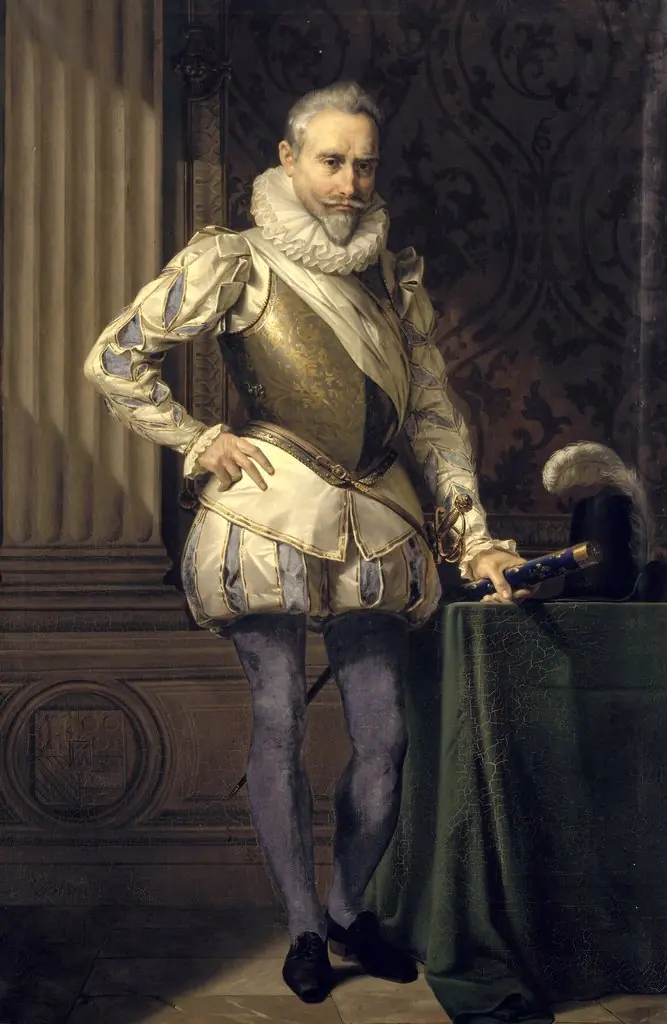 Portrait of Henri de La Tour d'Auvergne, duc de Bouillon
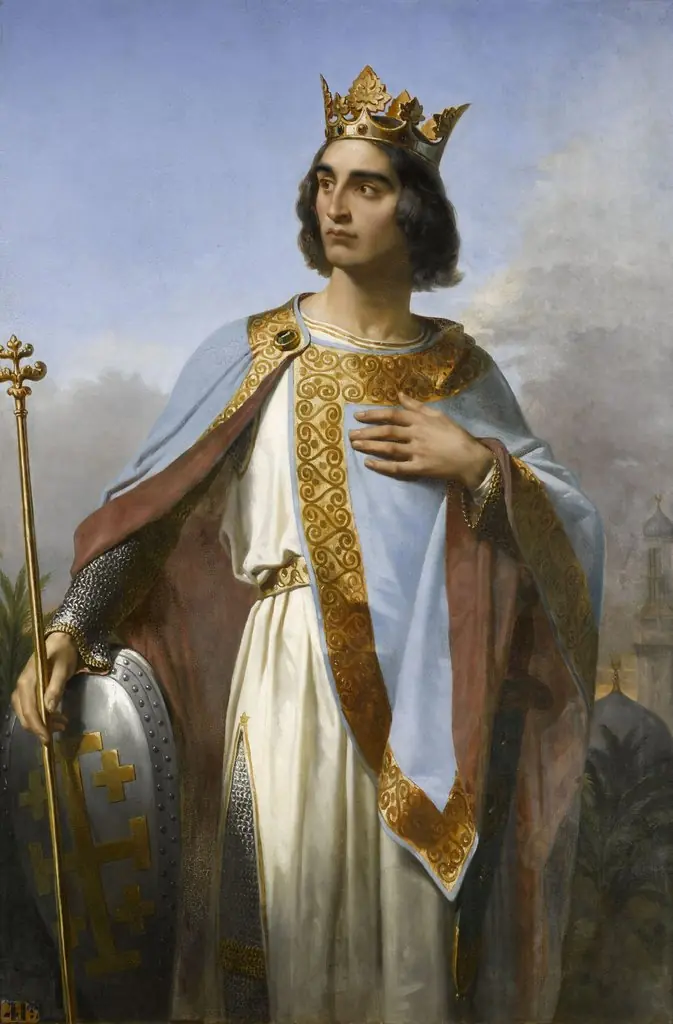 Baudouin I, King of Jerusalem
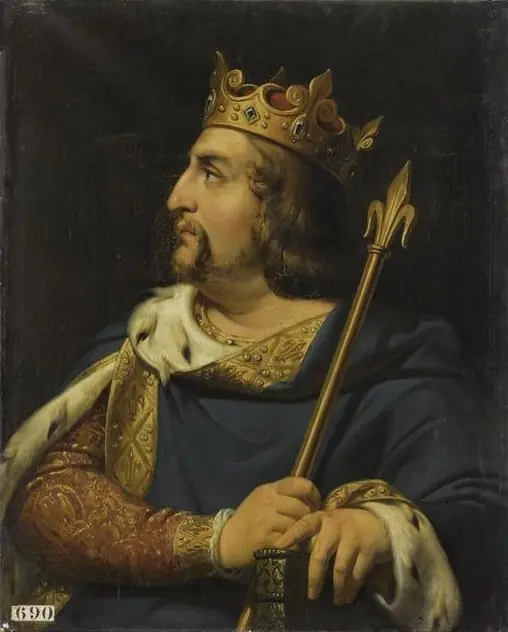 Louis VI, dit le Gros, roi de France (1078-1137)
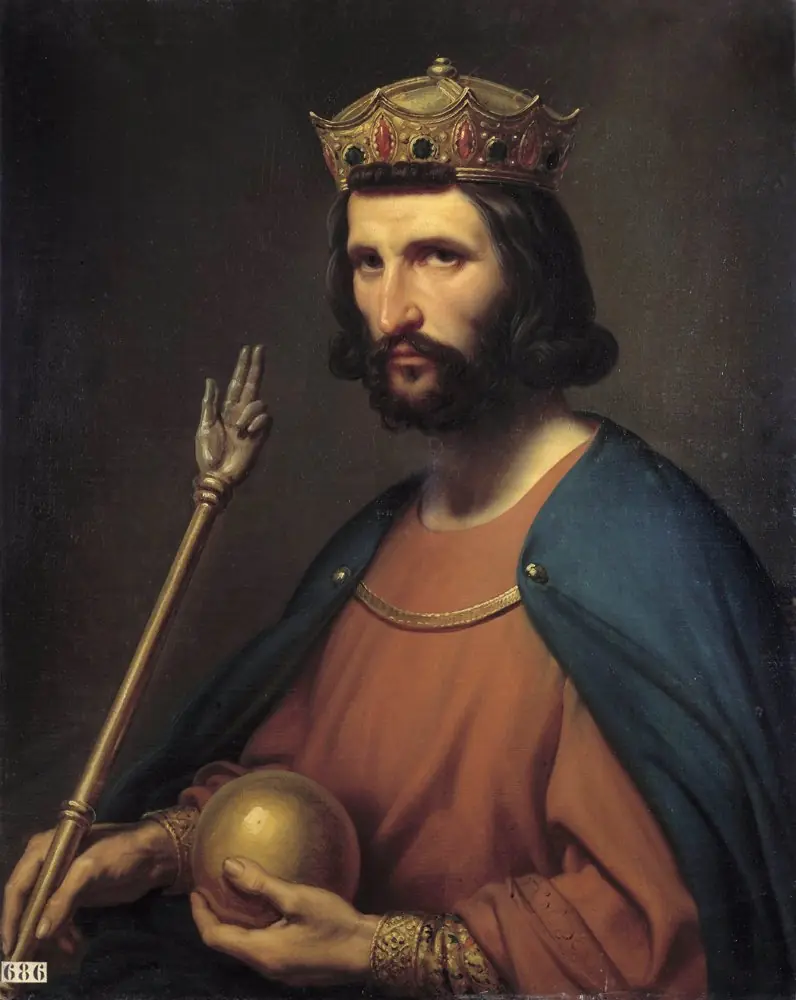 Hugh Capet
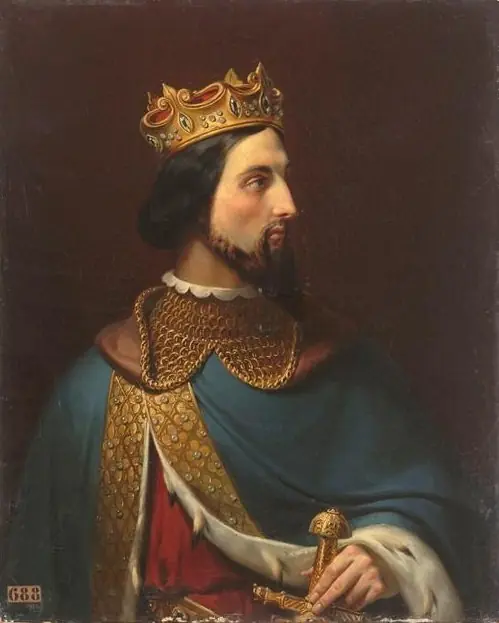 Henri Ier, roi de France (1005-1060)
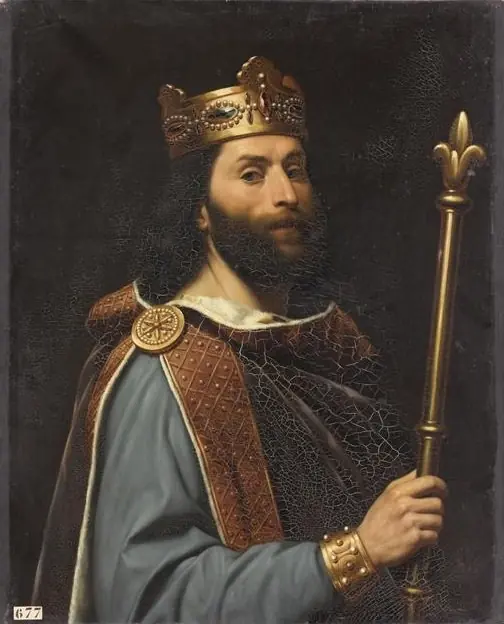 Louis the Stammerer
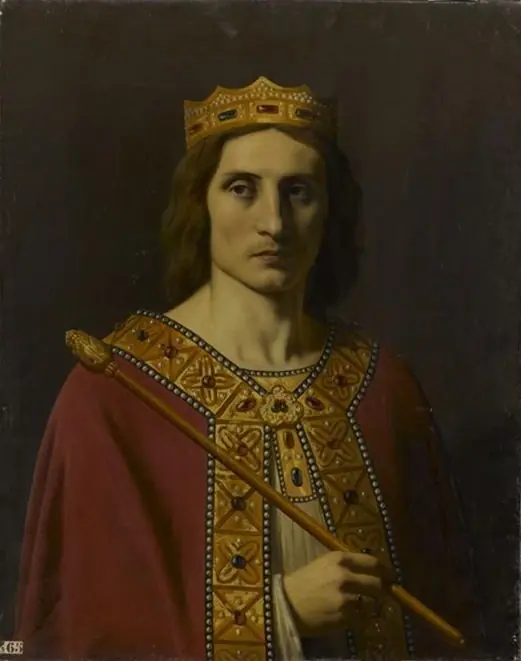 Childéric II (vers 653-675), roi d'Austrasie, de Neustrie et de Bourgogne
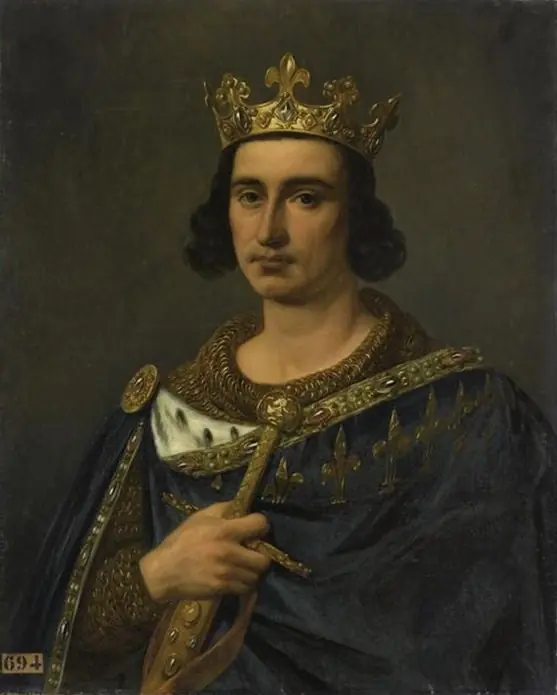 Louis IX (1215-1270) dit Saint-Louis, roi de France
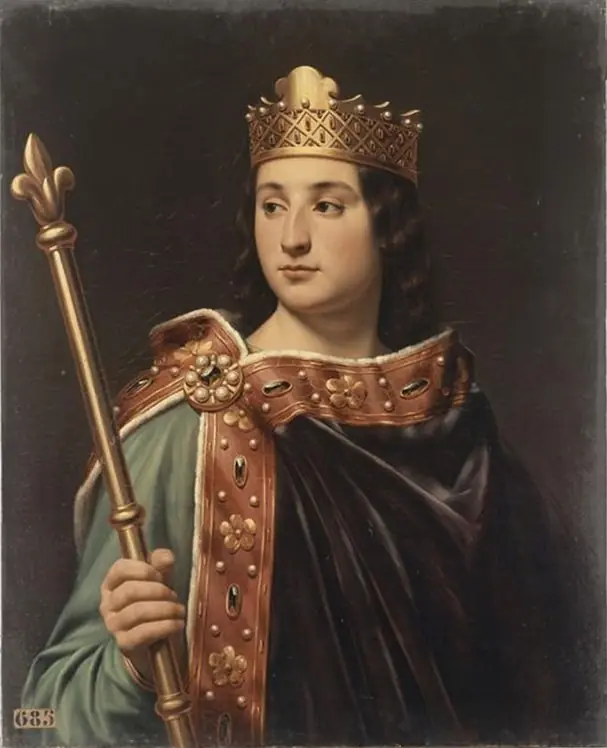 Louis V of France
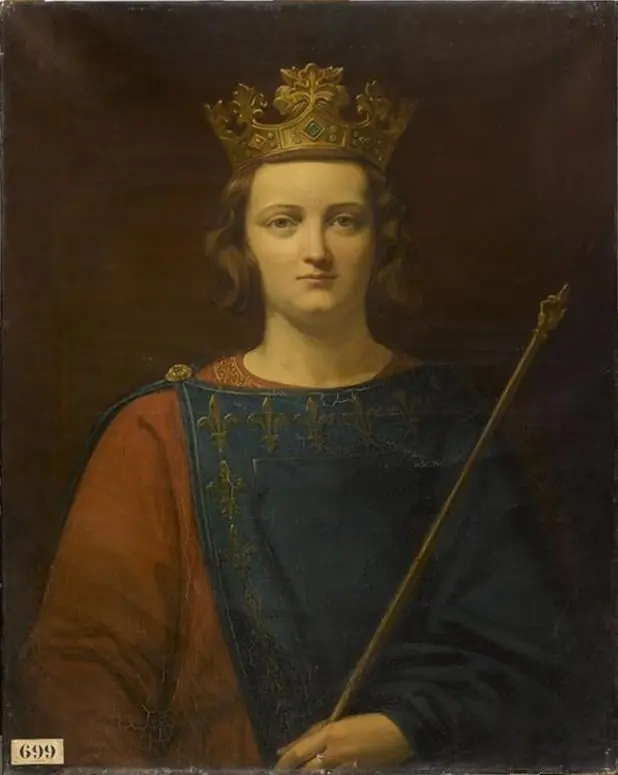 Charles IV le Bel, roi de France (1295-1328)
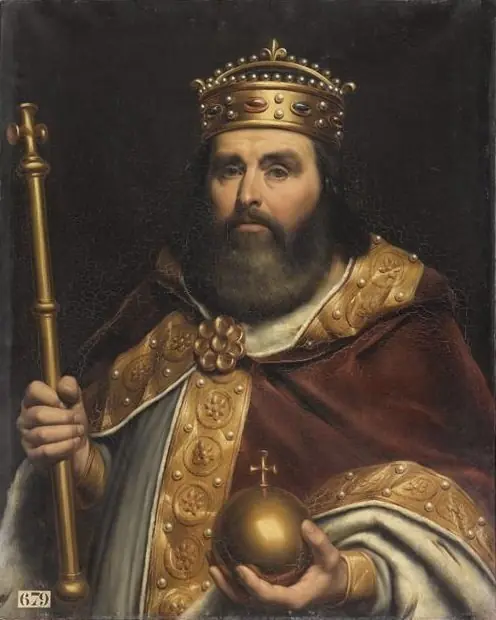 Charles the Fat
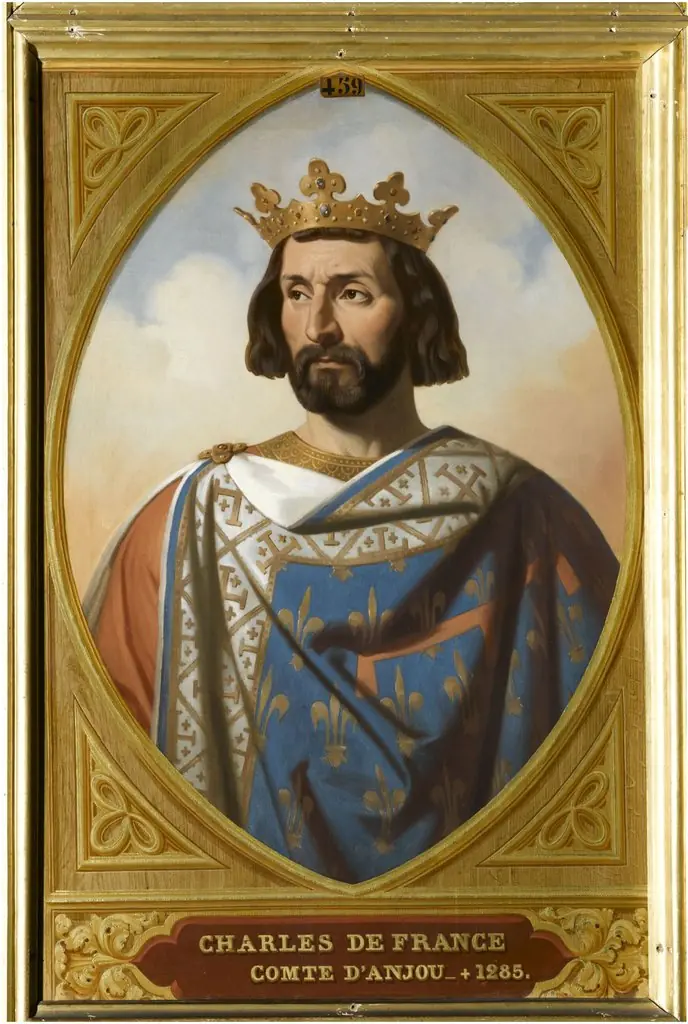 Charles de France (1220-1285), comte d'Anjou
 Pépin III, dit le Bref, roi des Francs (714-768)