Artwork
Santo Antão e São Paulo Eremita
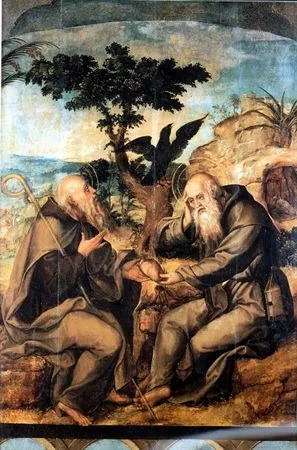
Santo Antão e São Paulo Eremita is an unspecified painting by the Mannerist artist Mestre dos Arcos. It dates from 1530 and is held in the collection of the National Museum of Ancient Art.
About this work
Overview
The composition centers on a moment of contemplative exchange between the figures, framed by rocky terrain and dense foliage beneath an open sky.
Painted around 1530 by Mestre dos Arcos, this work portrays two early Christian hermits in a quiet natural setting. It is part of the collection at the National Museum of Ancient Art in Lisbon. The composition centers on a moment of contemplative exchange between the figures, framed by rocky terrain and dense foliage beneath an open sky. The painting reflects the devotional art traditions of early 16th-century Portugal.
Subject & Meaning
The two figures are Saint Anthony the Great and Saint Paul the Hermit, foundational ascetics of Christian monasticism. Their interaction symbolizes the transmission of spiritual wisdom between generations of hermits. Anthony, holding a staff, gestures as if instructing, while Paul, seated with a book, listens attentively. The scene emphasizes humility, dialogue, and the pursuit of divine knowledge away from worldly distractions.
Technique & Style
Mestre dos Arcos employs a restrained palette and soft modeling to convey stillness and introspection. Figures are rendered with simple, flowing drapery, their forms grounded in a naturalistic landscape. The background suggests depth through layered trees and a pale sky, avoiding ornate detail. The style aligns with regional Portuguese painting of the period, blending devotional clarity with subtle environmental observation.
History & Provenance
The painting has been in the collection of the National Museum of Ancient Art since its early institutional holdings were established. Its attribution to Mestre dos Arcos, a painter active in the early 1500s, is based on stylistic comparisons with other signed and documented works from the same region. No earlier records of ownership are known, suggesting it may have originated in a local religious context.
Context
Created during a period of growing interest in eremitic spirituality in Portugal, the painting reflects broader European trends in depicting saints in solitude. Unlike grand altarpieces, this intimate scene aligns with devotional practices favoring personal meditation. Similar compositions appear in Iberian and Flemish art, indicating shared visual language among religious communities across the continent.
Legacy
The work remains a representative example of early Portuguese religious painting, valued for its quiet dignity and compositional restraint. It contributes to scholarly understanding of how local artists interpreted hagiographic themes without relying on imported Italian models. Though not widely reproduced, it continues to inform studies of monastic iconography in the Iberian Peninsula.
Artist & collection
Artist

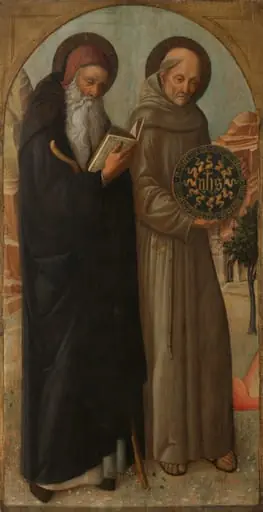 Saint Anthony Abbot and Saint Bernardino of Siena
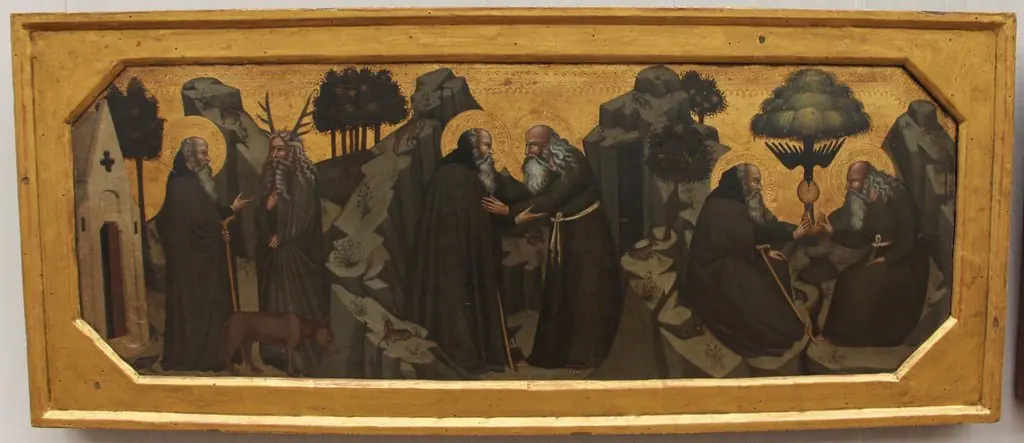 Scenes from the Life of Sacred Hermits
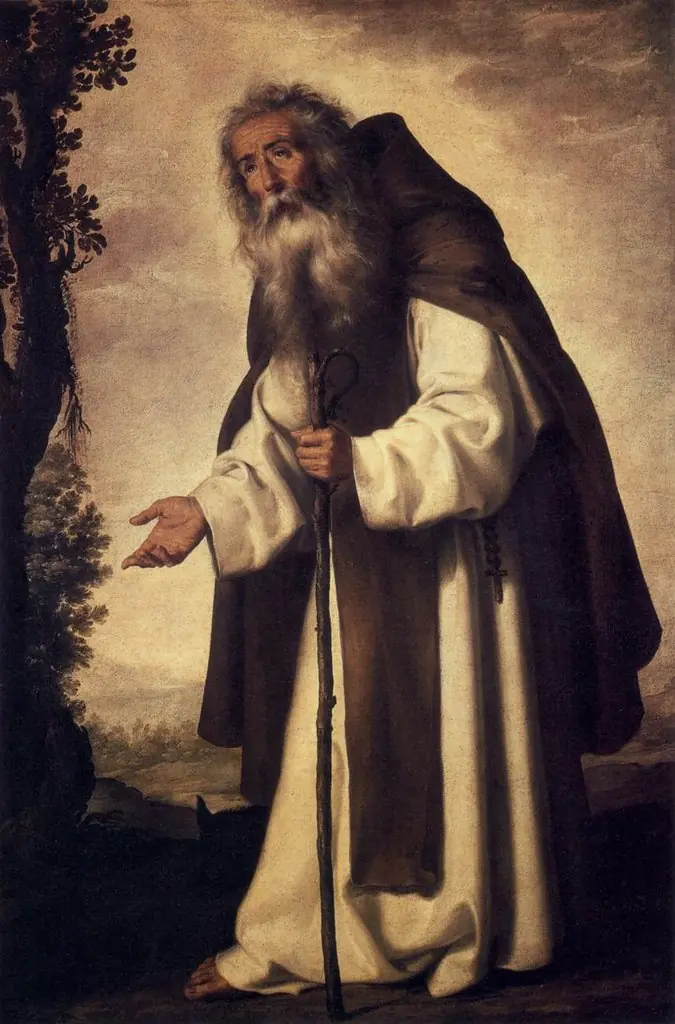 St. Anthony Abbot
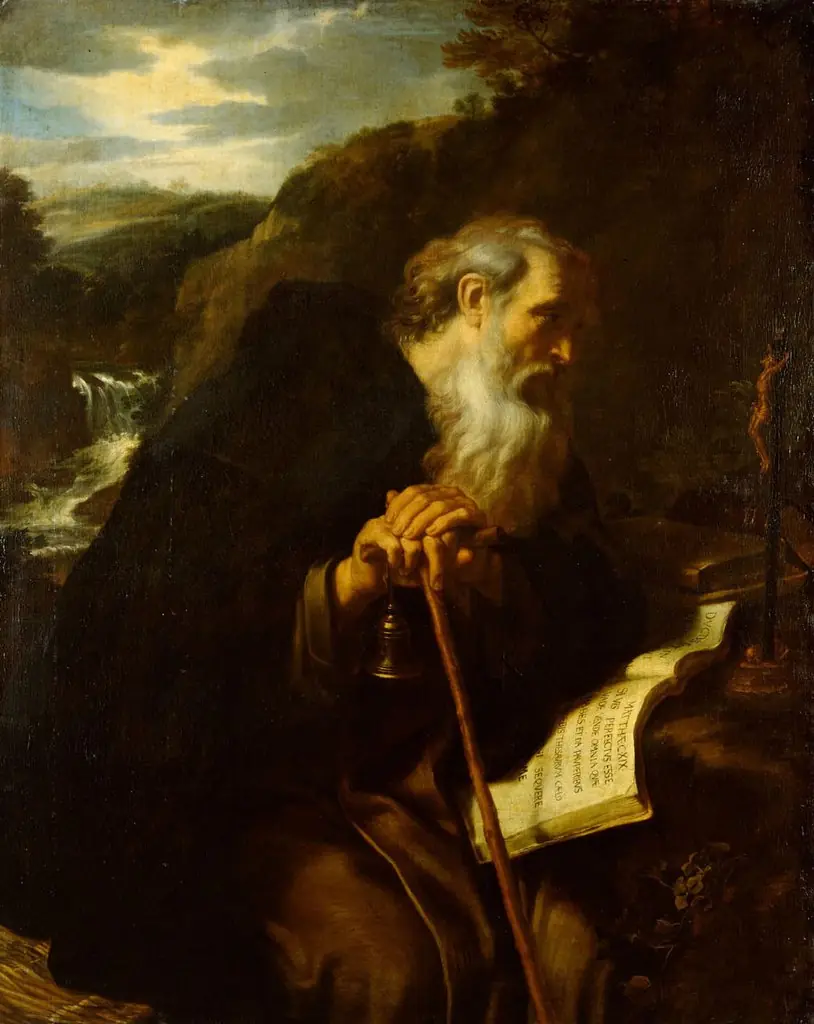 Hl. Antonius
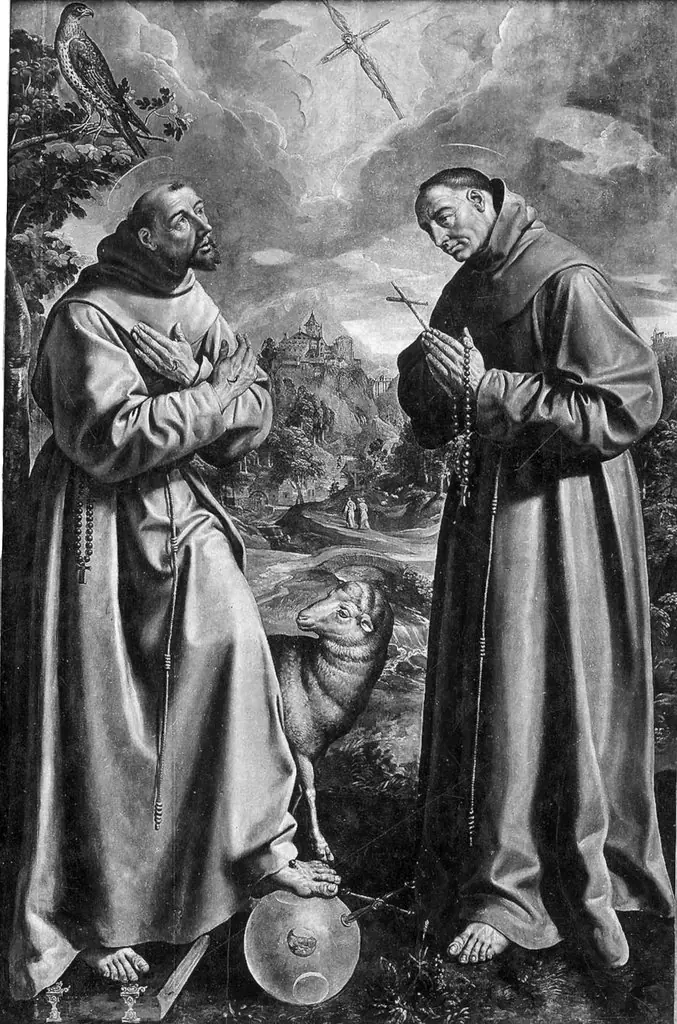 Saint Francis of Assisi and Saint Didacus of Alcalá
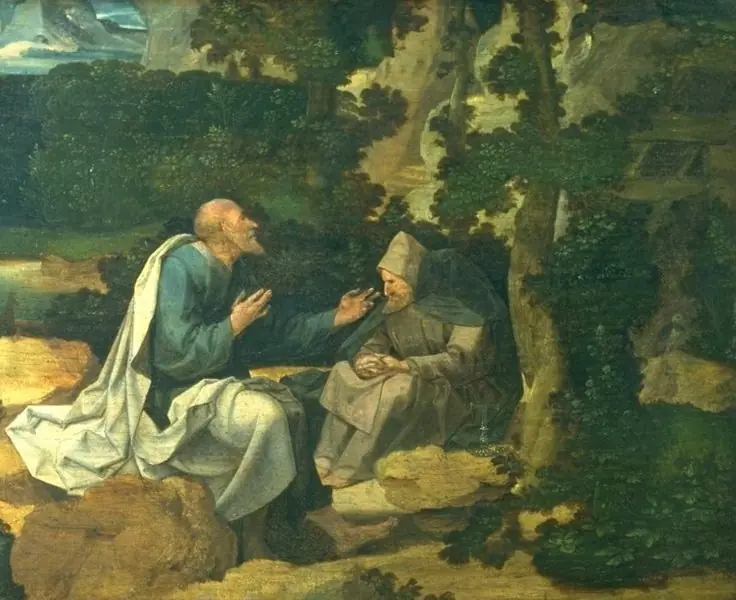 Landscape with the hermits Paul and Anthony
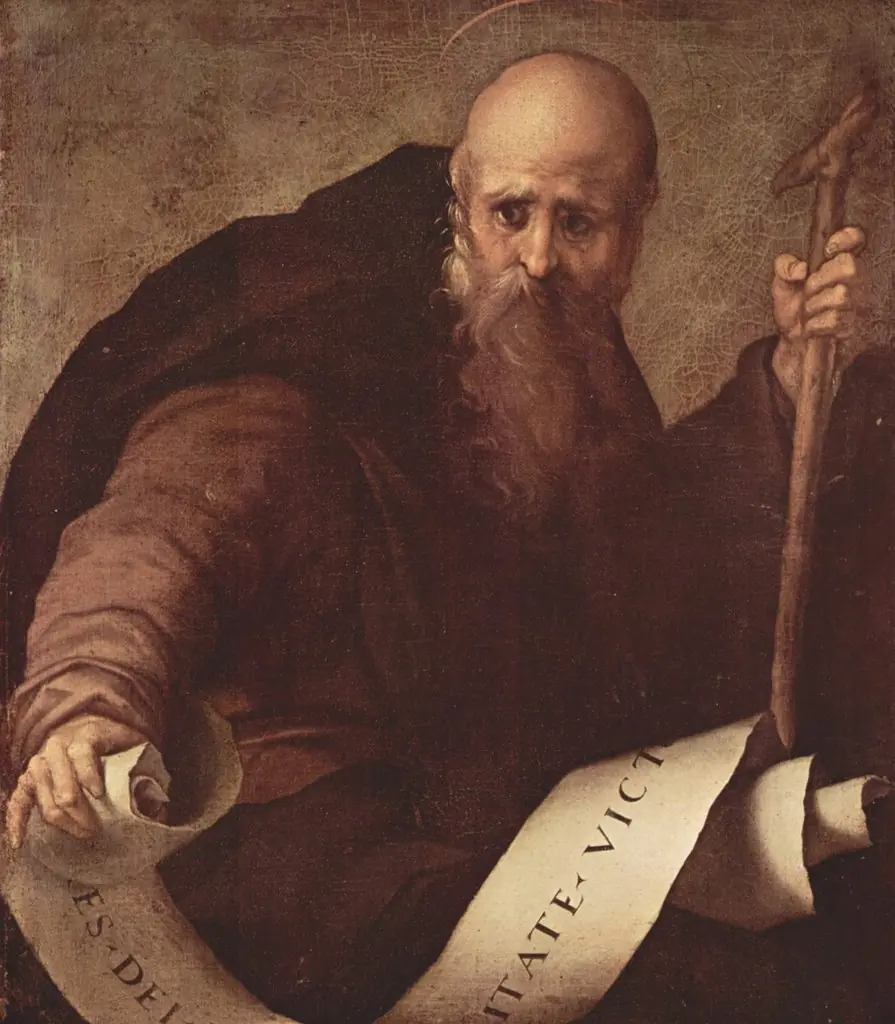 Saint Anthony Abbot
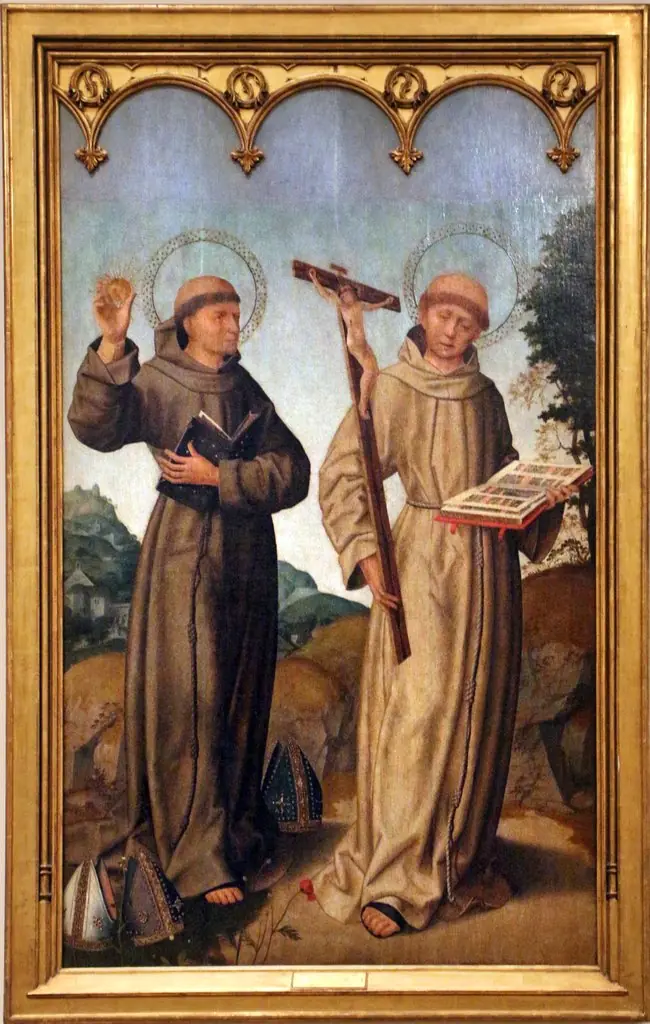 São Bernardino de Siena e Santo António
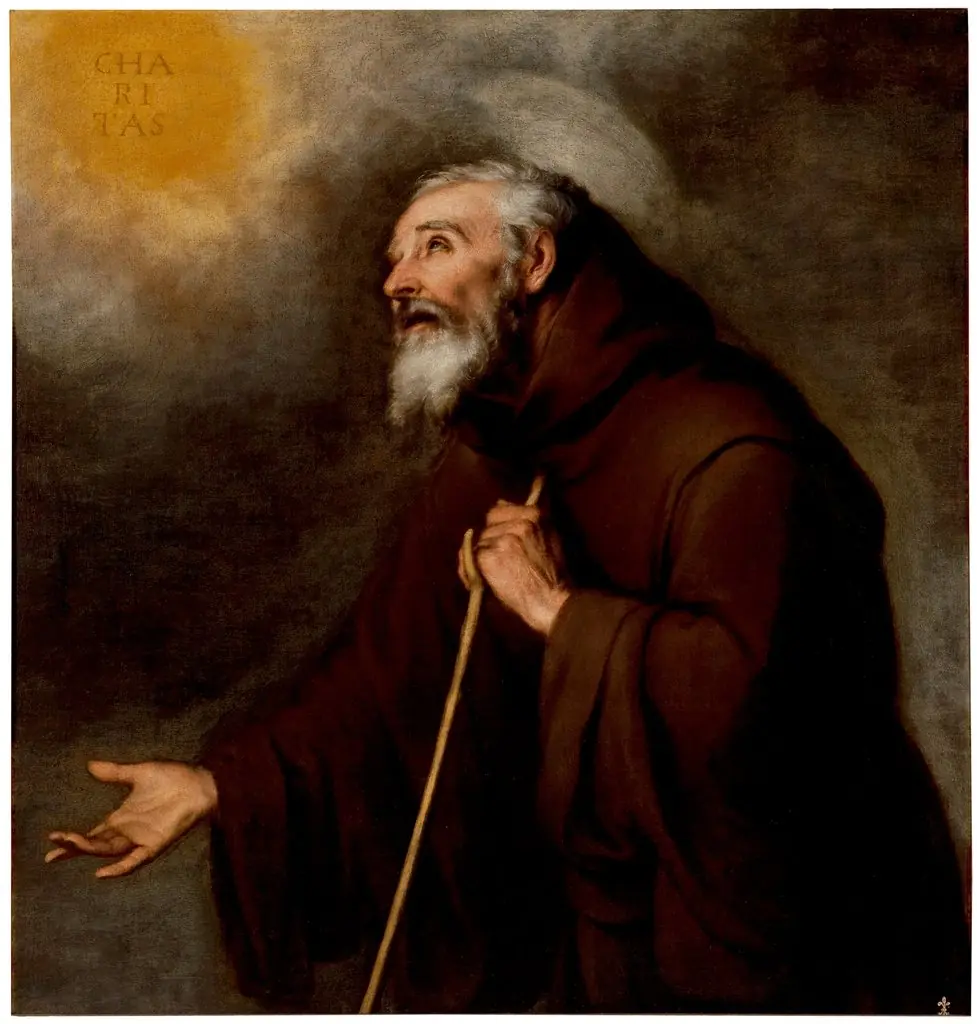 Saint Francis of Paola
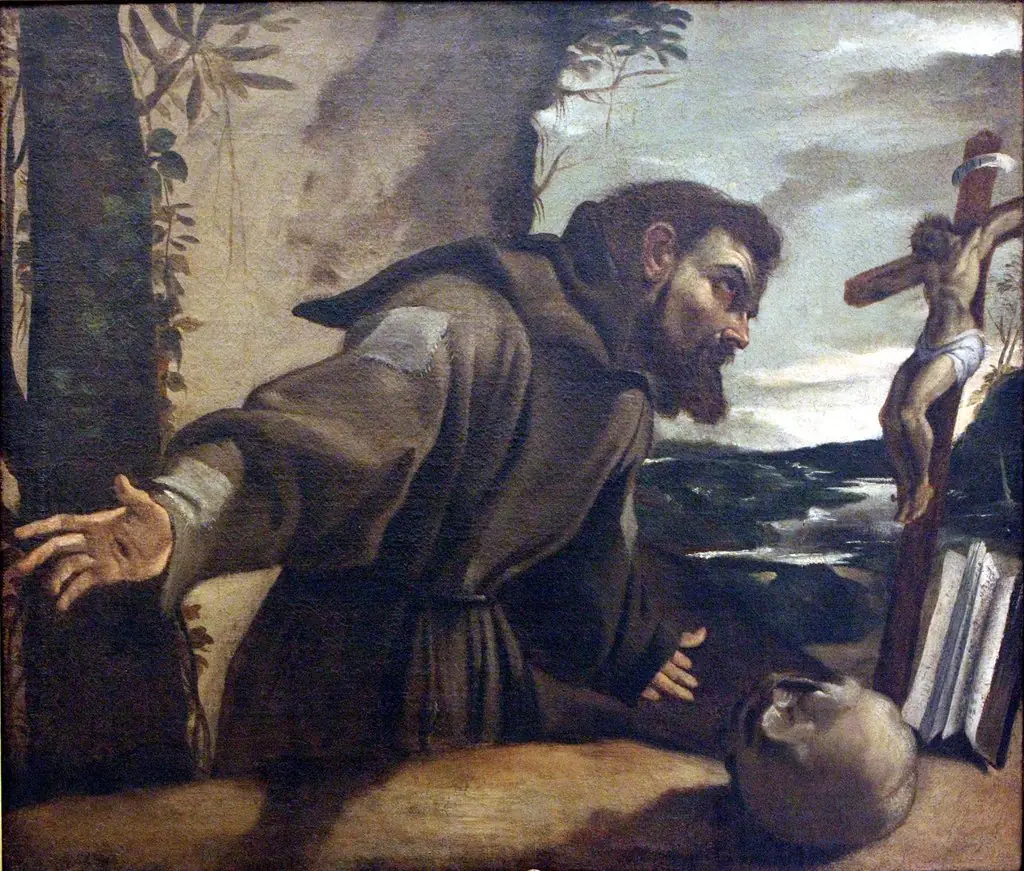 Sanit Francis
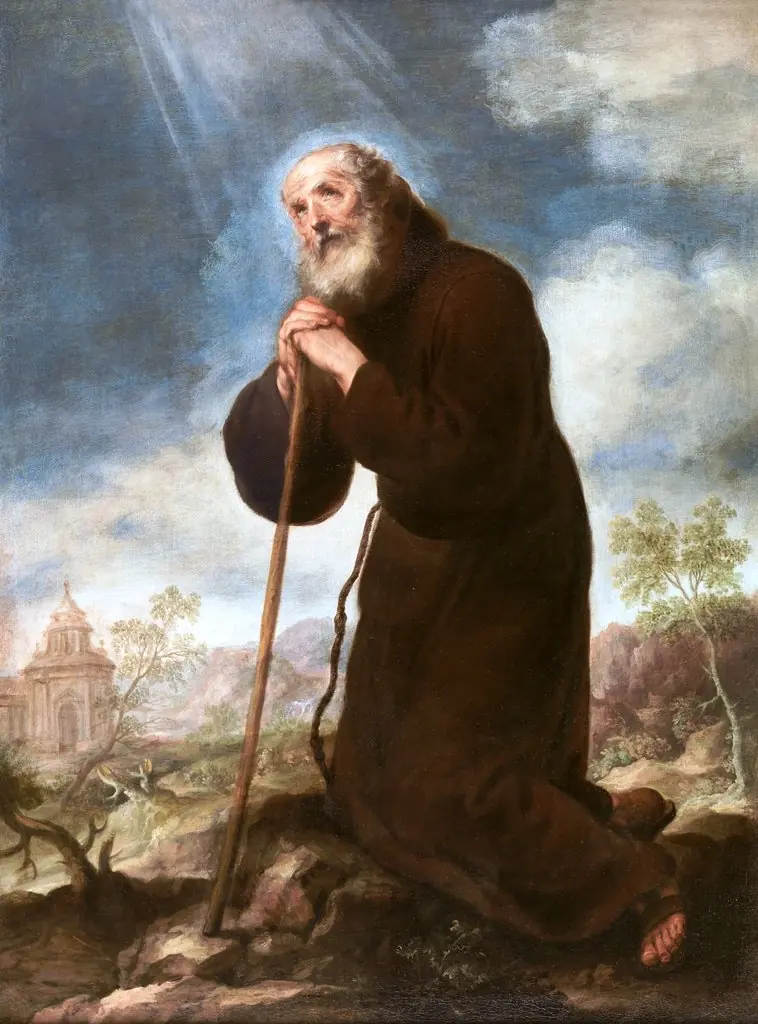 San Francisco de Paula