Artwork
Pieter de Jode the Elder
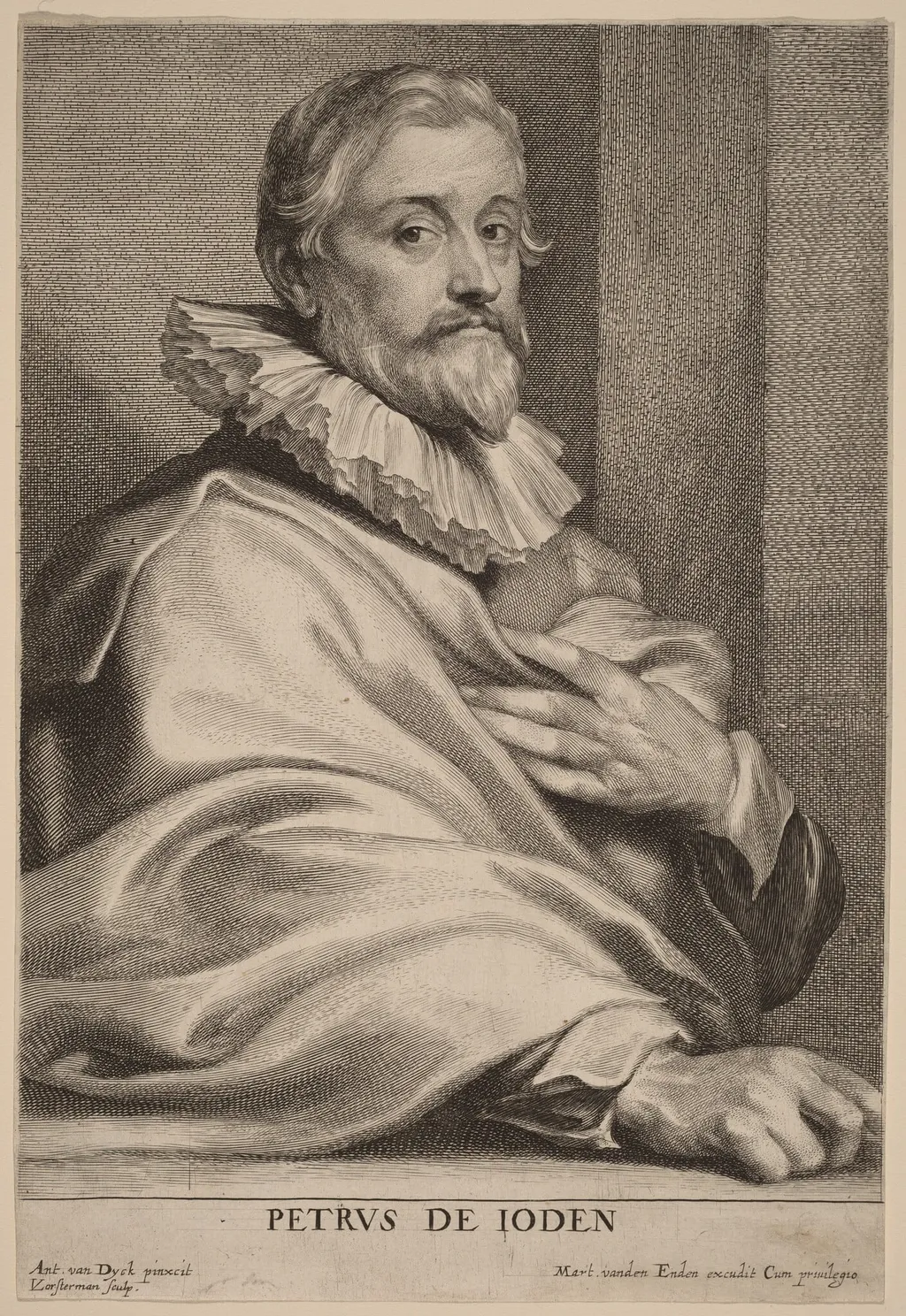
Pieter de Jode the Elder is an ink print by the Baroque artist Lucas Emil Vorsterman. It dates from 1634 and is held in the collection of the National Gallery of Art.
About this work
Overview
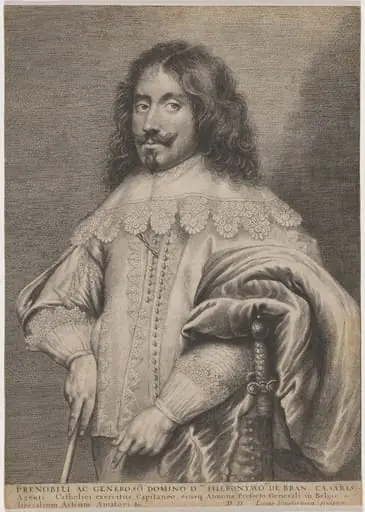
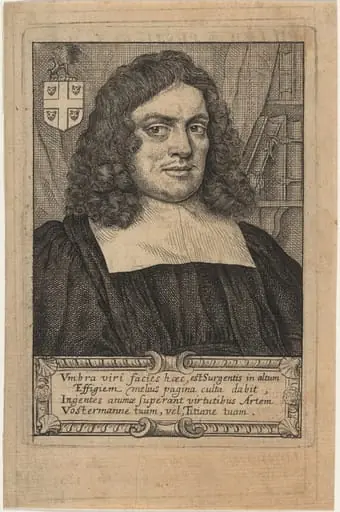
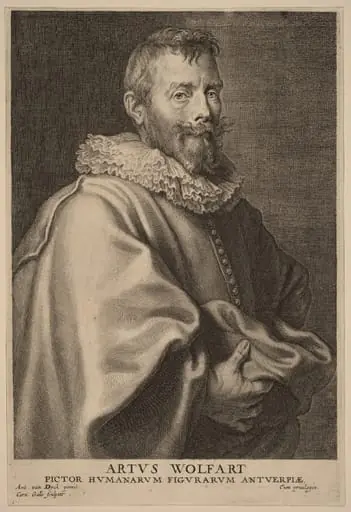
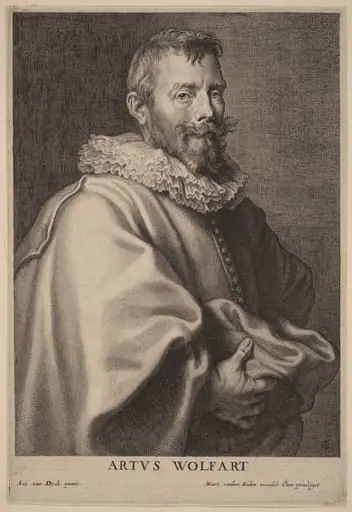
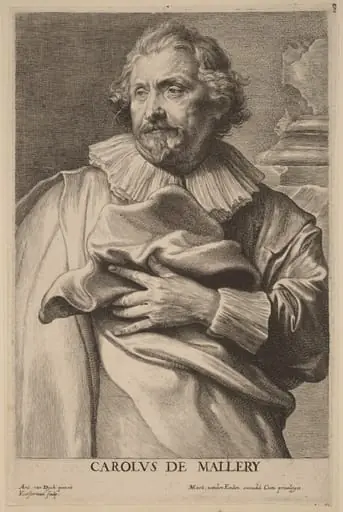
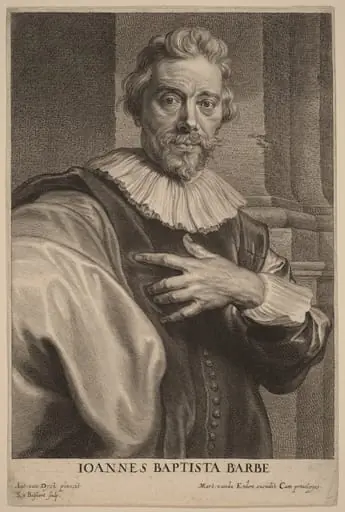
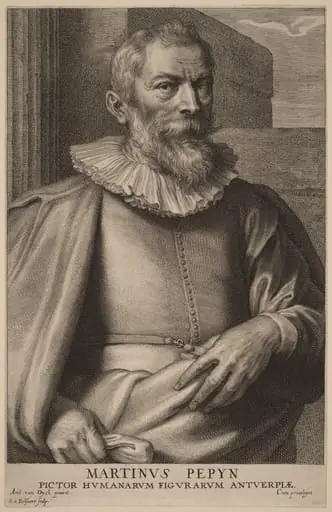
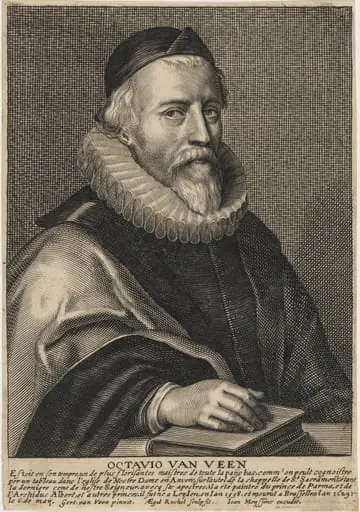
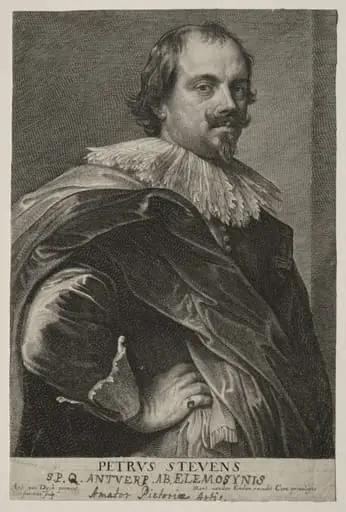
This engraving, created around 1634 by Lucas Emil Vorsterman, portrays Pieter de Jode the Elder, a Flemish printmaker and publisher. Rendered in fine linear detail, the portrait captures the subject in a quiet, frontal pose. The composition emphasizes stillness and introspection, typical of early 17th-century Northern European portraiture in print form.
Subject & Meaning
The direct eye contact invites a sense of personal presence, aligning with the era’s emphasis on individual identity.
The subject, Pieter de Jode the Elder, was a respected figure in the Antwerp print trade. His dignified posture, aged beard, and restrained gaze convey authority and scholarly gravitas. The fabric in his hand may reference his profession, suggesting the handling of printed sheets or proofs. The direct eye contact invites a sense of personal presence, aligning with the era’s emphasis on individual identity.
Technique & Style
Vorsterman employed precise engraving lines to model form and texture, particularly in the beard and ruffled collar. The background is minimal, with a single vertical line suggesting architectural depth without distraction. The tonal range is controlled, relying on line density rather than shading, characteristic of skilled Northern engraving of the period.
History & Provenance
The print was produced during Vorsterman’s time in Antwerp, where he worked closely with artists and publishers. It likely served as a portrait for circulation among patrons and colleagues, reinforcing Jode’s professional standing. No definitive early ownership records survive, but the work was reproduced and collected within artistic circles in the Low Countries.
Context
This engraving emerged during a flourishing period of print culture in Antwerp, where artists documented peers and patrons through engraved portraits. The Baroque era’s interest in psychological depth found expression here not through drama, but through restraint. Such portraits functioned as both personal mementos and professional endorsements within the printmaking community.
Legacy
Vorsterman’s engraving of de Jode remains a documented example of how printmakers represented one another, preserving the likenesses of key figures in the Northern European art trade. It reflects the collaborative nature of the print industry and the value placed on professional identity in the 17th century.
Artist & collection
Artist
etching and engraving by Lucas Vorsterman II, NGA 10762), B1977.14.10539 - Yale etc