Artwork
Portrait of a Man with a Pink
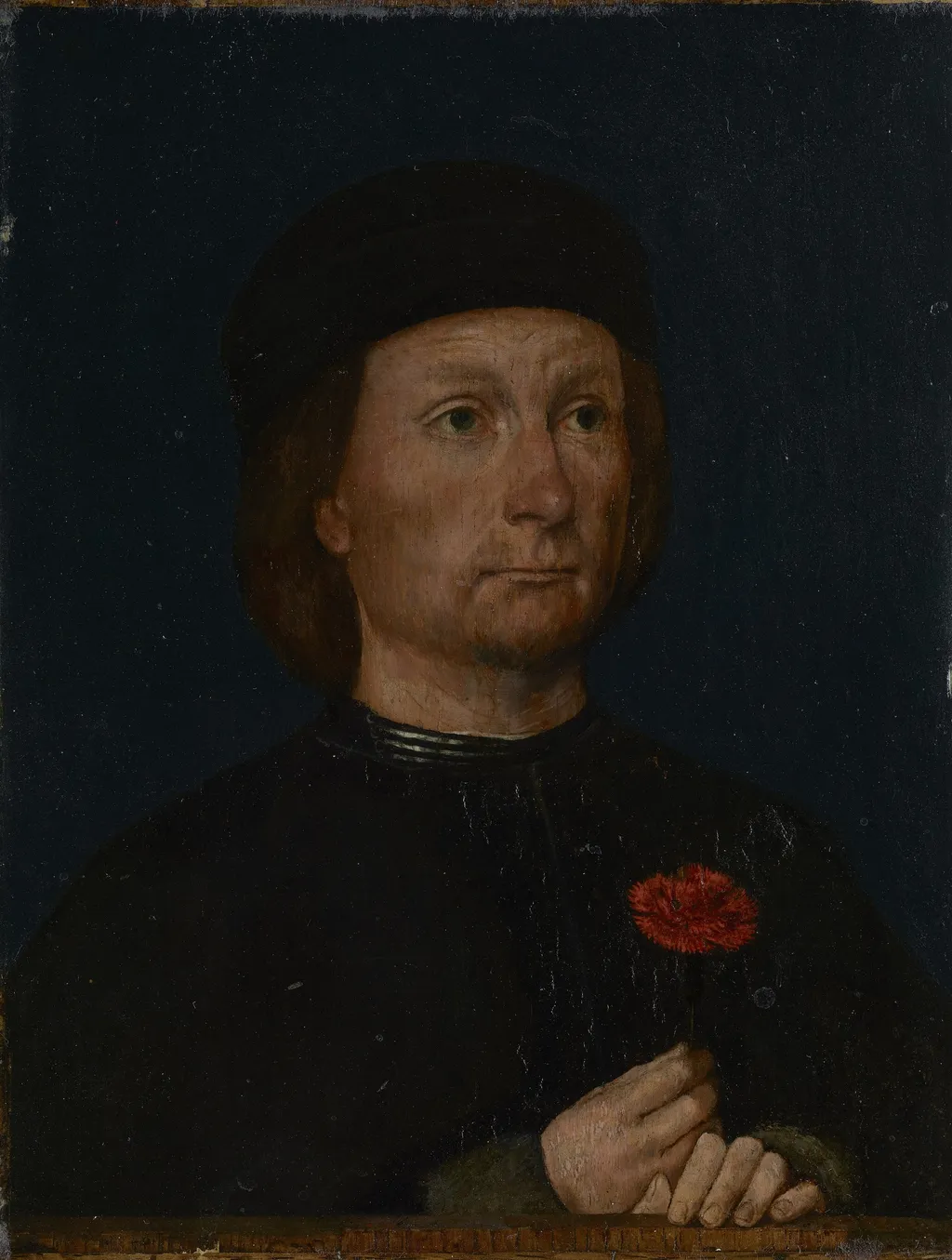
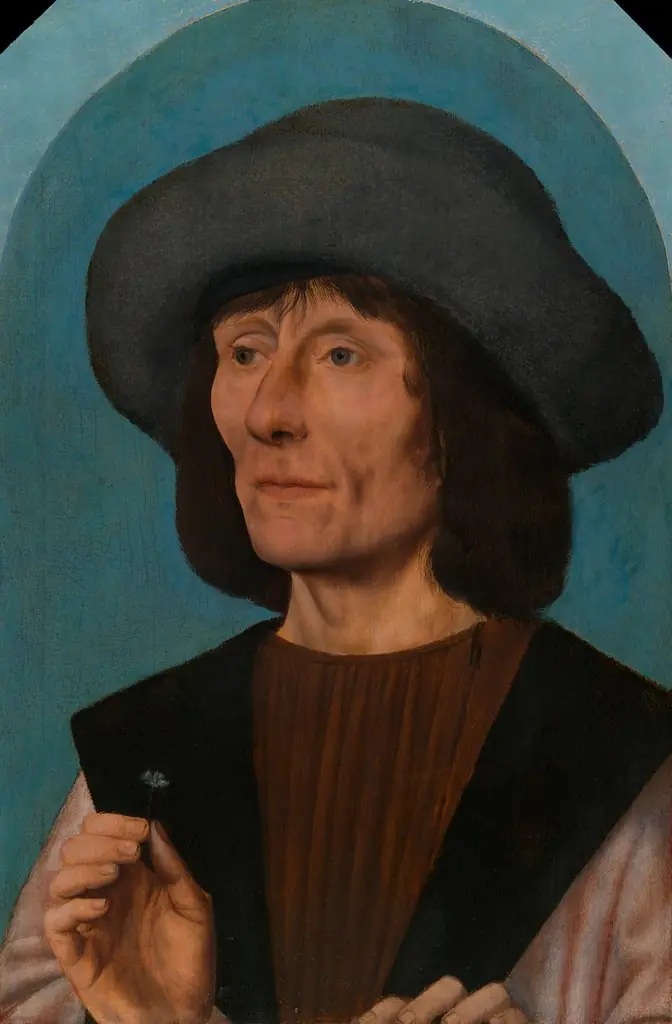
Portrait of a Man with a Pink is an oil painting by the Northern Renaissance artist Michael Sittow. It dates from 1500 and is held in the collection of the J. Paul Getty Museum.
About this work
Overview
Painted in 1500 by Michael Sittow, this oil portrait captures a man holding a pink carnation against a deep blue background.
Painted in 1500 by Michael Sittow, this oil portrait captures a man holding a pink carnation against a deep blue background. Sittow, born in Reval and trained in the Netherlandish style, worked extensively in royal courts across Europe. The painting reflects his precision in rendering texture and form, characteristic of Northern Renaissance portraiture. It is now part of the J. Paul Getty Museum’s collection.
Subject & Meaning
The sitter, dressed in dark clothing and a black hat, holds a pink carnation, a symbol often associated with betrothal or devotion in early modern Europe. His neutral expression and restrained posture suggest introspection rather than display. The flower may indicate personal sentiment, social status, or a reference to religious symbolism, though its exact meaning remains open to interpretation.
Technique & Style
Sittow employed fine brushwork to render the texture of fabric, skin, and the delicate petals of the carnation. The dark background enhances the three-dimensionality of the figure, while subtle gradations of light model the face and hands. His technique aligns with Early Netherlandish traditions, emphasizing detail and quiet realism over dramatic expression.
History & Provenance
The painting entered the J. Paul Getty Museum’s collection in the 20th century, though its earlier ownership is undocumented. Sittow’s reputation as a court painter for Isabella of Castile and other Habsburg patrons suggests the subject may have been connected to Iberian or Burgundian nobility. Its survival intact reflects its value to collectors over centuries.
Context
Created during the Northern Renaissance, the portrait reflects the era’s growing interest in individual identity and secular portraiture. Sittow’s training in the Netherlands and service to Iberian courts illustrate the transnational movement of artists and styles. The use of oil paint and symbolic objects like the carnation aligns with broader trends in elite portraiture of the period.
Legacy
Michael Sittow’s work, though less widely known than his contemporaries, represents the high level of craftsmanship achieved by Northern painters in royal service. This portrait exemplifies his ability to convey psychological depth through restraint. It remains a key example of how regional styles merged in early 16th-century European court culture.
Own this work as a print
Artist & collection
Artist
Michael Sittow (c. 1469 – 1525), also known as Master Michiel, Michel Sittow, Michiel, Miguel Sithium, and several other variants, was a painter from Reval (Tallinn), now capital of Estonia, who was trained in the…

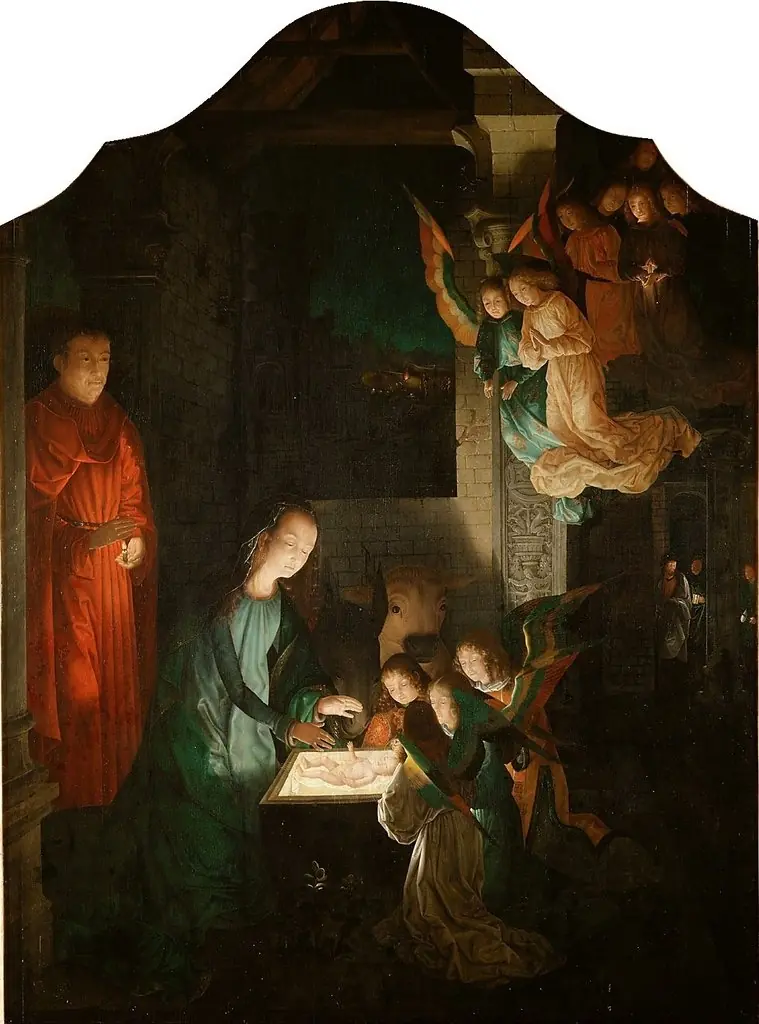
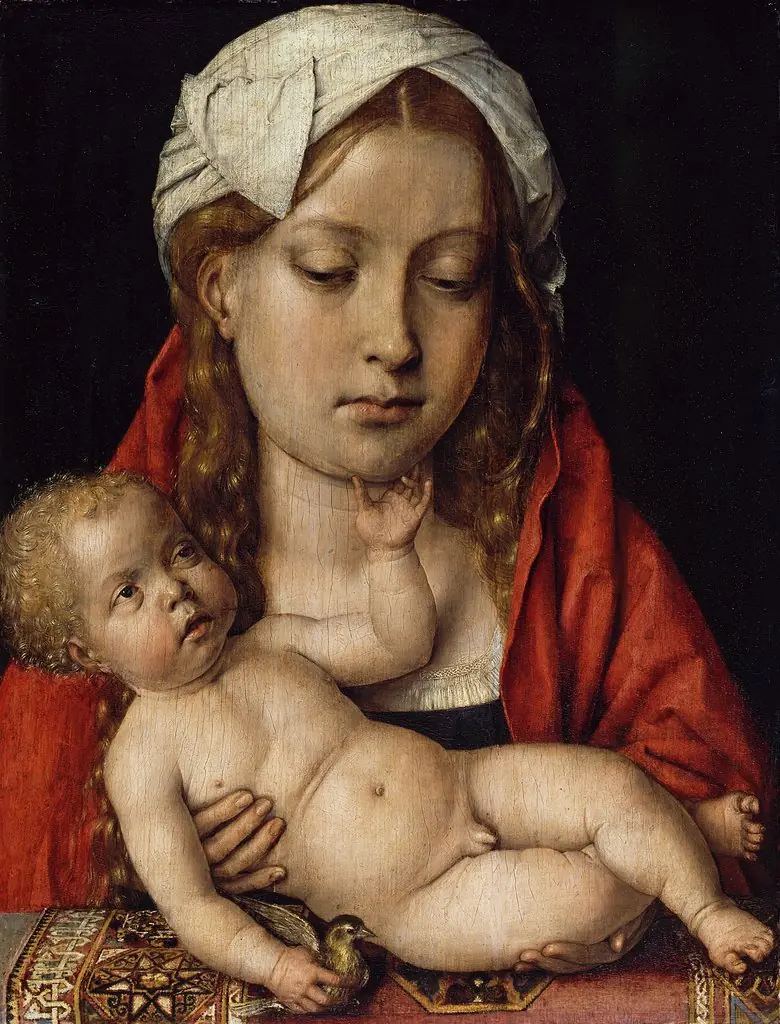
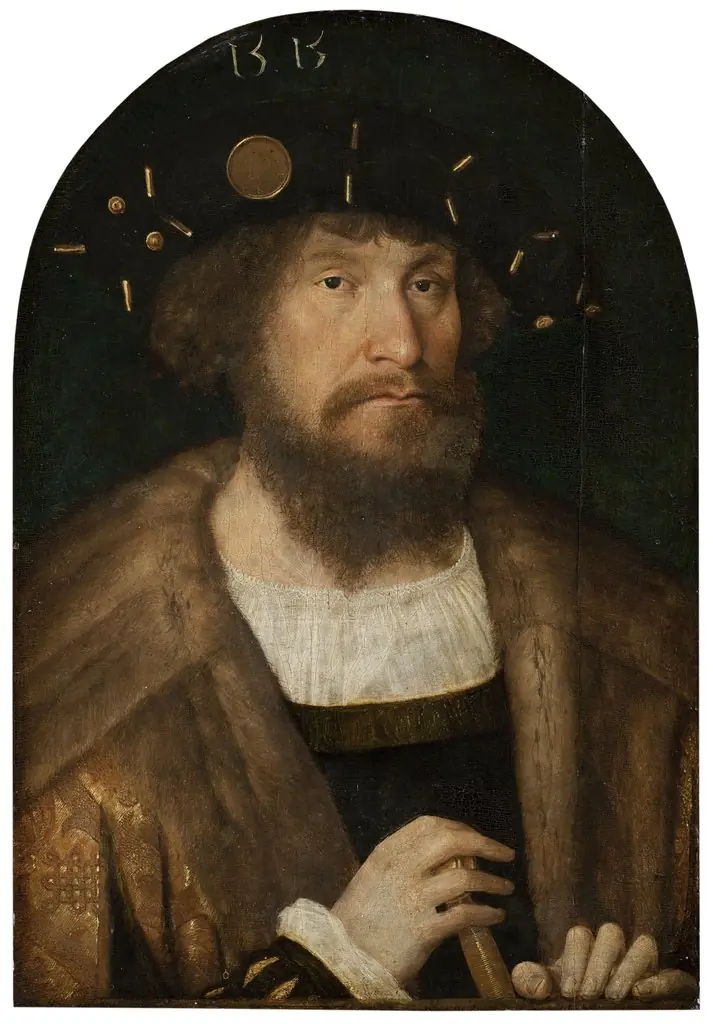
 Portrait of a man
 Portrait of a Man
 Portrait of a man
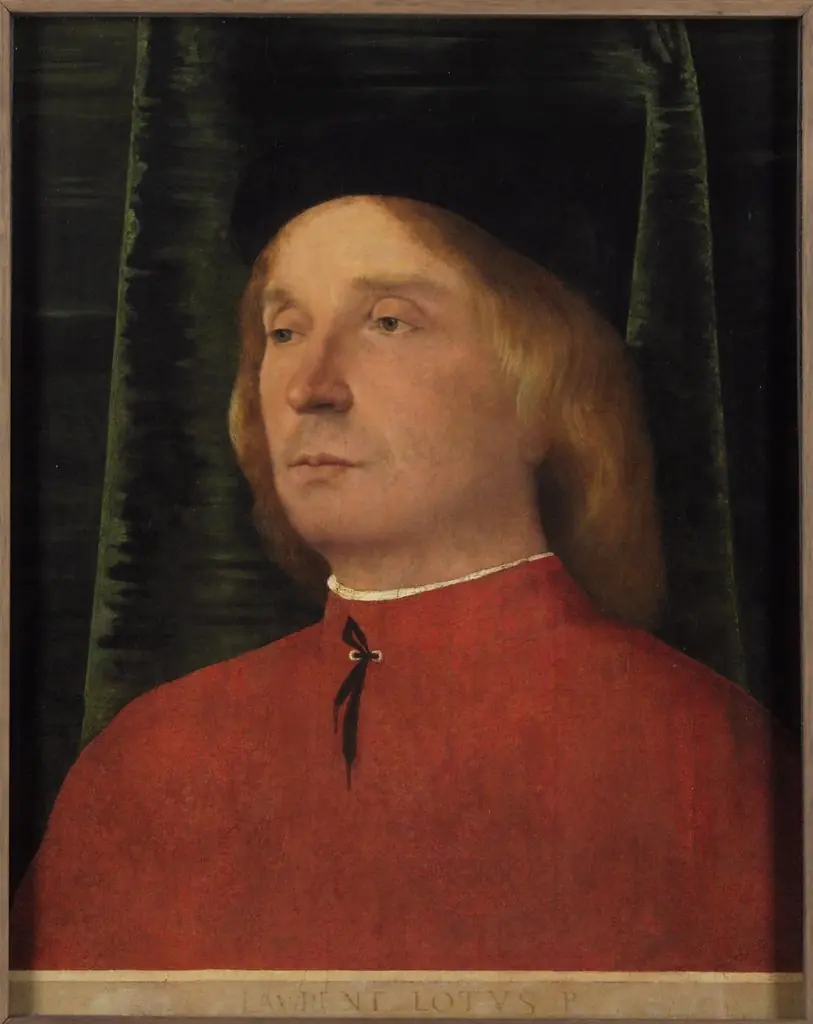 Portrait of a young man in red garment
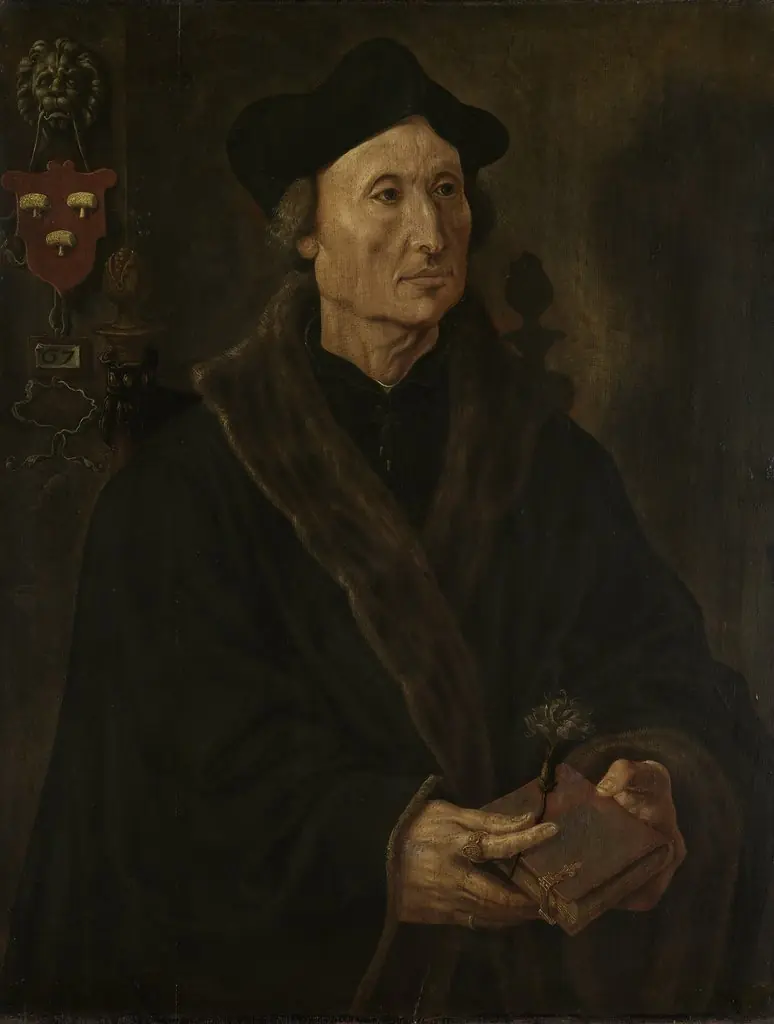 Portrait of Johannes Colmannus (1471-1538)
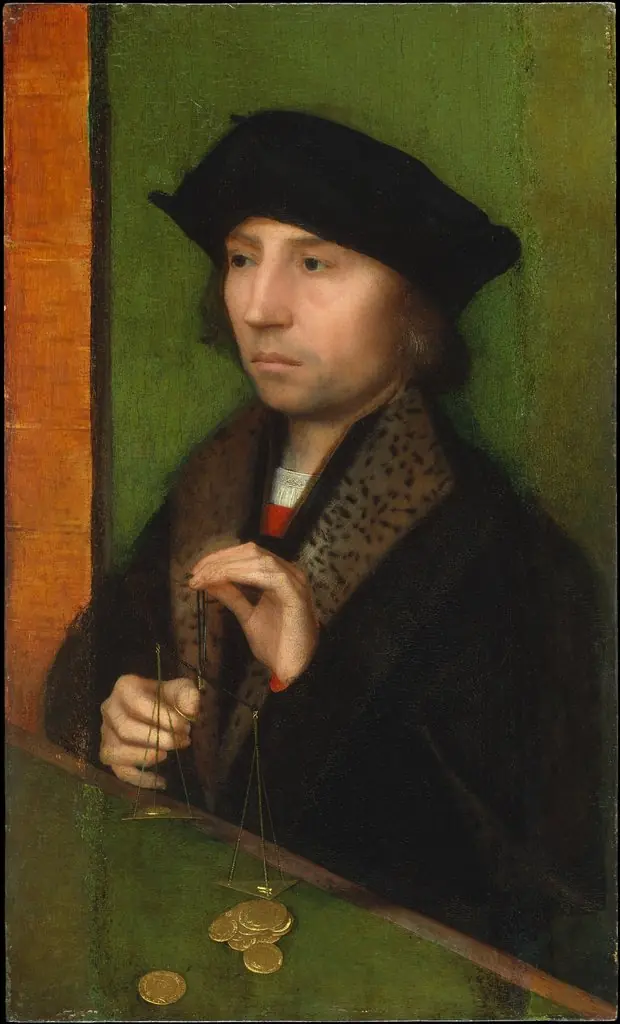 Man Weighing Gold
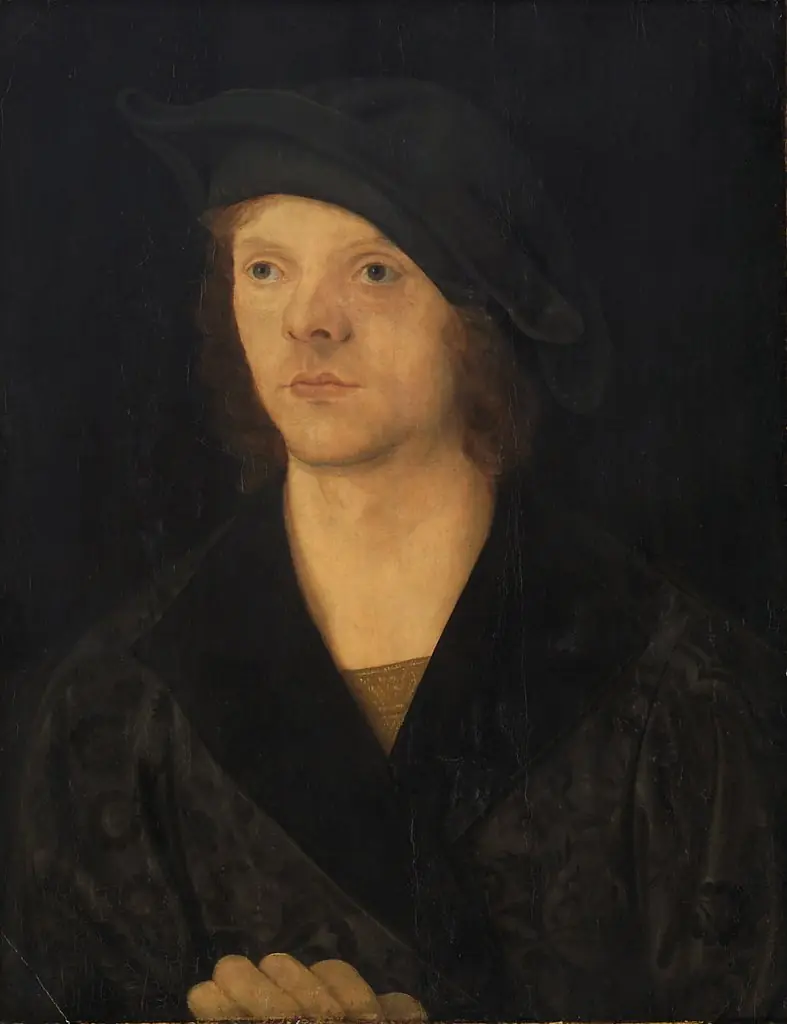 Bildnis eines jungen Mannes
 Portrait of a Young Man
 Portrait of a Young Man
 Portrait of a Man in a Red Cap
 A Young Man
 Portrait of a Man with a Pink Carnation