Artwork
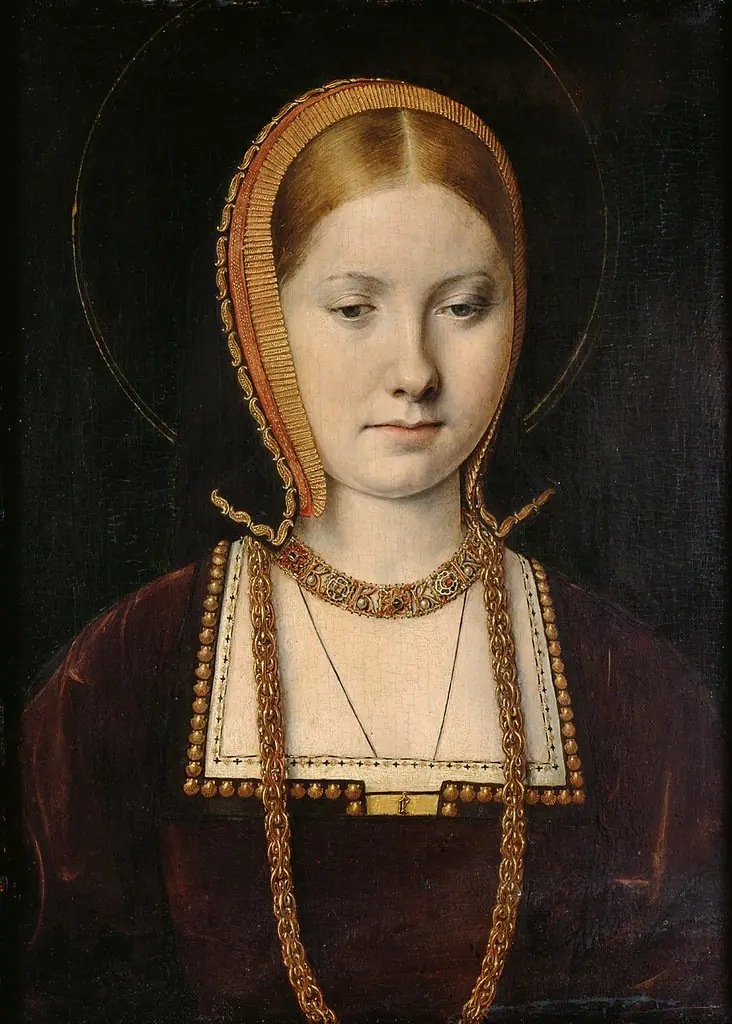
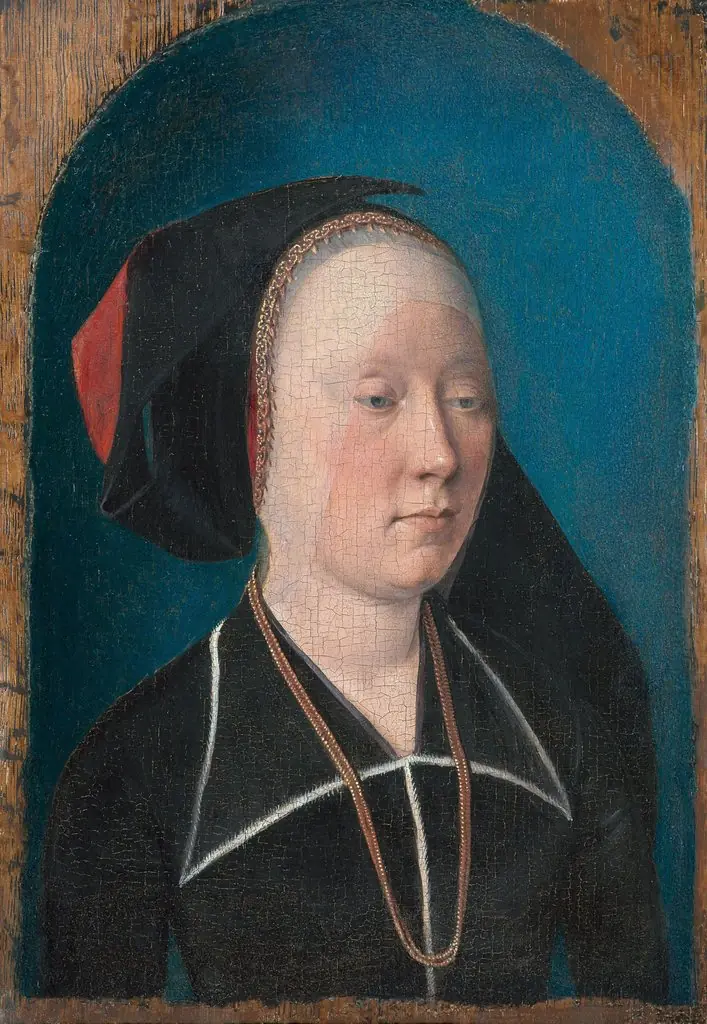
Catherine of Aragon as the Magdalene
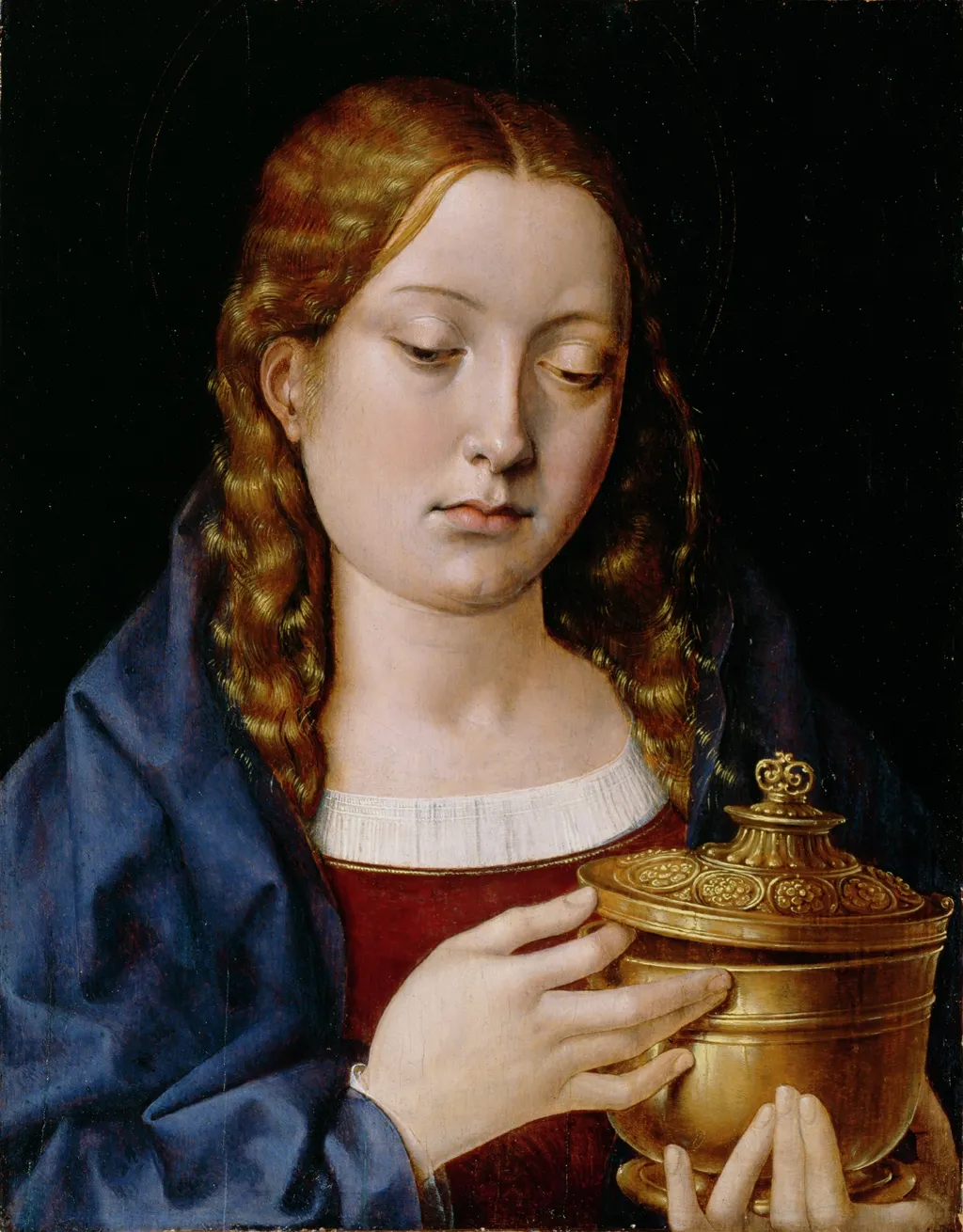
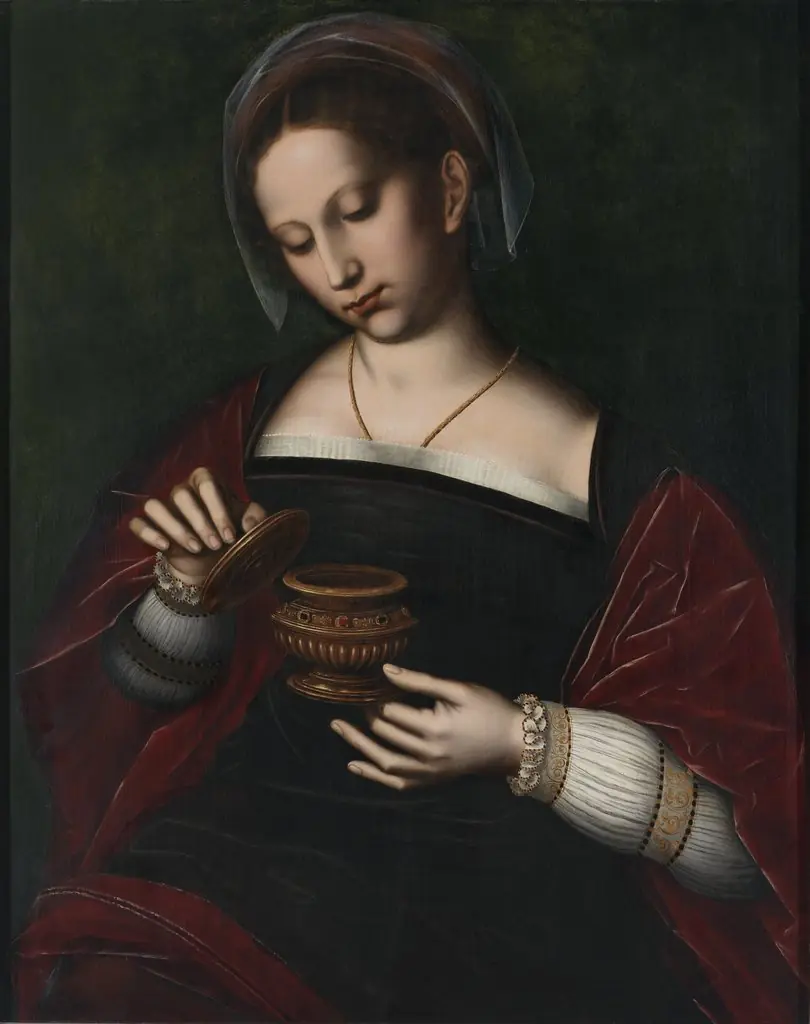
Catherine of Aragon as the Magdalene is an oil painting by the Northern Renaissance artist Michael Sittow. It dates from 1515 and is held in the collection of the Detroit Institute of Arts. Created in 1515, this oil-on-panel portrait presents Catherine of Aragon dressed as the biblical Mary Magdalene.
About this work
Overview
Created in 1515, this oil-on-panel portrait presents Catherine of Aragon dressed as the biblical Mary Magdalene. The work is attributed to Michael Sittow, a painter whose career was rooted in the Early Netherlandish tradition and who served several royal courts. It is part of the Northern Renaissance collection and is currently housed in the Detroit Institute of Arts.
Subject & Meaning
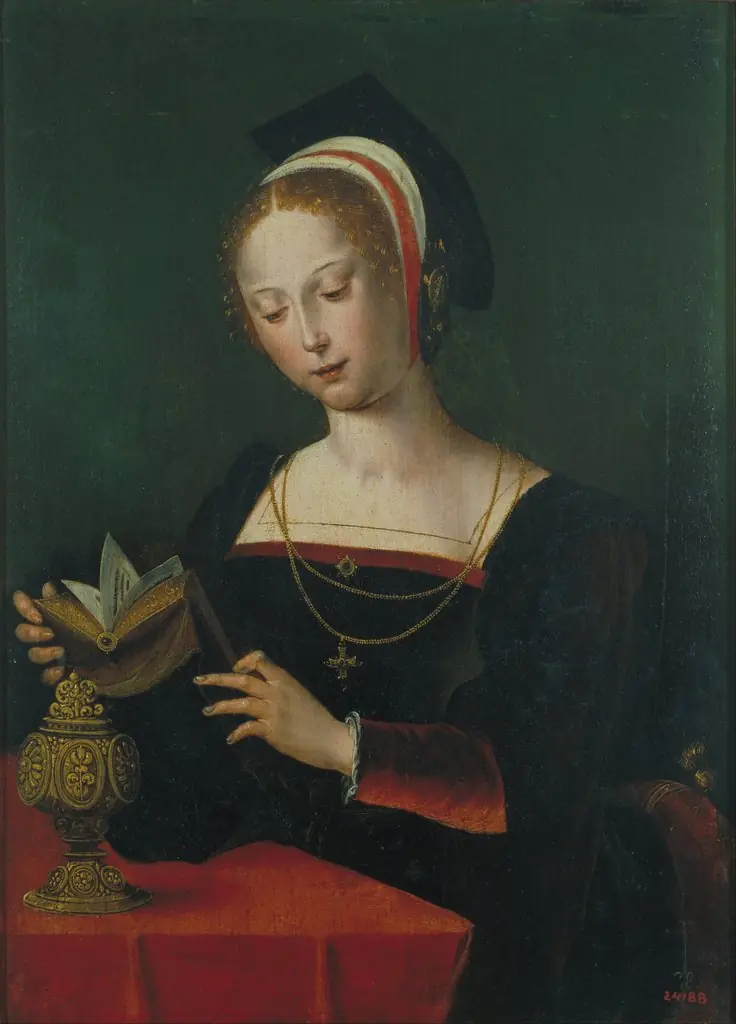
The sitter is identified as Catherine of Aragon, the future queen of England, portrayed in the guise of the repentant Magdalene. By adopting the saint’s iconography—a modest dress, a contemplative pose, and a small golden box often linked to penitence—the painting underscores themes of piety and royal virtue, aligning the princess with a revered religious figure.
Technique & Style
Sittow employs a refined chiaroscuro, allowing soft shadows to model the flesh and fabric with a lifelike quality. The palette balances deep blues and reds with a luminous white collar, while the smooth handling of oil creates delicate transitions between light and dark. The plain, dark background isolates the figure, directing attention to her face and the intricately detailed box.
History & Provenance
The portrait remained within royal circles before entering the public domain. Documented as part of the Detroit Institute of Arts collection, it reflects Sittow’s role as a court painter for patrons such as Isabella of Castile and members of the Habsburg dynasty, illustrating his cross‑court reputation during the early sixteenth century.
Context
Produced during the Northern Renaissance, the painting exemplifies the fusion of Netherherlandish precision with the emerging courtly portraiture of Spain and the Holy Roman Empire. Its depiction of a royal woman in a saintly guise mirrors contemporary practices of using religious symbolism to convey political legitimacy and personal virtue.
Own this work as a print
Artist & collection
Artist
Michael Sittow (c. 1469 – 1525), also known as Master Michiel, Michel Sittow, Michiel, Miguel Sithium, and several other variants, was a painter from Reval (Tallinn), now capital of Estonia, who was trained in the…